Countries Most Isolated from the Outside World
In a world where communication is instant, global trade is a reality, and international travel is common, the concept of a country being isolated from the rest of the world seems almost impossible. Airplanes crisscross continents on a daily basis, satellites orbit the earth, and information can be transmitted around the globe in a matter of seconds.
Yet in spite of this unprecedented level of global connectedness, some countries seem more isolated from the rest of the world than others. Being isolated does not necessarily mean a country is totally disconnected from the rest of the world.
Rather, in many cases, it merely implies that access is restricted, travel is difficult, or a country’s government exercises stringent controls over interactions with outsiders or members of the media. While some countries view isolation as a positive strategy for preserving their cultures or national identities, others view it as a reality because of geographical or physical inaccessibility.
Together, these countries provide a glimpse at how different cultures approach independence in relation to global interaction. Let’s examine fifteen countries considered by many to be among the most isolated from the rest of the world.
North Korea

North Korea is frequently cited as the most isolated country in modern geopolitics. The government maintains strict control over communication, travel, and information.
Foreign visitors are allowed in only under carefully arranged tours, and their movements inside the country are closely monitored. Internet access is extremely limited for most citizens, and outside media is heavily restricted.
Diplomatic relationships exist with a small number of countries, yet economic sanctions and political tensions have further deepened the nation’s isolation. For many observers, North Korea represents a rare example of a country that has deliberately limited its exposure to the outside world.
Bhutan

Bhutan sits high in the Himalayas between India and China, and its mountainous geography historically limited contact with neighboring regions. For much of the 20th century, the country restricted tourism in order to protect its culture and environment.
Even today, Bhutan follows a policy sometimes described as ‘high value, low volume’ tourism. Visitors typically arrange trips through licensed operators and follow specific travel guidelines.
This approach helps preserve traditional architecture, customs, and landscapes while still allowing controlled engagement with the global community.
Turkmenistan
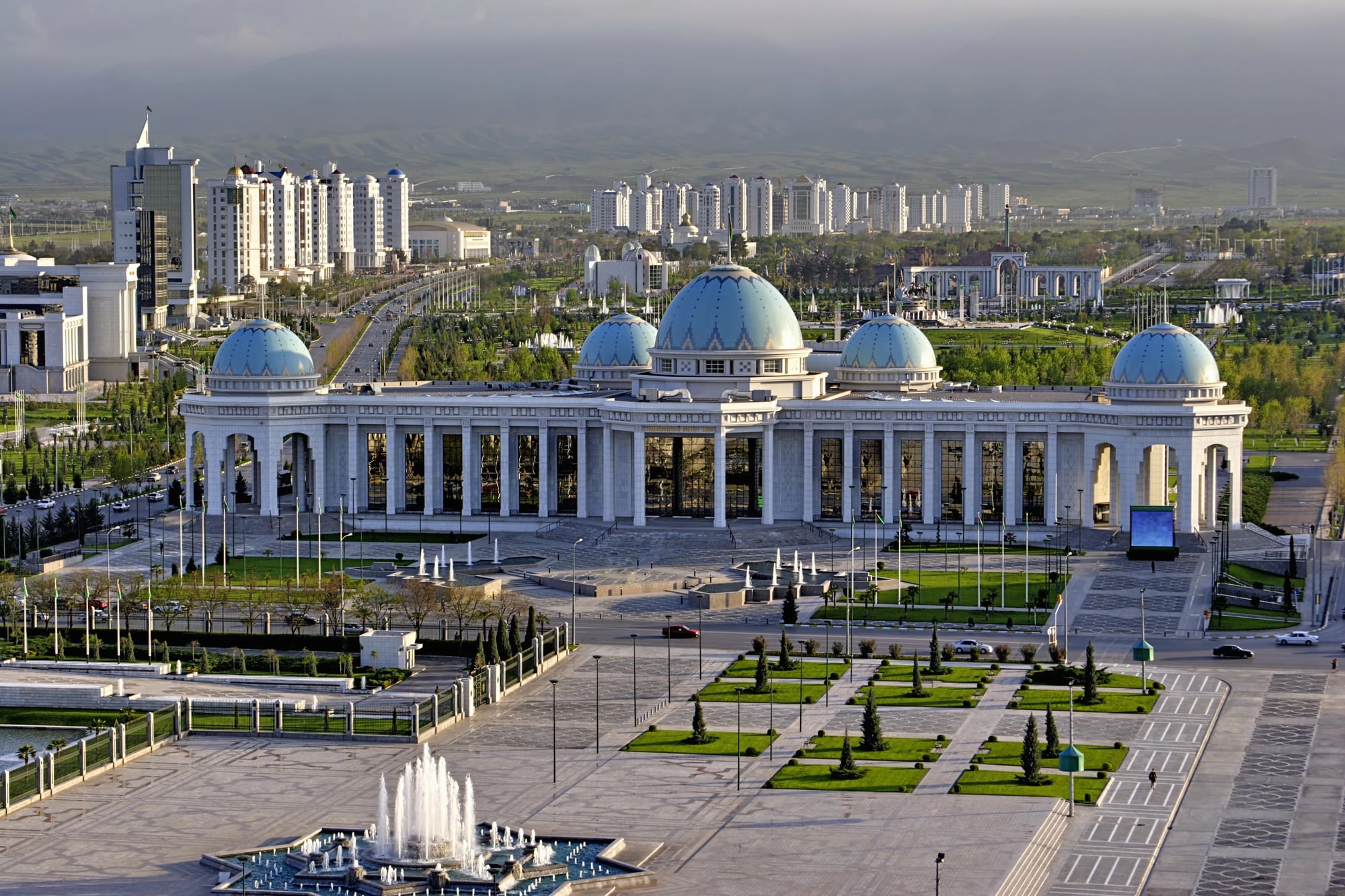
Turkmenistan is one of the least visited countries in Central Asia. Strict visa requirements and limited tourism infrastructure make it difficult for travelers to enter.
The government also maintains tight control over media and information inside the country. Despite possessing large natural gas reserves, Turkmenistan keeps a relatively low international profile.
Its capital city features grand monuments and unusual architectural projects, yet the nation itself remains largely unknown to many outside observers.
Tuvalu

Tuvalu is among the smallest countries on Earth, both in population and land area. Located in the central Pacific Ocean, it consists of several low-lying islands surrounded by vast stretches of open water.
Reaching Tuvalu is not simple. Flights are infrequent, and travelers often pass through several regional airports before arriving.
The country’s remote location contributes to a slower pace of life and a tight-knit island community shaped by ocean traditions.
Kiribati

Kiribati is another Pacific island nation whose geography creates natural isolation. Its islands are scattered across thousands of miles of ocean, making travel between them challenging even for residents.
Because the country is so widely dispersed, transportation and communication networks face constant logistical challenges. Despite these obstacles, local communities maintain strong cultural traditions tied closely to the sea.
Mongolia

Mongolia’s sense of isolation comes largely from its vast and sparsely populated landscape. The country is landlocked between Russia and China, yet enormous grasslands and deserts dominate much of its territory.
Outside the capital city of Ulaanbaatar, large regions remain lightly populated. Nomadic herding traditions still exist in many areas, and distances between settlements can stretch for hundreds of miles.
These geographic realities create a feeling of remoteness rarely found in densely populated nations.
Nepal

Nepal’s isolation stems from its dramatic mountain terrain. Home to many of the world’s highest peaks, including Mount Everest, the country contains valleys and villages that can only be reached by footpaths or small mountain roads.
Although tourism has increased significantly over the years, many communities remain difficult to access. The rugged geography continues to shape daily life and transportation throughout the region.
Papua New Guinea

Papua New Guinea is one of the most culturally diverse countries in the world. Dense forests, towering mountain ranges, and scattered islands have historically separated communities from one another.
This geographic complexity contributed to the development of hundreds of languages and cultural traditions. Even today, travel within the country can involve boats, small aircraft, or long treks through remote landscapes.
Iceland
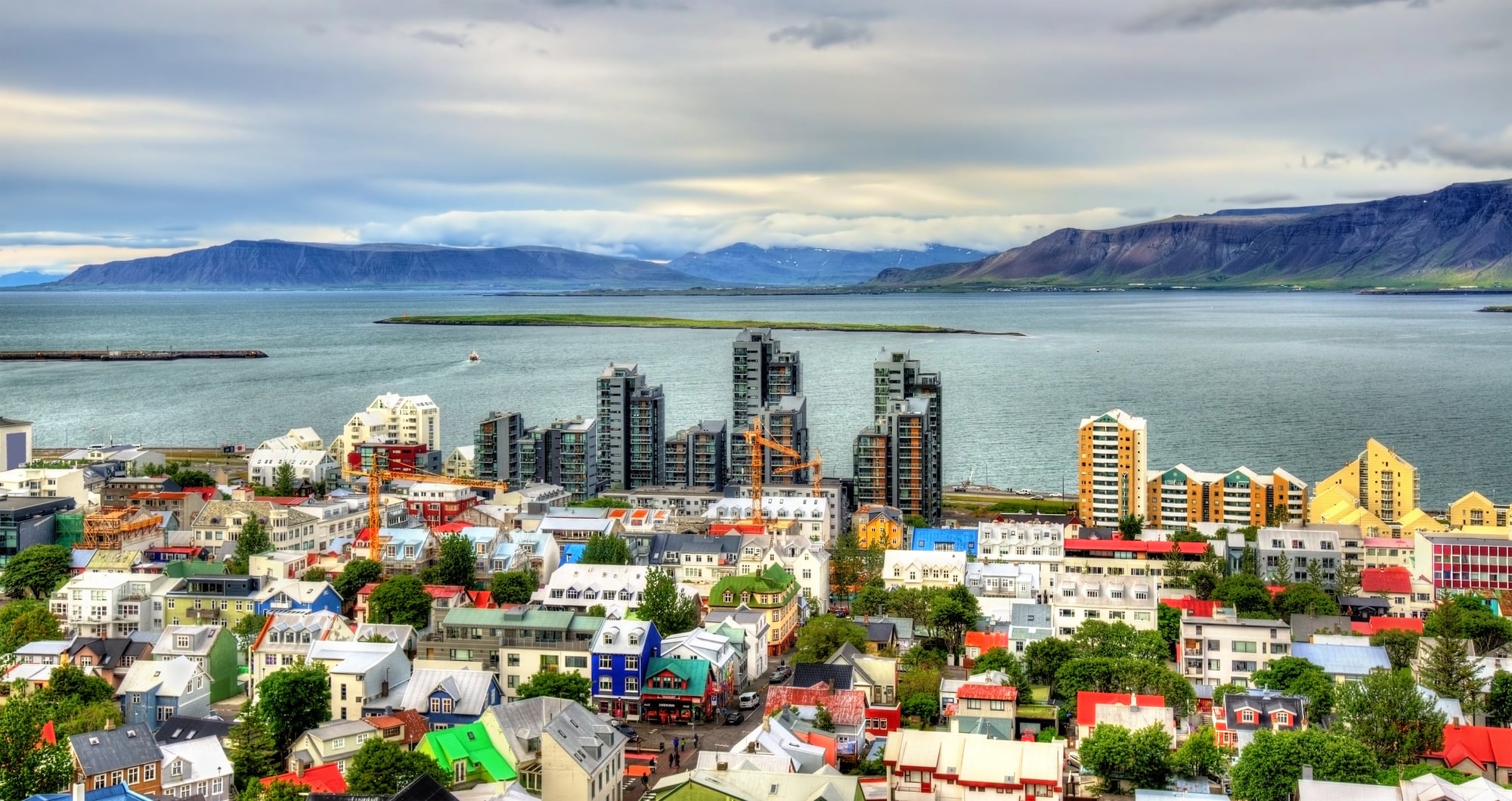
Iceland sits in the North Atlantic Ocean, hundreds of miles from mainland Europe. Its volcanic landscapes, glaciers, and rugged coastline once made travel to the island slow and difficult.
Modern air travel has reduced that isolation, yet Iceland’s small population and dramatic geography still create a sense of remoteness. Much of the interior remains largely uninhabited due to harsh conditions.
Greenland

Greenland is the world’s largest island, yet it has a population of fewer than sixty thousand people. Vast ice sheets cover much of the interior, leaving small settlements scattered along the coast.
There are no roads connecting most towns. Travel often depends on small aircraft, helicopters, or boats navigating icy waters.
These conditions create one of the most geographically isolated societies on Earth.
Madagascar
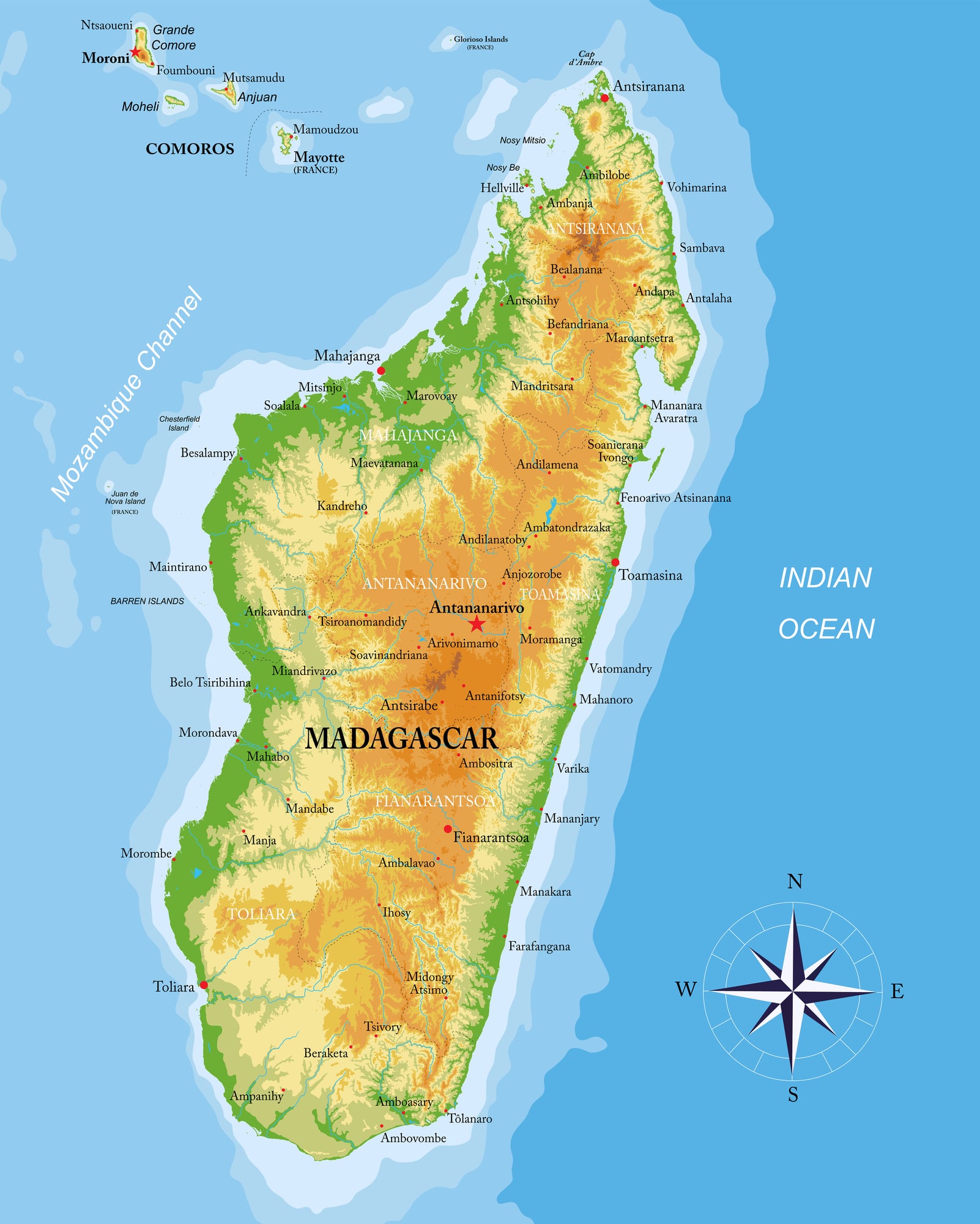
Madagascar lies off the southeastern coast of Africa and has been separated from the mainland for millions of years. This long isolation allowed unique ecosystems to develop, including plant and animal species found nowhere else.
Although the island maintains international connections through trade and tourism, its geographic separation continues to influence its culture and biodiversity.
Eritrea
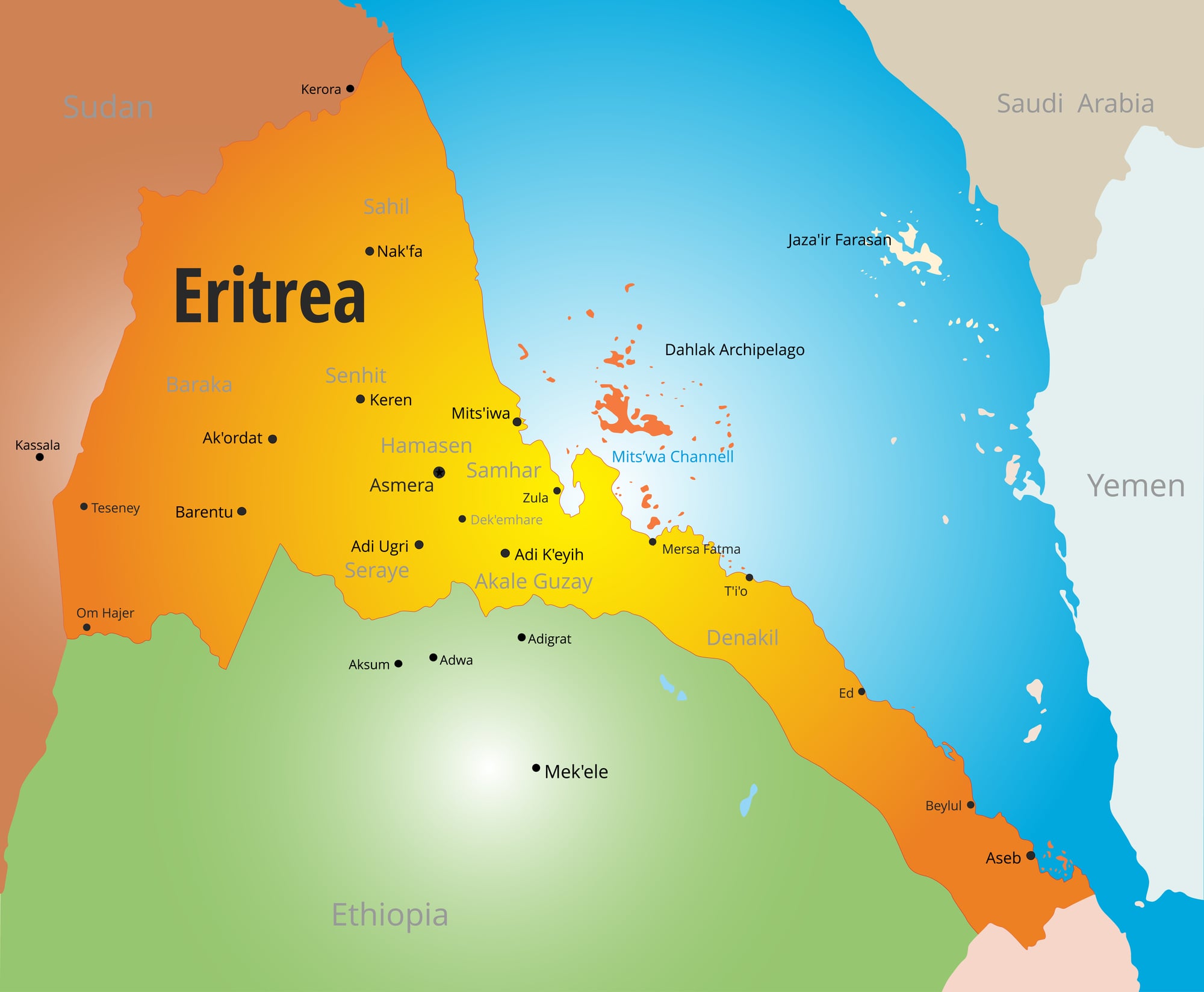
Eritrea has experienced periods of limited engagement with the international community. Political tensions and government policies have reduced tourism and foreign investment compared with neighboring countries.
Travel restrictions within the country also contribute to its reputation for isolation. As a result, Eritrea remains relatively unfamiliar to many travelers.
Andorra
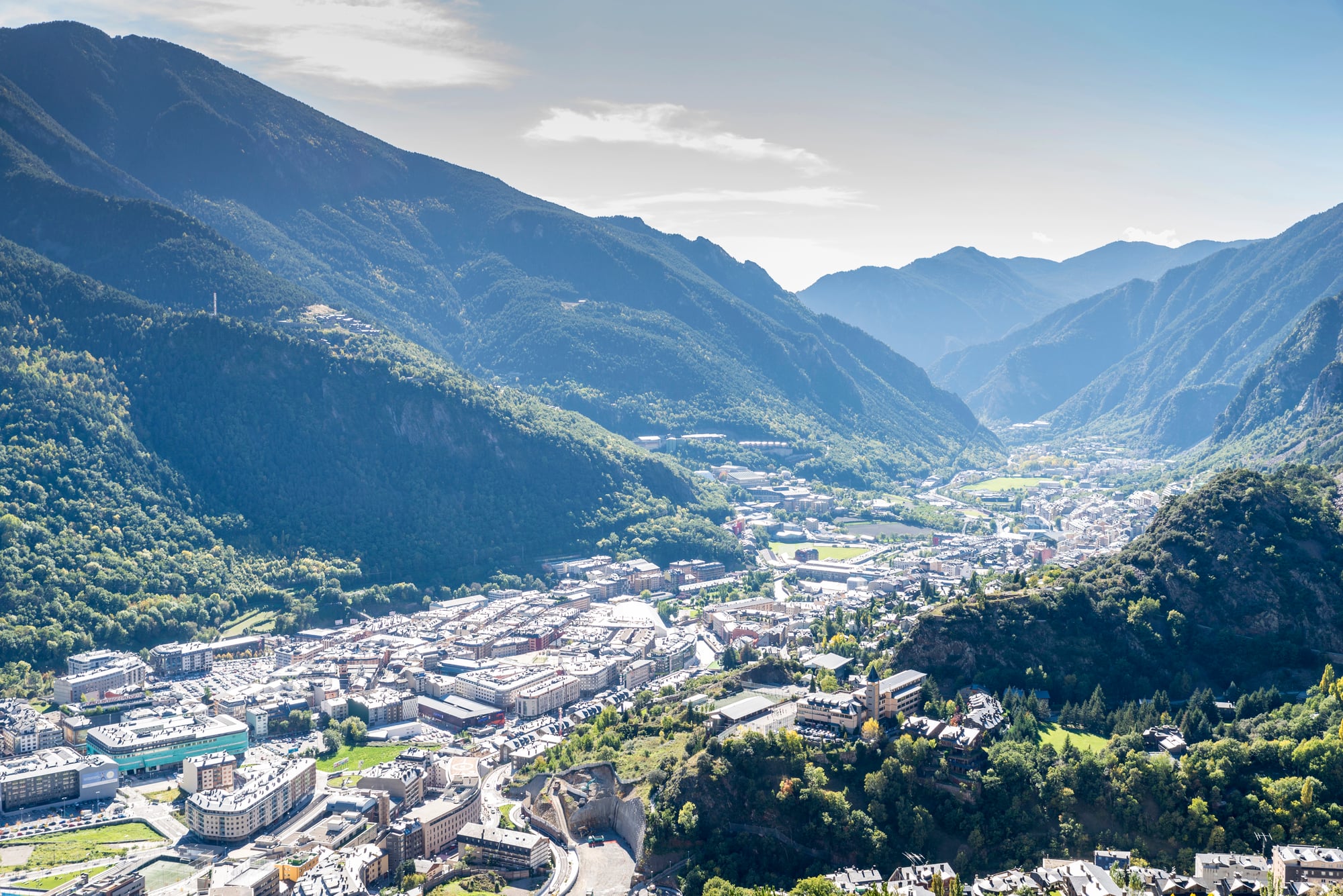
Andorra is a small country nestled deep within the Pyrenees Mountains between France and Spain. For centuries, steep mountain terrain limited access to the region.
Although modern roads and tourism have improved connectivity, the country’s geography shaped its unique political and cultural identity. Even today, Andorra maintains a distinct character influenced by its mountainous surroundings.
Lesotho
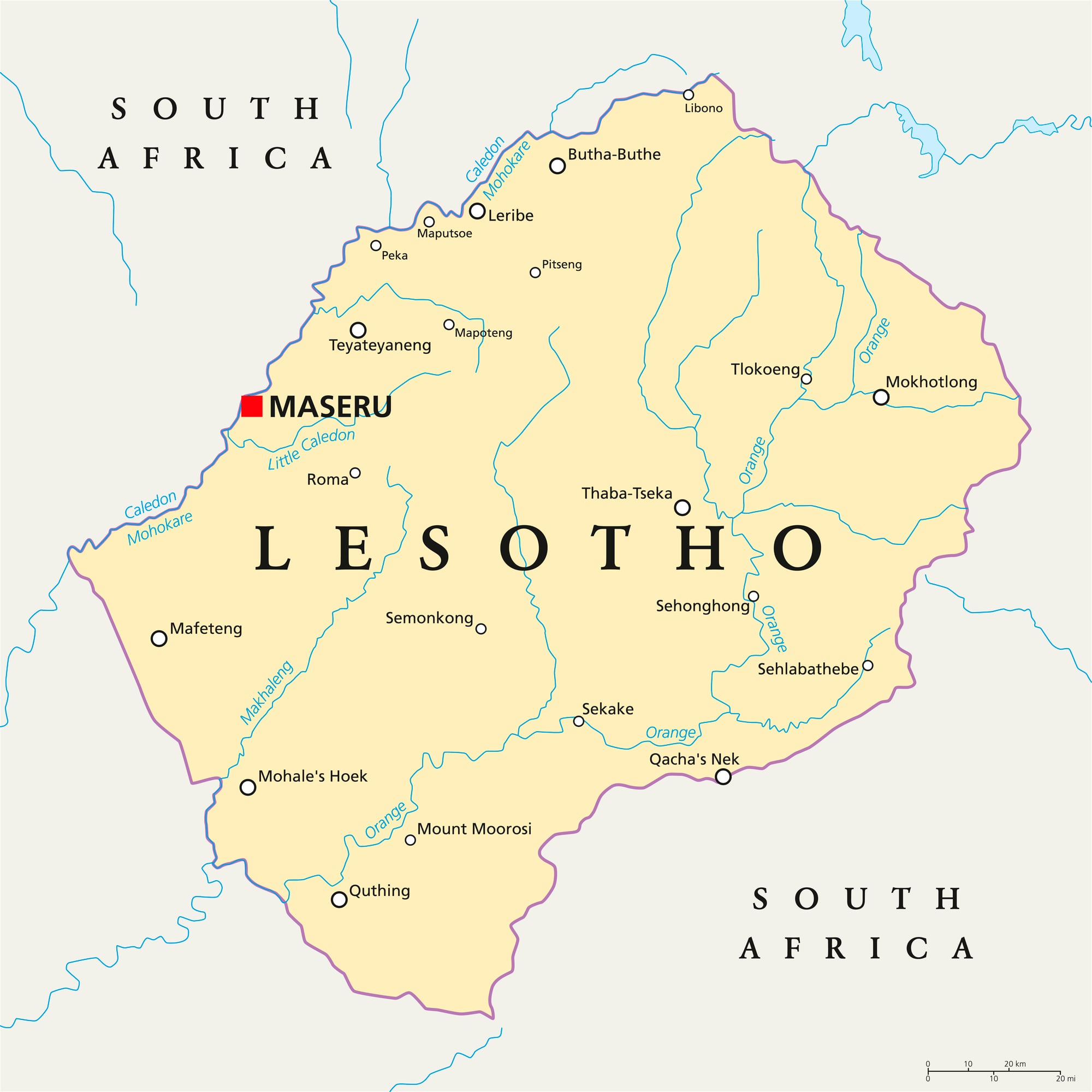
Lesotho is entirely surrounded by South Africa, making it one of the few countries in the world completely enclosed by another nation. Its mountainous terrain creates natural barriers that historically limited outside access.
Many villages sit high in the mountains, reachable only by winding roads or rugged tracks. This geography contributes to a lifestyle closely tied to local traditions.
Saint Helena
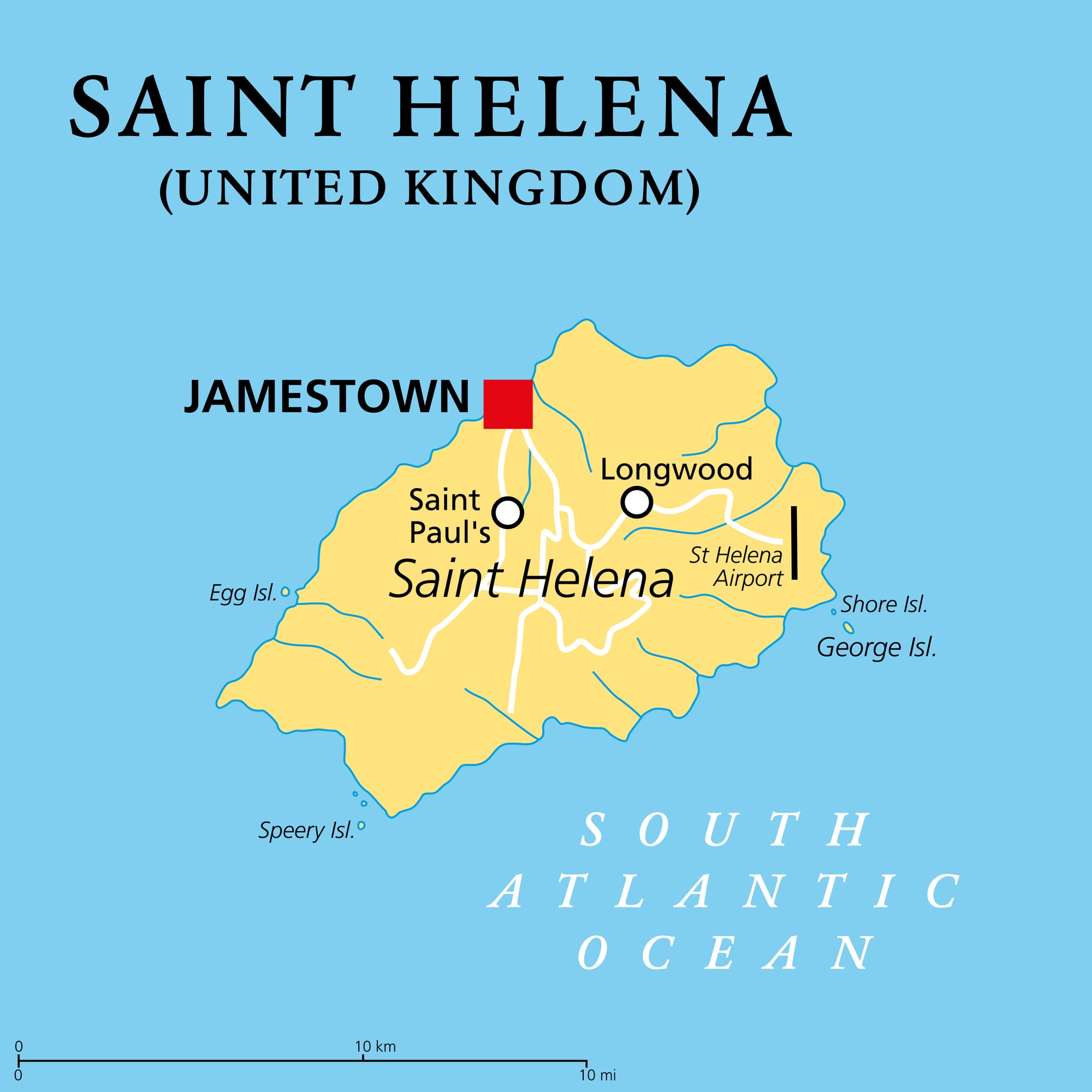
Saint Helena lies in the South Atlantic Ocean roughly 1,200 miles from the nearest mainland coast. For centuries, reaching the island required long sea voyages.
The island gained historical fame as the place where Napoleon Bonaparte spent his final years in exile. Even with the arrival of modern flights, Saint Helena remains one of the most remote inhabited islands in the world.
Isolation In An Interconnected Era

In fact, true isolation is becoming a rare phenomenon in the modern world. With satellite communication, air travel, and technology, even remote communities are linked to the rest of the world.
Nevertheless, geographical, political, and cultural factors influence the level of openness or closeness of any country. These isolated countries are a reminder that the level of globalization is not absolute in any country, and every nation strikes a balance between tradition and globalization.
More from Go2Tutors!

- The Romanov Crown Jewels and Their Tragic Fate
- 13 Historical Mysteries That Science Still Can’t Solve
- Famous Hoaxes That Fooled the World for Years
- 15 Child Stars with Tragic Adult Lives
- 16 Famous Jewelry Pieces in History
Like Go2Tutors’s content? Follow us on MSN.