15 Surprising Turtle Facts for World Turtle Day
Turtles have long piqued people’s interest with their unusual shells and leisurely pace of life. Due to their extraordinary flexibility, these amazing reptiles have been roaming our globe for almost 220 million years, surviving what the dinosaurs were unable to.
They have seen how drastically Earth has changed, but they have hardly altered their own pattern. These animals continue to perplex scientists with their surprising behaviors, ranging from enormous leatherbacks that weigh as much as a huge car to tiny bog turtles that are just larger than cookies.
These 15 amazing facts about turtles may alter your perception of these shelled creatures.
Ancient Survivors
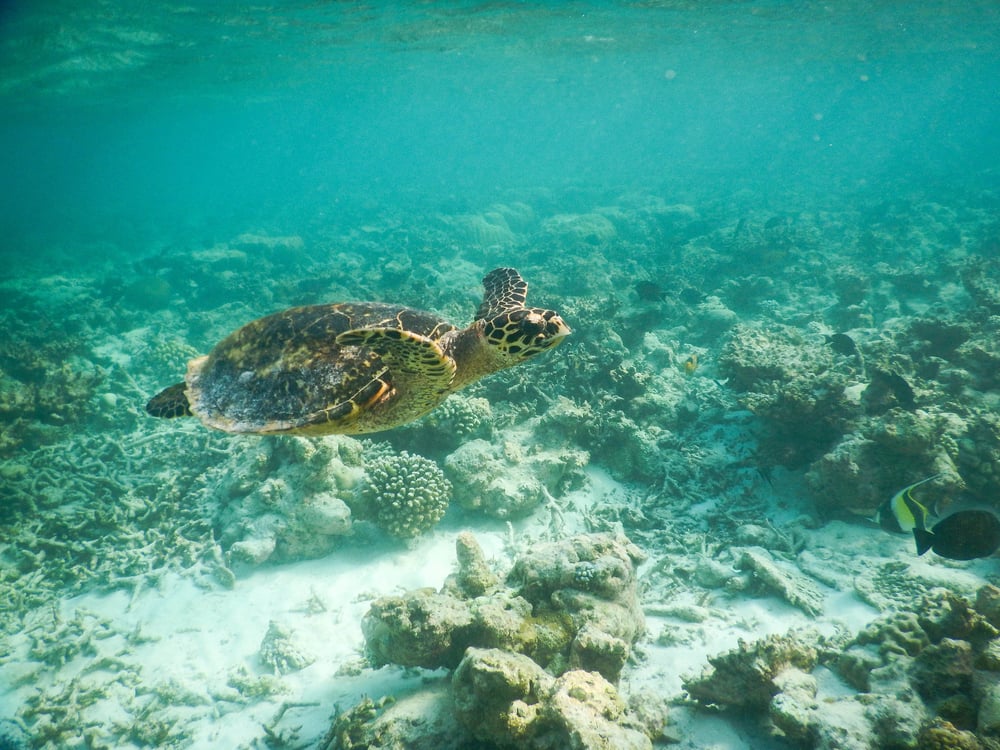
Turtles predate many dinosaurs, having emerged during the late Triassic Period. Their fundamental body design hasn’t changed much in over 200 million years – making them living fossils in the truest sense.
You’re looking at evolutionary success stories whenever you spot these creatures slowly making their way across terrain.
Shell Innovation
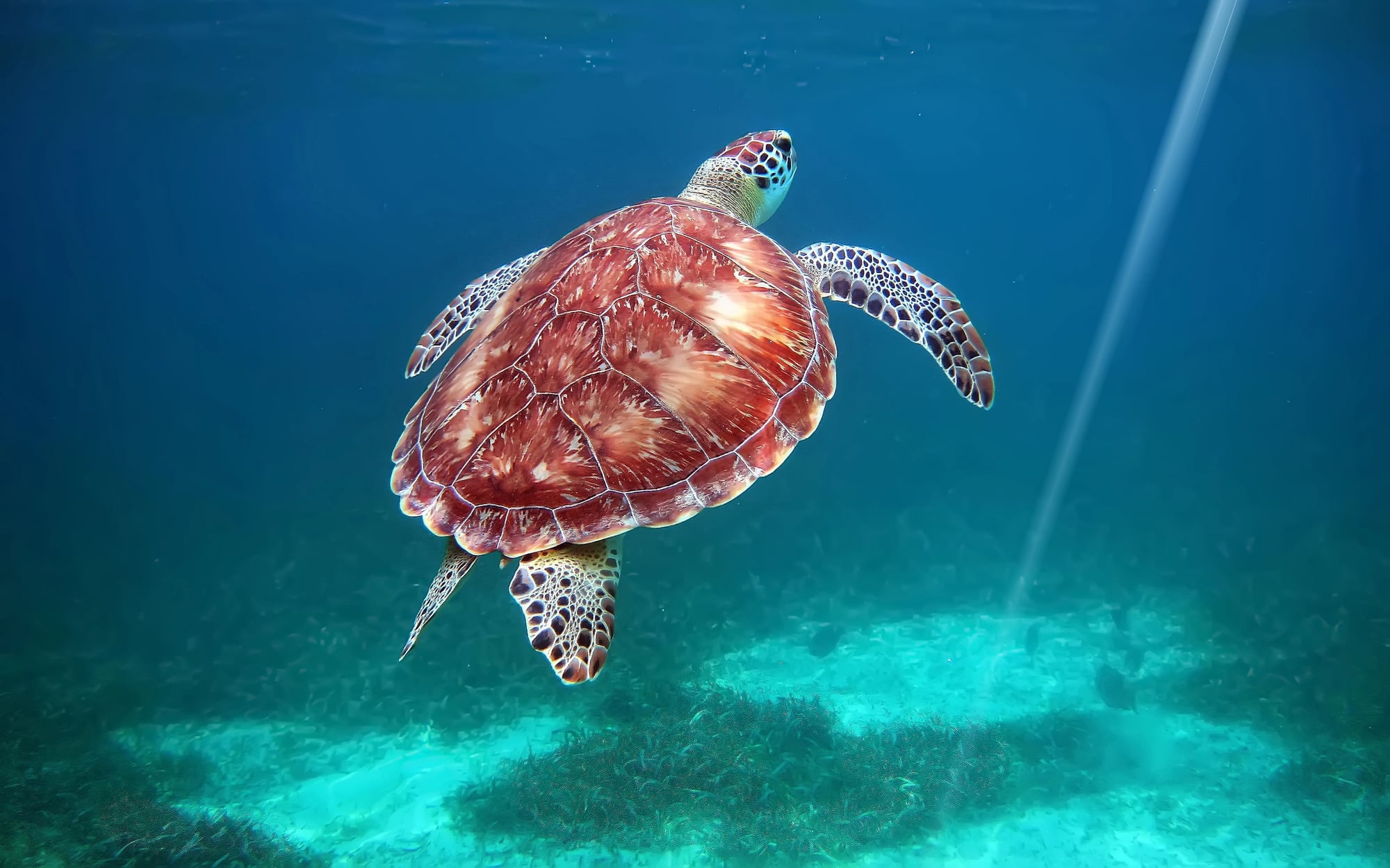
A turtle’s shell is a component of their skeleton, not merely their armor. This protective structure, which is made up of about 60 bones fused with parts of the turtle’s spine and ribs, is genuinely unique in the animal realm.
A biological invention that has endured over time, turtles are effectively wearing their ribcages on the outside.
Like Go2Tutors’s content? Follow us on MSN.
Breathing Backwards
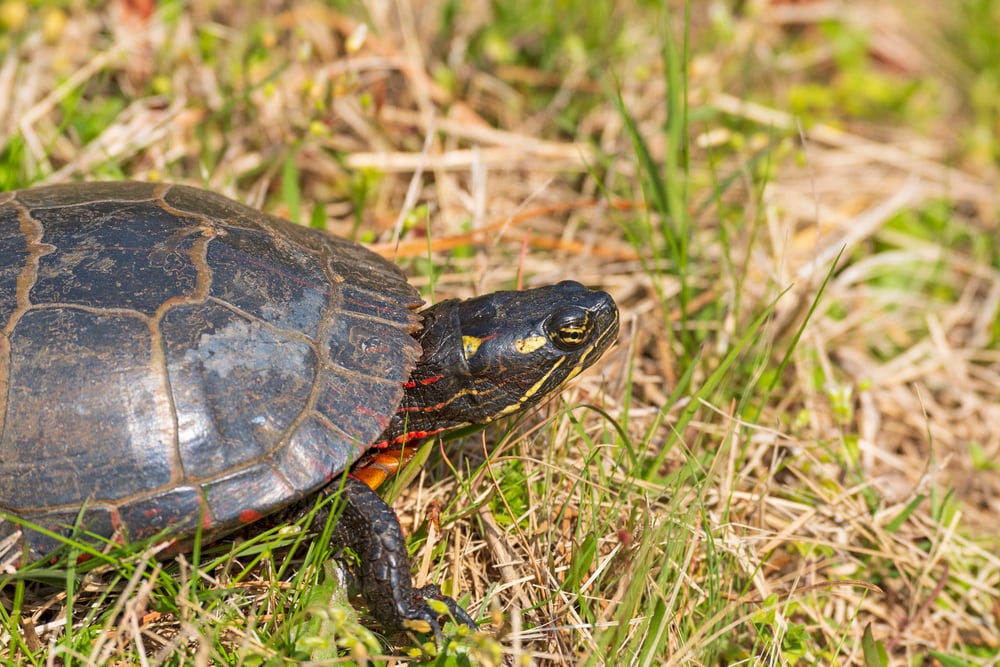
It’s true that certain turtles can breathe through their cloaca. Some species may get oxygen from water passing over specialized tissue in their hindquarters thanks to a strange function known as cloacal respiration.
Although it’s not their favorite breathing technique, it acts as their backup oxygen supply when they’re submerged for an extended period of time.
Temperature-Determined Gender
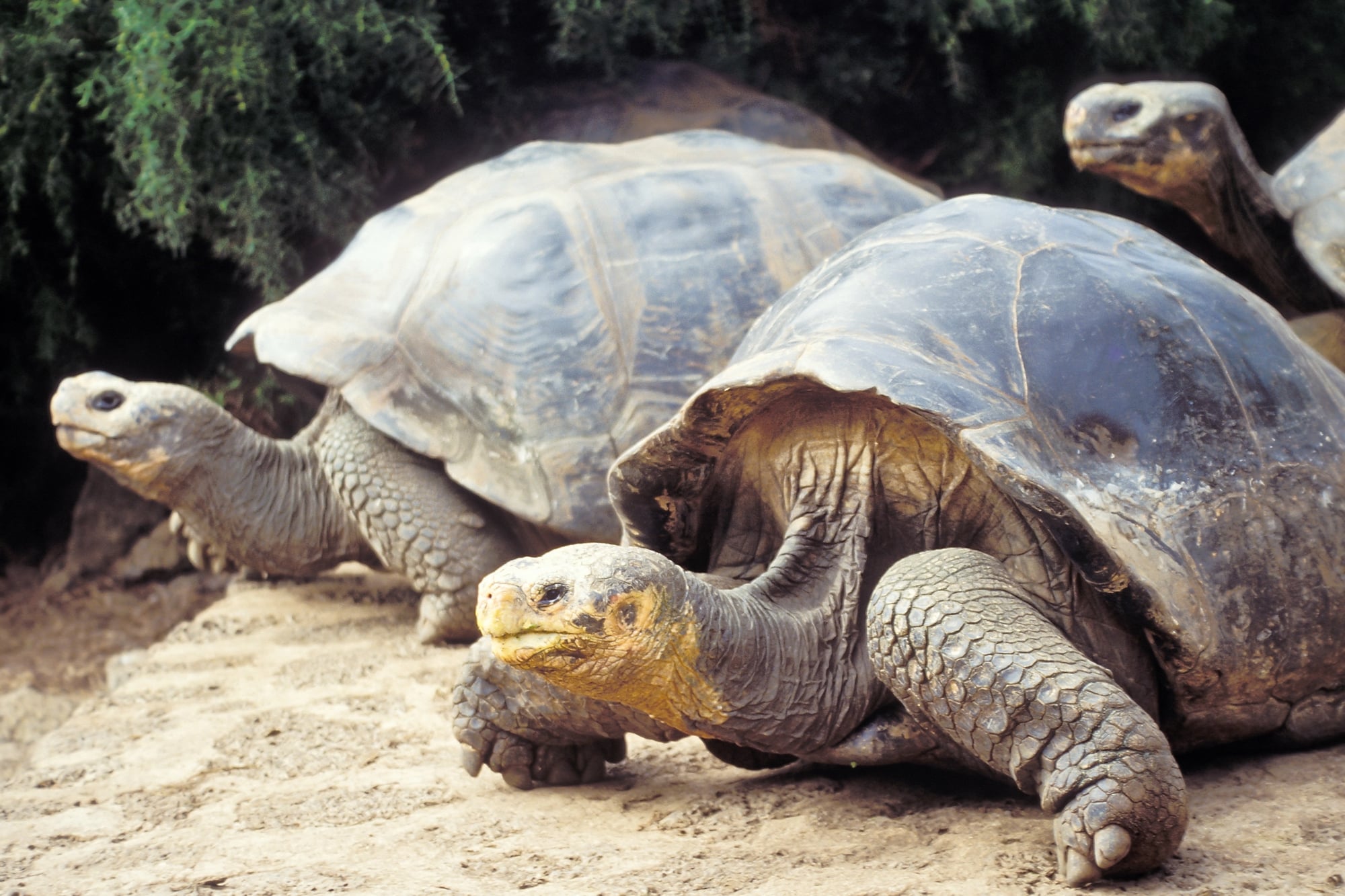
For many turtle species, nest temperature – not genetics – determines whether hatchlings develop as males or females. Warmer temperatures typically produce females, cooler temperatures produce males.
This temperature-dependent characteristic means climate change could dramatically skew turtle populations in the coming decades, potentially creating generation imbalances that threaten species survival.
Ancient Navigation
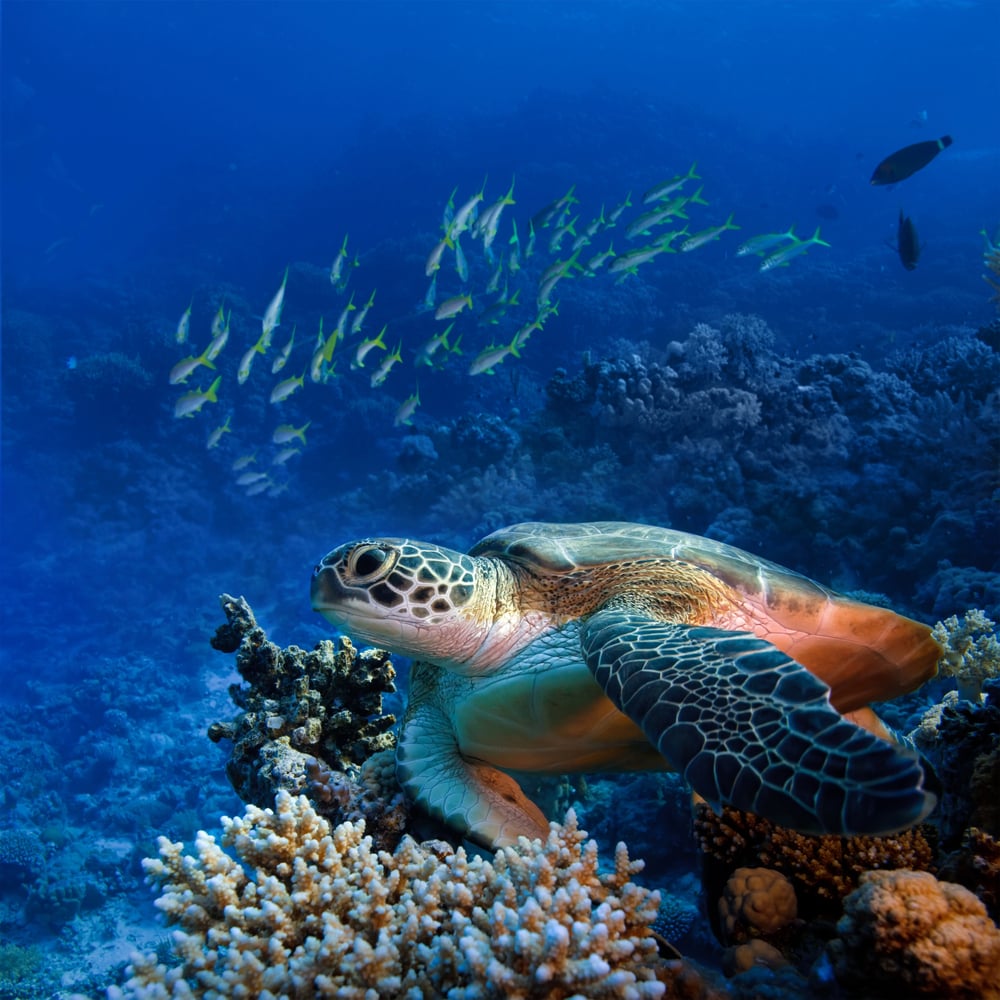
Sea turtles possess an internal magnetic compass that helps them navigate thousands of miles of featureless ocean. They detect Earth’s magnetic field like a built-in GPS – allowing precise navigation to specific beaches they haven’t seen since hatching decades earlier.
Despite countless ocean currents and storms, they somehow find their way home.
Like Go2Tutors’s content? Follow us on MSN.
Teenage Growth Spurt
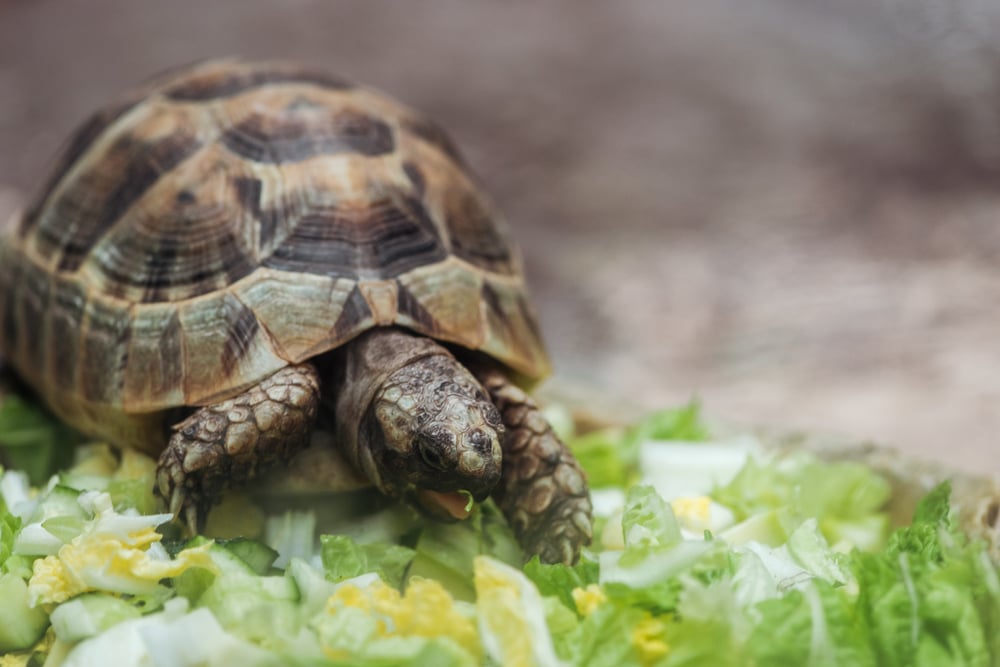
Most turtle species don’t rush into adulthood. They experience delayed maturity that would drive human parents crazy – many don’t reach reproductive age until they’re between 10-15 years old.
Some species take up to 45 years to mature sexually! Their slow development contributes to remarkable lifespans that scientists are still trying to comprehend.
Remarkable Lifespans
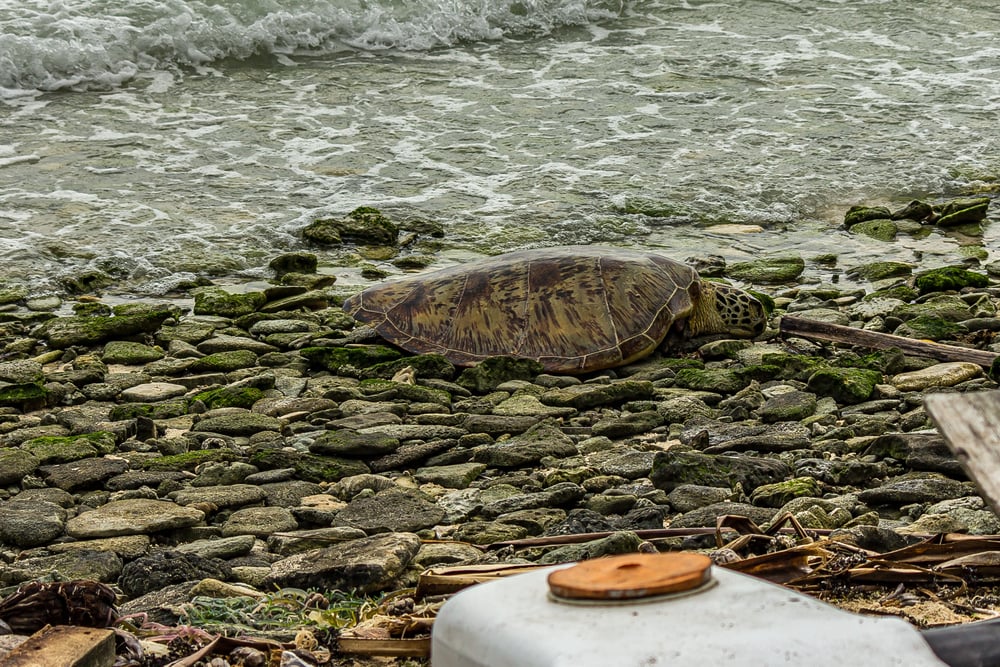
Turtles rank among the longest-living vertebrates on Earth – with several species regularly living beyond 100 years. The documented record belongs to Jonathan, a Seychelles giant tortoise born around 1832 who is still alive today.
Their extraordinary longevity makes them valuable subjects for research into aging processes and potential life extension breakthroughs.
Memory Champions
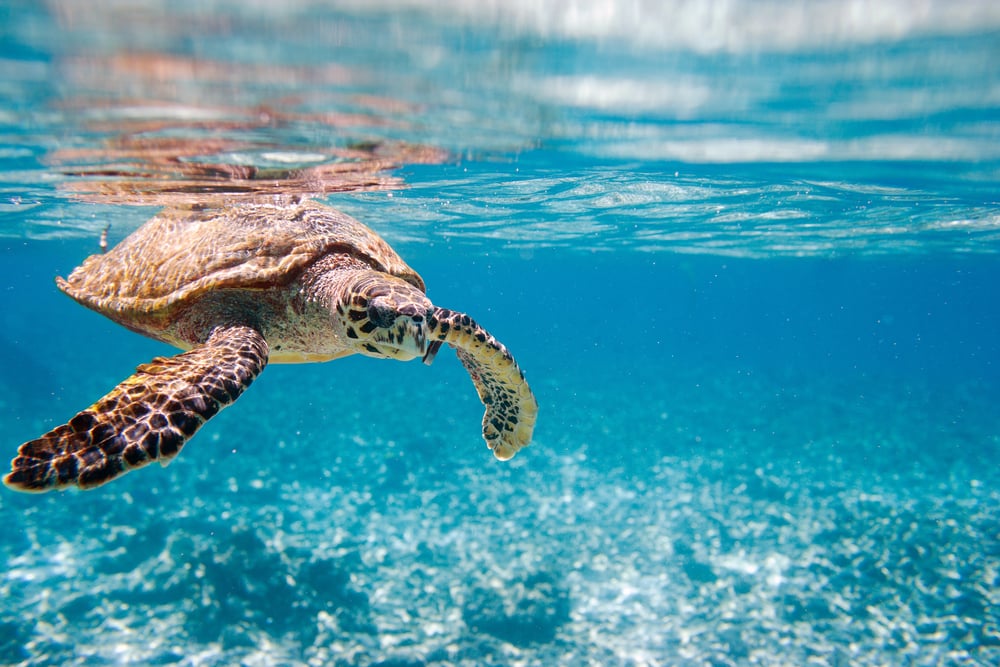
Despite their reputation for slowness, turtles possess impressive cognitive abilities. Research demonstrates they can remember solutions to problems for up to nine years – outperforming many mammals in long-term memory tests.
Their intellectual capabilities challenge conventional assumptions about reptilian intelligence. They’re certainly not the mindless creatures people once assumed.
Like Go2Tutors’s content? Follow us on MSN.
Hospital Diving
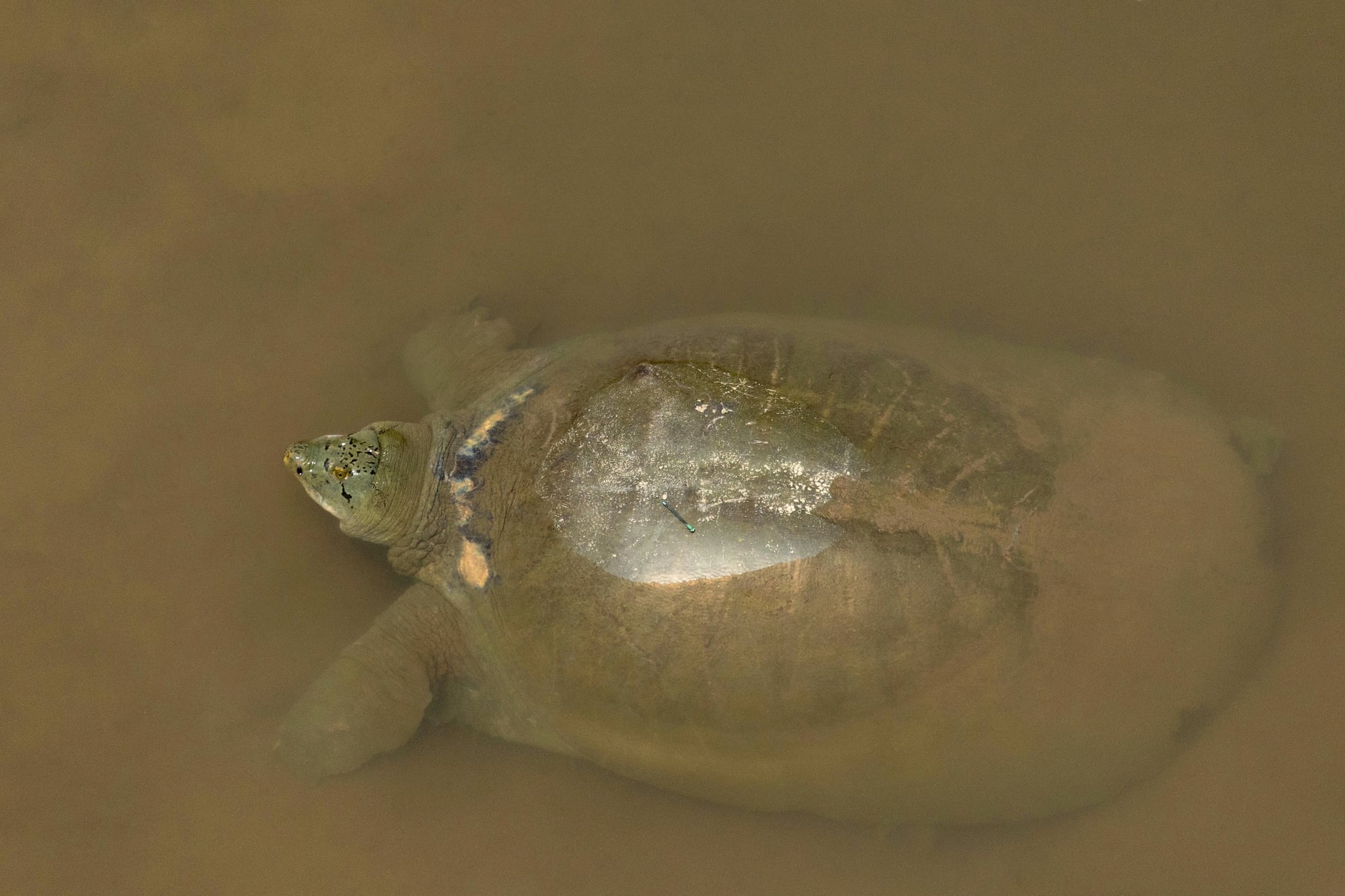
Many aquatic turtles intentionally swallow small stones to help with digestion and buoyancy control. These gastroliths – stomach stones – function as natural ballast in their digestive systems and help grind food in species lacking powerful teeth.
They’ll occasionally spit out these stones when they become too smooth, replacing them with new, rougher ones.
Frozen Survival
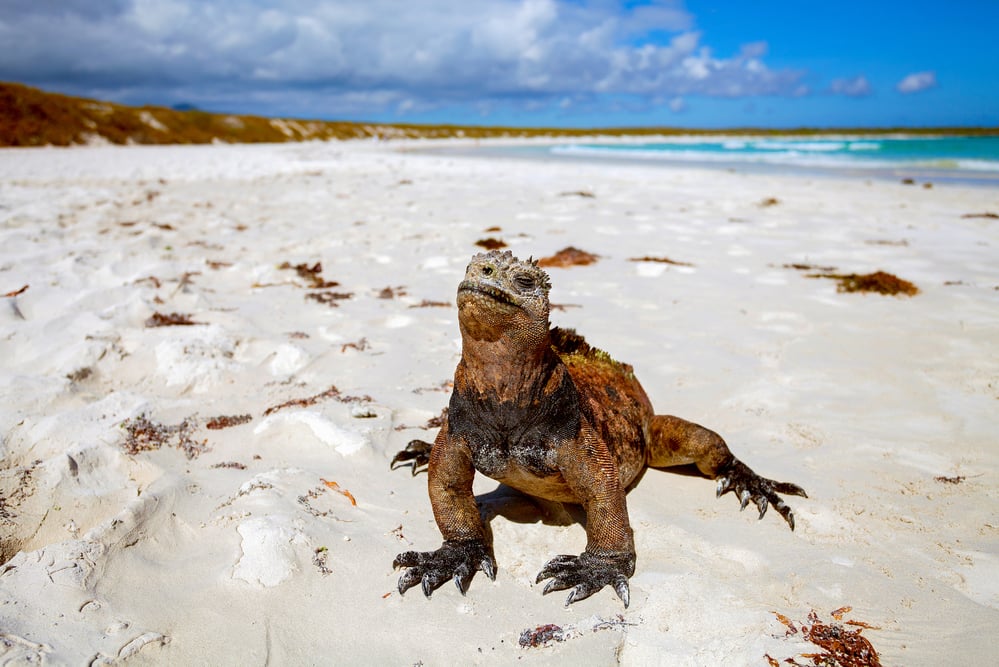
Some North American turtles survive brutal winters by essentially freezing solid. The painted turtle can endure having 50% of its body water frozen – heart completely stopped for days or weeks.
Special adaptations including natural antifreeze compounds in their blood prevent permanent cell damage. They thaw unharmed when spring arrives, as though nothing unusual happened.
Ocean Marathon Swimmers
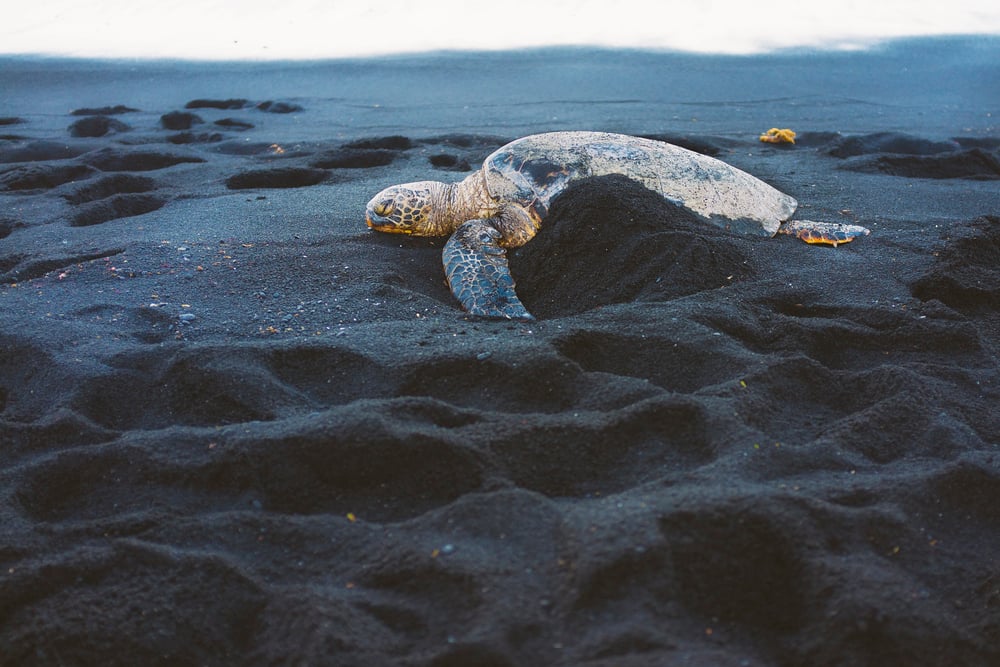
Leatherback sea turtles make annual migrations spanning up to 10,000 miles across the Pacific Ocean. These massive marine reptiles maintain a steady swimming pace of about 22 miles per day during these epic journeys.
They’ll cross entire ocean basins between feeding and nesting grounds, following ancient routes programmed into their internal navigation systems.
Like Go2Tutors’s content? Follow us on MSN.
Armored Communication
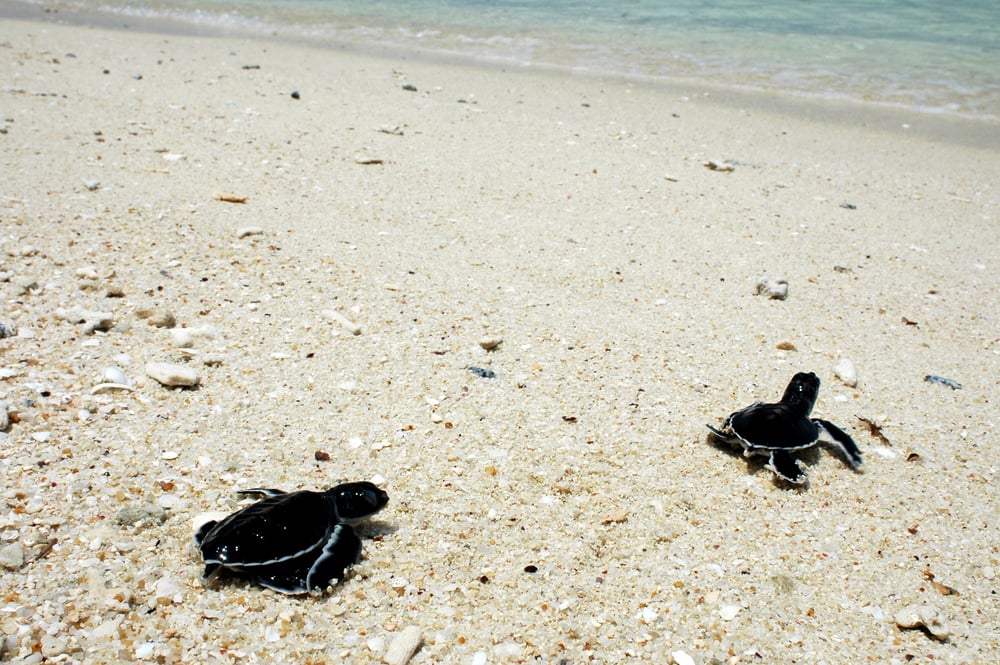
Turtles communicate despite lacking vocal cords. Some species produce low-frequency calls, while others communicate through shell vibrations detected by nearby turtles.
Russian tortoises even produce audible mating calls that sound surprisingly like vintage telephone ringtones to human ears. Their communication methods remain poorly understood compared to more vocal animals.
Breathing Through Shells
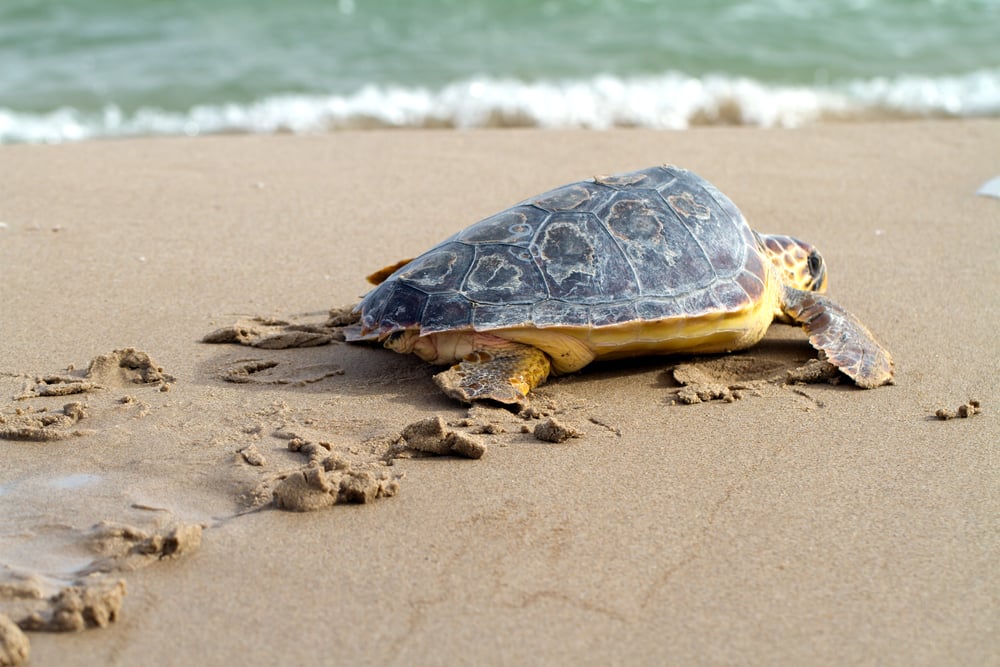
Several turtle species can absorb oxygen directly through specialized membranes in their shells. This adaptation helps aquatic turtles extend underwater time and assists hibernating turtles in low-oxygen environments.
Their shells function not just as protection but as auxiliary respiratory organs during seasonal changes. This multifunctional approach to adaptation explains their evolutionary success.
Ancient Relatives
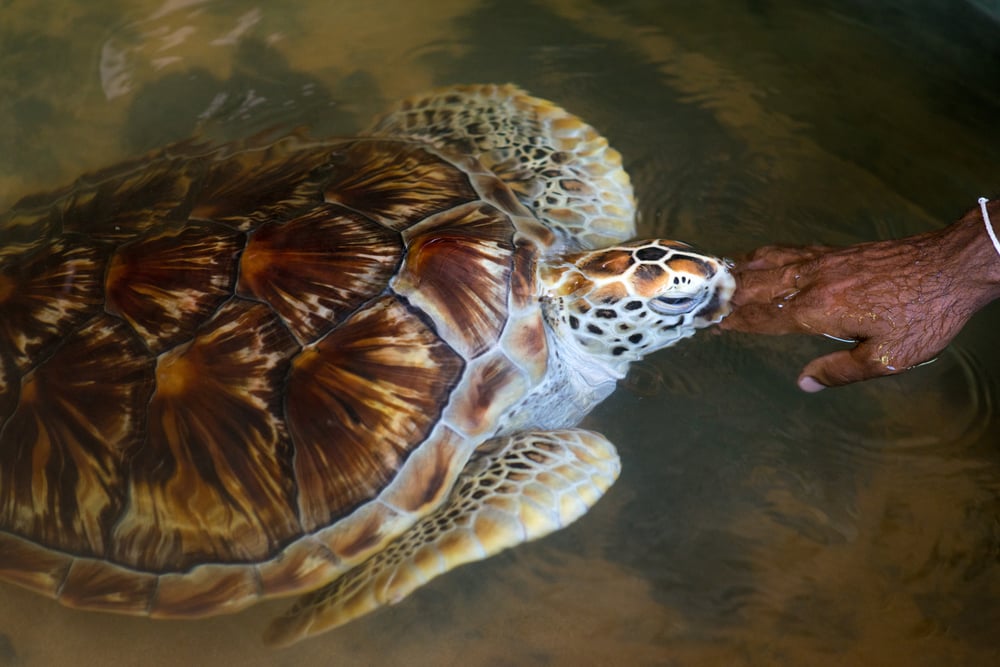
The closest living relatives to turtles aren’t other reptiles but birds and crocodilians. Modern genetic analysis has revealed that turtles belong to the Archelosauria group, which includes birds and crocodiles, rather than lizards and snakes as previously thought.
This relationship reshapes our understanding of reptile evolution and vertebrate family connections across millions of years.
Like Go2Tutors’s content? Follow us on MSN.
Shell Healing Powers
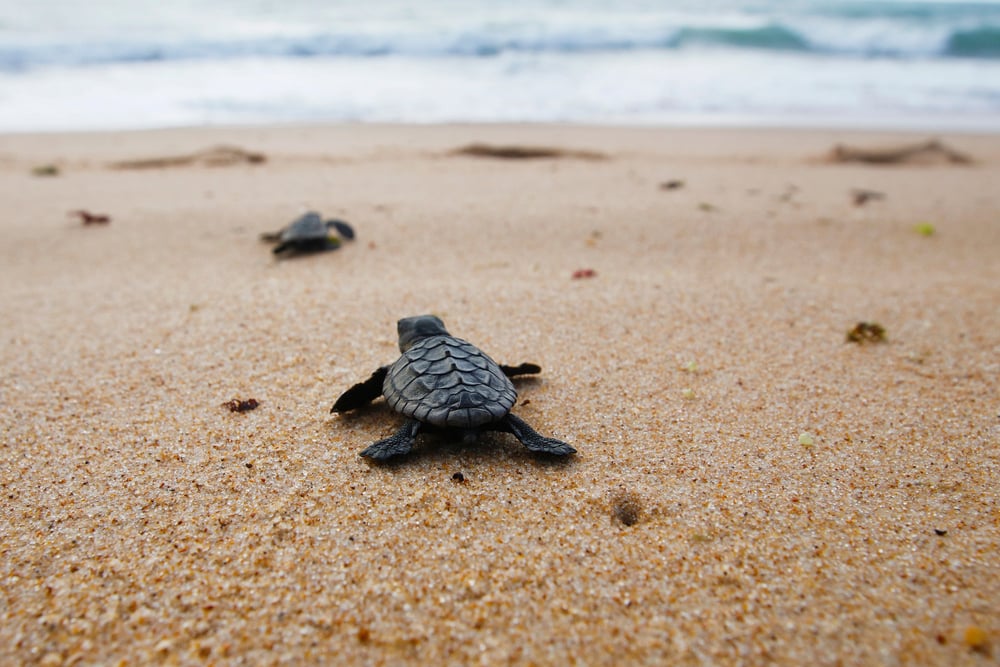
Turtle shells possess remarkable regenerative capabilities that fascinate medical researchers. When damaged, their shells can heal completely through a process resembling bone healing but operating much faster and more efficiently.
Scientists study this healing process hoping to develop new treatments for human bone injuries and disorders that might benefit from similar rapid regeneration techniques.
Shelled Wonders
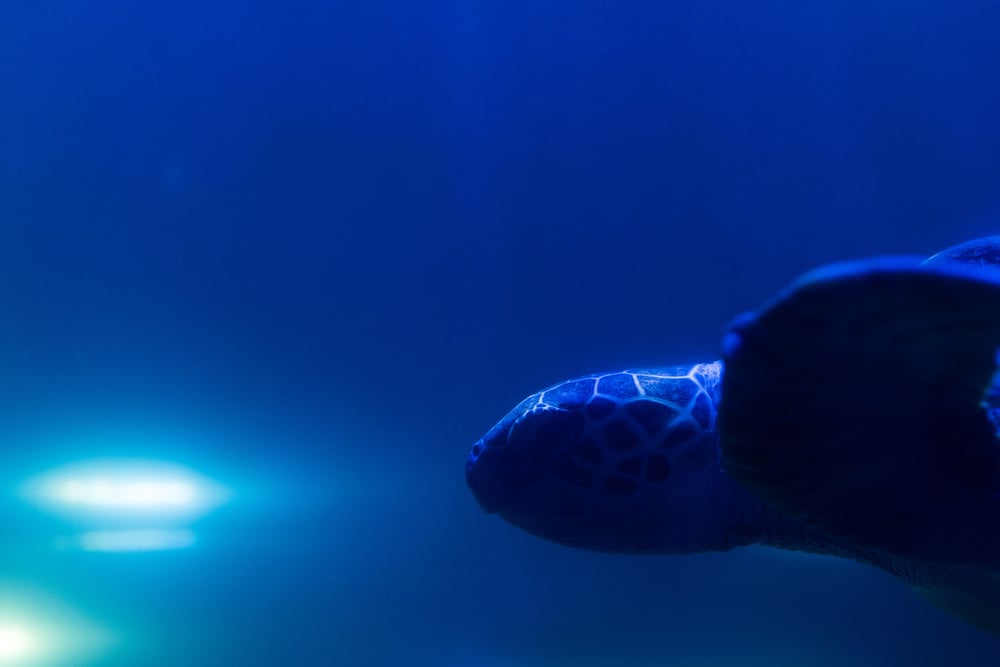
From frozen ponds to tropical oceans, turtles have mastered survival across wildly different environments through ingenious adaptations developed over millions of years. These remarkable creatures continue teaching us about resilience, longevity, and adaptation in our changing world.
As we celebrate World Turtle Day, perhaps the greatest gift these ancient animals offer is perspective – a living reminder that patience, persistence, and protection often determine which species thrive across the ages.
More from Go2Tutors!

- 16 Restaurant Chains That Went Too Fast
- 12 Things Sold in the 80s That Are Now Illegal
- 15 Strange Things People Have Tried to Ban (And Failed)
- 16 Collectibles People Tossed Out Too Soon
- 17 Myths from Your Childhood That Were Actually Based on Real Things
Like Go2Tutors’s content? Follow us on MSN.