15 Things Astronauts Are Not Allowed to Do While in Orbit
Life in space looks like freedom from earthbound rules, but the reality is quite different. Astronauts operate under some of the strictest behavioral guidelines ever written.
The International Space Station isn’t just a laboratory floating 250 miles above Earth — it’s a pressure cooker where one wrong move could endanger everyone aboard. These restrictions exist for good reason, though some might surprise you with how mundane they sound until you consider the consequences of breaking them in zero gravity.
Consume alcohol

Space agencies maintain a strict no-alcohol policy that makes monastery rules look relaxed. This isn’t about maintaining professional decorum (though that matters too) — alcohol affects the inner ear differently in microgravity, and spatial disorientation becomes genuinely dangerous when you’re operating life-support systems.
The Russians did send cognac to Mir once for “medicinal purposes,” but even that stayed sealed. So much for those romantic visions of toasting Earth with champagne while floating past the terminator line.
Bring personal electronics without approval

Every device that goes to space gets dissected, analyzed, and blessed by engineers who understand that your innocent tablet could interfere with navigation systems or, worse, emit frequencies that mess with communication arrays. The approval process takes months — which means that the new phone you bought last week will never see orbit, even if it’s technically superior to the approved devices already up there.
And yet the irony persists: astronauts regularly post to social media using devices that are often years behind what teenagers carry in their pockets, because safety trumps having the latest processor (and because teenagers aren’t responsible for keeping six people alive in a tin can hurtling through space at 17,500 mph, though some days it feels like they should be).
Wash clothes
Laundry in space resembles a meditation on impermanence. There’s no washing machine up there, and water doesn’t behave the way it should — it forms spheres that float away and hide in air vents, potentially shorting out equipment or creating mold in places you’ll never find until it’s too late.
Astronauts wear the same clothes for days, then stuff them into cargo ships that burn up on reentry. Each shirt becomes a small sacrifice to the logistics of living where gravity can’t pull dirty water down a drain.
Cry freely
Tears don’t fall in space — they form bubbles that cling to your eyes like contact lenses made of salt water. This creates genuine problems beyond the obvious discomfort: the liquid can obscure vision during critical tasks or float away to damage sensitive equipment.
Mission control actually trains astronauts on “tear management techniques” because emotional releases that would be perfectly normal on Earth become engineering challenges 250 miles up. The universe, it turns out, doesn’t care about your feelings.
Eat bread or crackers
Crumbs are the enemy in microgravity. They float, they hide, they get inhaled, and they infiltrate air filters with the persistence of glitter after a craft project gone wrong.
Bread gets replaced by tortillas for this exact reason — tortillas bend and tear cleanly, while bread creates a constellation of tiny particles that can choke an astronaut or damage equipment weeks later when they finally emerge from whatever crevice they’ve been hiding in. It’s a small sacrifice that prevents big problems.
Have intercourse

NASA doesn’t officially acknowledge this restriction exists, but the practical and medical concerns make it clear enough (and the cramped quarters, constant monitoring, and professional environment don’t exactly encourage romance anyway, though the bigger issue remains the physiological complications that microgravity introduces to human intimacy — complications that have been studied extensively in ground-based research but remain largely theoretical in actual spaceflight). The agency maintains that no humans have ever attempted this in space, which may or may not be true depending on how you define the various terms involved, but the official silence speaks volumes about how seriously they take the potential risks.
And so one of humanity’s most fundamental drives gets temporarily shelved for the greater good of mission success.
Smoke anything
Fire behaves differently in microgravity — flames form spheres instead of the familiar teardrop shape, and they burn hotter and consume oxygen more efficiently. This makes any combustion incredibly dangerous in an enclosed environment where everyone shares the same air supply. The restriction isn’t just about health concerns or setting a good example for kids watching from Earth.
It’s about preventing a scenario where a moment of weakness turns into a catastrophic fire that kills everyone aboard because flames spread in directions that Earth-trained instincts don’t expect.
Refuse medical experiments

Astronauts become test subjects whether they like it or not. The human body starts changing within hours of reaching orbit — bones lose density, muscles atrophy, fluids shift toward the head, and the spine elongates.
Every astronaut participates in ongoing studies that track these changes through blood draws, urine samples, exercise tests, and psychological evaluations. This isn’t optional.
The data collected helps plan future missions and keeps current crew members alive, but it also means that personal medical privacy becomes a luxury you leave behind on the launch pad.
Use their own medications

Every pill, capsule, and tablet gets pre-approved and carefully tracked. Astronauts can’t bring their personal supply of allergy medication or pain relievers because drug interactions become more dangerous in an environment where medical evacuation means waiting six months for the next return flight.
Even over-the-counter medications get scrutinized for how they might affect performance in microgravity. The medicine cabinet on the ISS contains specific formulations chosen for space, not whatever worked fine back on Earth.
Make unauthorized communications
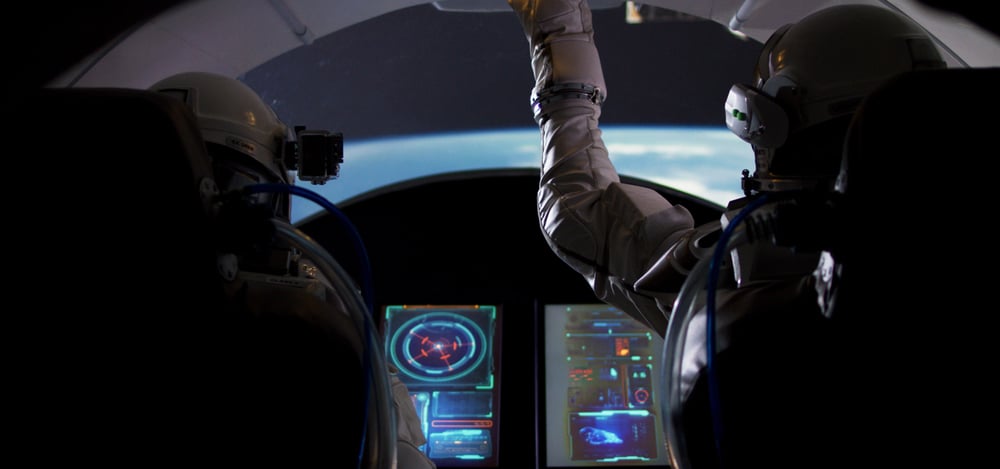
Every conversation with people on Earth gets monitored and scheduled. Astronauts can’t just pick up the phone and call home whenever they want — communication windows depend on satellite coverage, and all channels get recorded for security and safety reasons.
Personal calls happen during designated times, and even those aren’t entirely private. The romantic notion of gazing down at Earth while whispering to loved ones gets replaced by the reality of scheduled five-minute windows where you know someone else is listening.
Sleep wherever they want
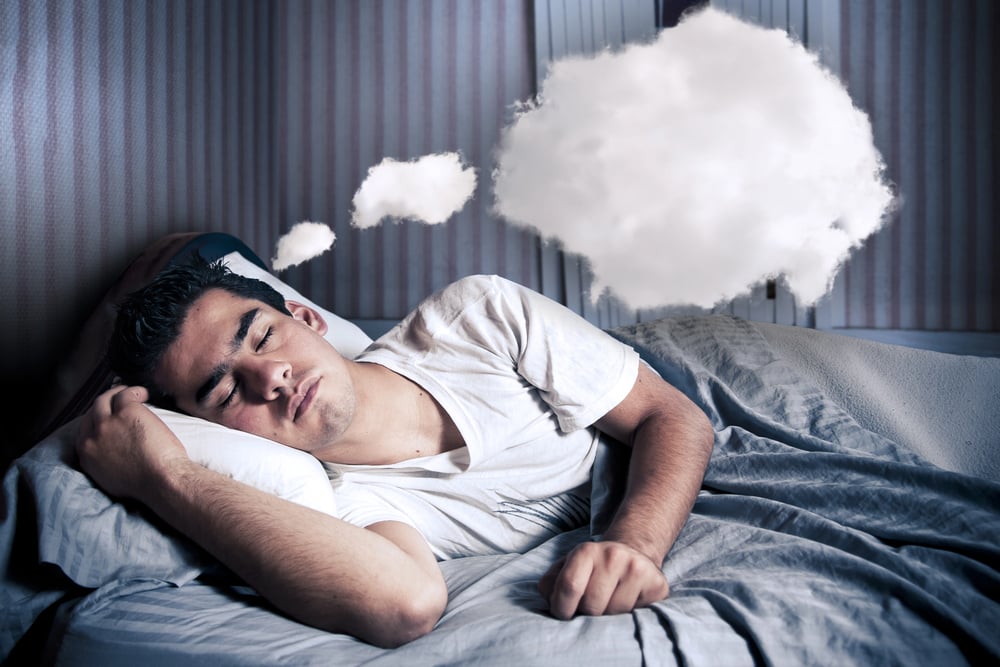
Each astronaut gets assigned a specific sleeping area that’s been carefully positioned for air circulation, noise levels, and emergency evacuation routes. The sleeping bags attach to walls in predetermined locations — you can’t just find a quiet corner and float there for eight hours.
Sleep orientation matters in microgravity because your body needs consistent airflow to prevent carbon dioxide from pooling around your head. Choosing the wrong spot could literally suffocate you while you dream.
Refuse exercise sessions
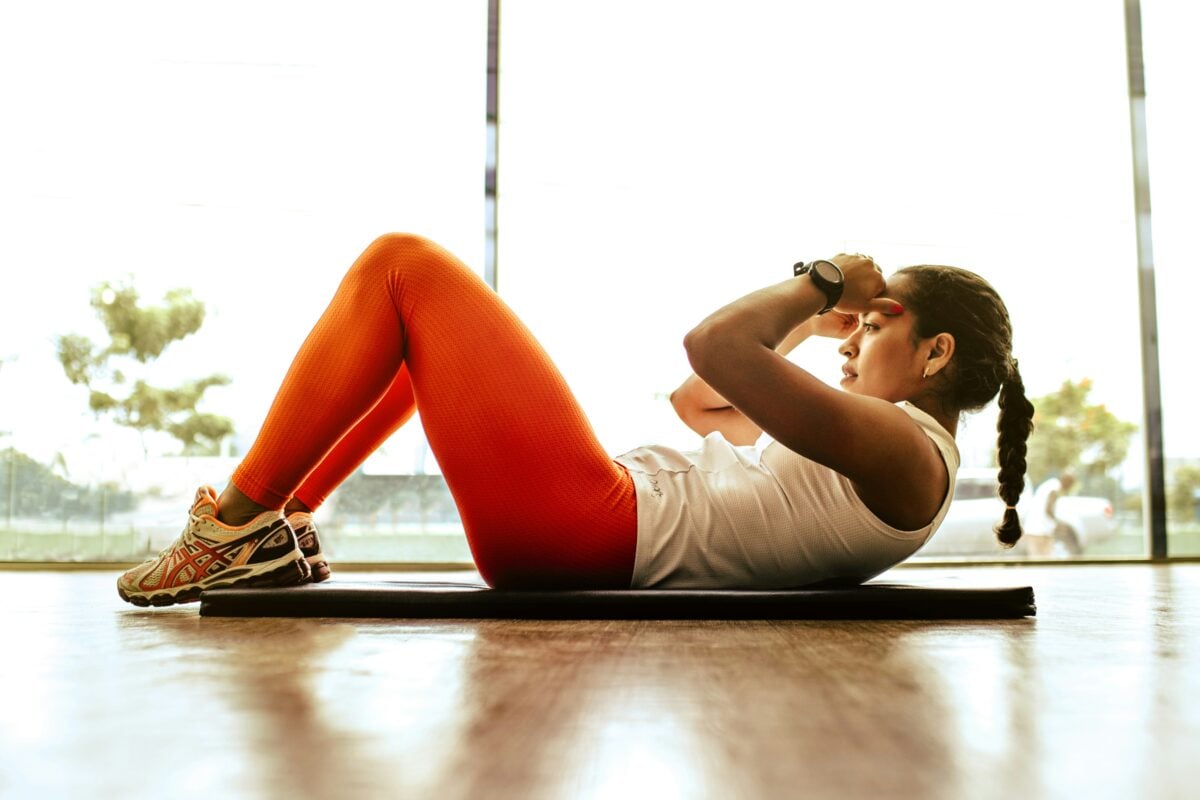
Working out isn’t optional when your bones are losing density and your muscles are wasting away. Astronauts spend 2.5 hours every day fighting the effects of microgravity through carefully planned exercise routines. Skip too many sessions and you might not be able to walk when you return to Earth.
The equipment gets scheduled like operating room time — everyone gets their slot, and you use it whether you feel like it or not. Physical fitness becomes a job requirement that you can’t delegate or postpone.
Bring unauthorized food

Every meal gets planned, weighed, and nutritionally balanced before launch. Astronauts can’t smuggle up a candy bar or pack extra coffee because food weight gets calculated precisely for mission duration.
More importantly, unauthorized food might not behave properly in microgravity — it could create crumbs, spoil differently, or cause digestive problems that become serious medical issues when you’re months away from real medical care. Even the hot sauce gets tested in space simulation chambers.
Take long showers
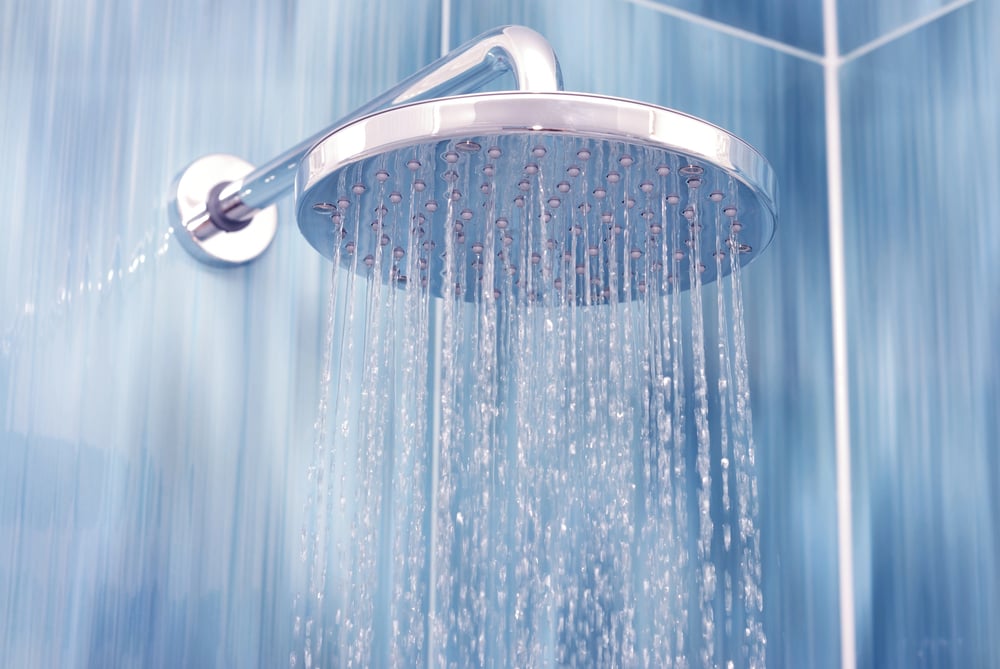
Water doesn’t fall down in space, so traditional showers become engineering nightmares. Instead, astronauts use wet wipes, rinse-free shampoo, and water pouches to stay clean.
The process takes about 30 minutes and happens only twice a week. Any longer and you risk water escaping into equipment areas where it can cause short circuits.
Personal hygiene becomes a carefully choreographed dance designed to keep you clean enough without creating the floating water hazards that could kill everyone.
Leave the station without authorization
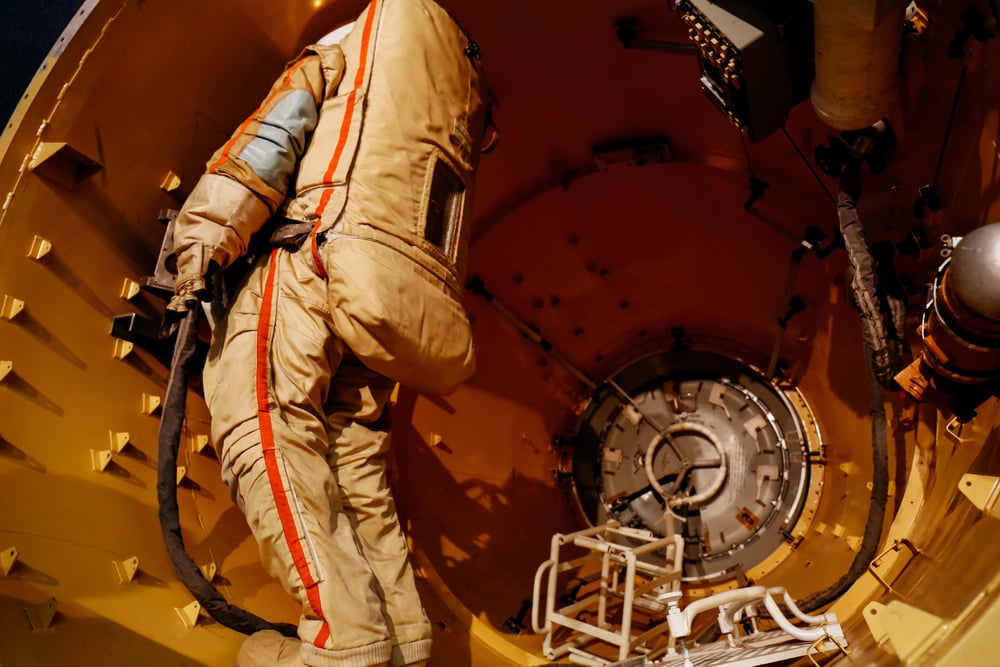
Even stepping outside for a spacewalk requires months of planning and approval from multiple space agencies. The airlocks won’t open without ground control permission, and every movement outside gets tracked by GPS and monitored by cameras.
This isn’t about astronauts going rogue and taking unauthorized space walks — though that would be spectacular. It’s about the reality that the vacuum of space doesn’t forgive mistakes, and every excursion outside needs backup plans for backup plans because rescue options are limited when you’re orbiting Earth at five miles per second.
The weight of small freedoms
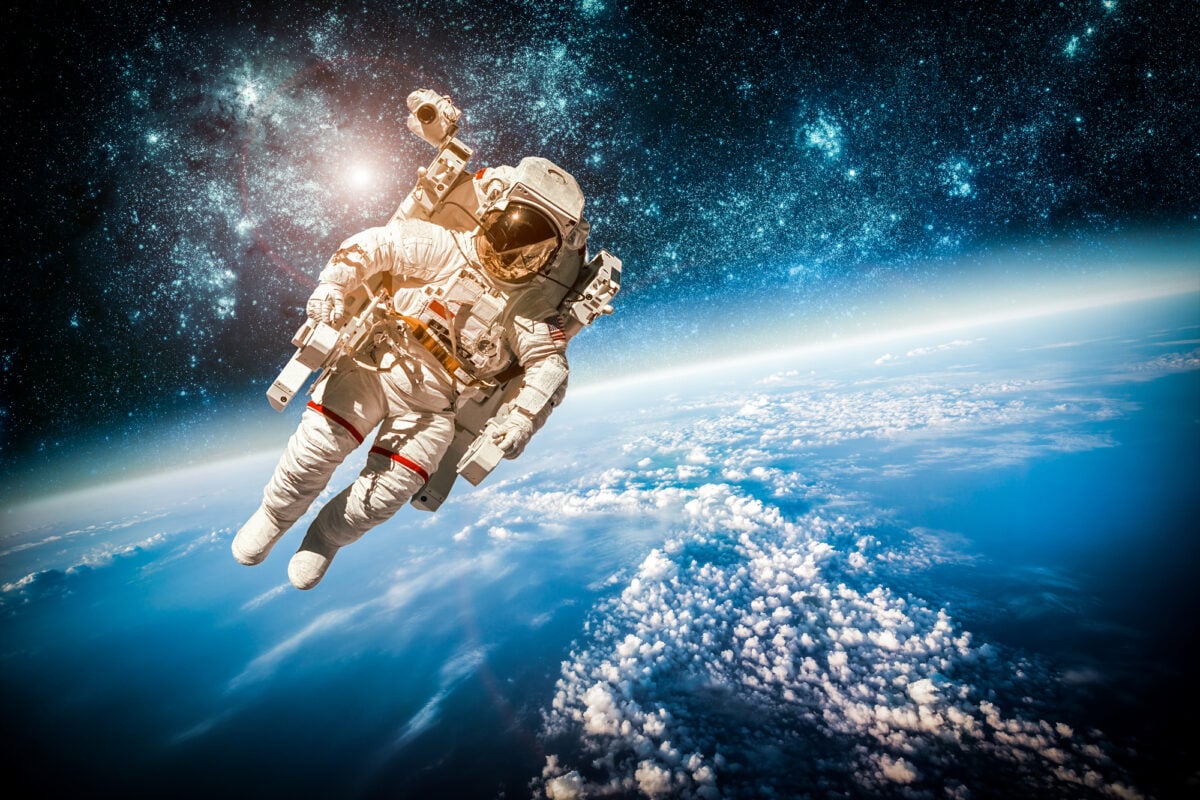
These restrictions reveal something profound about human nature — how many tiny liberties we take for granted until they disappear. The freedom to cry without consequences, to sleep where we choose, to call someone on impulse, to eat bread.
Each limitation serves a purpose, but together they create a life where survival demands surrendering the small spontaneous acts that make us feel human. Perhaps that’s the real sacrifice astronauts make: not just leaving Earth behind, but temporarily setting aside the casual freedoms that define daily life down here.
More from Go2Tutors!

- The Romanov Crown Jewels and Their Tragic Fate
- 13 Historical Mysteries That Science Still Can’t Solve
- Famous Hoaxes That Fooled the World for Years
- 15 Child Stars with Tragic Adult Lives
- 16 Famous Jewelry Pieces in History
Like Go2Tutors’s content? Follow us on MSN.



