The Hardest Languages to Learn
Learning a new language can open doors to different cultures, new friendships, and exciting career opportunities. But not all languages are created equal when it comes to difficulty.
Some require years of dedicated study, while others might feel impossible to master even after decades of practice. So what makes a language truly difficult to learn? Let’s look at some of the toughest ones out there.
Mandarin Chinese

Mandarin stands as one of the most challenging languages for English speakers to tackle. The writing system alone contains thousands of characters that learners must memorize, with no alphabet to fall back on.
Each character represents a word or concept, and there’s no way to sound it out if you don’t already know it. The tonal nature of Mandarin adds another layer of complexity, where the same sound can mean four completely different things depending on how you say it.
One wrong tone and you might accidentally call someone’s mother a horse instead of asking a simple question.
Arabic
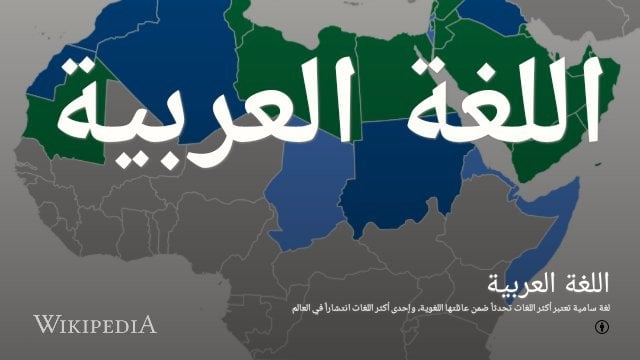
Arabic throws learners into the deep end with a script that flows from right to left and changes shape depending on where letters appear in a word. The language has sounds that simply don’t exist in English, like the guttural ‘ayn’ that comes from deep in the throat.
Different Arab countries speak vastly different dialects, so mastering Modern Standard Arabic doesn’t guarantee you’ll understand a conversation in Morocco or Egypt. The grammar system includes dual forms (not just singular and plural), and verbs change based on gender, making sentence construction feel like solving a puzzle every single time.
Japanese

Japanese uses three different writing systems at the same time, which sounds like overkill until you realize each serves a specific purpose. Hiragana and katakana are syllabic alphabets with about 46 characters each, while kanji borrows thousands of Chinese characters with multiple readings.
A single kanji character might have five different pronunciations depending on the word it appears in. The language also has complex levels of politeness built into the grammar, where speaking to your boss requires completely different verb forms than chatting with friends.
Korean

Korean writing looks deceptively simple with its 24-letter alphabet called Hangul, but the language itself is anything but easy. The grammar structure places verbs at the end of sentences, which means you often have to wait until someone finishes talking to know what they’re actually doing.
Korean has seven speech levels that change based on age, social status, and formality, making every conversation a social calculation. The pronunciation involves sounds that English speakers find tricky, and the extensive use of honorifics means you need to track everyone’s relationship to everyone else just to speak correctly.
Finnish
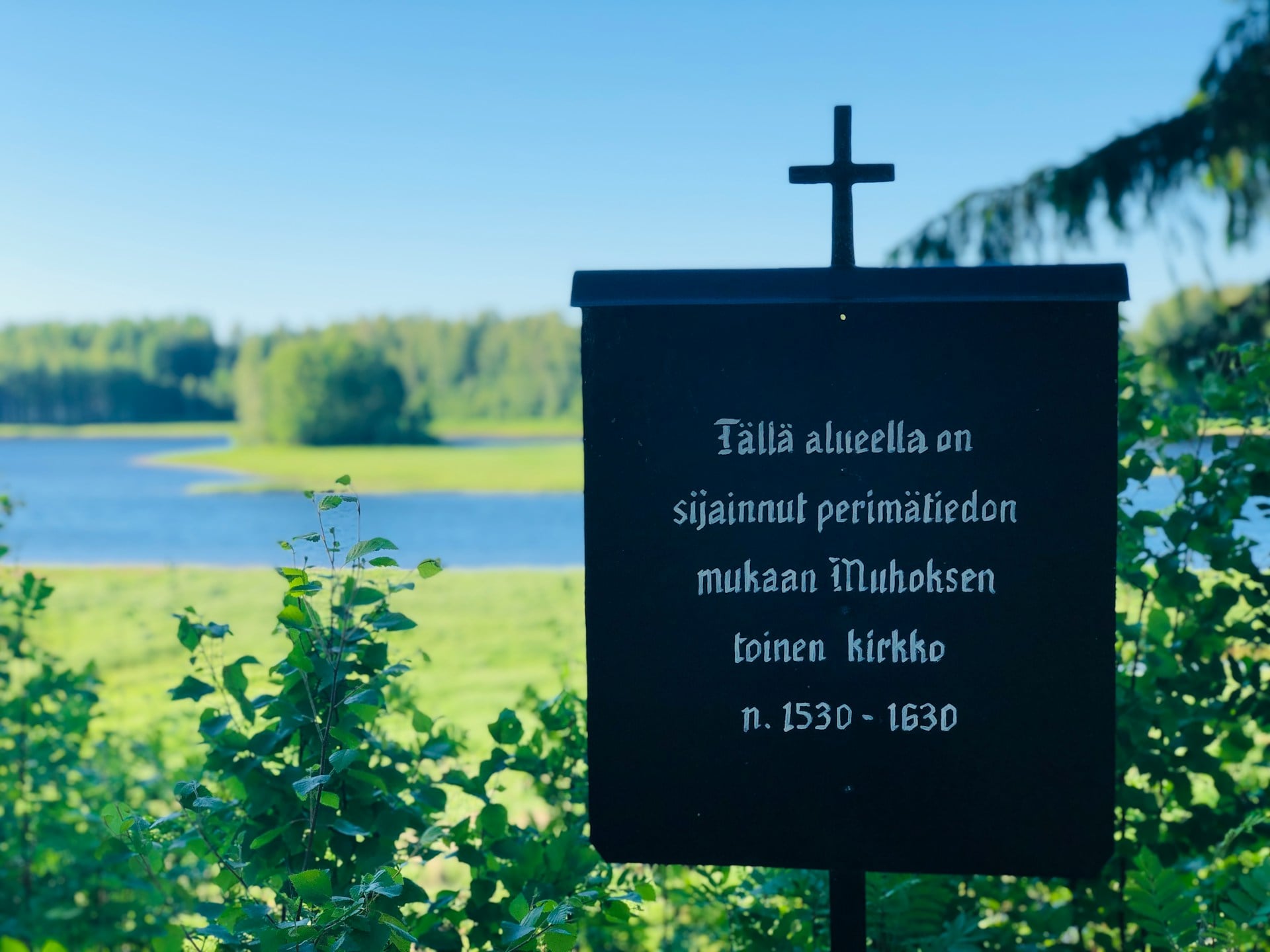
Finnish belongs to a completely different language family than most European languages, which means it shares almost nothing with English. The language uses 15 grammatical cases, turning simple words into tongue twisters depending on their role in a sentence.
Verbs conjugate in ways that would make your high school Spanish teacher weep, and Finnish creates compound words by smashing smaller words together until they stretch across half a page. The pronunciation isn’t too bad, but the grammar system feels like learning math and language at the same time.
Hungarian

Hungarian also comes from the Uralic language family, making it a linguistic island in the middle of Europe. The language has around 18 to 35 cases depending on who’s counting, and it uses vowel harmony that requires certain vowels to match throughout a word.
Word order is flexible, which sounds nice until you realize it makes parsing sentences incredibly confusing for beginners. Hungarian borrows very few words from other European languages, so learners can’t rely on familiar vocabulary as a crutch.
Icelandic
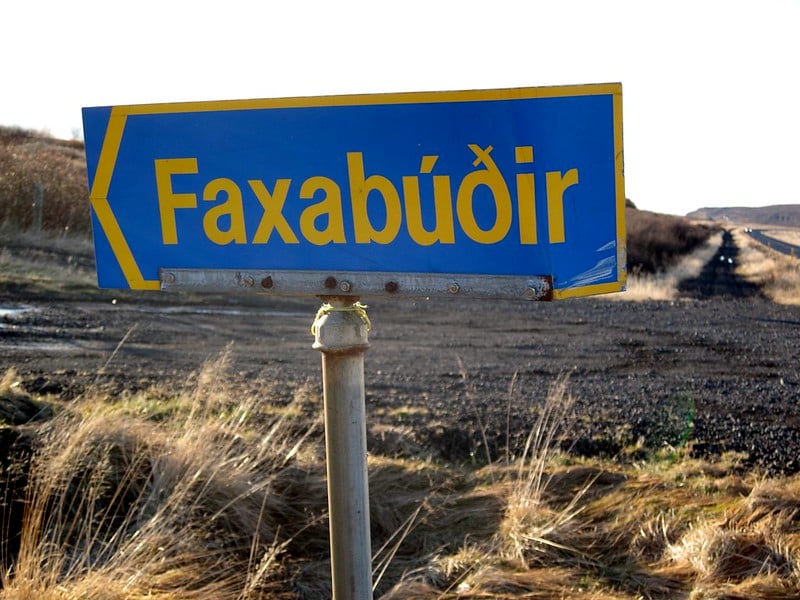
Icelandic has remained remarkably unchanged for centuries, which means modern speakers can read medieval texts but learners face archaic grammar rules. The language has four cases, three genders, and verbs that conjugate based on person, number, tense, and mood.
Icelanders pride themselves on creating new words from old Norse roots rather than borrowing from English, so even tech terms sound completely foreign. The pronunciation includes sounds like the voiceless velar fricative that most people can’t produce without practice, and words can be strung together into massive compounds.
Polish
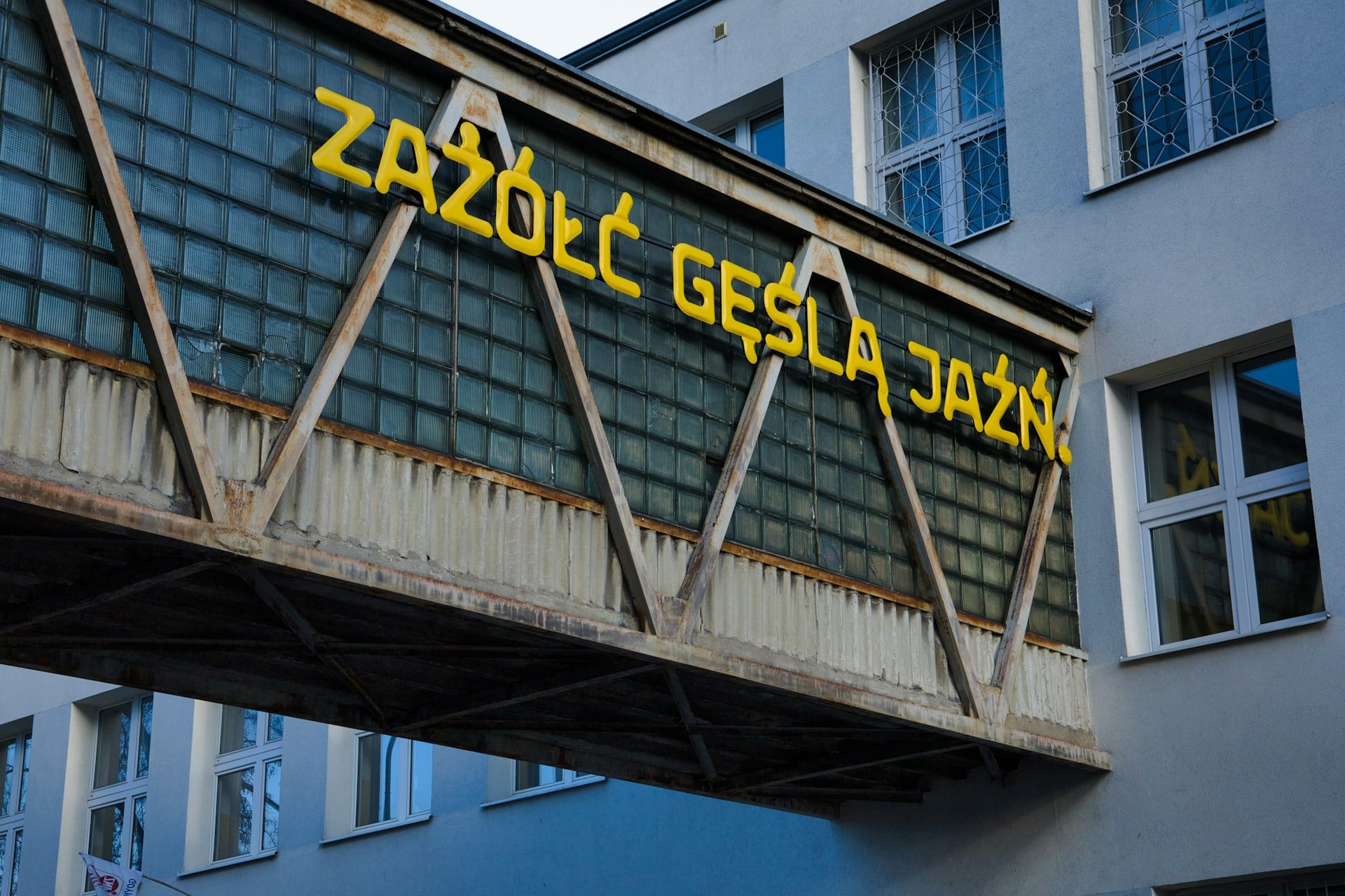
Polish consonant clusters look like someone smashed a keyboard and called it a word. The language can stack five or six consonants in a row without a vowel, creating pronunciations that tie English-speaking tongues in knots.
Polish uses seven cases that change noun endings, and it has three grammatical genders that assign arbitrary categories to every object. The verb aspect system forces speakers to choose between perfective and imperfective forms, adding a layer of meaning that English handles through context.
Georgian

Georgian uses its own unique alphabet with 33 letters that look nothing like Latin, Cyrillic, or Arabic scripts. The language can build words with consonant clusters that seem physically impossible to pronounce, like ‘gvprtskvni’ (you peel us).
Georgian verbs are notoriously complex, with different stems for different tenses and a system of pre-verbs that modify meaning. The grammar doesn’t use gender, which simplifies some things, but the case system and polypersonal agreement make up for any break you might catch.
Basque

Basque is a language isolate with no known relatives, meaning it developed completely independently from every other language on Earth. The grammar uses an ergative-absolutive alignment that treats subjects and objects differently than English speakers expect.
Verbs agree with the subject, direct object, and indirect object all at once, creating complex forms that pack entire sentences into single words. Learning Basque means building a completely new linguistic framework in your brain with no familiar patterns to guide you.
Thai

Thai is a tonal language with five distinct tones that completely change word meanings, and getting them wrong leads to hilarious or embarrassing misunderstandings. The writing system uses no spaces between words, forcing readers to recognize where one word ends and another begins through context and experience.
Thai has a complex system of politeness particles and pronouns that change based on gender, age, and social relationship. The consonants and vowels can combine in ways that create sounds English speakers find nearly impossible to distinguish.
Vietnamese

Vietnamese uses six tones in the northern dialect and five in the southern dialect, making it one of the most tonally complex languages around. The alphabet looks familiar because it uses Latin letters, but the diacritical marks above and below letters indicate tones and vowel quality.
Vietnamese grammar is relatively simple with no conjugations or plural forms, but the tonal precision required for comprehension is brutal. One slip in tone and you might say something completely inappropriate or nonsensical instead of asking for directions.
Navajo

Navajo is one of the few languages that stumped enemy codebreakers during World War II because of its complexity. The language uses tones, has no alphabet of its own, and relies on verb-based grammar where single words can express what takes entire sentences in English.
Navajo verbs change based on the shape, consistency, and number of objects being discussed, requiring speakers to think about physical properties constantly. The sound system includes consonant distinctions that don’t exist in English, and the grammar assumes knowledge of cultural context that takes years to absorb.
Russian

Russian uses the Cyrillic alphabet, which takes time to learn but isn’t the hardest part of the language. The real challenge comes from six grammatical cases that change word endings based on function, plus a gender system for all nouns.
Russian verbs come in pairs with perfective and imperfective aspects that express whether actions are completed or ongoing. The pronunciation includes palatalized consonants that sound soft to native speakers but completely foreign to learners, and stress patterns change unpredictably across different forms of the same word.
Albanian
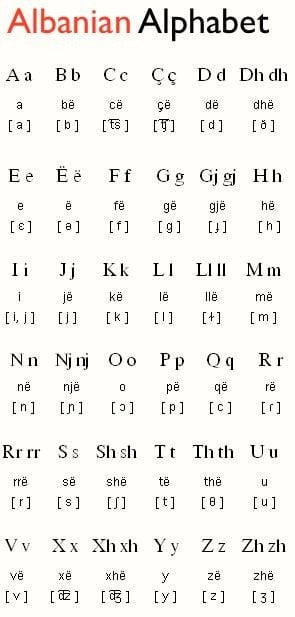
Albanian sits alone in its own branch of the Indo-European language family, having evolved in isolation for centuries. The language has two main dialects that differ enough to cause communication problems between speakers from different regions.
Albanian uses a case system, assigns gender to nouns, and has verb conjugations that change based on mood, tense, and person. Turkish, Greek, Italian, and Slavic influences have created a vocabulary that pulls from multiple sources, making it hard to predict word meanings or find patterns.
Mongolian

One way to write Mongolian is with letters based on Cyrillic, used across most of Mongolia. Meanwhile, in Inner Mongolia, people follow an older form of writing, totally distinct from the first.
Vowels need to agree within each word, much like what happens in Finnish or Turkish. At the close of every sentence, you will find the verb, not earlier.
Instead of putting words before nouns, it puts them after, rearranging how things flow compared to English. Cases shape how words change depending on their role.
Respect levels matter deeply, so special forms show who holds higher status. Each rule ties back to structure, never left loose.
Estonian
What looks like Finnish at first glance turns out trickier upon closer inspection – Estonian likes to surprise. Fourteen cases are listed in textbooks, yet experts still argue about the real number; every one reshapes endings predictably.
Hold a consonant longer, shorter, or just right – it might mean something entirely new. Time isn’t just past, present, future here; layers pile up through combined forms while vowels shift to stay in tune with each other.
Borrowed terms enter the language only after being twisted beyond recognition. Speakers of the original tongue would barely nod in familiarity.
How Languages Shape Our Brains

Hard work with certain languages forces the mind to build fresh connections, shaping thoughts in unfamiliar ways. Not every tough language works the same way, yet each reveals something distinct about human expression.
Though fluency might need lifetimes, many grow up speaking them without effort, shaped by early exposure at home. What feels like a struggle for grown-ups flows easily when learned young through daily life instead of lessons.
A person’s first speech shapes how hard a new one feels – distance between tongues matters more than rules.
More from Go2Tutors!

- The Romanov Crown Jewels and Their Tragic Fate
- 13 Historical Mysteries That Science Still Can’t Solve
- Famous Hoaxes That Fooled the World for Years
- 15 Child Stars with Tragic Adult Lives
- 16 Famous Jewelry Pieces in History
Like Go2Tutors’s content? Follow us on MSN.



