15 Things Every Teen in the ’80s Did That Would Be a Safety Issue Now
Teenagers had a certain amount of freedom in the 1980s, which is nearly unthinkable given modern safety regulations. Teenagers were able to experiment with limits and gain independence in ways that contemporary parents might find troubling, since parents in the 1980s generally took a hands-off approach to supervision.
Although this independence contributed to the development of resilient people, many typical adolescent behaviors from that decade would raise grave safety concerns in the modern era. Growing up in the ’80s meant experiencing a world with fewer regulations and safety measures than we currently have in place.
Here is a list of 15 things that teenagers regularly did in the 1980s that would be considered safety issues in today’s more protective society.
Riding in Car Trunks

Cramming extra friends into the trunk of a car was a common solution when too many people needed rides. Teens would voluntarily climb into trunks for short trips across town or to sneak into drive-in movies.
The complete lack of restraints, air circulation, and escape options makes this practice extremely dangerous—something that would horrify modern parents and likely result in serious legal consequences today.
Sunbathing with Baby Oil

’80s teens chased the perfect tan by slathering themselves with baby oil and lying in the sun for hours. Sometimes they would even use reflective panels to intensify the rays on their skin.
This practice offered zero UV protection and dramatically increased the risk of skin damage and cancer—a fact that wasn’t widely acknowledged until years later.
Like Go2Tutors’s content? Follow us on MSN.
Hitchhiking as Transportation

When teens needed to get somewhere and didn’t have a ride, sticking out a thumb by the roadside was a relatively normal solution. Hitchhiking served as a common transportation method for teenagers without access to cars or public transit.
Modern awareness of predatory behavior and traffic dangers has made this practice virtually extinct among today’s safety-conscious youth.
Unsupervised Swimming Quarries
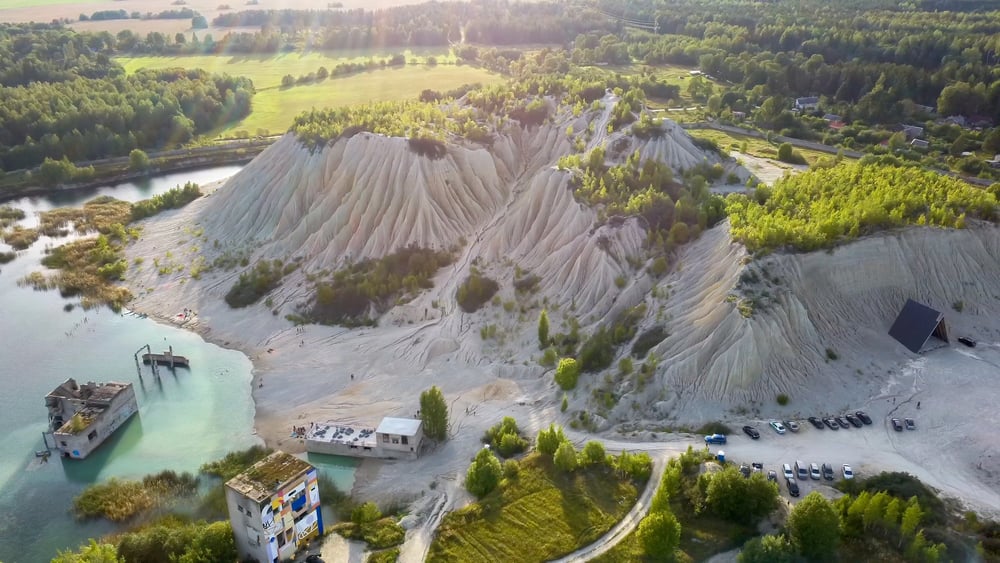
Abandoned quarries filled with water became unofficial swimming holes where teens would gather without lifeguards, safety equipment, or adult supervision. These industrial sites featured dangerously deep waters, submerged machinery, and unstable edges from which teens would leap.
Many communities now fence off these areas entirely due to the extreme hazards they present.
Driving Without Seatbelts

Though seatbelt legislation was starting to take effect, buckling up was optional and frequently disregarded throughout the 1980s. Without limits, teens often crammed into cars with pals, either sitting on laps or standing through sunroofs.
The ‘click it or ticket’ attitude hadn’t yet taken hold in American society, which led to much greater death rates in accidents.
Like Go2Tutors’s content? Follow us on MSN.
Building Homemade Ramps
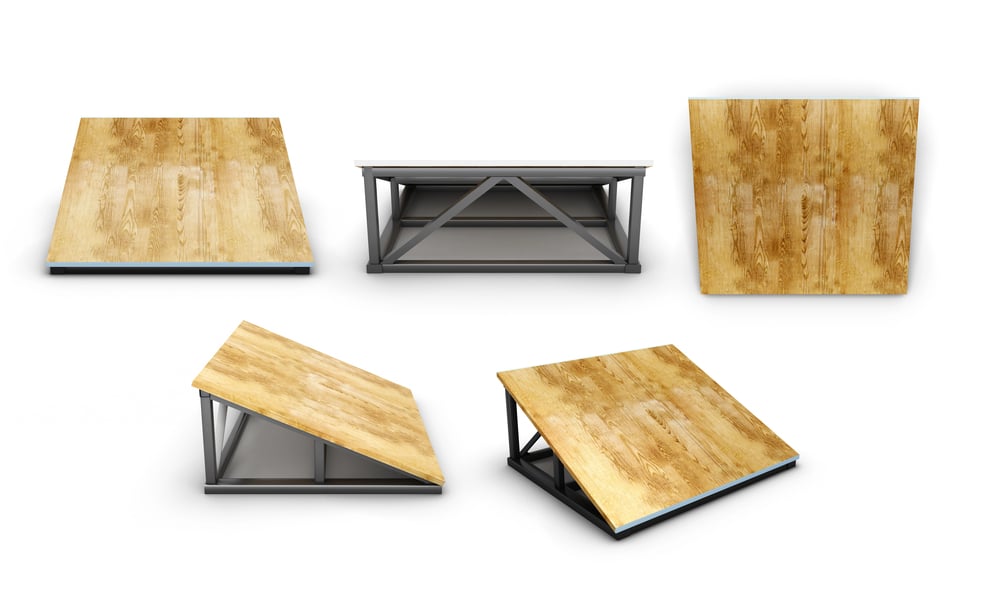
Creating makeshift wooden ramps for bike and skateboard stunts was a neighborhood staple in suburban areas. These unstable structures were cobbled together from plywood and cinder blocks without any engineering knowledge or safety considerations.
The lack of helmets and protective gear combined with these questionable constructions led to countless injuries that today’s parents would actively prevent.
Dropping Off at Malls All Day

Parents frequently dropped teenagers at shopping malls for entire days without supervision or check-ins. These unmonitored outings sometimes lasted from opening until closing, with teens wandering freely among strangers.
The complete absence of parental oversight or communication devices would make most modern parents extremely uncomfortable given current safety concerns.
Leaving Notes Instead of Calls

Communication between teens and parents often consisted solely of hastily scribbled notes left on kitchen counters. ‘Gone to Mike’s house, back later’ provided the only information about a teen’s whereabouts for potentially many hours.
Without cell phones or tracking capabilities, parents simply trusted that their children would return safely at some unspecified time.
Like Go2Tutors’s content? Follow us on MSN.
Dangerous Chemistry Sets

Chemistry sets available to teenagers in the 1980s contained substances that would never be allowed in children’s products today. These kits included chemicals capable of creating explosive reactions, generating toxic gases, or causing significant burns.
Modern science kits have eliminated virtually all potentially harmful elements that were standard in their ’80s counterparts.
Unregulated Fireworks Usage

Teenagers regularly purchased and set off powerful fireworks with minimal supervision or safety precautions. Bottle rockets, Roman candles, and firecrackers were handled casually, often shot from hands or set off in crowded areas.
The cavalier attitude toward these explosives resulted in numerous injuries, which have led to much stricter regulations in most states.
Playing Outside Until Dark

For many ’80s teenagers, the neighborhood rule was simply ‘be home when the streetlights come on.’ Kids roamed freely throughout neighborhoods, parks, and local woodlands without parental supervision or location tracking.
Staying out from morning until evening without checking in was completely normal behavior that would cause significant concern in today’s more cautious parenting environment.
Like Go2Tutors’s content? Follow us on MSN.
Riding in Pickup Truck Beds

Teenagers regularly rode in the open beds of pickup trucks on both neighborhood streets and highways. This unrestrained transportation method was not only legal in many states but also viewed as perfectly acceptable.
The complete lack of protection during sudden stops or accidents makes this once-common practice something that would prompt immediate intervention today.
Sharing Medication

Teens casually shared prescription medications with friends experiencing similar symptoms without considering potential interactions or side effects. Offering a friend an antibiotic, pain reliever, or prescription acne medication was seen as helpful rather than potentially dangerous.
Today’s awareness of medication risks and liabilities has made this practice socially unacceptable.
Unmonitored Internet Usage
As home computers began appearing in the late ’80s, teenagers had completely unrestricted access to early internet platforms and bulletin boards. Without parental controls, monitoring software, or education about online predators, teens navigated this new digital frontier entirely on their own.
Early adopters of technology experienced none of the safeguards considered essential for today’s connected teens.
Like Go2Tutors’s content? Follow us on MSN.
Cooking Unsupervised on Gas Stoves

Many latchkey teens were responsible for preparing family meals on gas stoves without any adult supervision. Operating open flames, handling hot cookware, and using sharp knives were skills teens were expected to manage independently.
The potential for fires, burns, and serious injuries was simply accepted as part of growing up rather than a safety concern requiring oversight.
The Freedom-Safety Balance

The stark contrast between ’80s teenage freedom and today’s safety-focused environment reflects larger cultural shifts in our approach to risk. While modern teens benefit from advances in safety awareness and technology, something valuable may have been lost in the transition—the ability to learn from mistakes, develop resilience through manageable risks, and experience true independence.
Finding the right balance between overprotection and negligence remains one of parenting’s greatest challenges across generations.
More from Go2Tutors!

- 18 Unexpectedly Valuable Collectibles You Might Have Lying Around
- 20 Little-Known Historical Battles That Had Huge Consequences
- 20 Historical Artifacts That Scientists Can’t Explain
- 15 Inventions That Were Immediately Banned After Being Created
- 20 Actors Who Were Almost Cast in Iconic Roles
Like Go2Tutors’s content? Follow us on MSN.