Largest Stadiums in the US by Capacity
Americans take their sports seriously, and nowhere is that more evident than in the massive stadiums scattered across the country. These aren’t just venues—they’re cathedrals of competition where tens of thousands of fans gather to cheer, chant, and lose their voices.
College programs dominate this list because, unlike professional teams that prioritize luxury suites and premium seating, universities have spent decades expanding their stadiums to pack in as many passionate fans as possible. The result is a collection of concrete colosseums that rival anything built in ancient Rome.
Here is a list of 14 of the largest stadiums in the US by capacity.
Michigan Stadium

The largest stadium in the United States sits in Ann Arbor, Michigan, with an official capacity of 107,601. Known as ‘The Big House,’ Michigan Stadium has been home to the Michigan Wolverines since it opened in 1927 at an original cost of $950,000.
The stadium was designed with footings that would allow expansion beyond 100,000 seats—legendary coach Fielding Yost envisioned a day when 150,000 seats would be needed. Every home game since November 1975 has drawn more than 100,000 fans, with the exception of pandemic-related restrictions in 2020—an active streak of over 300 contests.
The record attendance of 115,109 came in 2013 when Notre Dame visited, setting what was then the NCAA single-game on-campus attendance record.
Beaver Stadium
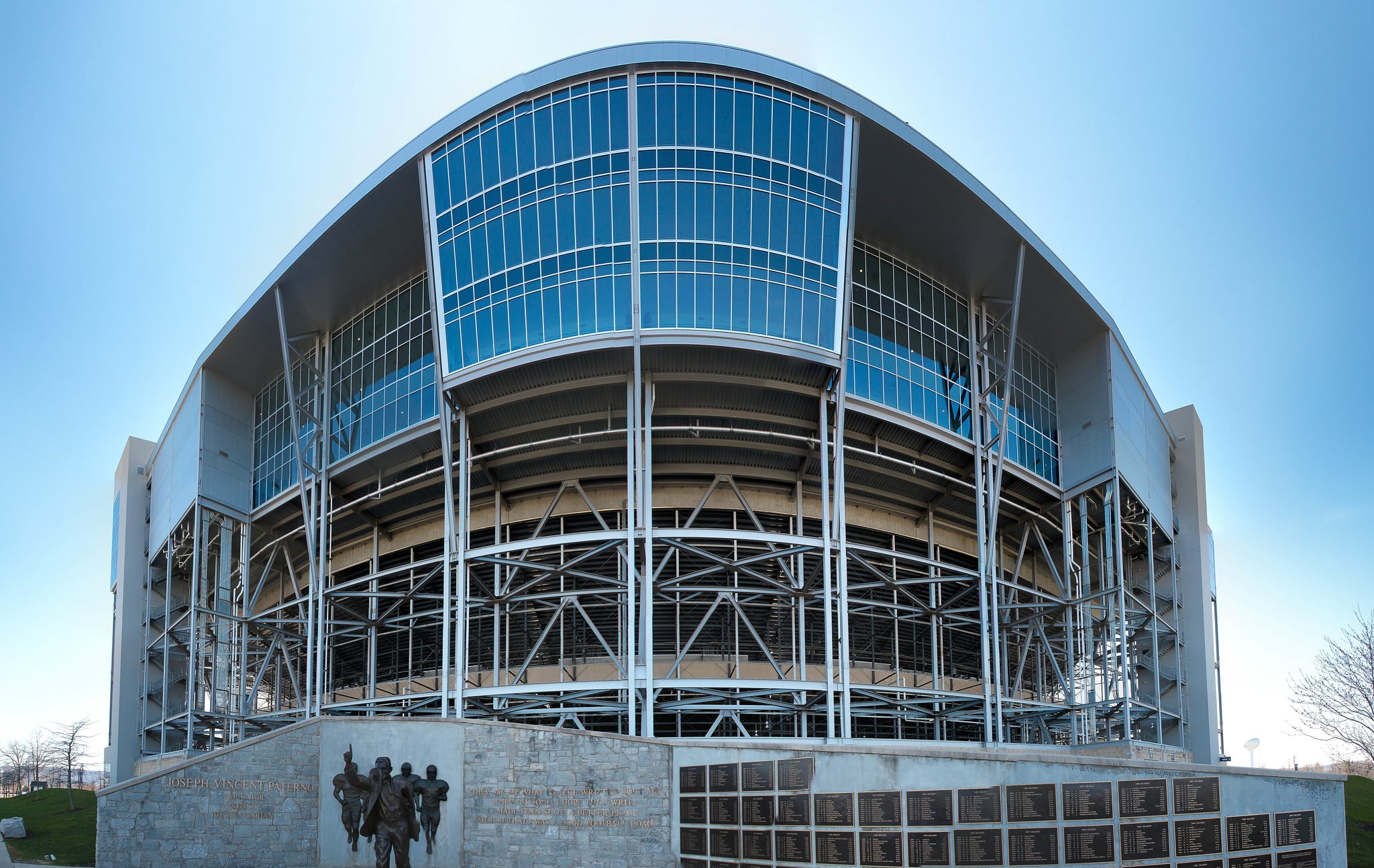
Penn State’s Beaver Stadium holds 106,572 fans, making it the second-largest stadium in the country. The stadium opened in 1960 and has been expanded six times since then, with the most significant renovation occurring in 2001 when a grandstand was added to the south side.
In 2023, Penn State approved a $700 million renovation project to be completed before the 2027 season. Beaver Stadium is famous for its ‘White Out’ games, where fans dress entirely in white to create an intimidating wall of color that has rattled many visiting teams over the years.
Ohio Stadium
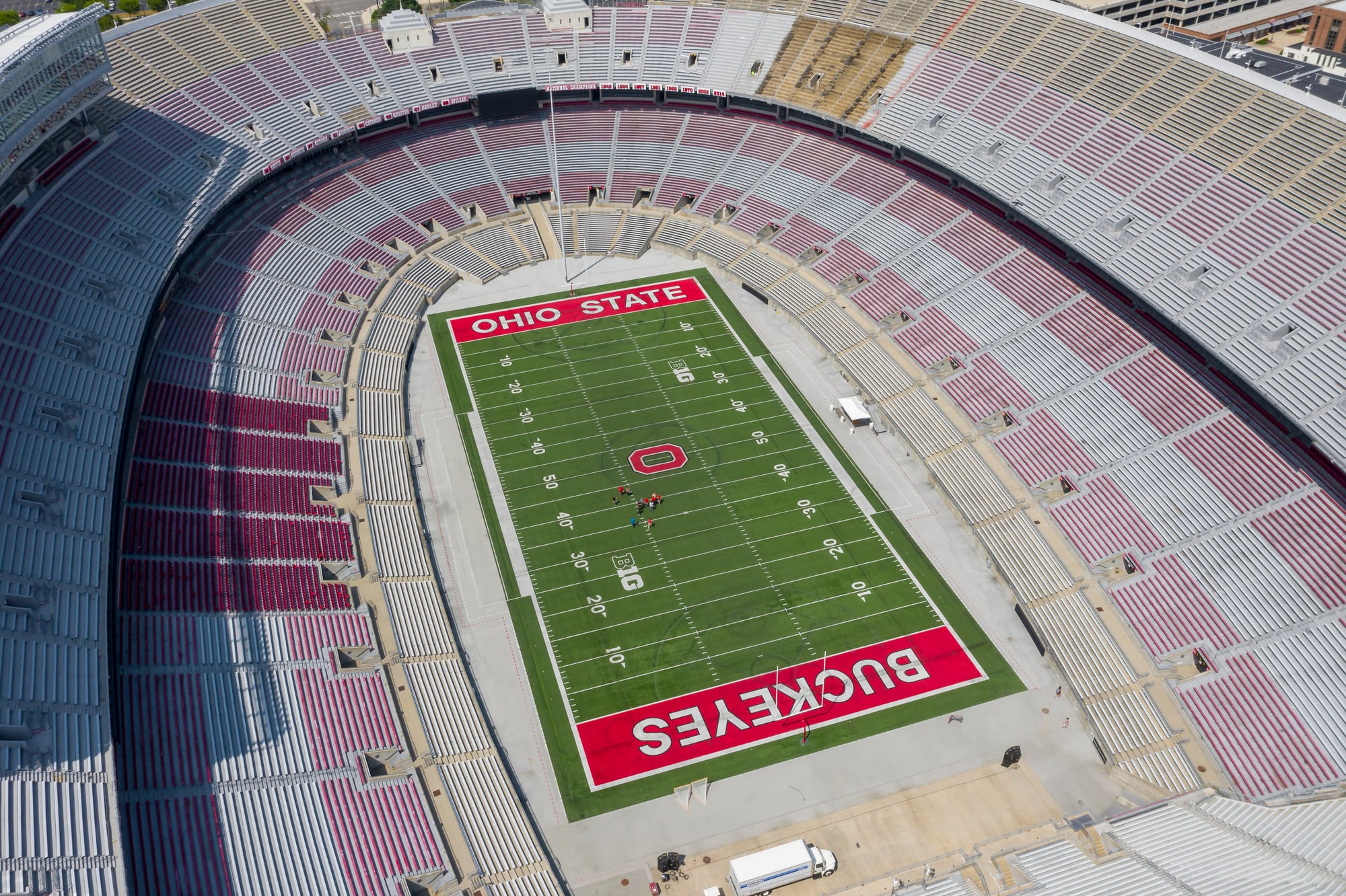
Nicknamed ‘The Horseshoe’ for its distinctive shape, Ohio Stadium in Columbus holds 102,780 fans and serves as home to the Ohio State Buckeyes. The stadium opened in 1922 and was designed by architect Howard Dwight Smith, who drew inspiration from the Circus Maximus in Rome.
In 1974, it became the first American stadium officially listed on the National Register of Historic Places. The Buckeyes set an attendance record of 110,045 during ‘The Game’ against rival Michigan in 2016, a figure that included temporary seating and standing room.
Ohio Stadium has also hosted major concerts over the years, including performances by Pink Floyd and the Rolling Stones.
Kyle Field
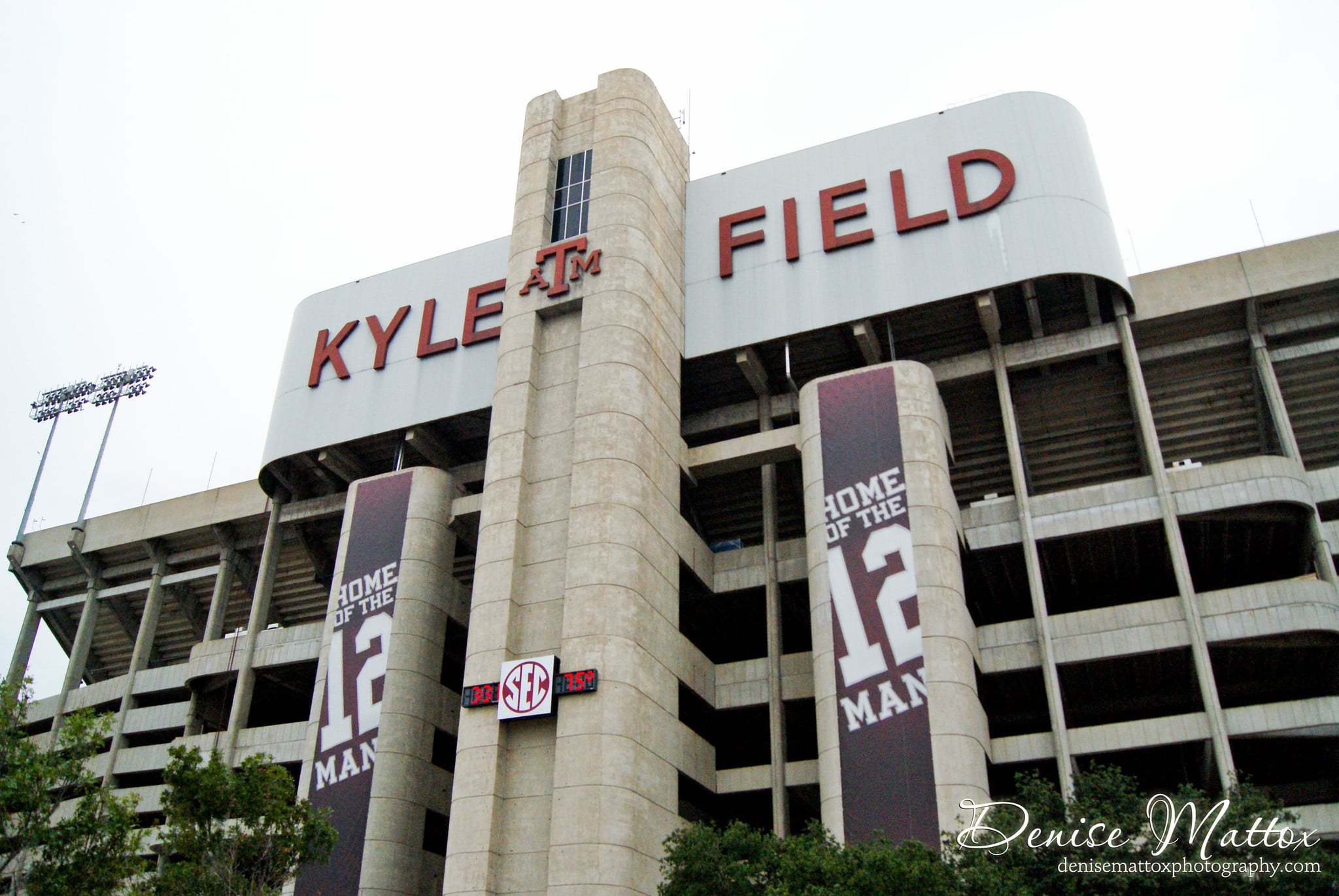
Texas A&M’s Kyle Field holds 102,733 fans, making it the largest stadium in Texas and the Southeastern Conference. The stadium has existed in some form since 1904 and became a permanent concrete structure in 1927.
A massive $485 million renovation completed in 2015 was one of the largest and most expensive redevelopment projects in college athletics history. Kyle Field is known for its ’12th Man’ tradition, which started in 1922 when a student named E. King Gill was called from the stands to suit up during a game.
In June 2024, George Strait’s concert at Kyle Field became the most-attended ticketed show in US history, with 110,905 fans in attendance.
Tiger Stadium
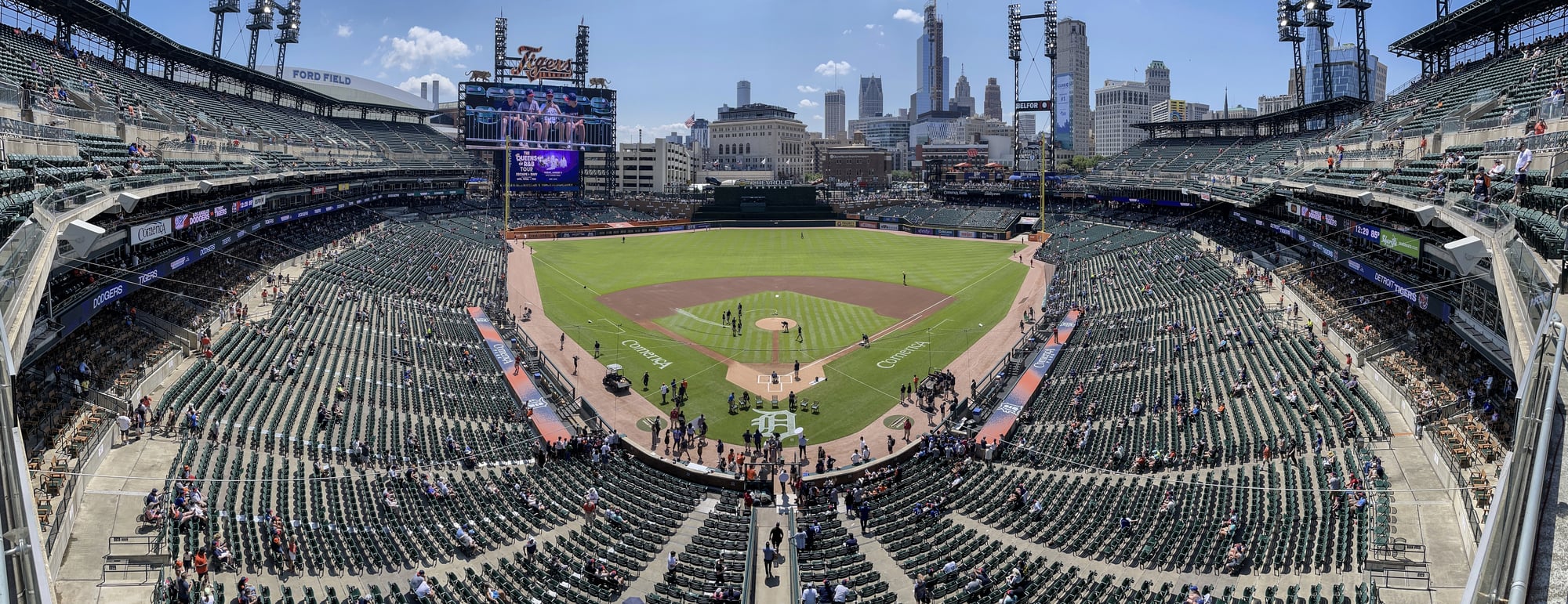
LSU’s Tiger Stadium in Baton Rouge holds 102,321 fans and carries the intimidating nickname ‘Death Valley.’ The stadium opened in 1924, and legendary Alabama coach Bear Bryant reportedly remarked that Baton Rouge is ‘the worst place in the world for a visiting team’ because ‘it’s like being inside a drum.’
Night games at Tiger Stadium are particularly intense, with noise levels that can rival a jet engine. LSU has compiled a 141-18 record at home over the past 24 years, a winning percentage of nearly 89 percent.
An $80 million south end zone expansion in 2012 brought the capacity above 100,000.
Neyland Stadium
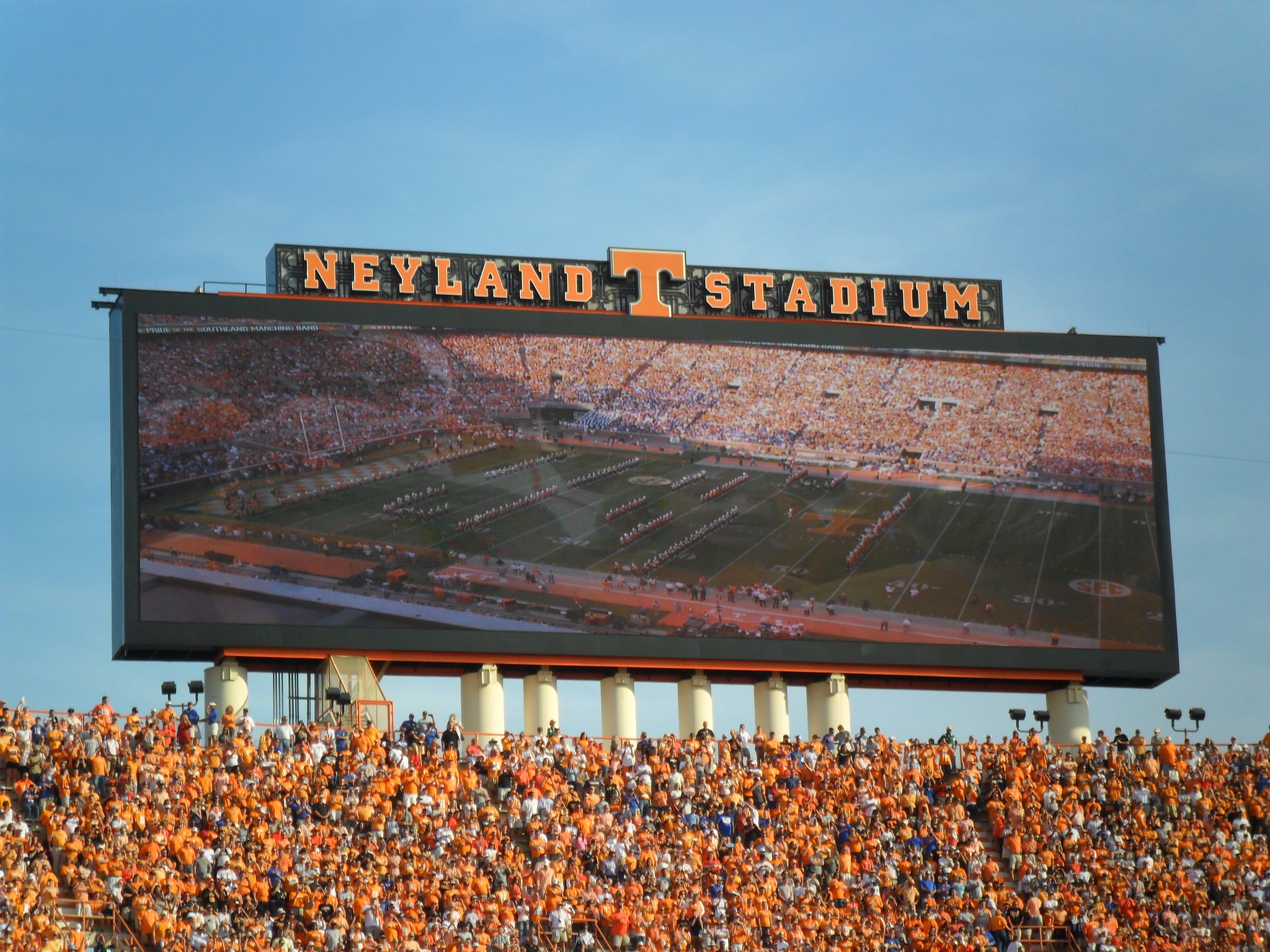
Located in Knoxville, Tennessee, Neyland Stadium holds 101,915 fans and has been home to the Tennessee Volunteers since it opened in 1921. The stadium is named after Robert Neyland, who spent 21 years as Tennessee’s head coach and led the program to four national championships.
Neyland Stadium’s largest crowd was 109,061 during a game against Florida in 2004, a figure that included standing room, which Tennessee won 30-28. The stadium sits along the Tennessee River, and fans can actually arrive by boat on game days.
When ‘Rocky Top’ plays and the Volunteers take the field, the noise levels become genuinely deafening.
Bryant-Denny Stadium
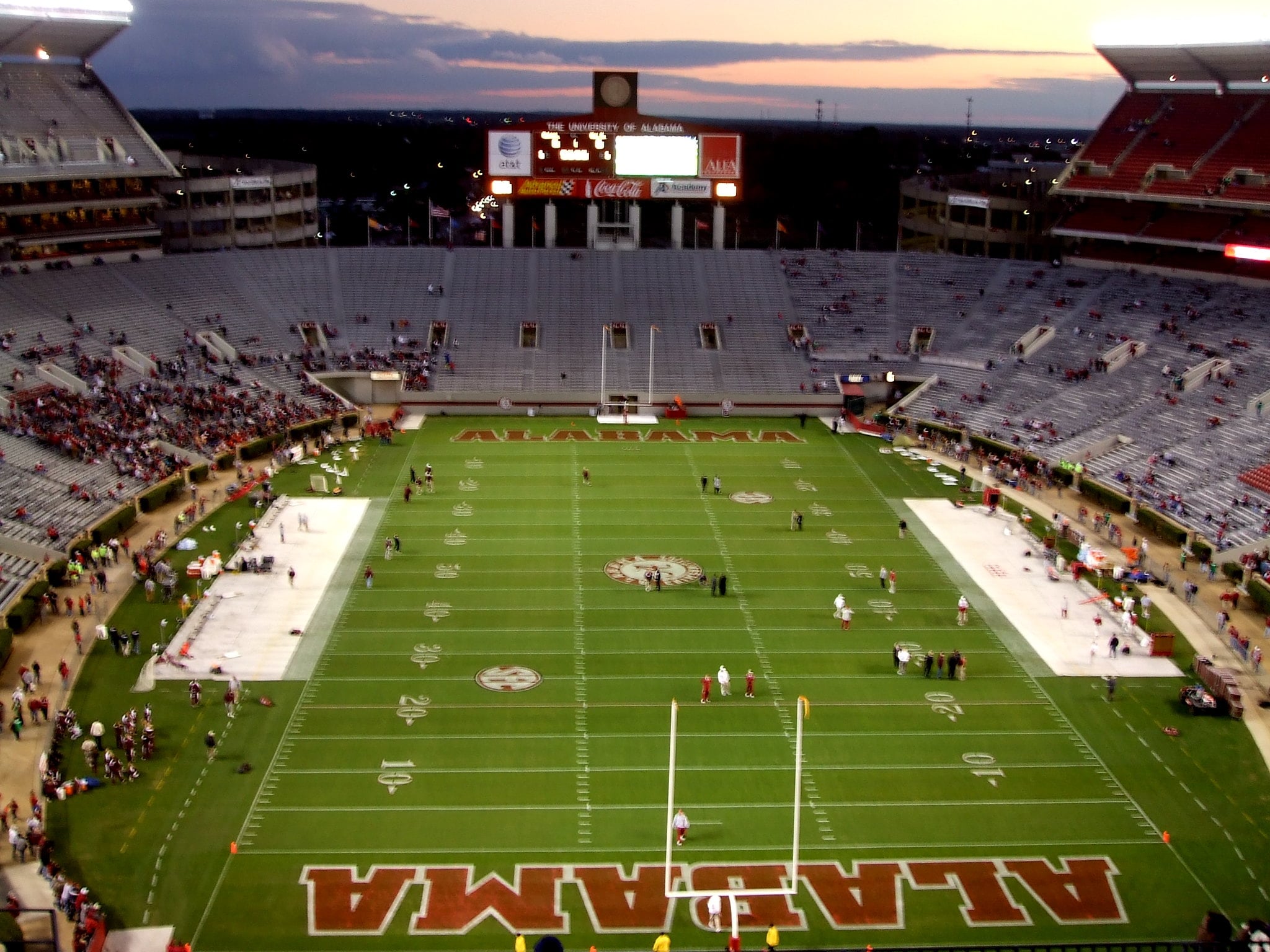
The University of Alabama’s Bryant-Denny Stadium holds 101,821 fans in Tuscaloosa. The stadium opened in 1929 with a modest capacity of 12,000 and has undergone ten renovations since then, including six in the last 35 years alone.
The most recent major expansion in 2010 added around 9,000 seats to the south end zone, pushing capacity over 100,000 for the first time. The north end of the stadium features the Walk of Champions, where bronze statues of Alabama’s national championship-winning coaches line a brick-paved walkway.
Alabama dedicated the field in honor of legendary coach Nick Saban in 2024.
Darrell K Royal-Texas Memorial Stadium
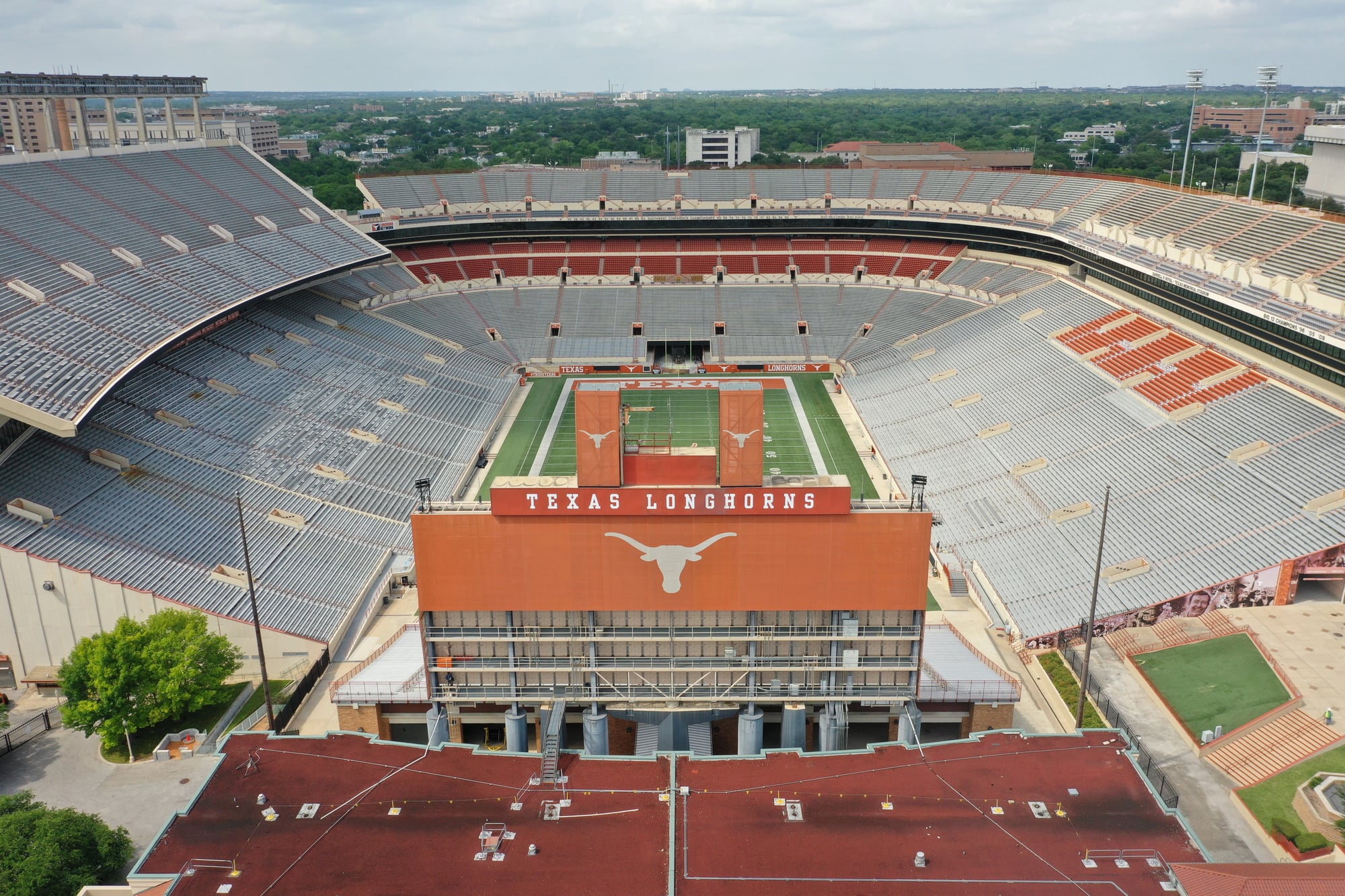
The University of Texas plays in this 100,119-seat stadium in Austin, which has stood on campus since 1924. The stadium is named after Darrell K Royal, who coached the Longhorns for 20 years and won three national championships.
Temporary seating can push attendance even higher—the record of 105,213 was set in 2022 when Texas hosted Alabama. The stadium is known for the Longhorn Band’s pre-game performances and the ‘Eyes of Texas’ song, which is sung at the end of every home game.
The ‘Hook ’em Horns’ hand sign, first introduced by head cheerleader Harley Clark in 1955, has become one of the most recognizable gestures in college sports.
Sanford Stadium
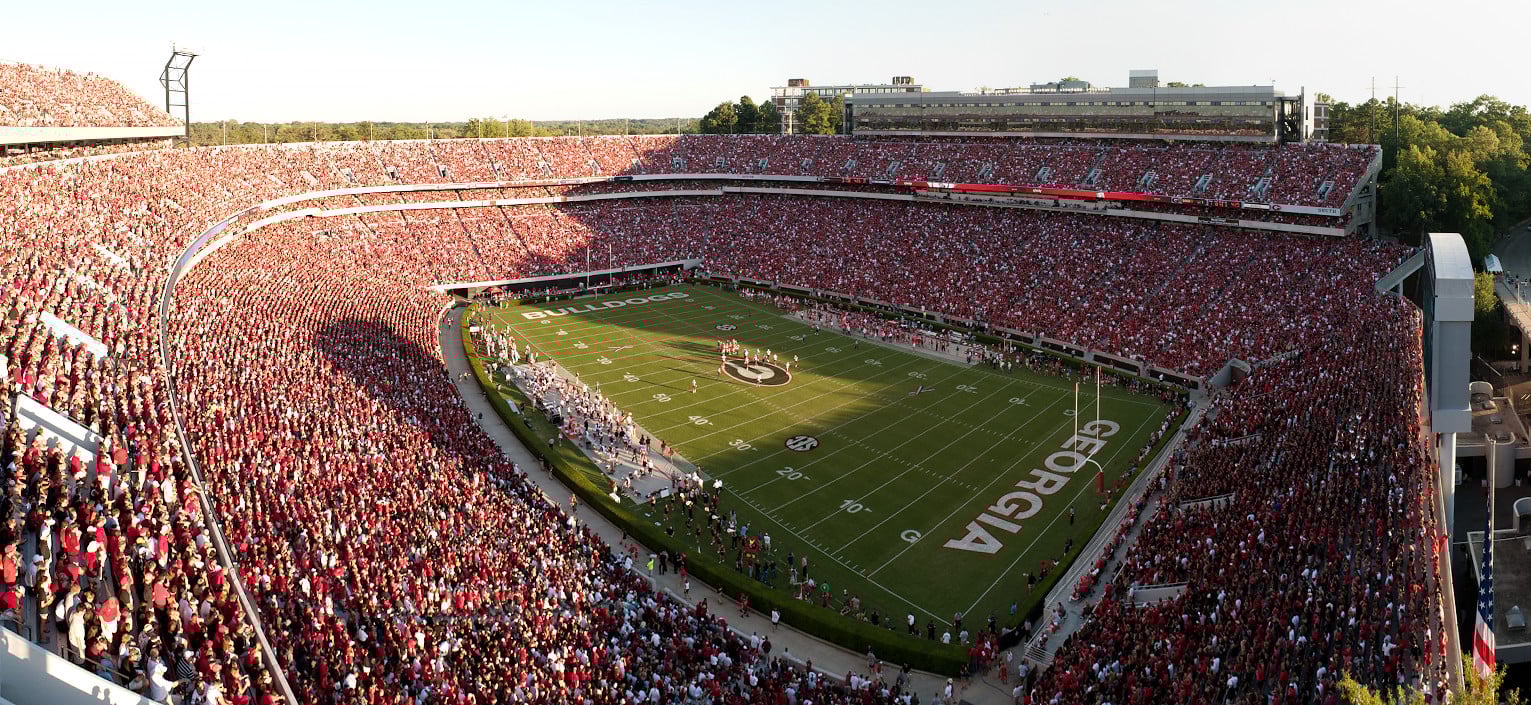
The University of Georgia plays in Sanford Stadium in Athens, which holds 92,746 fans. The stadium opened in 1929 with a capacity of 30,000 and has grown three-fold since then.
Georgia games are played ‘between the hedges,’ a reference to the Chinese private hedges that have surrounded Dooley Field since opening day. The hedges were given a revitalization in 2024 using plants from the same lineage as the originals.
Many believe the hedges also serve as subtle crowd control because they conceal a low chain-link fence surrounding the field—fans have only rushed the field once, after beating Tennessee in 2000.
Rose Bowl
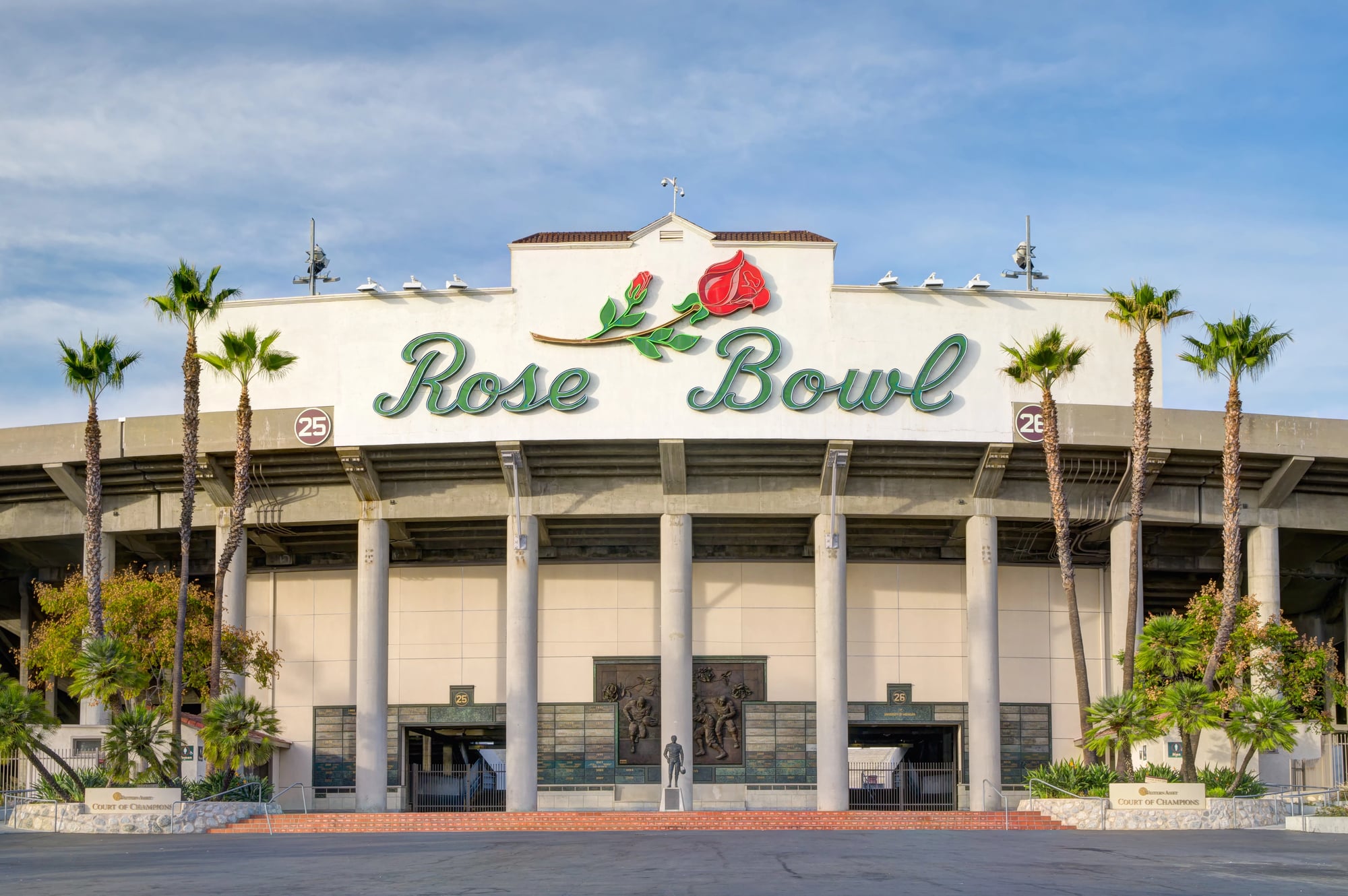
Located in Pasadena, California, the Rose Bowl holds 89,702 fans and serves as home to the UCLA Bruins. The stadium was designed by architect Myron Hunt and completed in 1922, making it one of the oldest venues on this list.
It was designated a National Historic Landmark and has hosted five Super Bowls—more than any other venue. The Rose Bowl also hosted the 1994 FIFA World Cup Final, watched by an estimated 700 million people worldwide, and the 1999 FIFA Women’s World Cup Final.
UCLA moved to the Rose Bowl in 1982 after previously sharing the Los Angeles Memorial Coliseum with USC. The stadium’s all-time attendance record of 106,869 was set during the 1973 Rose Bowl Game.
Ben Hill Griffin Stadium
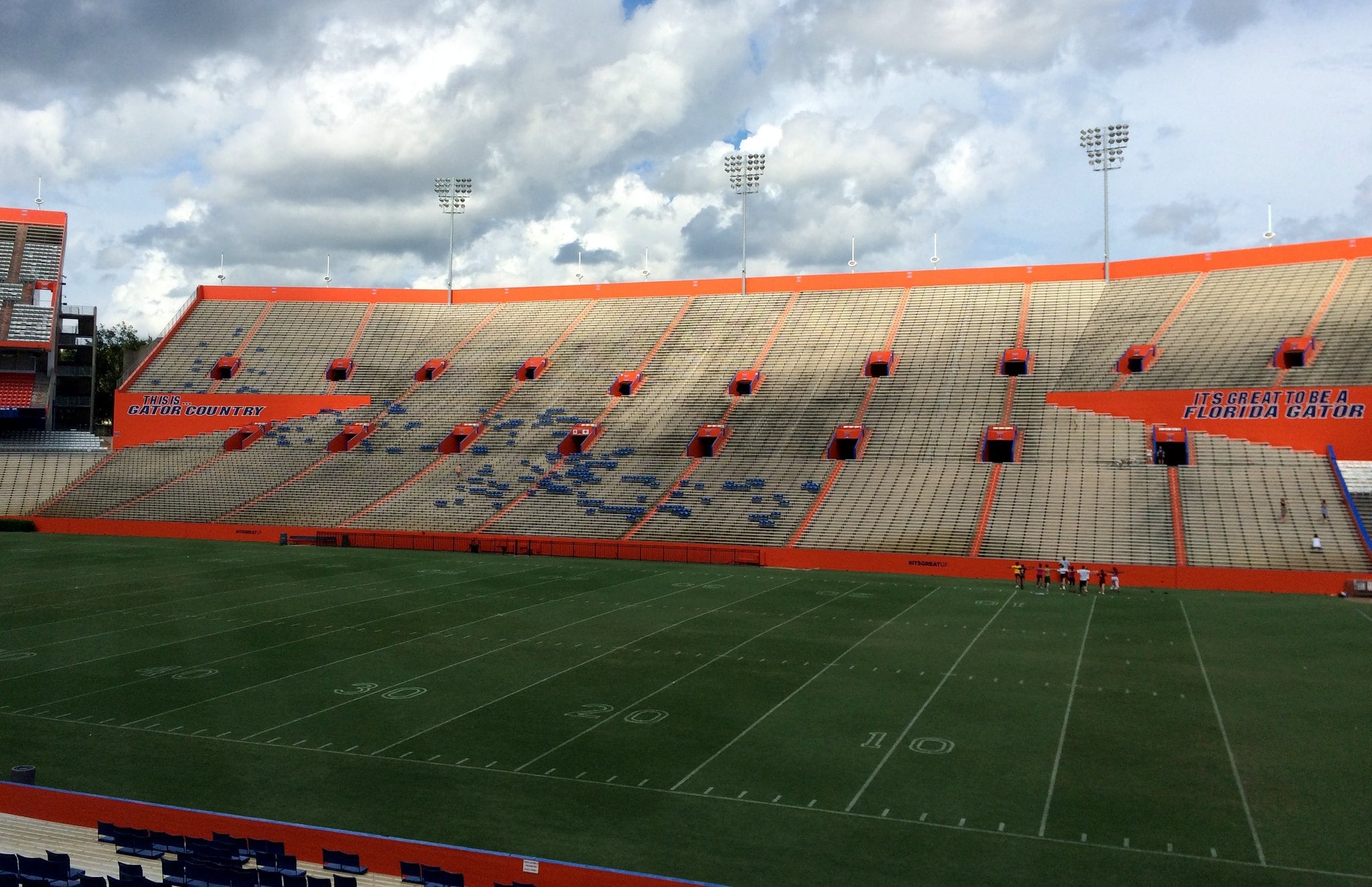
Known as ‘The Swamp,’ the University of Florida’s Ben Hill Griffin Stadium in Gainesville holds 88,548 fans. The stadium was originally built in 1930 and has been expanded multiple times over the decades.
Former Florida coach Steve Spurrier popularized the ‘Swamp’ nickname, noting that only Gators get out alive. The combination of Florida’s humid climate and the stadium’s enclosed design creates a genuinely oppressive atmosphere for visiting teams.
The Gators have one of the strongest home-field advantages in college sports, and the student section in the north end zone is famous for its intensity.
Memorial Stadium – Nebraska
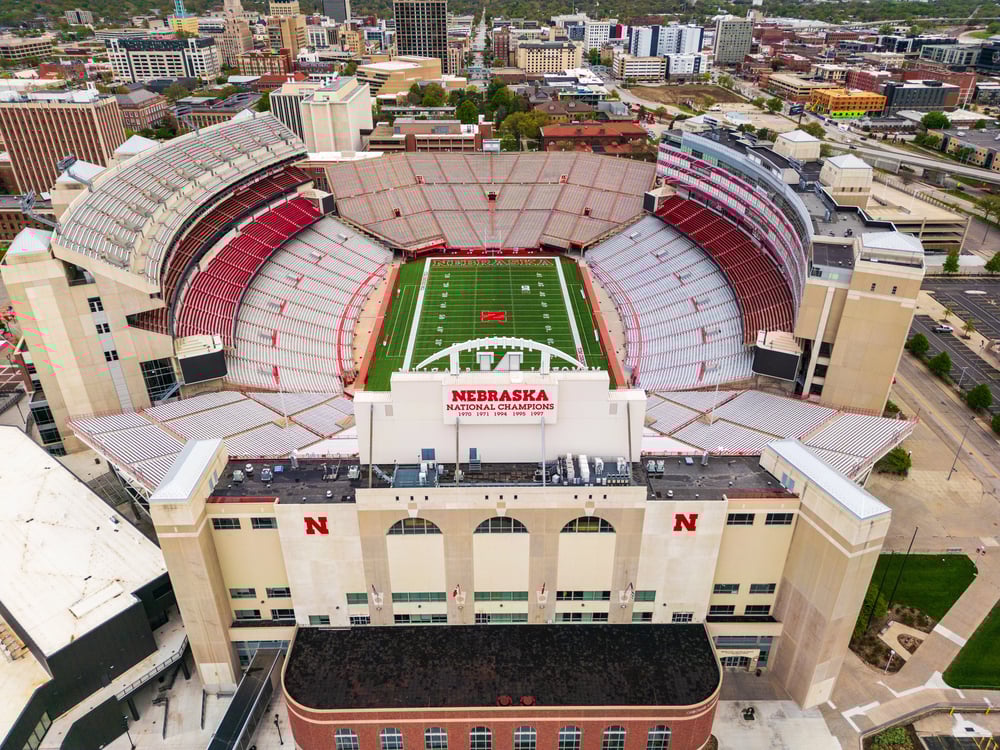
The University of Nebraska’s Memorial Stadium in Lincoln holds approximately 85,000 fans and is known as the ‘Sea of Red’ because of the overwhelming crimson worn by Cornhusker supporters. When the stadium fills up on game days, fans like to say it becomes the third-largest city in Nebraska.
The stadium opened in 1923 and was named as a memorial to Nebraskans who served in World War I. Nebraska fans are famous for their sportsmanship—they regularly give standing ovations to opposing teams after hard-fought games.
The program has sold out every home game since 1962, one of the longest sellout streaks in college sports history.
Gaylord Family Oklahoma Memorial Stadium
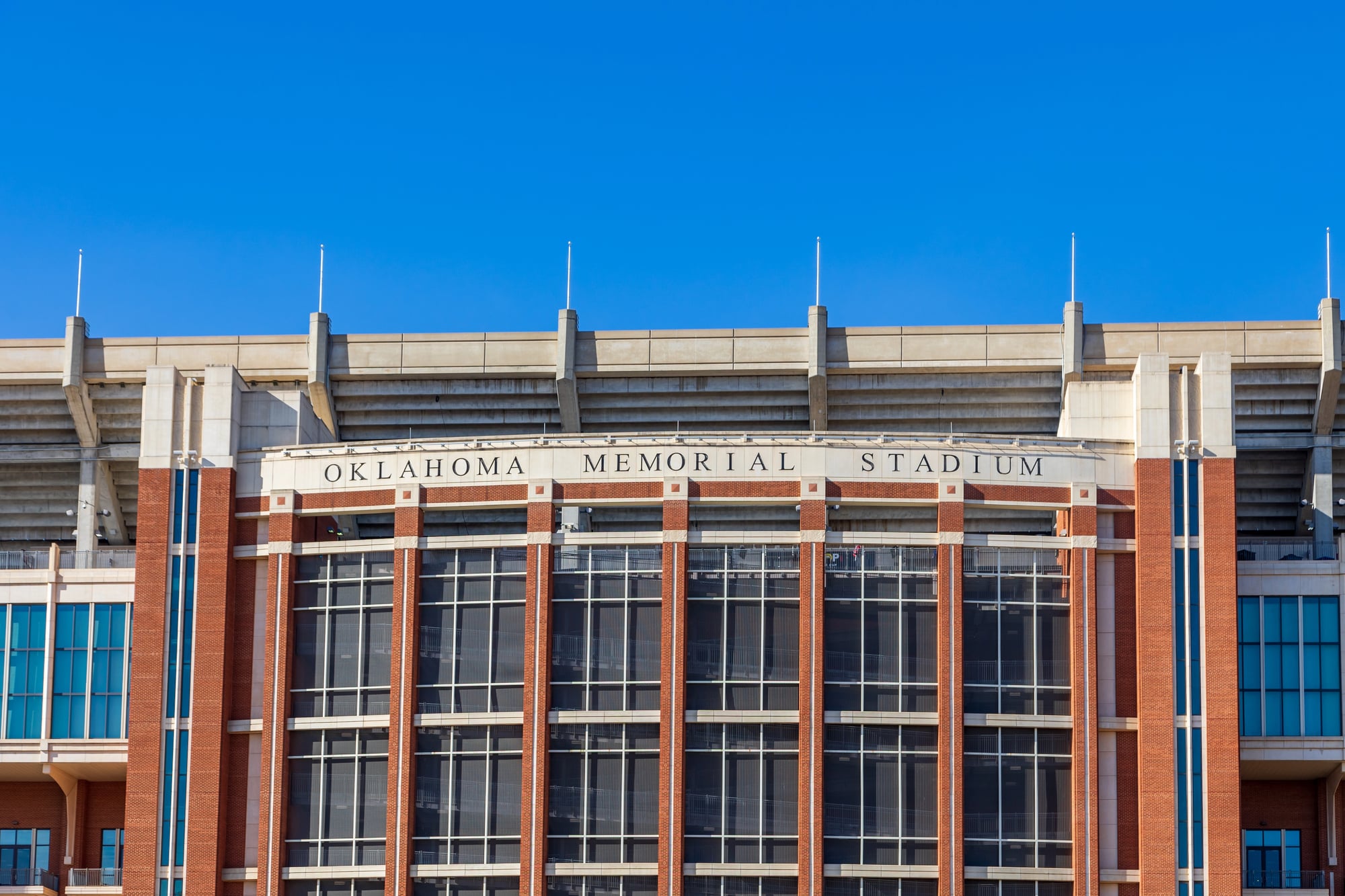
The University of Oklahoma’s stadium in Norman holds 86,112 fans and is the largest sports venue in the state. Known as the ‘Palace on the Prairie,’ the stadium opened in 1923 and has been expanded numerous times.
In 2024, a new conference logo was painted on the field as Oklahoma joined the SEC. The stadium features a distinctive split-level design and has hosted some of the most memorable games in Big 12 and now SEC history.
Oklahoma’s home atmosphere is known for the ‘Boomer Sooner’ fight song, which gets played after virtually every positive play and can become repetitive enough to drive opposing fans crazy.
Los Angeles Memorial Coliseum
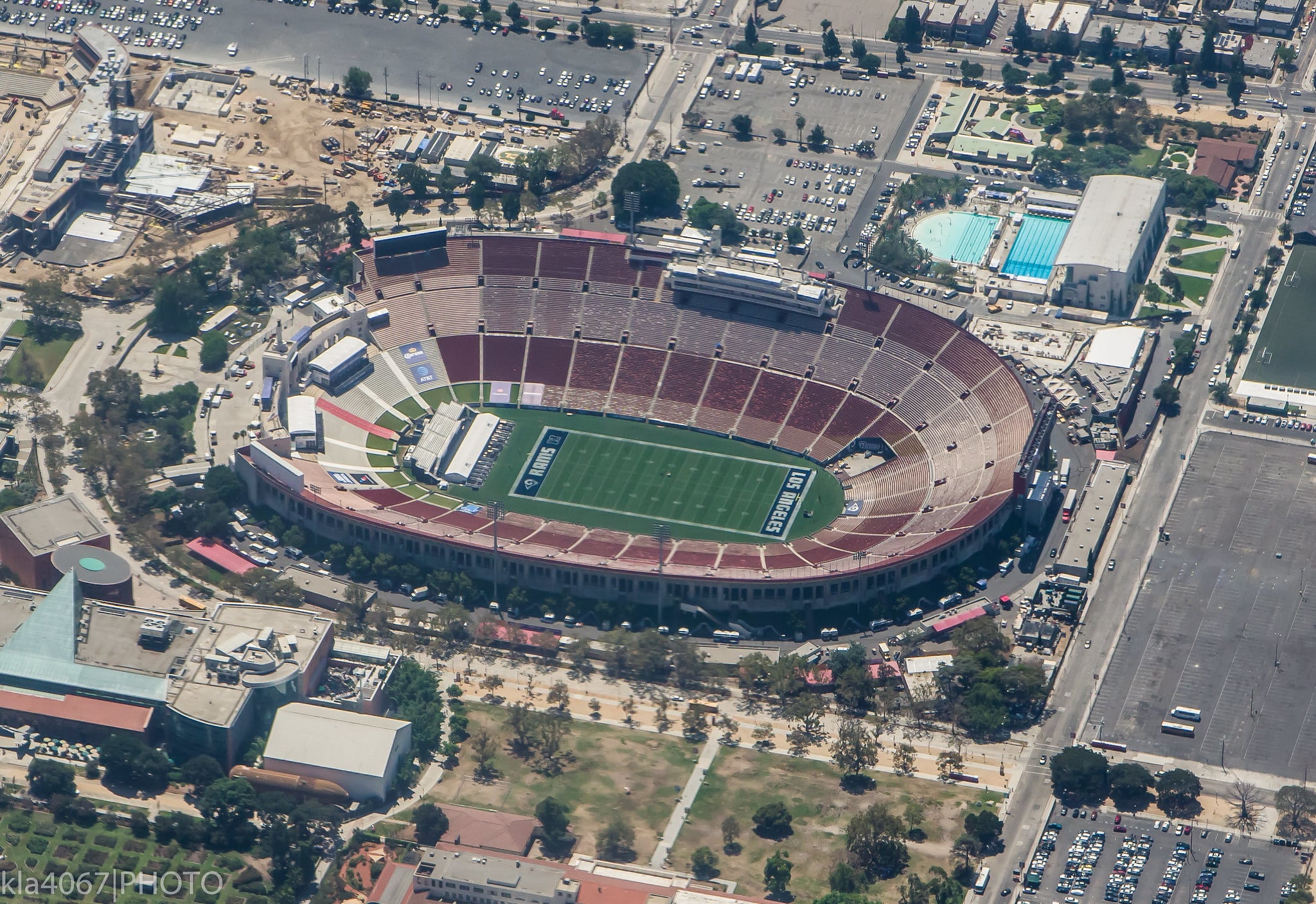
USC’s Los Angeles Memorial Coliseum holds approximately 77,500 fans after a $315 million renovation completed in 2019 that added luxury suites and modern amenities. Before that renovation, capacity had been as high as 100,000.
The stadium opened in 1923 and is one of only a few sports venues designated as a National Historic Landmark. It has hosted two Summer Olympic Games in 1932 and 1984, and will become the first stadium in the world to host a third when the 2028 Olympics come to Los Angeles.
The Coliseum’s most-attended game was in 1947 when 104,953 fans watched USC play Notre Dame.
Where History Meets Home Field Advantage

These stadiums represent more than just places to watch games—they’re living monuments to the communities that built them and the traditions that fill them every autumn Saturday. Michigan Stadium has been drawing crowds over 100,000 since 1975.
Neyland Stadium has watched the Tennessee River flow past for over a century. The Rose Bowl has hosted everything from Olympic events to World Cup finals.
What makes these venues special isn’t just their size but their ability to turn a hundred thousand strangers into a single roaring voice, generation after generation. In an age of luxury boxes and corporate suites, these stadiums remain temples to the simple power of packing as many passionate fans as possible into one place.
More from Go2Tutors!

- The Romanov Crown Jewels and Their Tragic Fate
- 13 Historical Mysteries That Science Still Can’t Solve
- Famous Hoaxes That Fooled the World for Years
- 15 Child Stars with Tragic Adult Lives
- 16 Famous Jewelry Pieces in History
Like Go2Tutors’s content? Follow us on MSN.



