15 Things Invented Because of a Bet
History’s greatest innovations often emerge from serious scientific inquiry, pressing necessity, or happy accidents. Yet some world-changing creations have much humbler origins – friendly wagers, competitive challenges, or simply someone responding to the immortal phrase, “I bet you can’t.”
These casual exchanges have occasionally sparked incredible feats of creativity and problem-solving that changed industries, sports, and even how we eat. Here is a list of 15 remarkable things that were invented because someone couldn’t resist taking on a bet.
Potato Chips

In 1853, chef George Crum at Moon’s Lake House in Saratoga Springs faced a particularly demanding customer who repeatedly sent back his fried potatoes, complaining they were too thick and soggy. Frustrated after multiple attempts, Crum sliced potatoes paper-thin, fried them to a crisp, and doused them with salt – essentially daring the customer to find fault again.
The customer loved them, and “Saratoga Chips” were born. This culinary dare transformed into a multi-billion dollar snack industry that continues growing worldwide.
Frisbee

The Frisbee began as a betting game among Yale students in the 1920s when they tossed around empty pie tins from the Frisbie Baking Company. They would yell “Frisbie!” as a warning when throwing the tins, often wagering on catching accuracy.
Entrepreneur Walter Frederick Morrison saw commercial potential and created a plastic version in 1948, which he sold to Wham-O who refined and marketed it as the “Frisbee.” A simple campus betting game evolved into one of the most recognizable toys worldwide and spawned numerous competitive sports.
Escalator

Jesse Reno created the first working escalator in 1891 following a bet with a friend who doubted he could build a moving staircase. Reno promptly constructed a working prototype in just two weeks to win the wager.
His invention, originally called the “inclined elevator,” debuted as a Coney Island amusement ride before being recognized for its practical transportation applications. A friendly challenge led to an innovation that fundamentally changed how people move through multi-level buildings across the globe.
Salisbury Steak
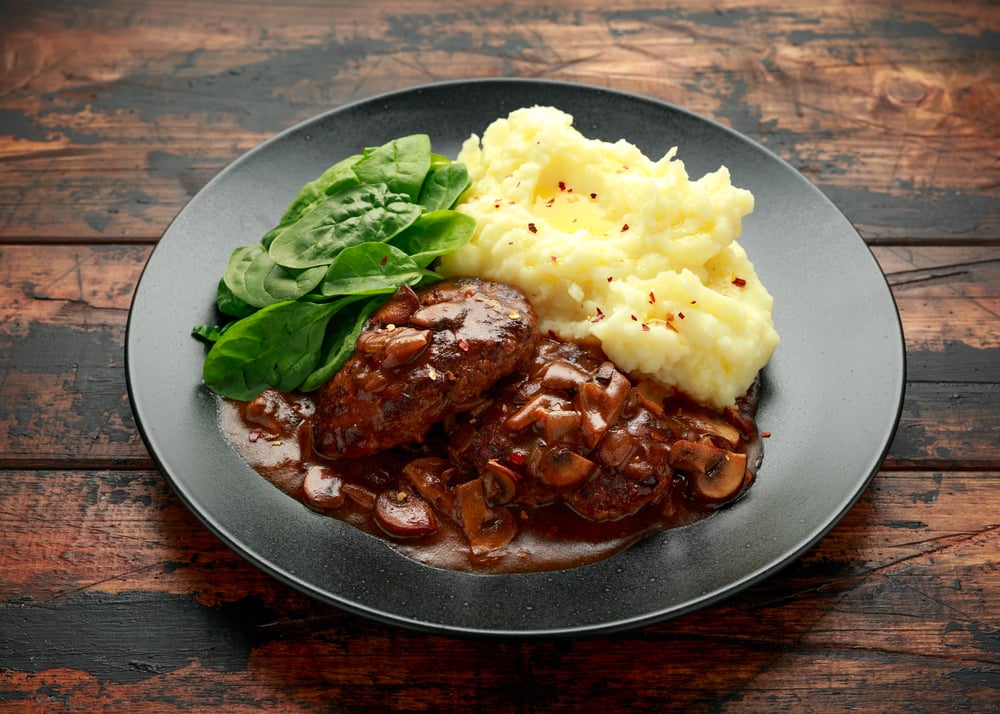
Dr. James Salisbury bet colleagues he could prove meat was healthier than vegetables during the late 19th century. To win his nutritional wager, he created a dish of ground beef formed into patties and served with gravy, claiming it aided digestion better than plant foods.
He recommended that people eat Salisbury steak three times daily for optimal health. While his nutritional theories proved questionable, the dish he created to win his bet became a staple of American cuisine that persists in diners and frozen dinner aisles today.
Vaseline

Robert Chesebrough, a young chemist, accepted a challenge from oil workers in 1859 to find a use for “rod wax,” a gummy substance that collected on oil rig equipment. Workers bet it had beneficial properties since they used it on cuts and burns. Chesebrough experimented with purifying the substance, eventually creating petroleum jelly.
He was so convinced of its healing properties that he reportedly burned himself with acid and used his product to demonstrate its effectiveness. A challenge from oil workers resulted in a household product found in medicine cabinets worldwide.
Sandwich
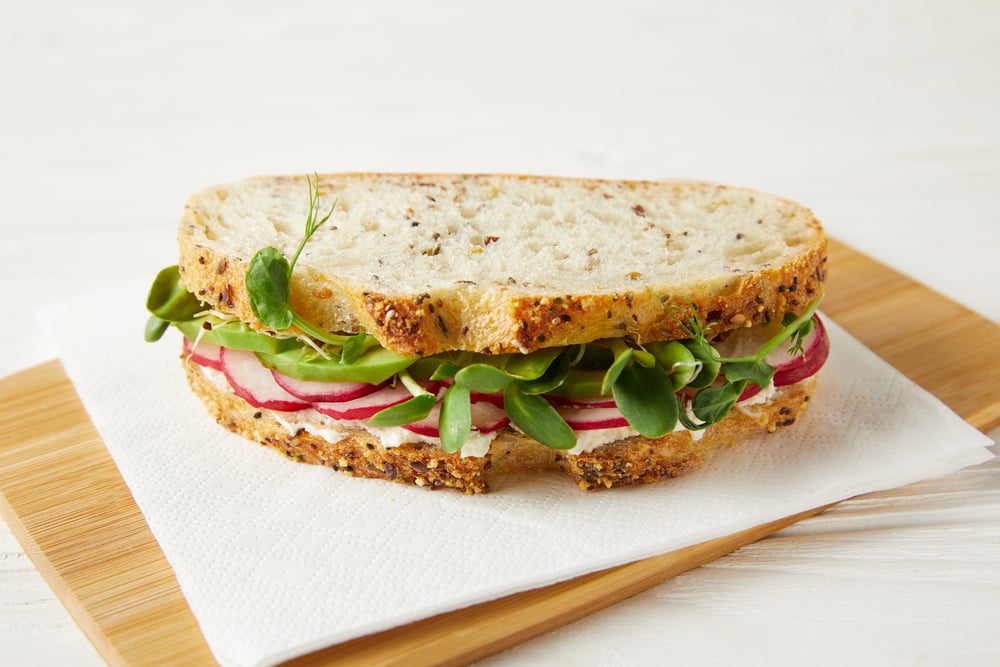
The sandwich reportedly came about when John Montagu, the Fourth Earl of Sandwich, didn’t want to leave the gambling table during a 24-hour betting streak. He instructed servants to bring him meat between slices of bread so he could eat without getting his cards greasy.
Fellow gamblers began ordering “the same as Sandwich,” and the convenient food concept spread. A gambler’s determination to continue betting without interruption created one of the most ubiquitous food formats in modern civilization.
Treadmill

The modern exercise treadmill originated from a 1952 bet between cardiologist Dr. Robert Bruce and engineer Wayne Quinton about creating a stress test device.
Bruce needed equipment that could gradually increase physical demands on cardiac patients, challenging Quinton to design something that could both diagnose heart conditions and help rehabilitation. Their collaboration produced the first medical-grade exercise treadmill with controlled speed and incline.
A friendly wager between medical professionals led to an essential diagnostic tool and an eventual fitness revolution.
Buttonhole Stitch

The buttonhole stitch supposedly originated from a medieval bet between tailors competing to create the most secure way to fasten clothing. The winner devised a stitch pattern that prevented fraying while providing flexibility for button movement.
This technique revolutionized clothing functionality, making garments easier to don and remove. The winning tailor’s innovation fundamentally changed clothing design, enabling greater variety in styles and practical everyday wear before the era of zippers and other modern fasteners.
Microwave Oven

Percy Spencer wasn’t explicitly betting, but he made an impromptu challenge to himself when he noticed a chocolate bar melting in his pocket while working near a magnetron at Raytheon in 1945. Curious about the phenomenon, he deliberately placed popcorn kernels near the tube to see what would happen.
When they popped, Spencer realized the potential application and challenged engineers to create a cooking device utilizing these waves. His self-imposed challenge resulted in technology that revolutionized home cooking worldwide.
Doughnuts with Holes

Maine sea captain Hanson Gregory allegedly bet he could improve traditional fried dough by eliminating the uncooked center. In 1847, he claimed to have punched a hole through dough using the top of a pepper box before frying it, creating the first ring-shaped doughnut.
Gregory maintained that this innovation allowed the pastry to cook more evenly without having raw dough in the middle. A simple bet to improve a sailor’s snack created the iconic shape recognized globally as the classic doughnut design.
NASCAR

Stock car racing organization NASCAR evolved from informal betting among bootleggers during Prohibition. These drivers modified their vehicles for speed and handling while outrunning authorities transporting illegal spirits.
When not delivering moonshine, they would race against each other with substantial wagers on the outcomes. Bill France Sr. recognized the entertainment potential and organized these competitions into the National Association for Stock Car Auto Racing in 1948.
Competitive bets between outlaws established what would become one of America’s most popular spectator sports.
Kellogg’s Corn Flakes

While not strictly a bet, Kellogg’s Corn Flakes resulted from a brotherly challenge. In 1894, W.K. Kellogg and his brother accidentally left cooked wheat sitting out, which went stale.
Rather than waste it, they forced the hardened dough through rollers, hoping to make long sheets of dough. Instead, they got flakes, which they toasted and served to sanitarium patients.
When W.K. later switched to corn, he challenged conventional breakfast norms with his ready-to-eat cereal. A challenge to salvage spoiled food led to a revolutionary breakfast product that transformed morning routines worldwide.
Slinky

Naval engineer Richard James wasn’t specifically betting when he knocked over a tension spring in 1943, but he immediately challenged himself to turn the fascinating movement into a toy. He spent two years perfecting the design that would walk down stairs in a mesmerizing cascade.
James and his wife Betty gambled their savings on the product’s success, debuting it at Gimbels department store in 1945. Their personal wager paid off when they sold their entire inventory of 400 units within 90 minutes, launching a toy that would sell over 300 million units worldwide.
Post-it Notes

3M scientist Spencer Silver developed a “low-tack” adhesive in 1968 but couldn’t find a practical application. His colleague Art Fry, frustrated by paper bookmarks falling out of his hymnal during choir practice, remembered Silver’s adhesive and challenged himself to create a solution.
Fry developed the first Post-it prototype using the “temporarily permanent” adhesive, allowing notes to stick and remove without damage. Their professional bet on an adhesive initially considered a failure resulted in one of the most ubiquitous office products in modern history.
Leaning Tower of Pisa Solution

In 1990, Professor John Burland accepted what many considered an impossible challenge – stabilizing the famous Leaning Tower of Pisa without changing its iconic tilt. Many engineers had essentially bet that the tower couldn’t be saved without straightening it completely.
Burland developed an ingenious soil extraction method that reduced the lean by about 19 inches while preserving the tower’s characteristic angle. His solution to this engineering challenge saved a world landmark that generates millions in tourism revenue annually.
When Challenges Spark Innovation

These 15 inventions demonstrate how casual wagers and friendly challenges can spark creativity just as effectively as formal research programs. The competitive human spirit, when combined with ingenuity and determination, has repeatedly turned lighthearted dares into world-changing innovations.
From everyday conveniences to major industries, bet-inspired inventions surround us in ways we rarely consider. Next time someone says “I bet you can’t,” remember that those words have occasionally changed the course of history and might spark your own breakthrough invention.
More from Go2Tutors!

- The Romanov Crown Jewels and Their Tragic Fate
- 13 Historical Mysteries That Science Still Can’t Solve
- Famous Hoaxes That Fooled the World for Years
- 15 Child Stars with Tragic Adult Lives
- 16 Famous Jewelry Pieces in History
Like Go2Tutors’s content? Follow us on MSN.