TV Shows That Predicted the Future Accurately
Television writers spend their days imagining what could happen next, sometimes spinning wild scenarios that seem impossible at the time. Yet every so often, these creative predictions come true in ways that feel downright eerie.
Shows from decades past featured technology, social changes, and world events that eventually became reality. The writers weren’t fortune tellers, but their educated guesses about where society was heading turned out to be remarkably on point.
Some predictions happened within years, while others took decades to materialize. Either way, rewatching these moments today creates a strange feeling of seeing the past look directly into the present.
Star Trek and the flip phone

The original Star Trek series from the 1960s showed crew members using handheld communicators that flipped open to make calls. Motorola engineer Martin Cooper later admitted that these devices directly inspired the first mobile phone designs.
When the StarTAC flip phone launched in 1996, the resemblance to Captain Kirk’s communicator was undeniable. Star Trek imagined a world where people could talk to each other wirelessly from anywhere, and that vision became standard reality within a few decades.
The Simpsons predicted smartwatches

A 1995 episode of The Simpsons showed characters using watch-style phones strapped to their wrists. This was years before anyone seriously considered making such a device for regular consumers.
The Apple Watch didn’t arrive until 2015, but the concept appeared fully formed in Springfield two decades earlier. The show has made so many accurate predictions over its long run that people joke about writers having access to a time machine.
Black Mirror and social media ratings

The Black Mirror episode ‘Nosedive’ depicted a society where people rated every interaction, and these scores determined access to housing, jobs, and services. China implemented a similar social credit system just a few years after the episode aired in 2016.
The system tracks citizen behavior and assigns scores that affect everything from loan applications to travel permissions. What seemed like dystopian fiction became policy reality faster than anyone expected.
The Jetsons showed video calls
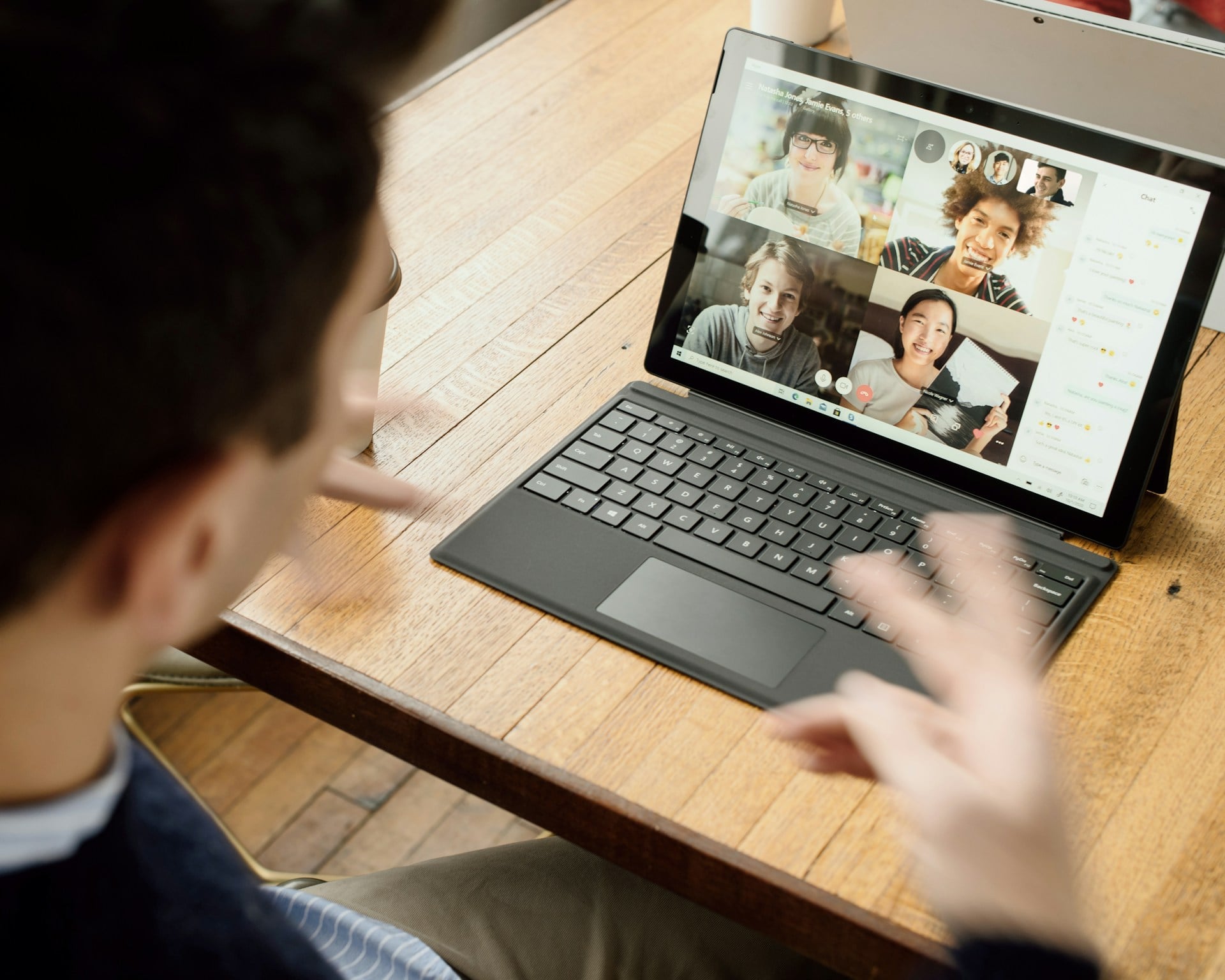
This 1960s cartoon family chatted through video screens mounted on their walls, seeing each other while talking despite being in different locations. Skype launched in 2003, and FaceTime followed in 2010, making video calling a normal part of daily life.
The Jetsons also predicted flat-screen TVs, drone deliveries, and robot vacuum cleaners. George Jetson’s world looked absurd in the 1960s but feels surprisingly familiar today.
Parks and Recreation called the Cubs winning the World Series
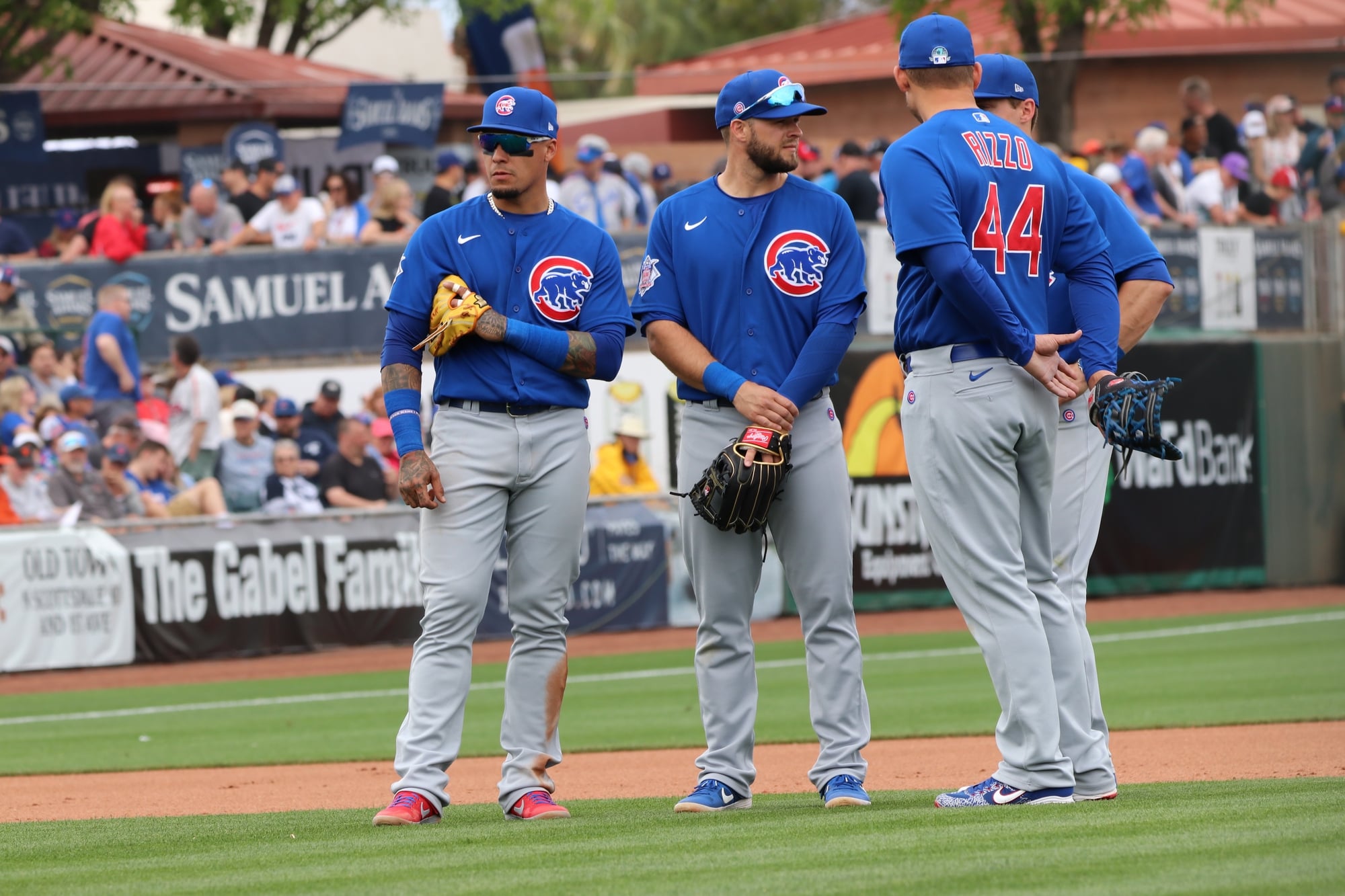
A 2015 episode included a throwaway joke about the Chicago Cubs winning the World Series. The team hadn’t won since 1908, making it one of sports’ longest championship droughts.
Just one year after the episode aired, the Cubs actually won in 2016, ending 108 years of waiting. Fans and cast members couldn’t believe the timing of such an unlikely prediction coming true.
Max Headroom anticipated reality TV and media saturation

This 1980s show portrayed a future where television dominated every aspect of life and networks would broadcast anything for ratings. Reality TV exploded in the early 2000s with shows that put ordinary people in extreme situations for entertainment.
The series also showed advertising embedded everywhere and media companies controlling public perception. Today’s world of constant screens, influencer culture, and 24-hour news cycles matches what Max Headroom depicted as dystopian excess.
The Lone Gunmen and 9/11

A March 2001 episode of this X-Files spinoff featured a plot where terrorists planned to hijack a commercial airplane and crash it into the World Trade Center. The episode aired just six months before the actual September 11 attacks happened.
The similarities felt so unsettling that the creators expressed regret about the coincidental timing. Networks pulled the episode from rotation for years after 2001.
Arrested Development predicted surveillance

The show featured a Roomba-like device that secretly recorded conversations and sent them to the government. This aired years before Edward Snowden’s revelations about widespread surveillance programs.
Today’s smart home devices like Alexa and Google Home listen constantly, and privacy concerns about data collection are mainstream topics. The show treated this as absurd comedy, but the technology and concerns became completely real.
Doctor Who showed earbuds everywhere

A 2006 episode depicted humans wearing wireless earpieces that eventually controlled their minds. While the mind control part remains fiction, wireless earbuds are now ubiquitous.
AirPods launched in 2016 and quickly became the default way people listen to music and take calls. Walk through any city and countless people have white stems sticking out of their ears, just like the Doctor Who characters.
Knight Rider featured a smart car with AI

KITT was a car that talked, drove itself, and offered constant assistance to its driver. Tesla’s Autopilot and other self-driving car systems are working toward this same goal.
The show aired in the 1980s when cars still used carburetors and had minimal electronics. Modern vehicles with voice assistants, navigation systems, and semi-autonomous driving capabilities are KITT’s descendants.
Cybill predicted public shaming on the internet

A mid-1990s episode showed a character getting viciously attacked online after making a small mistake that went viral. Cancel culture and social media pile-ons weren’t concepts yet, but the show depicted exactly how quickly public opinion could turn cruel online.
The episode aired before most people even had internet access at home. Today, watching someone get torn apart online for a misstep is unfortunately common.
Family Guy joked about Kevin Spacey

A 2005 episode made a cutaway joke implying Kevin Spacey was interested in young men. The joke seemed random and edgy at the time.
Allegations about Spacey’s inappropriate behavior with young actors surfaced in 2017, leading to his career collapse. The show’s writers claimed it was just a joke based on rumors, but the timing looks disturbingly prescient in hindsight.
Futurama showed robots taking jobs

Robots took over jobs in that cartoon about the future – humans just watched. At the pizzeria where Fry once worked, machines handled orders.
Instead of people, metal arms delivered meals door to door. Burgers came from flipping bots, not cooks.
Checkout lines? Filled with screens, not cashiers. Warehouses run themselves now, guided by silent software.
Artificial minds make decisions once made by humans. It was funny on screen, sure.
Yet behind the jokes sat something familiar: worry about being replaced.
Strange how a TV series once felt like pure fiction
Yet here we are, years later, peeling back layers of hidden operations. Whistleblowers step forward, papers get leaked, truths emerge slowly.
What sounded absurd on screen now echoes in court filings and news reports. Behind closed doors, agencies tracked more than anyone guessed.
Revelations keep arriving, piece by piece, confirming what seemed unbelievable. Trust erodes when secrecy grows too thick.
A story imagined decades ago now reads like a warning.
Seinfeld showed smartphone addiction

A number in the late nineties once belonged to a telecom firm – Kramer ended up with it. Ring after ring, strangers dialed nonstop, pulling him into a loop of constant replies.
He couldn’t let one go unanswered, caught in the rhythm of ringing devices. Long before touchscreens took over, that moment on screen showed how voices through wires could take hold.
Now? Most glance at their device more than a hundred times each day. That urge – to tap, swipe, react right when alerts pop – is just part of breathing.
Back when cartoons poked fun at corporate hunger

A show kept hitting too close to truth. Long before the deals closed, jokes about endless buying sprees already played out on screen.
Ownership shifted, piece by piece, until holdings stretched across entire genres. A punchline drawn years ago now matches headlines word for word.
Laughter faded once the pattern showed up in press releases. One studio slowly gathered nearly every big name under its roof.
Satire that seemed wild then feels obvious now.
That time on 30 Rock? Way back in 2012
A character joked about dodging jury service by pretending eagerness – same way Trump talked about wanting to run for president. She said those exact words like it meant nothing.
Yet, three years later, he filed paperwork. Then claimed victory in 2016.
What felt like satire turned oddly real. No one saw that moment coming – not even the show’s creators.
Still sits differently now.
Fiction sometimes shows us what we are like without saying it straight out

Writers on TV keep an eye on where things are headed, nudging current paths toward strange or obvious ends. Outlandish ideas sometimes settle into daily routines quicker than expected.
Those programs did not create what unfolded, yet they spotted signs others walked past without noticing. Seeing their foresight play out highlights how tomorrow sneaks up, step by unnoticed step, till the unthinkable feels routine.
Truths revealed were less about naming gadgets, more about grasping people’s habits when faced with shifts. A quiet truth lingers behind it all – change wears soft shoes.
More from Go2Tutors!

- The Romanov Crown Jewels and Their Tragic Fate
- 13 Historical Mysteries That Science Still Can’t Solve
- Famous Hoaxes That Fooled the World for Years
- 15 Child Stars with Tragic Adult Lives
- 16 Famous Jewelry Pieces in History
Like Go2Tutors’s content? Follow us on MSN.



