15 Things That Didn’t Originate Where You’d Expect
There’s something oddly satisfying about discovering that your assumptions are completely wrong. The world has a way of keeping its secrets, and some of the most familiar things around us have origin stories that would surprise anyone.
These aren’t just minor historical footnotes — these are complete reversals of what most people would guess.
Hamburgers
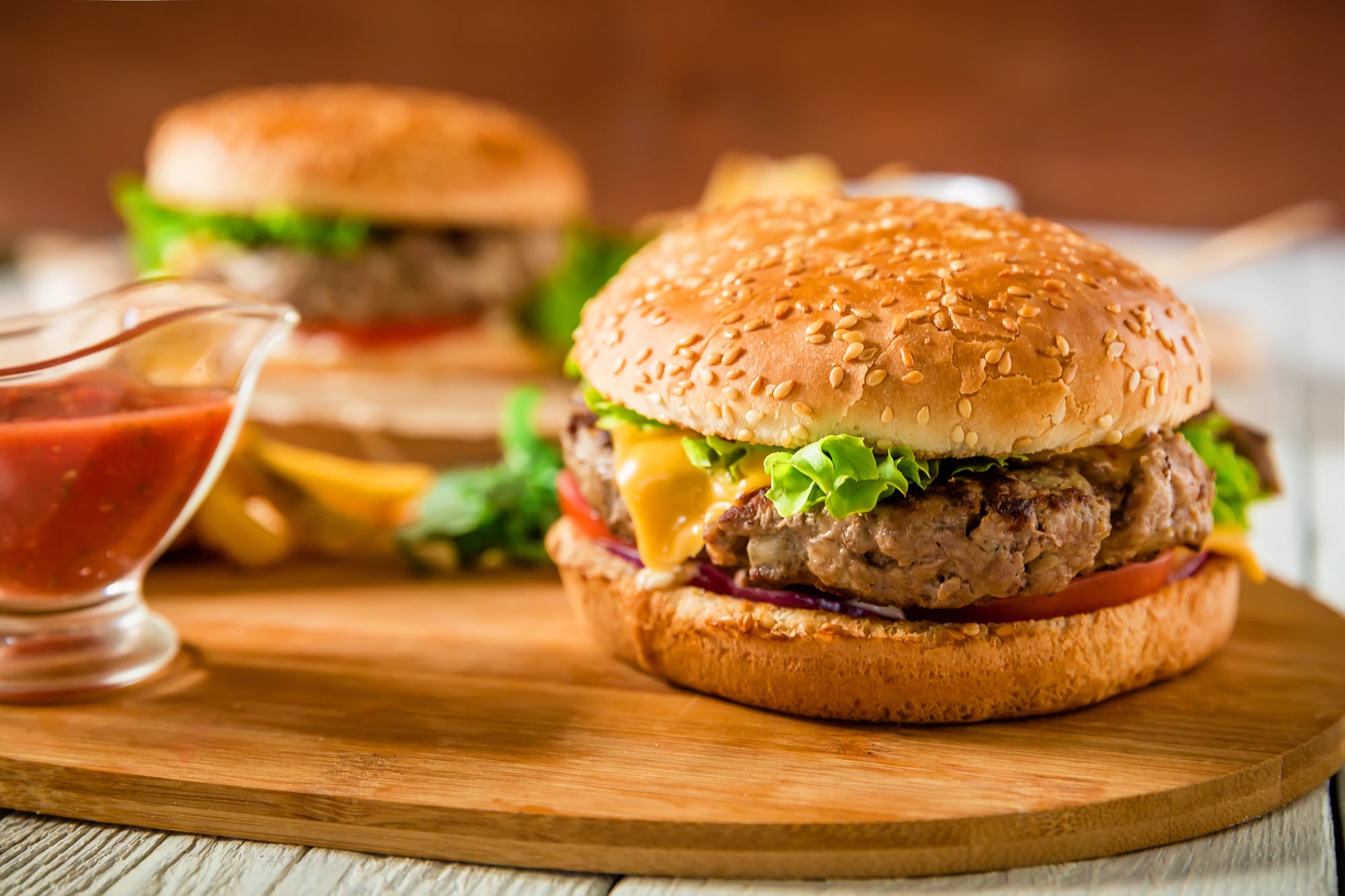
Hamburg, Germany seems like the obvious answer. Wrong on every level.
The hamburger as most people know it was invented in New Haven, Connecticut, sometime in the 1900s by Louis Lassen. He slapped a beef patty between two pieces of toast for a customer who needed lunch to go.
French Fries
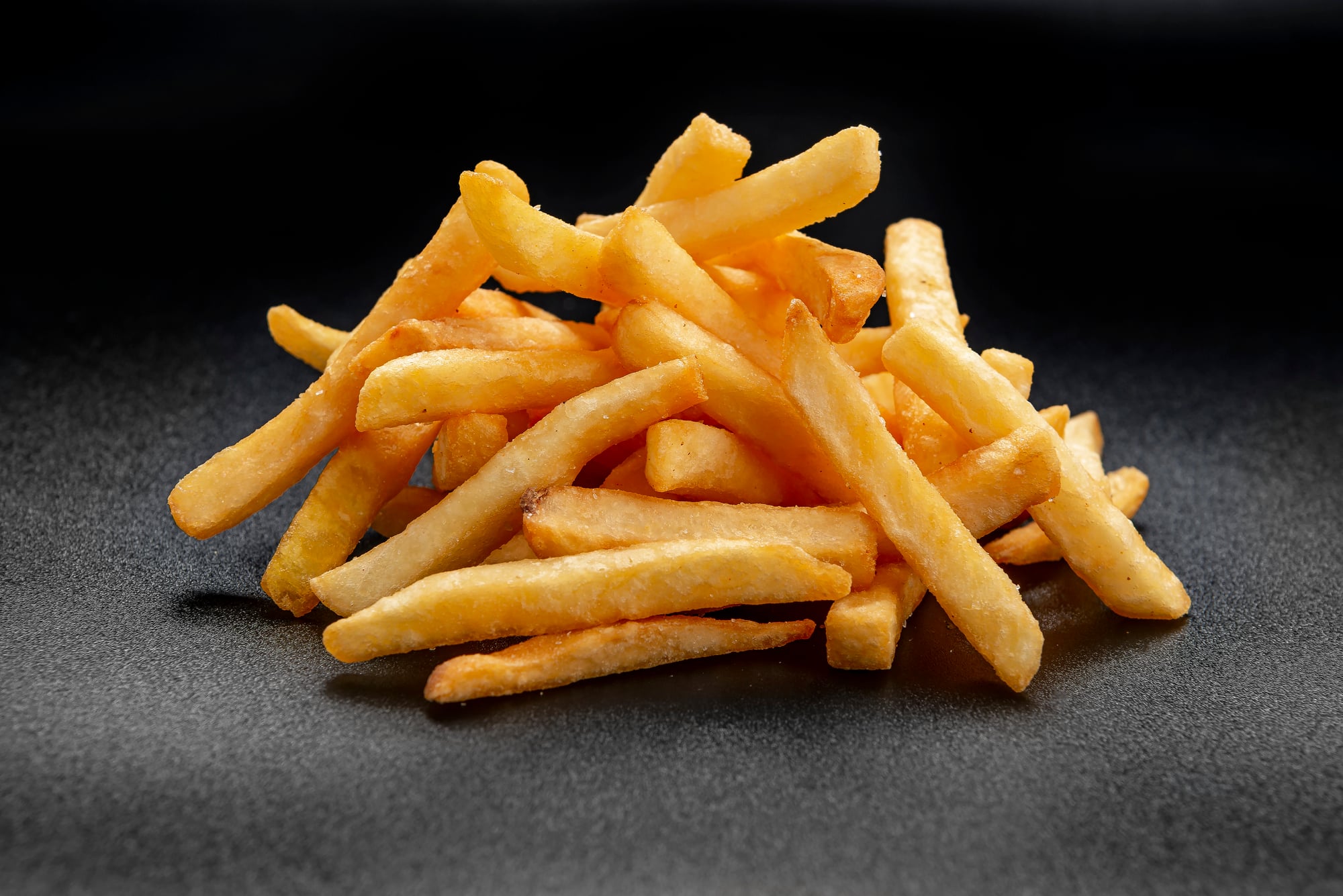
Belgium has been making fries since the 1600s, long before the French figured out what to do with a potato. American soldiers stationed in Belgium during World War I called them French fries because the official language was French.
The name stuck, and Belgium never got the credit it deserved.
Croissants

The buttery, flaky pastry that defines Parisian breakfast culture actually traces back to Vienna, Austria — and the story behind it reads like something from a historical thriller (because it is one, complete with military sieges and bakers working through the night).
When Ottoman forces tried to tunnel under Vienna in 1683, it was the city’s bakers who heard them first, working before dawn in their basement kitchens while the rest of the city slept. So they raised the alarm, the siege failed, and the bakers celebrated by creating a pastry shaped like the crescent moon on the Ottoman flag.
Victory never tasted so buttery. The croissant didn’t arrive in France until the 1830s, when an Austrian bakery opened in Paris.
Chicken Tikka Masala
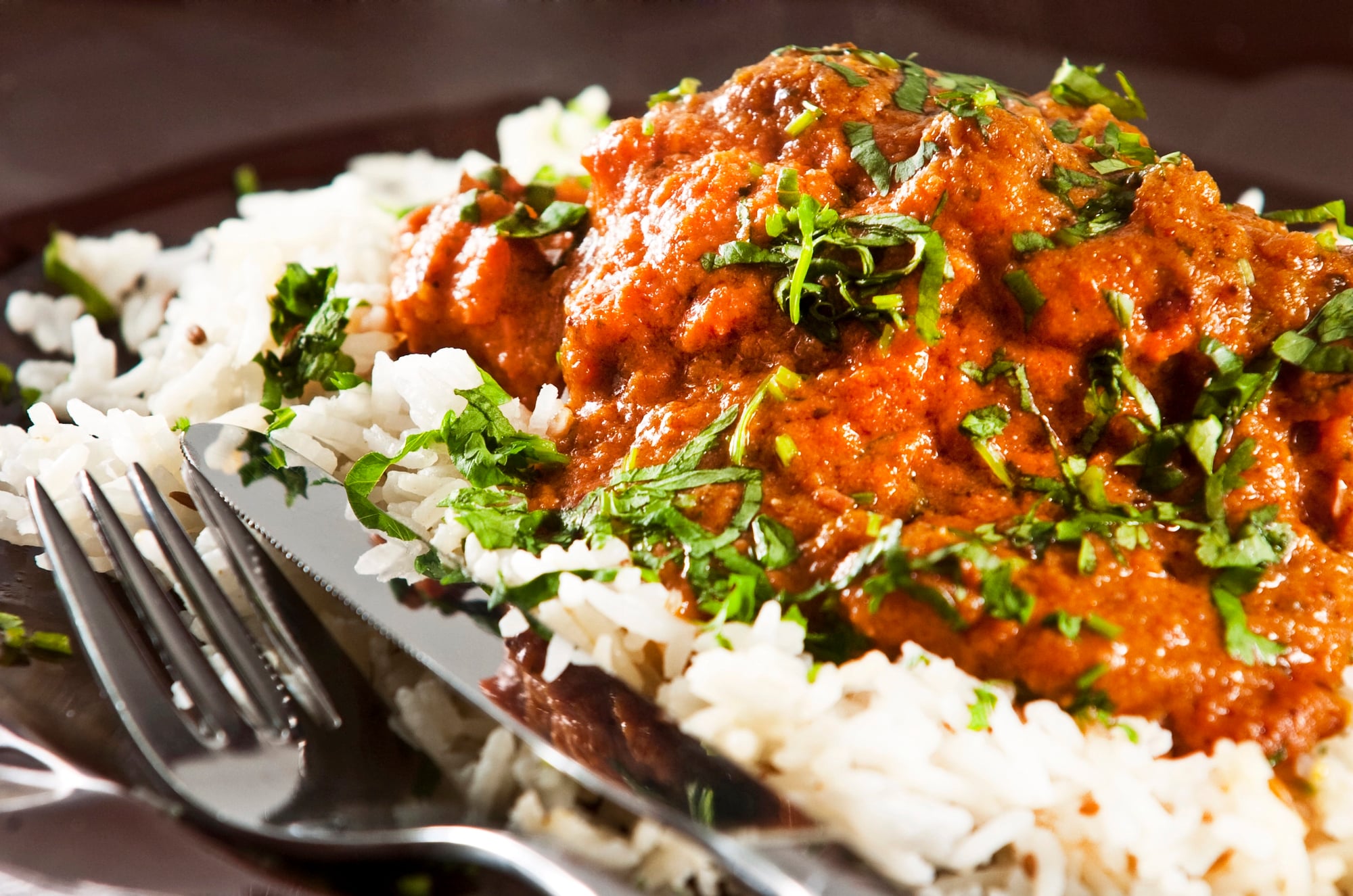
Britain’s national dish isn’t fish and chips. It’s chicken tikka masala, which was invented in Glasgow, Scotland, by a Bangladeshi chef who needed to improvise when a customer complained that his chicken tikka was too dry.
Doughnuts

Dutch settlers brought “olykoeks” (oily cakes) to New Amsterdam in the early 1600s. The pit in the middle came later, courtesy of a ship captain from Maine who claimed they cooked more evenly that way.
He was probably right, but nobody remembers his name.
The Tango

Argentina gets all the credit, but the tango was born in the working-class neighborhoods of Montevideo, Uruguay, where African, European, and indigenous musical traditions collided in ways that shouldn’t have worked but absolutely did.
The dance crossed the Rio de la Plata to Buenos Aires, where it found its voice and its reputation — and where most people assume it started. But Uruguay was first, and the distinction matters more than most people realize (even if the rest of the world has moved on).
Argentina perfected it, promoted it, and claimed it so thoroughly that even UNESCO lists the tango as part of Argentina’s cultural heritage. So it goes with cultural exports: the loudest voice wins the history books.
Scotch Whisky
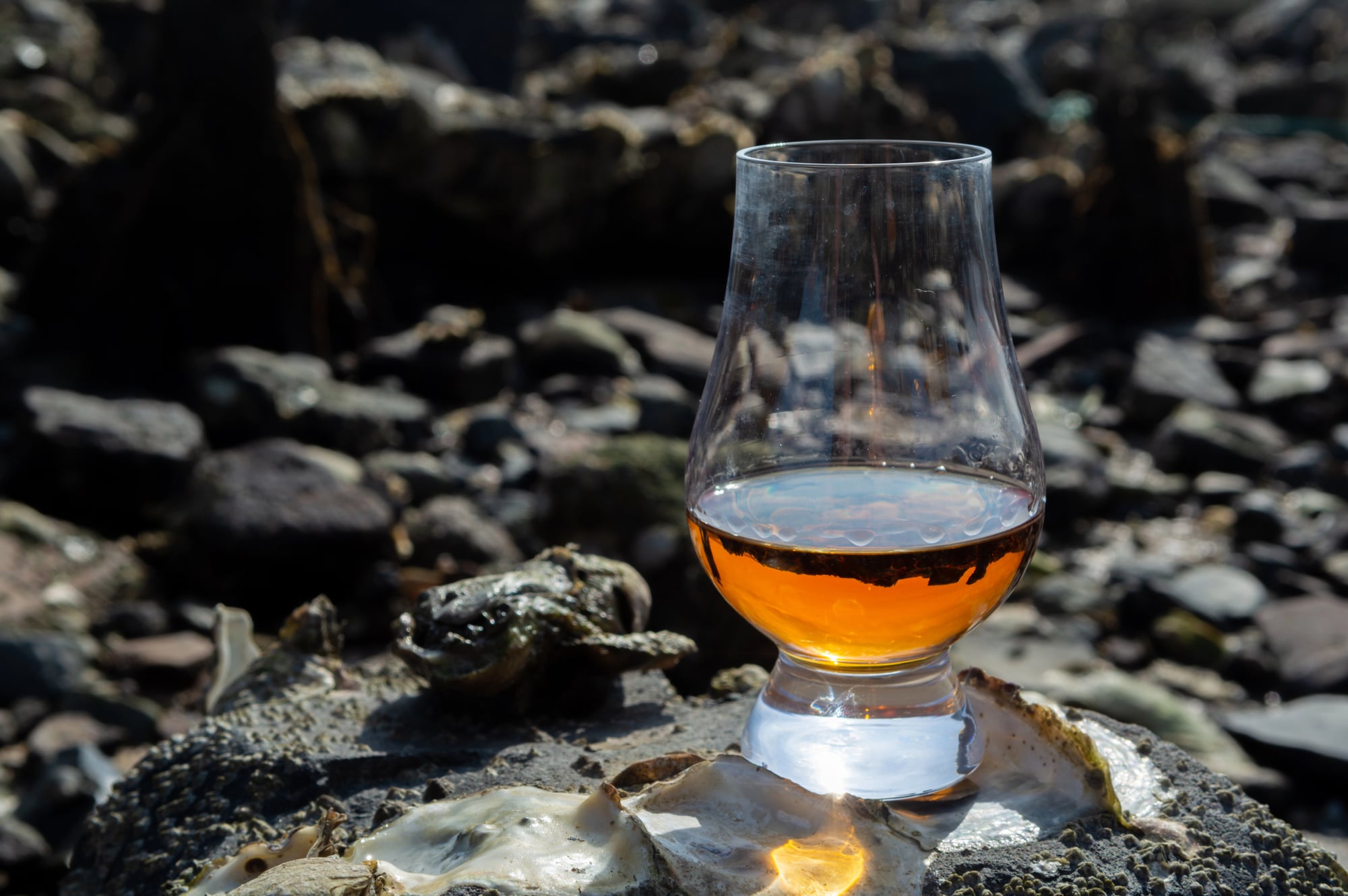
Scotland perfected it. Ireland invented it.
The Irish were distilling “uisce beatha” (water of life) centuries before the Scots caught on. But Scotland turned it into an art form and a global brand.
Pasta
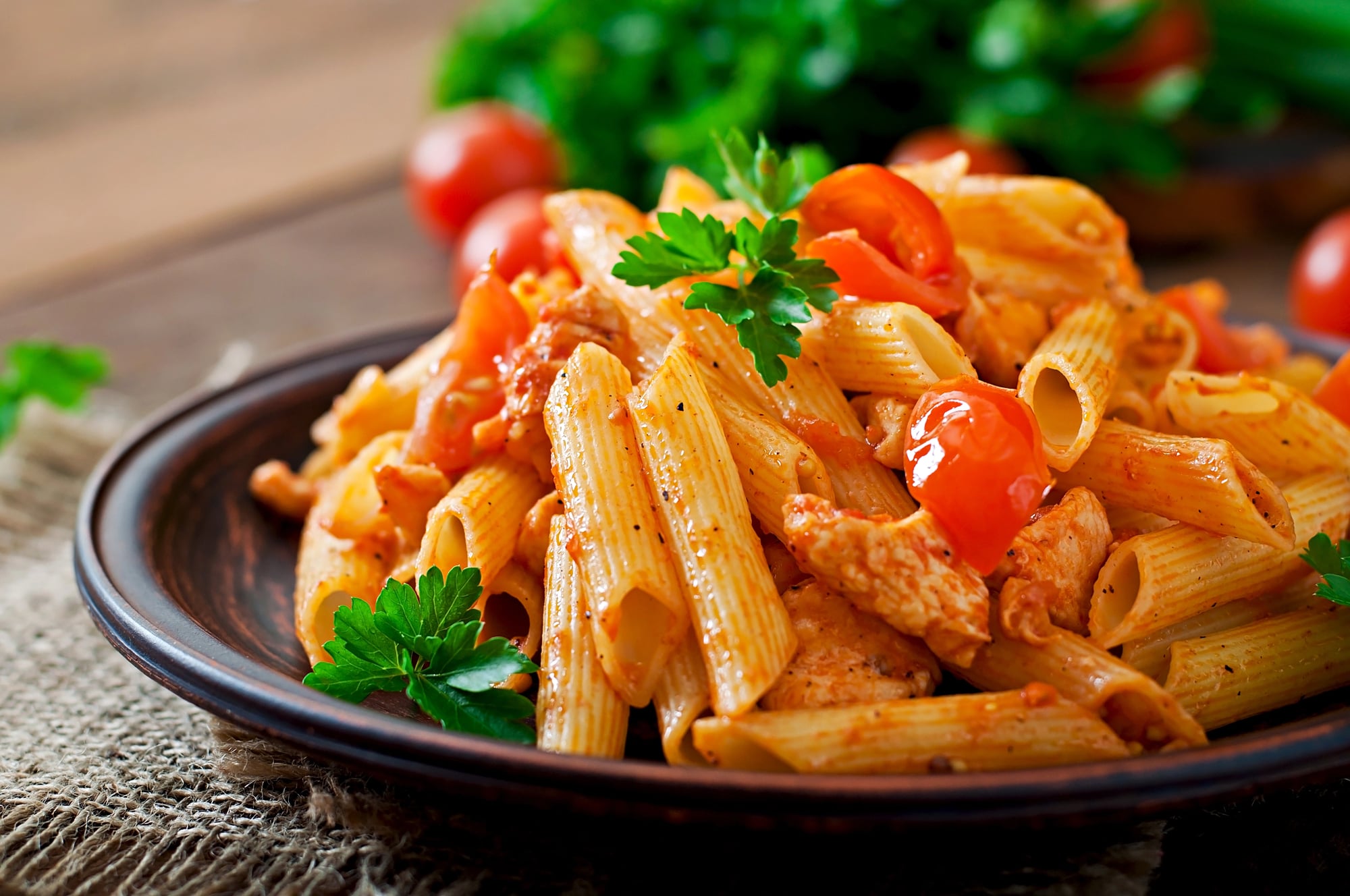
China had noodles 2,000 years before Italy figured out what to do with wheat flour. Marco Polo didn’t bring pasta back from his travels — that’s a myth.
But he did encounter a food culture that had been perfecting noodles since the Han Dynasty.
Russian Roulette
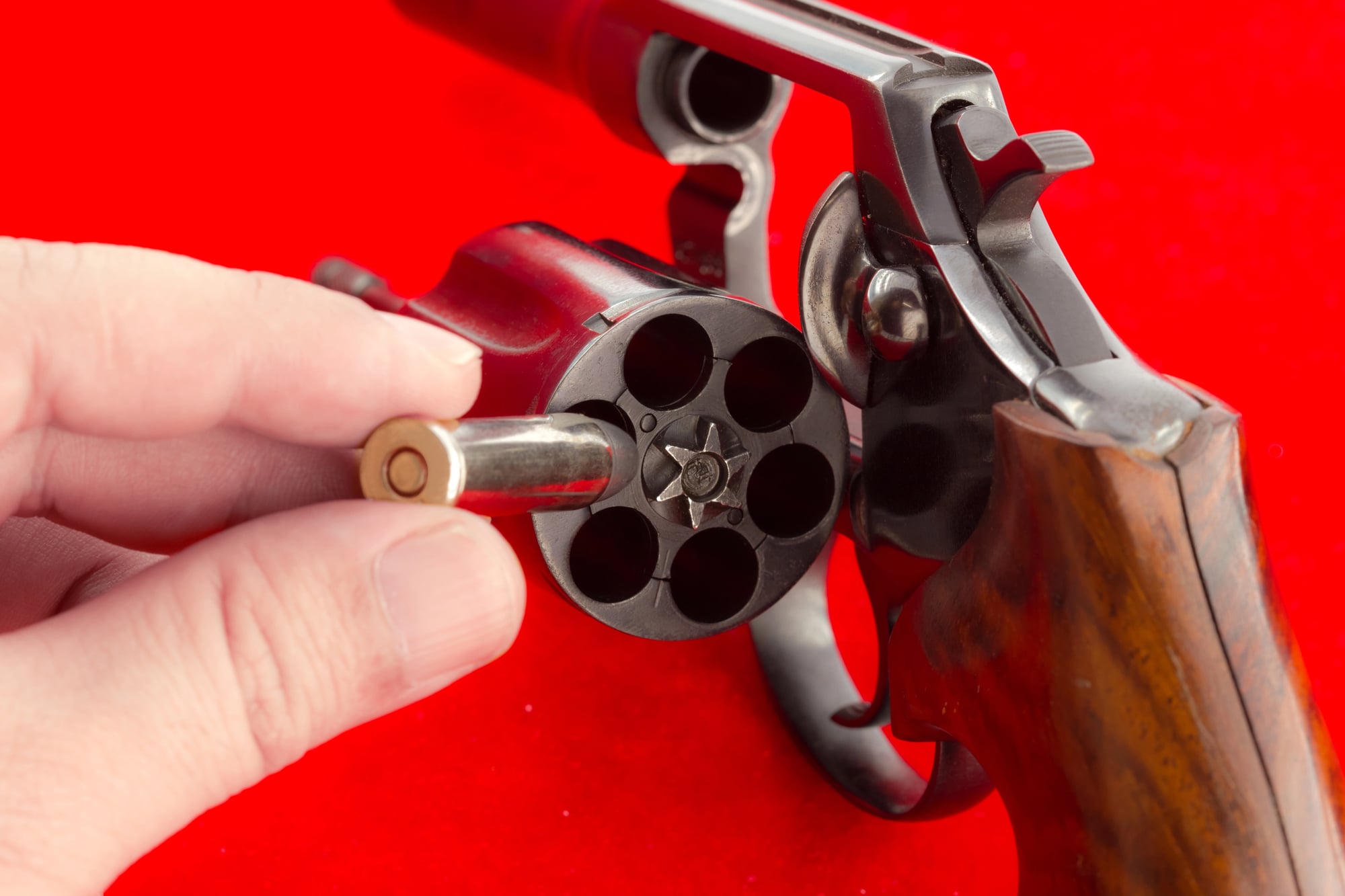
The name points to Russia, but this particular brand of lethal gambling was invented by French Foreign Legion officers stationed in Algeria during the 1840s — men so bored and desperate that they turned self-harm into a party game.
The French called it “Russian” roulette because they thought it sounded appropriately dangerous and exotic, the way “Russian” anything did in 19th-century Europe (Russians had a reputation for extremes that other Europeans found both fascinating and terrifying).
The game eventually made its way to Russia, where it was embraced with the kind of grim enthusiasm that probably validated the French stereotyping in the first place. And yet the irony remains: the Russians get credit for inventing something that was actually a French export.
Pretzels
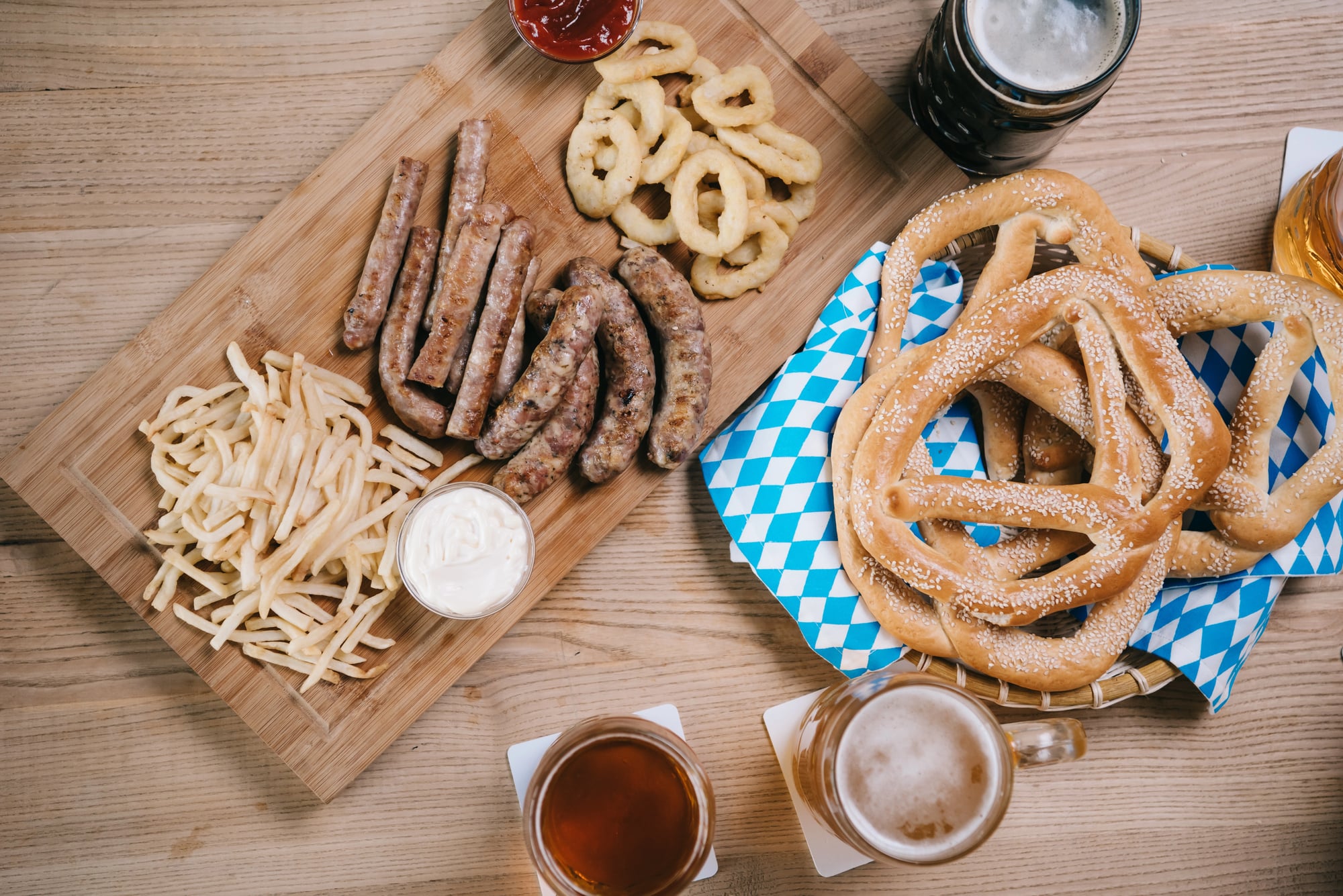
Germany claims the pretzel as its own, but monks in southern France were twisting dough into pretzel shapes beginning in the 12th century.
They used them as rewards for children who learned their prayers correctly — the three rings represented the Holy Trinity.
Chop Suey

Every Chinese restaurant in America serves it. No restaurant in China has ever heard of it.
Chop suey was invented in San Francisco during the Gold Rush by Chinese cooks who were trying to feed homesick miners with whatever ingredients they could find.
The Caesar Salad

The salad that built a thousand steakhouse menus was created in Tijuana, Mexico, by an Italian immigrant named Caesar Cardini.
He ran out of ingredients during a busy Fourth of July weekend in 1924 and improvised with what he had left in the kitchen.
Wiener Schnitzel
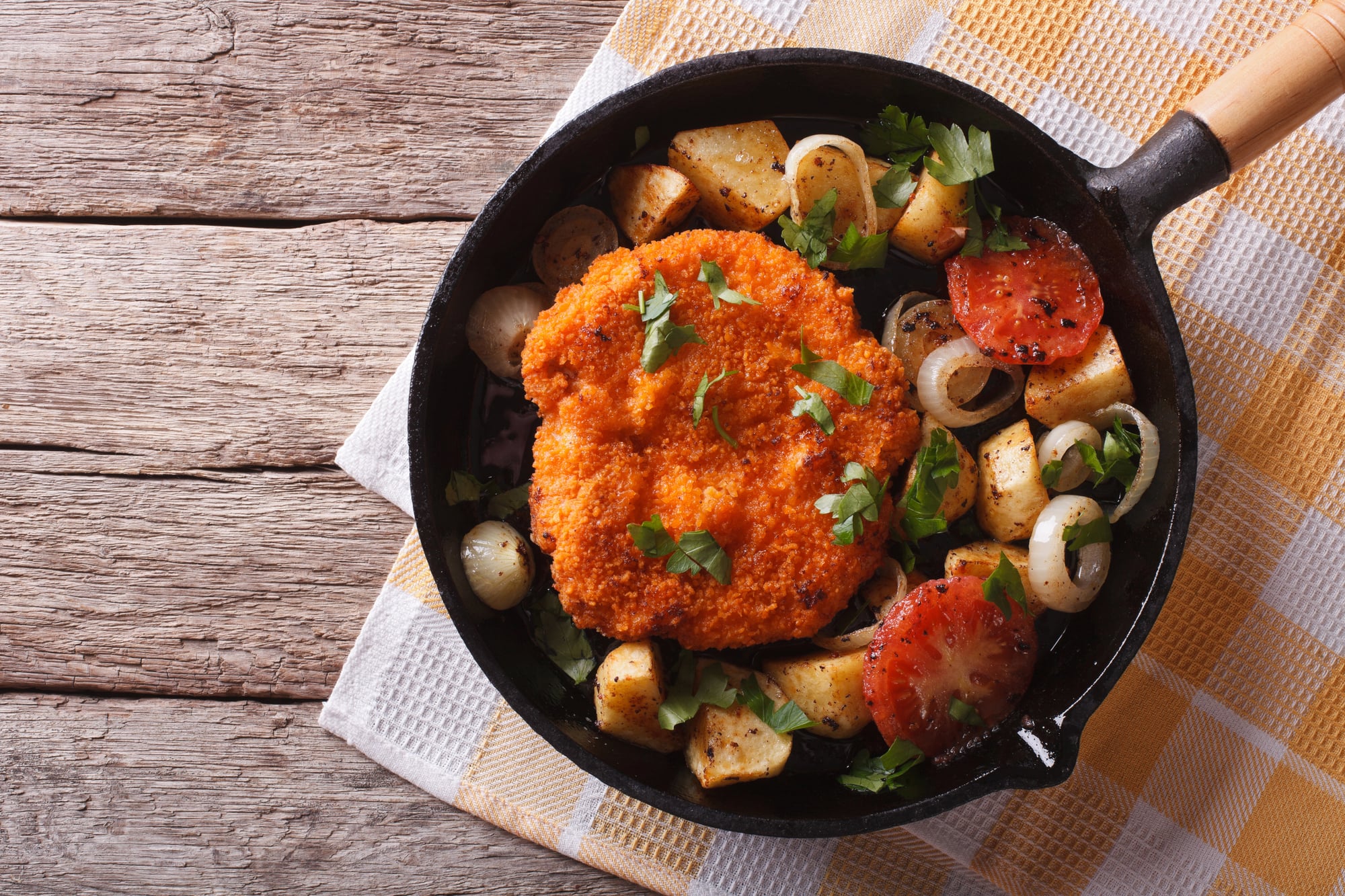
Vienna, Austria, right? That’s what “Wiener” means.
But the dish comes from Milan, Italy, where it’s called “cotoletta alla milanese” and has been served since the 12th century. An Austrian field marshal brought the recipe home after a military campaign in northern Italy.
Cinco De Mayo
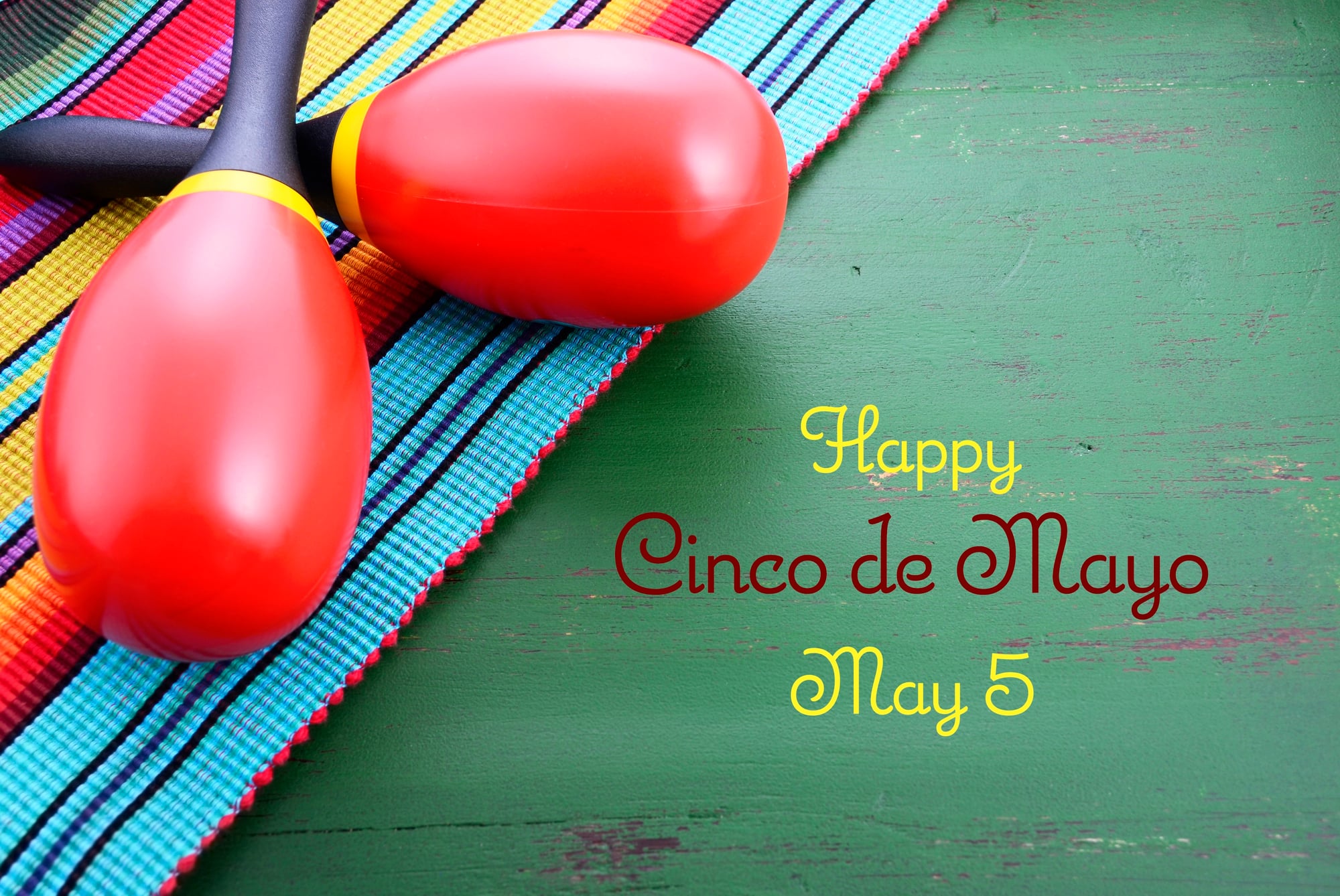
Mexican-American communities in California popularized Cinco de Mayo as a celebration of Mexican heritage in the U.S. during the 1960s-70s, though the holiday itself commemorates Mexico’s 1862 military victory at the Battle of Puebla as a way to celebrate Mexican heritage and culture.
Mexico’s actual Independence Day is September 16th.
Chicken Kiev
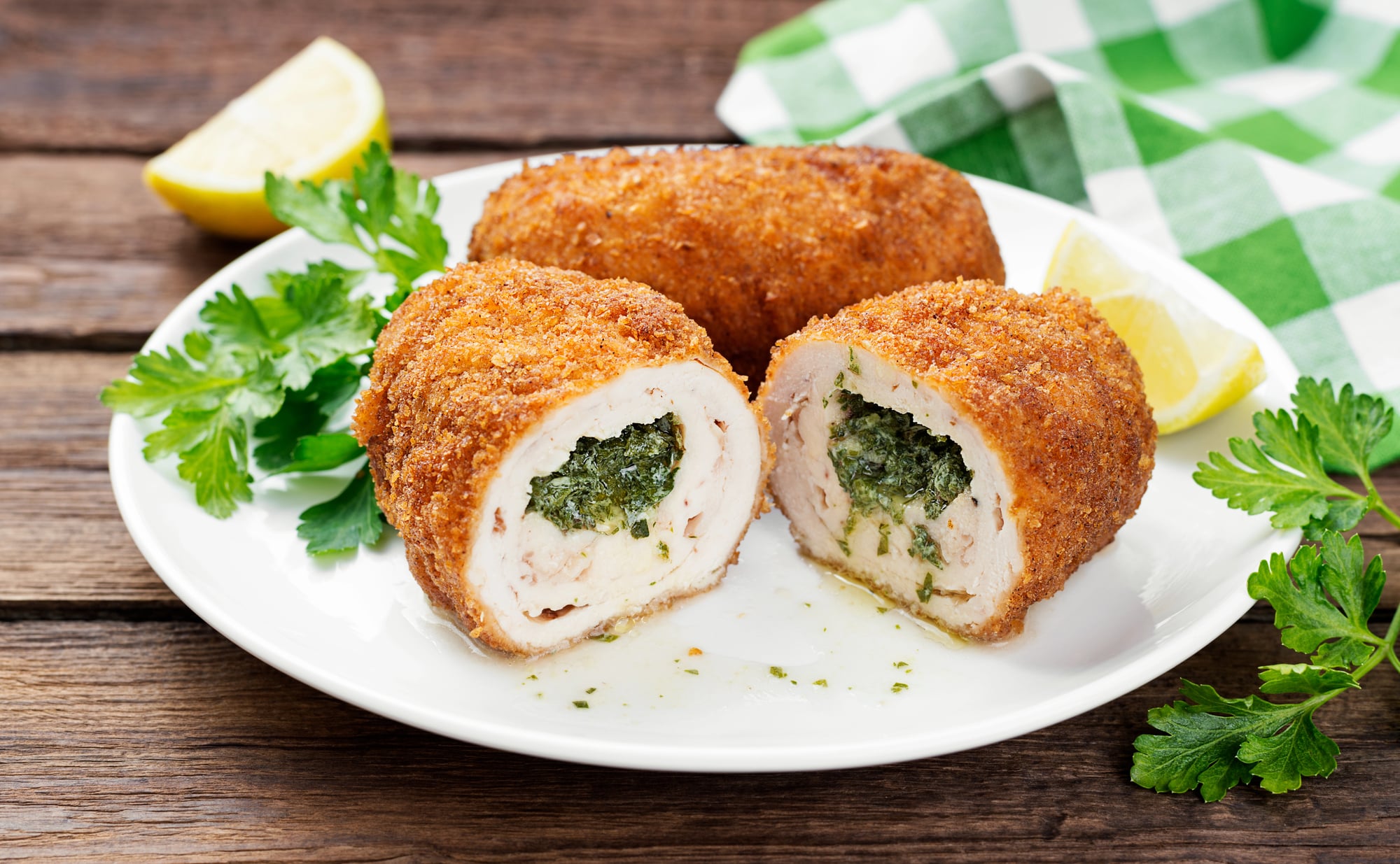
Ukraine seems like the obvious choice, but this butter-stuffed chicken breast was created by French chefs working in Russian imperial kitchens during the 1800s.
It got the name “Kiev” when it appeared on the menu at a New York restaurant in the 1940s — probably because it sounded more exotic than “Chicken St. Petersburg.”
When the Obvious Answer Is Wrong

Geography has a way of scrambling the stories behind the things that define cultures. Food travels, techniques spread, and credit goes to whoever markets best rather than whoever invented first.
The world is messier than the tidy origin stories suggest, and that’s probably the most honest thing about any of this.
More from Go2Tutors!

- The Romanov Crown Jewels and Their Tragic Fate
- 13 Historical Mysteries That Science Still Can’t Solve
- Famous Hoaxes That Fooled the World for Years
- 15 Child Stars with Tragic Adult Lives
- 16 Famous Jewelry Pieces in History
Like Go2Tutors’s content? Follow us on MSN.