20 Times World Leaders Made Decisions That Had Unintended Consequences
Throughout history, powerful figures have made decisions with the best intentions, only to watch their plans veer wildly off course. Even the most calculated political maneuvers can spawn unexpected outcomes that alter history’s trajectory in ways no one anticipated.
Here is a list of times world leaders made decisions that produced dramatic unintended consequences that changed our world.
Woodrow Wilson’s Treaty of Versailles
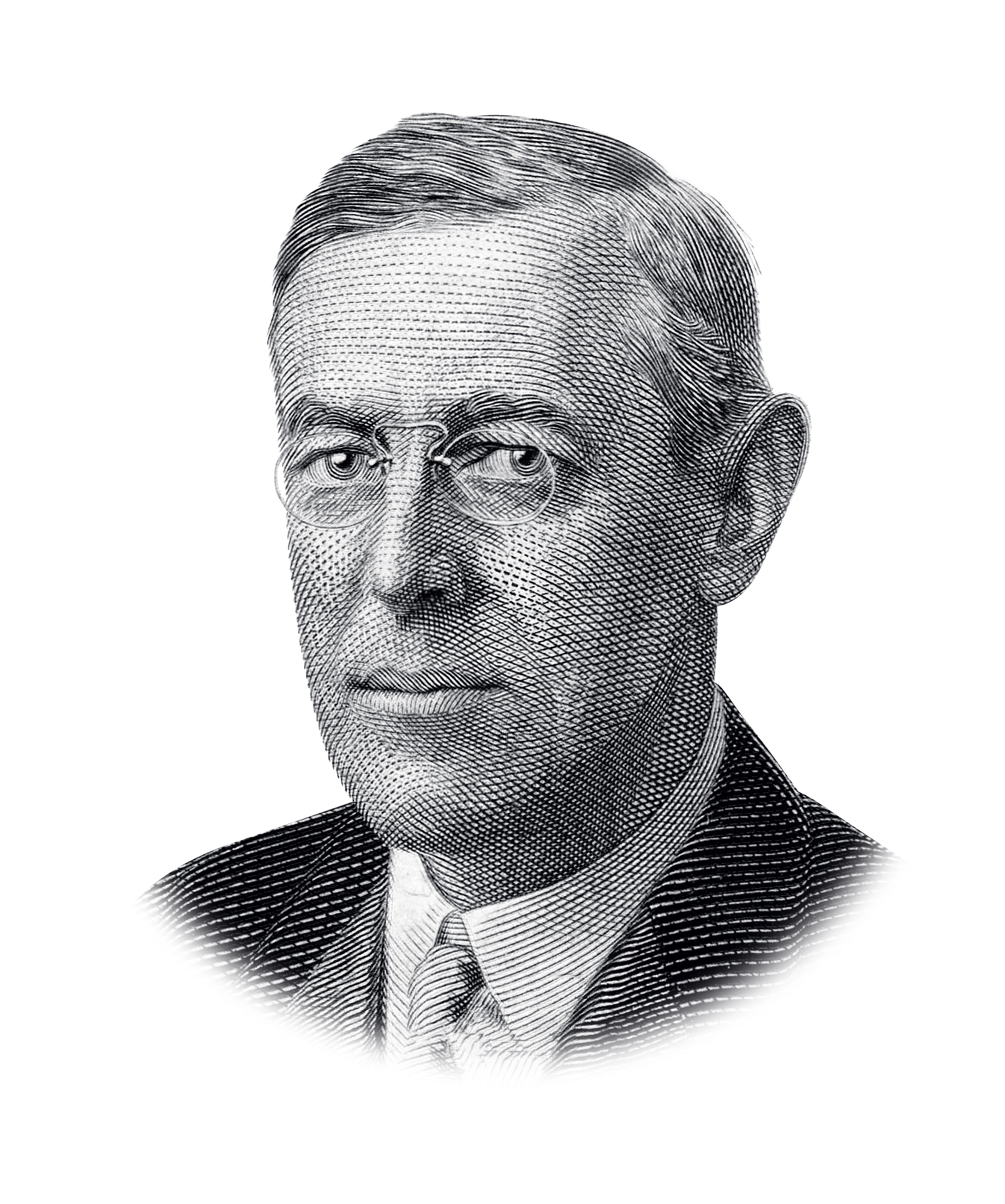
Wilson championed harsh penalties against Germany after World War I to prevent future conflicts – ironically creating economic devastation that fueled German resentment. The treaty’s punitive measures weakened the German economy with impossible reparations while humiliating the nation politically.
These conditions created fertile ground for extremist ideologies and directly contributed to Hitler’s rise two decades later, setting the stage for an even more catastrophic global conflict.
Mikhail Gorbachev’s Glasnost Policy

Gorbachev introduced transparency and openness to revitalize the struggling Soviet system – yet inadvertently accelerated its collapse instead. His reforms aimed to modernize communism through limited liberalization, allowing criticism of government inefficiency.
Once citizens gained permission to speak freely about the system’s shortcomings, decades of suppressed grievances erupted across Soviet republics. Gorbachev’s modest reforms unleashed forces far beyond his control, leading to the empire’s disintegration by 1991.
Lyndon Johnson’s Vietnam Escalation
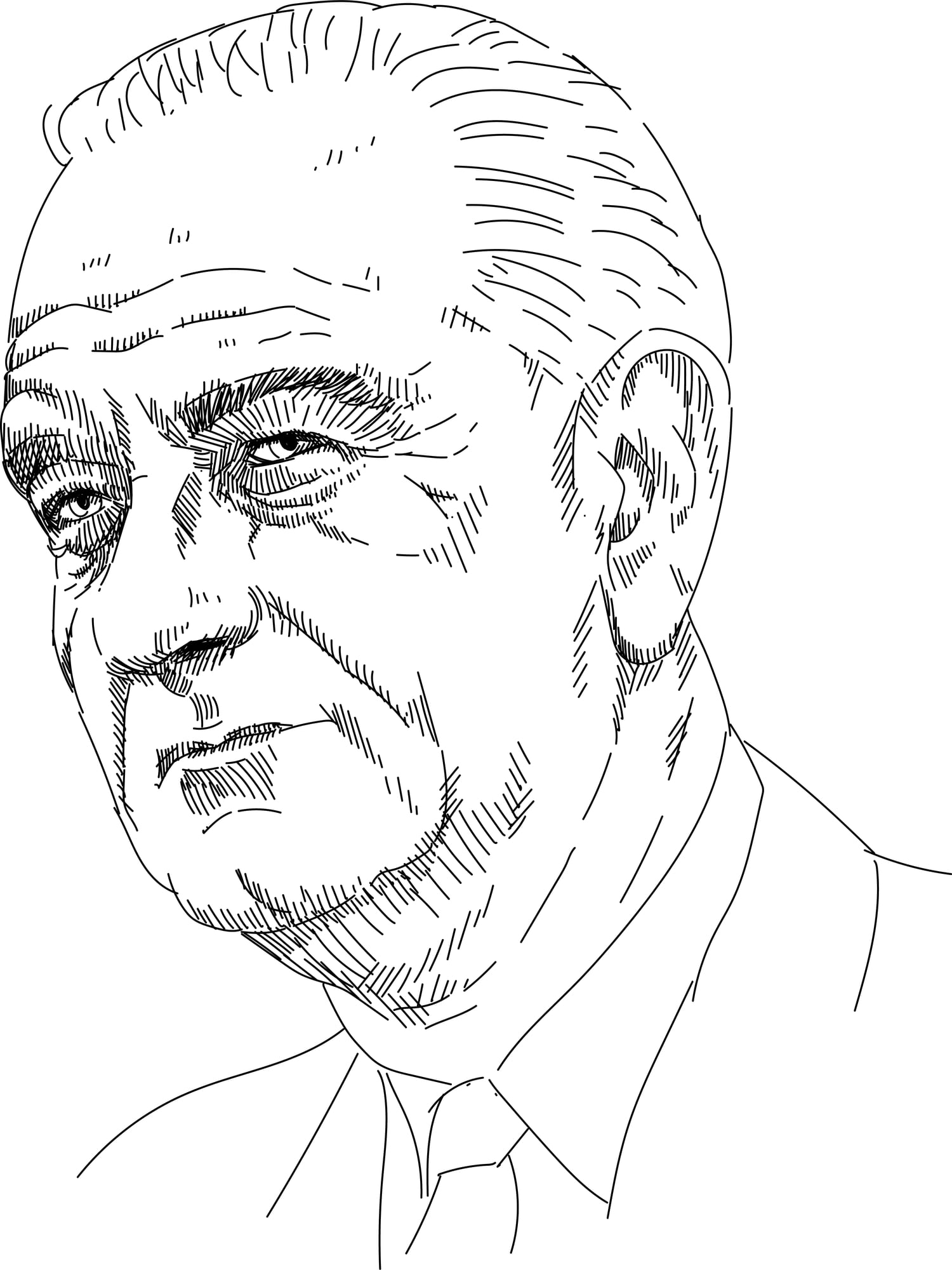
Johnson dramatically increased American military presence in Vietnam to demonstrate strength against communism – but unintentionally sparked unprecedented domestic opposition to government authority. His administration’s commitment to the domino theory led to over 500,000 troops deployed in a seemingly unwinnable conflict.
The resulting anti-war movement transformed American culture, eroded trust in government institutions, and created political divisions that persist in American society today.
Mao Zedong’s Great Leap Forward
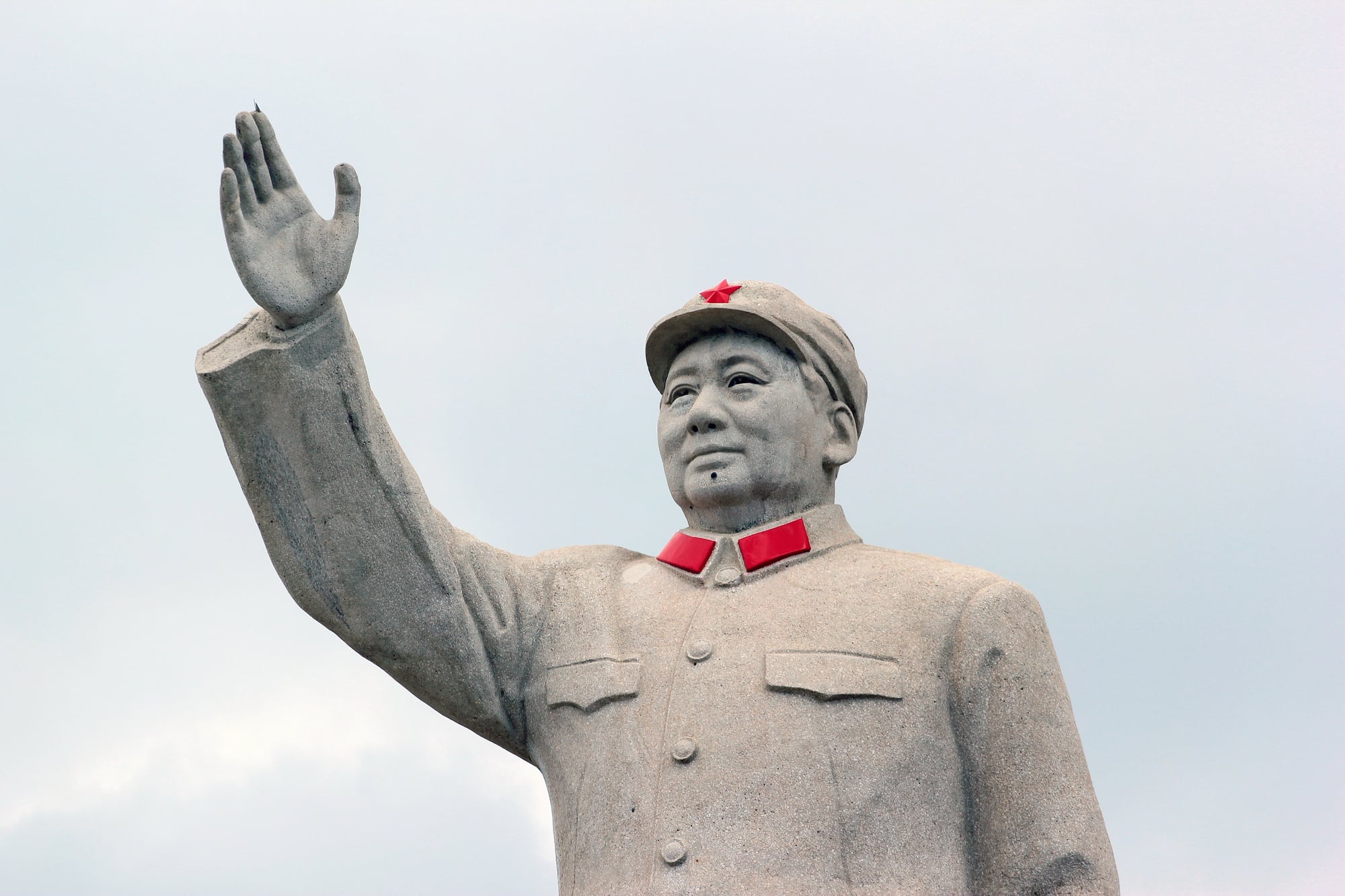
Mao launched rapid industrialization programs intended to transform China into an economic powerhouse – yet triggered the deadliest famine in human history. His policies forced agricultural collectivization and diverted farm labor to steel production using backyard furnaces.
Local officials, fearing punishment, falsified harvest reports while actual food production plummeted catastrophically. Between 1958 and 1962, an estimated 30-45 million Chinese citizens starved to death while the government exported grain to maintain appearances internationally.
Deng Xiaoping’s Economic Reforms
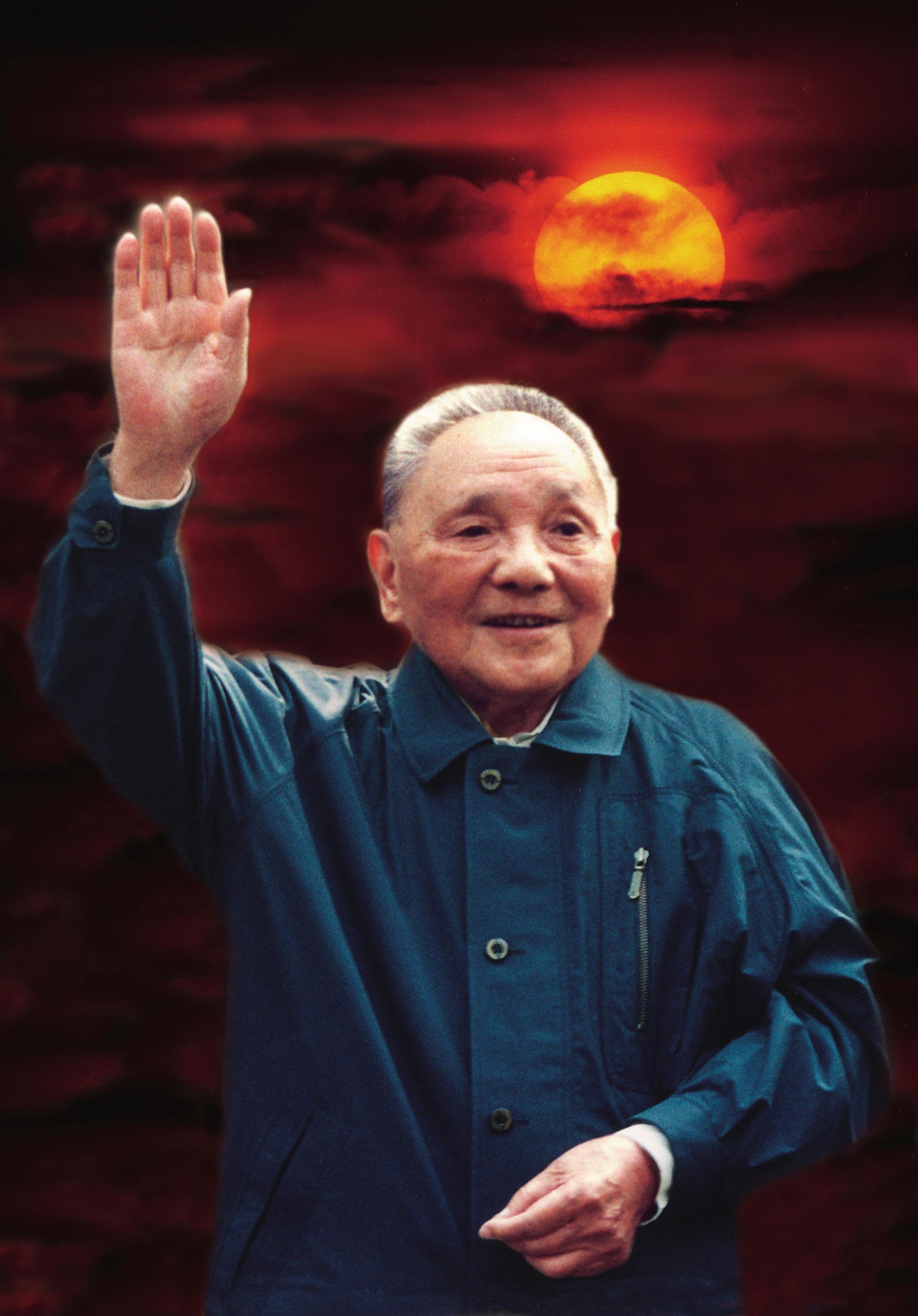
Deng introduced market-oriented changes to China’s economy seeking modest prosperity – unintentionally creating the foundation for China’s rise as an economic superpower. His famous “socialism with Chinese characteristics” began with small agricultural reforms and special economic zones.
What started as pragmatic adjustments to a failing system ultimately transformed global manufacturing, trade patterns, and geopolitical power dynamics over the following decades in ways neither Deng nor Western observers could have predicted.
Ronald Reagan’s Mujahideen Support
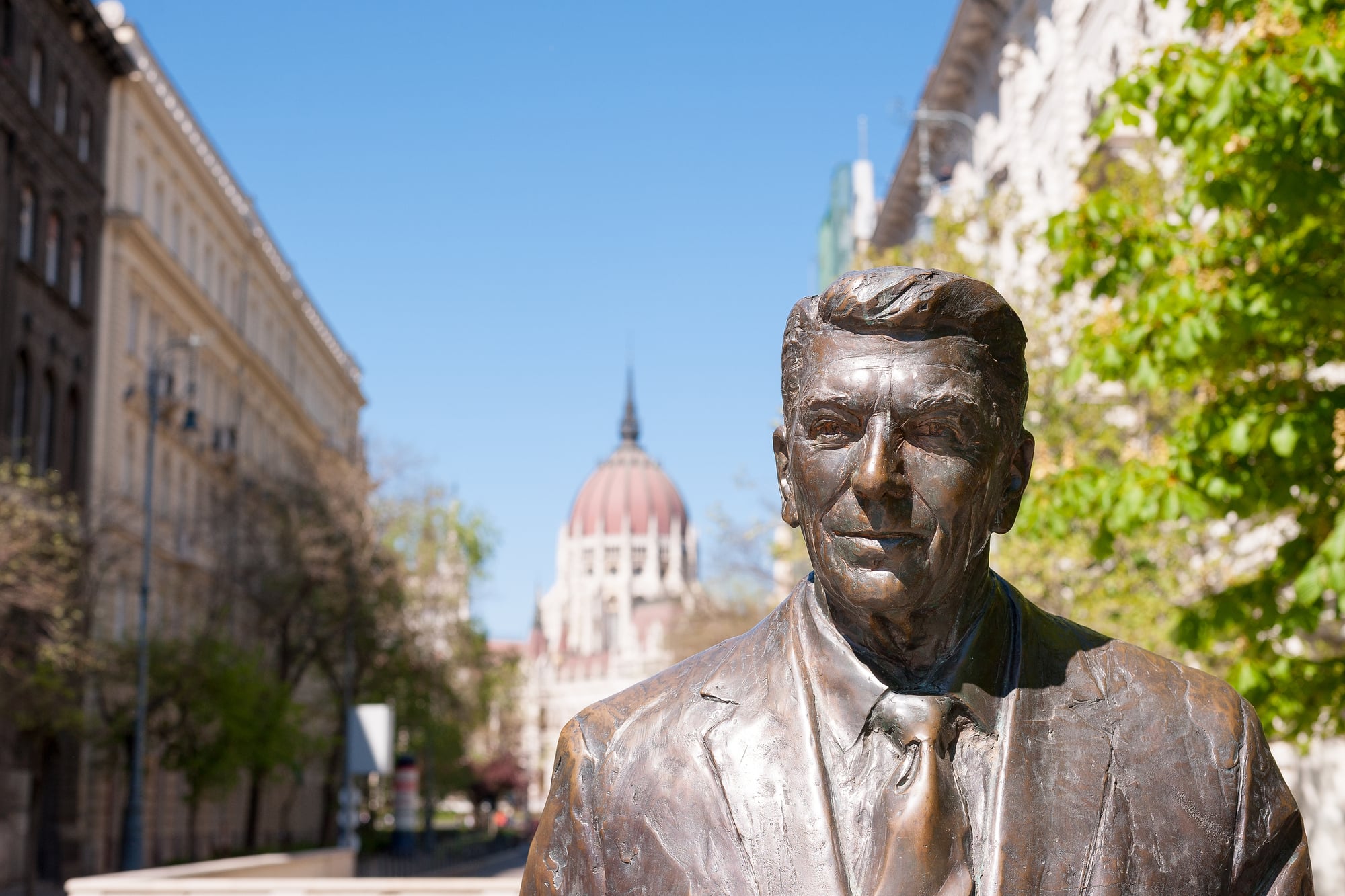
Reagan authorized billions in support for Afghan fighters resisting Soviet occupation – unwittingly training and equipping future adversaries. The CIA’s Operation Cyclone armed these resistance fighters with sophisticated weapons including Stinger missiles that effectively countered Soviet air superiority.
Many of these same fighters later formed the core of Taliban forces and Al-Qaeda networks that would eventually target American interests globally, culminating in the September 11 attacks and subsequent decades-long conflicts.
Saddam Hussein’s Kuwait Invasion
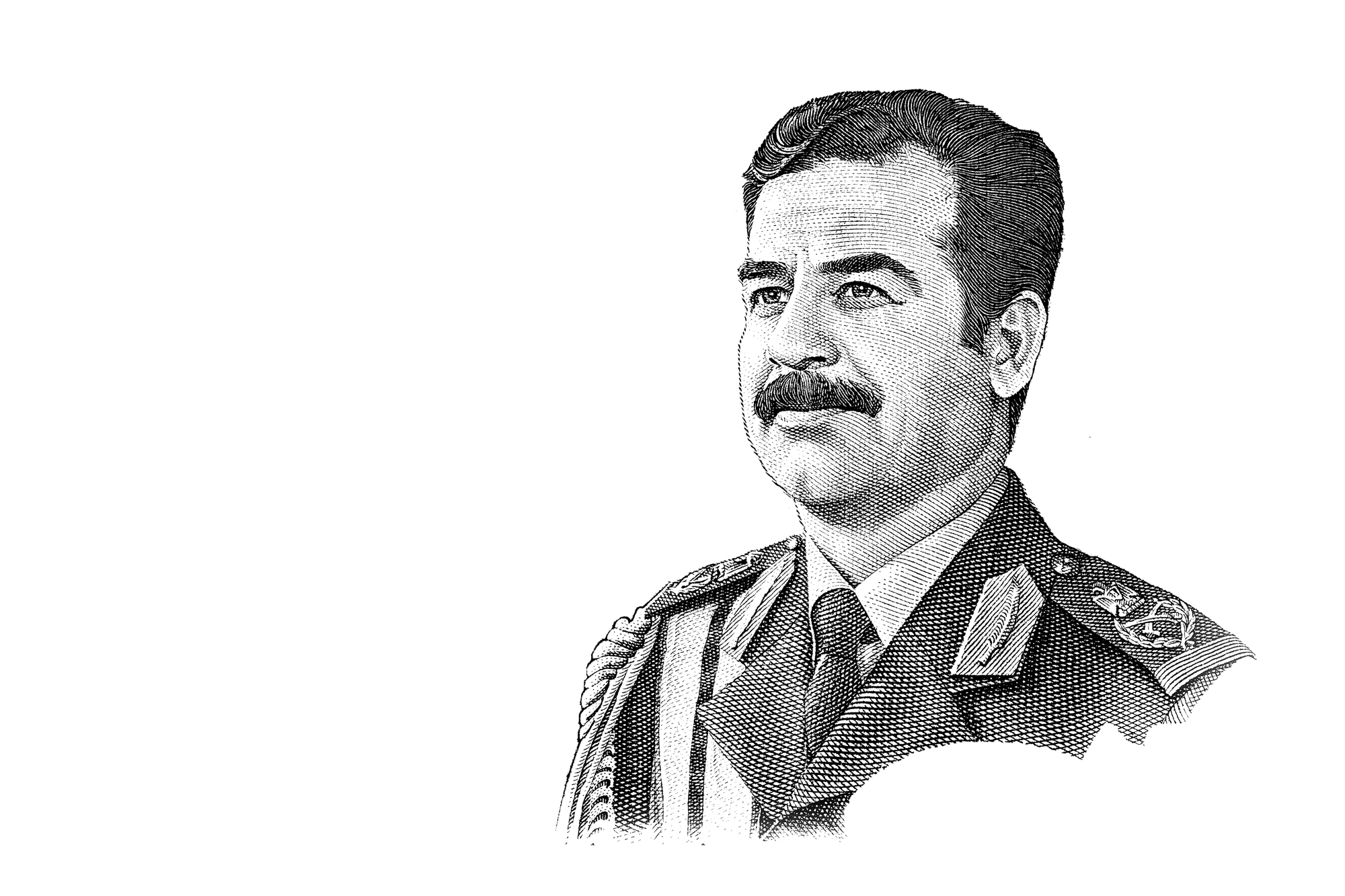
Saddam invaded Kuwait in 1990 believing America would not intervene – but instead triggered a cascade of events leading to his eventual downfall. His miscalculation about international response led first to the Gulf War, then to crippling sanctions, weapons inspections, and ultimately the 2003 invasion that removed him from power.
What Saddam imagined as a simple annexation of a neighboring state to control oil prices set in motion regional transformations that continue reshaping Middle Eastern politics today.
Margaret Thatcher’s Poll Tax
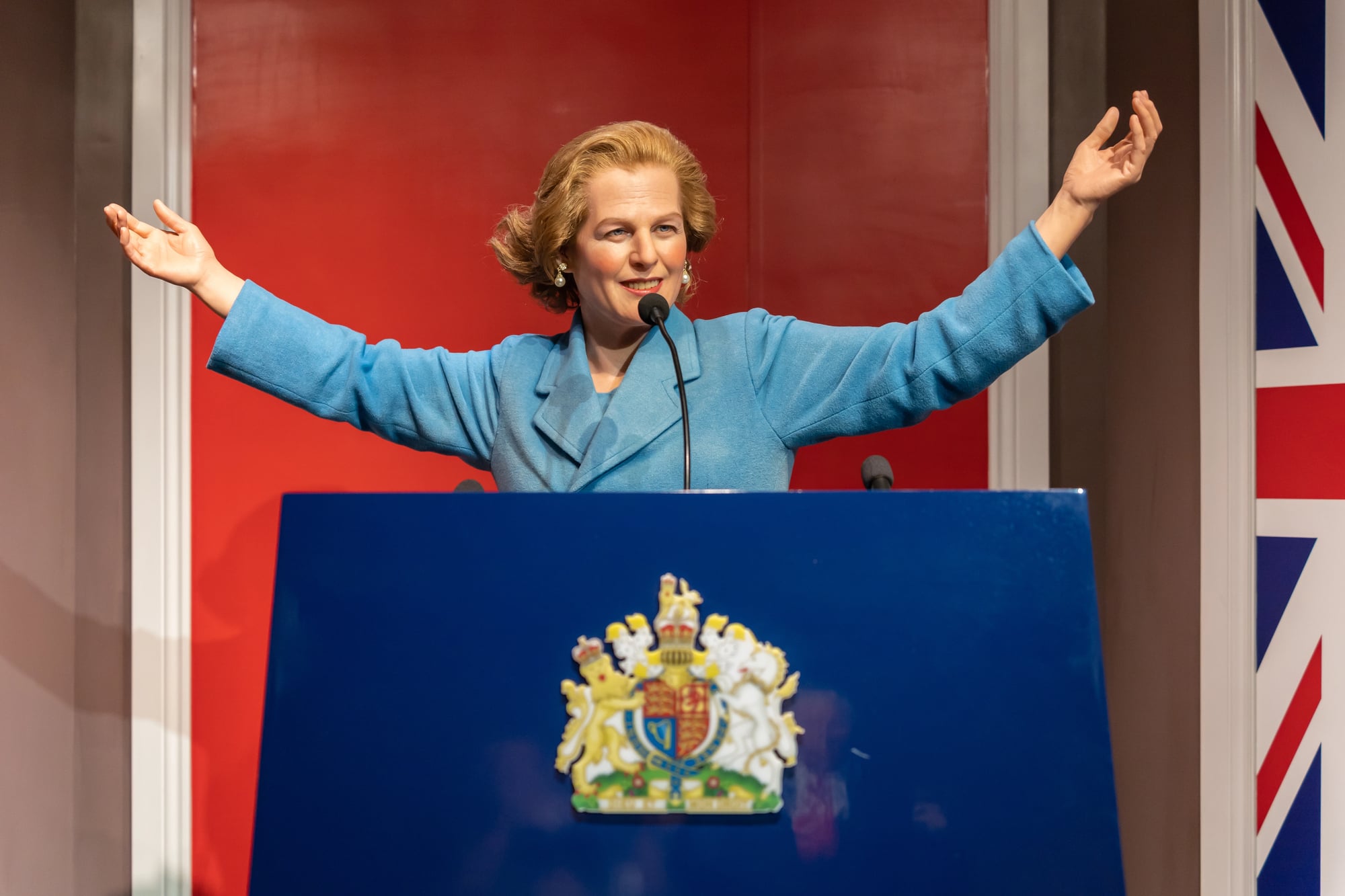
Thatcher introduced a flat-rate community charge to reform local government funding – yet inadvertently undermined her own political authority beyond recovery. The tax replaced property-based rates with a uniform per-person payment regardless of income or property value.
Perceived as fundamentally unfair, it sparked massive protests culminating in riot-level disturbances across Britain. This single policy decision damaged Thatcher’s previously unassailable position and contributed directly to her forced resignation in 1990.
Bill Clinton’s Financial Deregulation
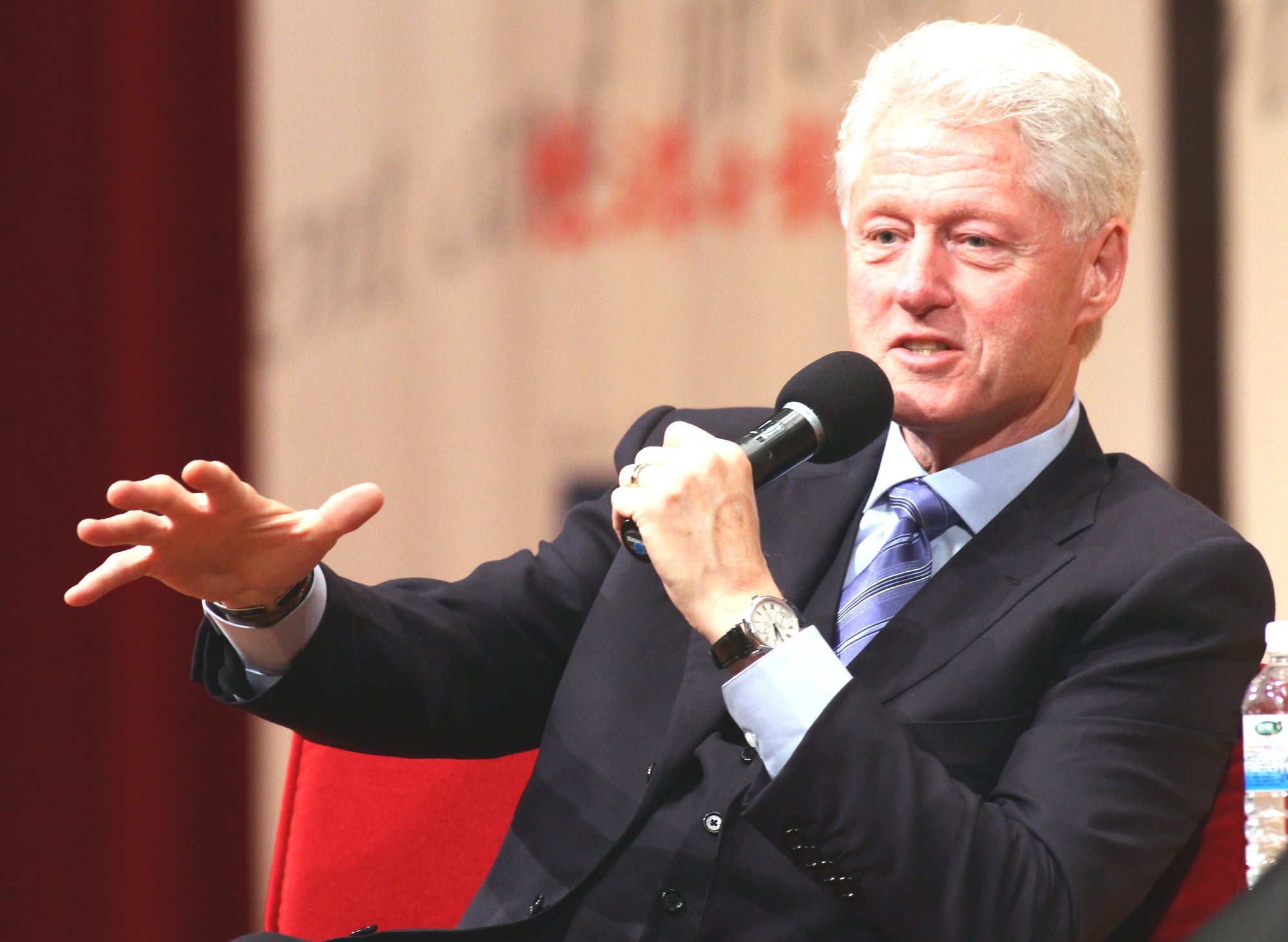
Clinton approved major banking deregulation to modernize financial markets – unwittingly establishing conditions for the 2008 global financial crisis. The repeal of Glass-Steagall eliminated depression-era separations between commercial and investment banking activities.
This deregulation, combined with policies encouraging home ownership, allowed the creation of increasingly complex financial instruments based on subprime mortgages. These seemingly technical regulatory changes eventually threatened the entire global financial system when housing markets collapsed.
Fidel Castro’s Revolutionary Victory
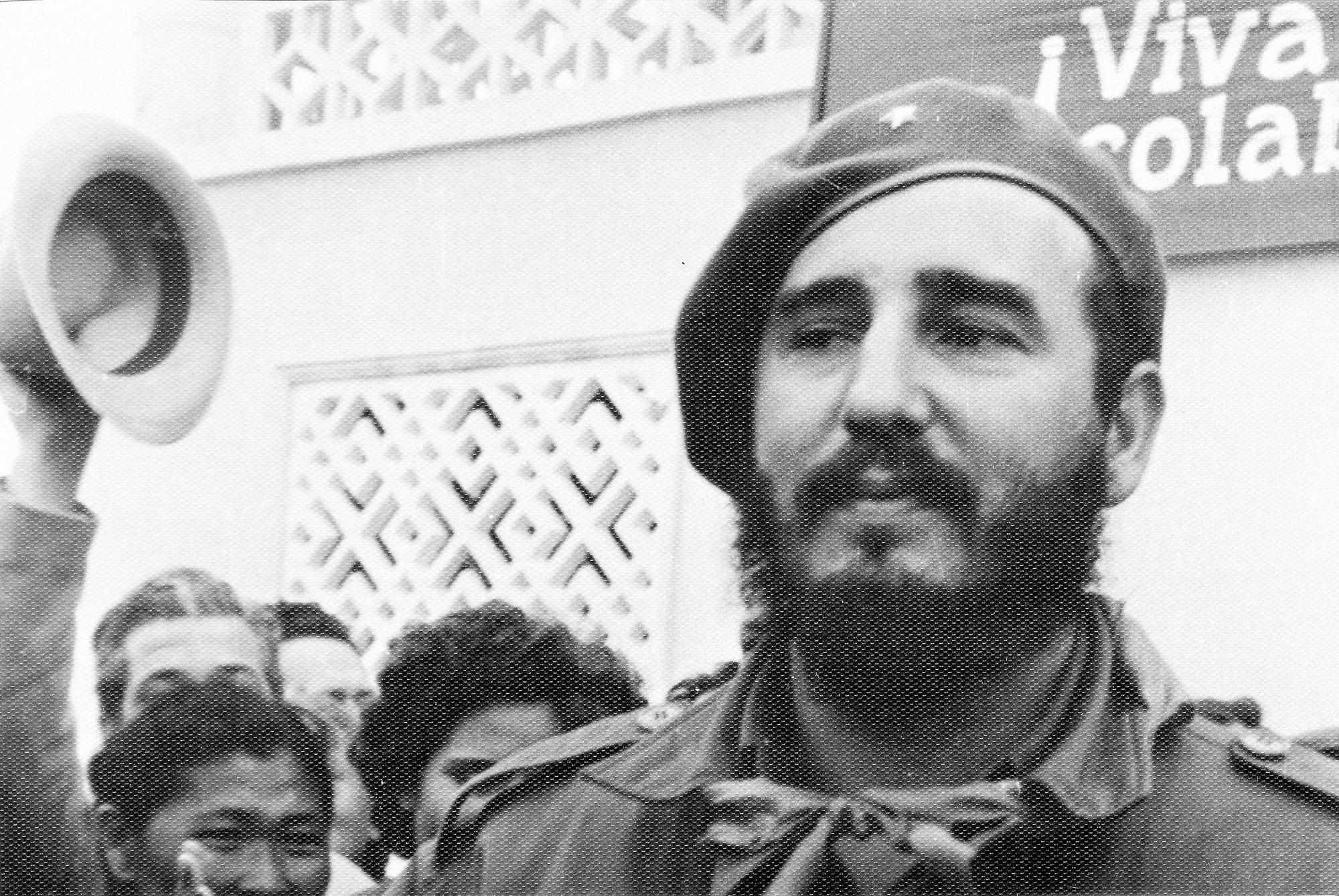
Castro overthrew Batista to create an independent Cuba – not foreseeing his revolution would make the island a flashpoint for nuclear confrontation. His nationalist movement quickly aligned with Soviet support following American hostility, transforming a Caribbean island into a Cold War battleground.
This ideological realignment led directly to the Cuban Missile Crisis of 1962, bringing the world closer to nuclear war than at any other point in history.
Otto von Bismarck’s Social Insurance Programs
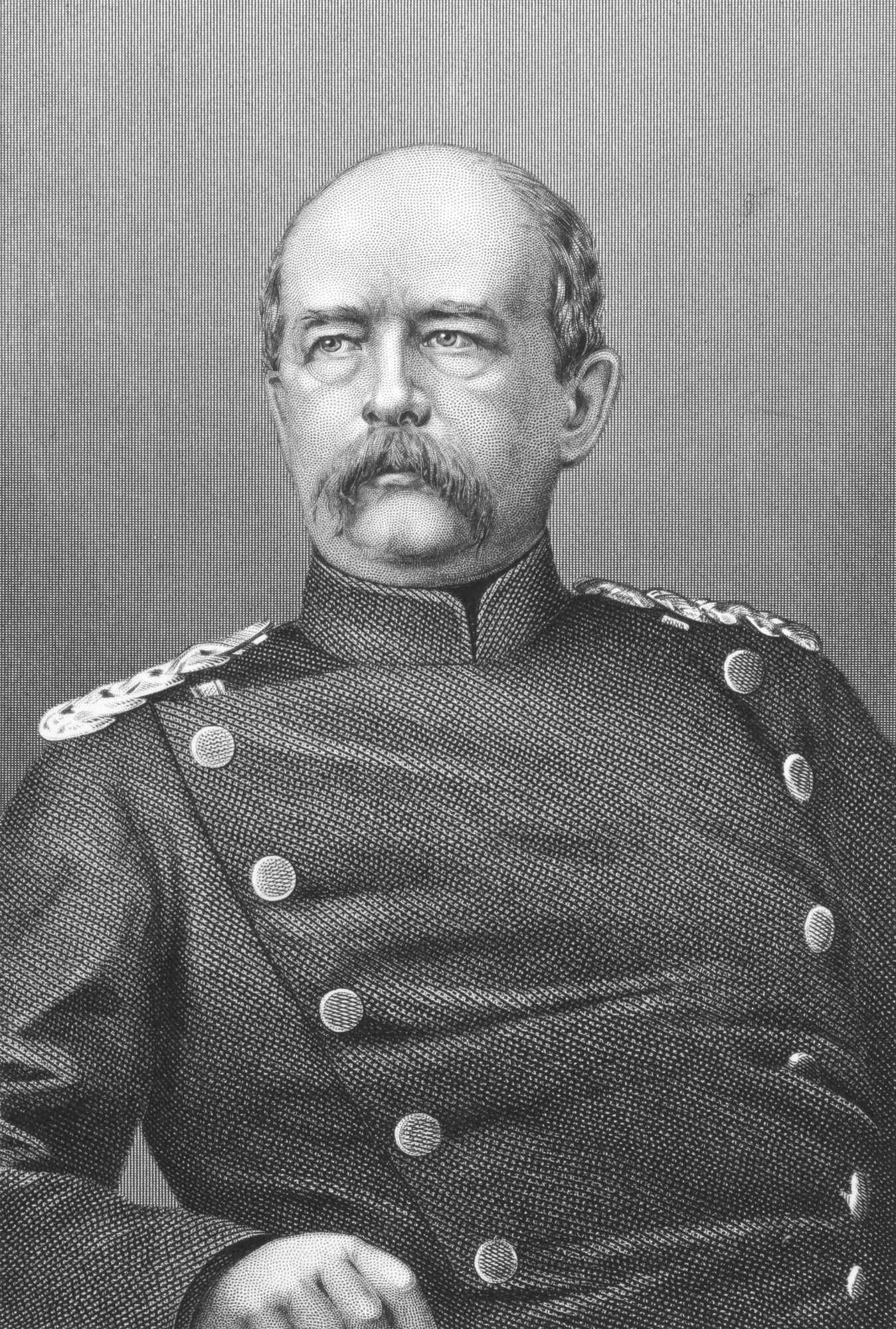
Bismarck introduced the world’s first social insurance system to undermine socialist movements – inadvertently creating the model for modern welfare states. His conservative government established health insurance, accident insurance, and old-age pensions purely to remove these issues from socialist platforms.
These pragmatic political calculations unintentionally established fundamental principles adopted by social democracies worldwide, becoming core components of governance Bismarck would scarcely recognize.
Indira Gandhi’s Operation Blue Star
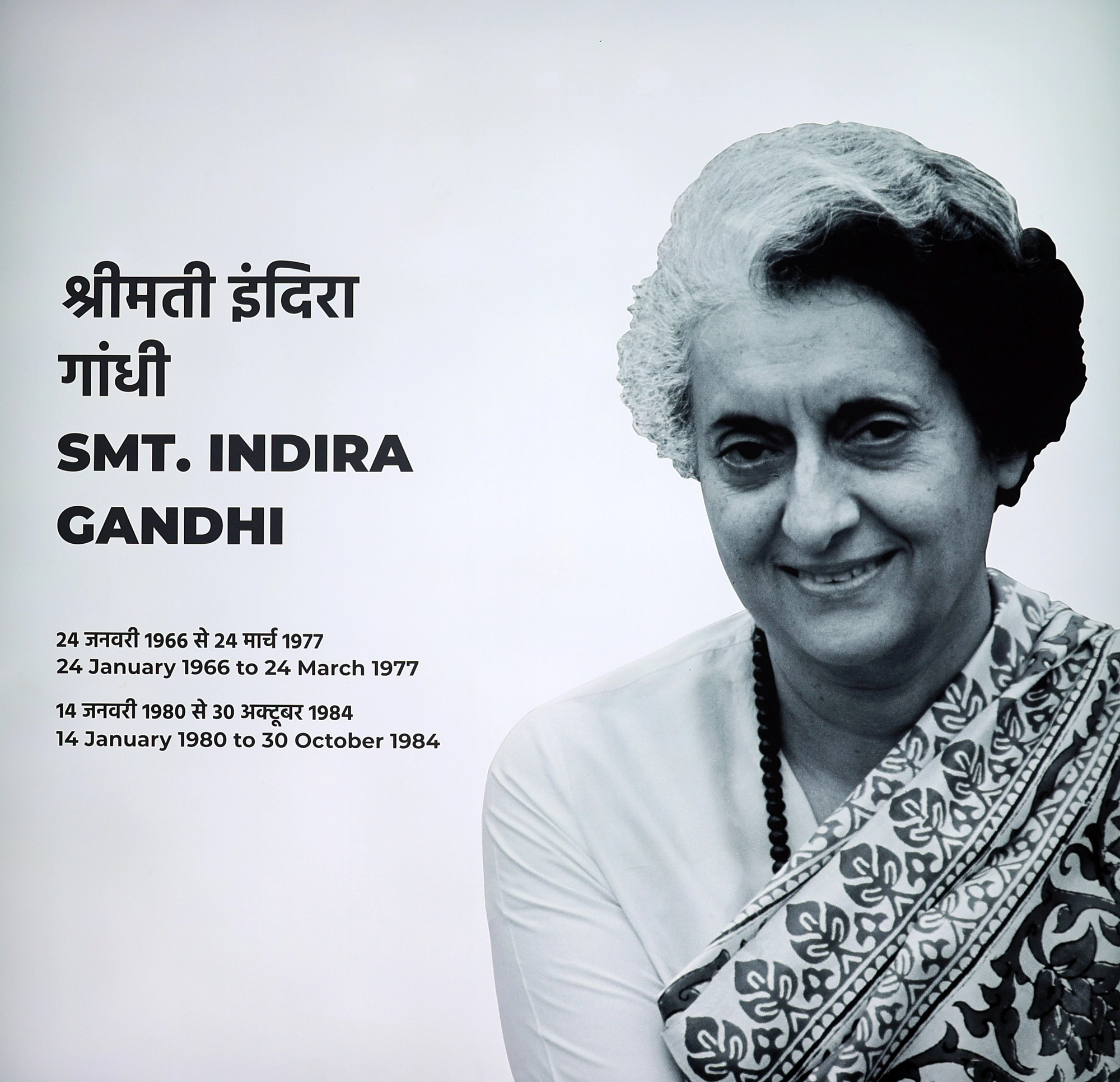
Gandhi ordered military action against Sikh separatists occupying the Golden Temple – a decision that ultimately cost her life. The 1984 operation aimed to remove armed militants from Sikhism’s holiest site in Amritsar.
The resulting damage to sacred buildings and hundreds of casualties outraged Sikhs globally. Four months later, Gandhi’s own Sikh bodyguards assassinated her in retaliation, triggering anti-Sikh riots that killed thousands and deepened sectarian tensions that persist decades later.
Jimmy Carter’s Human Rights Focus
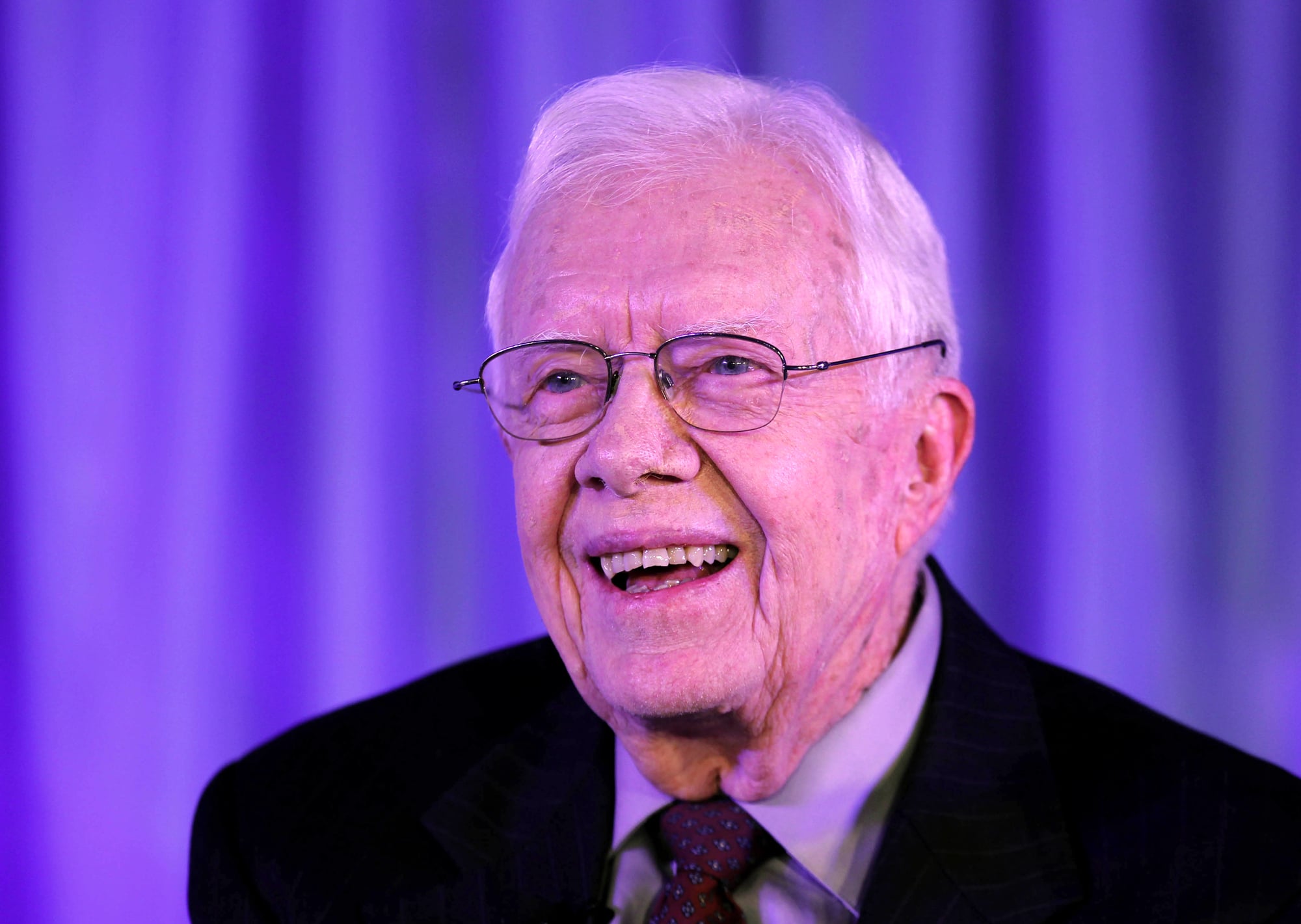
Carter placed human rights at the center of American foreign policy to restore moral leadership – but unintentionally strained critical international relationships. His principled stance on rights issues complicated relations with both adversaries and allies, including the Shah of Iran and the Soviet Union.
While morally consistent, these policies sometimes produced strategic disadvantages during the Cold War and contributed to perceptions of American weakness that damaged Carter politically.
Mikhail Kalashnikov’s Rifle Design
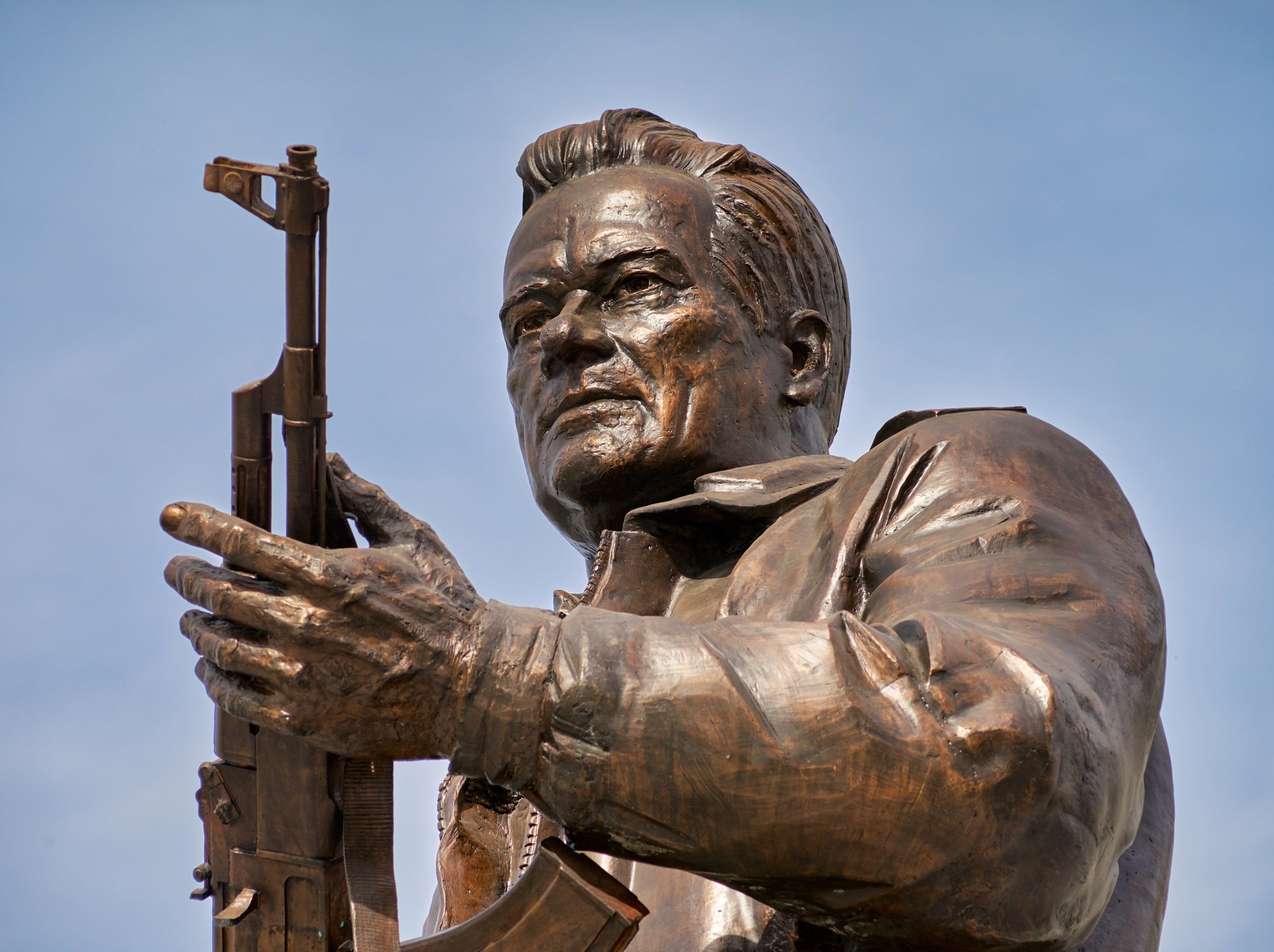
Kalashnikov created the AK-47 to defend his Soviet homeland – never imagining it would become the world’s most common tool for insurgency. His design priorities of reliability, simplicity, and durability under harsh conditions succeeded beyond all expectations.
Approximately 100 million Kalashnikov-pattern rifles have been manufactured, arming countless irregular forces worldwide. The weapon’s durability means rifles manufactured decades ago remain operational in conflicts across multiple continents, shaping warfare in ways its designer found profoundly troubling.
Tsar Nicholas II’s War Declaration
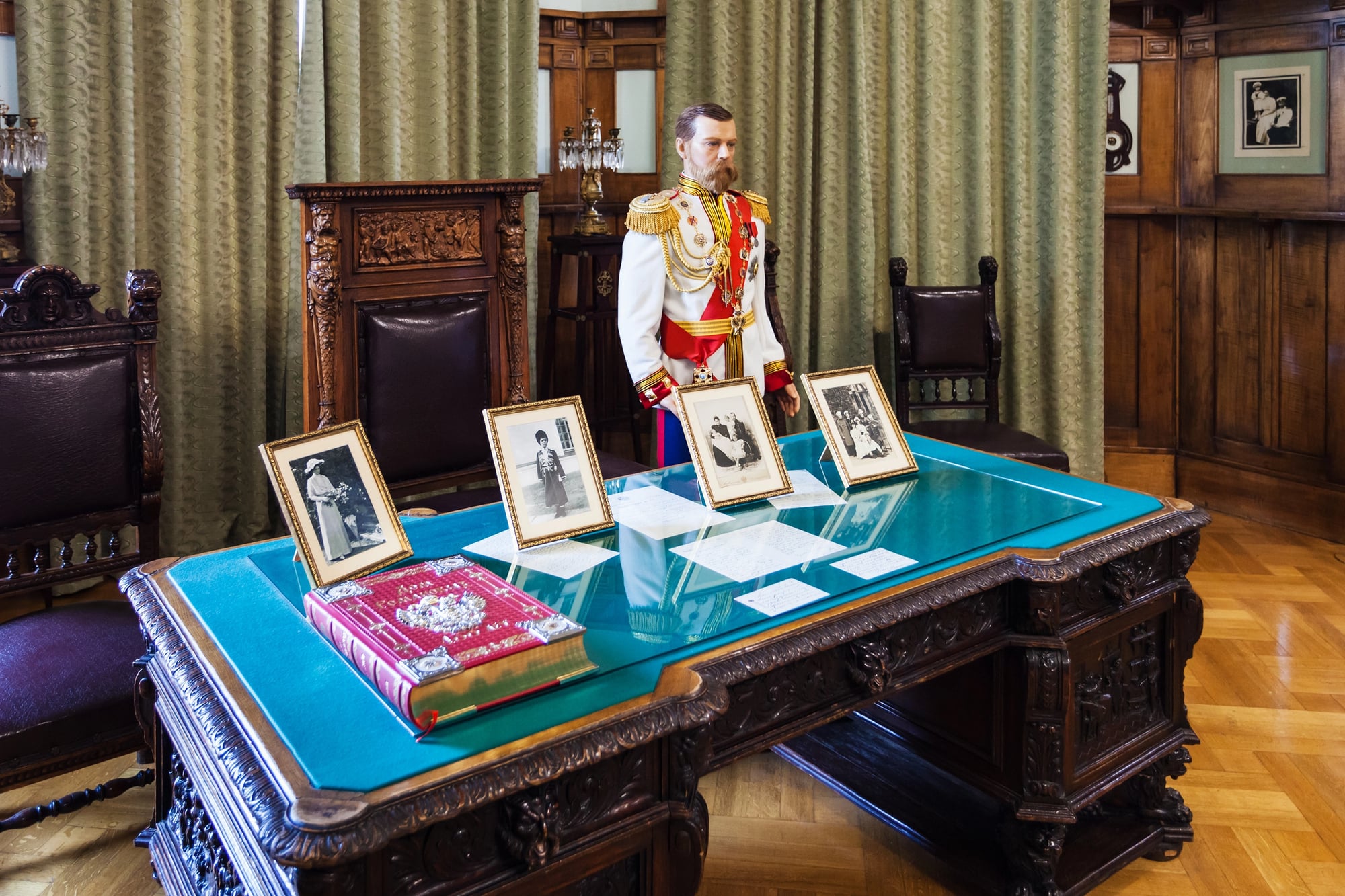
Nicholas II took Russia into World War I to demonstrate national strength – effectively signing his empire’s death warrant. Russia’s military unpreparedness, combined with economic fragility, created catastrophic conditions as war casualties mounted.
The resulting domestic hardships provided perfect revolutionary conditions for Bolsheviks to seize power. Nicholas’s decision to enter a European conflict transformed Russia from a centuries-old monarchy into the world’s first communist state within just three years.
Richard Nixon’s China Opening
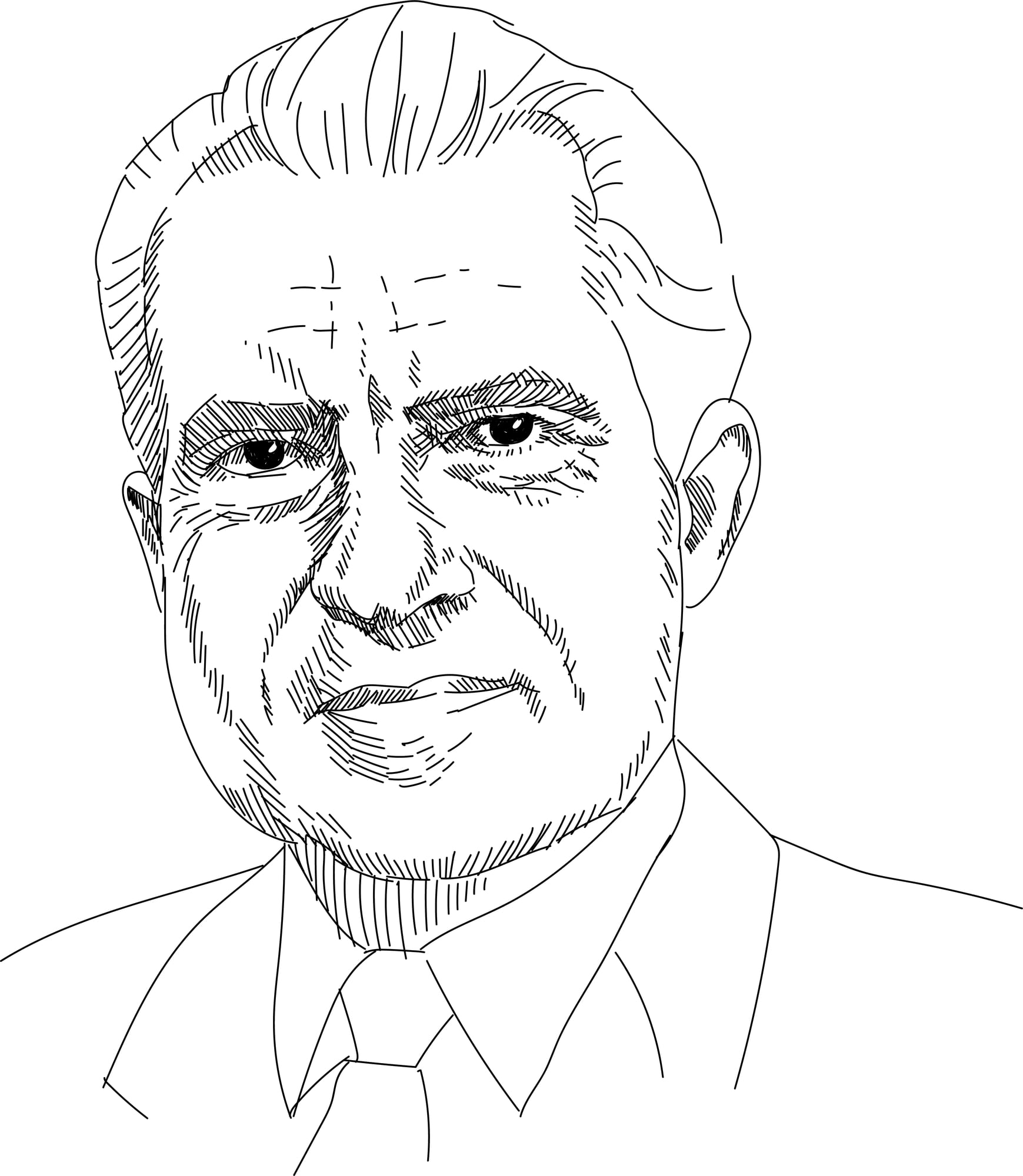
Nixon established relations with communist China primarily to pressure the Soviet Union – inadvertently creating America’s future economic rival. The historic 1972 visit was conceived as cold strategic calculation within superpower competition.
Over subsequent decades, this diplomatic breakthrough led to China’s integration into global manufacturing systems and eventual emergence as America’s principal geopolitical challenger. What Nixon viewed as a tactical Cold War maneuver fundamentally altered the international order.
Mustafa Kemal Atatürk’s Language Reform
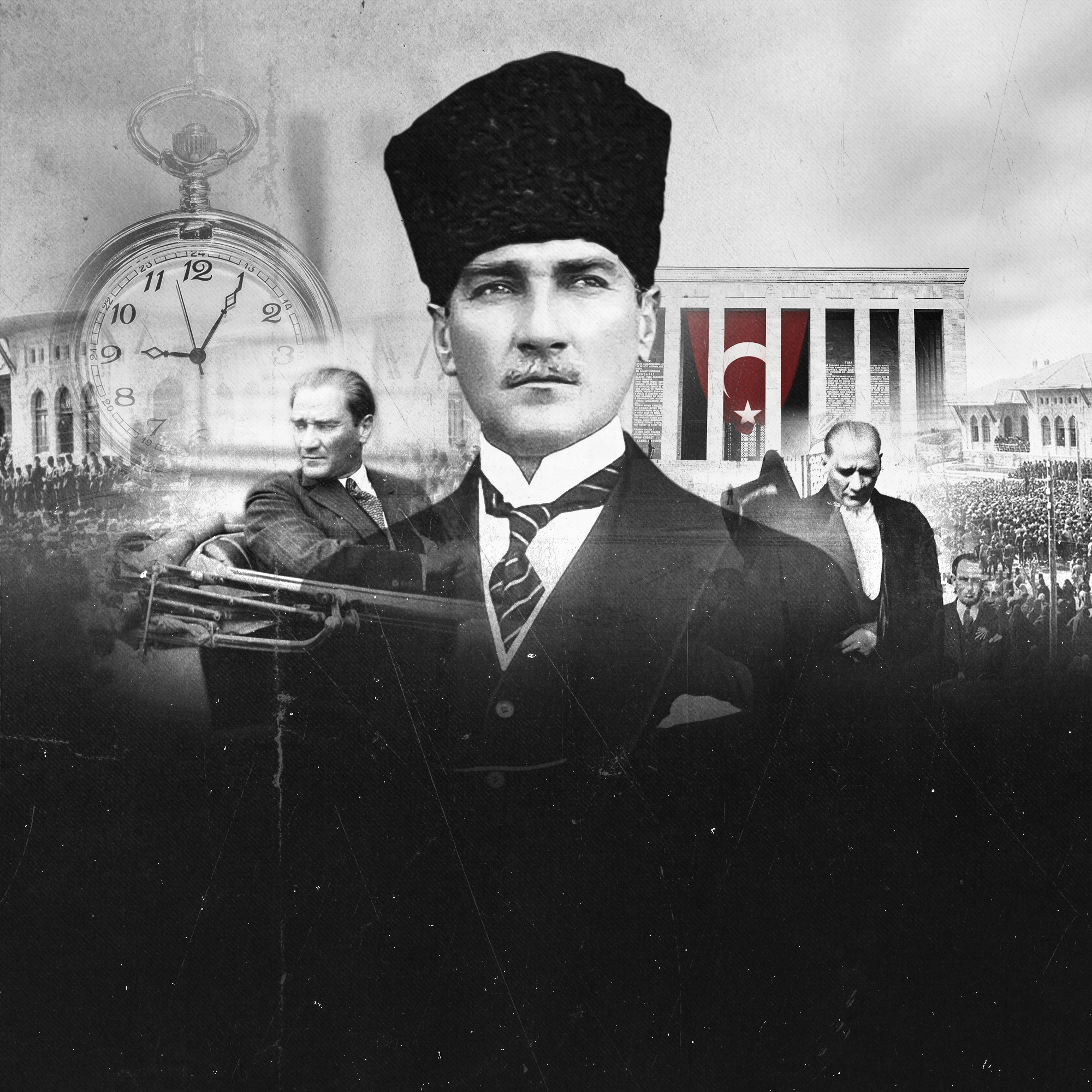
Atatürk mandated Latin script to modernize Turkey – unintentionally disconnecting generations from their Ottoman literary heritage. His sweeping 1928 reforms replaced Arabic script with Latin letters virtually overnight, making centuries of documents immediately unreadable to the public.
While successfully increasing literacy rates and connecting Turkey with Western systems, these reforms created a cultural break so profound that modern Turks cannot read their ancestors’ writings without specialized education.
Winston Churchill’s Gallipoli Campaign
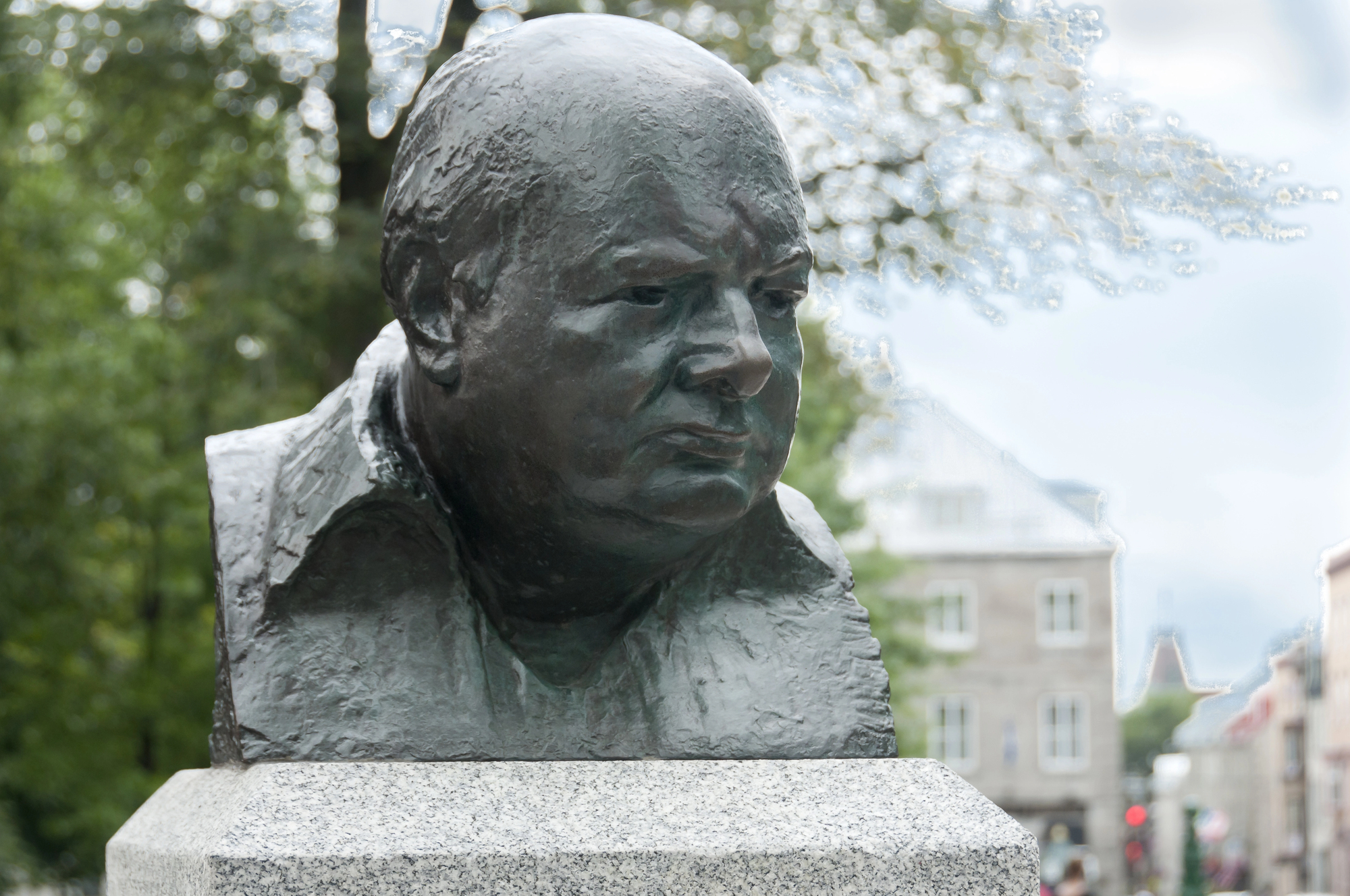
Churchill championed the Dardanelles campaign to break WWI’s western front stalemate – instead creating one of history’s most catastrophic military failures. His plan to knock Ottoman Turkey out of the war through naval power led to extensive Allied casualties at Gallipoli.
Beyond its immediate military failure, the campaign had far-reaching consequences, including Churchill’s political downfall, the rise of Mustafa Kemal (later Atatürk), and the formation of national consciousness in Australia and New Zealand.
Boris Yeltsin’s Privatization Program
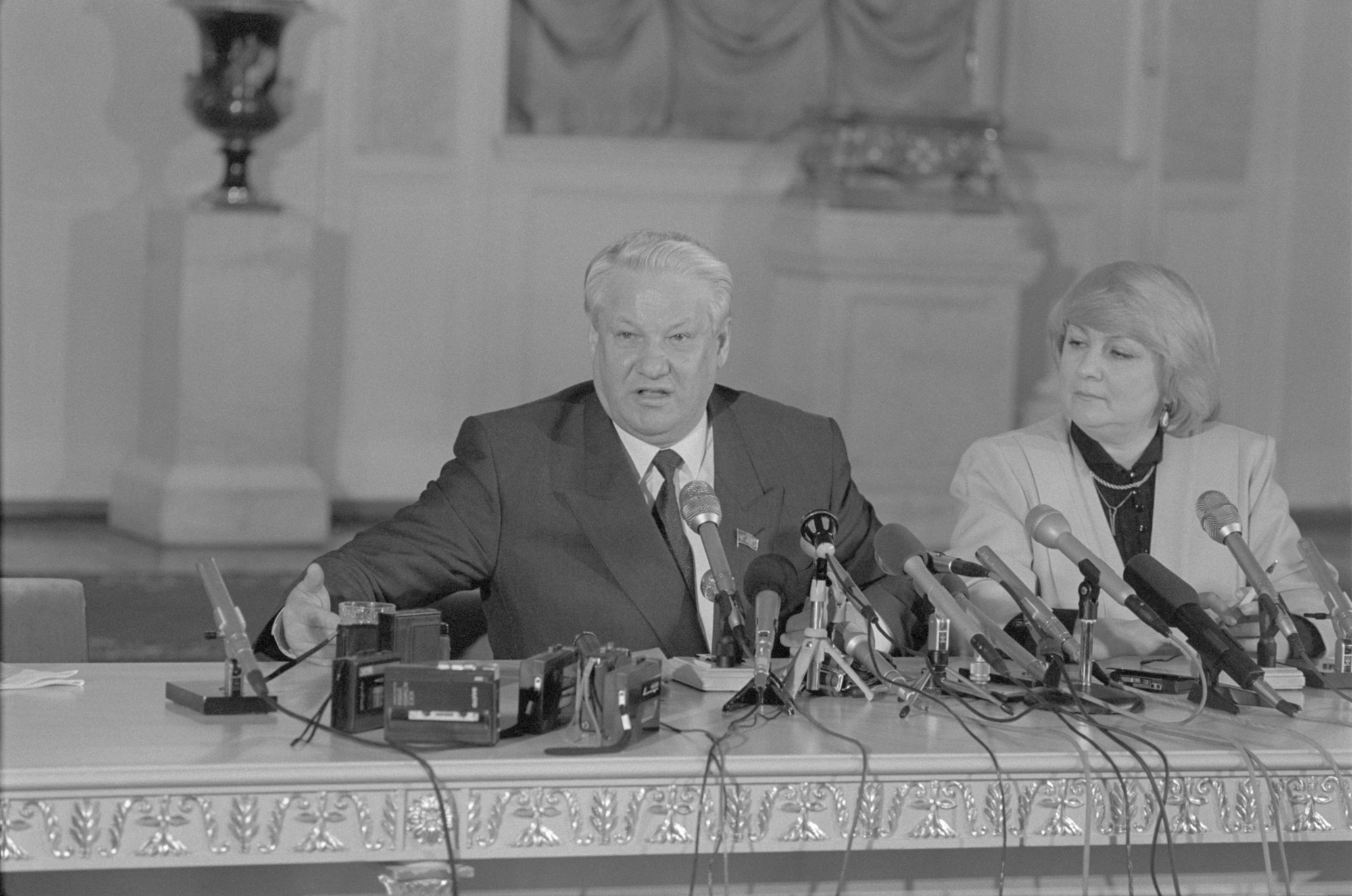
Yeltsin implemented rapid economic privatization to transition from communism – unintentionally creating Russia’s controversial oligarch class. His “shock therapy” approach distributed vouchers to citizens for purchasing state enterprises, but most lacked understanding of their value.
Well-connected insiders accumulated these vouchers for minimal cost, gaining control of vast state resources practically overnight. This hasty privatization concentrated extraordinary wealth among a tiny elite, shaping Russia’s post-Soviet development in ways that continue influencing global politics.
The Ripple Effect of Leadership Decisions

History reveals a humbling truth about power and decision-making at the highest levels. Even the most carefully crafted policies often produce consequences that their architects have neither intended nor imagined.
These examples demonstrate how leadership choices set in motion complex chains of events that often develop their own momentum beyond anyone’s control. As modern leaders confront equally momentous decisions about climate change, artificial intelligence, and global health challenges, these historical lessons about unintended consequences take on renewed significance.
Perhaps the true measure of leadership lies not in perfect foresight, but in the capacity to adapt when carefully laid plans inevitably collide with reality’s complexity.
More from Go2Tutors!

- The Romanov Crown Jewels and Their Tragic Fate
- 13 Historical Mysteries That Science Still Can’t Solve
- Famous Hoaxes That Fooled the World for Years
- 15 Child Stars with Tragic Adult Lives
- 16 Famous Jewelry Pieces in History
Like Go2Tutors’s content? Follow us on MSN.



