16 Countries Leading in Renewable Energy
China
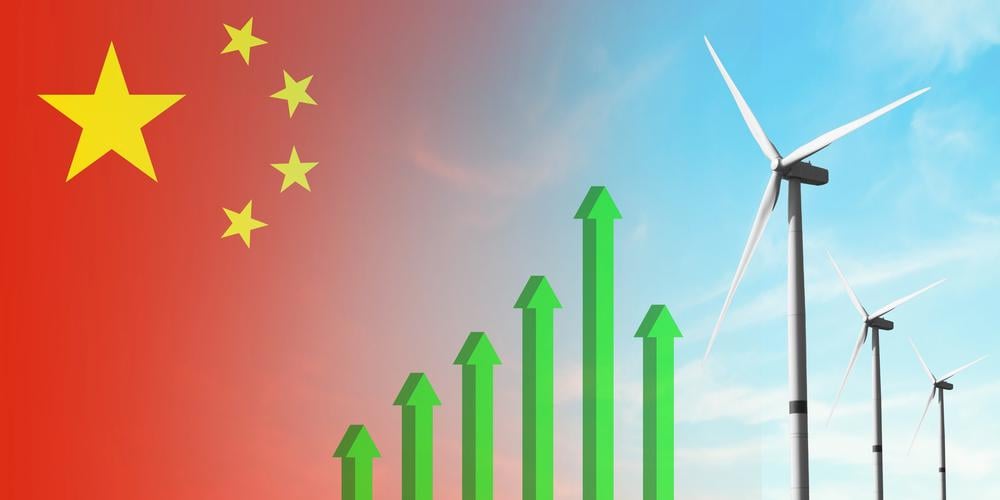
China dominates the global renewable energy sector with an installed capacity exceeding 1,450 gigawatts, accounting for nearly half of the world's total renewable capacity. The country added a staggering 278 gigawatts of solar capacity alone in 2024, more than the entire renewable capacity of most nations. China's aggressive expansion stems from both environmental necessity and economic opportunity, as the government aims to reduce severe air pollution while positioning itself as the global leader in clean technology manufacturing.
United States

The United States ranks second globally with approximately 388 gigawatts of renewable capacity, driven largely by the Inflation Reduction Act's tax incentives and state-level renewable energy mandates. Wind power leads the charge across the Great Plains, while solar installations are booming in the Southwest, with California and Texas emerging as renewable energy powerhouses. The country's renewable capacity is expected to double between 2024 and 2030, making it one of the fastest-growing clean energy markets among major economies.
Brazil
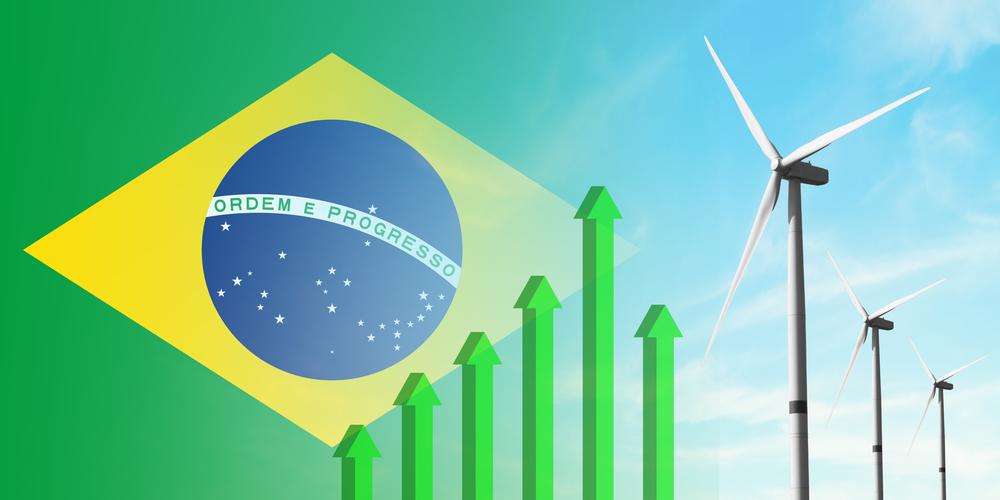
Brazil generates an impressive 87% of its electricity from renewable sources, the highest percentage among G20 nations and nearly triple the global average. The country's renewable success story is built on a foundation of massive hydroelectric installations along the Amazon basin, complemented by rapidly expanding wind and solar farms. Brazil's renewable share has grown from 17% wind and solar in 2022 to 24% in 2024, demonstrating how quickly clean energy can scale when supported by favorable policies and abundant natural resources.
India
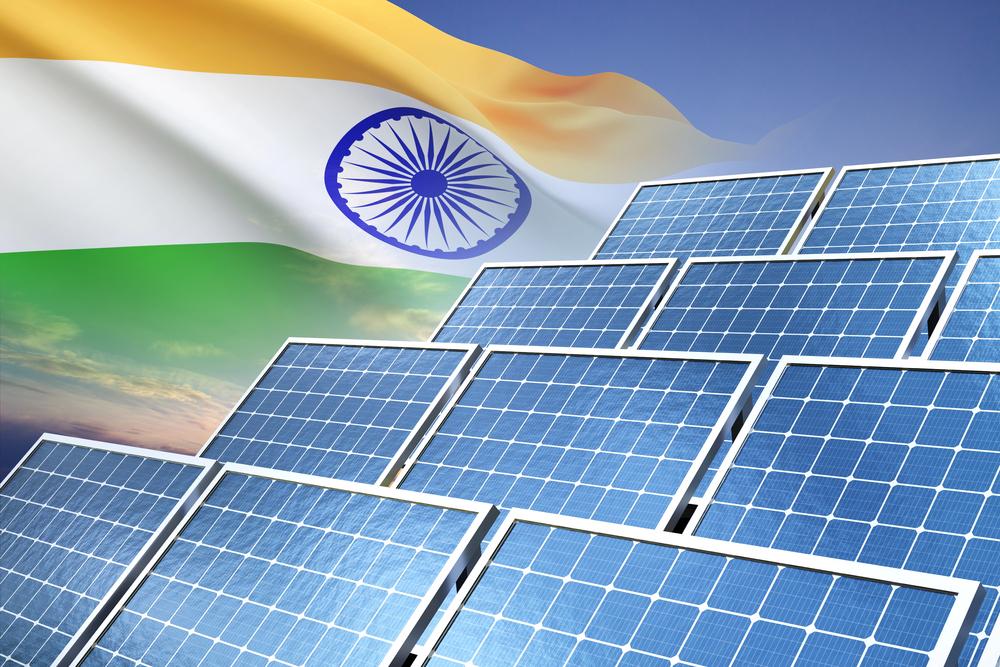
India has emerged as the world's fastest-growing renewable energy market among large economies, with wind and solar generation nearly doubling between 2019 and 2024. The country overtook Germany in 2024 to become the third-largest generator of wind and solar electricity globally, with ambitious plans to reach 500 gigawatts of renewable capacity by 2030. India's success stems from competitive auction systems and a new support scheme for rooftop solar, proving that developing nations can leapfrog directly to clean energy infrastructure.
Germany

Germany leads Europe's renewable energy transition with 43% of its electricity coming from wind and solar power, while renewable sources overall generate 41.1% of the country's electricity needs. The nation's Energiewende program has transformed its energy landscape, with offshore wind installations in the North Sea complementing extensive onshore wind and solar farms across the country. Despite being one of the world's most industrialized economies, Germany proves that heavy manufacturing and renewable energy can coexist profitably.
Japan
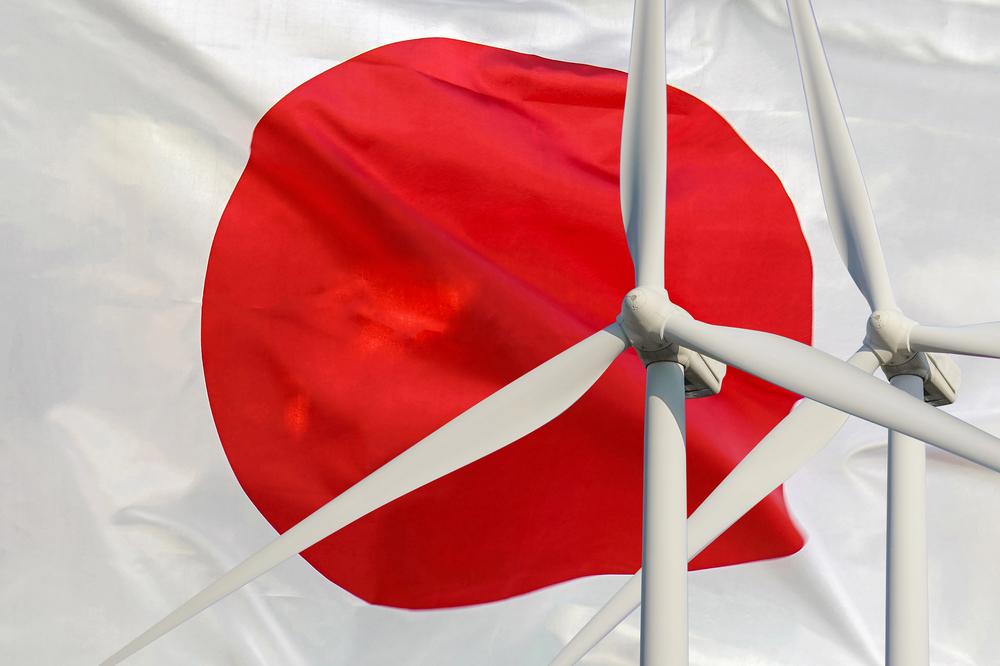
Japan maximizes its limited land area through innovative renewable technologies, including floating solar installations and ultra-efficient photovoltaic systems. The country has mandated solar panels on new Tokyo homes starting in 2025, while 50% of public buildings will feature solar installations by 2030. Japan's focus on technological advancement rather than scale has led to breakthroughs in perovskite solar cells and offshore floating platforms that other nations are now adopting.
Canada
Canada leverages its vast water resources to generate massive amounts of hydroelectric power, ranking among the world's top five hydropower producers with over 400 terawatt-hours annually. The country's renewable energy portfolio extends beyond hydro to include significant wind installations across the Prairie provinces and emerging solar projects in Ontario and Quebec. Canada's abundance of natural resources positions it as a future leader in renewable hydrogen production, with several pilot projects already underway.
Norway

Norway generates an astounding 98% of its electricity from renewable sources, primarily hydroelectric power from its fjords and mountain watersheds. The country has also emerged as a leader in offshore wind technology, with floating turbines designed for deep-water installations that can be deployed in locations previously considered unsuitable for wind power. Norway's oil wealth has paradoxically funded its transition to renewable energy, creating a sovereign wealth fund that invests heavily in clean technology worldwide.
Iceland
Iceland achieves 100% renewable electricity generation through a unique combination of hydroelectric power (75.5%) and geothermal energy (24.5%) derived from its volcanic activity. The country operates 15 major hydroelectric plants and several geothermal facilities, including the world-famous Hellisheiði plant that produces both electricity and direct heating for Reykjavik. Iceland's renewable abundance has attracted energy-intensive industries like aluminum smelting and data centers, proving that clean energy can support heavy industry.
Denmark

Denmark pioneered offshore wind technology and currently generates 54% of its electricity from wind power alone, making it the global leader in wind energy penetration. The country installed the world's first offshore wind farm and continues to push technological boundaries with larger, more efficient turbines in deeper waters. Denmark's wind energy success has created a thriving export industry, with Danish companies supplying wind technology and expertise to projects worldwide.
Costa Rica

Costa Rica has achieved the remarkable feat of generating 98% of its electricity from renewable sources for eight consecutive years, holding the world record for 300 consecutive days of 100% renewable electricity in 2018. The country's success comes from a diverse renewable portfolio combining hydroelectric, geothermal, wind, biomass, and solar power, all managed through a sophisticated grid system. Costa Rica even exports excess renewable electricity to neighboring Central American countries during periods of high generation.
Uruguay
Uruguay underwent a dramatic energy transformation under President José Mujica's leadership, growing wind power from just 1% in 2010 to 34% by 2018 through innovative public-private partnerships. The country's renewable energy strategy has cut electricity production costs nearly in half while creating 50,000 new jobs and providing energy security during regional supply disruptions. Uruguay's success demonstrates how smaller nations can achieve energy independence through smart policy design and strategic investment in renewable infrastructure.
Morocco
Morocco has positioned itself as a solar energy leader through the massive Noor-Ouarzazate complex in the Sahara Desert, the world's largest concentrated solar farm covering an area equivalent to 3,500 football fields. The facility generates 580 megawatts of power and can store energy for up to eight hours after sunset, providing electricity to power a city twice the size of Marrakesh. Morocco's solar ambitions extend beyond domestic use, with plans to export clean electricity to Europe through undersea cables.
Kenya
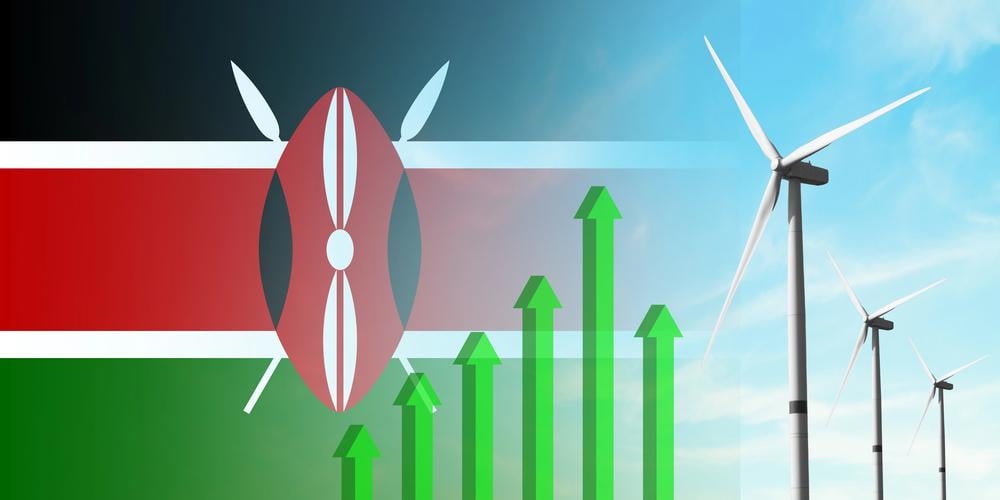
Kenya leads East Africa in geothermal energy development, harnessing volcanic activity along the Rift Valley to generate clean electricity for both domestic use and regional export. The country's Lake Turkana Wind Power project represents the largest wind farm in Africa, while ambitious plans for additional geothermal capacity could make Kenya a regional renewable energy hub. Kenya's success shows how developing nations can use indigenous renewable resources to achieve energy security while spurring economic development.
New Zealand
New Zealand generates 84% of its electricity from renewable sources and has set ambitious targets of 100% renewable electricity by 2030 and 50% renewable total energy consumption by 2035. The country's renewable portfolio combines extensive hydroelectric installations with growing wind and geothermal capacity, while recent investments in solar technology are rapidly expanding that sector. New Zealand's political commitment to clean energy, backed by cross-party consensus, provides the policy stability necessary for long-term renewable energy investment.
Spain
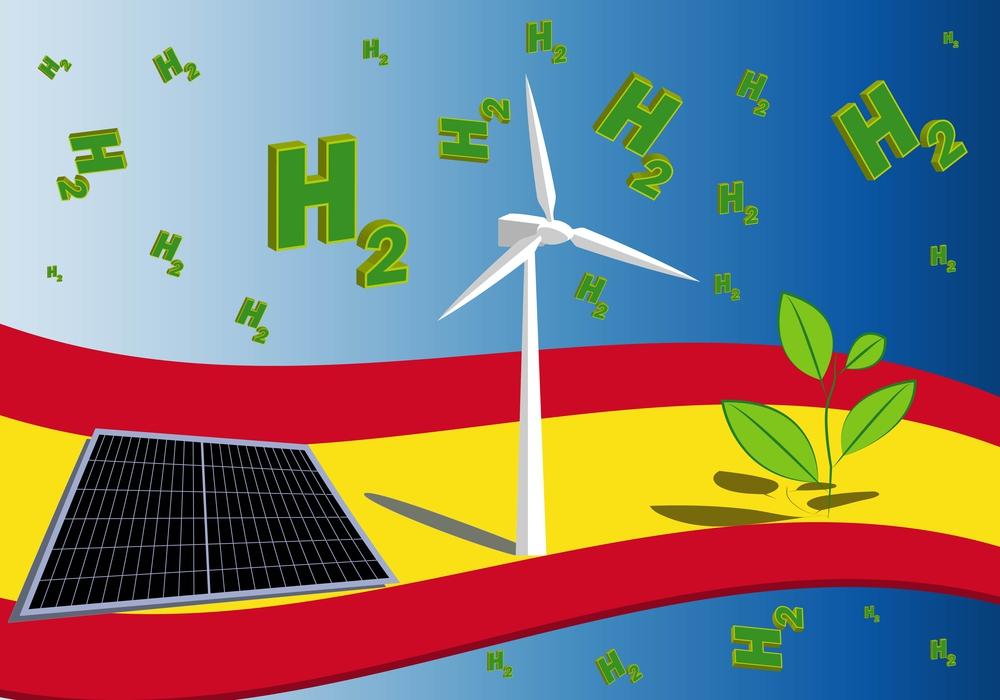
Spain has rapidly expanded its renewable energy capacity to achieve 42% of electricity generation from wind and solar combined, making it one of Europe's clean energy leaders. The country's diverse geography provides excellent conditions for both wind power along its northern coast and solar installations across its sunny interior regions. Spain's renewable energy success has been supported by competitive auction systems and corporate power purchase agreements that have driven down costs while ensuring stable revenue streams for developers.
The Clean Energy Revolution Continues
The success stories of these 16 nations prove that renewable energy leadership comes in many forms, from massive capacity installations to innovative technologies and smart policy frameworks. Whether through abundant natural resources, technological innovation, or political commitment, each country has found its own path to clean energy success. As global electricity demand continues to rise and climate pressures intensify, these renewable energy pioneers are not just protecting their own futures—they're lighting the way for the entire world to follow.
More from Go2Tutors!

- 16 Historical Figures Who Were Nothing Like You Think
- 12 Things Sold in the 80s That Are Now Illegal
- 15 VHS Tapes That Could Be Worth Thousands
Like Go2Tutors’ content? Follow us on MSN.