15 Tourist Attractions That Were Never Meant to Be Tourist Attractions
Many of today’s most popular tourist destinations started as something entirely different. These places weren’t built to attract visitors with cameras and travel guides but have since become magnets for travelers from around the world.
Some were built for practical purposes, others emerged from accidents or natural phenomena, and a few were even meant to keep people away. Here is a list of 15 tourist attractions that were never originally intended to draw crowds but have become beloved destinations nonetheless.
The Paris Catacombs

The underground tunnels beneath Paris were created in the late 18th century as a solution to the city’s overflowing cemeteries. City officials moved the remains of approximately six million people into these former limestone quarries to address public health concerns.
Today, visitors wait in long lines to descend into this macabre maze of carefully arranged human bones, walking through what was meant to be simply a functional ossuary.
Alcatraz Island
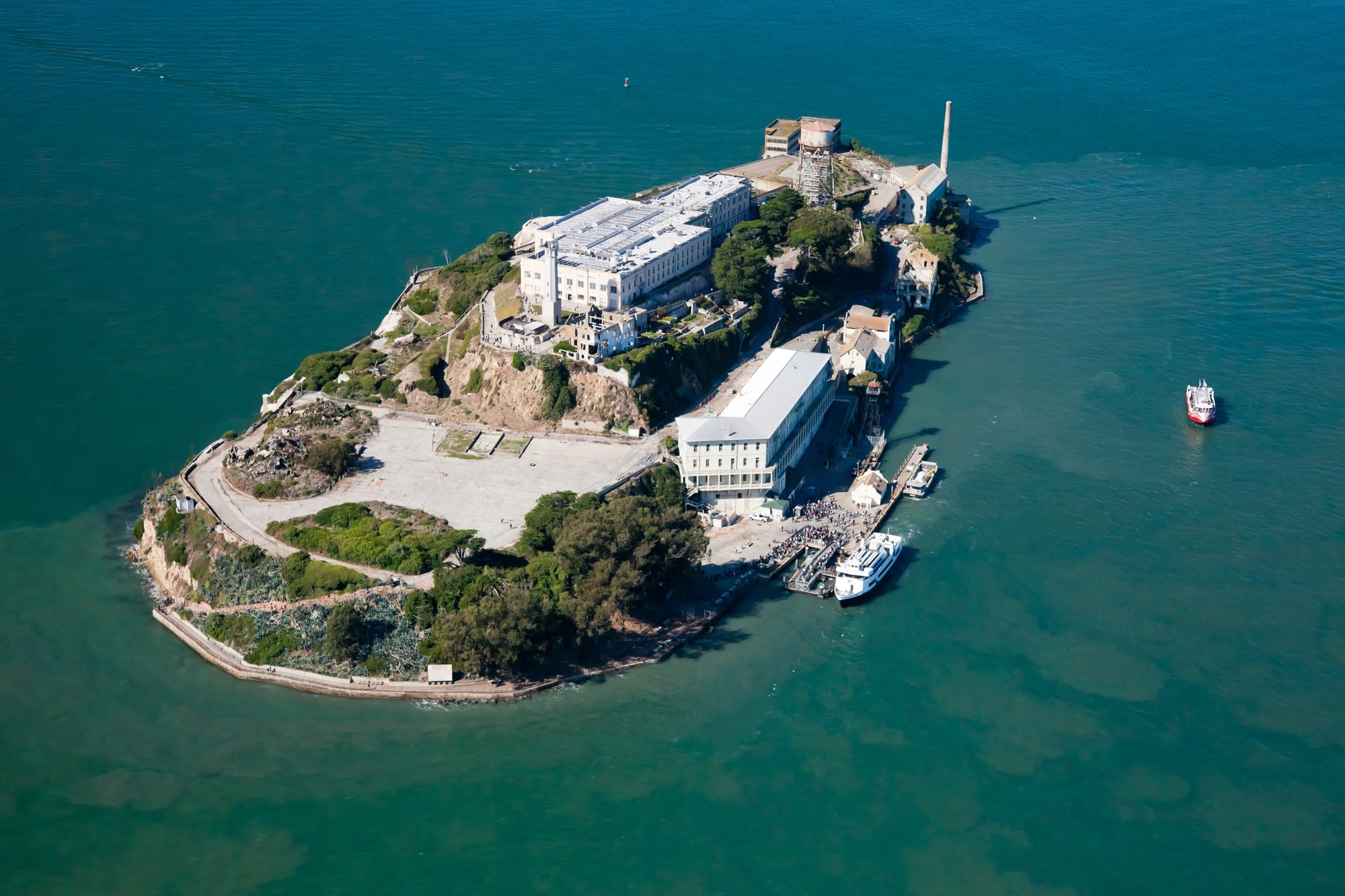
This small island in San Francisco Bay housed a federal prison from 1934 to 1963, designed to hold the most troublesome inmates in America’s federal system. Its isolation and the cold, strong currents surrounding it made it the perfect place to keep dangerous criminals contained.
Now tourists eagerly board ferries to visit the former maximum-security facility, with audio tours narrated by former guards and inmates being particularly popular.
Like Go2Tutors’s content? Follow us on MSN.
Grand Central Terminal

When this railway station opened in New York City in 1913, it was purely functional—a transportation hub designed to move people efficiently through Manhattan. The architectural marvel with its celestial ceiling wasn’t built as a tourist attraction but as a practical response to railway congestion.
Today, it’s one of the most visited sites in New York, with travelers admiring its Beaux-Arts design and whispering secrets in its acoustic arches.
The Hoover Dam

Built during the Great Depression as a massive public works project, the Hoover Dam’s primary purpose was controlling floods, providing irrigation water, and generating hydroelectric power for the growing Southwest. Engineers weren’t thinking about tourism when they designed this concrete arch-gravity dam between Nevada and Arizona.
Now it draws approximately one million visitors annually who marvel at this engineering feat and the views of Lake Mead.
The Seattle Space Needle

Originally constructed for the 1962 World’s Fair, the Space Needle was meant to be a temporary structure symbolizing humanity’s Space Age aspirations. The futuristic tower was built in just 400 days and was never intended to become a permanent fixture of Seattle’s skyline.
Six decades later, it remains one of the most recognizable structures in the Pacific Northwest and attracts more than one million visitors each year.
Like Go2Tutors’s content? Follow us on MSN.
Lombard Street

This famously crooked San Francisco street was designed in 1922 as a practical solution to the hill’s steep 27% grade, which was too steep for early automobiles to climb. The switchback design with eight sharp turns was purely functional, allowing vehicles to navigate the slope more safely.
Now tourists flock to this residential street to photograph its hairpin turns and beautiful gardens, much to the chagrin of local residents.
The Winchester Mystery House

Sarah Winchester, heiress to the Winchester Rifle fortune, built this sprawling mansion in San Jose, California as her personal residence—and possibly to appease the spirits of those killed by Winchester rifles. Construction continued non-stop for 38 years until her death in 1922, resulting in a labyrinthine house with staircases leading nowhere and doors opening to walls.
What was once a private home driven by superstition is now a popular attraction offering daily tours.
Antelope Canyon

This stunning slot canyon in Arizona was carved by flash floods over thousands of years and was primarily known only to the local Navajo population. The twisting passageways and light beams that create supernatural-looking scenes weren’t formed to please photographers—they’re the result of natural erosion processes.
Today, the canyon has become so popular that visits are strictly controlled through guided tours to protect the delicate sandstone formations.
Like Go2Tutors’s content? Follow us on MSN.
The Berlin Wall

Built in 1961 as a barrier to prevent East Germans from fleeing to the West, the Berlin Wall was certainly never intended to become a tourist attraction. It was a symbol of the Cold War and the division between communist and democratic ideologies.
After its fall in 1989, sections were preserved as historical monuments, and the East Side Gallery—where artists have painted murals on a remaining stretch—has become one of Berlin’s most visited sites.
The Biltmore Estate

When George Vanderbilt commissioned this massive French Renaissance-style château in Asheville, North Carolina, he intended it as a private country retreat for his family and friends. Completed in 1895, it stands as America’s largest privately-owned house with 250 rooms.
Financial pressures during the Great Depression led the family to open it to the public in 1930, transforming what was meant to be an exclusive residence into a major tourist destination that attracts more than 1.4 million visitors annually.
Christ the Redeemer

While this iconic statue overlooking Rio de Janeiro was built as a religious monument, it wasn’t intended to become the tourism powerhouse it is today. Constructed between 1922 and 1931, the statue was meant to reinforce Catholic presence in increasingly secular Brazil.
The 98-foot-tall Art Deco statue has become Brazil’s most recognizable landmark, with hundreds of thousands of visitors making the trip to Mount Corcovado each year.
Like Go2Tutors’s content? Follow us on MSN.
The Salton Sea

This inland saline lake in southern California was formed by accident between 1905 and 1907 when irrigation canals from the Colorado River broke and water flooded into the Salton Basin. By the 1950s, developers had transformed the shores into a resort area marketed as the ‘Riviera of California.’
Today, tourists visit for entirely different reasons—to see the eerie, post-apocalyptic landscape created after the water became increasingly saline and polluted, killing most aquatic life and leaving behind a haunting scene.
The London Underground
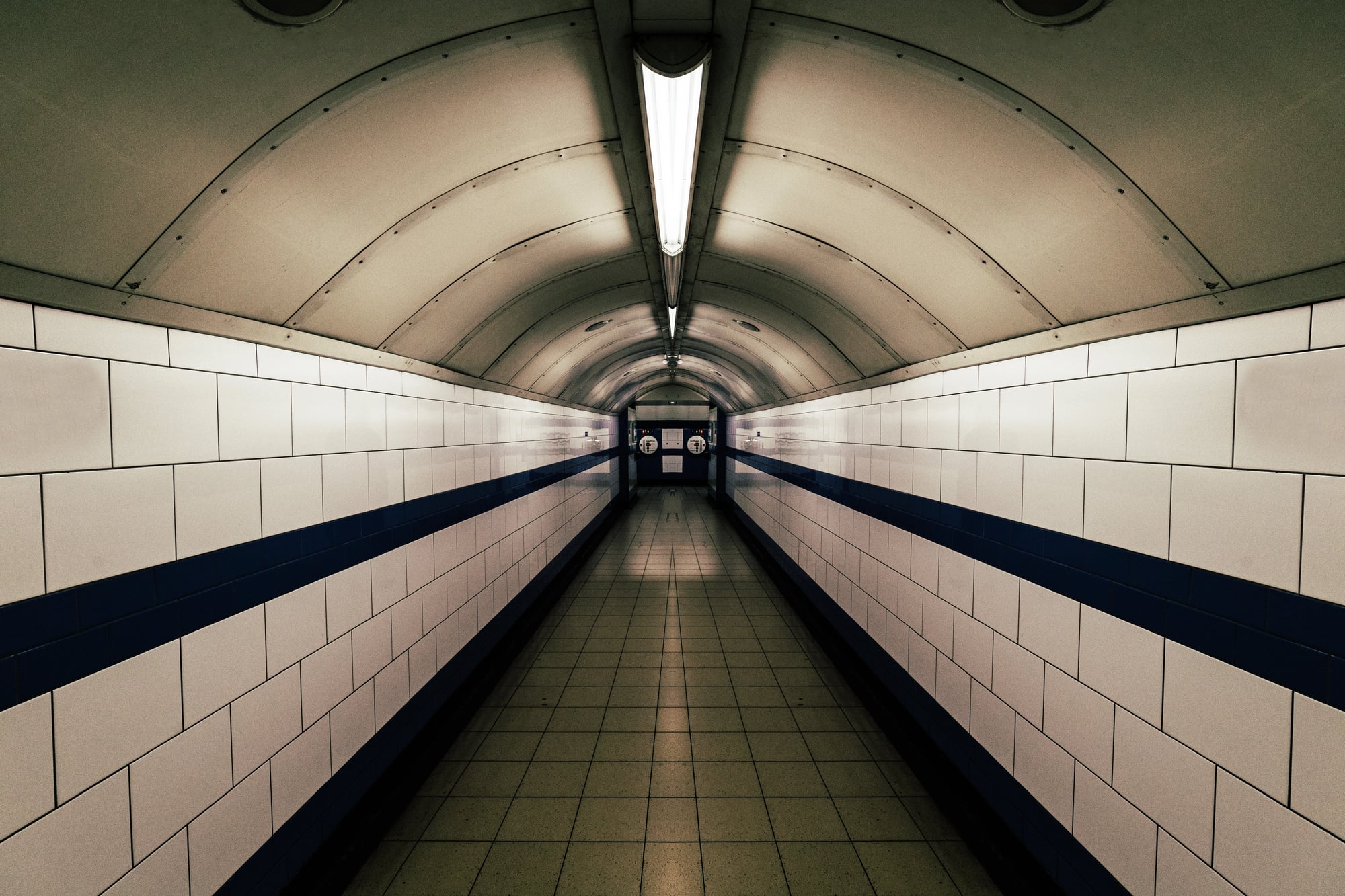
When the world’s first underground railway opened in 1863, it was built solely as a practical transportation system for Londoners. The engineering feat of building tunnels beneath the congested city wasn’t meant to attract admirers.
Today, many tourists ride the Tube not just to get around London but as an attraction itself, with enthusiasts visiting abandoned stations on special tours and shopping for merchandise featuring the iconic Underground map.
Abbey Road Crossing
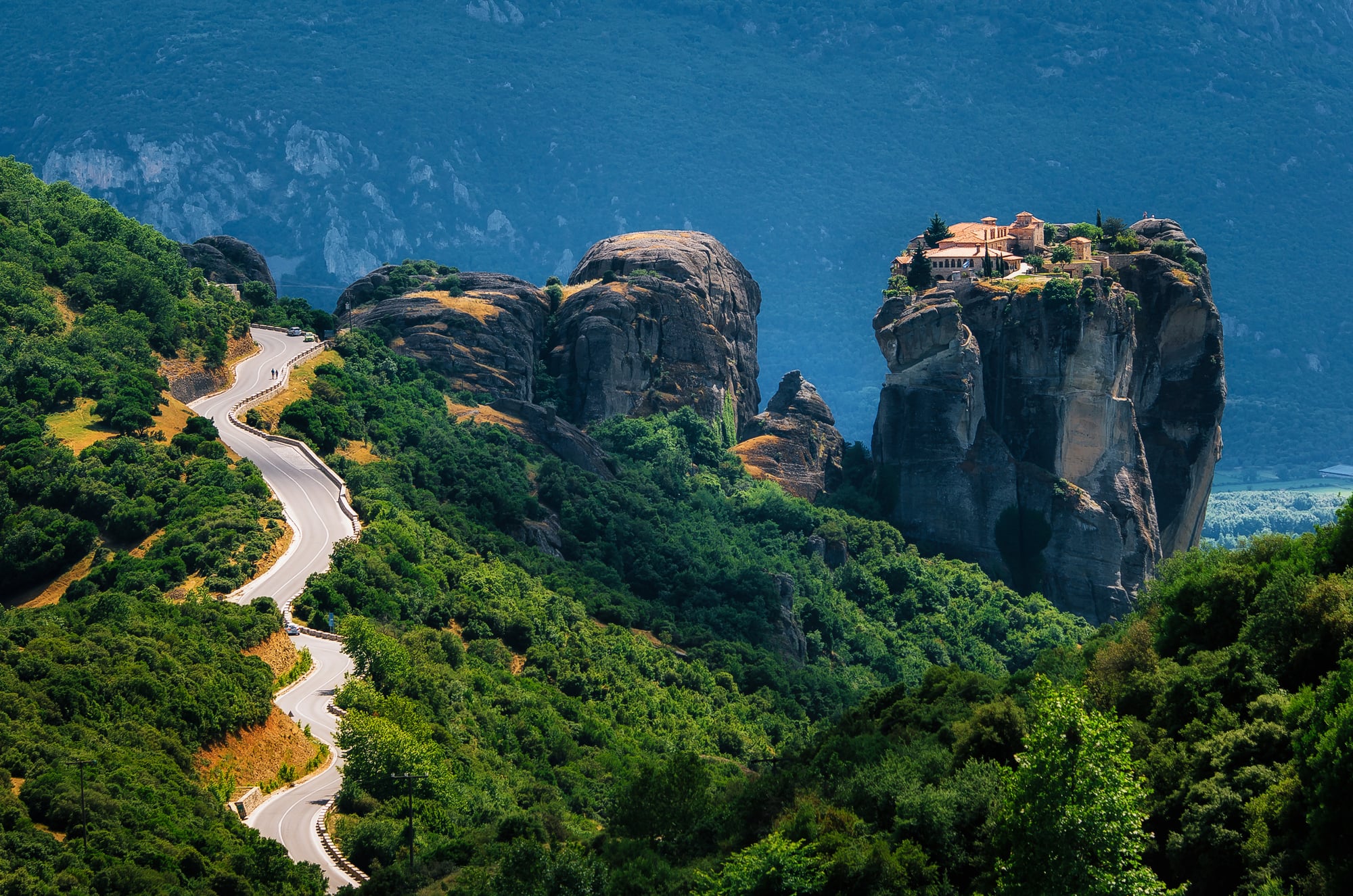
This ordinary zebra crossing outside Abbey Road Studios in London became famous after The Beatles featured it on their 1969 album cover for ‘Abbey Road.’ It’s just a standard pedestrian crossing that happened to be convenient for the photo shoot.
Today, fans from around the world create traffic jams as they attempt to recreate the famous album cover, making this functional piece of road infrastructure an unlikely pilgrimage site for music lovers.
Like Go2Tutors’s content? Follow us on MSN.
The International Space Station
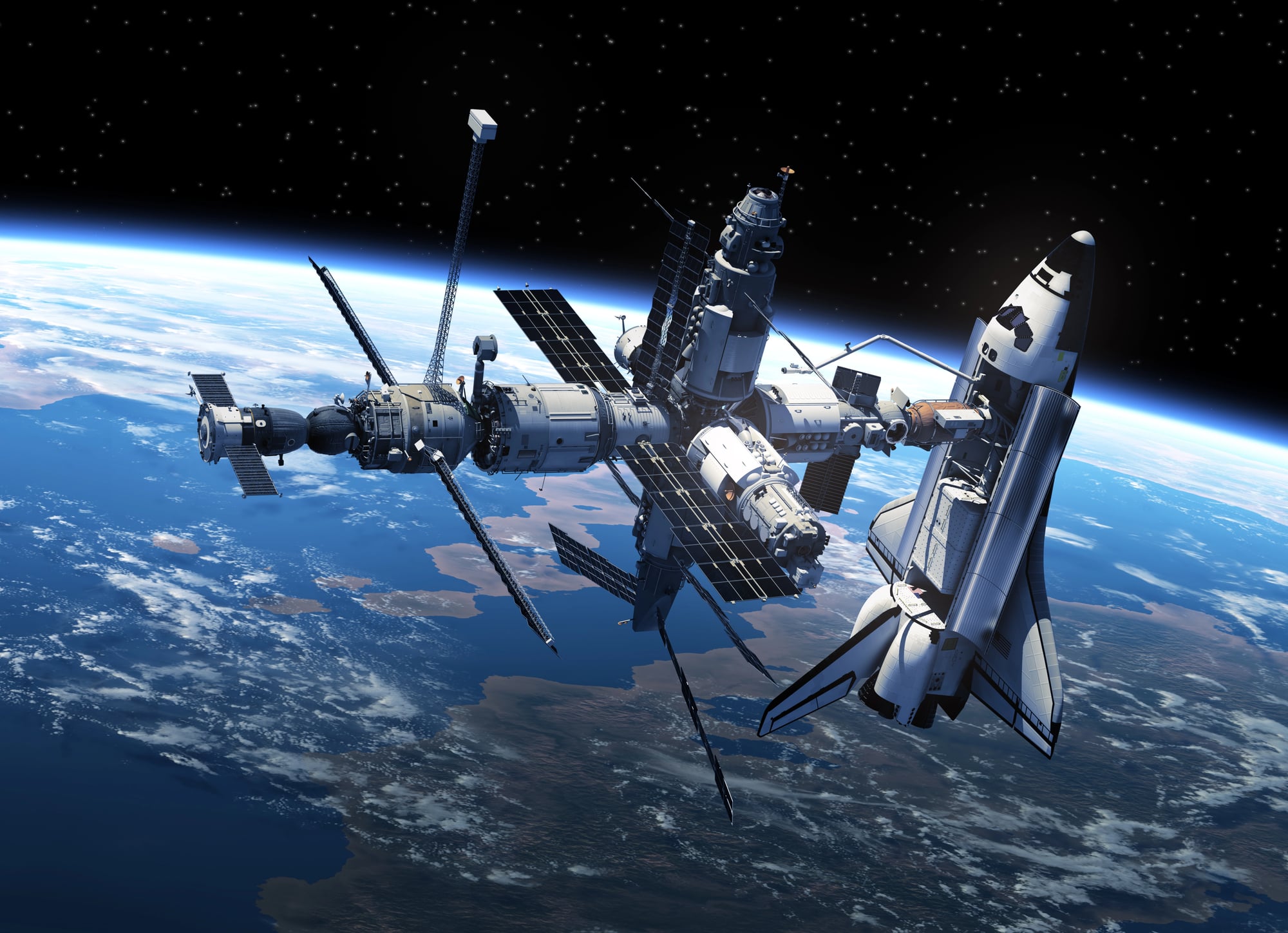
Originally conceived as a scientific laboratory and engineering test bed, the ISS wasn’t built with space tourism in mind. Yet in recent years, private citizens have paid millions of dollars for the opportunity to visit the station.
While not accessible to most travelers, it represents perhaps the most expensive tourist destination ever created, with wealthy space tourists joining professional astronauts for brief stays in Earth’s orbit.
Paths Forward

These transformations from functional structures to beloved attractions show how human interest can reshape a place’s purpose over time. What begins as practical often becomes cultural as people find meaning beyond original intentions.
The evolution of these sites reminds us that today’s ordinary places might become tomorrow’s must-see destinations, proving that sometimes the most compelling attractions are those with authentic histories beyond tourism. Our fascination with these repurposed places speaks to our love of stories and contexts that extend beyond the glossy pages of travel brochures.
More from Go2Tutors!

- 18 Unexpectedly Valuable Collectibles You Might Have Lying Around
- 20 Little-Known Historical Battles That Had Huge Consequences
- 20 Historical Artifacts That Scientists Can’t Explain
- 15 Inventions That Were Immediately Banned After Being Created
- 20 Actors Who Were Almost Cast in Iconic Roles
Like Go2Tutors’s content? Follow us on MSN.