15 Famous Inventions Made for War First
War has always been a powerful driver of innovation. When nations face life-or-death situations, the pressure to develop new technologies becomes intense, leading to breakthroughs that might take decades to achieve in peacetime. While we often think of military inventions as weapons and armor, some of the most transformative technologies that shape our daily lives actually started as tools of war.
From the device you’re probably reading this on to the GPS that guides you home, countless everyday items began their lives serving soldiers, sailors, and pilots. These innovations prove that necessity truly is the mother of invention—and sometimes that necessity comes from the battlefield.
Here is a list of 15 famous inventions that were made for war first before becoming civilian essentials.
The Internet

The Internet started its life in 1969 as ARPANET, created by scientists working for the US Department of Defense during the Cold War. Its initial purpose was to link universities, government agencies, and defense contractors throughout the United States, enabling exchanges of information and shared computing power between massive computers that had strict operational limitations.
One key feature was its wide horizontal dispersal into a ‘distributed network’ without a central command hub that could become a target for adversaries. This military communication system eventually became the foundation for the global network we use every day to shop, work, and connect with people around the world.
GPS Navigation
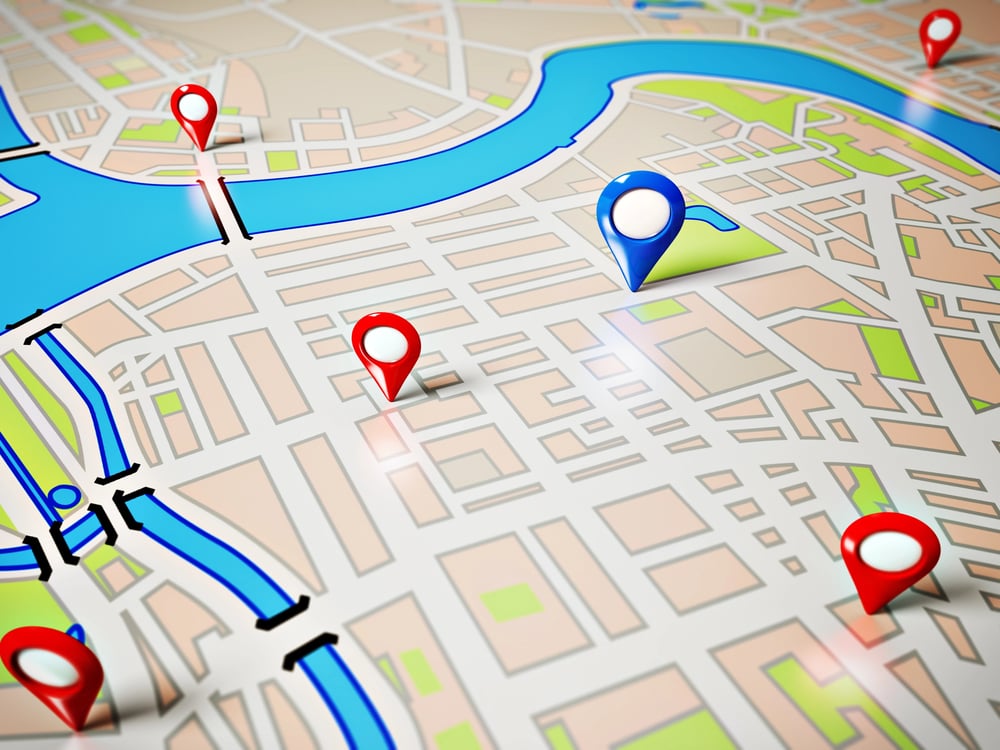
When you rely on your smartphone’s GPS to avoid getting lost, you’re using the same Global Positioning System satellites originally set up by the US Department of Defense in the early 1990s. The military needed precise location data for missile guidance and troop coordination during operations.
At President Bill Clinton’s direction, GPS became available to civilian users in 1996, though the military maintained more accurate signals for themselves until 2000. Now maintained by the US Space Force, this military system guides everything from pizza deliveries to international shipping, proving that warfare technology can become surprisingly peaceful.
Like Go2Tutors’s content? Follow us on MSN.
Walkie-Talkies
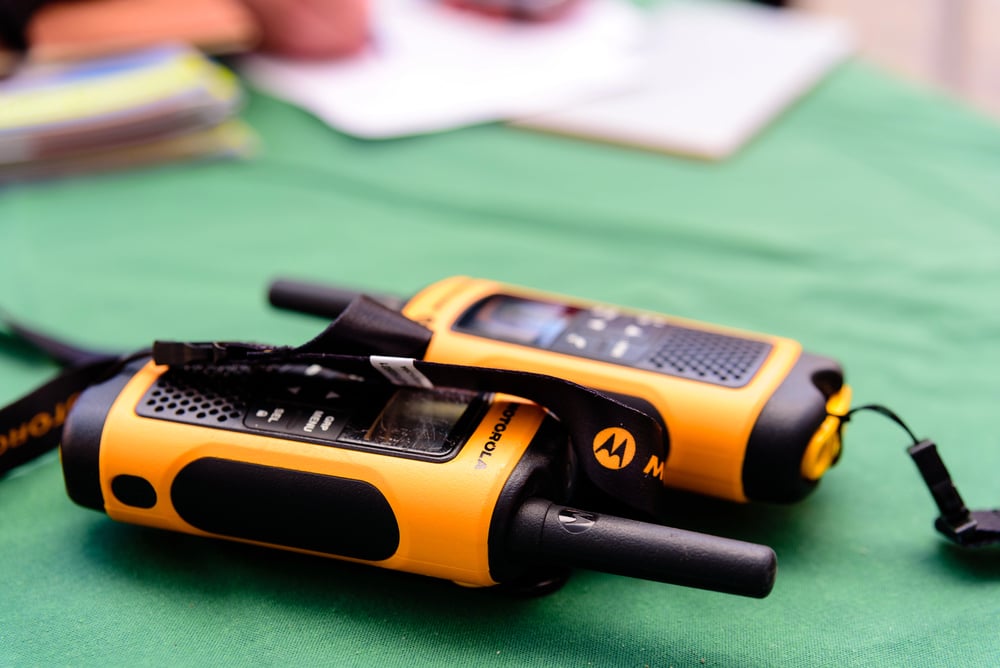
The first device widely nicknamed a ‘walkie-talkie’ was developed by the US military during World War II—the backpacked Motorola SCR-300 created by an engineering team at Galvin Manufacturing Company in 1940. The Canadian inventor Donald Hings had created an earlier ‘packset’ in 1937, but it was the American military development that made these devices essential battlefield tools.
Soldiers desperately needed portable communication equipment to coordinate maneuvers and relay vital information without the vulnerability of telephone lines that enemies could cut. These military radios became the foundation for everything from police communication to children’s toys.
Duct Tape
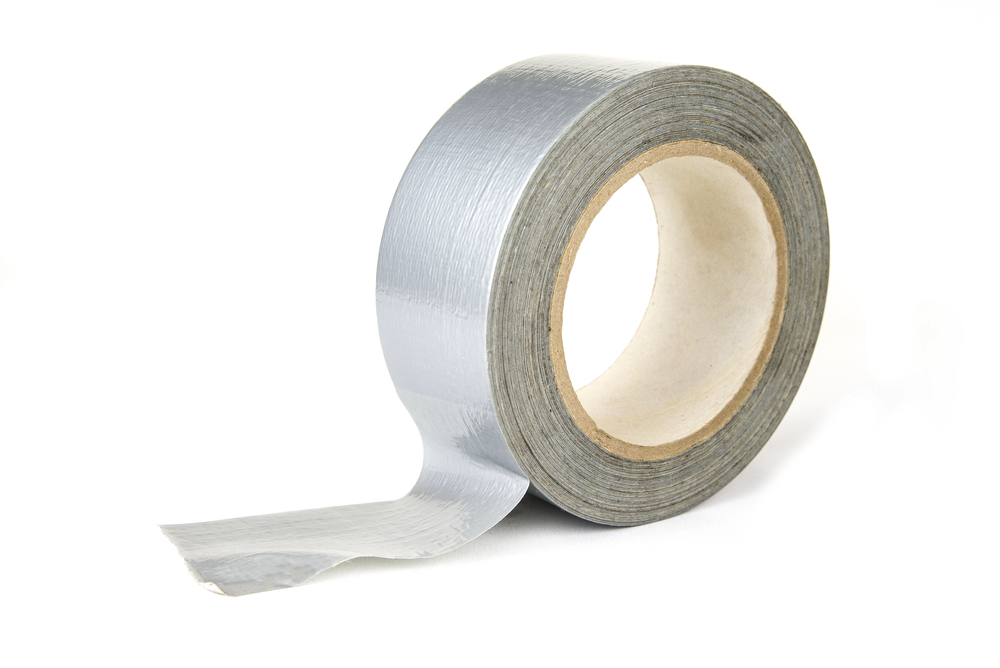
Originally called ‘duck tape’ for its waterproof qualities, this incredibly versatile adhesive was invented for the military in 1942 as a way to seal ammunition cases so water couldn’t get in during combat. Soldiers during World War II quickly realized it worked brilliantly for fixing gear, vehicles, and equipment in the field.
After the war, it was introduced to the civilian market in the distinctive silvery gray color we know today and renamed ‘duct tape’ when it became popular for sealing heating ducts during the post-war construction boom. The tape has since been used for everything from emergency car repairs to fashion accessories, and NASA even used it to help fix equipment during moon missions.
Microwave Ovens
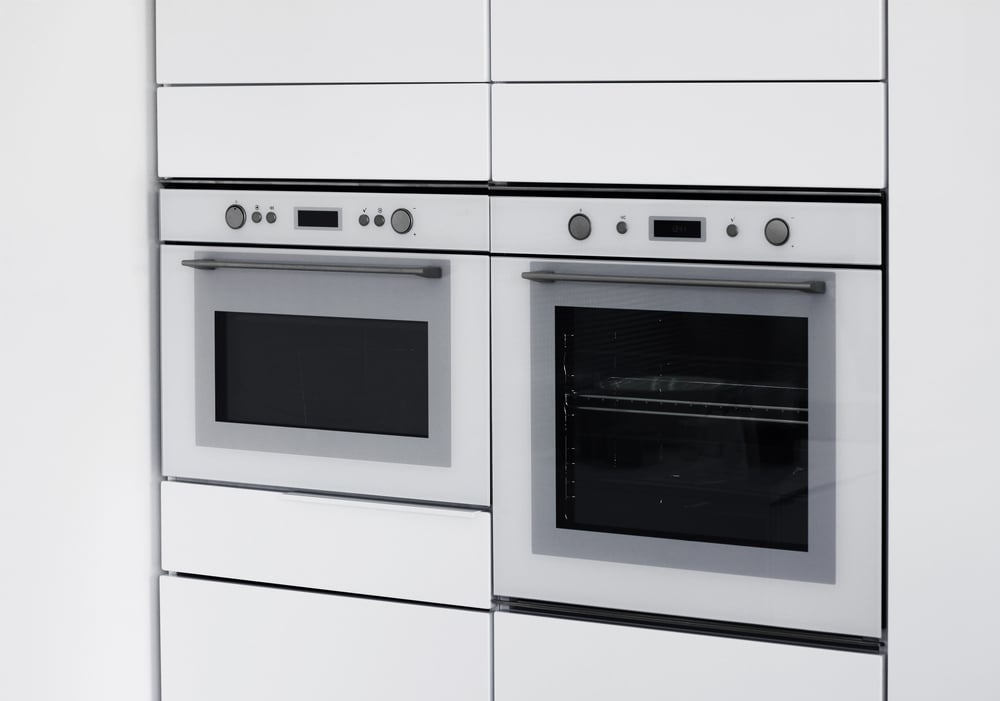
In 1945, an American scientist accidentally discovered that US Army radar transmitters were releasing enough heat in the form of ‘microwaves’ to actually cook food when a candy bar in his pocket melted near the equipment. This accidental discovery led Raytheon Company to file the first patent for a microwave oven later that year, calling it the ‘Radarange.’
The original military microwaves were nearly the size of refrigerators and cost around $50,000 in today’s money, making them impractical for most people. It wasn’t until 1967 that the technology became small and affordable enough for household kitchens, transforming how families prepare meals.
Like Go2Tutors’s content? Follow us on MSN.
Computers

The Electronic Numerical Integrator and Computer (ENIAC), one of the first general-purpose computers, was originally designed for military purposes during World War II to perform ballistic calculations for artillery tables. Capable of performing thousands of calculations per second, ENIAC was intended to help the army calculate missile trajectories and other complex mathematical problems that would take human mathematicians weeks to solve.
Although it wasn’t completed until 1945, taking up 1,500 square feet with 40 cabinets standing nine feet tall, ENIAC laid the groundwork for the computer revolution. The US government released it to the public in 1946, marking a significant moment in computing history that eventually led to personal computers and smartphones.
Aviator Sunglasses
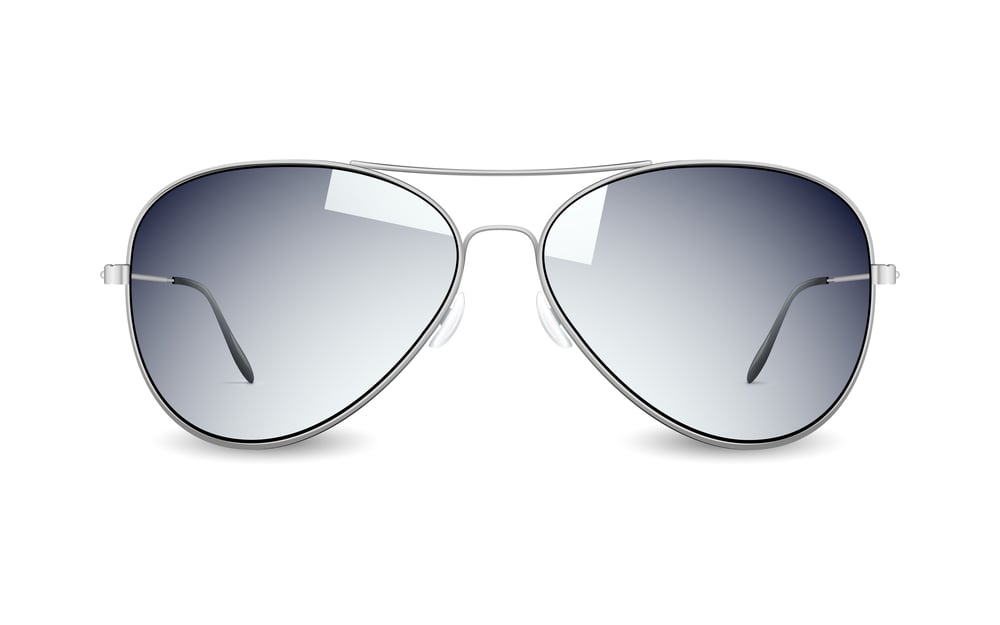
Those iconic sunglasses weren’t originally a fashion statement—they were essential protection for military test pilots subjected to the dangerously bright sunlight of the upper atmosphere in the 1930s. Optics manufacturer Bausch & Lomb developed aviator goggles under the direction of the US Army Air Corps to protect pilots’ eyes during high-altitude flights.
The company rebranded them as Ray-Ban in 1937, literally meaning they ‘ban the rays,’ and began selling them to civilians. By World War II, aviators had become standard accessories for US military pilots, and their association with heroic airmen made them hugely popular with Hollywood stars and eventually the general public.
Super Glue
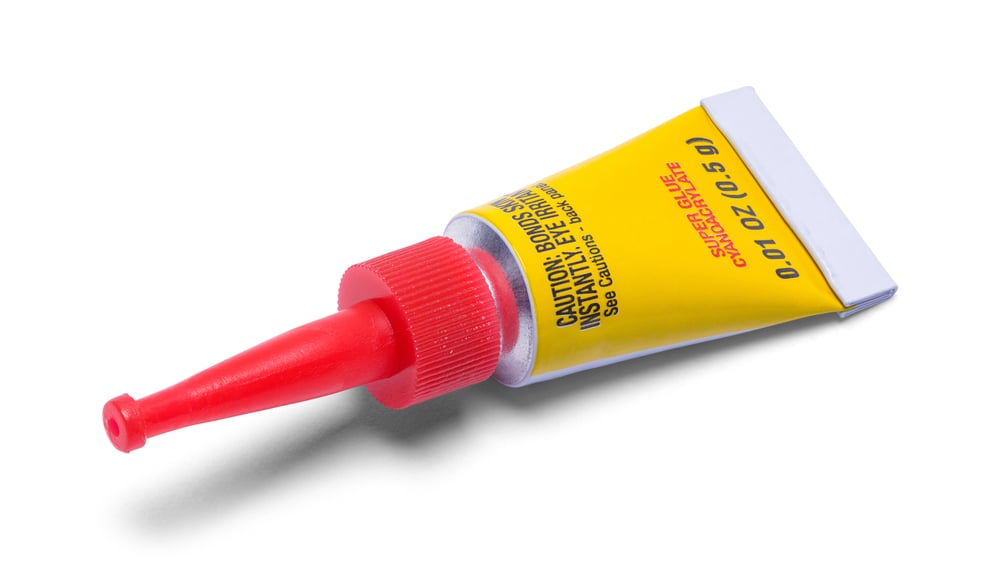
Harry Coover, a chemist at Eastman Kodak, was trying to create a clear plastic material for military gun sights during World War II when he accidentally invented cyanoacrylate—what we now call super glue. His invention was initially deemed too sticky for its intended military purpose, so it was shelved until years later when its incredible bonding properties found civilian applications.
The military connection continued when super glue was used during the Vietnam War as an emergency medical treatment to seal wounds until soldiers could receive proper medical care. Today, this accidental military invention fixes everything from broken ceramics to fingernail repairs.
Like Go2Tutors’s content? Follow us on MSN.
Freeze-Dried Food
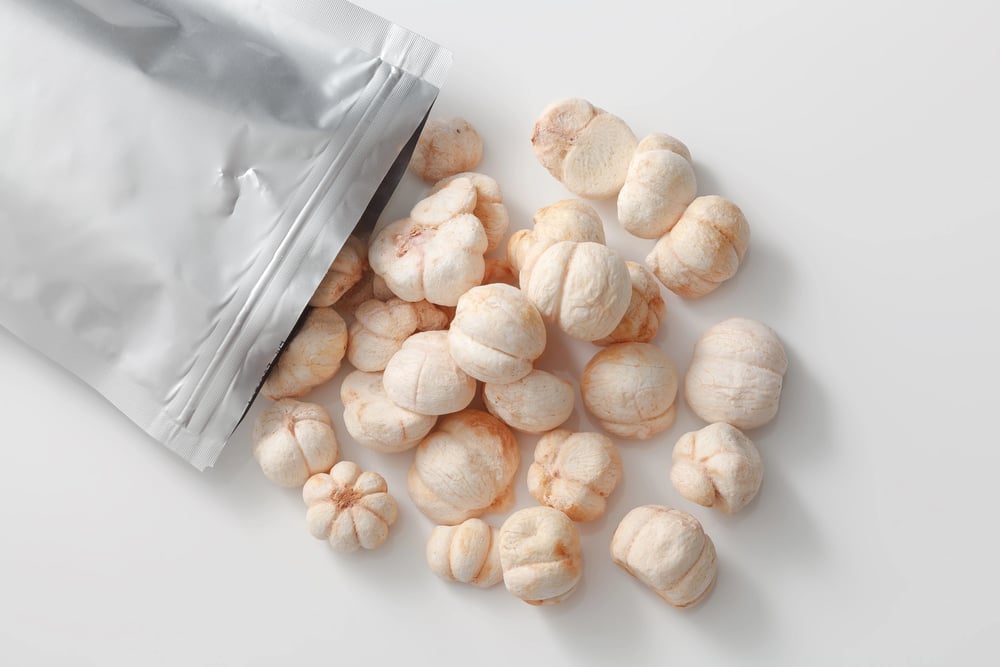
The technology behind freeze-dried ice cream and camping meals was developed during World War II as a way to preserve medical supplies that otherwise required refrigeration on the battlefield. Military researchers needed lightweight, long-lasting food that could survive harsh conditions while maintaining nutritional value for troops in remote locations.
This preservation method allowed medicines and eventually food to be stored without spoiling, even in extreme temperatures. After the war, this military innovation found its way into everything from instant coffee to astronaut meals, and today you can find freeze-dried fruits and camping foods in any outdoor store.
Zipper
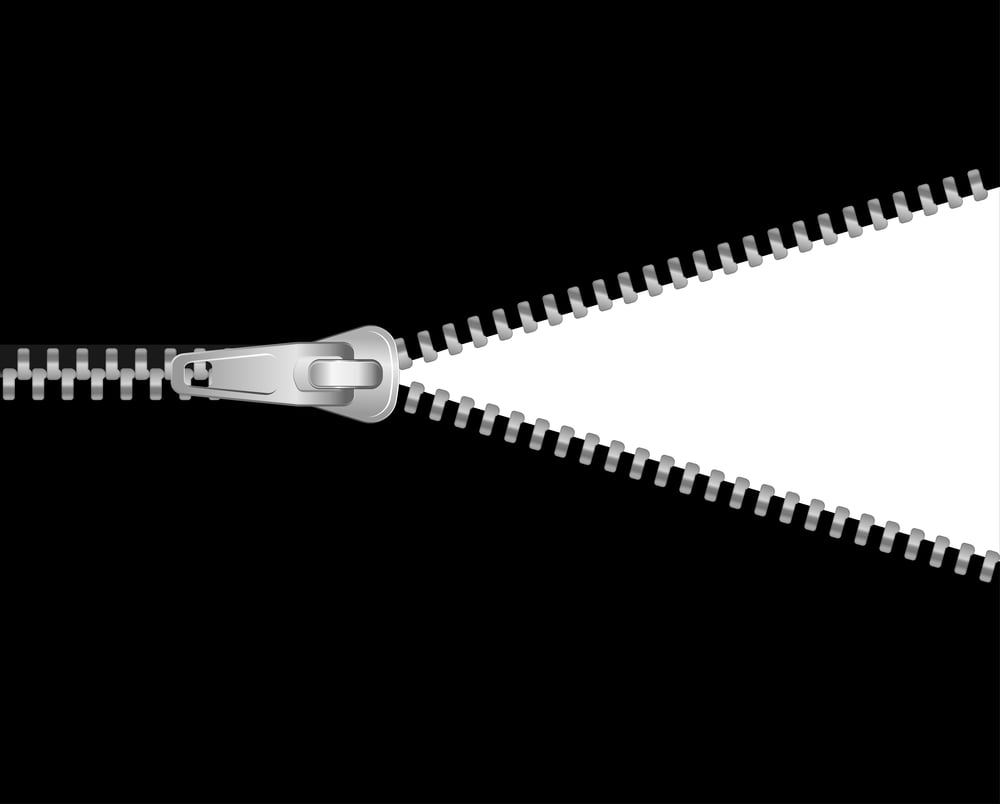
While Swedish engineer Gideon Sundback perfected the modern zipper design in the early 1900s, it was the US Army’s adoption during World War I that made zippers mainstream. The military began using zippers on money belts for soldiers because uniforms didn’t have pockets, and the reliable fastening system proved invaluable for quickly securing equipment and gear.
Before military adoption, zippers were mainly used on boots and nicotine pouches, but their widespread military use during the war demonstrated their versatility. After the conflict, the zipper made its way into civilian fashion, becoming a staple that revolutionized clothing design and manufacturing.
Canned Food

The concept of preserving food in sealed containers was developed to solve the massive logistical challenge of feeding armies in the field. Napoleon Bonaparte famously offered a prize for anyone who could develop a better way to preserve food for his troops, leading to the invention of canning in glass jars in 1810.
The technology evolved to metal cans during the American Civil War, when soldiers survived primarily on canned foods while fighting. This military necessity created an entire food preservation industry that eventually made canned goods staples in supermarkets worldwide, allowing people to store food safely for months without refrigeration.
Like Go2Tutors’s content? Follow us on MSN.
Digital Cameras
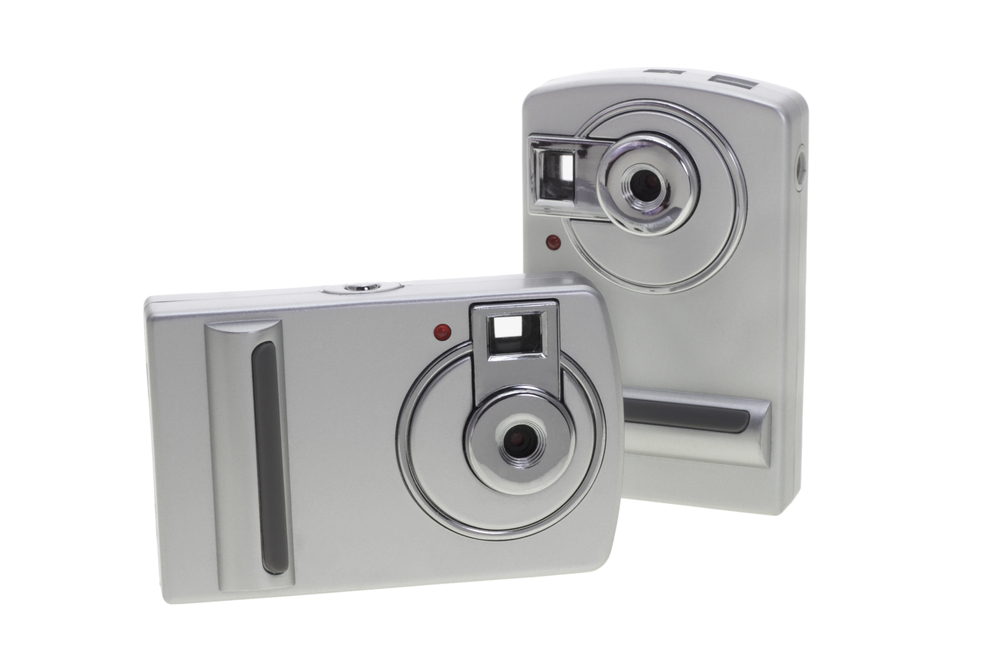
Digital photography technology originally started in early spy satellites where cameras captured high-resolution aerial images of enemy installations during the Cold War. The military needed better ways to gather intelligence without risking pilots’ lives, so they developed satellites equipped with digital cameras that could transmit images back to Earth electronically.
This technology progressed significantly during the 1970s when the first self-contained digital camera was created for military use. It would take years for this spy technology to evolve into the digital cameras we use today, but those early military satellites laid the foundation for the digital photography revolution that eventually made film cameras obsolete.
Night Vision Technology
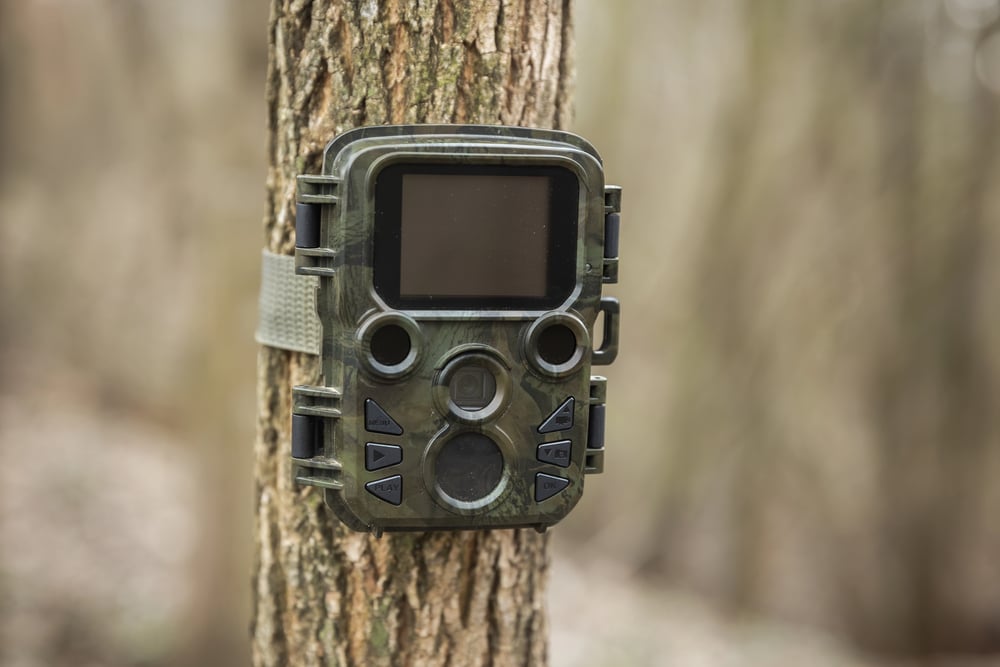
German scientists first developed infrared night vision technology during World War II, creating the ‘Vampir’ system that could detect enemy movement in complete darkness. Early night vision devices were mounted on assault rifles, giving German soldiers a significant advantage during nighttime operations.
After the war, this technology was refined by various militaries to help troops navigate and fight effectively in low-light conditions. Today, night vision technology has found its way into civilian applications including security cameras, wildlife observation equipment, and even some modern cars that use infrared systems to improve driver safety during nighttime driving.
Blood Transfusion Techniques
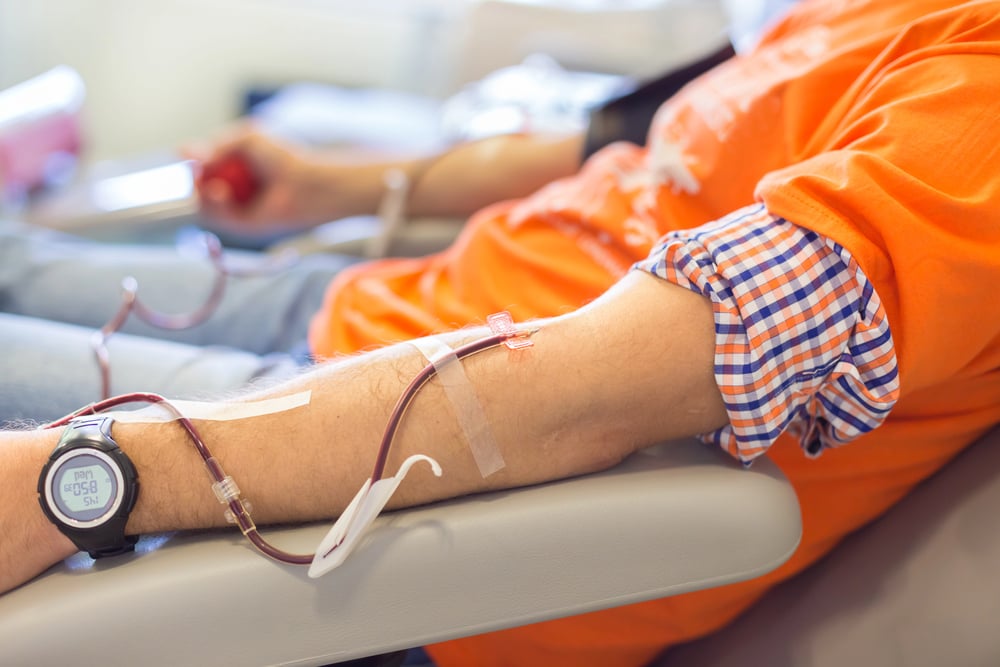
Modern blood transfusion and blood banking methods were developed during World War I and refined during World War II to save wounded soldiers’ lives on the battlefield. Military medics needed ways to quickly replace blood loss in injured troops, leading to breakthroughs in blood storage, typing, and transfusion procedures.
The military established the first systematic blood donation programs and developed portable blood storage systems that could be used in field hospitals close to combat zones. These life-saving military medical advances soon moved into civilian hospitals, where blood transfusions and donations continue to save countless lives every day.
Like Go2Tutors’s content? Follow us on MSN.
Feminine Hygiene Products
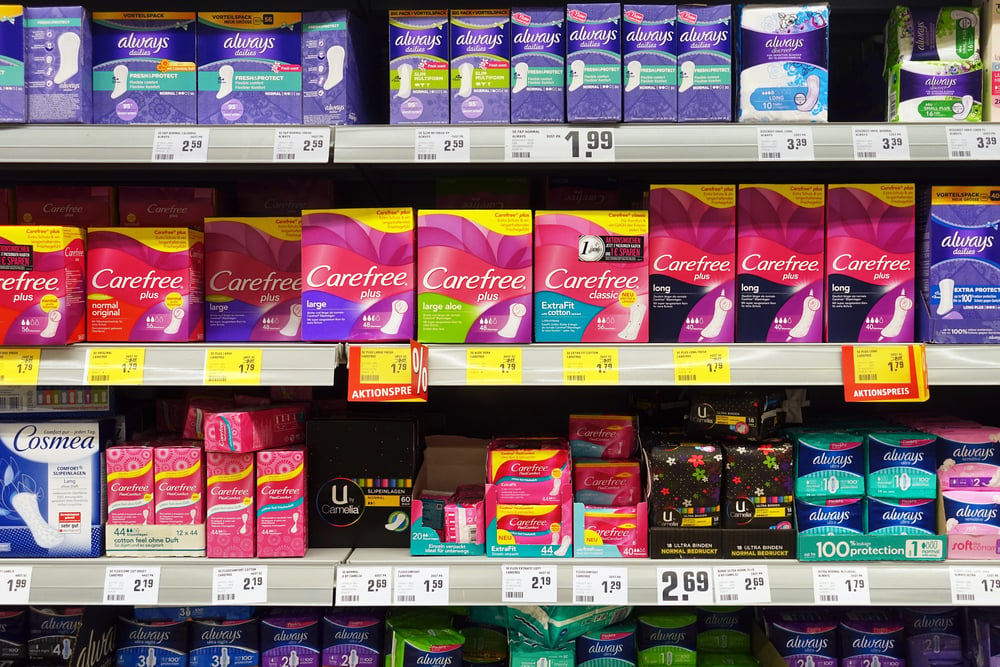
What eventually became modern feminine hygiene products under the Kotex brand originally started as medical gauze developed for treating wounded soldiers during World War I. Military medics discovered that cellucotton, a highly absorbent material created for battlefield bandages, had properties that made it superior to traditional cotton for absorbing blood and other fluids.
After the war, Kimberly-Clark repurposed this military medical technology to create sanitary napkins, though many stores initially refused to carry them due to social sensitivities. This military medical innovation eventually became an essential product that improved health and quality of life for women worldwide.
From Battlefield to Daily Life

These remarkable transformations remind us that innovation often emerges from humanity’s darkest moments, yet finds its greatest purpose in improving everyday life. The same technologies designed to give armies advantages in combat have ended up connecting families across oceans, feeding people around the world, and making daily tasks more convenient and safe.
While war drives rapid technological development out of necessity, it’s the peaceful applications of these inventions that create their lasting legacy. Today’s military research continues this tradition, developing everything from advanced materials to artificial intelligence that will likely become tomorrow’s household essentials. The next time you use GPS, heat food in a microwave, or video chat with friends over the Internet, remember that these conveniences all began as tools designed for a very different purpose.
More from Go2Tutors!

- 16 Historical Figures Who Were Nothing Like You Think
- 12 Things Sold in the 80s That Are Now Illegal
- 15 VHS Tapes That Could Be Worth Thousands
- 17 Historical “What Ifs” That Would Have Changed Everything
- 18 TV Shows That Vanished Without a Finale
Like Go2Tutors’s content? Follow us on MSN.