15 Tragic Endings of Ancient Kings
Power has always come with a price, and throughout history, wearing a crown often meant living with a target on your back. Ancient kings faced constant threats from ambitious nobles, foreign invaders, family members, and sometimes even their own trusted advisors. While some rulers died peacefully in their beds, many others met violent and shocking ends that would make modern headlines. From assassination plots to battlefield defeats, these royal deaths often changed the course of history and brought down entire empires.
The stories of these fallen monarchs reveal the brutal realities of ancient politics and the dangerous game of ruling over vast territories and diverse populations. Here is a list of 15 tragic endings of ancient kings that showcase the perils of absolute power.
Julius Caesar

Julius Caesar met his end on March 15, 44 BCE, when a group of Roman senators stabbed him 23 times on the floor of the Theatre of Pompey. The conspiracy involved over 60 senators who claimed they were saving the Roman Republic from a would-be dictator.
Caesar’s assassination backfired spectacularly, plunging Rome into civil wars that ultimately destroyed the very republic the conspirators claimed to protect.
Alexander the Great
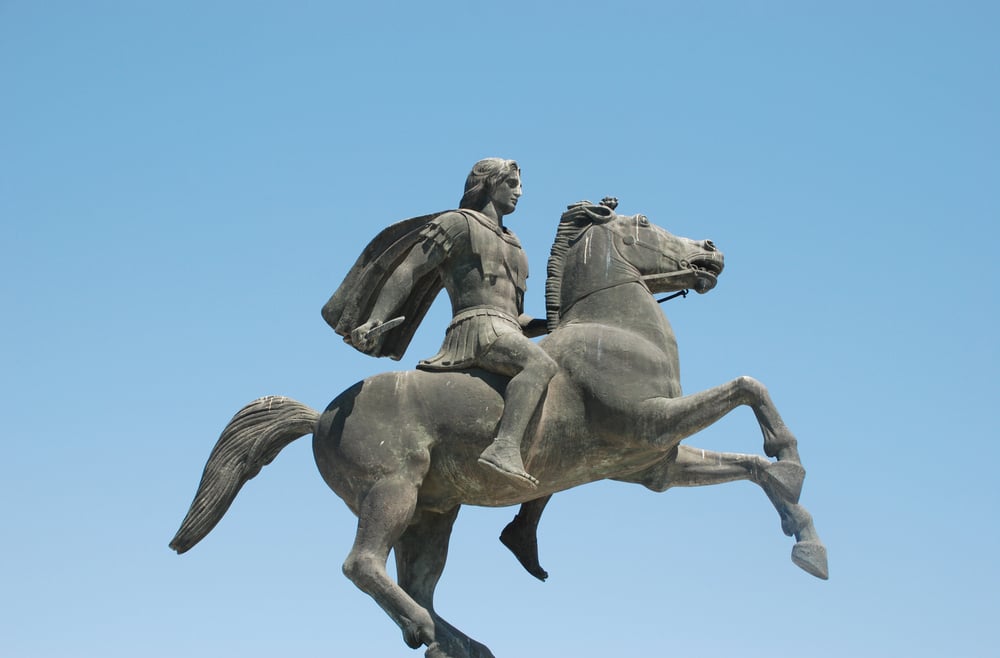
Alexander the Great died in Babylon at just 32 years old, though the exact cause remains a mystery that has puzzled historians for centuries. Some believe he was poisoned by political enemies, while others think he succumbed to malaria, typhoid, or excessive drinking.
His death in 323 BCE triggered immediate chaos as his generals carved up his massive empire, leading to decades of warfare among his successors.
Like Go2Tutors’s content? Follow us on MSN.
Xerxes I of Persia
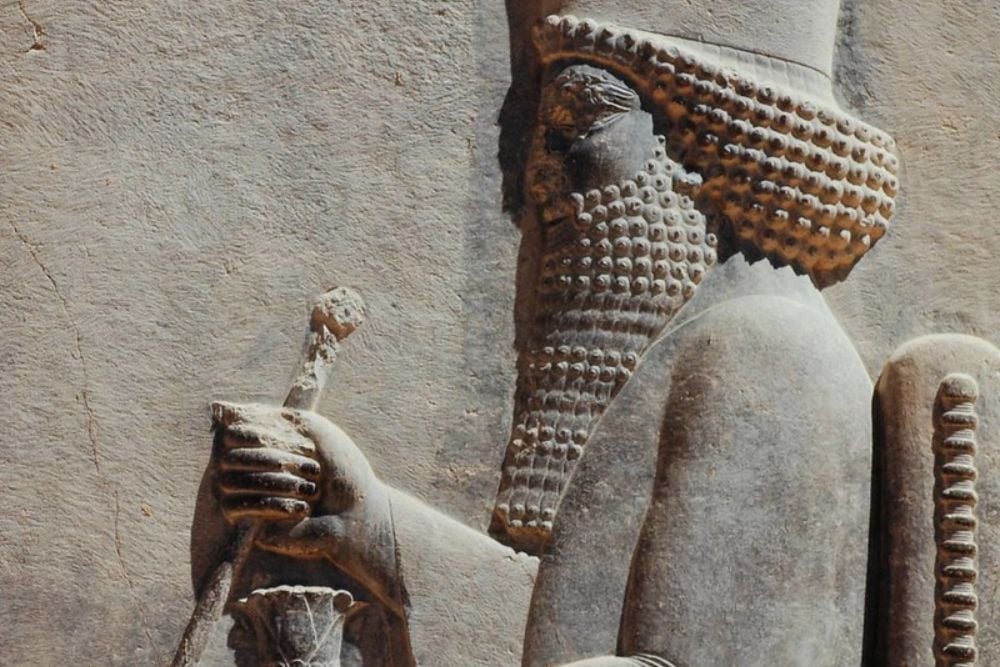
Xerxes I was assassinated in 465 BCE by his own courtiers in a palace conspiracy that shocked the Persian Empire. The plot involved his chief minister Artabanus and a eunuch named Aspamitres, who murdered the king in his bedchamber before attempting to seize power.
This assassination marked the beginning of the Persian Empire’s decline, as subsequent rulers proved far less capable than their predecessors.
Darius III of Persia
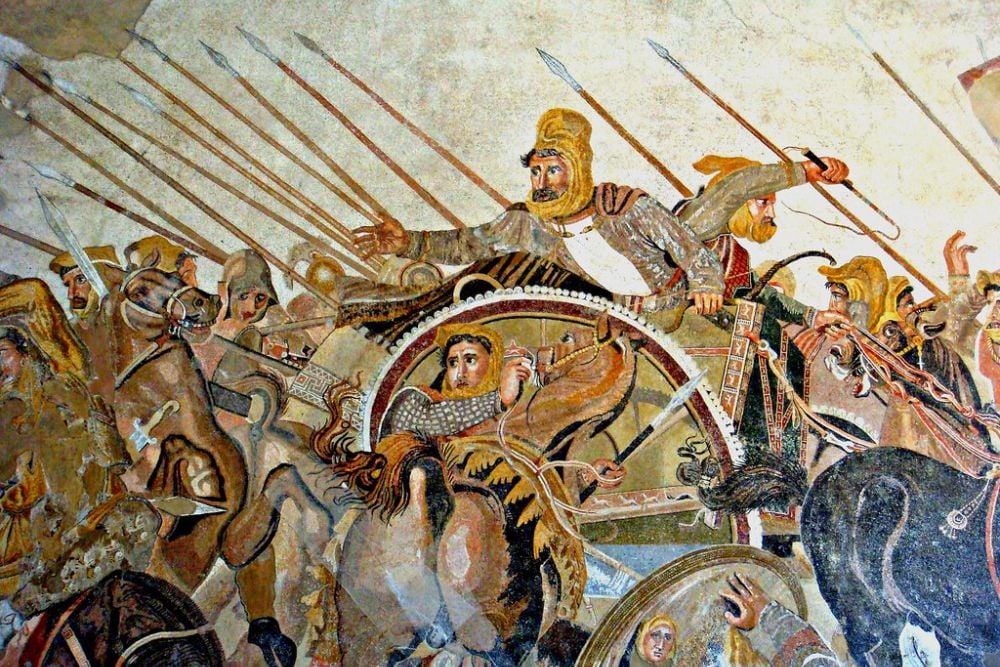
Darius III, the last king of the Persian Empire, was murdered by his own general Bessus in 330 BCE while fleeing from Alexander the Great. Bessus hoped that killing Darius would earn him favor with the conquering Macedonians, but Alexander was reportedly furious about the dishonorable death.
The murder effectively ended the Achaemenid dynasty that had ruled Persia for over two centuries.
Cyrus the Great

Cyrus the Great, founder of the Persian Empire, died in battle in 530 BCE while fighting against the Massagetae tribe in Central Asia. According to legend, Queen Tomyris of the Massagetae had his head severed and placed in a wine skin filled with blood, declaring ‘drink your fill of blood.’
His death ended his remarkable conquests and left the empire to his less capable son Cambyses II.
Like Go2Tutors’s content? Follow us on MSN.
Caligula

Roman Emperor Caligula was assassinated in 41 CE by his own Praetorian Guards, who had grown disgusted with his increasingly erratic and cruel behavior. The plot involved multiple conspirators who cornered him in a palace corridor and stabbed him over 30 times.
His reign of terror lasted less than four years, but his excesses became legendary examples of absolute power corrupting absolutely.
Commodus

Emperor Commodus met his end in 192 CE when he was strangled in his bath by a wrestler named Narcissus, ending one of Rome’s most bizarre reigns. His assassination was orchestrated by his mistress Marcia, his chamberlain, and the Praetorian prefect, who feared for their lives due to his unpredictable violence.
Commodus had spent much of his reign fighting as a gladiator in the Colosseum, neglecting affairs of state while indulging his fantasies.
Tutankhamun

The boy king Tutankhamun died around 1323 BCE at approximately 19 years old, with evidence suggesting he may have been murdered by palace conspirators. CT scans of his mummy revealed a fractured skull and other injuries that could indicate foul play rather than natural death.
His premature death ended the Amarna period and led to significant changes in Egyptian religious practices and royal succession.
Like Go2Tutors’s content? Follow us on MSN.
King John of England
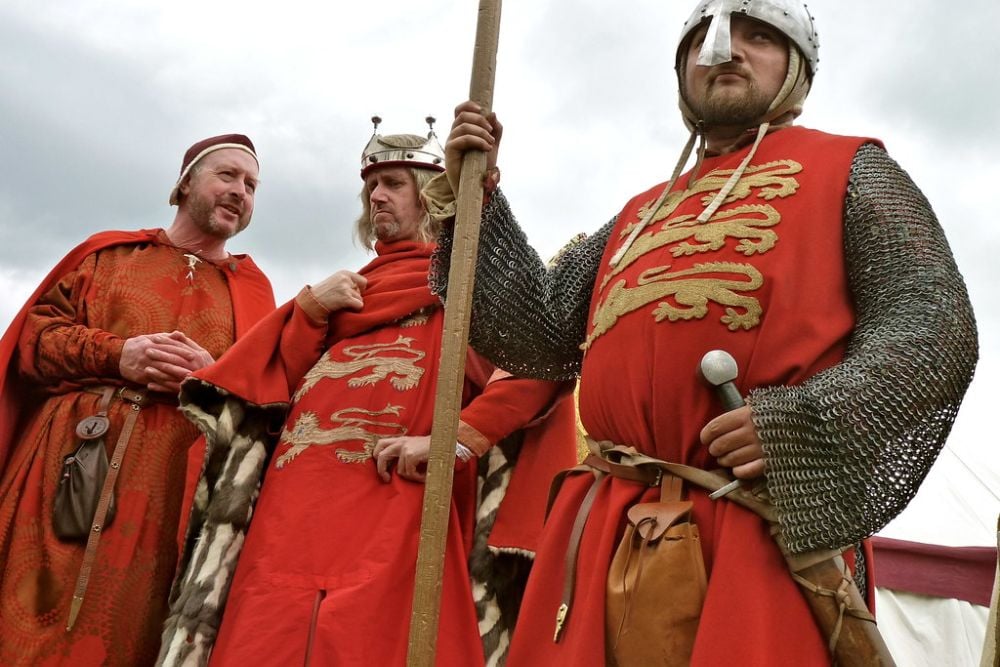
King John died in 1216 under mysterious circumstances, with many historians believing he was poisoned by a monk at Swinstead Abbey. His death came during the First Barons’ War, when rebellious nobles had forced him to sign the Magna Carta and were actively fighting his rule.
The timing of his death, just as he seemed to be gaining the upper hand against the barons, has fueled centuries of speculation about assassination.
Richard III of England

Richard III died at the Battle of Bosworth Field in 1485, reportedly fighting valiantly until the end despite being abandoned by many of his supporters. Archaeological evidence discovered in 2012 revealed that he suffered multiple wounds, including a fatal blow to the head that split his skull.
His death ended the Plantagenet dynasty and brought Henry Tudor to the throne as Henry VII.
Atahualpa of the Inca Empire

Atahualpa, the last independent Inca emperor, was executed by Spanish conquistadors in 1533 despite paying an enormous ransom of gold and silver for his freedom. Francisco Pizarro had captured him through treachery during a supposed peaceful meeting, then held him hostage for months.
His execution marked the effective end of the Inca Empire and opened Peru to Spanish colonization.
Like Go2Tutors’s content? Follow us on MSN.
Moctezuma II
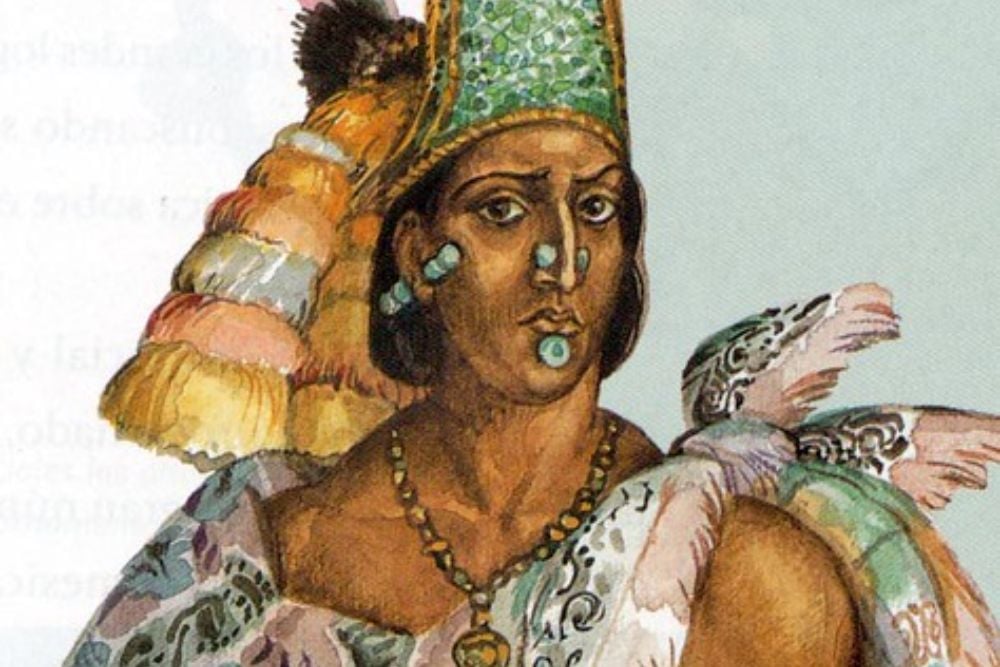
Moctezuma II, the Aztec emperor, died in 1520 under disputed circumstances during the Spanish conquest of Mexico. Spanish accounts claim he was killed by stones thrown by his own people during a riot, while indigenous sources suggest the Spanish murdered him directly.
His death occurred during the chaotic period when Hernán Cortés was attempting to maintain control over Tenochtitlan.
Valentinian III

Roman Emperor Valentinian III was assassinated in 455 CE by supporters of a general he had recently executed, ending the Theodosian dynasty. The murder took place during a military parade when two of the dead general’s followers approached the emperor and stabbed him to death.
His assassination contributed to the Western Roman Empire’s final collapse, as it removed one of the last competent rulers.
Galerius Maximianus

Emperor Galerius died in 311 CE from a horrific wasting disease that ancient sources described in gruesome detail, viewing it as divine punishment for persecuting Christians. His body reportedly became infested with worms while he was still alive, causing unbearable pain and a terrible stench.
Though not murdered by human hands, his agonizing death was seen by contemporaries as a tragic end fitting his cruel persecution policies.
Like Go2Tutors’s content? Follow us on MSN.
Baldwin IV of Jerusalem

Baldwin IV of Jerusalem, known as the Leper King, died in 1185 at age 24 from leprosy that gradually destroyed his body throughout his reign. Despite his devastating illness, he had successfully defended the Crusader kingdom against Saladin’s forces for over a decade.
His death led to succession disputes that weakened the kingdom and ultimately contributed to the loss of Jerusalem to Muslim forces.
When Crowns Become Curses

These tragic royal deaths remind us that absolute power has always been a double-edged sword, offering immense authority while attracting deadly enemies from every direction. The ancient world’s political landscape was far more brutal than today’s democratic systems, where leaders face elections rather than assassinations.
Many of these kings ruled during pivotal moments in history, and their violent deaths often accelerated the fall of empires and the rise of new powers. The patterns we see in these ancient tragedies continue to echo through modern politics, proving that the fundamental challenges of leadership and the dangers of unchecked power remain remarkably consistent across the centuries.
More from Go2Tutors!

- 16 Historical Figures Who Were Nothing Like You Think
- 12 Things Sold in the 80s That Are Now Illegal
- 15 VHS Tapes That Could Be Worth Thousands
- 17 Historical “What Ifs” That Would Have Changed Everything
- 18 TV Shows That Vanished Without a Finale
Like Go2Tutors’s content? Follow us on MSN.