17 Young Artists Who Shook the Art World
The art world has always been dominated by established names and seasoned creators who’ve spent decades perfecting their craft. Critics and collectors typically favor artists with long track records and extensive exhibition histories. Yet throughout history, some of the most revolutionary artistic movements have been sparked by individuals who were barely out of their teens or just entering their twenties.
These young visionaries didn’t wait for permission or approval from the established art community. Instead, they created bold new styles, challenged conventional thinking, and forever changed how we understand artistic expression.
Here is a list of 17 young artists who shook the art world.
Pablo Picasso’s Early Revolution
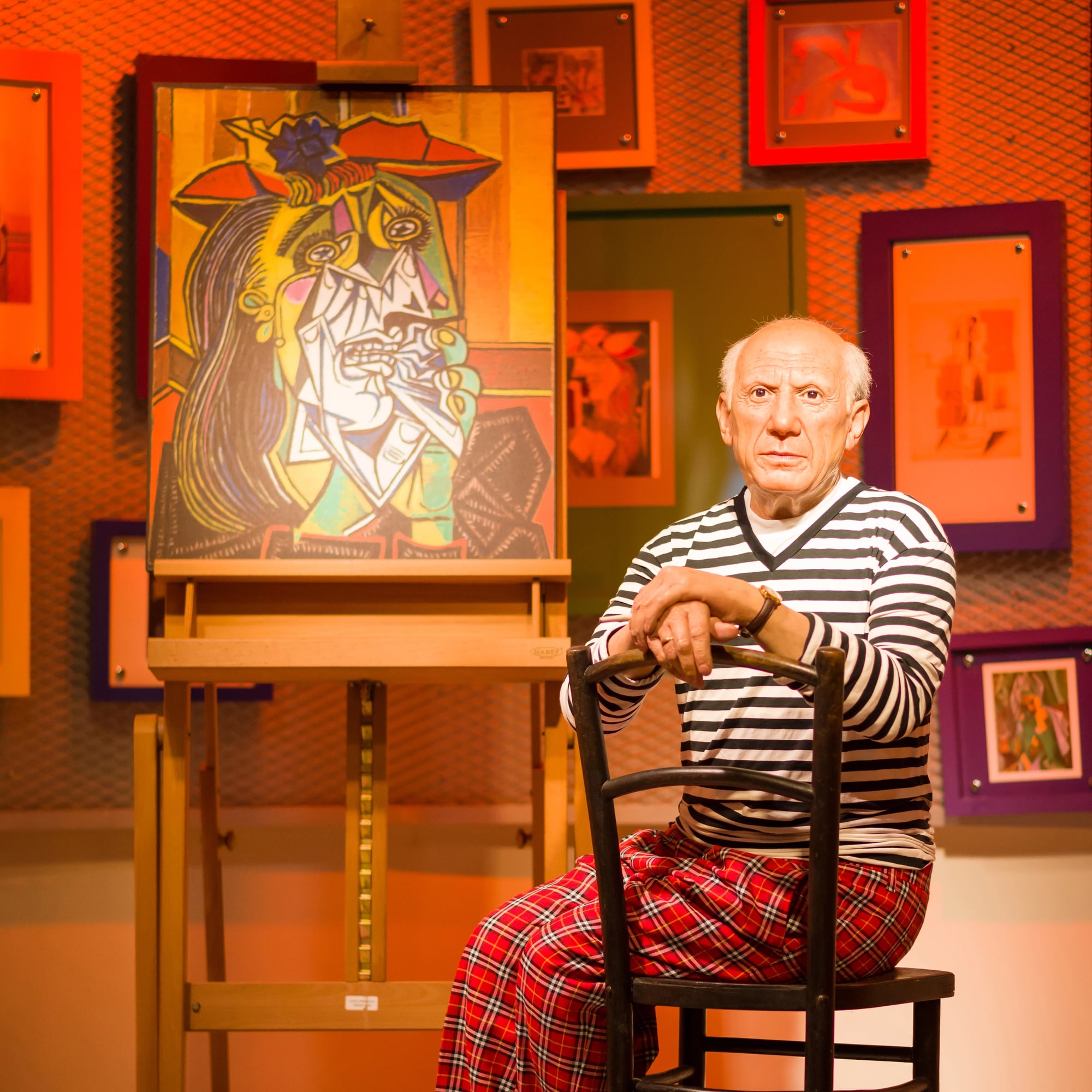
Pablo Picasso was just 19 when he began developing the artistic innovations that would reshape modern art forever. His Blue Period started when he was barely 20, and by age 26, he had co-founded Cubism with Georges Braque.
His willingness to abandon traditional representation at such a young age scandalized critics but ultimately revolutionized how artists approached form and perspective.
Jean-Michel Basquiat’s Street Art Breakthrough
Jean-Michel Basquiat burst onto the New York art scene in his early twenties, transitioning from graffiti artist to gallery sensation almost overnight. His raw, expressive paintings combined street art aesthetics with fine art techniques, creating a completely new visual language.
By age 25, he had already achieved international recognition and was showing alongside established artists who had been working for decades.
Jackson Pollock’s Drip Painting Innovation
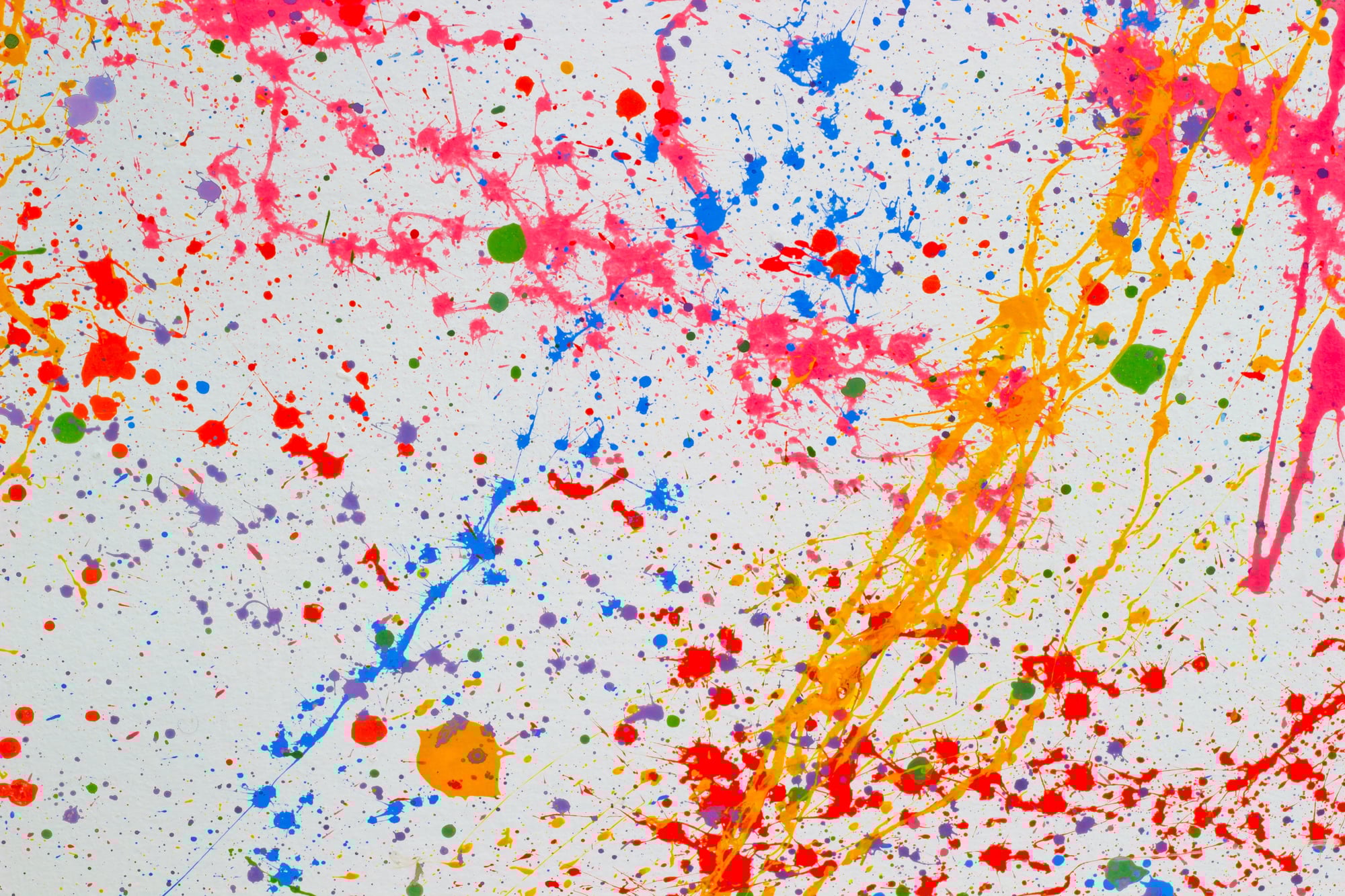
Though Jackson Pollock became famous later in life, he developed his revolutionary drip painting technique in his mid-twenties while studying under Thomas Hart Benton. His early experiments with pouring and splattering paint directly onto canvas challenged every conventional notion of how paintings should be created.
These youthful innovations would later make him one of the most influential American artists of the 20th century.
Andy Warhol’s Commercial Art Foundation
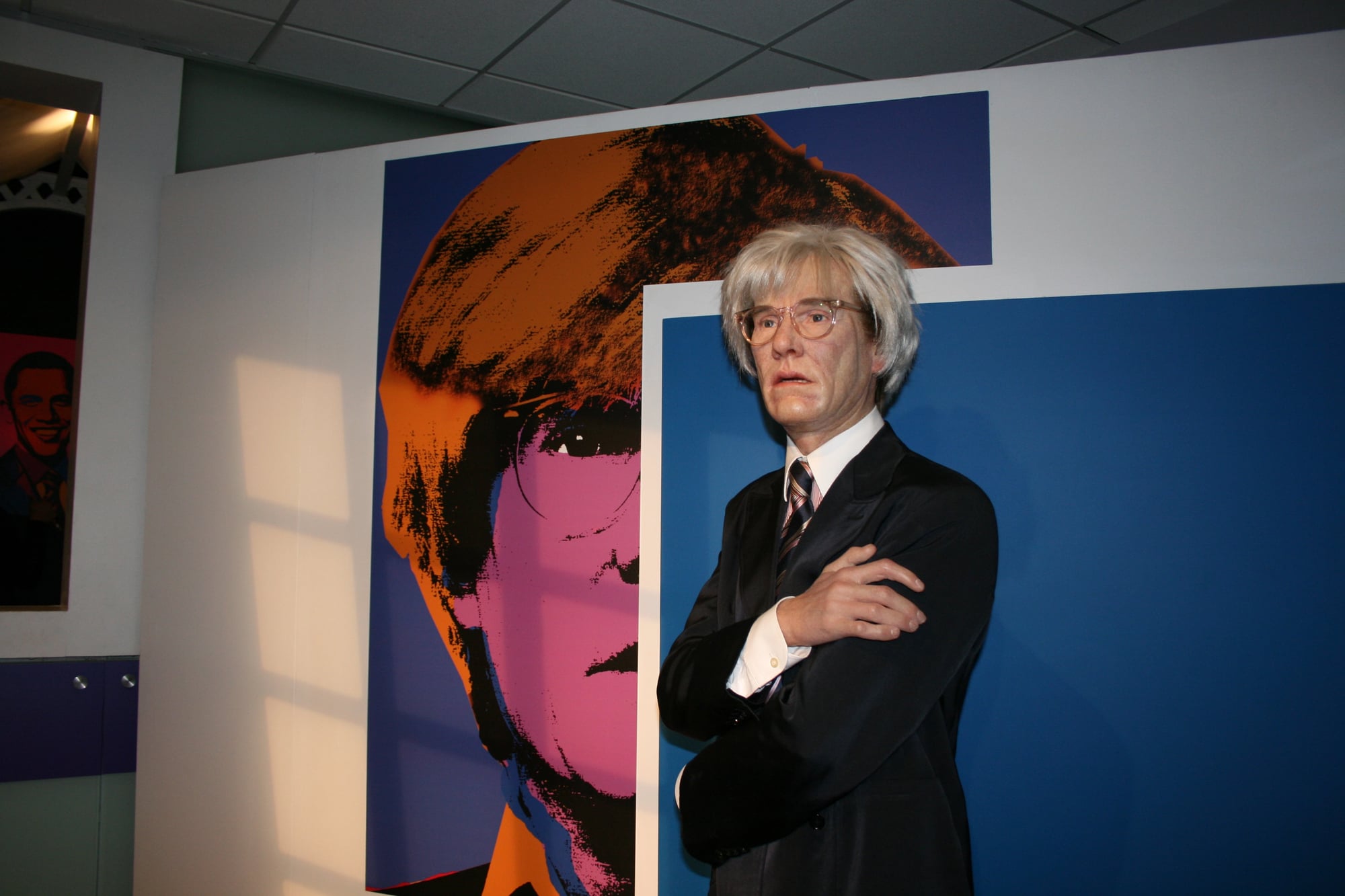
Andy Warhol began his career as a commercial illustrator in his early twenties, developing the silk-screen techniques that would later define Pop Art. His background in advertising and magazine illustration gave him a unique perspective on mass production and popular culture.
By his late twenties, he was already experimenting with the repetitive imagery and commercial aesthetics that would revolutionize contemporary art.
Keith Haring’s Subway Drawings
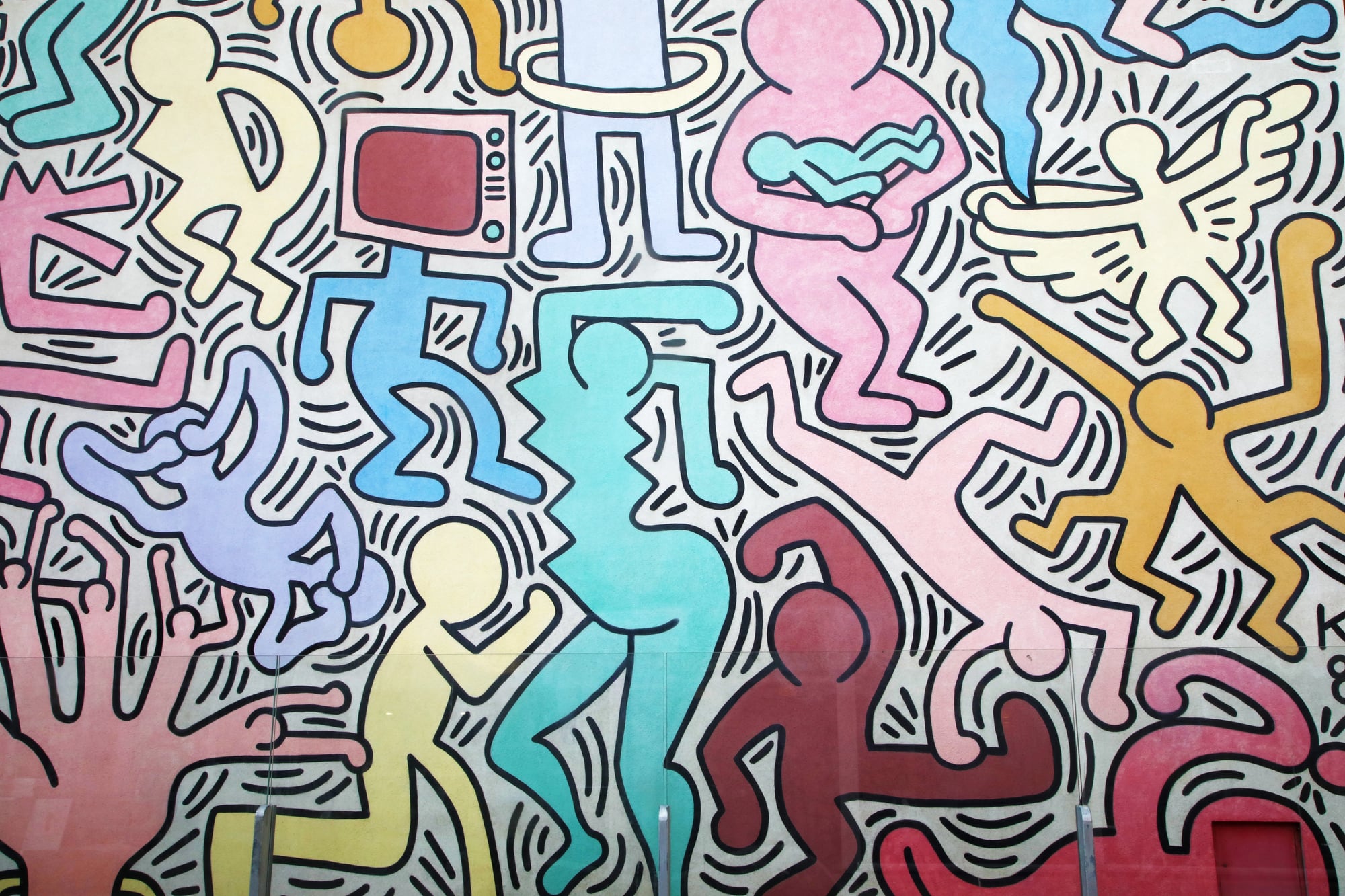
Keith Haring started creating his iconic chalk drawings in New York subway stations when he was just 22 years old. His simple, energetic figures and bold lines caught the attention of both commuters and art critics, bridging the gap between street art and gallery culture.
His youthful approach to public art helped establish a new category of accessible, socially conscious artistic expression.
Frida Kahlo’s Pain and Passion

Frida Kahlo began painting seriously at age 18 while recovering from a devastating accident that left her bedridden for months. Her early self-portraits and surreal imagery established a deeply personal artistic style that combined Mexican folk art with European surrealist techniques.
Her willingness to explore themes of pain, identity, and mortality at such a young age created some of the most emotionally powerful art of the 20th century.
Vincent van Gogh’s Late Start Innovation
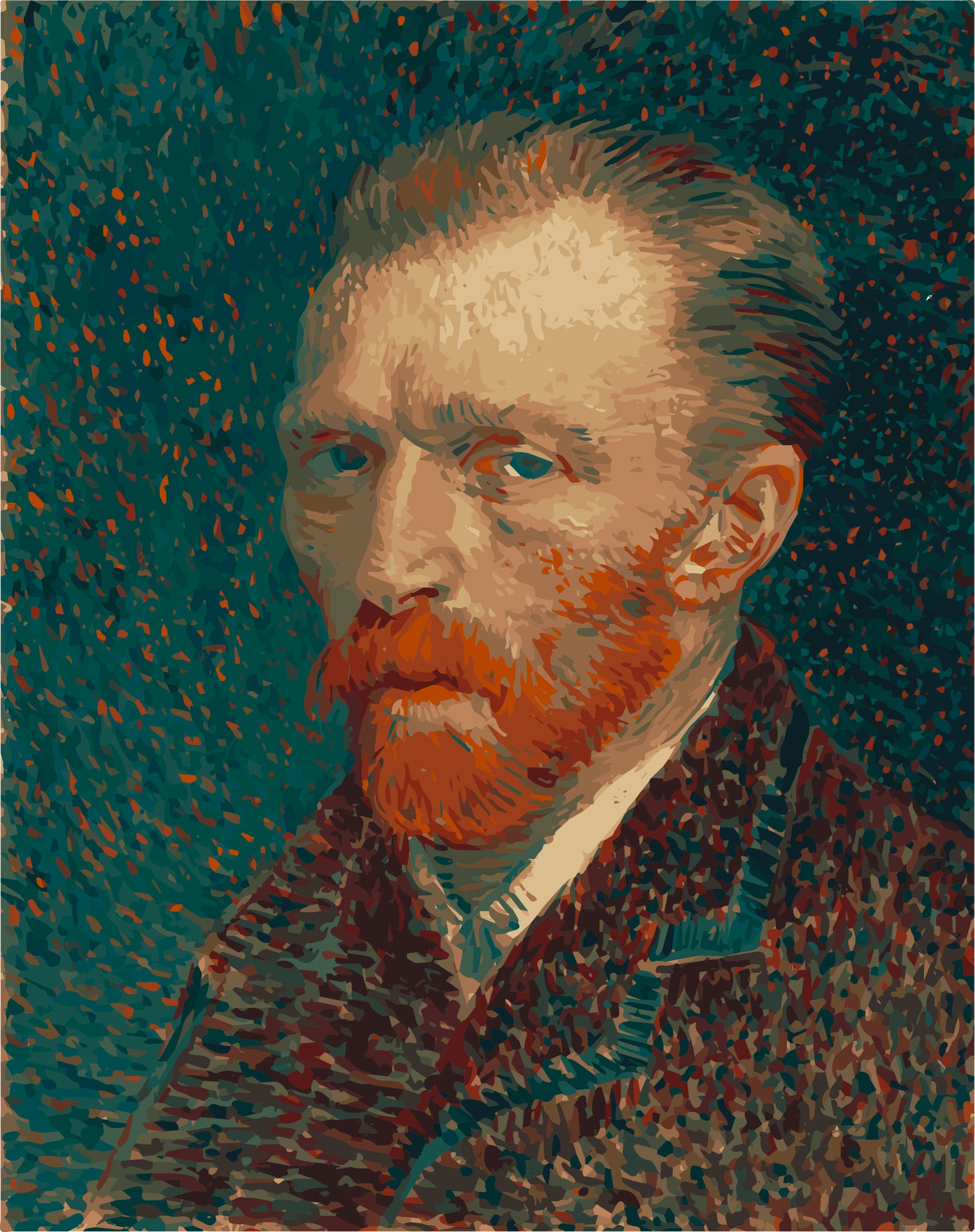
Though Vincent van Gogh didn’t start painting until his late twenties, his artistic development was remarkably rapid and revolutionary. Within just a few years, he had developed his distinctive thick brushstrokes and vibrant color palette that would influence generations of artists.
His youthful energy and experimental approach, despite starting relatively late, produced over 2,000 artworks in just over a decade.
Georgia O’Keeffe’s Flower Abstractions
Georgia O’Keeffe was in her late twenties when she began creating the large-scale flower paintings that would define her career and challenge artistic conventions. Her bold, close-up views of natural forms created entirely new ways of seeing familiar subjects.
Her youthful willingness to magnify and abstract organic shapes helped establish a uniquely American modernist style.
Salvador Dalí’s Surrealist Mastery
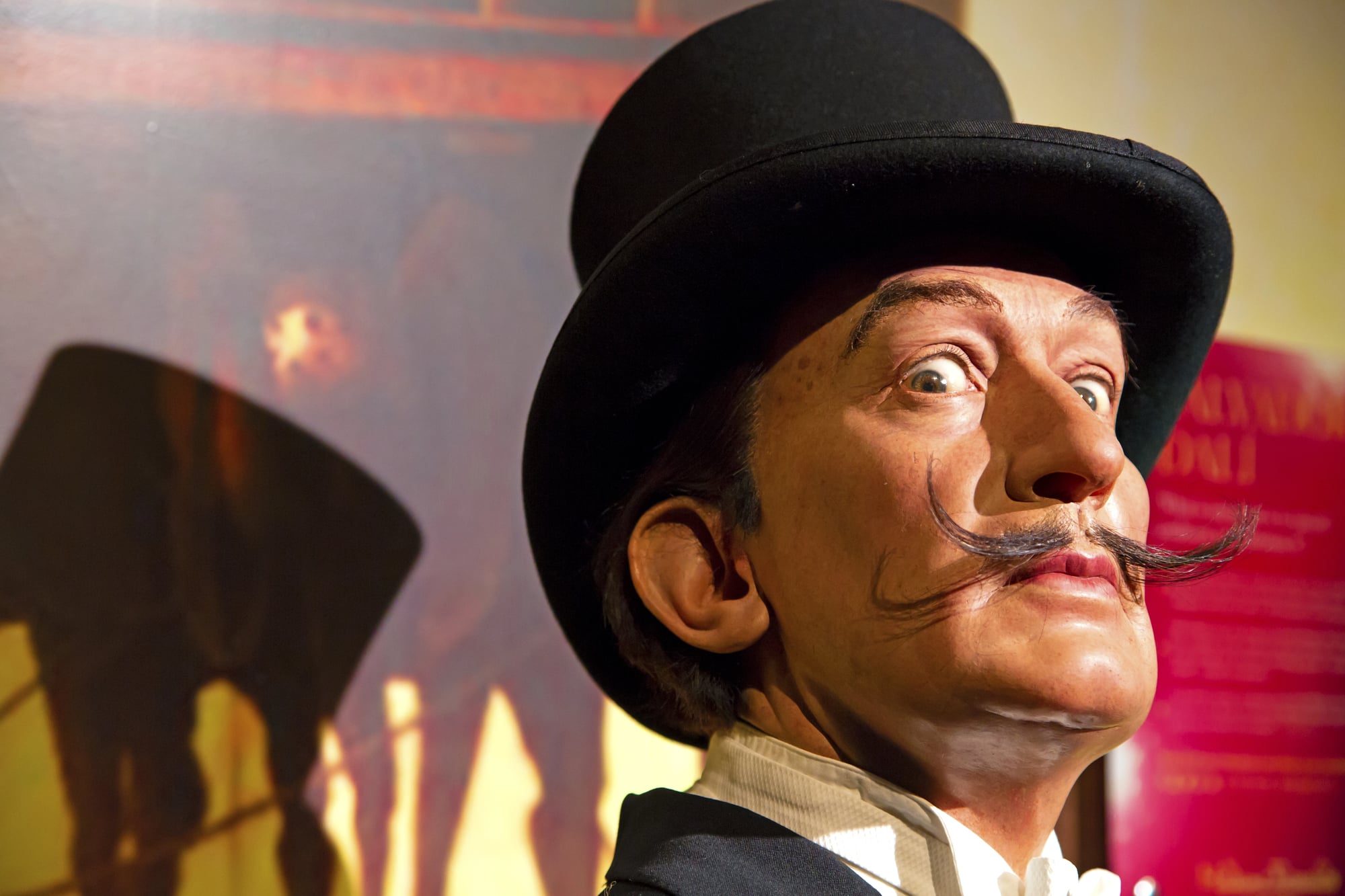
Salvador Dalí was just 25 when he painted ‘The Persistence of Memory,’ featuring his famous melting clocks, which became one of the most recognizable images in art history. His technical skill, combined with youthful imagination, created a surrealist style that was both dreamlike and precisely executed.
His early mastery of both traditional techniques and avant-garde concepts established him as a leading figure in the surrealist movement.
Kara Walker’s Silhouette Controversies
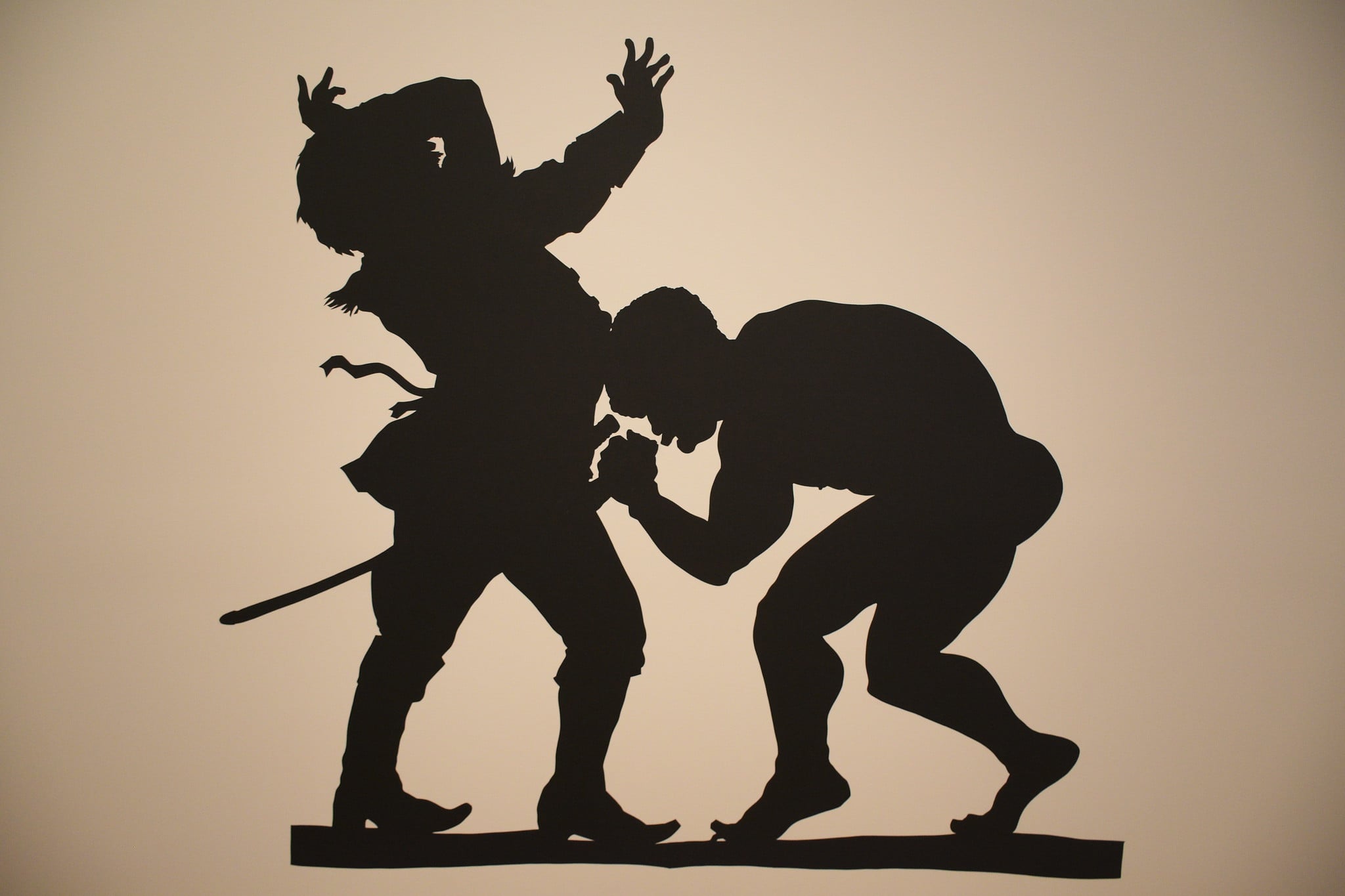
Kara Walker was in her mid-twenties when she began creating her controversial silhouette installations that addressed race, gender, and American history. Her black paper cutouts depicted disturbing scenes from the antebellum South, forcing viewers to confront uncomfortable historical truths.
Her youthful boldness in tackling such sensitive subjects sparked intense debates and established her as a major voice in contemporary art.
Banksy’s Anonymous Activism
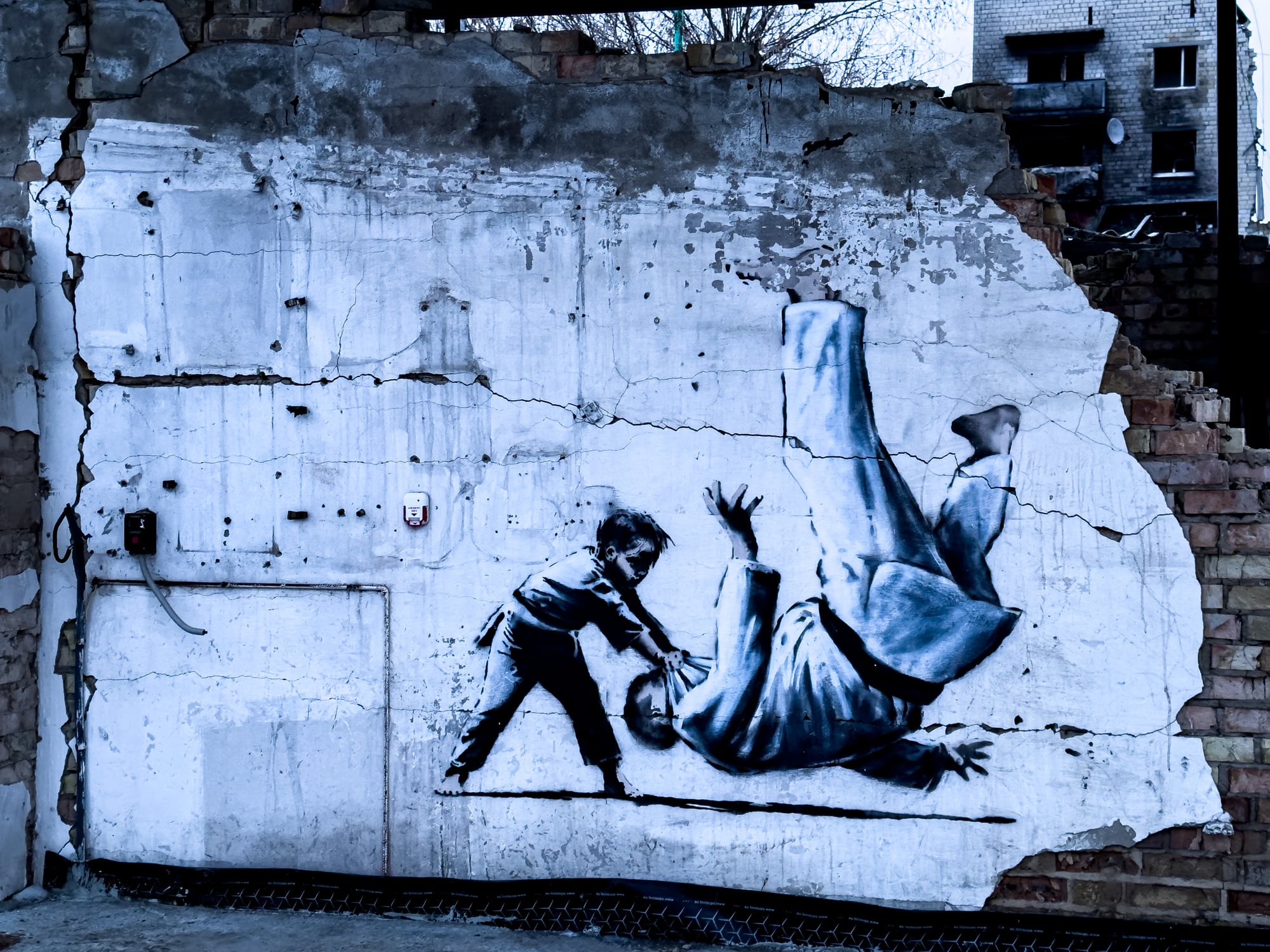
Though Banksy’s exact age remains unknown, evidence suggests the mysterious street artist began creating politically charged graffiti works in the early twenties. The anonymous artist’s stenciled images and social commentary transformed street art from vandalism into legitimate political expression.
This youthful approach to combining art with activism inspired countless other artists to use their work for social change.
David Hockney’s Pool Paintings
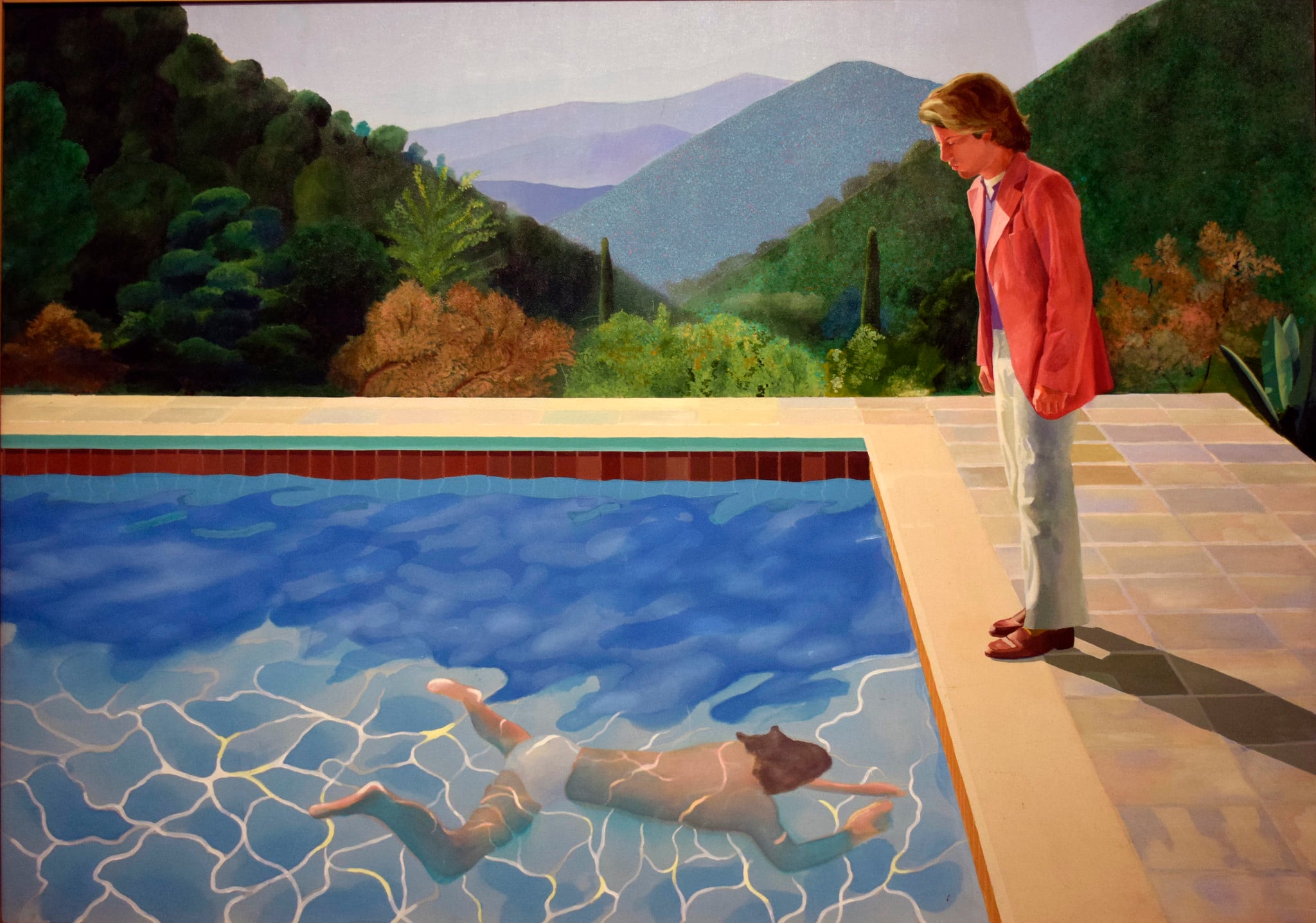
David Hockney was in his twenties when he moved to Los Angeles and began painting his famous swimming pool series that captured the California lifestyle. His bold use of color and innovative perspective techniques created a new visual language for depicting modern leisure and luxury.
His youthful fascination with American culture and technology helped bridge British and American artistic traditions.
Yves Klein’s Blue Period
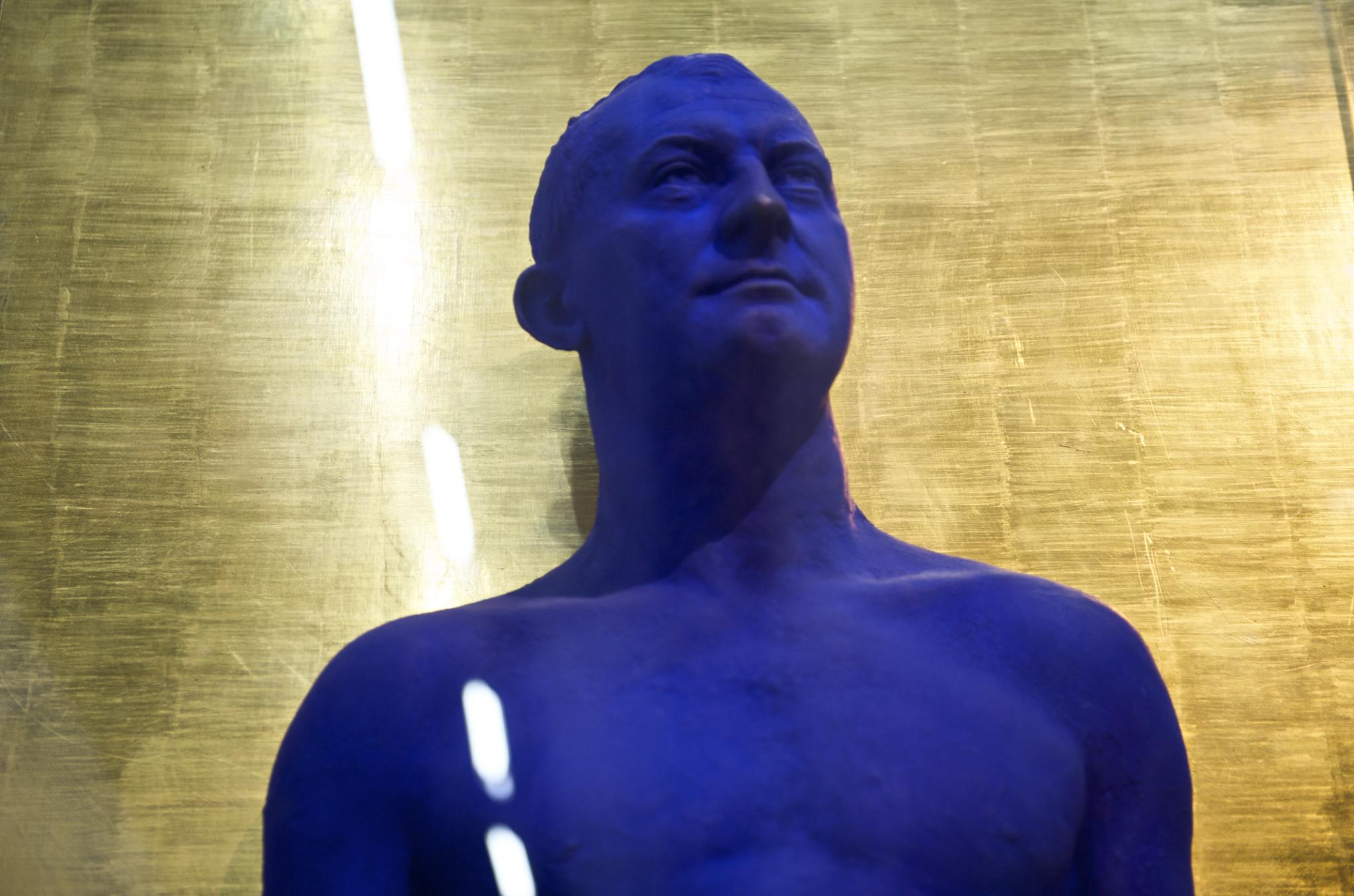
Yves Klein was just 27 when he developed International Klein Blue, the distinctive ultramarine pigment that became his signature color. His monochromatic paintings and performance art pieces challenged traditional notions of what constituted artistic expression.
His youthful experimentation with color theory and conceptual art helped establish new directions for avant-garde artistic practice.
Cy Twombly’s Gestural Abstractions
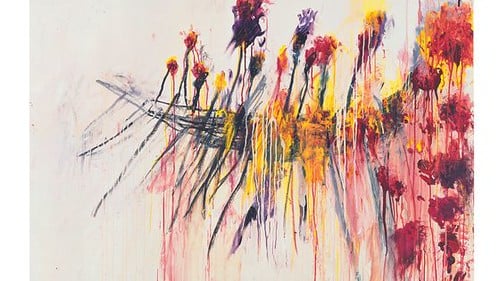
Cy Twombly developed his distinctive scribbled and gestural painting style while in his twenties, combining abstract expressionist techniques with classical references. His seemingly childlike marks and scrawled text created a unique visual language that influenced both painting and drawing.
His youthful approach to combining high and low cultural references helped expand the possibilities of abstract art.
Helen Frankenthaler’s Stain Paintings
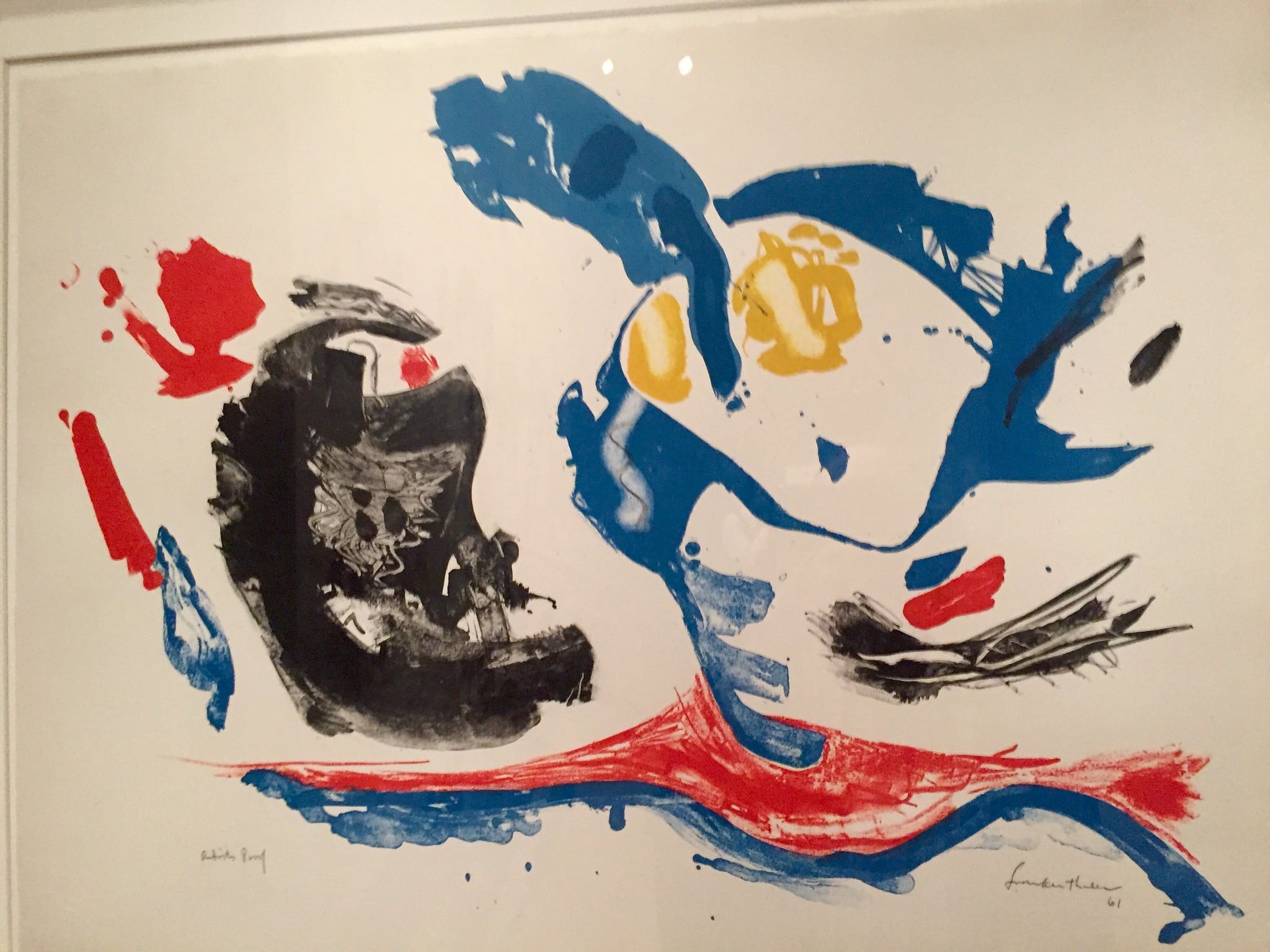
Helen Frankenthaler was just 23 when she created ‘Mountains and Sea,’ a painting that revolutionized abstract art by introducing the stain painting technique. Her method of pouring diluted paint directly onto unprimed canvas created entirely new possibilities for color and form.
This youthful innovation influenced an entire generation of Color Field painters and changed how artists thought about paint application.
Kehinde Wiley’s Portrait Revolutions
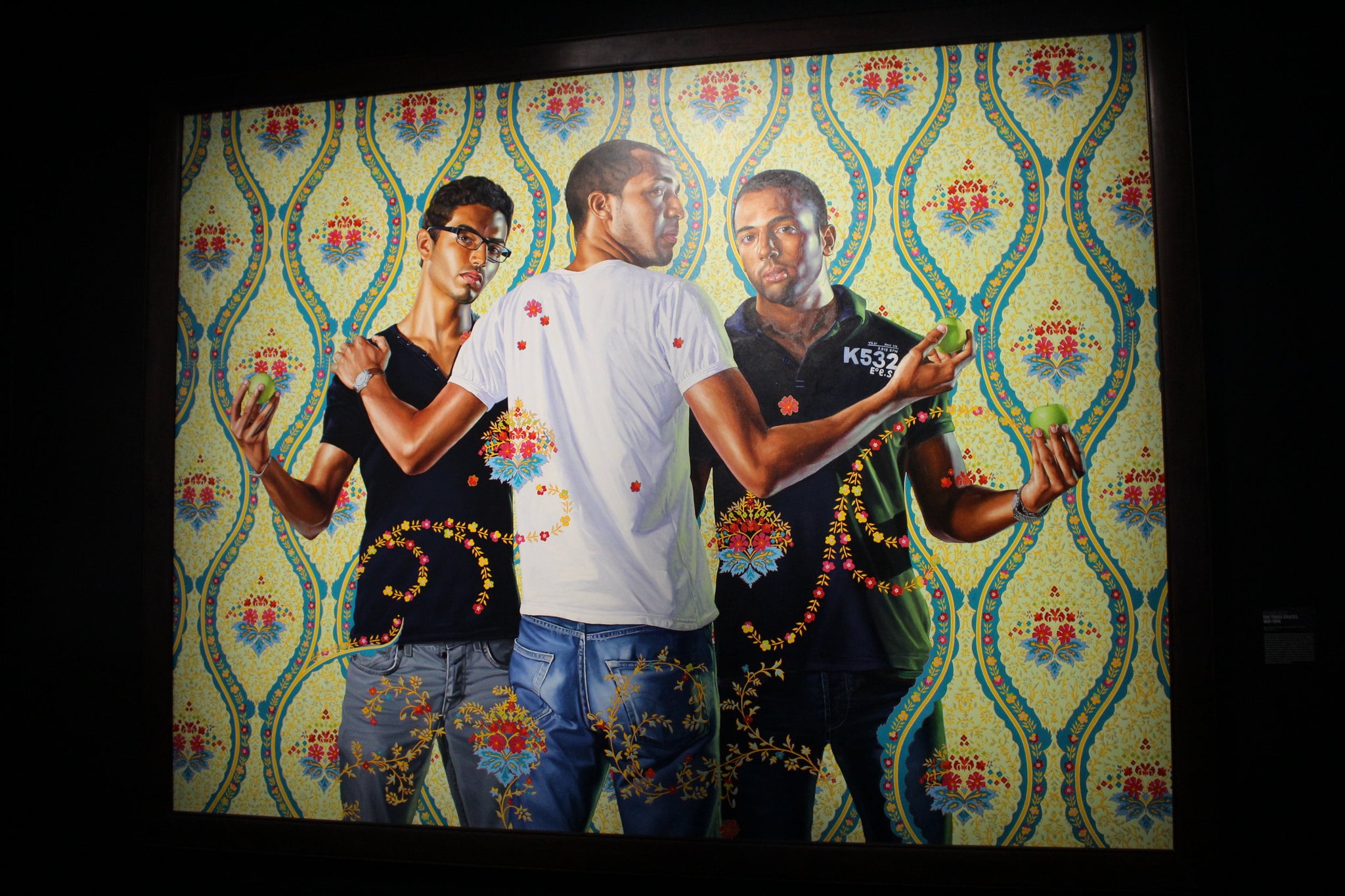
Kehinde Wiley was in his late twenties when he began creating his signature portraits that placed contemporary African American subjects in classical European painting poses. His bold floral backgrounds and regal presentations challenged traditional art historical narratives about power and representation.
His youthful vision of combining street casting with old master techniques created an entirely new approach to portraiture.
Dana Schutz’s Figurative Comeback
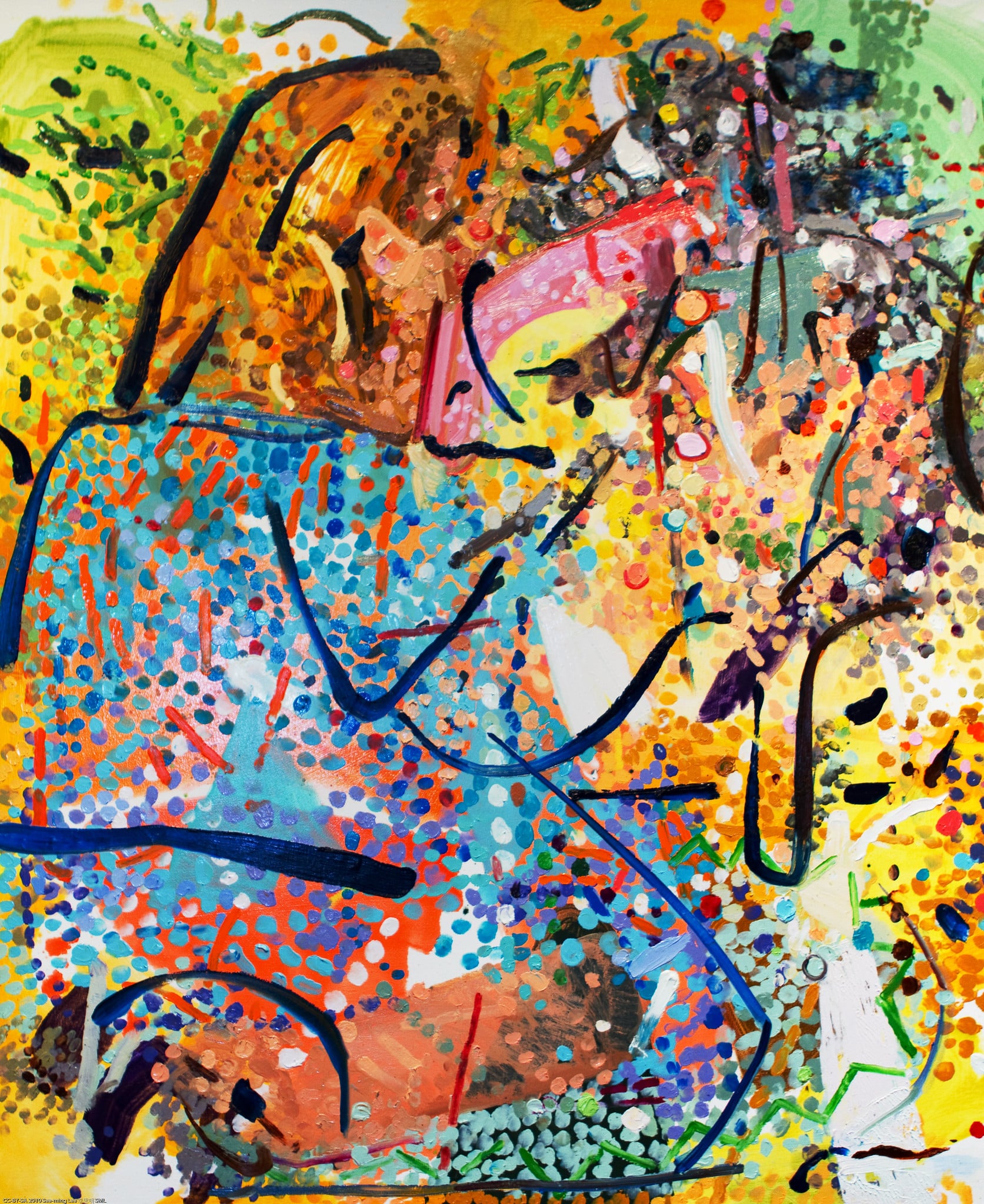
Dana Schutz emerged in her twenties with paintings that brought figurative art back into contemporary relevance through distorted, emotionally charged imagery. Her bold brushwork and surreal color choices created a new language for depicting human experience in the digital age.
Her youthful approach to combining traditional painting techniques with contemporary subject matter helped revitalize interest in figurative art among younger collectors and critics.
When Youth Meets Vision
These artists prove that revolutionary artistic vision isn’t necessarily tied to years of experience or formal training. Their willingness to experiment, challenge conventions, and trust their instincts often produced innovations that more cautious, established artists might never have attempted.
While technical skill develops over time, the boldness and fresh perspective that comes with youth have repeatedly pushed the art world in entirely new directions. The lesson isn’t that young artists are automatically better, but rather that the art world benefits enormously when it remains open to voices that haven’t yet learned what’s supposed to be impossible.
More from Go2Tutors!

- The Romanov Crown Jewels and Their Tragic Fate
- 13 Historical Mysteries That Science Still Can’t Solve
- Famous Hoaxes That Fooled the World for Years
- 15 Child Stars with Tragic Adult Lives
- 16 Famous Jewelry Pieces in History
Like Go2Tutors’s content? Follow us on MSN.