Biggest Celebrity Comebacks in History
Fame breaks easily. One moment crowds cheer, next they look away – shifts in mood, missteps, or scandals sweep people aside fast.
Returning matters less than being welcomed back; real triumph lies in winning over those who had already turned the page.
Something sticks around when it returns right. Days turn into years.
Hopes sink low. A sudden part, record, or show shifts how people see everything.
What hits hardest isn’t only what’s made, but how far it had to travel.
A fresh peek at the most massive celebrity returns ever – each one quietly rewriting what it means to bounce back, in ways pop culture couldn’t ignore.
Robert Downey Jr.

Few modern comebacks are as widely cited as Robert Downey Jr.’s return to the top of Hollywood. By the late 1990s, his career had stalled despite undeniable talent.
Studios viewed him as unreliable, and leading roles became scarce. For a time, his future in mainstream film looked uncertain.
That changed with his casting as Tony Stark in the Marvel franchise. The role played directly into his strengths, blending charisma with vulnerability.
The success transformed him into one of the highest-paid actors in the world and redefined how Hollywood views second chances when talent and timing align.
Marlon Brando
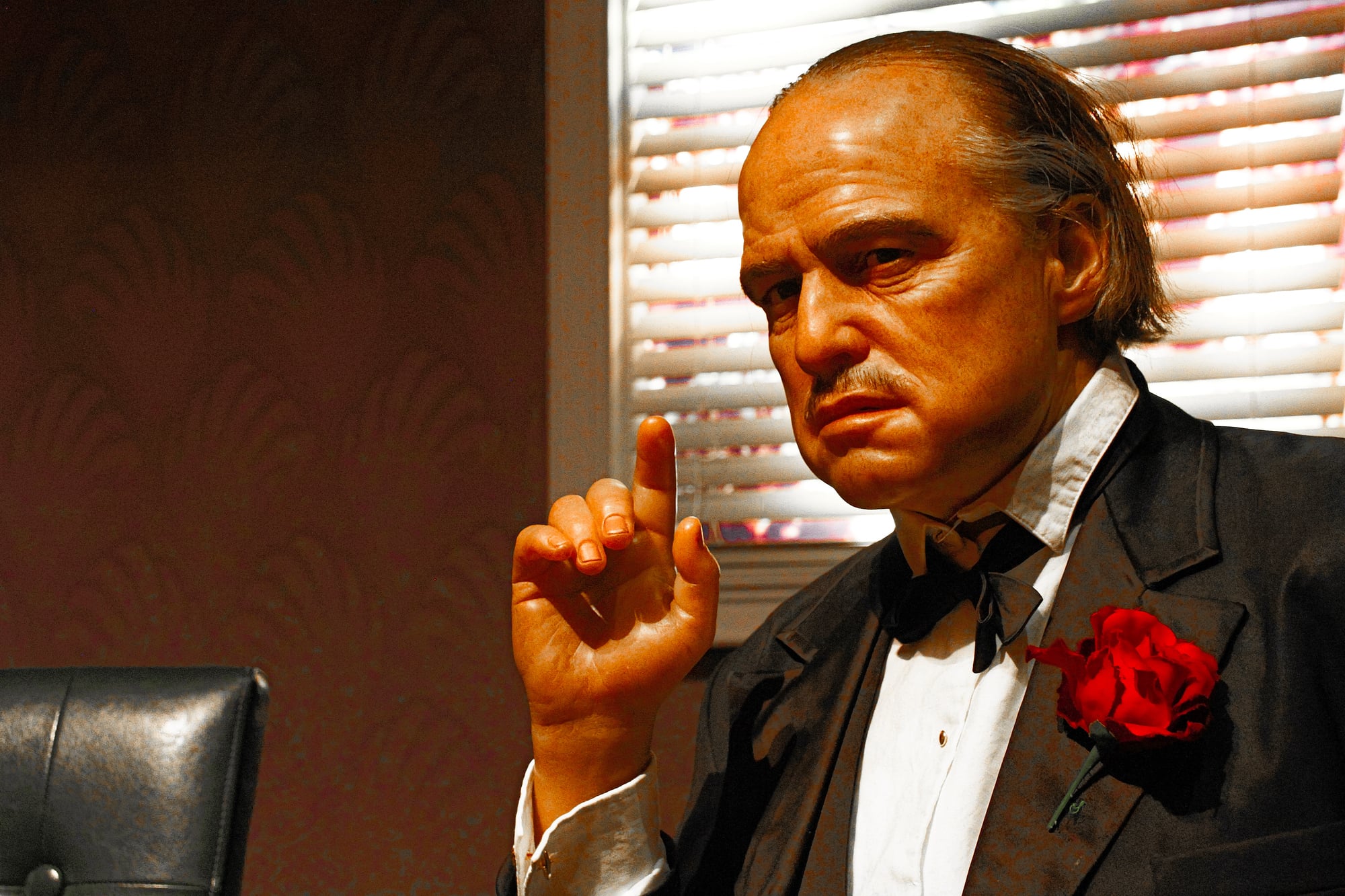
By the late 1950s, Marlon Brando’s career appeared to be fading. Once considered the most electrifying actor of his generation, he was increasingly labelled difficult and unreliable.
Several films underperformed, and industry support waned.
Then came The Godfather. Brando’s performance revitalised his reputation almost overnight, reminding audiences and critics why he had reshaped acting in the first place.
The comeback was not about reinvention, but recalibration. It proved that true influence does not disappear, it waits for the right moment to re-emerge.
Britney Spears

Britney Spears dominated popular music in the late 1990s and early 2000s, then experienced a highly public downturn that played out under constant scrutiny. For several years, her career was treated as a cautionary tale rather than an active creative force.
Her comeback unfolded gradually. Successful albums, sold-out tours, and renewed public support reframed her as a resilient performer rather than a headline.
Over time, the narrative shifted from spectacle to strength. The comeback resonated because it felt earned, shaped by endurance rather than spectacle.
John Travolta

John Travolta’s early success made him a defining figure of 1970s cinema. That momentum slowed dramatically in the 1980s as several projects failed to connect with audiences.
For a period, he was viewed as emblematic of a past era.
His role in Pulp Fiction reversed that perception instantly. The performance introduced him to a new generation and repositioned him as a serious actor capable of reinvention.
Travolta’s comeback demonstrated how a single, well-chosen project can rewrite an entire career arc.
Cher
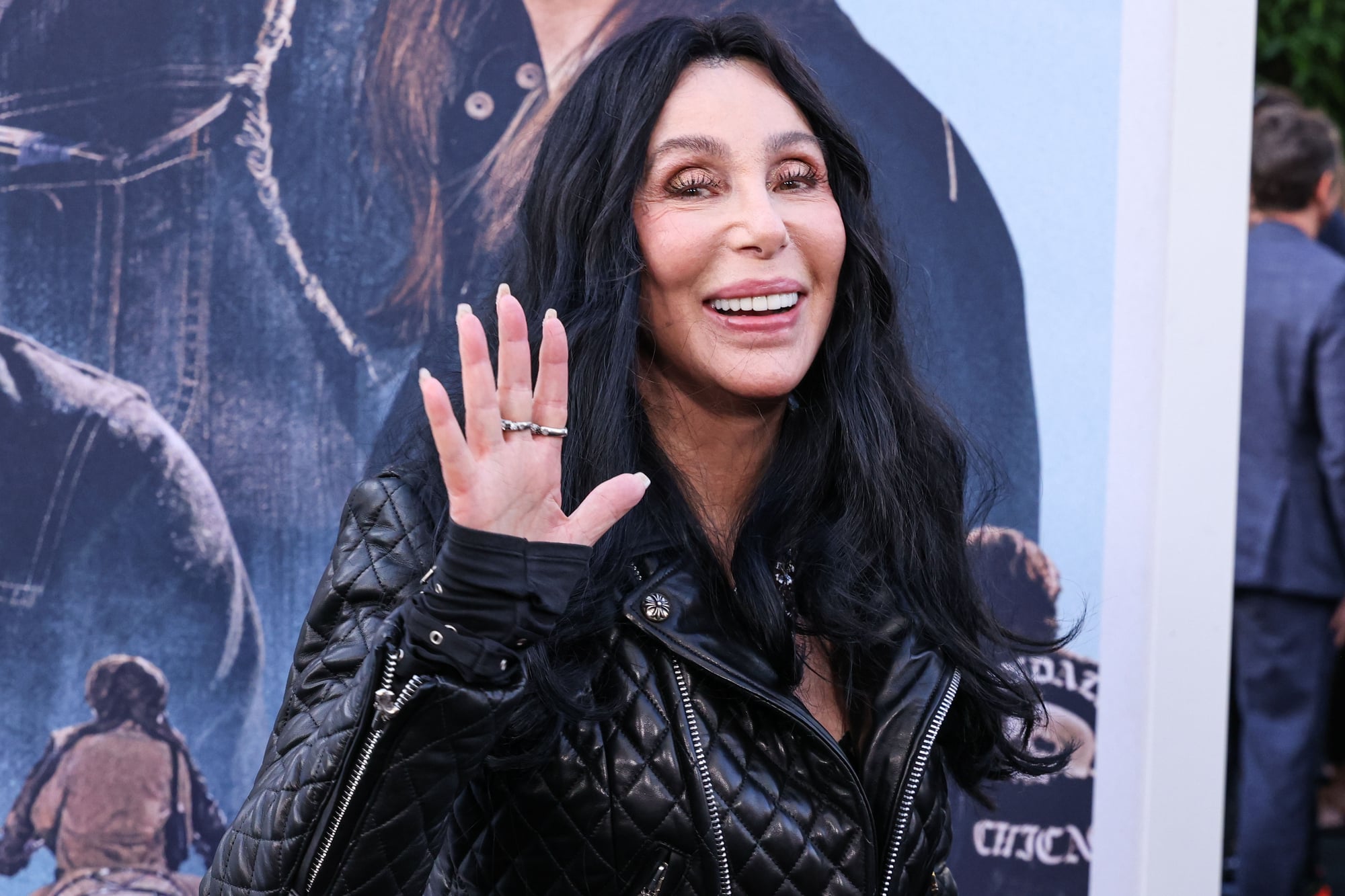
Cher’s career spans decades, genres, and cultural shifts. By the early 1980s, her popularity as a recording artist had waned, and many assumed her influence belonged to an earlier era.
She returned first through acting, earning critical acclaim, then reasserted herself musically with chart-topping releases later in her career. Cher’s comeback was less about returning to form and more about refusing to age out of relevance.
Her longevity turned reinvention into an art form.
Mickey Rourke

Mickey Rourke emerged in the 1980s as a compelling screen presence, then largely disappeared from mainstream cinema. For years, his career drifted outside the spotlight, and industry expectations dropped sharply.
His performance in The Wrestler changed everything. The role mirrored elements of his own professional journey, lending authenticity that critics embraced.
The comeback was not built on nostalgia, but on emotional precision. It reminded audiences that depth often deepens with time rather than fades.
Tina Turner

Tina Turner’s comeback stands as one of the most powerful in music history. After years away from the top of the charts, she returned in the 1980s with renewed creative control and global success.
Many had assumed her peak years were behind her.
Instead, she delivered some of the most defining work of her career. The comeback reframed her not as a legacy act, but as a contemporary force.
It proved that reinvention does not require abandoning identity, only reclaiming it on new terms.
Ben Affleck
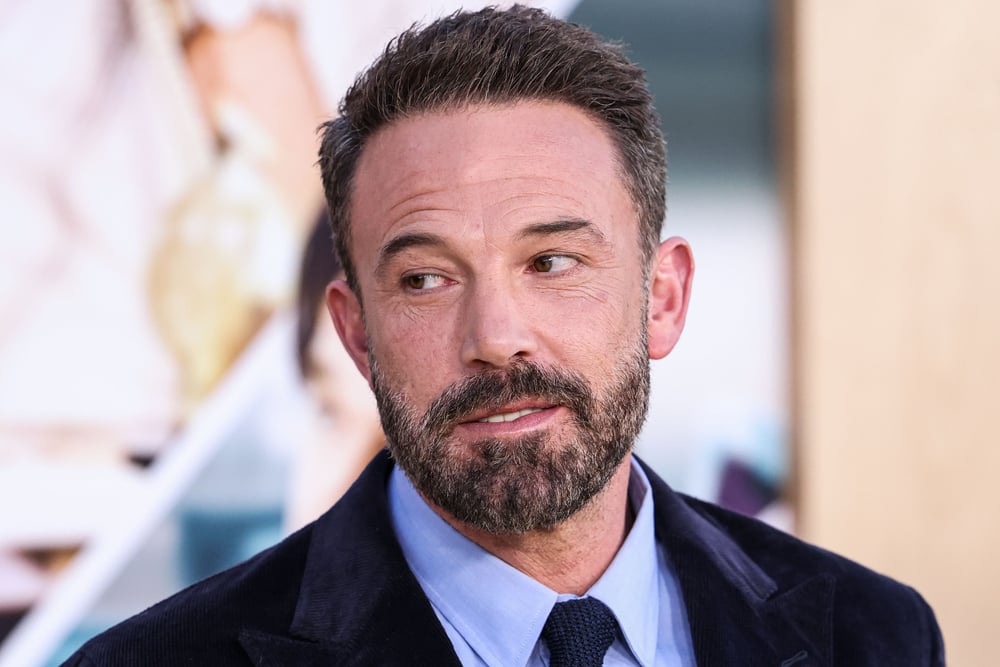
Ben Affleck experienced extreme swings in public perception. Early success gave way to high-profile failures and intense media criticism.
For a period, his credibility as a leading figure in film seemed compromised.
His comeback arrived behind the camera. As a director, Affleck earned critical respect and industry recognition, reshaping how his talent was understood.
The shift in focus allowed his career to stabilise and expand, showing how reinvention sometimes means changing vantage point rather than profession.
Winona Ryder

Winona Ryder was one of the defining faces of 1990s cinema, then largely stepped away from the spotlight for several years. Her absence coincided with changing industry tastes and limited opportunities.
Her return through long-form television introduced her to a new audience. The performance leaned into maturity and nuance rather than nostalgia.
Ryder’s comeback demonstrated how changing formats can offer new life to established talent when the material fits the moment.
Elvis Presley

By the late 1960s, Elvis Presley’s career had become closely associated with formulaic film roles. His relevance as a musical innovator appeared to be slipping, particularly as popular music evolved rapidly around him.
His televised return performance restored his cultural standing almost instantly. The event reminded audiences of his charisma and vocal power, re-establishing him as a commanding presence.
It showed how stepping away from expectation can be the fastest route back to authenticity.
Drew Barrymore

Drew Barrymore’s early fame brought intense scrutiny at a young age. As she grew older, her career became uneven, and public perception often focused more on her past than her potential.
Her comeback came through carefully chosen roles that balanced warmth and humour. Over time, she became known for reliability and charm rather than volatility.
The shift illustrated how longevity often depends on aligning public image with genuine personality.
Why These Comebacks Resonated

What unites these comebacks is not perfection, but persistence. Each figure returned when expectations were low and scrutiny was high.
Success felt meaningful because it was not assumed.Audiences tend to reward growth.
A comeback invites viewers to reassess someone they thought they understood.That re-evaluation creates emotional investment, making success feel shared rather than observed.
How Modern Fame Has Changed The Comeback Narrative

Fast fame now flashes by like headlights at night. Upward climbs show on screens for everyone, yet they squeeze into tighter windows of time.
This rush turns returns into something people spot easily – though never quite sure how long they’ll last.Even so, the main idea stays the same.
True recoveries grow from depth, not flash.What lifts them is the strength found in what’s actually made.
When Redemption Becomes Legacy

What sticks around isn’t just fame returning – it’s how we start seeing things differently. Talent doesn’t follow a straight path, sometimes it loops back when least expected.
People remember not because old moments vanish, but because new ones reshape what came before.Something sticks around for a reason.
Shifts happen – lives shift, jobs transform, fresh chances carry weight.Seen one way, the real turnarounds aren’t simply spotlight finding its way back – they’re selves remade, standing firmer than before.
More from Go2Tutors!

- The Romanov Crown Jewels and Their Tragic Fate
- 13 Historical Mysteries That Science Still Can’t Solve
- Famous Hoaxes That Fooled the World for Years
- 15 Child Stars with Tragic Adult Lives
- 16 Famous Jewelry Pieces in History
Like Go2Tutors’s content? Follow us on MSN.