15 Trivia Facts About Common Foods
Most people eat the same foods dozens of times a year without ever stopping to wonder where they came from, what they’re actually made of, or why they taste the way they do. Some of the most ordinary things on your plate have surprisingly strange backstories.
Here are 15 facts about everyday foods that are worth knowing.
Bananas Are Technically Berries (But Strawberries Aren’t)
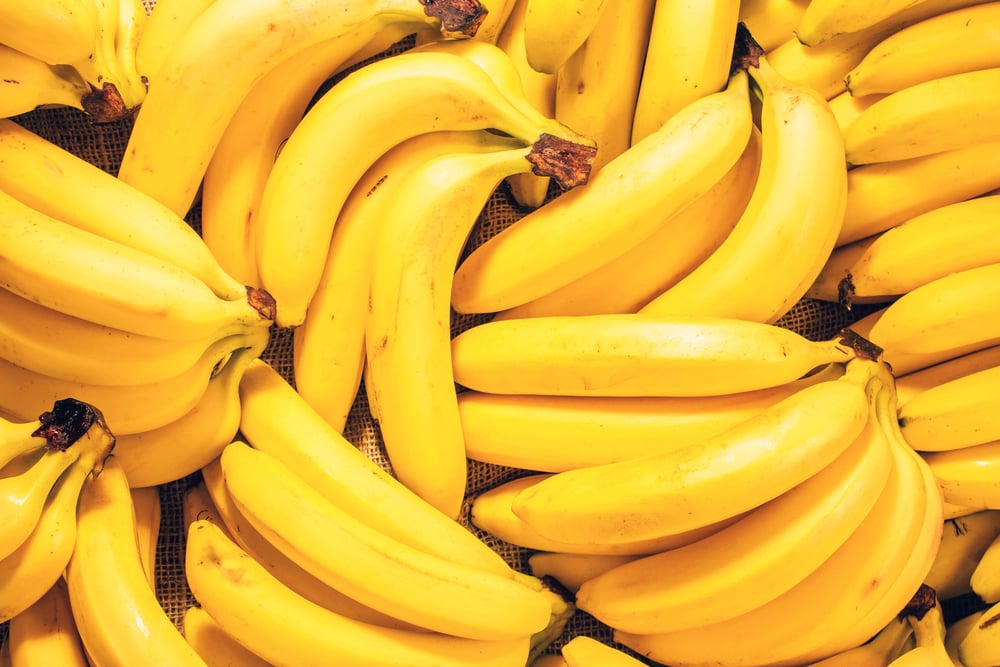
Botanically speaking, a berry is a fruit that develops from a single flower with one ovary. Bananas check that box. So do avocados and eggplants.
Strawberries, on the other hand, develop from a flower with multiple ovaries, which technically makes them “accessory fruits.” The word “berry” in everyday language and the word in botany mean completely different things, and the two categories almost never agree.
Honey Never Expires
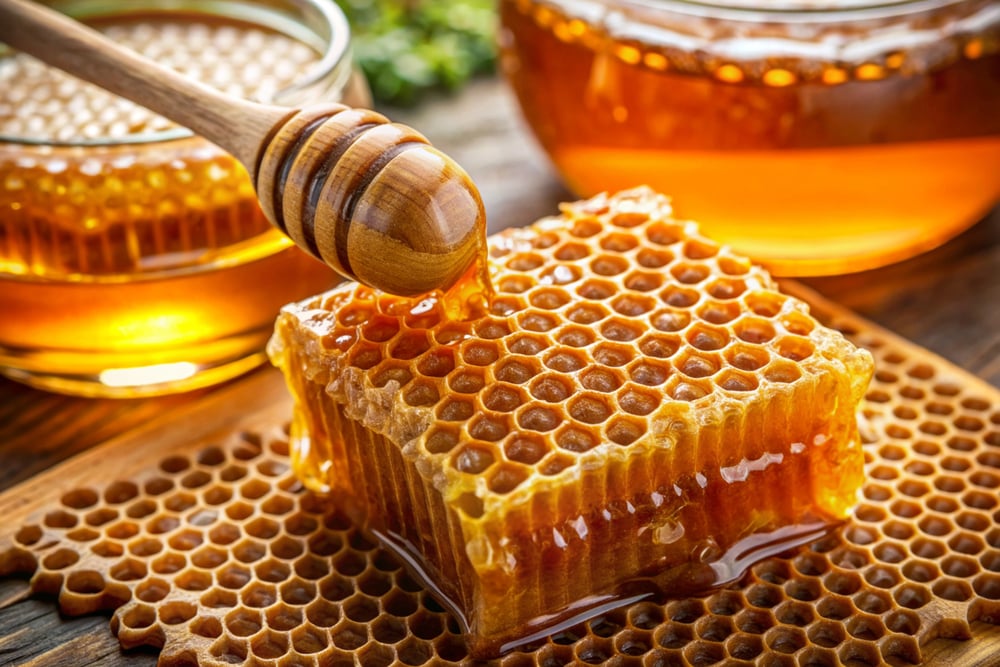
Archaeologists have found honey in ancient Egyptian tombs that is over 3,000 years old — and it was still edible. Honey’s low moisture content and naturally acidic pH make it almost impossible for bacteria to survive in it.
As long as it’s sealed and kept dry, honey lasts indefinitely. The only thing that happens over time is it crystallizes, which is harmless and reversible.
Carrots Were Originally Purple
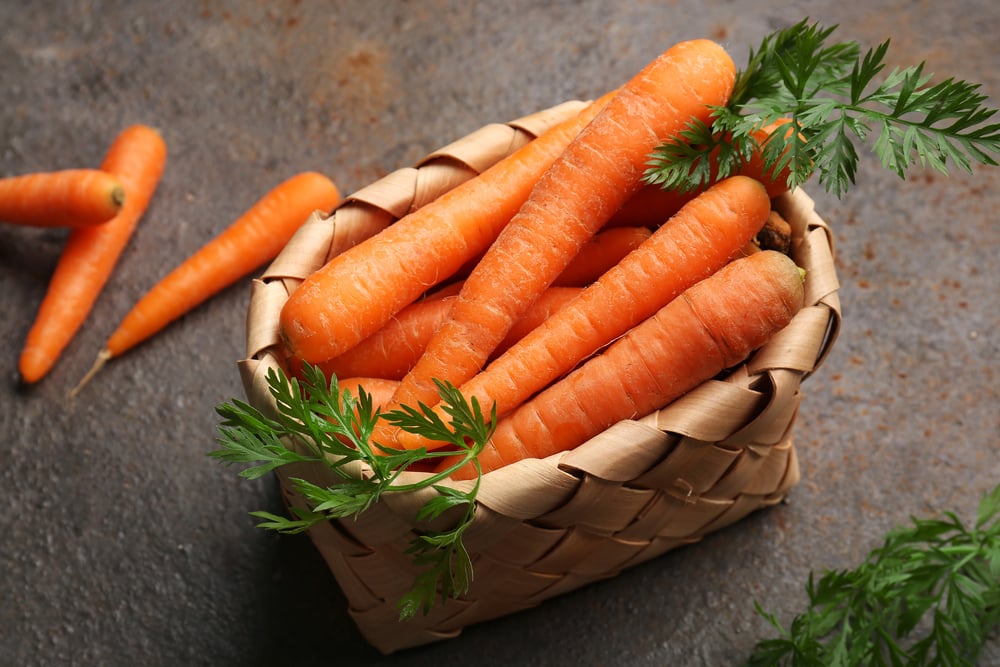
The orange carrot you know today was developed in the Netherlands in the 17th century, likely through selective breeding. Before that, most carrots were purple, white, or yellow.
The orange variety became dominant partly because it was easier to grow in large quantities and had a milder flavor. Purple carrots still exist and are increasingly common in specialty markets.
Cashews Come Inside a Toxic Shell
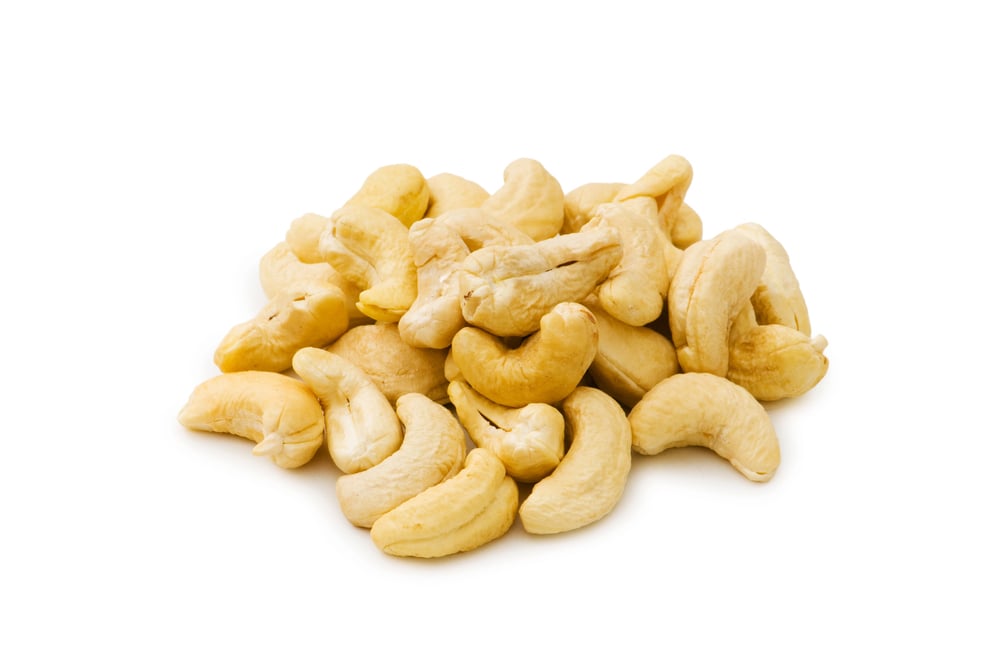
Raw cashews don’t come raw in the way most nuts do. The cashew shell contains a caustic resin called urushiol — the same substance responsible for the rash from poison ivy.
Processing cashews requires heat to neutralize the resin, which is why they’re always sold roasted or steam-treated. What gets labeled “raw cashews” in stores has still been through this heating process.
The Flavor of Artificial Strawberry Isn’t Based on Real Strawberries
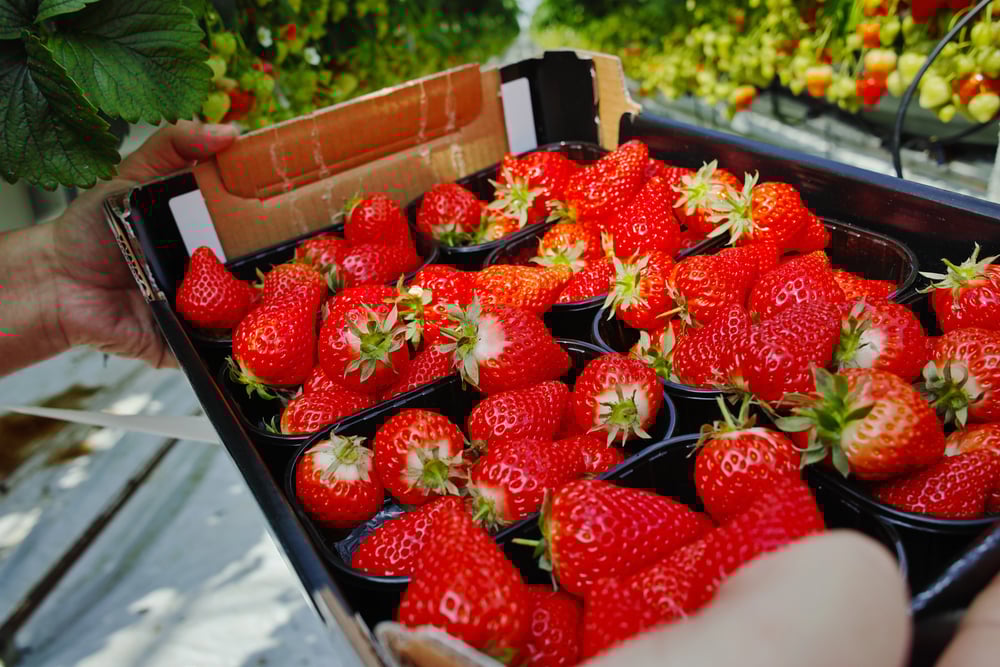
Artificial strawberry flavoring was developed before food scientists had the tools to accurately replicate the hundreds of chemical compounds that make real strawberries taste the way they do. So the flavor in candy, syrup, and drinks was built from scratch using a handful of synthetic esters.
The result tastes like a stylized version of strawberry — close enough to be recognizable, but nothing like biting into an actual one.
Peanuts Aren’t Nuts
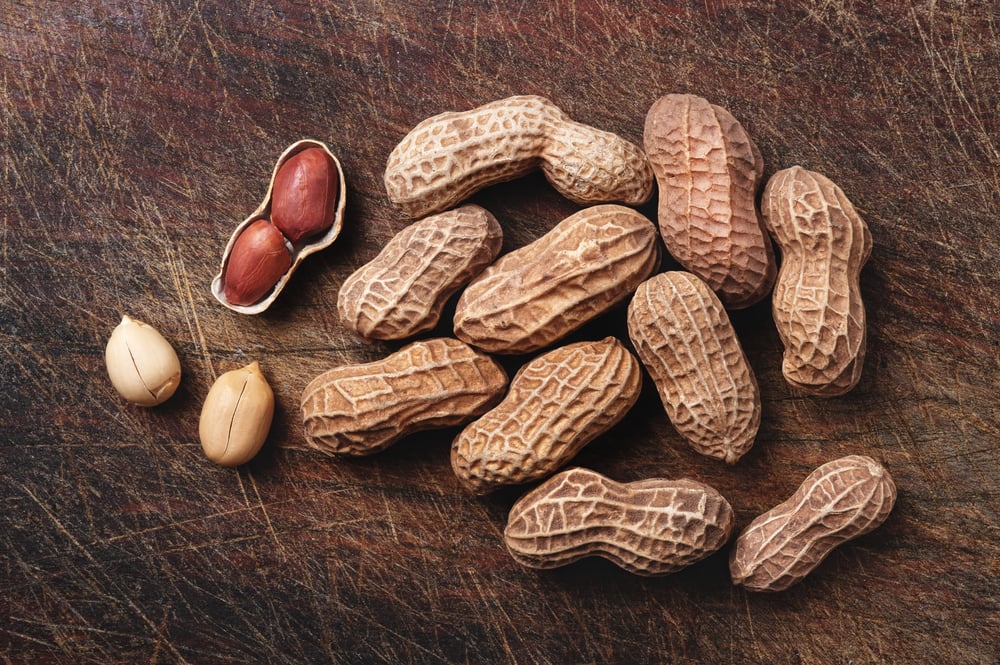
Peanuts are legumes, in the same family as lentils, peas, and soybeans. They grow underground in pods, and their nutritional profile is closer to beans than to tree nuts like almonds or walnuts.
Despite that, people with tree nut allergies sometimes tolerate peanuts fine — and vice versa. The allergy and the botanical classification are two separate things.
Apples Float Because They’re 25% Air
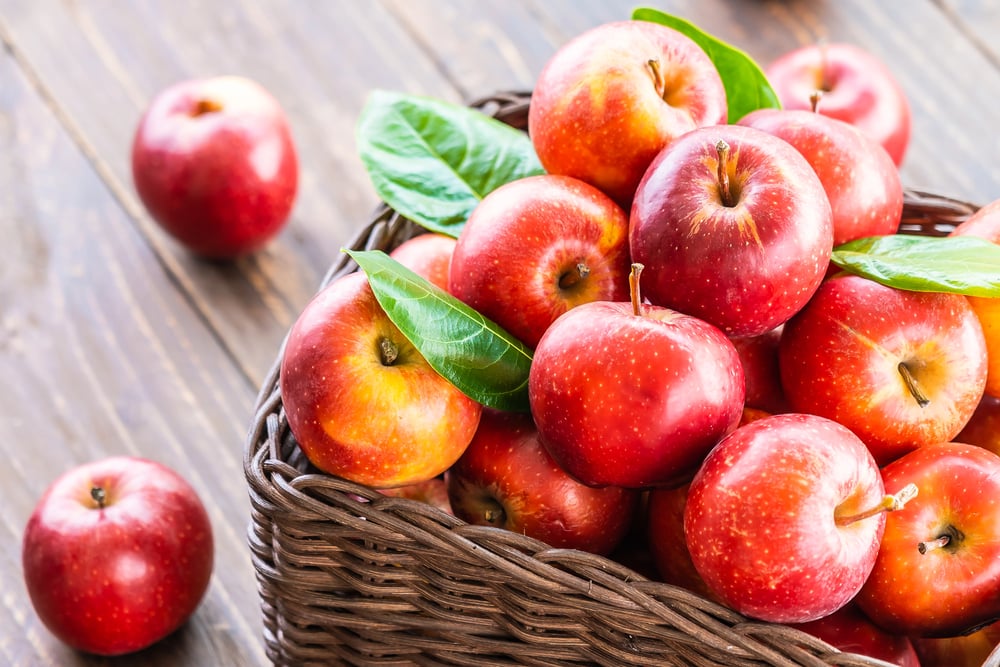
The cellular structure of an apple contains a significant amount of air pockets. That air is what makes them buoyant enough to float in water.
This is also part of why apples have that satisfying crunch when you bite into them. Different apple varieties have different air content, which is one reason why some feel crisper or denser than others.
Almonds Are Related to Peaches
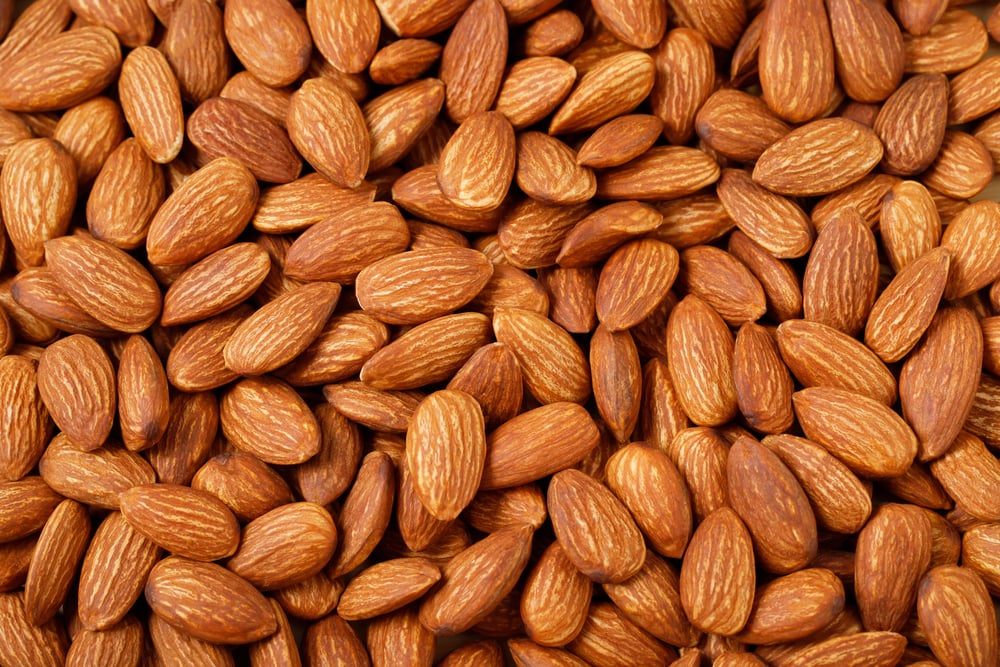
Almonds belong to the same genus as peaches, plums, and cherries — the prunus family. The part you eat is actually the seed from inside the hard pit of the fruit, similar to how you’d find a pit inside a peach.
Wild almonds contain a compound called amygdalin that converts to cyanide, which is why domesticated cultivars were selectively bred to produce sweet, safe almonds over thousands of years.
Chocolate Was Once Used as Currency
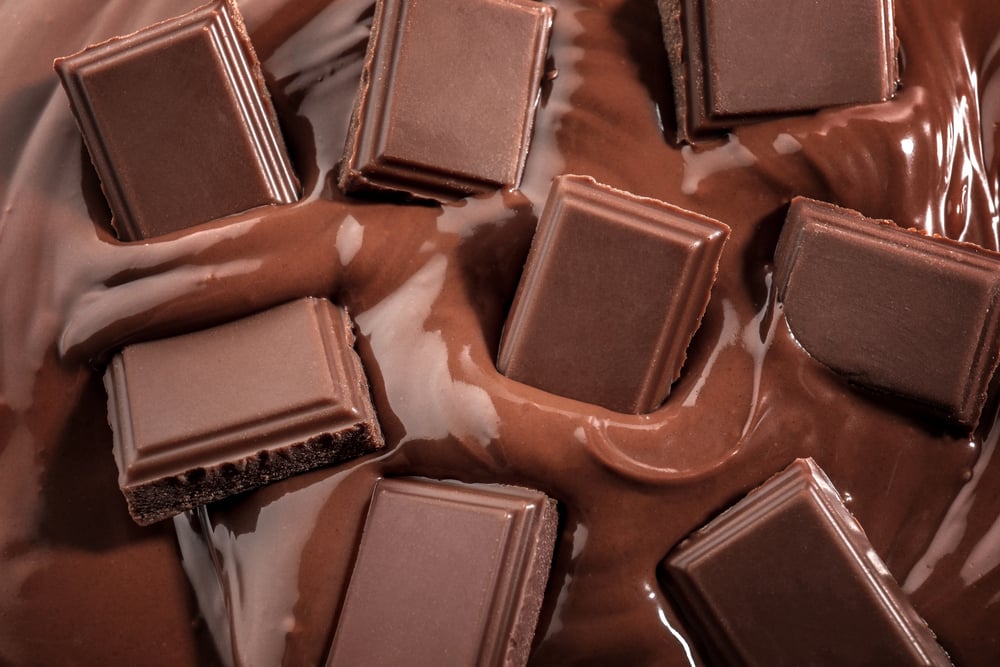
The Aztec and Maya civilizations traded cacao beans as money. Cacao was so valued that counterfeiters carved fake beans from clay to pass off in transactions.
When Spanish explorers arrived in the Americas, they initially found the bitter cacao drink strange and unpleasant. It took a few decades of mixing it with sugar before chocolate caught on in Europe.
White Chocolate Isn’t Really Chocolate
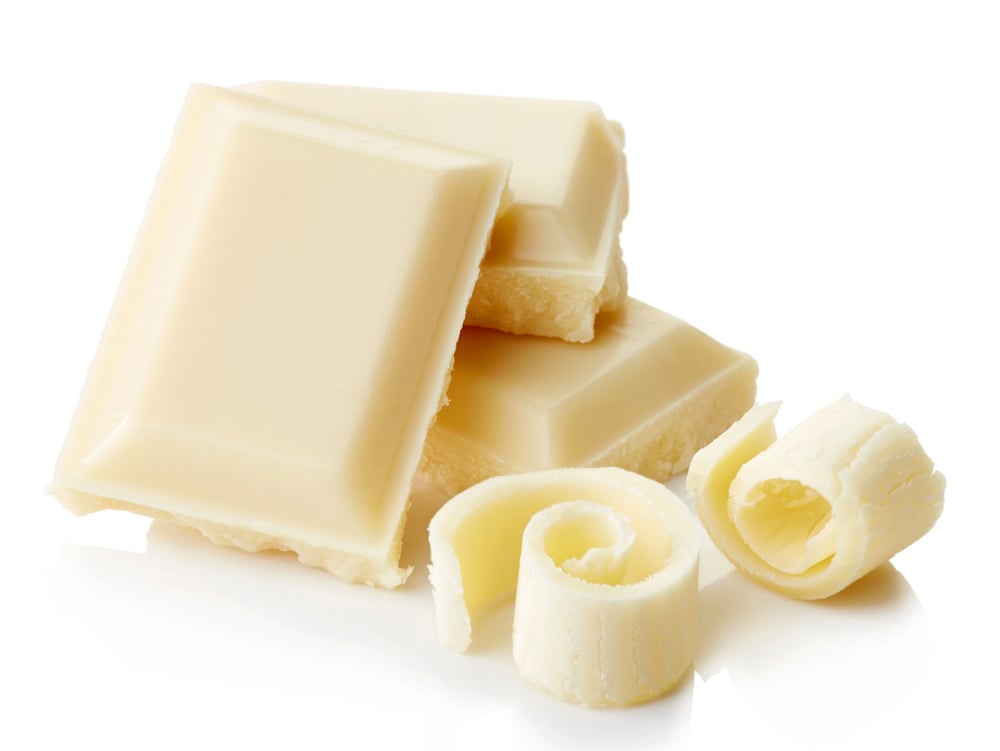
Chocolate gets its flavor and color from cocoa solids — the non-fat part of the cacao bean. White chocolate contains no cocoa solids at all.
It’s made from cocoa butter, sugar, and milk. Cocoa butter comes from the cacao plant, which is why white chocolate still tastes vaguely related to the real thing, but it lacks the compounds that give dark and milk chocolate their characteristic flavor.
Tomatoes Were Considered Poisonous in Europe for Centuries
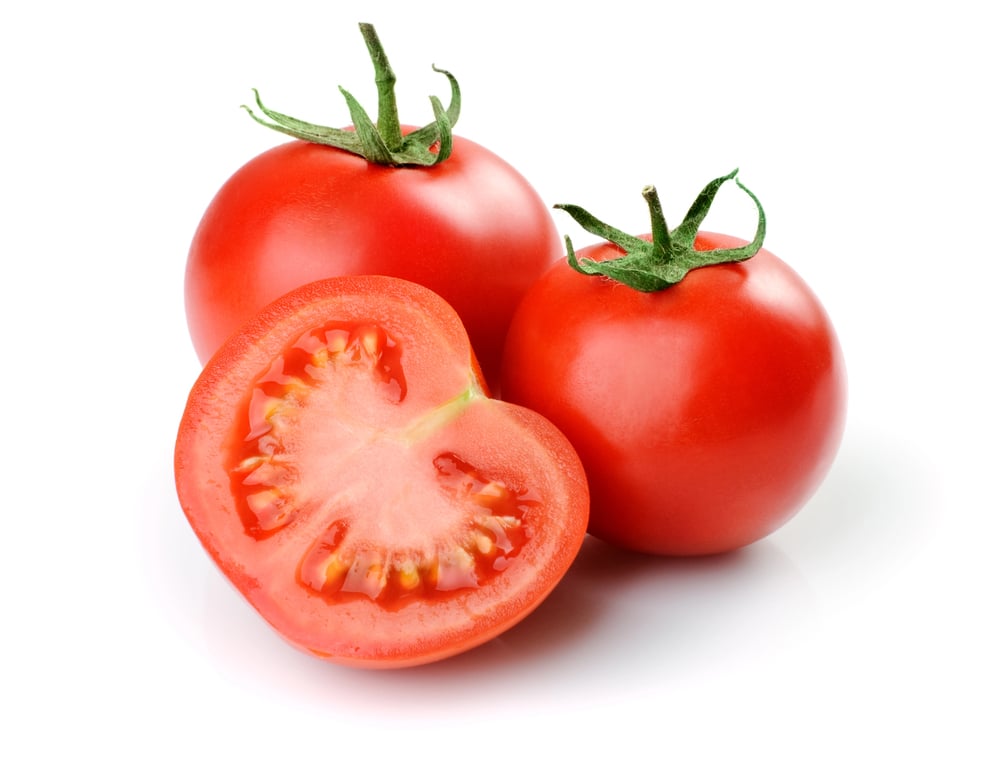
When tomatoes arrived in Europe from the Americas in the 16th century, many people refused to eat them. Part of the suspicion came from the fact that tomatoes belong to the nightshade family, which includes genuinely toxic plants.
Wealthy Europeans also noticed that people seemed to get sick after eating tomatoes — but the real culprit was lead leaching from their pewter plates reacting with the tomato’s acidity. Poor people who ate from wooden plates were fine.
The Smell of Fresh Bread Doesn’t Come From the Bread Itself
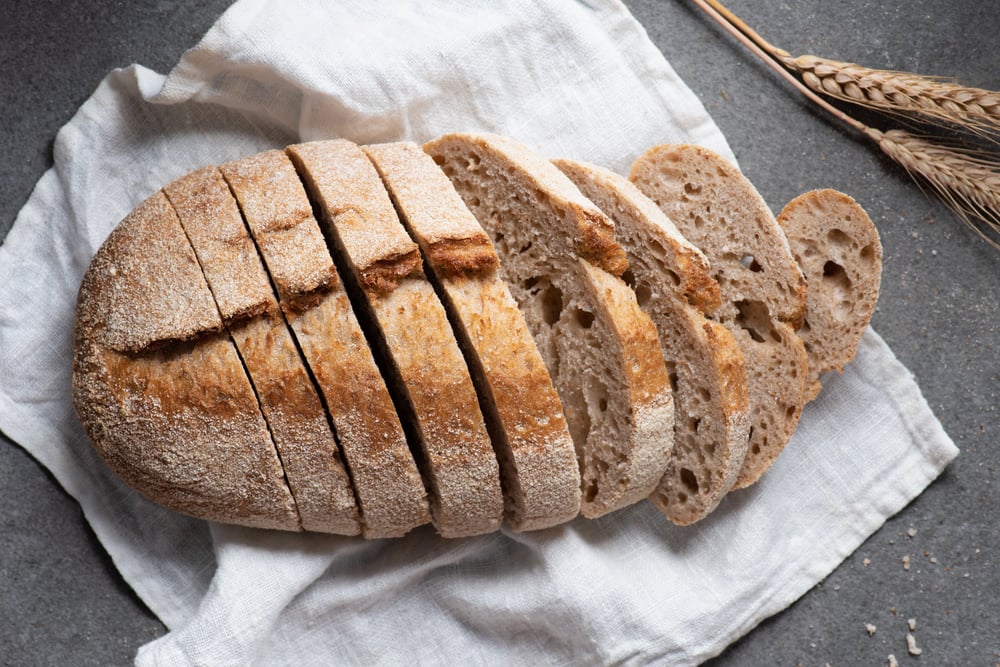
That scent people link to bakeries? It’s the Maillard reaction at work – same thing turning steaks golden, toast crisp, coffee deep. Heat pushes amino acids and sugars in dough to form many airborne molecules during baking.
These fade fast once the loaf stops radiating warmth. Left out past its peak, a cooled bread barely whispers that rich, warm promise it gave off earlier.
Broccoli Was Made Not Found
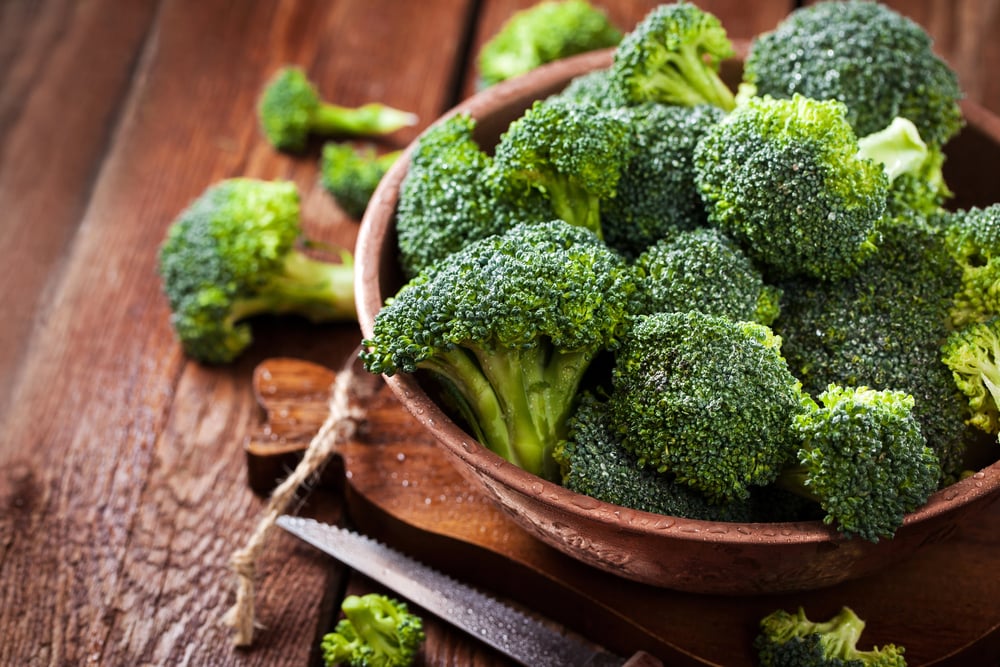
Long ago in Italy, broccoli began taking shape by careful plant selection near 600 BCE. From wild mustard ancestors came this green vegetable we now know.
Cauliflower shares its roots, so does cabbage, along with kale – all siblings under one original plant form called Brassica oleracea. Pick certain traits year after year, let them grow, repeat – soon a new version appears.
Each of these greens shows how changing focus across leaves, stems, or flowers shifts the outcome completely.
Corn Depends on People to Live
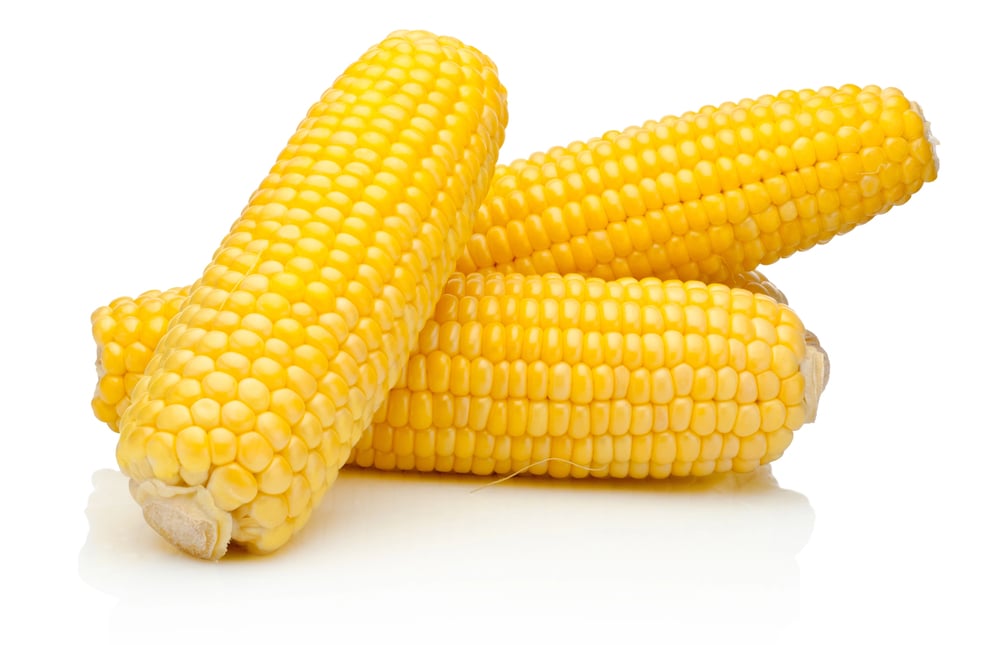
Today’s corn relies entirely on people to grow it. From far back, its original form was a grass named teosinte – barely recognizable compared to supermarket versions.
Through long stretches of time, careful growing changed tiny, hard grains into plump, tender cobs seen now. Since current kernels stay sealed in leafy coverings, they cannot spread seeds naturally; survival hinges on being sown by hand.
Left alone, without planting help, this plant could not last.
Chopping Garlic Increases Its Potency
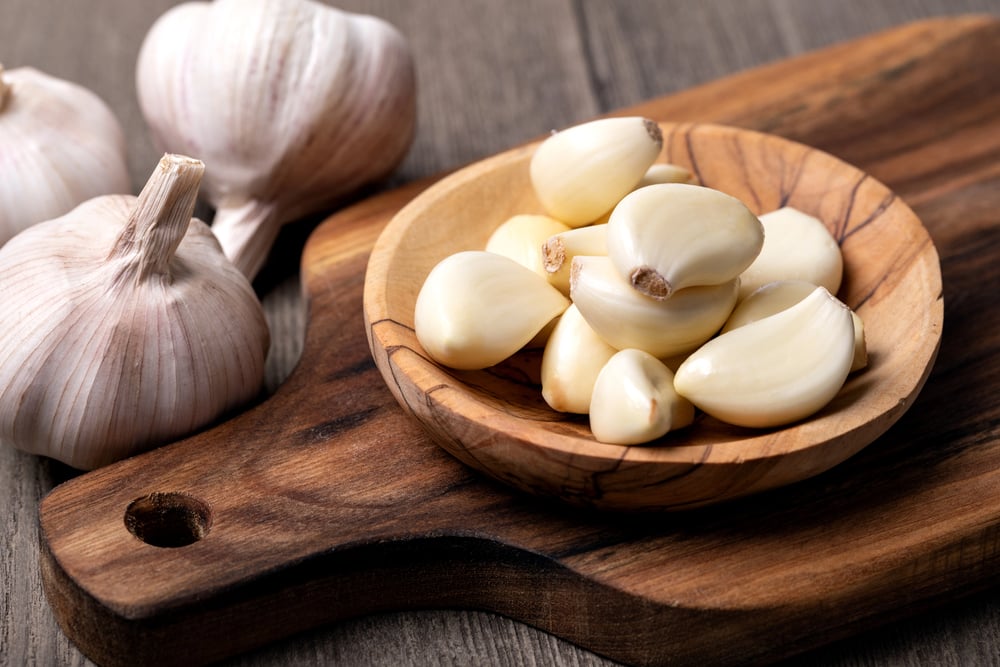
A single piece of uncut garlic smells soft, maybe even a little sugary. When it gets chopped, smashed, or finely ground, tiny parts inside start to mix – this kickstarts a change where something called alliin meets an agent named alliinase, making a strong-smelling substance known as allicin.
Smashing harder means more of that substance shows up. Pressed cloves deliver a fiercer bite compared to simply cut ones, since pressure bursts far more inner chambers all at once.
Every Plate Has a Story
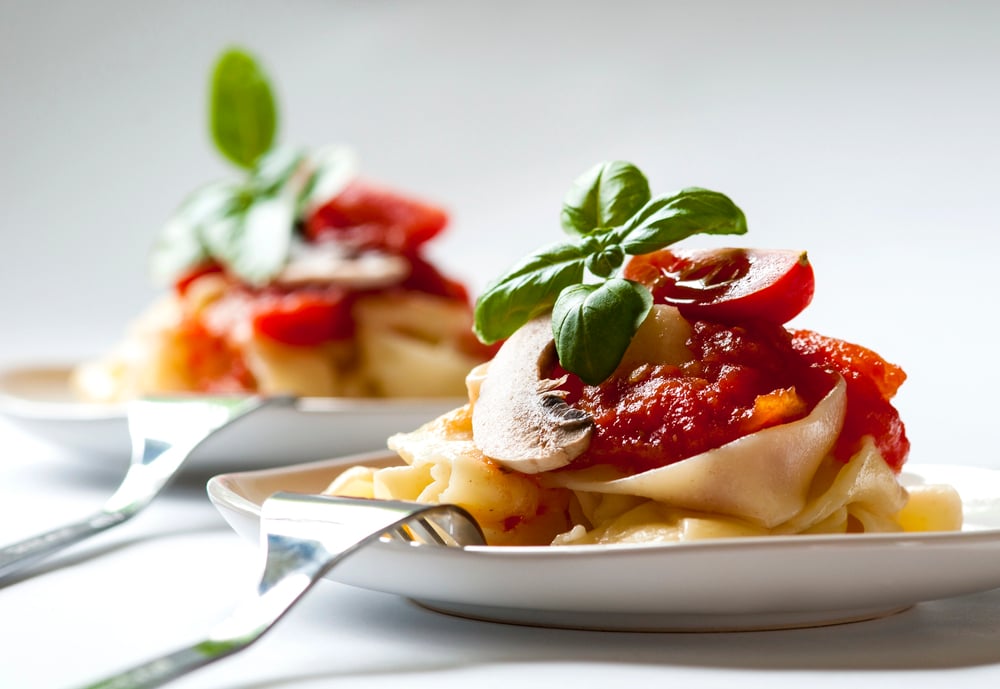
Something we eat holds stories older than most civilizations. That item on your shelf traveled through wars, prayers, bargains, empires, even accidents disguised as choices.
Your banana? It came from a single ancestor plant repeated endlessly. Centuries back, carrots stayed purple or yellow until someone decided otherwise.
Notice this once, then everything on your plate seems quietly louder. Ordinary stops being just ordinary when you know where it actually came from.
More from Go2Tutors!

- The Romanov Crown Jewels and Their Tragic Fate
- 13 Historical Mysteries That Science Still Can’t Solve
- Famous Hoaxes That Fooled the World for Years
- 15 Child Stars with Tragic Adult Lives
- 16 Famous Jewelry Pieces in History
Like Go2Tutors’s content? Follow us on MSN.



