15 Unusual Army Traditions Around The World
Military forces across the globe have developed fascinating customs that often seem bizarre to outsiders. These traditions range from elaborate ceremonies involving extreme physical feats to quirky initiation rituals that would make civilians scratch their heads.
While some have deep historical roots, others emerged from decades of military culture and camaraderie.
Here is a list of 15 unusual army traditions from around the world that showcase the unique character of military culture in different nations.
The Wagah Border Ceremony

Every evening at the Pakistan-India border, soldiers from both countries engage in an incredibly theatrical display that looks more like a dance-off than a military ceremony. The ceremony involves elaborate high-kicking, stomping, and intense staring contests between guards wearing colorful uniforms, ending with a synchronized flag-lowering and a handshake.
This daily spectacle draws thousands of spectators who cheer like they’re at a sporting event, creating an atmosphere of patriotic fervor on both sides of the border.
The Māori Haka War Dance
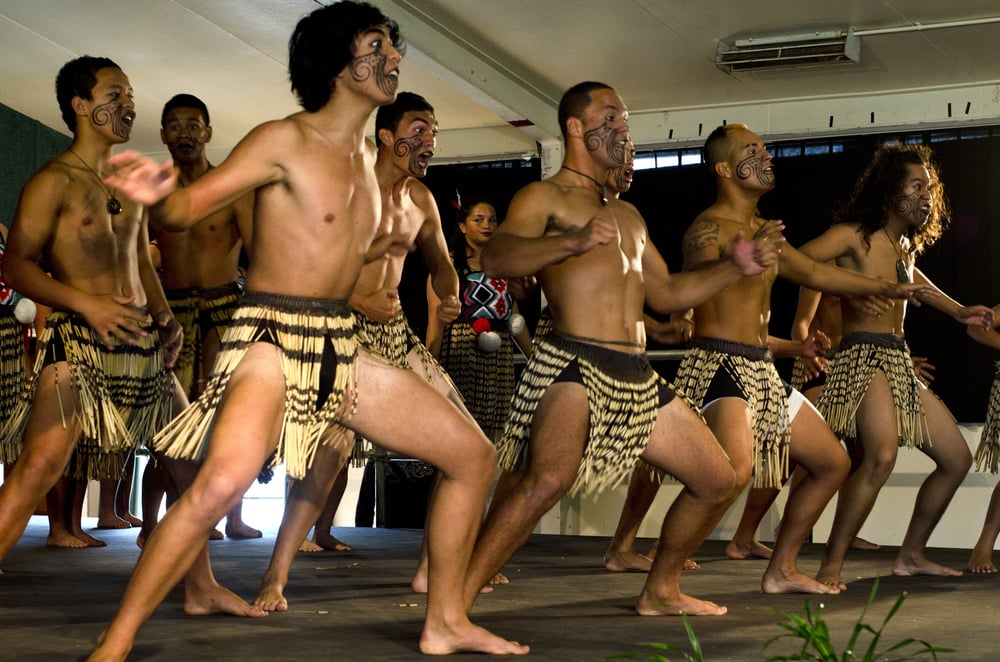
New Zealand’s military units perform the traditional Māori haka, involving vigorous foot-stamping, tongue protrusions, and rhythmic body slapping accompanied by loud chants. While most famous through the All Blacks rugby team, military personnel use this ancient war dance to build unit cohesion and intimidate opponents.
The facial expressions include bulging eyes and extended tongues, designed to strike fear while energizing the performers.
French Foreign Legion’s Kepi Blanc Ceremony
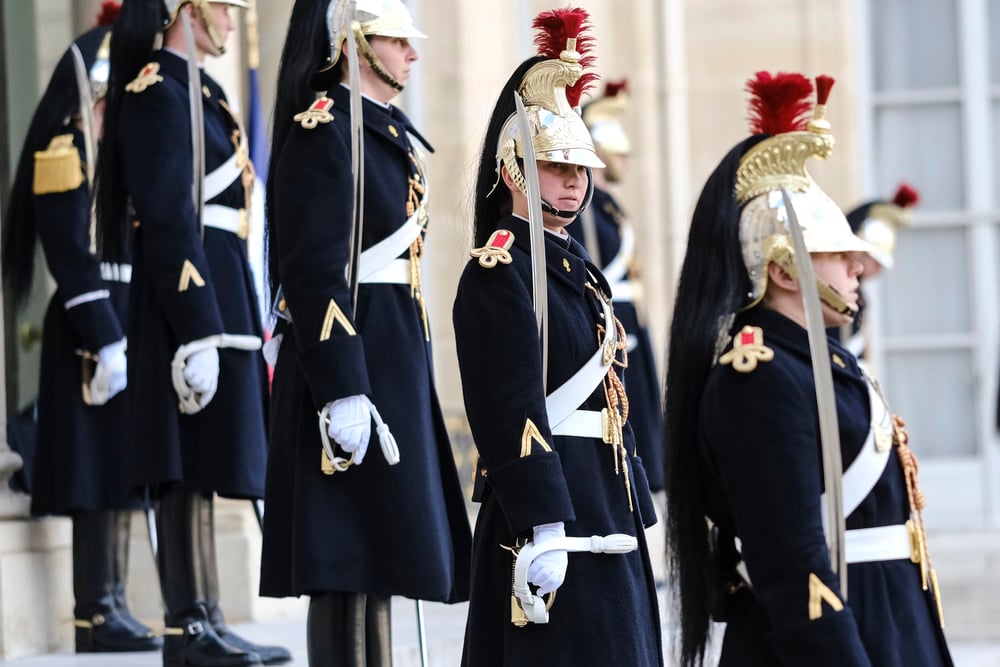
New recruits in the French Foreign Legion receive their white kepi after completing initial training, symbolizing their acceptance into this elite unit. The ceremony involves a formal parade where senior officers present the distinctive white hat that sets legionnaires apart from regular French forces.
This tradition represents the recruits’ transformation from ordinary soldiers into members of one of the world’s most famous military units.
The Grog Bowl Tradition

At military gatherings, random ingredients get tossed into a punch bowl – or sometimes an unused toilet – including hot sauce, alcohol, ground coffee, salt, and even dirty socks. Different military branches have their own rules about who drinks from this concoction, but the tradition continues despite being described as ‘gag-worthy’ by most participants.
Unit ingredients often have special significance, like sand from desert deployments or regional alcohol.
Mustache March

Every March, United States Air Force members grow mustaches to honor legendary fighter pilot Brigadier General Robin Olds, who grew his ‘bulletproof mustache’ in Vietnam as an act of defiance. Despite orders to shave when he returned to the US, the tradition took hold and continues today.
Social media fills with photos of airmen showing off their facial hair throughout the month.
The Rocket Cap Destruction
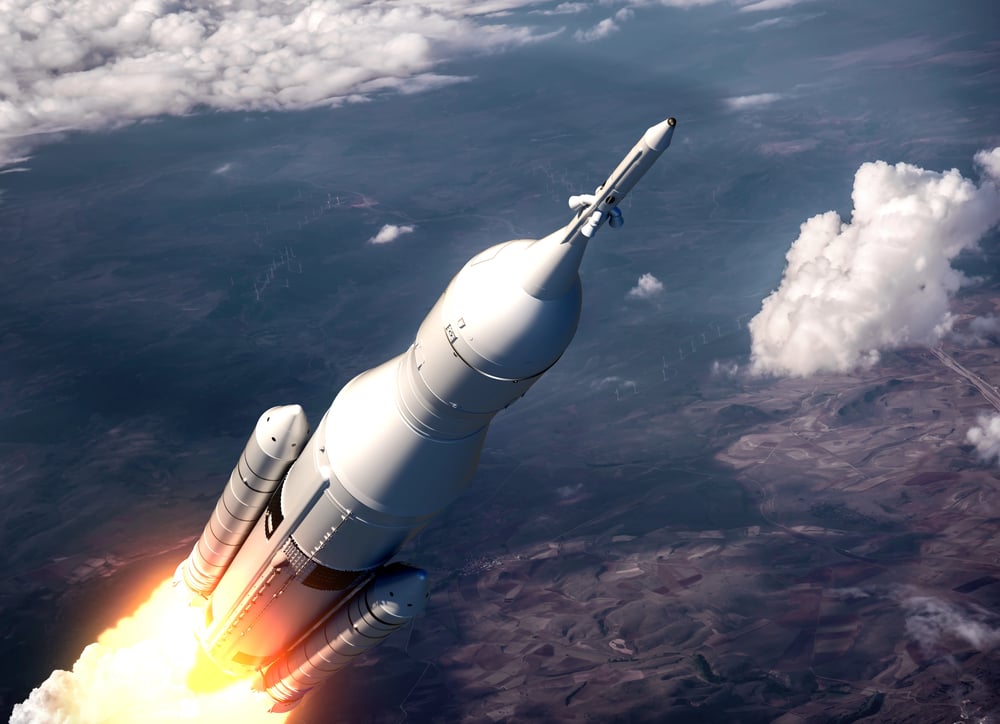
Army Multiple Launch Rocket Systems units welcome new platoon leaders by placing their patrol caps on the backs of rockets during live-fire exercises, which get destroyed when the rockets launch. After the cap is recovered in tattered pieces, team members sign the remains for the lieutenant.
This extreme initiation demonstrates the unit’s acceptance of their new leader through literal trial by fire.
Naval Academy’s Greased Monument Climb

At the US Naval Academy, freshmen must replace a hat on top of the 21-foot Herndon Monument that’s been greased with 50 pounds of vegetable shortening. According to academy tradition, the first person to reach the top will likely become an admiral first.
This slippery challenge marks the end of the difficult plebe year and requires teamwork to accomplish.
Cherry Blossom Viewing by Japan’s Self-Defense Forces

Japanese military personnel and their families gather under blooming cherry trees for picnics, music, and cultural performances during the annual Hanami celebration. This tradition symbolizes renewal and the fleeting nature of life while strengthening bonds within the military community.
It’s a peaceful contrast to many other military traditions focused on combat readiness.
Denmark’s Polar Bear Swim

Danish Navy sailors plunge into the icy waters of Copenhagen harbor on New Year’s Day, often dressed in festive costumes. This annual tradition tests endurance and bravery while symbolizing a fresh start and overcoming challenges.
The event brings together both military personnel and civilians in a unique display of courage and community spirit.
Russian Neptune Day Ceremony

Russian sailors celebrate crossing the equator for the first time with elaborate costumes, including one sailor dressed as Neptune, god of the sea, along with various initiation rites for ‘pollywogs’. The festivities include singing, dancing, and playful rituals that serve as a rite of passage for sailors.
This tradition fosters camaraderie and marks an important milestone in naval service.
Crossing the Line Ceremonies

Sailors crossing the equator for the first time participate in initiation ceremonies that historically could involve violent hazing, though modern versions focus more on harmless pranks and rituals. Newcomers receive nicknames like ‘pollywogs’ or ‘slimy wogs’ until they complete the ceremony and become ‘shellbacks’.
These traditions date back hundreds of years to the days of wooden ships.
Military Wedding Sword Traditions
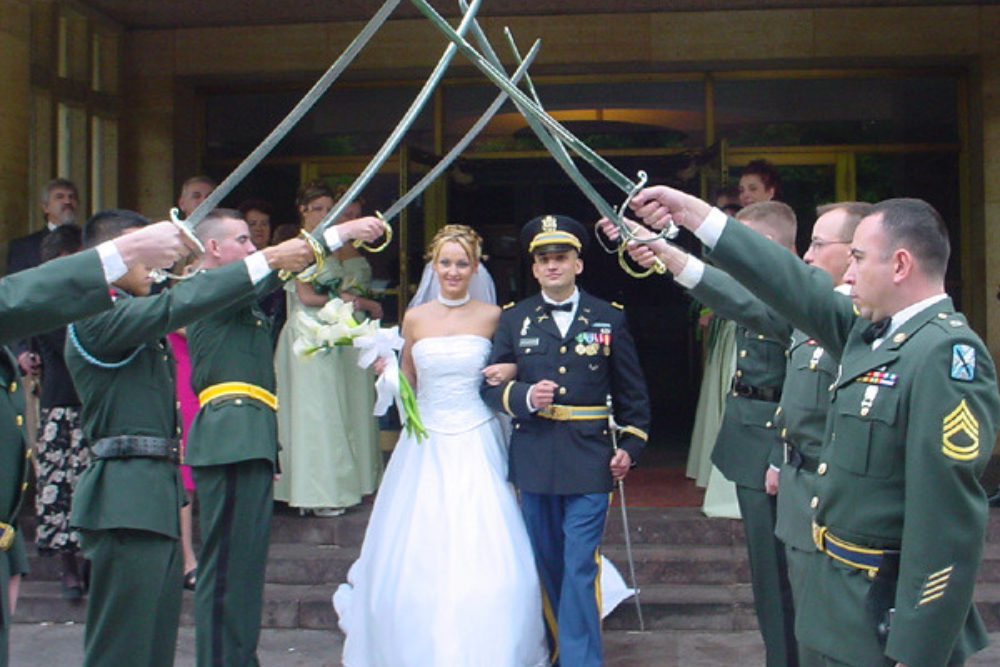
At military weddings, service members form an archway with swords for the couple to walk under, with the final person giving the bride a ceremonial tap while saying ‘welcome to the Army’. Six or eight service members line up in pairs wearing matching uniforms to create this symbolic gesture of protection.
This beautiful tradition introduces civilian spouses into the military family while demonstrating the unit’s commitment to support them.
West Point’s Pillow Fight Tradition
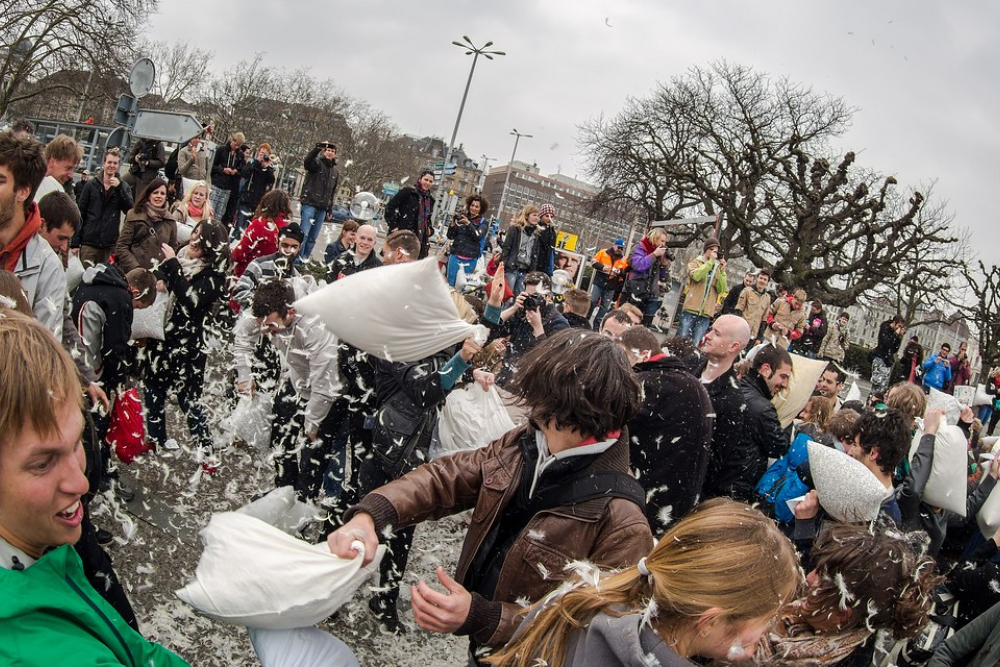
First-year cadets at West Point Military Academy traditionally engage in massive pillow fights to relieve stress from their intense training. What started as harmless fun became increasingly violent, with cadets wearing helmets and armor while using pillows as weapons.
The tradition was banned in 2015 after 30 cadets required medical attention, including 24 concussions.
British Royal Navy’s Black Tot Day

The Royal Navy historically gave sailors daily rum rations totaling 71ml, meaning they consumed almost a full bottle of high-proof rum every ten days. When this tradition ended on July 31, 1970, sailors held mock funeral processions and wore black armbands to mourn the loss of their daily tot.
This marked the end of a centuries-old naval tradition that kept sailors’ spirits high during long voyages.
The Spur Ride Tradition

US Army cavalry units maintain the tradition of the Spur Ride, where soldiers must demonstrate exceptional skills to earn the right to wear spurs. Even though horses have been replaced by helicopters and tanks, cavalry units still honor their mounted heritage through this challenging initiation.
Only the best soldiers in cavalry units receive this honor, which connects modern troops to their historical roots.
The Evolution of Military Identity

These unusual traditions reveal how armed forces maintain their unique identities while adapting to changing times. From ancient war dances to modern mustache-growing contests, these customs serve the same fundamental purpose – building unit cohesion and preserving military heritage.
While some traditions fade away due to safety concerns or changing values, new ones continue to emerge, ensuring that military culture remains vibrant and distinctive. The enduring appeal of these practices demonstrates that even in our modern world, soldiers still need rituals that connect them to something larger than themselves.
More from Go2Tutors!

- The Romanov Crown Jewels and Their Tragic Fate
- 13 Historical Mysteries That Science Still Can’t Solve
- Famous Hoaxes That Fooled the World for Years
- 15 Child Stars with Tragic Adult Lives
- 16 Famous Jewelry Pieces in History
Like Go2Tutors’s content? Follow us on MSN.