16 Historical Figures Who Were Nothing Like You Think
History creates legends that overshadow actual people. Over centuries, historical figures get mythologized, sanitized, or completely misrepresented until popular images bear little resemblance to reality. These distortions sometimes stem from propaganda. Other times they emerge from well-meaning attempts to create inspiring role models, or occasionally from simple misunderstandings that got repeated until they became accepted fact.
The gap between historical reality and popular perception can be startling. People we consider saints had serious character flaws, while others we view as villains were far more complex than their reputations suggest. Here is a list of 16 historical figures who were nothing like you think.
Christopher Columbus
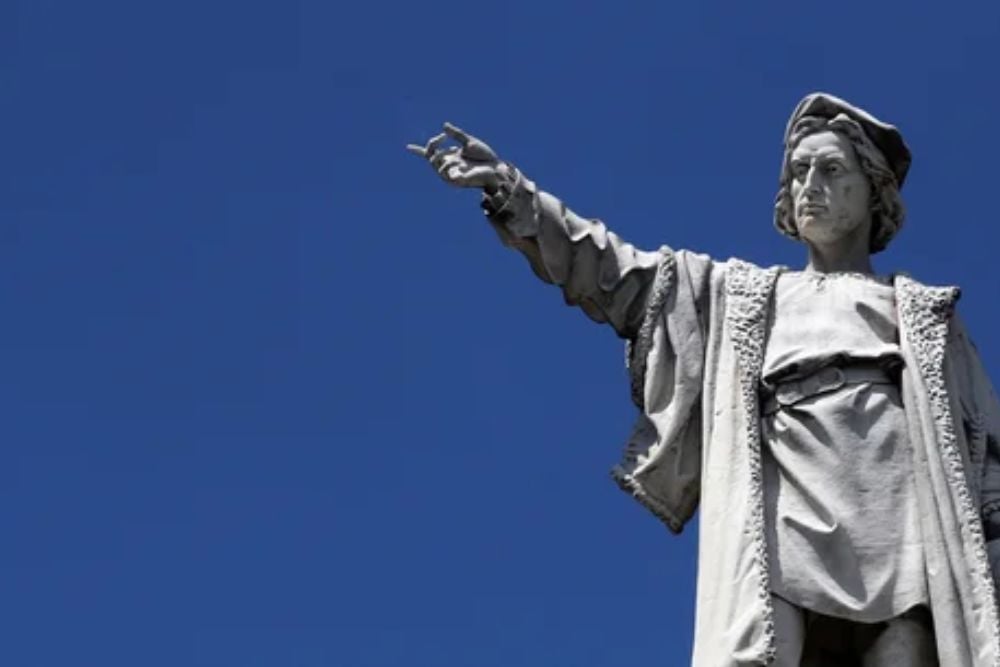
Columbus wasn’t the brave explorer who proved the Earth was round — educated people already knew that. He was actually a terrible navigator who miscalculated the Earth’s size and got lucky stumbling into the Americas while searching for Asia.
What’s more, Columbus proved to be a brutal colonial administrator who enslaved indigenous people. Spanish authorities eventually arrested him for his cruelty and mismanagement.
Napoleon Bonaparte
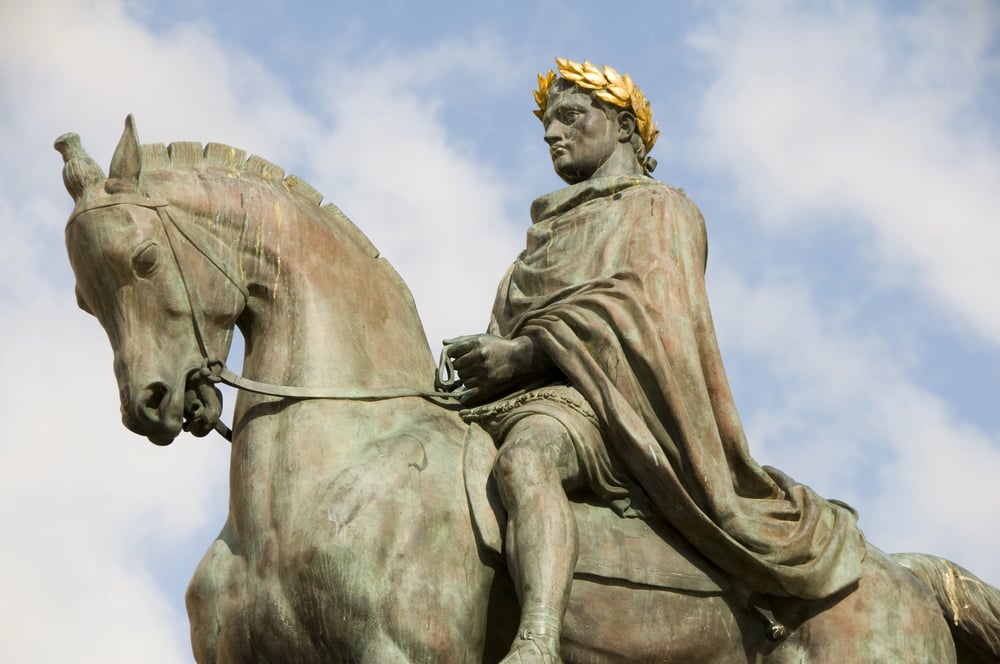
The notion that Napoleon was short comes from British propaganda and confusion between French and English measurements. He stood about 5’7″ — average or even slightly tall for his era.
Napoleon was also far more liberal than most monarchs of his time, promoting religious tolerance, legal equality, and merit-based advancement throughout his empire.
Like Go2Tutors’s content? Follow us on MSN.
Marie Antoinette

She never uttered “Let them eat cake”. That phrase was attributed to various aristocrats before she was even born. Marie Antoinette was relatively charitable and tried helping the poor, though she remained completely out of touch with ordinary people’s struggles.
Her biggest crime? Being an easy scapegoat for France’s economic problems that existed long before her arrival.
George Washington
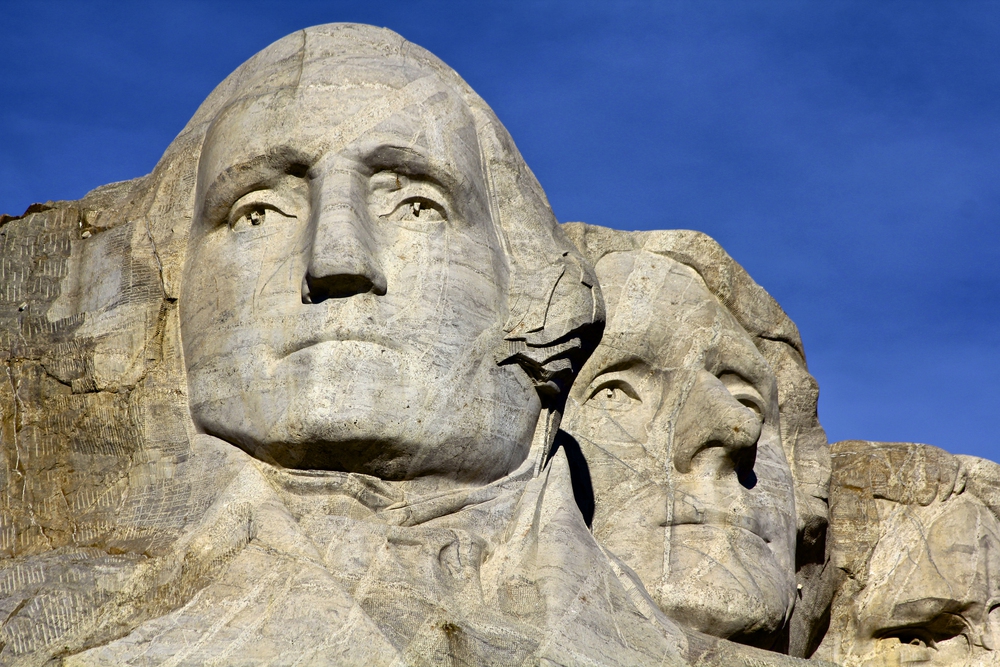
Washington wasn’t the humble, reluctant leader of popular imagination but rather an ambitious politician who carefully crafted his public image. He ranked among America’s wealthiest men, partly through land speculation and partly by marrying a wealthy widow.
Washington also possessed a terrible temper and was known for explosive outbursts that terrified his subordinates.
Benjamin Franklin
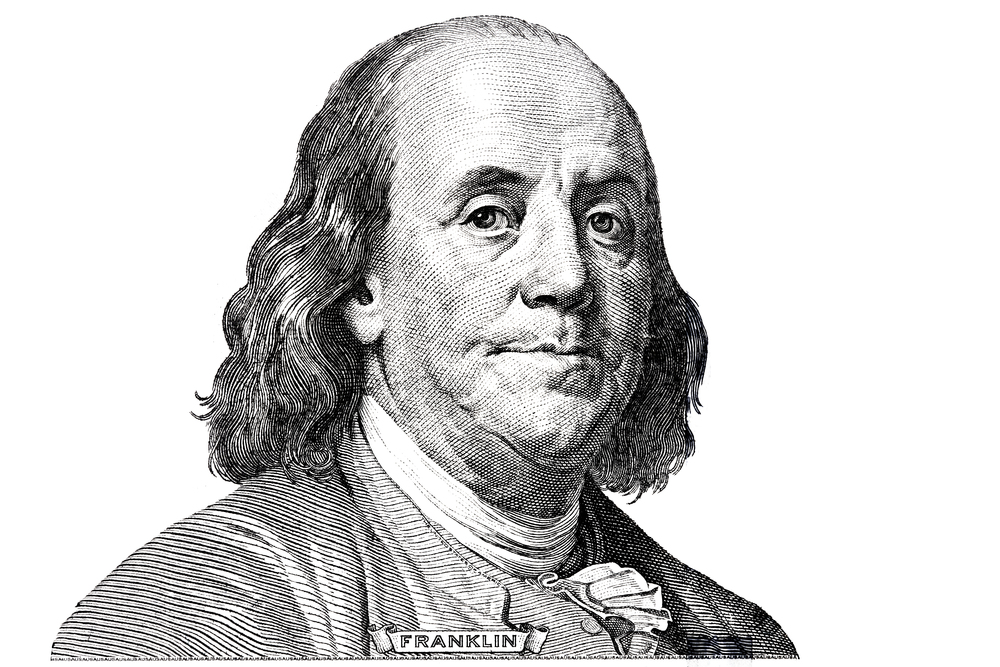
Franklin wasn’t the simple, folksy inventor of American mythology but a sophisticated diplomat and social climber who loved luxury and high society. He spent years living lavishly in London and Paris, enjoying the finest food, wine, and company European culture could offer.
Franklin also had numerous affairs and fathered at least one illegitimate child.
Like Go2Tutors’s content? Follow us on MSN.
Pocahontas
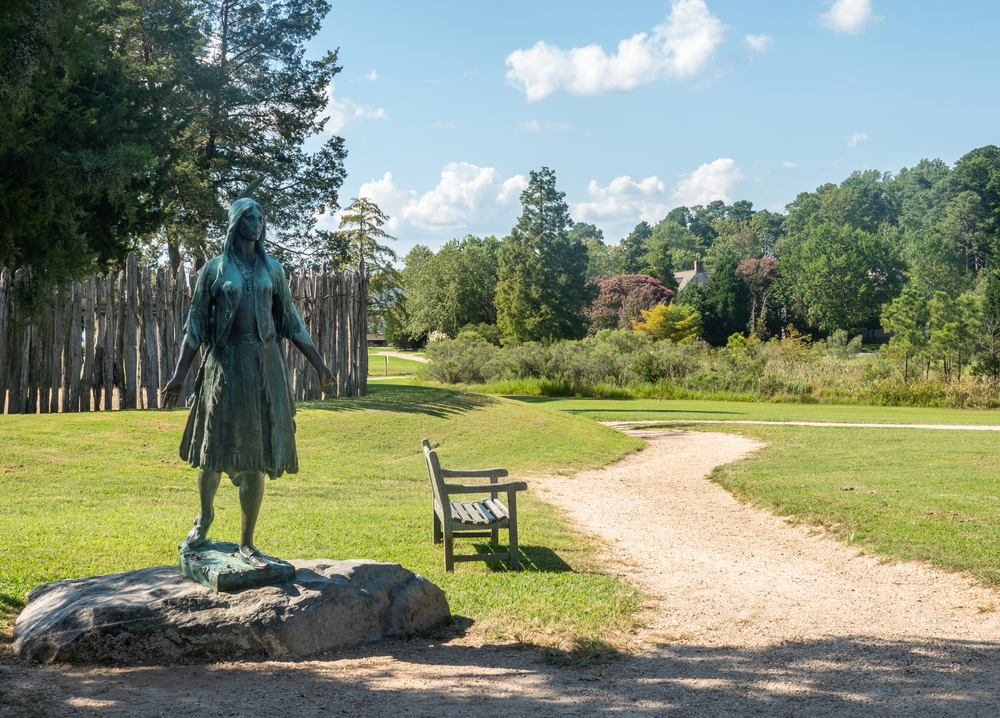
Her real name was Amonute, and ‘Pocahontas’ was merely a childhood nickname meaning ‘playful one.’ She was probably around 10 or 11 when she first encountered English colonists, making any romantic relationship with John Smith impossible and inappropriate.
The Disney version of her story bears no resemblance to her actual life as a political pawn in the conflict between her people and English settlers.
Vincent van Gogh
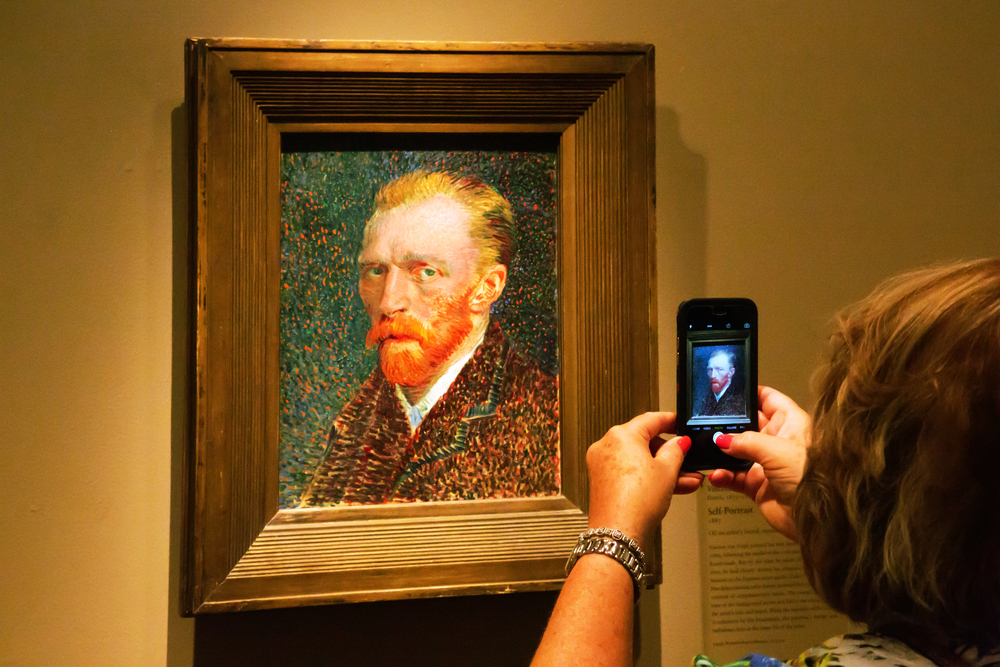
Van Gogh wasn’t the mad genius who severed his entire ear—he only cut off part of his earlobe during a mental health crisis. He also wasn’t completely unknown during his lifetime; he sold paintings and maintained supportive relationships with other artists and dealers.
His brother Theo’s widow worked tirelessly after Vincent’s death to promote his work and create the struggling artist legend.
Albert Einstein
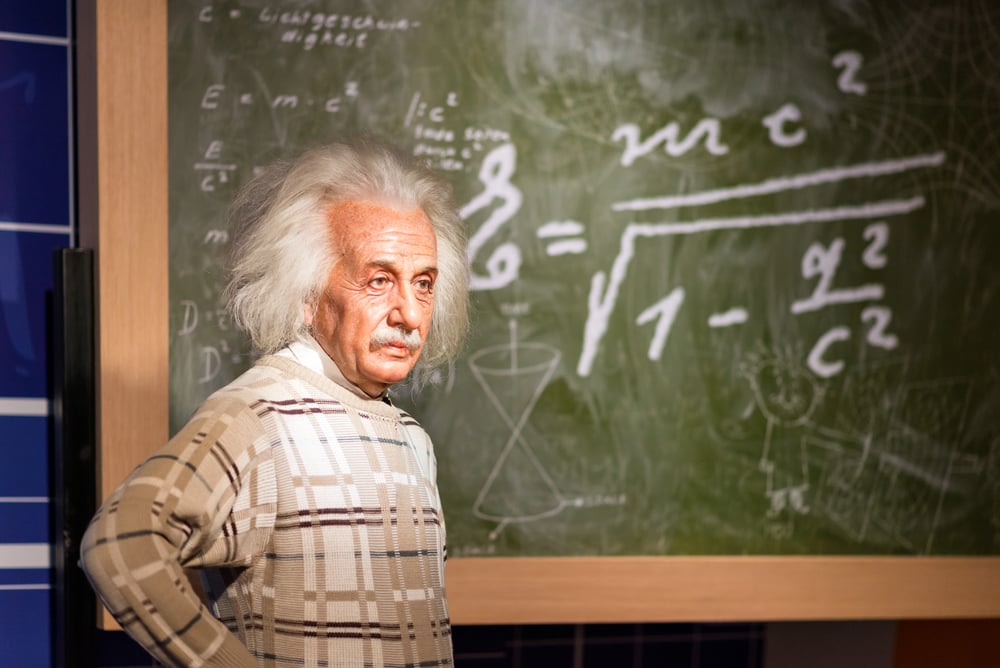
Einstein wasn’t a poor student who failed mathematics—he was actually exceptional at maths from a young age and mastered calculus before most people learn basic algebra. This myth stems from confusion about different grading systems between countries.
Einstein was also deeply involved in politics, civil rights activism, and social causes throughout his life, not just focused on abstract physics.
Like Go2Tutors’s content? Follow us on MSN.
William Shakespeare
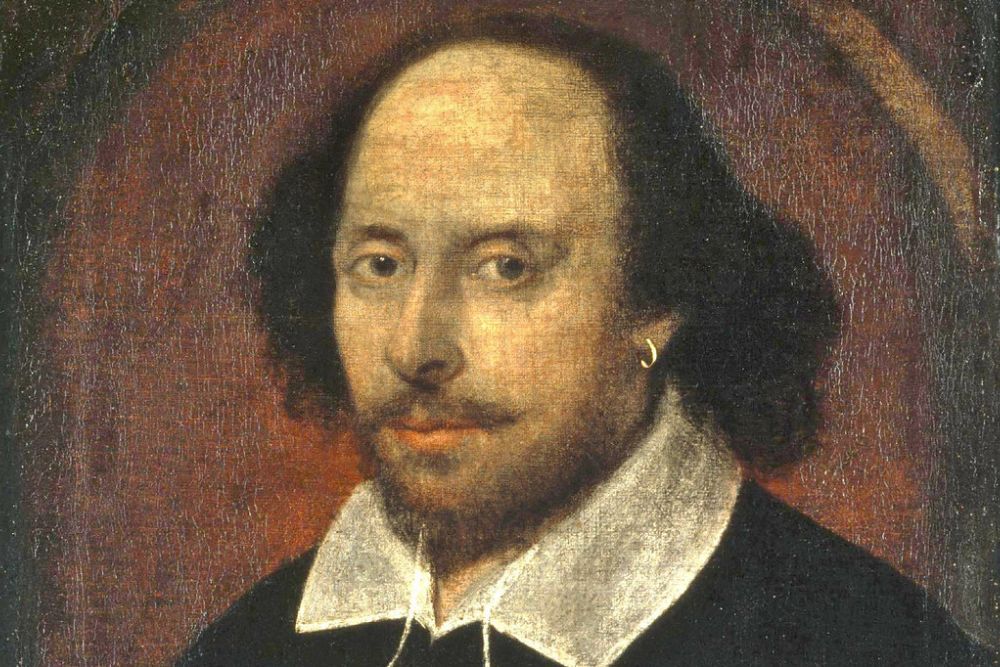
Many scholars doubt that William Shakespeare of Stratford-upon-Avon actually wrote all the plays attributed to him. The historical Shakespeare had limited education and probably couldn’t read Latin or Greek — yet the plays demonstrate intimate knowledge of classical literature, foreign languages, and aristocratic court life.
Several alternative candidates have been proposed, including Edward de Vere and Christopher Marlowe.
Cleopatra
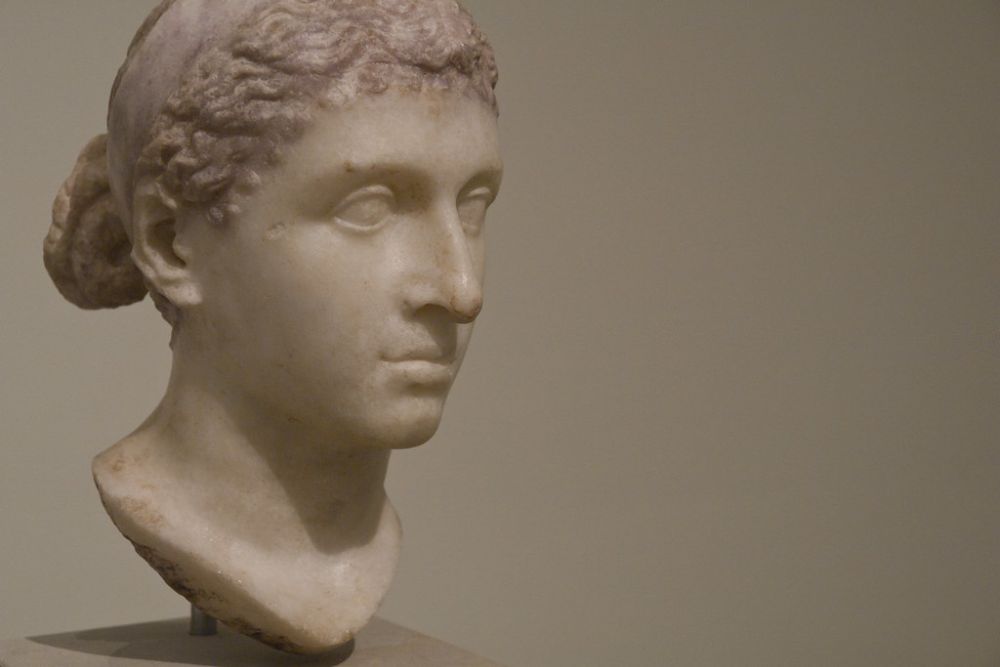
Cleopatra wasn’t Egyptian but Macedonian Greek, descended from one of Alexander the Great’s generals. She also wasn’t the stunning beauty of Hollywood legend; ancient sources describe her as intelligent and charismatic rather than physically beautiful.
Cleopatra spoke nine languages and was highly educated, ruling Egypt competently for nearly two decades.
Thomas Edison
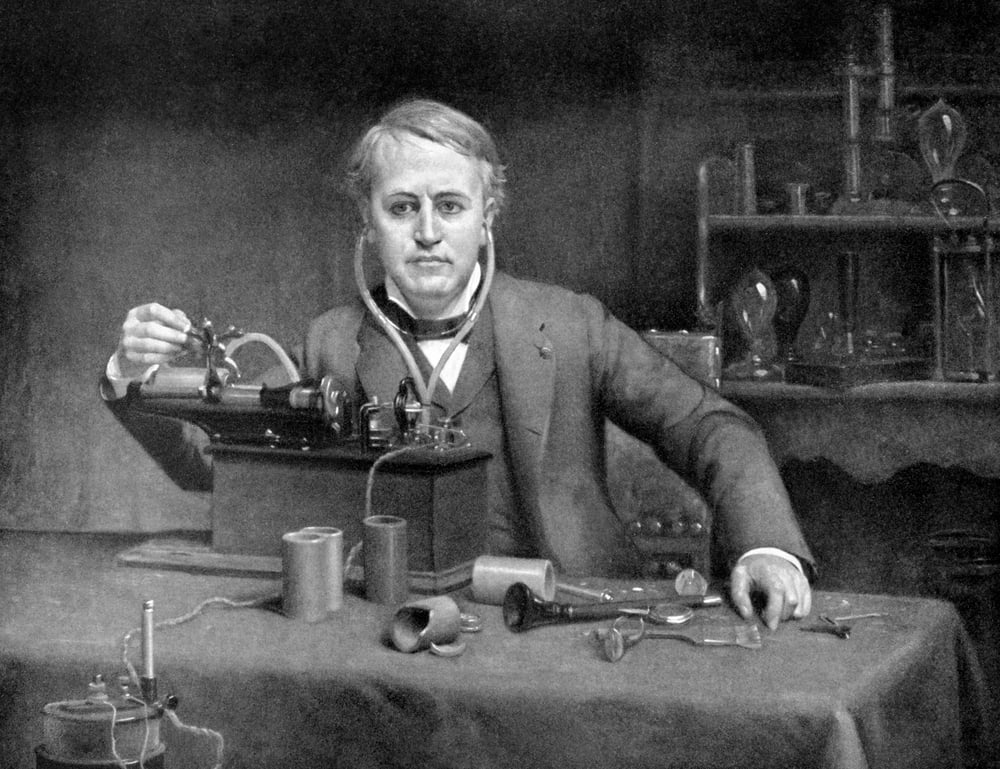
Edison wasn’t the brilliant lone inventor but more of a businessman who employed teams of researchers and took credit for their work. He didn’t actually invent the light bulb, though he improved existing designs and figured out how to mass-produce them profitably.
Edison also waged a vicious campaign against alternating current electricity, even electrocuting animals in public demonstrations to show its dangers.
Like Go2Tutors’s content? Follow us on MSN.
Gandhi
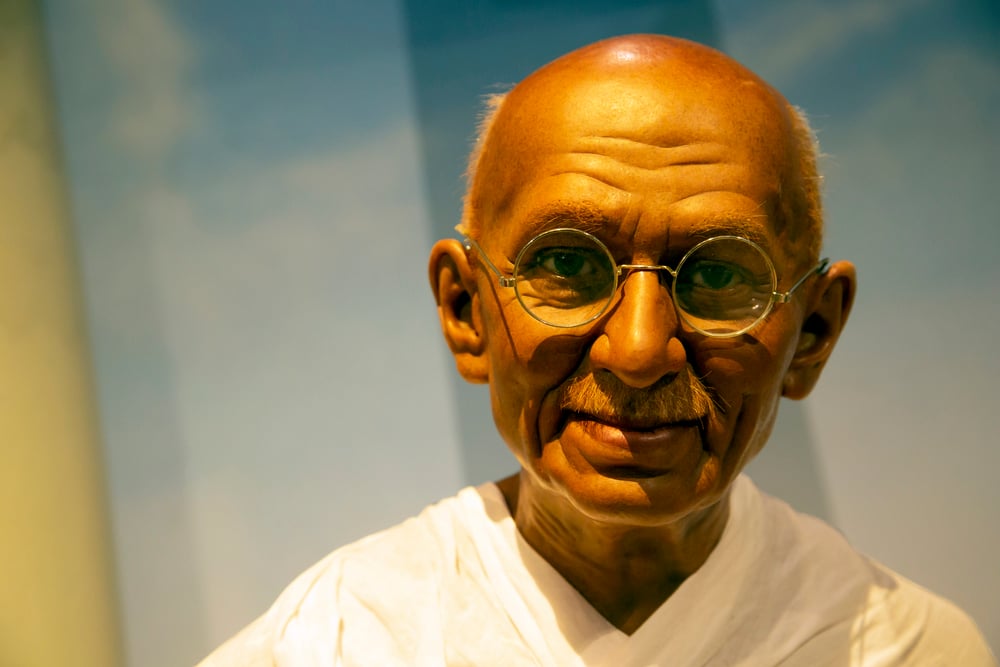
Mahatma Gandhi held some deeply problematic views, particularly about race during his early years in South Africa. He referred to black Africans using derogatory terms and argued that Indians were superior to them.
Gandhi also maintained unusual ideas about health and nutrition, sometimes refusing medical treatment for his family members based on personal beliefs rather than medical advice.
Mother Teresa
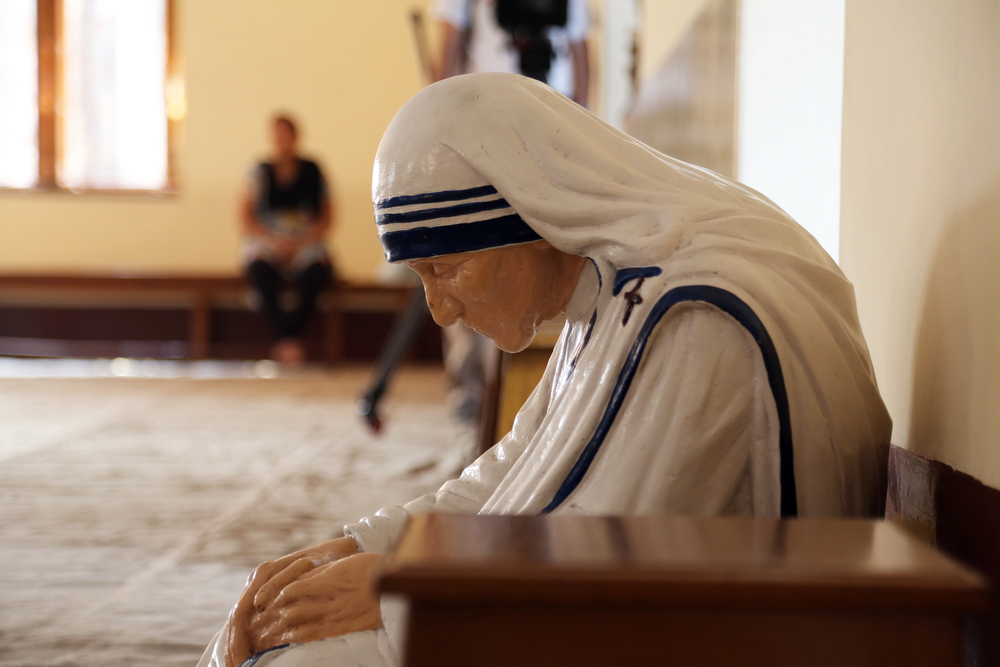
Recent investigations have revealed that Mother Teresa’s hospitals in Calcutta provided minimal actual medical care and often reused needles without sterilization. She believed suffering brought people closer to God and sometimes withheld pain medication from dying patients.
Meanwhile, she sought the best medical treatment available when she herself became ill.
Walt Disney
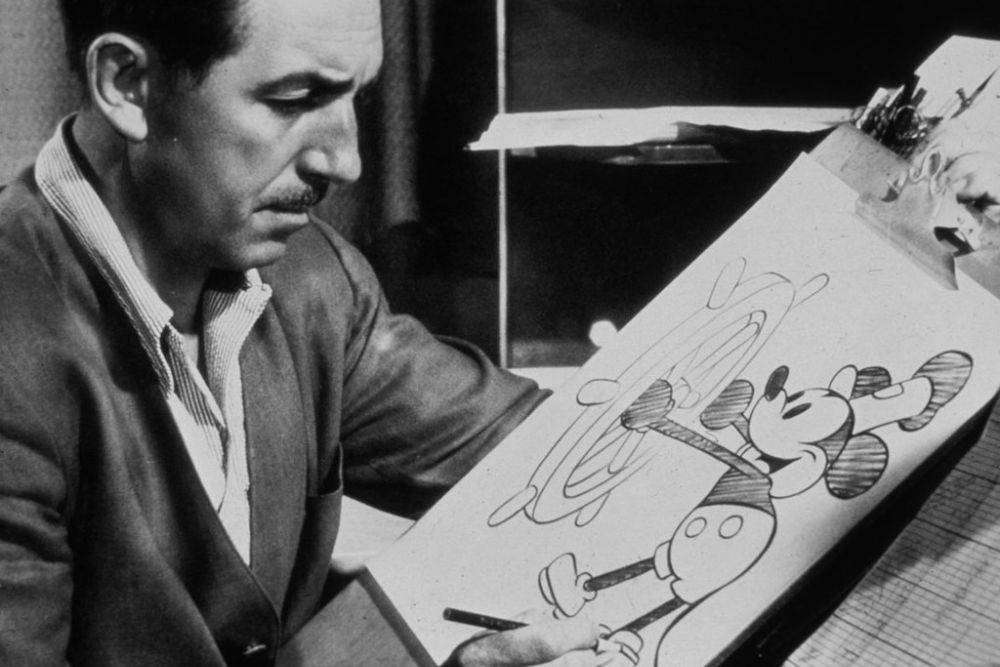
Disney wasn’t the wholesome family man of public relations campaigns but was known for his explosive temper, perfectionism, and difficult personality. He was also politically conservative and cooperated with the House Un-American Activities Committee during the Communist witch hunts of the 1950s.
The cheerful, grandfatherly image was carefully constructed by Disney’s publicity department.
Like Go2Tutors’s content? Follow us on MSN.
Ernest Hemingway
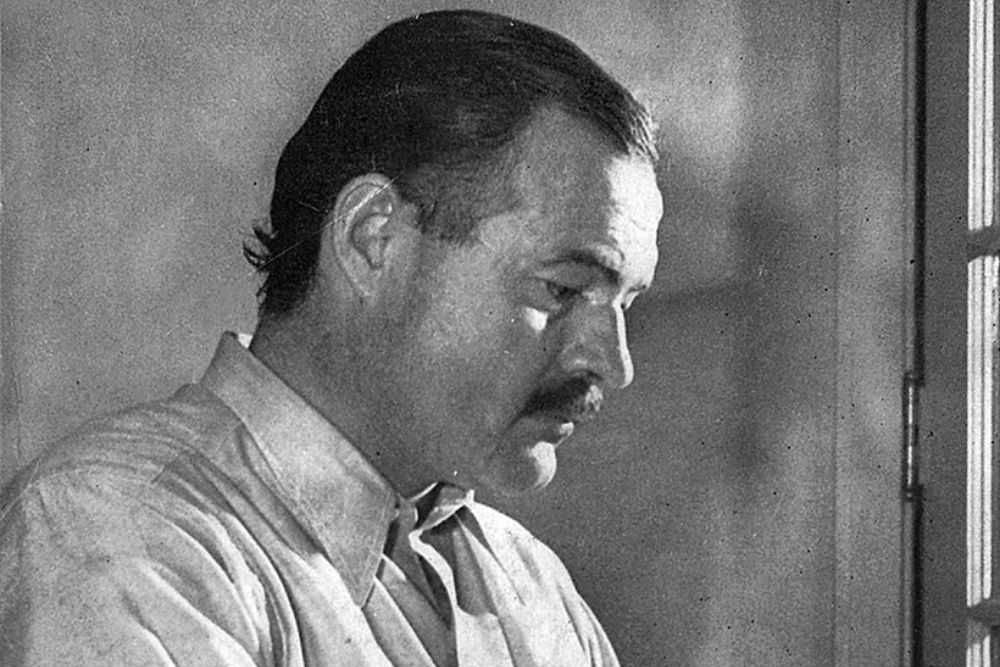
Hemingway cultivated an image as a rugged outdoorsman and war correspondent, yet he often exaggerated or fabricated his adventures. He wasn’t actually present at many battles he claimed to have witnessed, while his war reporting was sometimes more fiction than journalism.
Hemingway also struggled with mental health issues and alcoholism throughout his life, contradicting his public persona of strength and resilience.
King Arthur
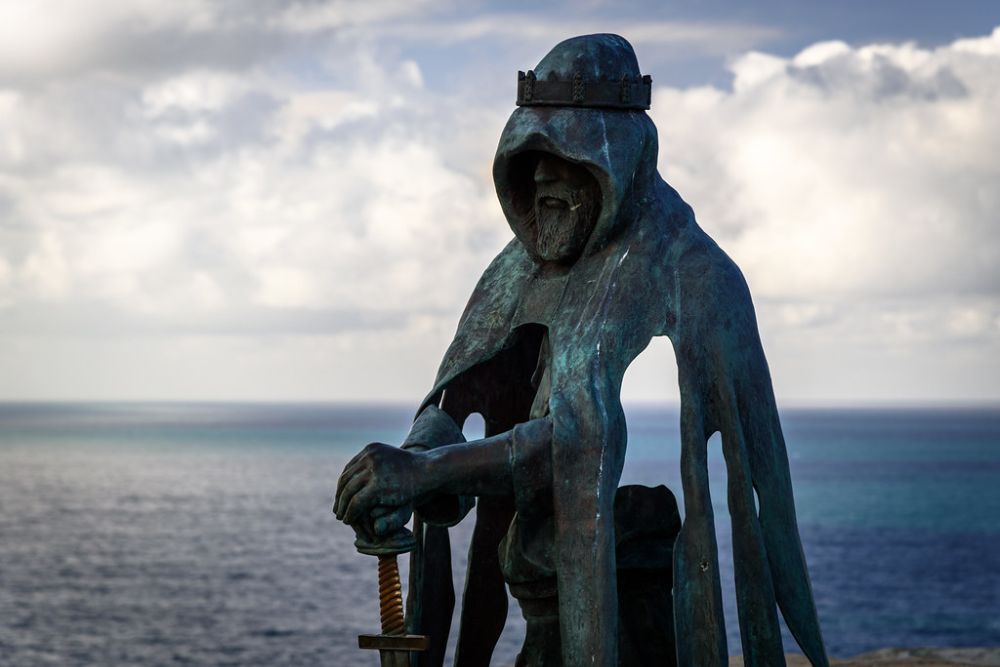
King Arthur probably never existed as a single historical figure but represents a combination of several Celtic war leaders who fought against Anglo-Saxon invaders. The romantic tales of Camelot, knights in shining armor, and courtly love were medieval inventions created centuries after the supposed Arthurian period.
Archaeological evidence for a historical Arthur is virtually nonexistent, making him more mythical than real.
The Stories We Tell Ourselves

These revelations about historical figures remind us that the past is often more complicated and messy than the simplified stories we prefer to tell. Real people have contradictions, flaws, and complexities that don’t fit neatly into heroic narratives or simple moral lessons.
Understanding the gap between historical reality and popular mythology helps us think more critically about the figures we admire today and the legends that future generations might create about our own time. The truth is usually more interesting than the myth, even if it’s less comfortable to accept.
Like Go2Tutors’s content? Follow us on MSN.
More from Go2Tutors!

- 16 Restaurant Chains That Went Too Fast
- 12 Things Sold in the 80s That Are Now Illegal
- 15 VHS Tapes That Could Be Worth Thousands
- 17 Historical “What Ifs” That Would Have Changed Everything
- 18 TV Shows That Vanished Without a Finale
Like Go2Tutors’s content? Follow us on MSN.