15 Vintage Art Supplies That Serious Collectors Are Hunting For
There’s something magnetic about walking into an old art store and finding supplies that haven’t been made in decades. The weight of a vintage paintbrush feels different in your hands—deliberate, crafted with an attention to detail that modern manufacturing rarely matches.
Collectors know this feeling well, and they’re willing to pay serious money for it. The market for vintage art supplies has exploded in recent years, driven partly by nostalgia and partly by the undeniable quality of materials from bygone eras.
These aren’t just tools; they’re pieces of art history that carry the spirit of every artist who used them before.
Winsor & Newton Series 7 Kolinsky Sable Brushes From The 1950s-60s
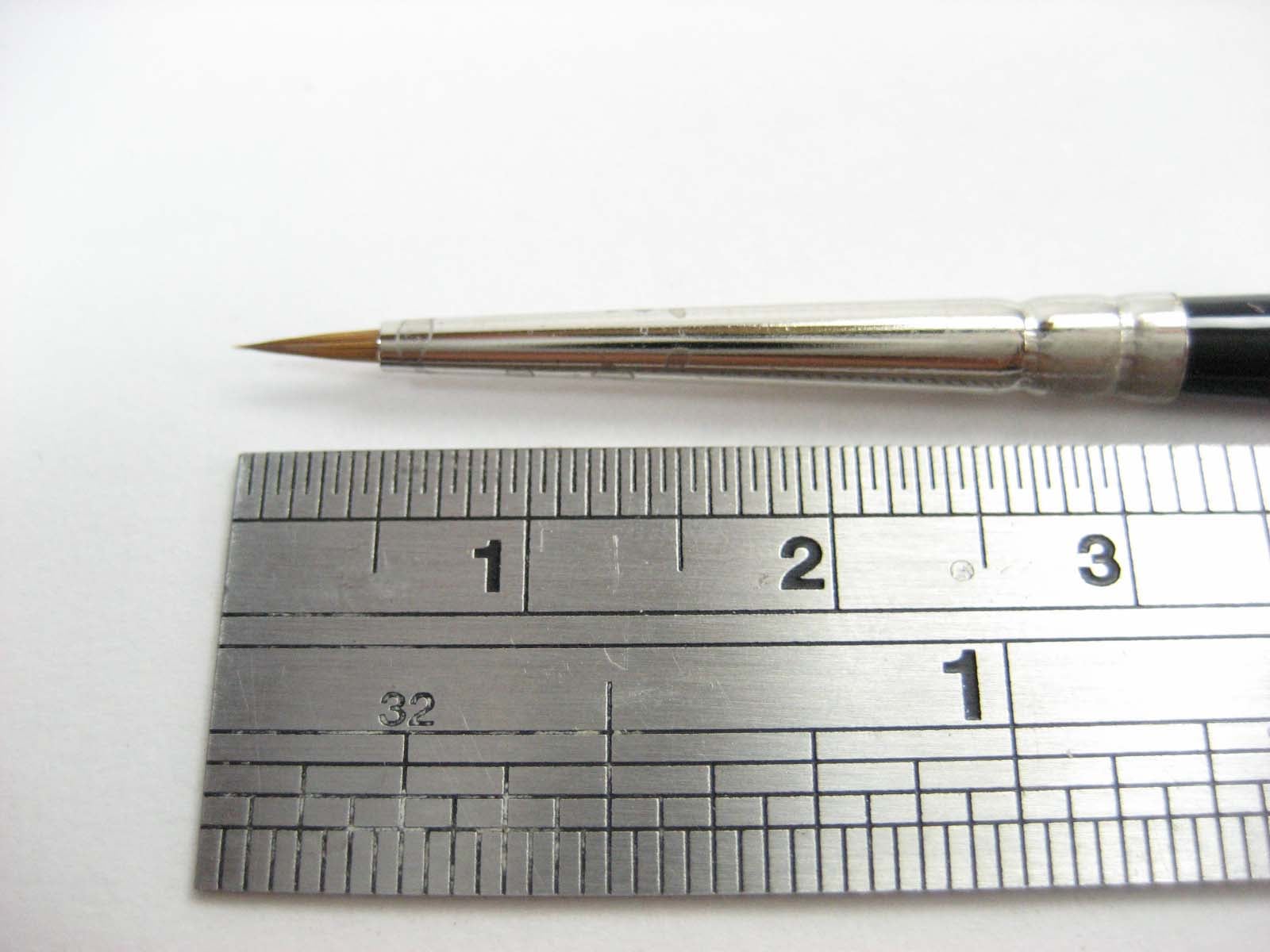
These brushes are legendary. The hair comes from the Siberian mink, and the vintage versions used the finest selection criteria that no longer exist today.
A single size 12 from this era can fetch over $400. The point stays perfect, the belly holds more paint than seems possible, and they last decades with proper care.
Original Grumbacher Red Sable Brushes
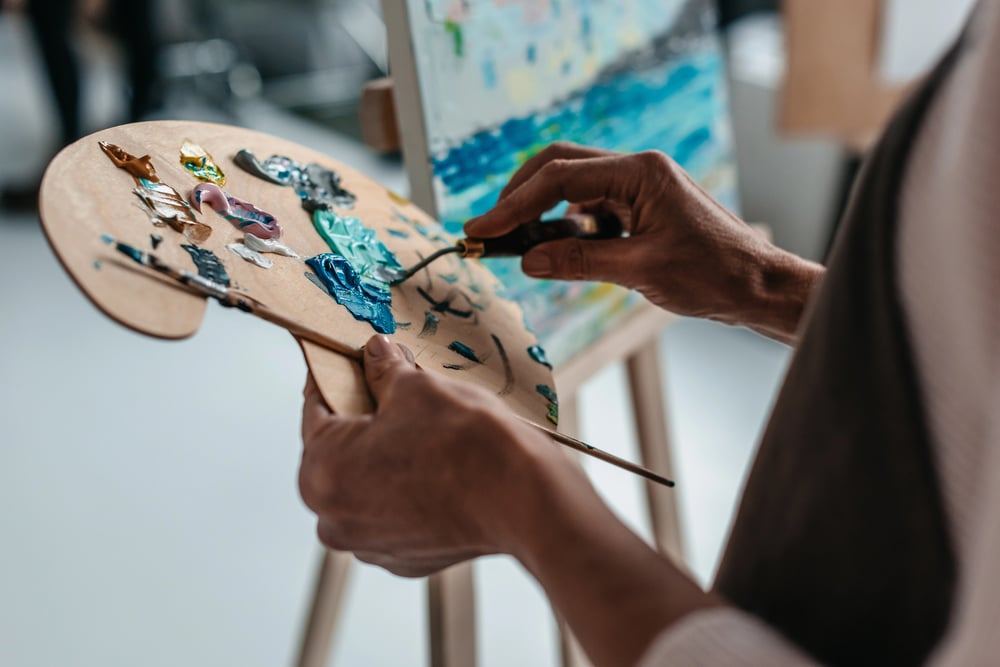
So here’s the thing about Grumbacher’s old red sable line (which they discontinued when the company changed hands in the 1990s): these brushes were handmade by craftsmen who understood that the ferrule placement could make or break a brush’s performance, and the way they selected and shaped each individual hair created a tool that responded to the slightest pressure variation — something you’d notice immediately if you’d spent years fighting with cheaper alternatives that either dumped paint everywhere or held onto it like they were hoarding it for winter. The original red sables had this perfect balance.
They gave you exactly what you asked for. And the vintage ones still do, which explains why collectors will pay $200-300 for brushes that originally sold for under $20.
But here’s what’s interesting: even at those prices, they’re often worth it for professional work, because a brush this responsive can change how you approach watercolor entirely.
Permanent Pigments Aquatec Watercolors

There’s a particular ache that comes with discovering something perfect just as it disappears forever. Permanent Pigments made these watercolors from the 1940s through the 1970s, and artists who used them swear by a vibrancy that seems almost impossible—colors that stay true for decades, that mix without going muddy, that rewet like they were painted yesterday.
The company folded, and the formulations went with it. What remains are tubes scattered across estate sales and auction sites, priced like rare gems because that’s essentially what they are.
A full set can cost thousands, but even individual tubes of the more sought-after colors command $50-100 each.
French-Made Conte Crayons From Pre-1980
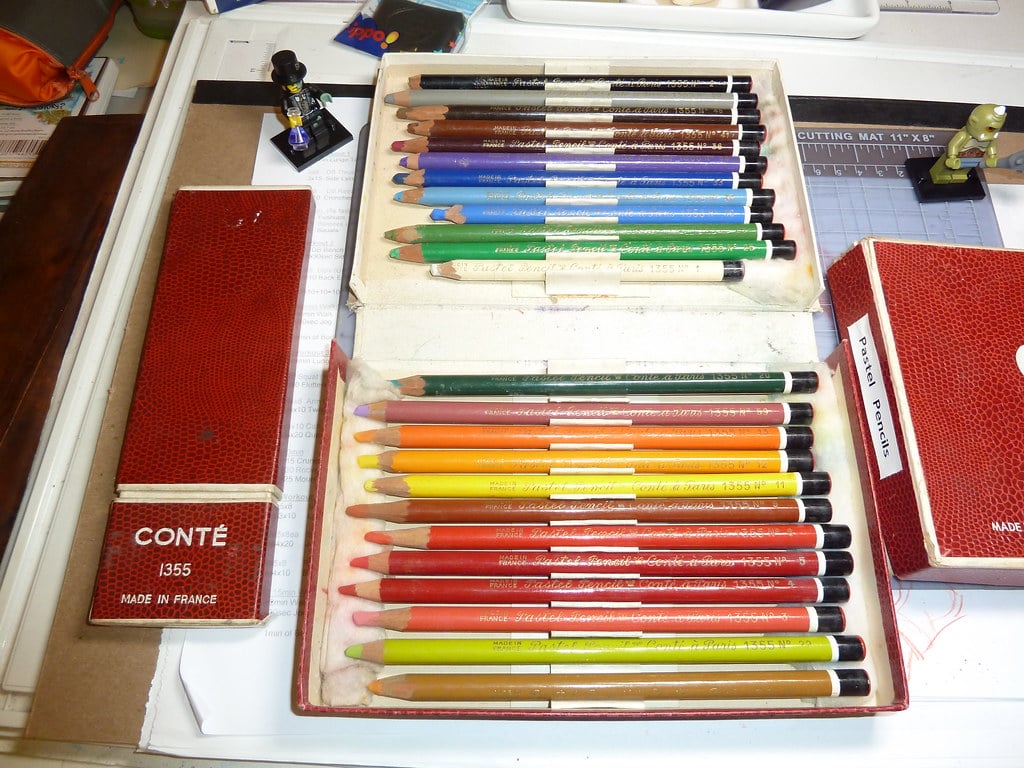
Conte changed their manufacturing process in the 1980s. The vintage ones are superior in every measurable way.
The binding agent was different, the pigment ratios were higher, and the texture achieved a smoothness that modern versions can’t match. Artists describe them as “buttery” – which sounds like marketing speak until you actually use one.
Pelikan Watercolor Sets In Original Tin Boxes

But here’s the peculiar thing about these German-made sets from the 1950s and 60s (and this might sound like collector romanticism, except that chemical analysis backs it up): Pelikan was sourcing pigments from suppliers who simply don’t exist anymore, using traditional methods that were already becoming economically unviable by the time cheaper synthetic alternatives flooded the market in the 1970s. The ultramarine blue alone — derived from genuine lapis lazuli rather than synthetic ultramarine — has a depth that makes modern alternatives look flat by comparison.
And when you see an original set where the colors are still intact (many have been depleted by decades of use), it’s like looking at a paint chemistry museum. Strange to think that what was once a standard student supply is now a collector’s obsession.
So these tins, especially the larger 24-color sets, can sell for $300-500 when found complete. The smaller sets still command $100-200, assuming the paints haven’t dried out completely — though even dried vintage Pelikans can often be reactivated with patience and distilled water.
Rapidograph Technical Pens By Koh-I-Noor (1960s-70s)
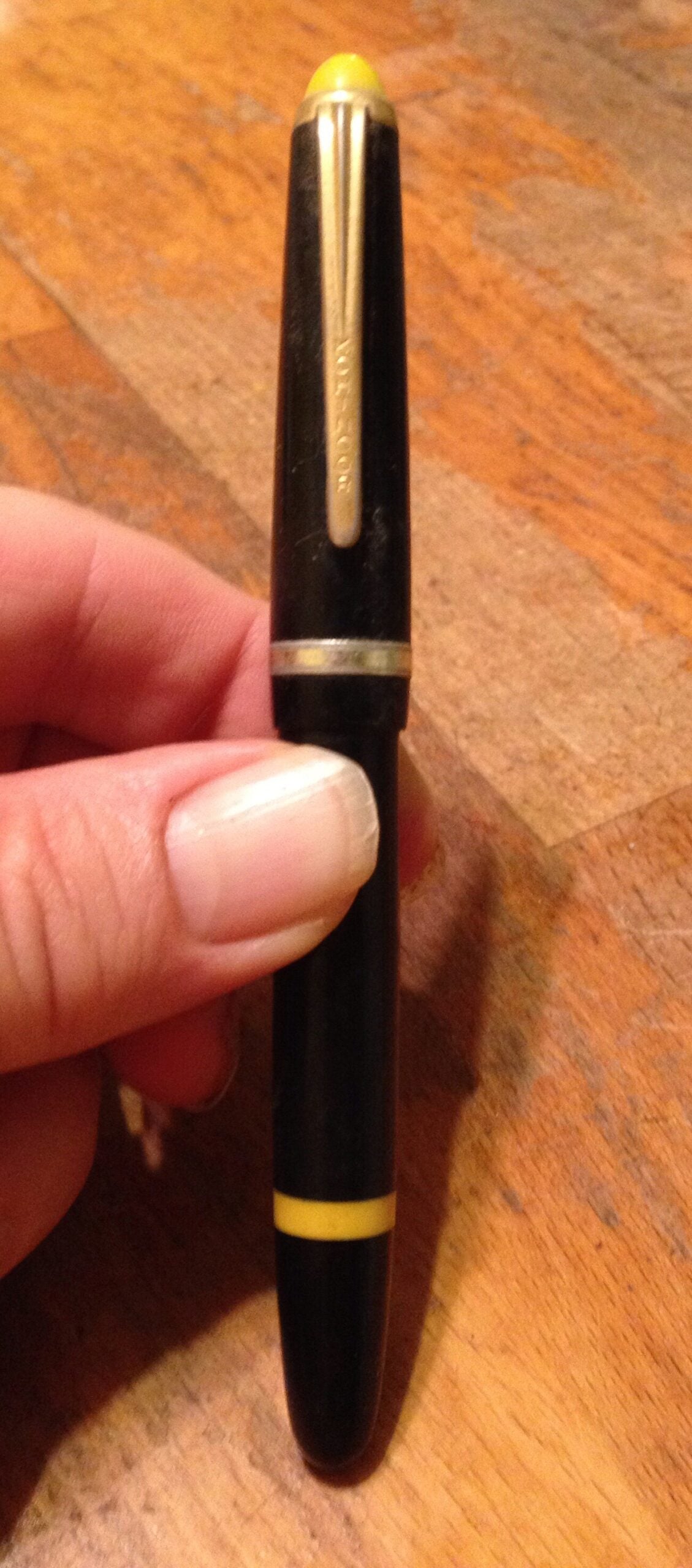
The original Rapidograph pens were precision instruments disguised as drawing tools. Each nib was individually calibrated, and the ink flow system worked with a reliability that made technical drawing actually enjoyable instead of an exercise in frustration.
Koh-I-Noor still makes technical pens, but they’re manufactured differently now. The vintage ones feel substantial, draw consistently for hours without skipping, and the line weights are exactly what they claim to be.
Complete sets in original cases can bring $200-400, depending on condition.
Faber-Castell Polychromos From The 1970s
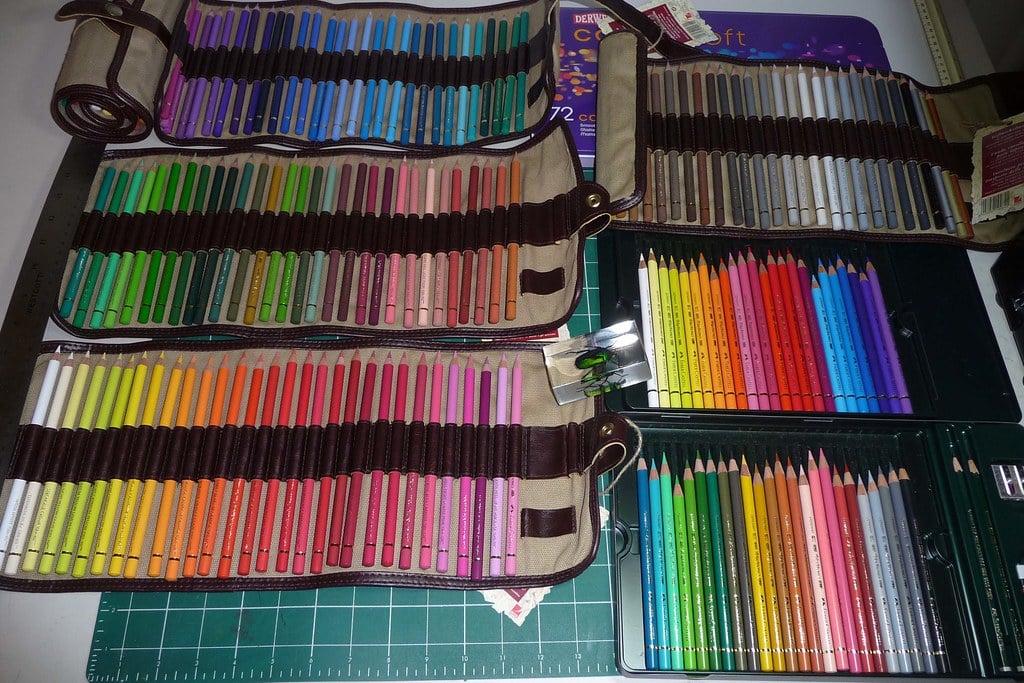
The wax-to-pigment ratio was perfect. Modern Polychromos are still excellent colored pencils, but something shifted in the formulation around 1980 that changed how they layered and blended.
English-Made Daler Board (Pre-1990)
When Daler Rowney moved production overseas, something essential got lost in translation. The original English-made boards had a surface texture that grabbed charcoal and graphite in exactly the right way — enough tooth to hold the medium, but smooth enough for detailed work.
These boards were expensive when new and they’re exponentially more expensive now. A pack of 10 sheets in good condition can cost $200-300, which seems absurd until you try drawing on one.
Then it makes perfect sense.
Lefranc & Bourgeois Oil Paints In Lead Tubes
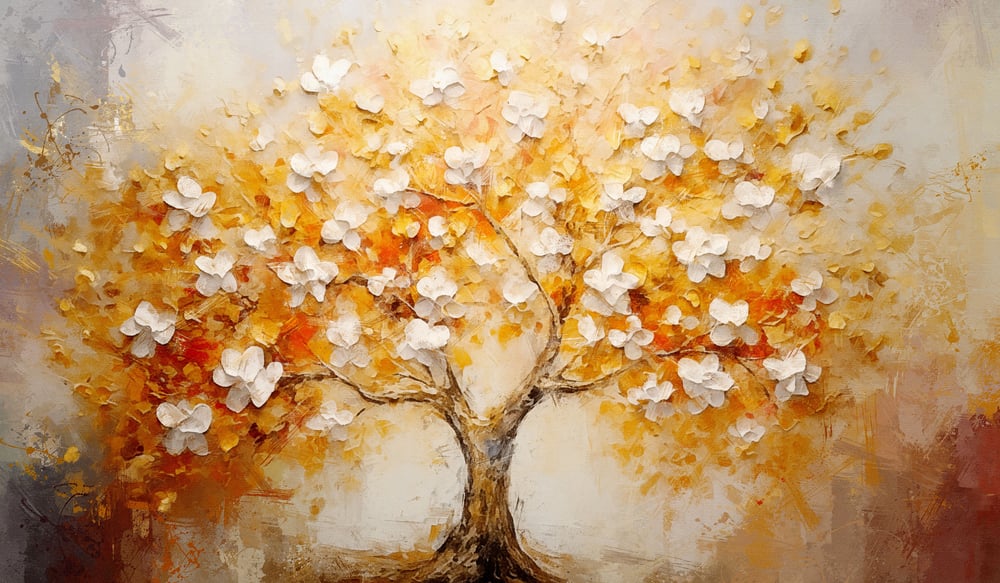
Lead tubes kept oil paint workable longer than modern aluminum tubes. The lead actually interacted with the paint chemistry in beneficial ways that weren’t fully understood until after they were banned for health reasons.
These paints, especially the earth tones and cadmiums, have a consistency and working time that oil painters describe in almost mystical terms. Individual tubes can sell for $30-80, depending on the color and remaining paint volume.
Original Strathmore Charcoal Paper
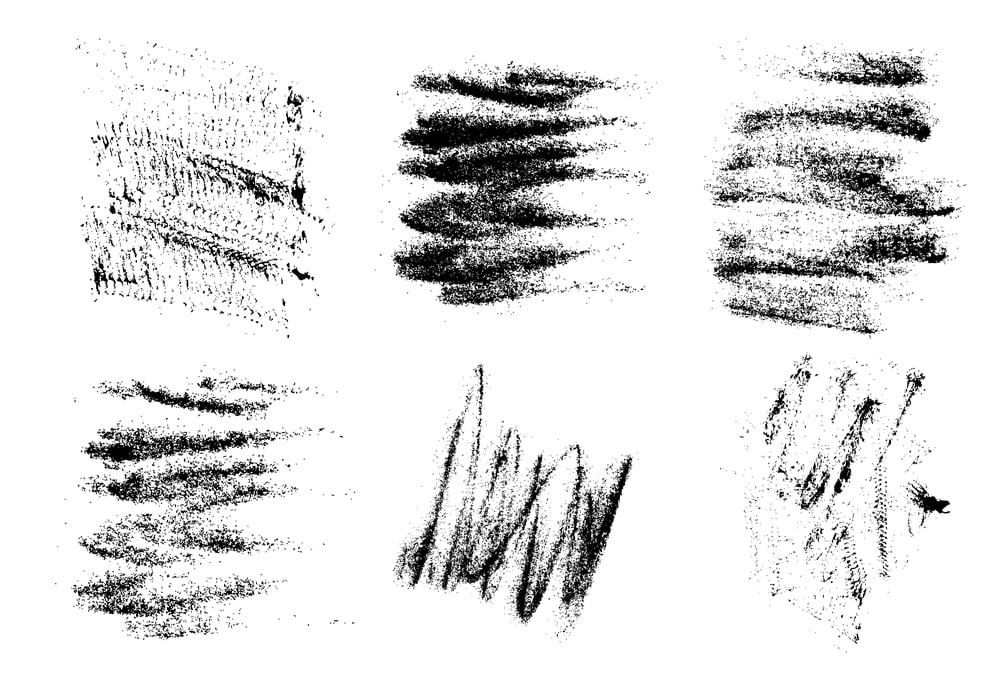
Before Strathmore changed their paper manufacturing process in the 1980s, their charcoal paper had a distinctive laid texture that modern papers don’t replicate. The surface grabbed charcoal perfectly without being so aggressive that blending became impossible.
Pads in good condition (no yellowing, no foxing) can bring $50-150, depending on size and age. Individual sheets from the larger pads often sell for $10-20 each.
Sakura Pigma Micron Pens (First Generation)
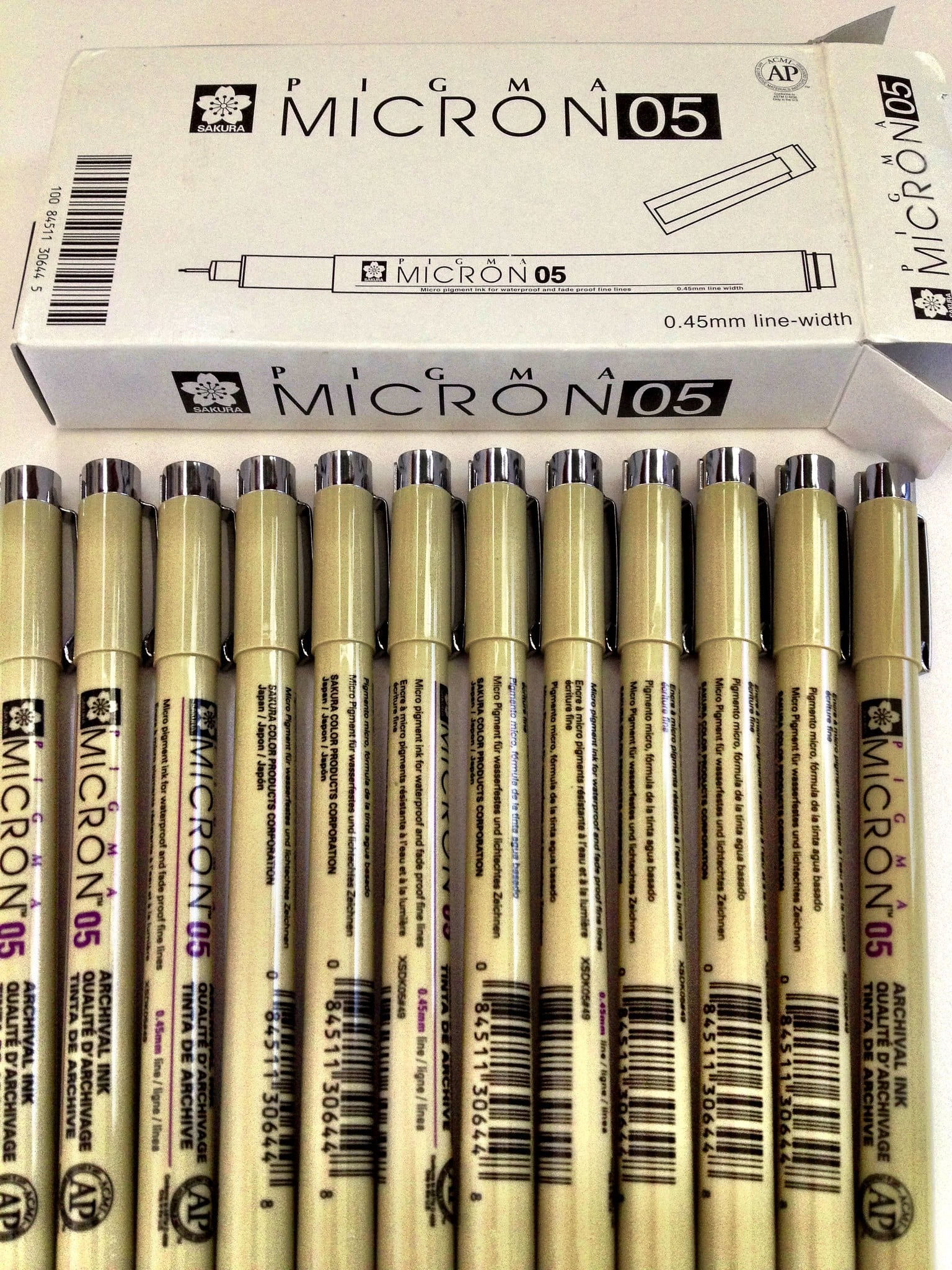
The original Pigma Micron pens used different ink chemistry than current versions. The pigment was more fade-resistant, and the flow characteristics were more forgiving for detailed illustration work.
First-generation sets, identifiable by their packaging and slightly different logo design, can sell for $100-200. Individual pens from the original run command $15-30 each, which is remarkable for pens that originally cost under $2.
Berol Prismacolor Pencils (Pre-Newell Acquisition)
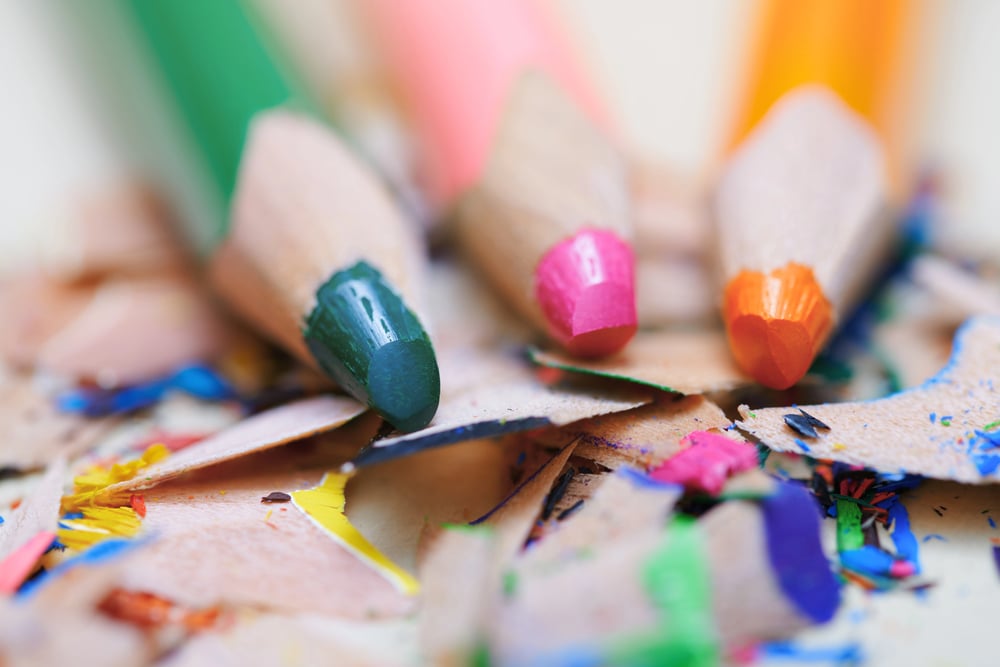
Berol’s original Prismacolor formula created colored pencils that laid down pigment like soft pastels but maintained the precision of pencils. When Newell Rubbermaid acquired the brand, cost-cutting measures changed the wax formulation.
Original Berol sets in wooden boxes are particularly sought after, often selling for $300-500. Even loose pencils from this era can bring $3-8 each, depending on the color and remaining length.
Windsor & Newton Designers Gouache (1960s-70s Formulation)
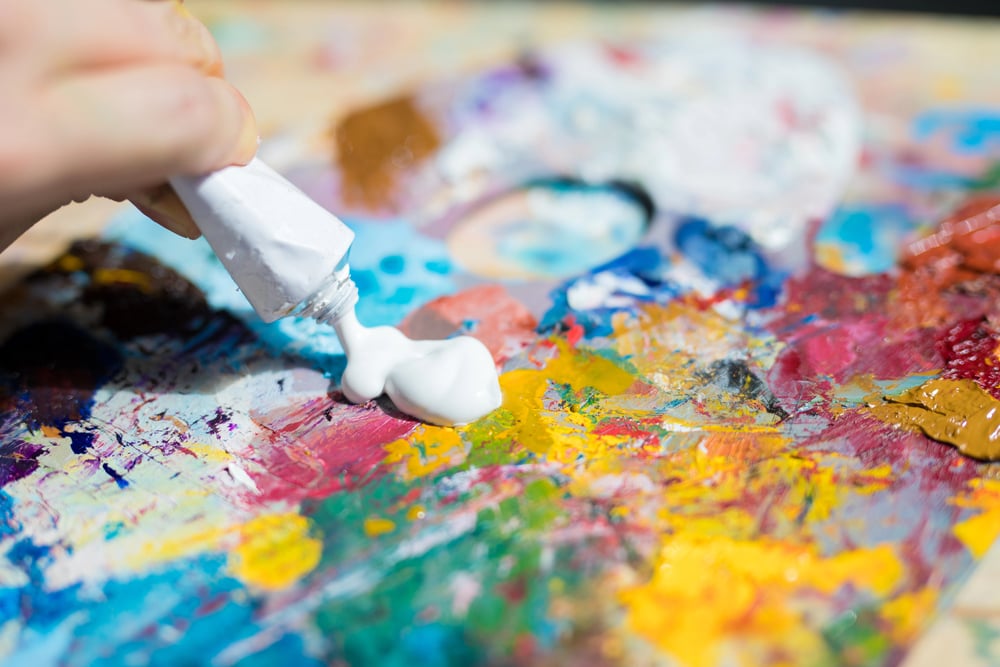
This gouache had opacity that modern versions struggle to match. The pigment loading was higher, and the binder system kept colors from shifting as they dried — a persistent problem with many contemporary gouache formulations.
Tubes from this era, especially the larger sizes, can sell for $40-100 each. Complete vintage color ranges in original packaging have sold for over $1,000 at auction.
Holbein Acryla Gouache (Original Japanese Formula)
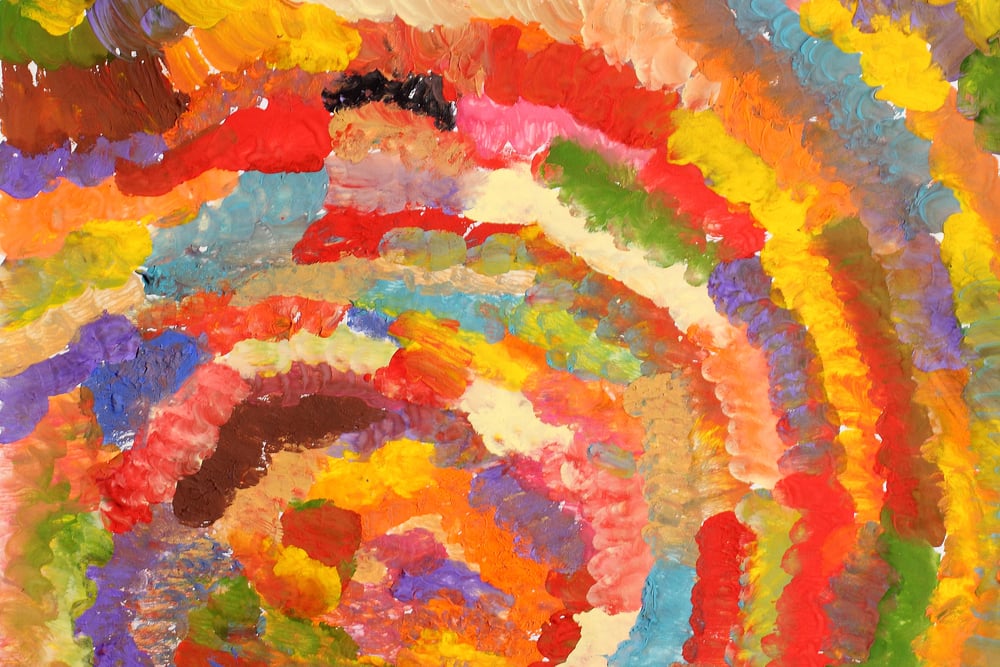
Before Holbein adjusted their formula for international markets, the original Japanese-made Acryla Gouache had working properties that many illustrators consider unmatched. The paint stayed workable longer, covered more evenly, and dried to a perfect matte finish.
Original tubes with Japanese labeling are the most sought after, often selling for $25-60 per tube. Complete sets can command $500-800, assuming the paints haven’t separated or dried out.
Hunt Speedball Pen Nibs (Pre-1985 Manufacturing)
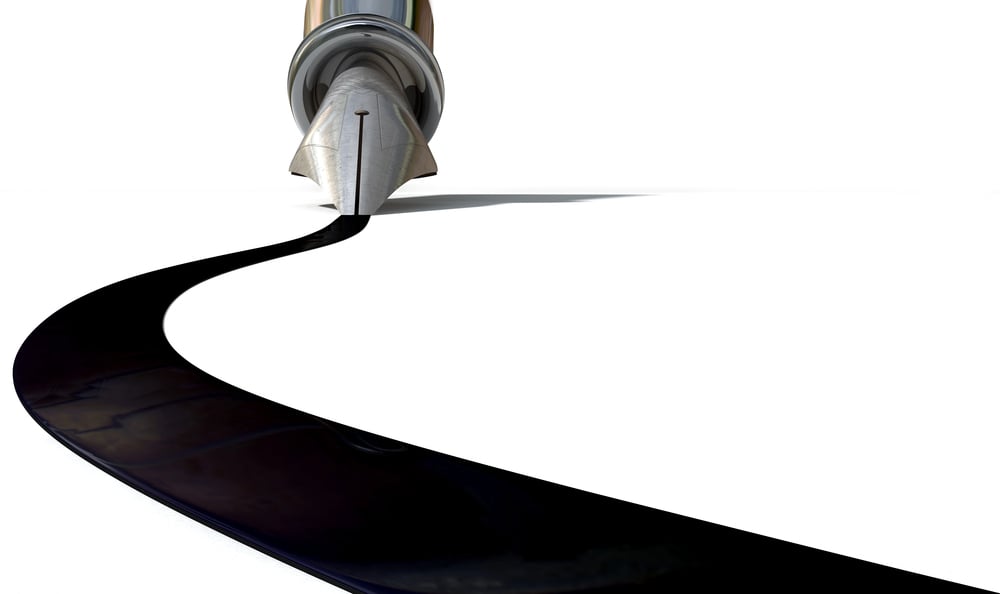
These steel nibs were forged differently in the early years, with a spring and responsiveness that made calligraphy feel natural rather than forced. The tine alignment was more precise, and the metal composition allowed for line variation that responded to subtle pressure changes.
Original cards of nibs, still sealed in their vintage packaging, can sell for $30-80 per card. Individual vintage nibs often bring $3-8 each, which sounds modest until you consider that new Speedball nibs cost under $1.
The Hunt Never Ends
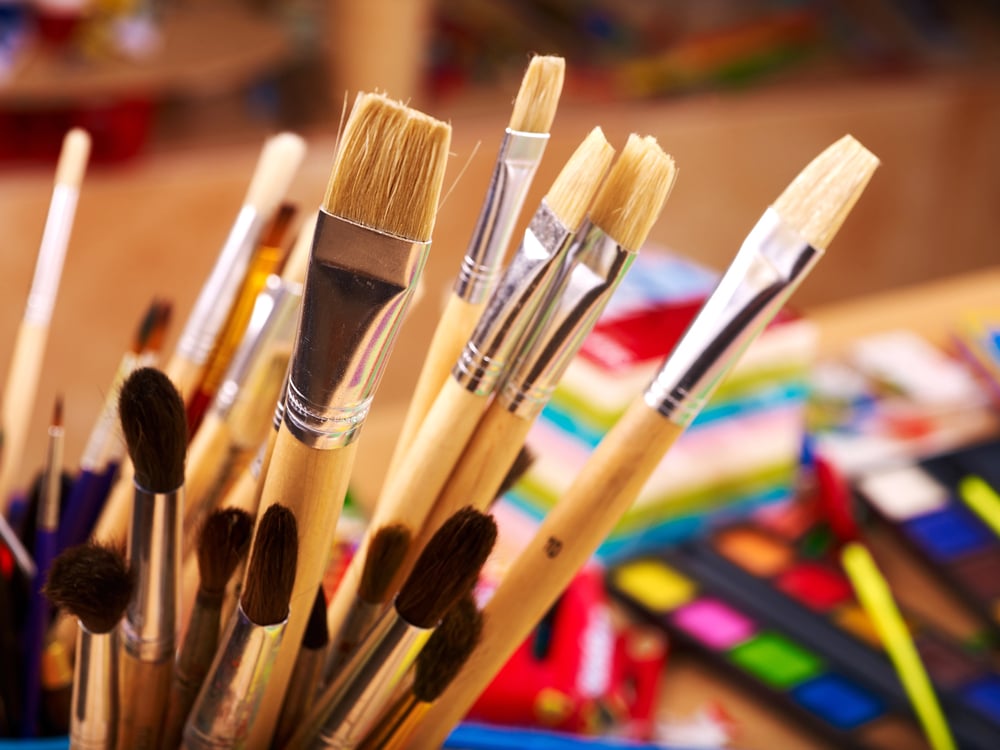
Collecting vintage art supplies requires patience, knowledge, and often a willingness to pay prices that would make your practical side wince. But for those who understand the difference between adequate tools and exceptional ones, the hunt continues.
These supplies represent more than nostalgia — they’re evidence of a time when manufacturing prioritized performance over profit margins, when companies built reputations on quality that lasted decades rather than quarterly earnings reports.
The irony is that as these supplies become scarcer and more expensive, they also become more precious to the artists who use them. Each vintage brush, each tube of discontinued paint, carries the weight of irreplaceability.
You don’t waste a stroke when you know it can’t be replaced.
More from Go2Tutors!

- The Romanov Crown Jewels and Their Tragic Fate
- 13 Historical Mysteries That Science Still Can’t Solve
- Famous Hoaxes That Fooled the World for Years
- 15 Child Stars with Tragic Adult Lives
- 16 Famous Jewelry Pieces in History
Like Go2Tutors’s content? Follow us on MSN.