Islands Banned to All Visitors
Some places on Earth remain truly untouched by tourism. While most islands welcome visitors with open beaches and resort packages, a handful stand completely off-limits.
Governments, scientists, and indigenous communities have declared these territories forbidden zones for reasons ranging from public safety to cultural preservation. You can’t book a trip to these places no matter how much money you offer or how many strings you pull.
North Sentinel Island, India
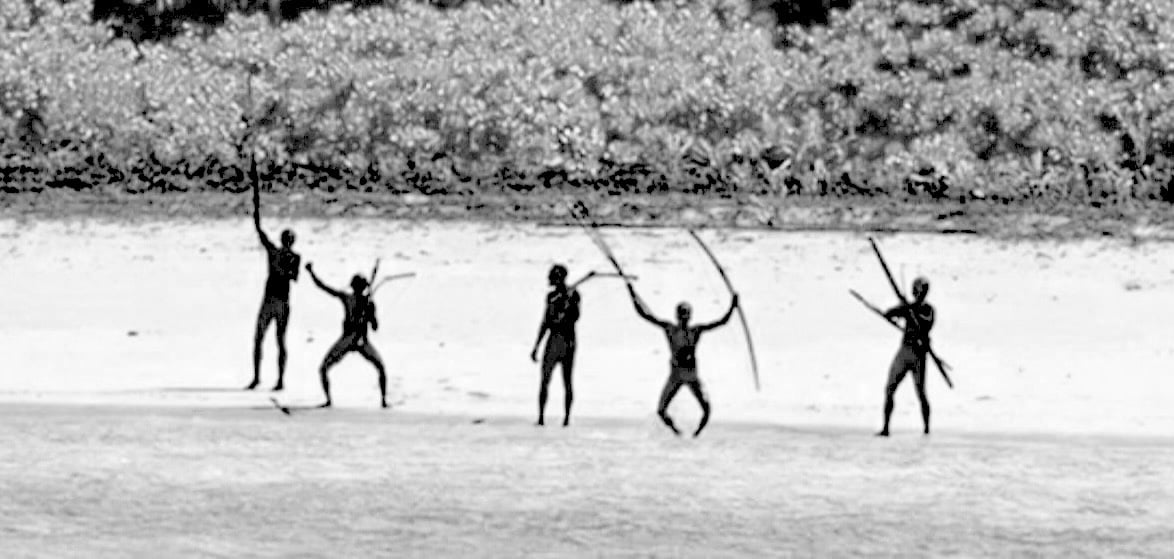
The Sentinelese people have made their position clear: stay away. This small island in the Andaman archipelago remains one of the last places where an indigenous group lives in complete isolation from the modern world.
Indian law protects both the island and its inhabitants by prohibiting anyone from coming within three miles of the shore. The Sentinelese have violently rejected every attempt at contact.
In 2018, an American missionary ignored the restrictions and paid with his life. The Indian government chose not to recover his body, respecting the tribe’s autonomy and avoiding further conflict.
Estimates suggest between 50 and 500 people live on the island, though exact numbers remain unknown. Their language, culture, and way of life continue unchanged, protected by geography and strict legal barriers.
Poveglia Island, Italy

Venetian authorities have sealed off this small island between Venice and Lido for good reason. Poveglia served as a quarantine station during the plague years, when thousands died within its walls.
Later, it housed a mental hospital with a dark reputation. Local legends claim a doctor tortured patients in the bell tower before throwing himself from it.
The Italian government owns the island but keeps it empty. A 2014 attempt to lease it to private developers failed when the winning bidder couldn’t secure financing.
Now it sits abandoned, its buildings crumbling into the lagoon. Even fishermen avoid the waters around Poveglia, though whether from superstition or respect for the law remains unclear.
Surtsey, Iceland

This island didn’t exist until 1963, when a volcanic eruption broke the ocean’s surface off Iceland’s southern coast. Scientists immediately recognized an unprecedented opportunity: watching an ecosystem develop from nothing.
Iceland declared Surtsey a nature reserve and banned all unauthorized access. Only a handful of researchers can visit, and they follow strict protocols to avoid introducing foreign organisms.
They remove soil from their boots before landing and bring no food that might contain seeds. The island has become a natural laboratory, showing how life colonizes barren rock.
Plants arrived first, carried by wind and sea. Birds followed, bringing more seeds in their droppings.
Today, Surtsey hosts a surprising variety of life, all documented in meticulous detail by the few scientists allowed to study it.
Heard Island, Australia
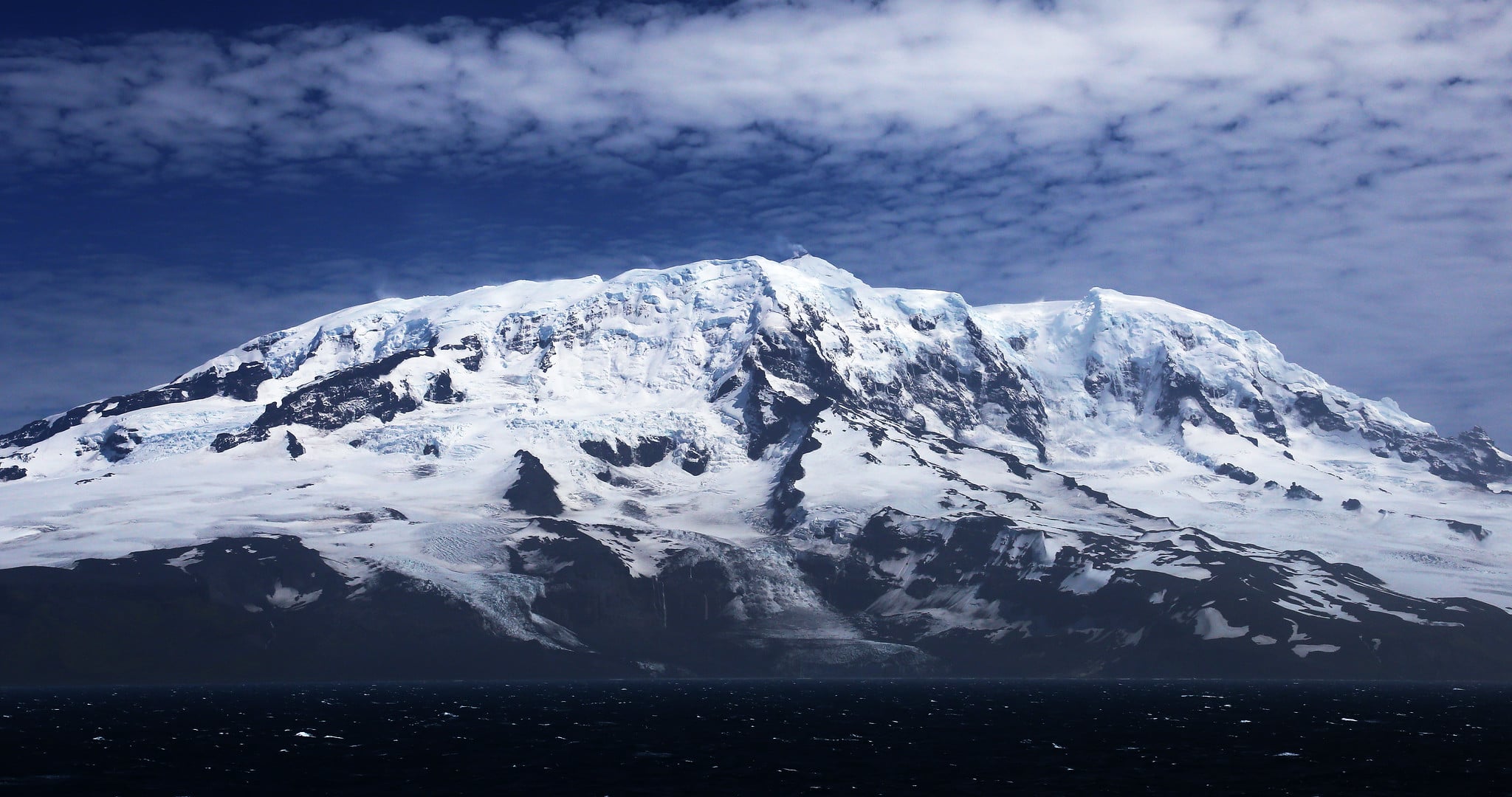
Located in the southern Indian Ocean, Heard Island sits more than 2,500 miles from the nearest major city. Australia controls this volcanic territory but allows almost no one to visit.
The island’s remoteness and harsh weather make travel difficult enough, but the government has added strict legal restrictions. Heard Island contains one of the most pristine ecosystems on Earth.
No introduced species have established themselves there, unlike nearly every other subantarctic island. Fur seals and penguins breed on its beaches without interference.
An active volcano, Big Ben, dominates the landscape, occasionally erupting and reshaping the terrain. The handful of scientific expeditions that have reached the island reveal a place frozen in time, evolving without human influence.
Ilha da Queimada Grande, Brazil

Brazilians call it Snake Island, and the name fits. Thousands of golden lancehead vipers live on this rocky outcrop off the coast of São Paulo.
The snakes evolved in isolation, developing venom significantly more potent than their mainland relatives. Their bite can kill within hours.
The Brazilian navy patrols the waters around the island, turning back any boats that venture too close. The lighthouse that once stood on the island was automated decades ago after the lighthouse keeper and his family were reportedly killed by snakes.
Scientists occasionally receive permission to visit for research, but they move carefully and never stay long. The dense concentration of venomous snakes makes every step dangerous.
Niihau, Hawaii

Private ownership keeps this Hawaiian island closed to outsiders. The Robinson family bought Niihau from the Kingdom of Hawaii in 1864 for $10,000, and their descendants still control access.
The approximately 170 residents, mostly Native Hawaiians, live without many modern conveniences. They speak Hawaiian as their primary language and maintain traditional customs.
The Robinsons allow the U.S. military to use parts of the island for training exercises and permit occasional hunting tours for invited guests. But the general public can’t visit.
This isolation has preserved a way of life that disappeared from the other Hawaiian islands long ago. The people of Niihau live much as their ancestors did, fishing, raising livestock, and maintaining a community largely separate from the modern world.
Ramree Island, Myanmar

Most people associate this island with World War II history rather than current restrictions. During the Burma campaign, Japanese soldiers retreated into the island’s mangrove swamps, where saltwater crocodiles killed an estimated 400 to 1,000 men in what some call the worst crocodile attack in recorded history.
Today, Myanmar’s government restricts access to much of Ramree Island. Military installations occupy parts of the territory, and the crocodile population remains substantial.
The few local residents who live there know which areas to avoid. Visitors need special permits that are rarely granted, keeping most of the island off-limits to outsiders.
Gruinard Island, Scotland
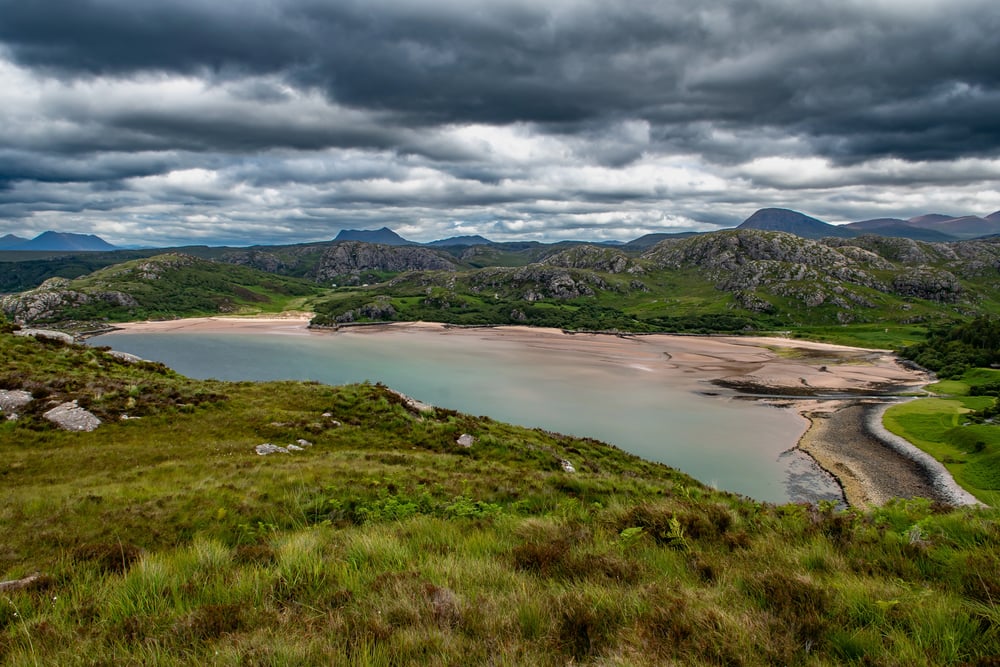
The British government used this Scottish island for biological warfare testing during World War II. In 1942, scientists released anthrax spores across Gruinard to test their effectiveness as weapons.
The experiment worked too well. The spores contaminated the soil and remained viable for decades.
Britain finally decontaminated the island in the 1980s, removing topsoil and treating the ground with formaldehyde solution. Officials declared Gruinard safe in 1990, but the government still discourages visits.
The island has no infrastructure, and its dark history keeps most people away. Sheep now graze there, monitored for signs of contamination, but tourists have no reason to make the trip.
Palmyra Atoll, Pacific Ocean
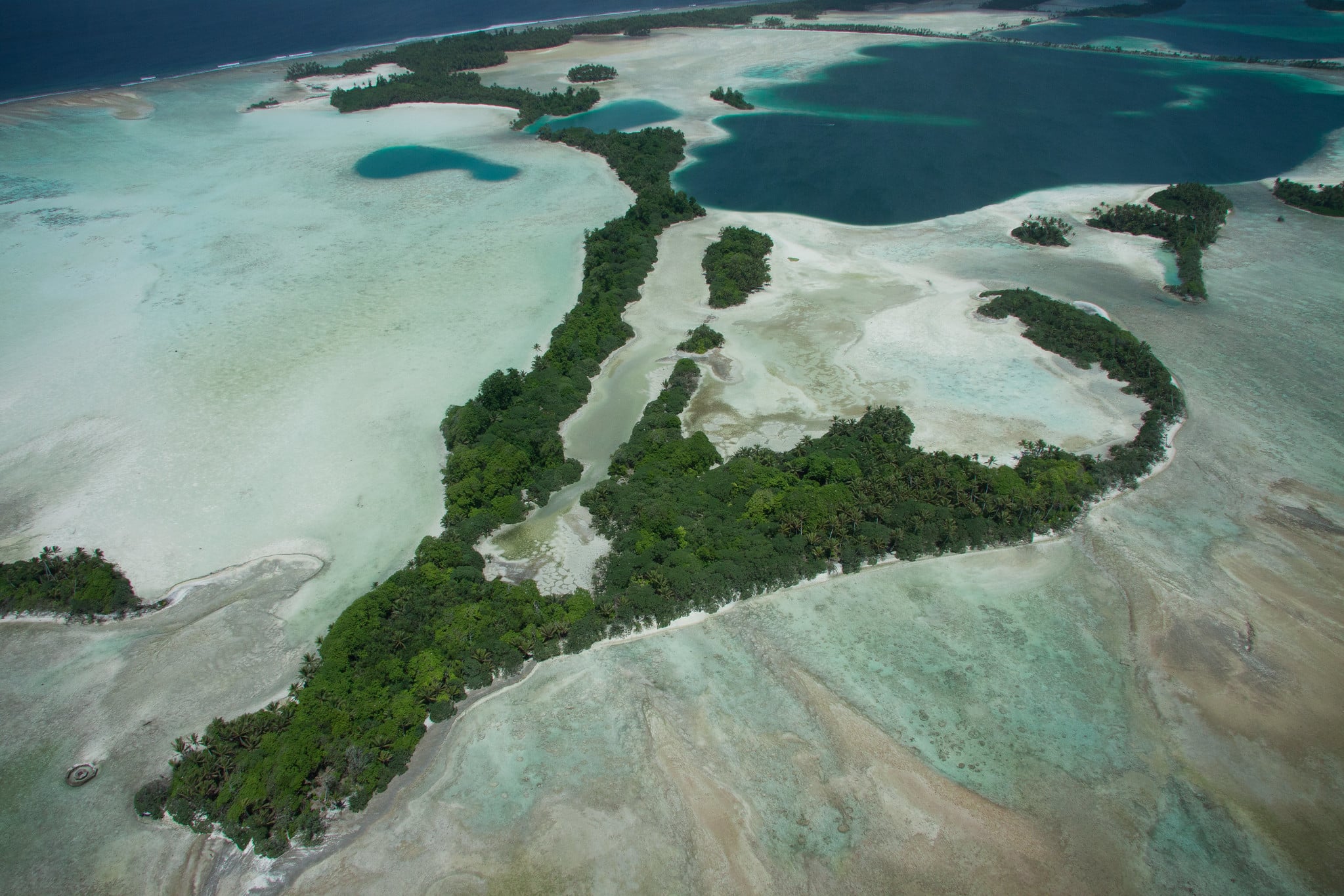
The U.S. government and The Nature Conservancy jointly manage this remote atoll located roughly halfway between Hawaii and American Samoa. Unlike most restricted islands, Palmyra maintains a small population of scientists and staff, but public access remains prohibited.
The atoll serves as a living laboratory for marine and terrestrial research. Its waters contain some of the healthiest coral reefs in the Pacific, supporting populations of sharks, rays, and fish that have largely disappeared elsewhere.
Researchers study how ecosystems function without human pressure, using Palmyra as a baseline for comparison with degraded sites. The strict access restrictions protect this research while preserving one of the few places in the Pacific still dominated by predators rather than prey.
Diego Garcia, British Indian Ocean Territory
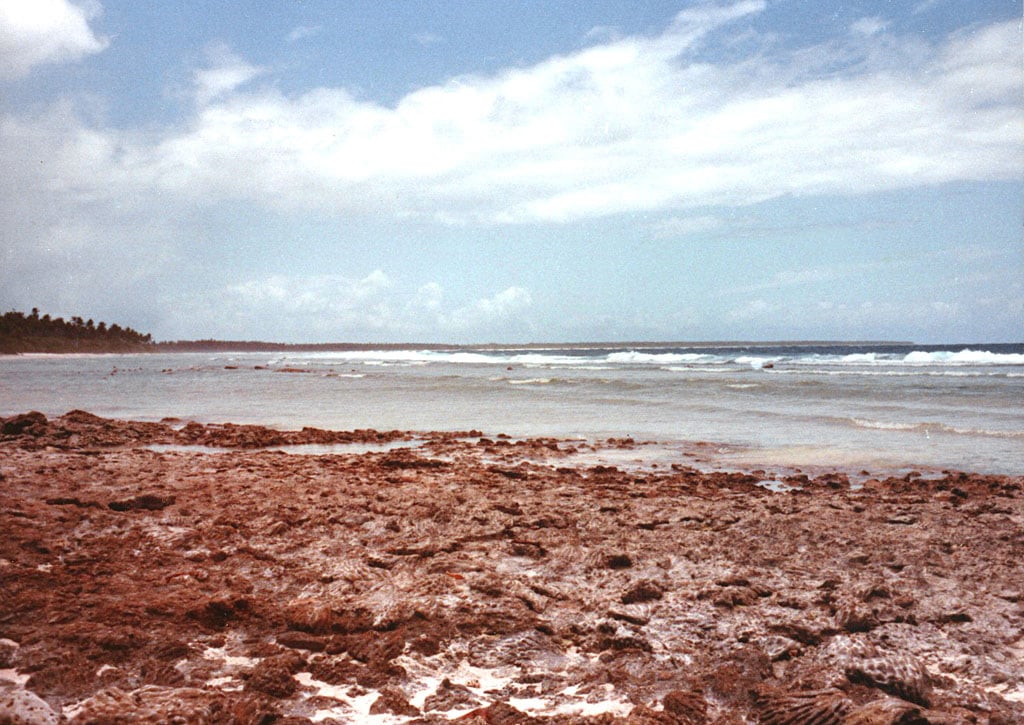
The largest island in the Chagos Archipelago, Diego Garcia hosts a major U.S. military base but no civilian population. Britain forcibly removed the Chagossian people from their homeland in the 1960s and 1970s to make way for the base.
Today, only military personnel and contractors can visit. The base serves strategic interests in the Indian Ocean, housing aircraft and naval vessels.
The surrounding waters and smaller islands remain largely pristine, with thriving coral reefs and abundant marine life. The Chagossians continue fighting for the right to return, but the military presence shows no signs of diminishing.
For now, the island remains accessible only to those with security clearance and official business.
Izu Islands, Japan

Several of the Izu Islands remain off-limits due to volcanic activity and toxic gas emissions. Miyakejima, the largest restricted island in the chain, evacuated all residents in 2000 when Mount Oyama erupted.
Though some people have since returned, large areas remain closed. The volcano continues releasing sulfur dioxide at dangerous levels.
Residents must carry gas masks at all times and sirens warn when concentrations become life-threatening. Other islands in the chain face similar restrictions.
The Japanese government monitors volcanic activity constantly but maintains strict limits on who can visit and where they can go. Tourism exists on some of the safer Izu Islands, but several remain completely closed.
Lihir Island, Papua New Guinea

Gold mining operations dominate Lihir Island, severely restricting access. The Lihir Gold Mine ranks as one of the largest gold producers in the Pacific, and mining companies control most of the island’s infrastructure and access points.
Local communities still live in parts of Lihir, but visitors need permission from the mining company to travel there. The operation has dramatically changed the island’s landscape and ecology.
What once was tropical forest has been excavated and processed in the search for ore. Environmental concerns and security needs keep most outsiders away, limiting access to those with specific business on the island.
Farallon Islands, California
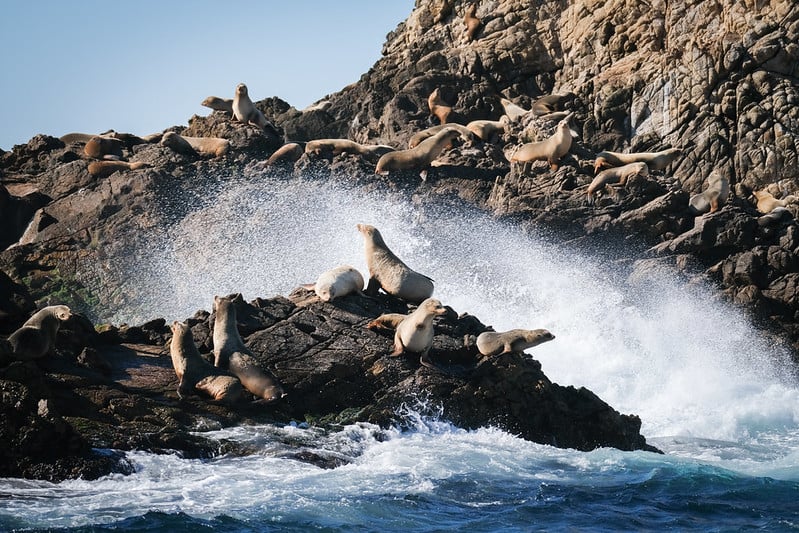
These rocky outcrops sit just 30 miles from San Francisco but remain off-limits to the public. The islands serve as a critical wildlife refuge, hosting the largest seabird breeding colony south of Alaska.
Great white sharks patrol the surrounding waters, hunting seals and sea lions. The U.S. Fish and Wildlife Service permits only a handful of researchers to visit the islands each year.
Scientists study breeding populations and monitor the ecosystem’s health. The islands’ proximity to a major city makes enforcement challenging, but the Coast Guard turns back boats that get too close.
The waters around the Farallones also contain radioactive waste dumped there in the 1940s and 1950s, adding another reason to keep people away.
Plum Island, New York

This island off the coast of Long Island housed a federal animal disease research facility for decades. The U.S. Department of Agriculture studied infectious animal diseases there, working with pathogens too dangerous to research on the mainland.
Strict security protocols kept everyone except authorized personnel away. The research facility closed in recent years, and plans exist to sell the island.
But the decades of disease research left questions about contamination. The government has begun decontamination efforts, but the island remains closed to the public.
Local residents have mixed feelings about potential development, remembering stories of strange illnesses and mysterious deaths attributed to the research conducted there.
Where Boundaries Still Hold
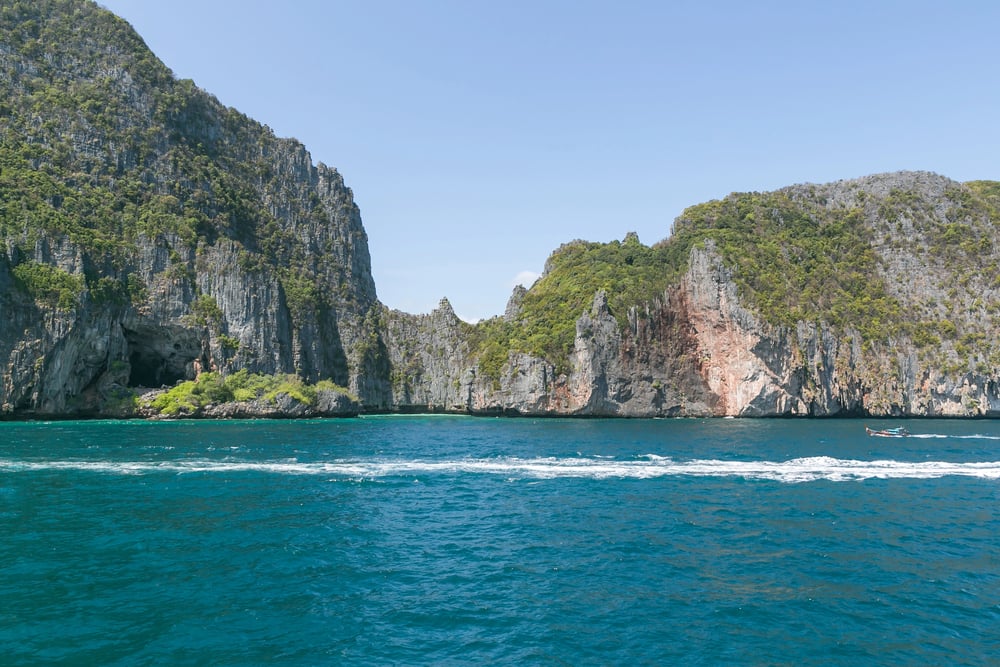
Islands come in many forms when it comes to being cut off. One kind shelters fragile habitats, while another guards rare animals.
In some places, native traditions survive undisturbed; elsewhere, hidden bases hold strategic importance. Danger lingers on a handful – volcanoes, radiation, or conflict keep people away.
Yet each one draws a line you cannot cross without consequence. Out here, far from most maps, a few spots stay hidden even as travel spreads wide.
These places hold secrets no one sees, shifting slowly under skies untouched by eyes. Rules block paths now and then, turning eager visitors away – yet those rules guard more than just stone or sand.
To save certain ground, the right move might be closing the door completely.
More from Go2Tutors!

- The Romanov Crown Jewels and Their Tragic Fate
- 13 Historical Mysteries That Science Still Can’t Solve
- Famous Hoaxes That Fooled the World for Years
- 15 Child Stars with Tragic Adult Lives
- 16 Famous Jewelry Pieces in History
Like Go2Tutors’s content? Follow us on MSN.