15 Vintage Plastic Jewelry Designs Beyond Bakelite Bangles
Bakelite gets most of the attention, but it was never the only plastic worn on a wrist or pinned to a lapel. Inventors spent a century testing materials that could imitate ivory, tortoiseshell, jet and amber, and each new substance produced its own style of jewelry.
The fifteen designs below cover the less famous side of the story. Some are chemical curiosities, some are Art Deco favorites, and a few are still collected by people who know what a good brooch looks like.
Parkesine, the First Man-Made Plastic
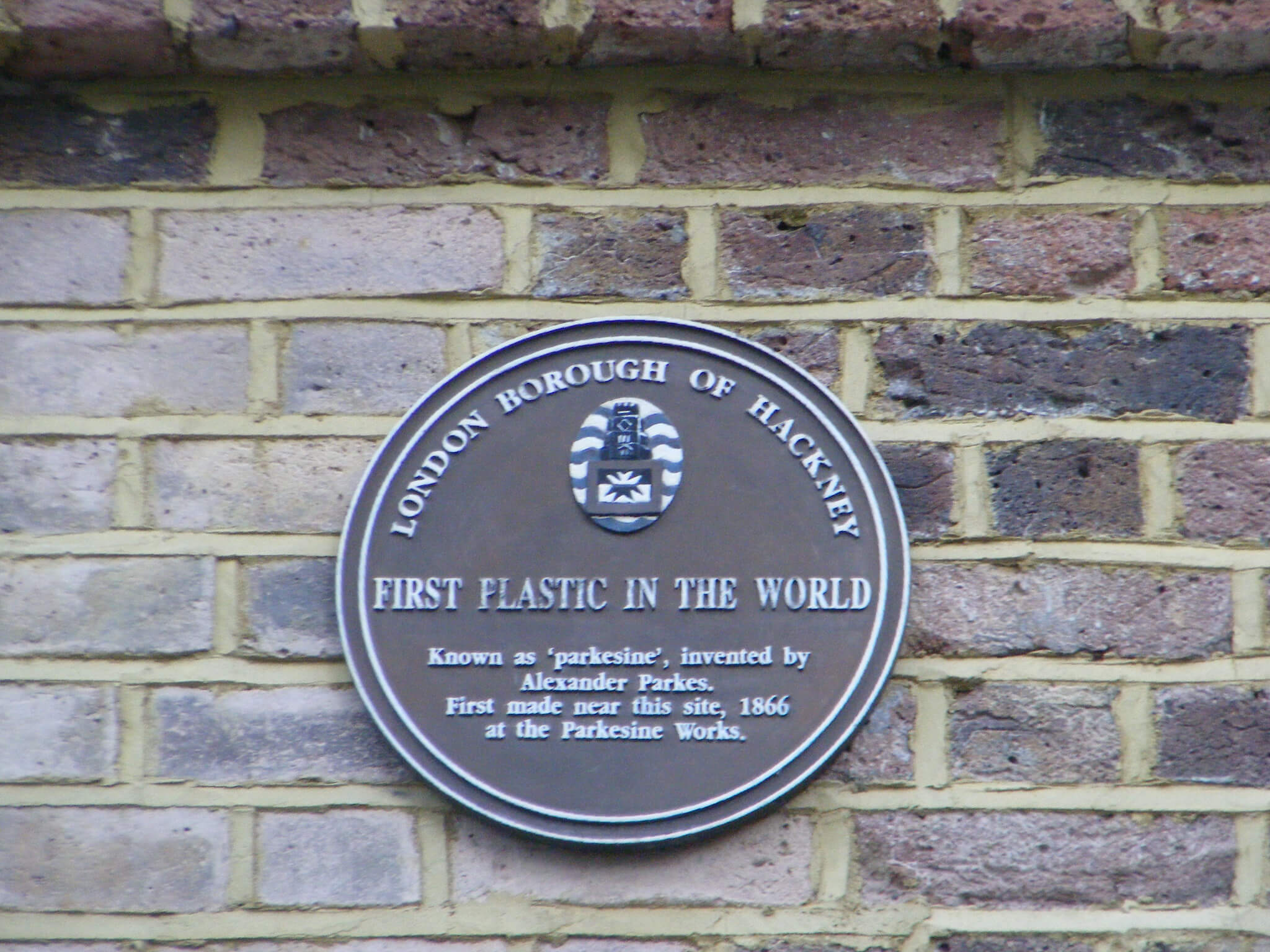
Alexander Parkes showed Parkesine at the 1862 International Exhibition in London. It was a cellulose-based material that could be molded, carved and colored.
Early Parkesine buttons and ornaments are scarce, because the business failed within a few years.
Celluloid Combs and Cameos
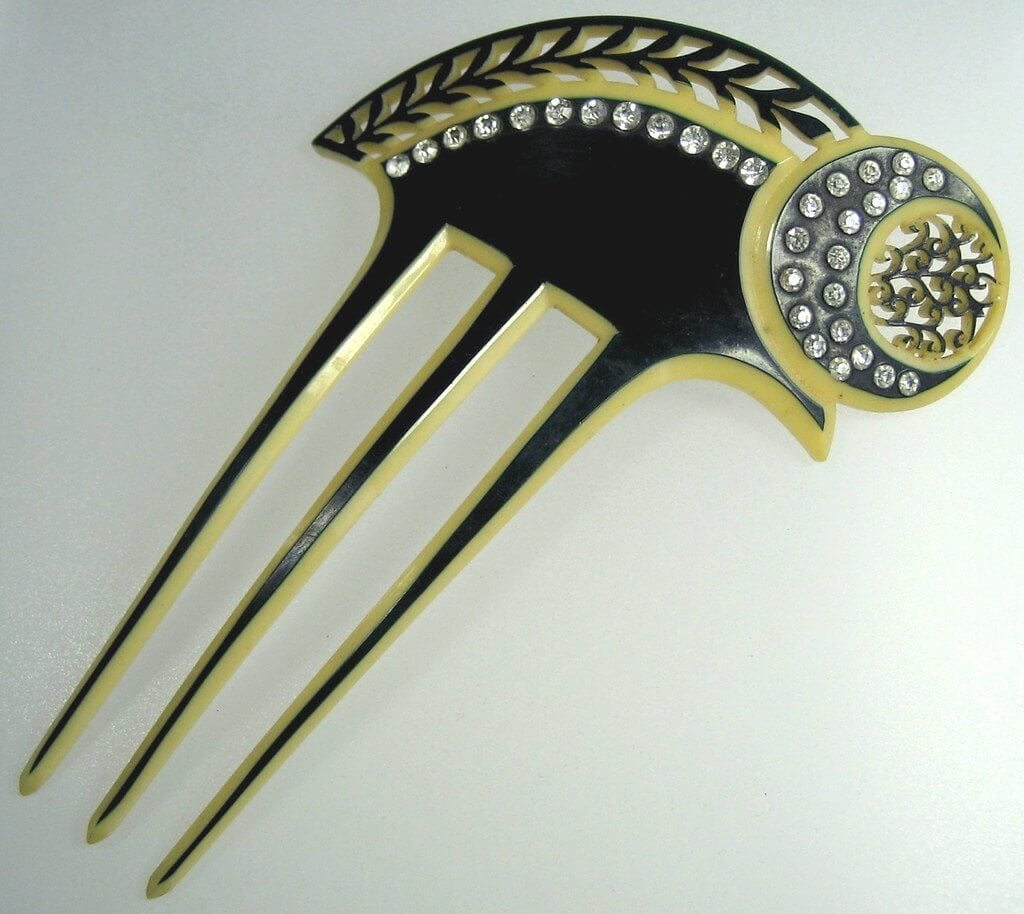
Celluloid arrived in 1869, when John Wesley Hyatt patented a way to make it commercially. Manufacturers used it to imitate ivory and tortoiseshell, and the material appeared in hair combs, dresser sets and cameo brooches.
It is also highly flammable, which explains why so many surviving pieces are cracked, yellowed or warped.
Imitation Tortoiseshell Hair Combs
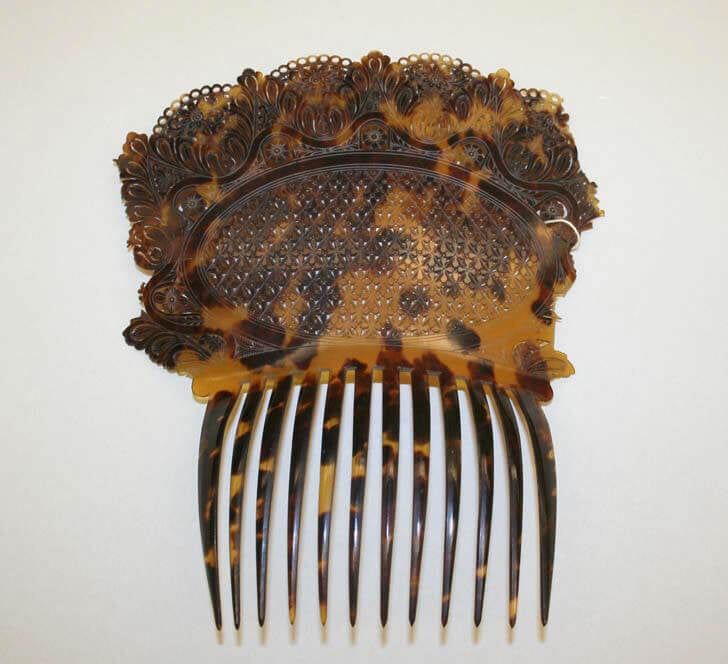
Mottled amber celluloid let milliners and jewelers copy the look of real tortoiseshell at a fraction of the price. Decorative combs with rhinestone borders were a staple of Edwardian hair styling.
Genuine shell is heavy and warm, while celluloid feels lighter and can smell faintly of camphor when rubbed.
Bois Durci Medallions
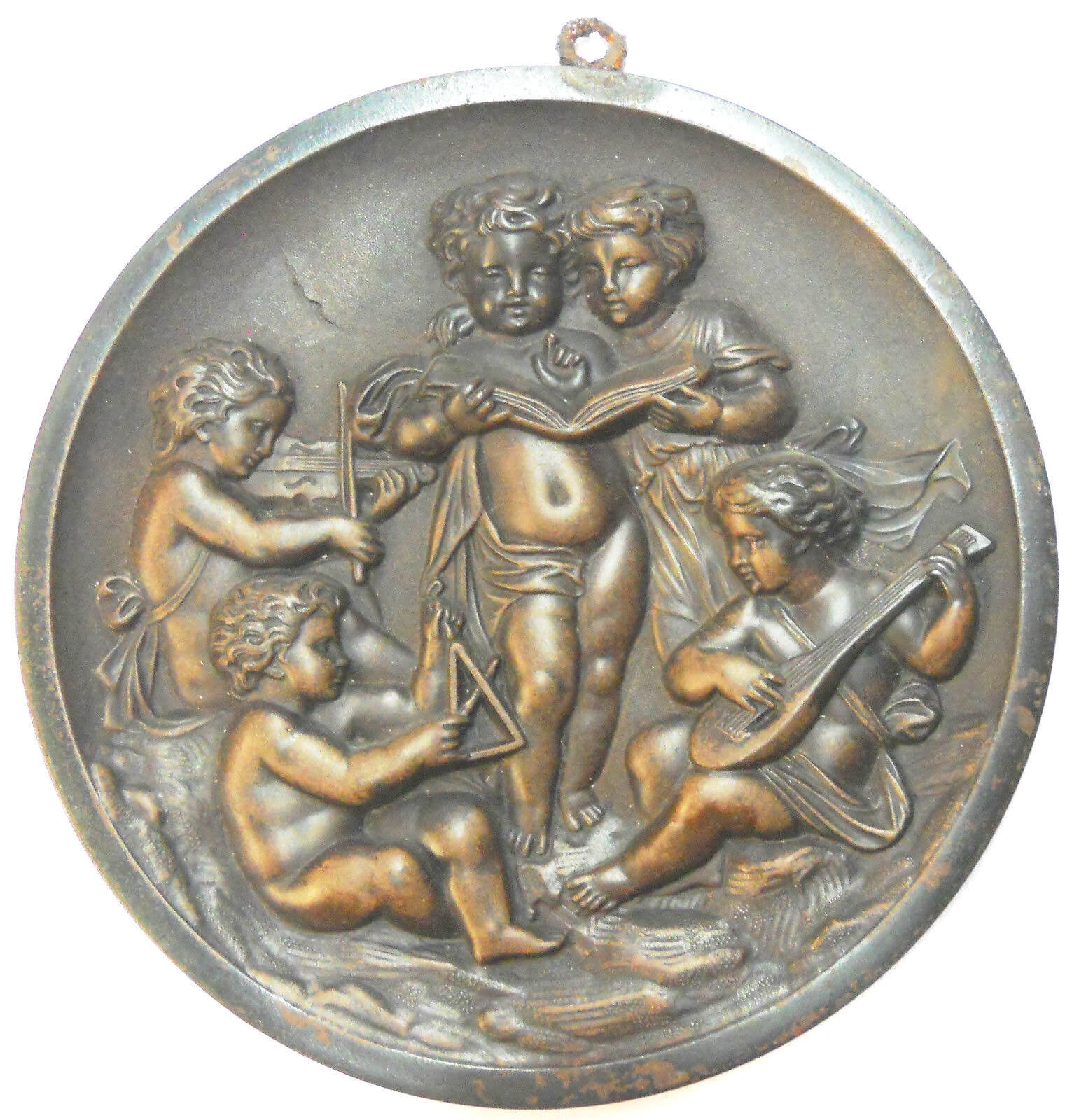
French craftsmen in the mid-1850s pressed fine wood dust and albumen into steel molds to make a hard black material called bois durci. It produced detailed medallions, plaques and small jewelry in a deep ebony tone.
The finish picks up fingerprints easily and can be told apart from jet by its soft, slightly waxy surface.
Vulcanite Mourning Jewelry
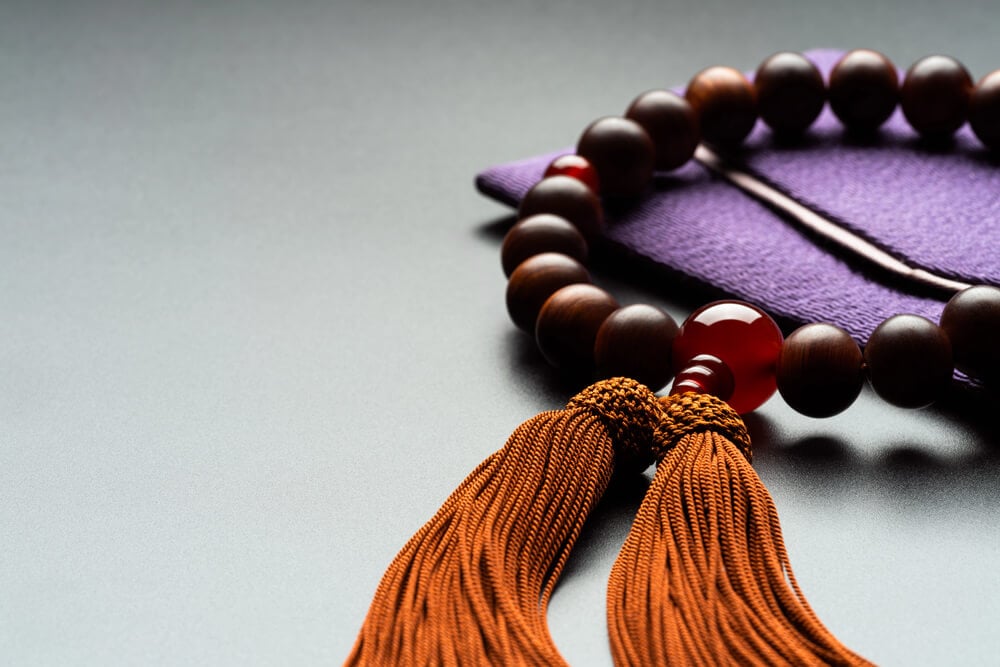
Charles Goodyear’s vulcanization process of 1844 made hardened rubber possible. The black material, known as vulcanite or ebonite, became a cheaper substitute for jet in Victorian mourning jewelry.
A vulcanite brooch can turn brownish with age, a telltale sign for collectors.
Gutta-Percha Brooches
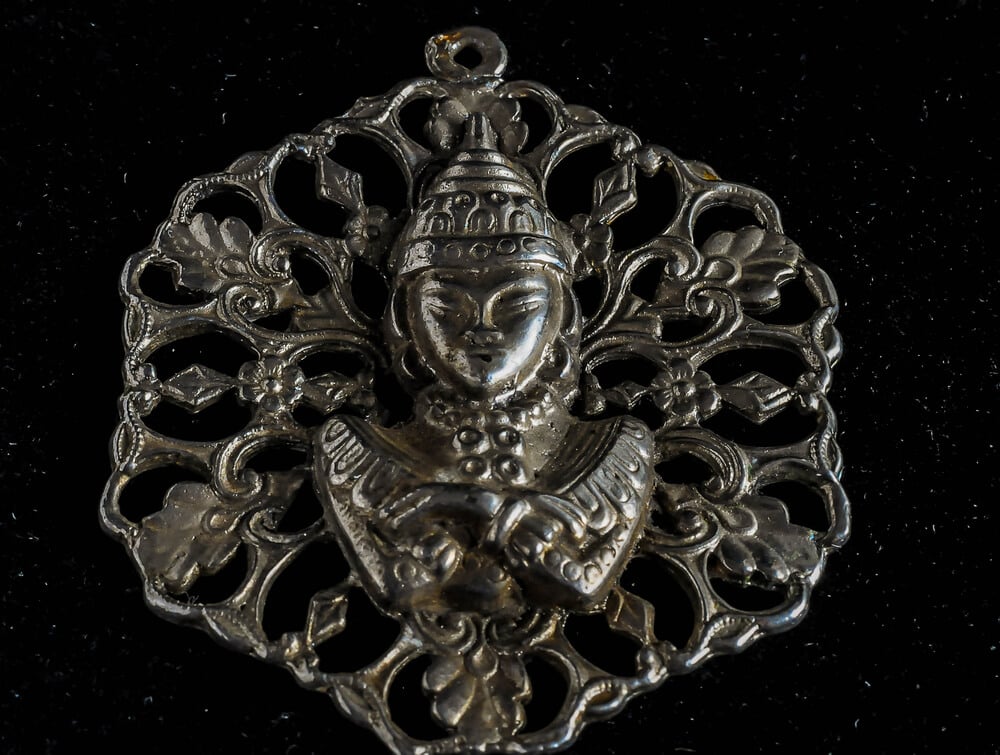
Gutta-percha is a natural latex from tropical trees that softens in hot water and holds a molded shape when cooled. Victorian makers pressed it into brooches, bracelets and cases with raised floral designs.
Because it is a natural substance rather than a synthetic one, it sits at the edge of the plastic family.
Galalith From Milk Protein
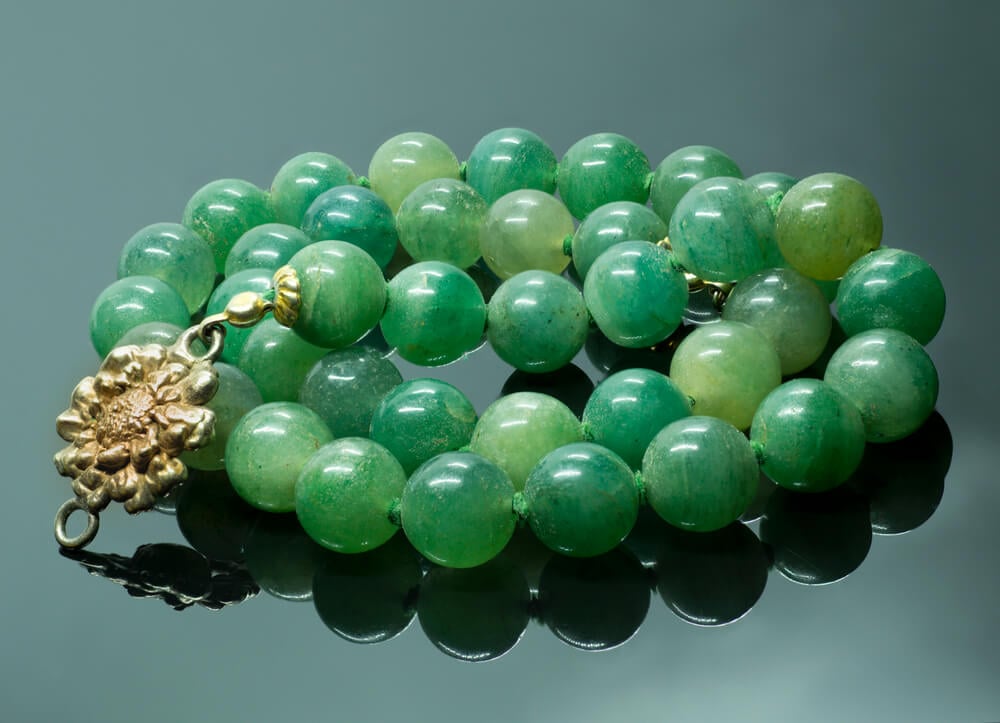
Galalith was made from casein, the protein in milk, hardened with formaldehyde. Developed in Germany in the late 1890s, it took dyes brilliantly and became a favorite for Art Deco buttons, buckles and necklace beads.
It absorbs water, so a galalith piece that has been soaked often warps or swells.
Cellulose Acetate Frames and Fashion Pins
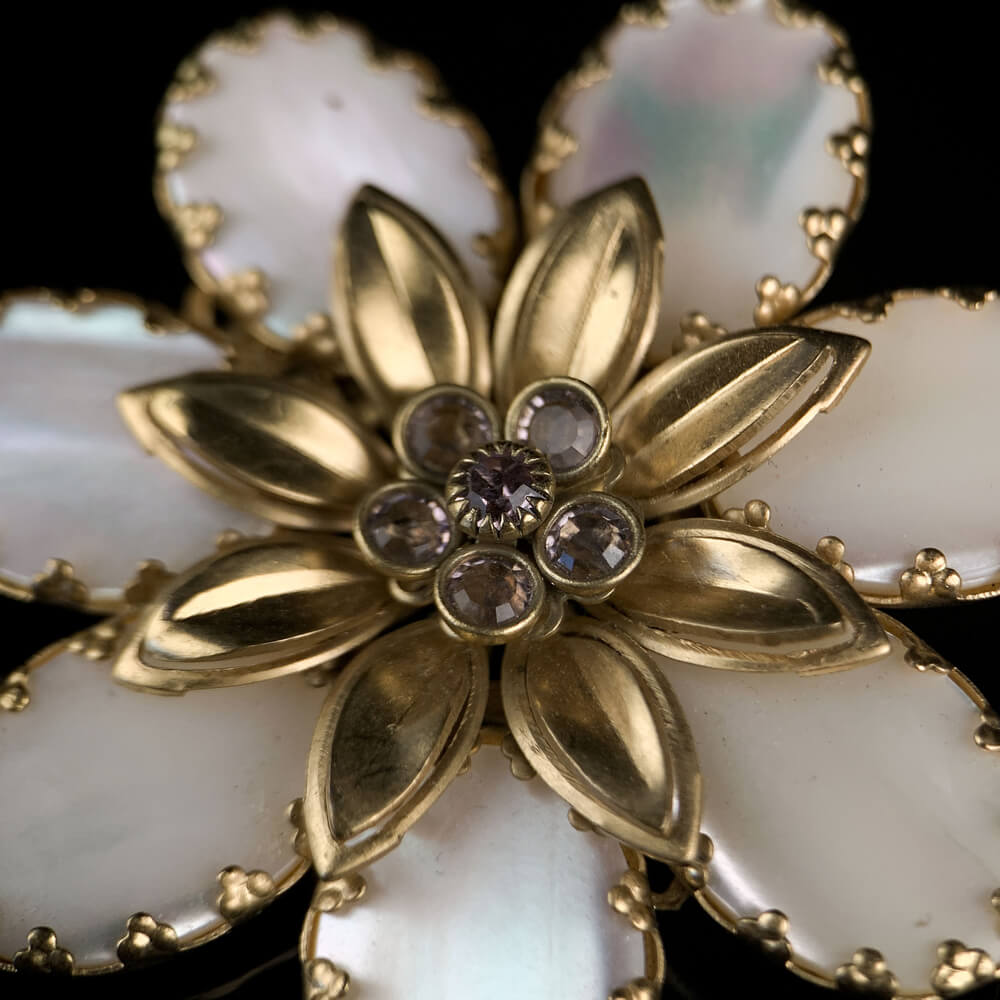
Cellulose acetate replaced celluloid in the 1920s because it was far less flammable. It was used for eyeglass frames, hair accessories and jewelry, and it could be laminated in colorful layers.
Many pieces sold as plain plastic from this era are in fact acetate.
Lucite and the Clear Look
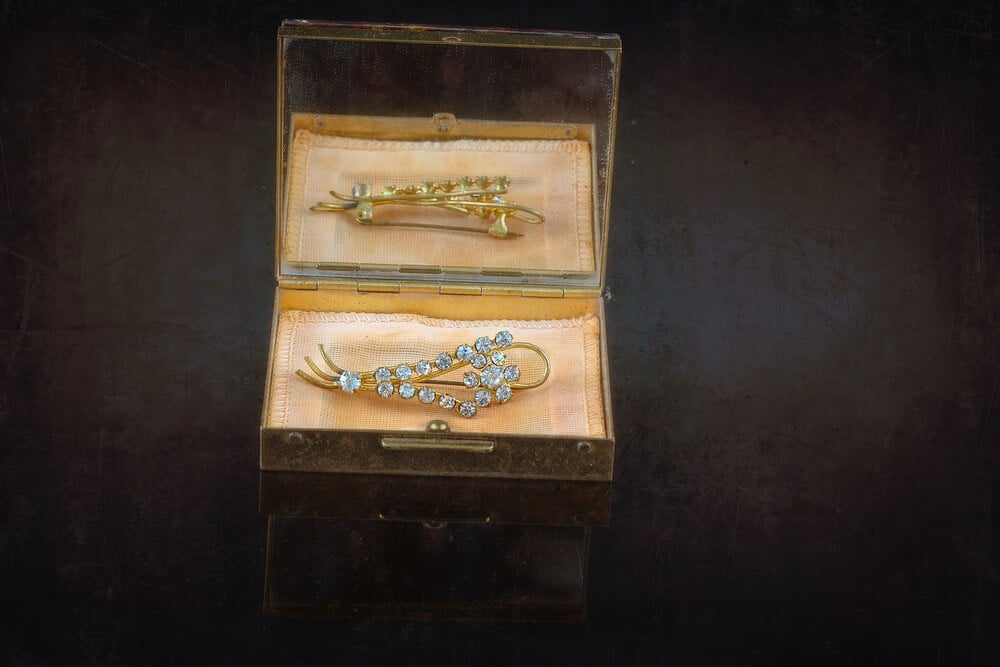
DuPont’s acrylic was sold under the Lucite name from 1937, and it was clear as glass but lighter. Jewelers carved it, tinted it and set it with rhinestones.
Lucite does not yellow like older plastics, so surviving pieces often look new.
Trifari’s Jelly Belly Brooches
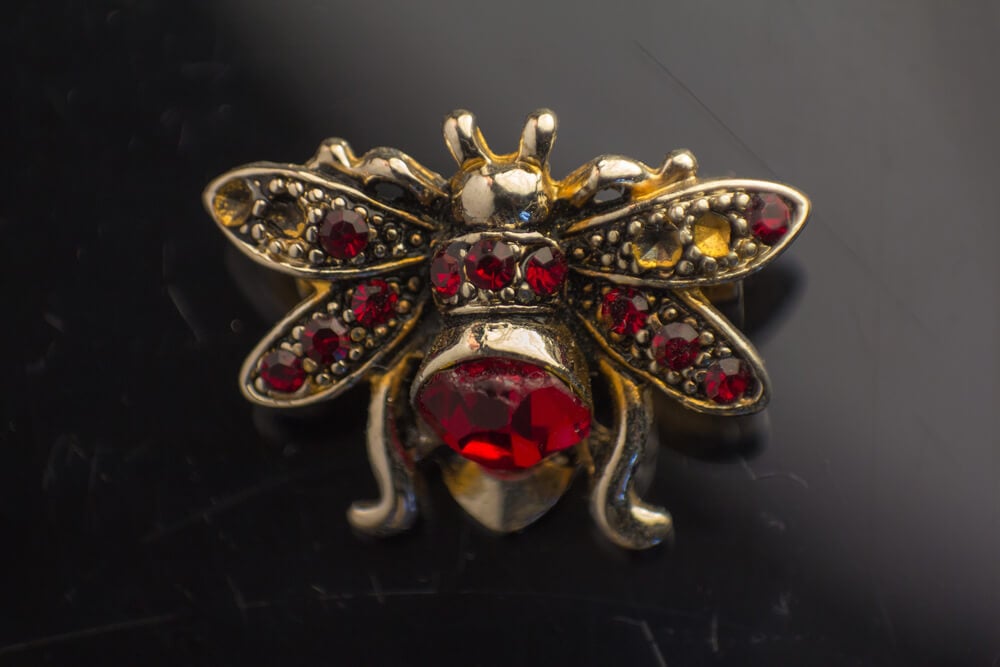
During the 1940s, Trifari made a line of sterling animal brooches whose bodies were domes of clear carved Lucite. The designs were created by Alfred Philippe, and the glassy bellies of the birds and beasts earned them the nickname Jelly Bellies.
Collectors check the Lucite for scratches, which can lower value sharply.
Confetti Lucite Bangles
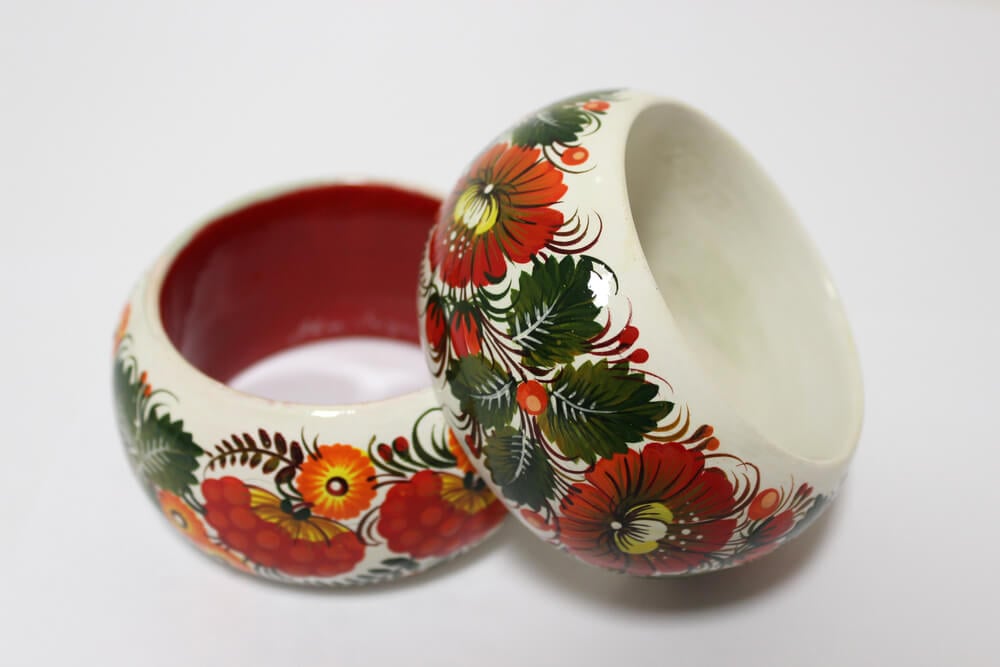
In the 1950s, craftsmen embedded glitter and colorful flecks into Lucite. The resulting bangles and necklaces looked like frozen fireworks.
Pieces with cracks, deep scratches or cloudy patches are worth much less than clean ones, so condition decides price.
Lea Stein’s Laminated Foxes
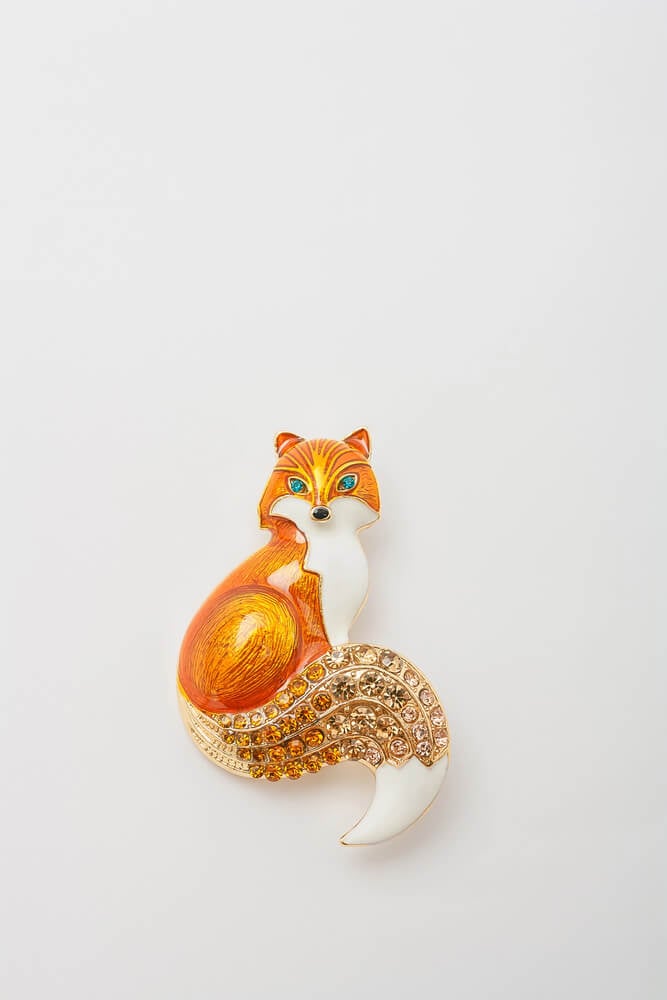
French designer Lea Stein began making brooches from laminated cellulose acetate in Paris in the late 1960s. Her cats, foxes and flapper figures were cut from layered sheets of the material, which gave each piece a glossy, marbled depth.
Early examples are stamped with her name, while some later ones are not.
Paco Rabanne’s Plastic Dresses
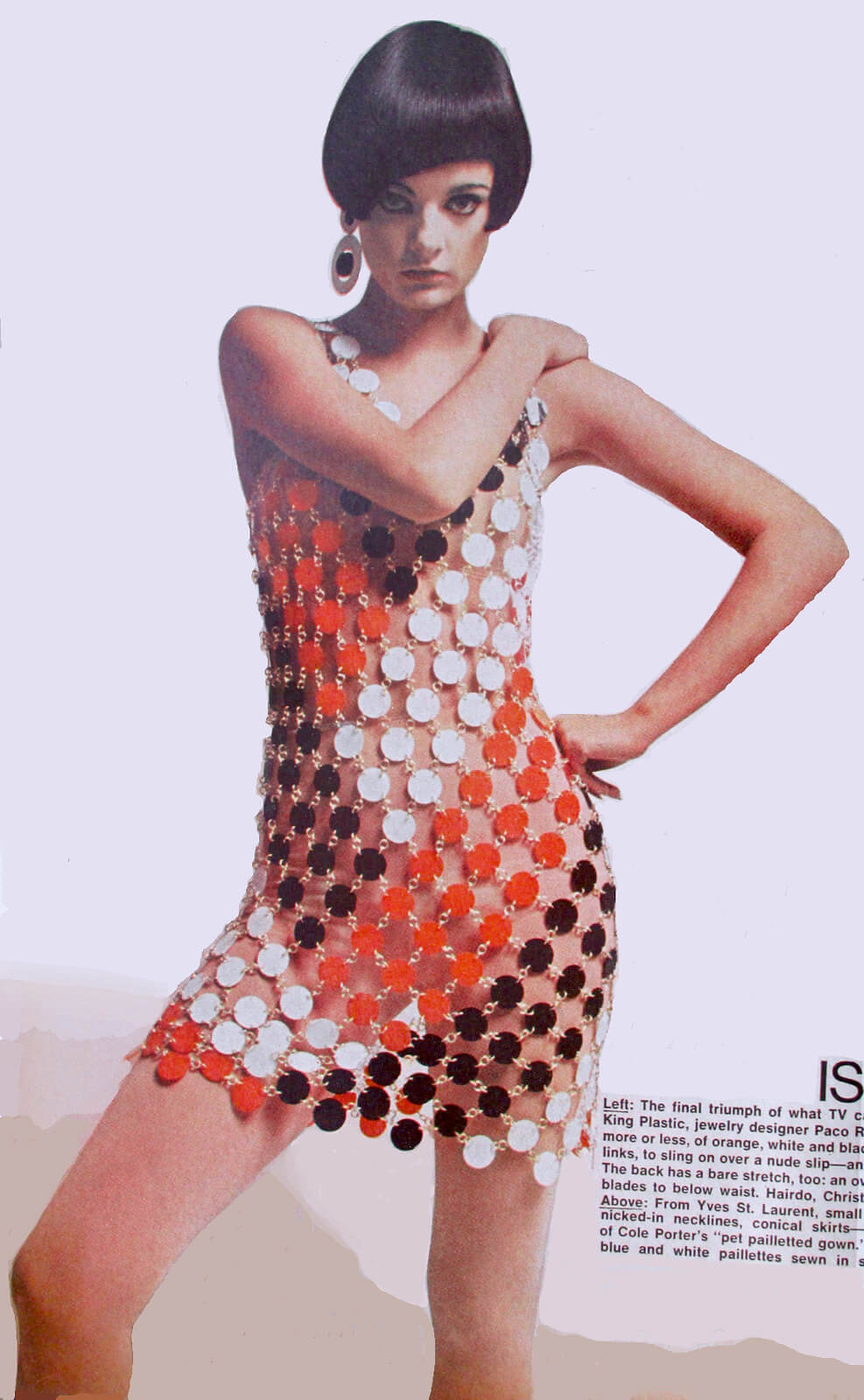
In 1966 designer Paco Rabanne presented a collection of “unwearable” dresses assembled from plastic discs joined by metal rings. The experiment influenced a generation of mod jewelry made from molded discs and links.
A true Rabanne piece is rare, but its style was imitated for decades.
The First Swatch Watches
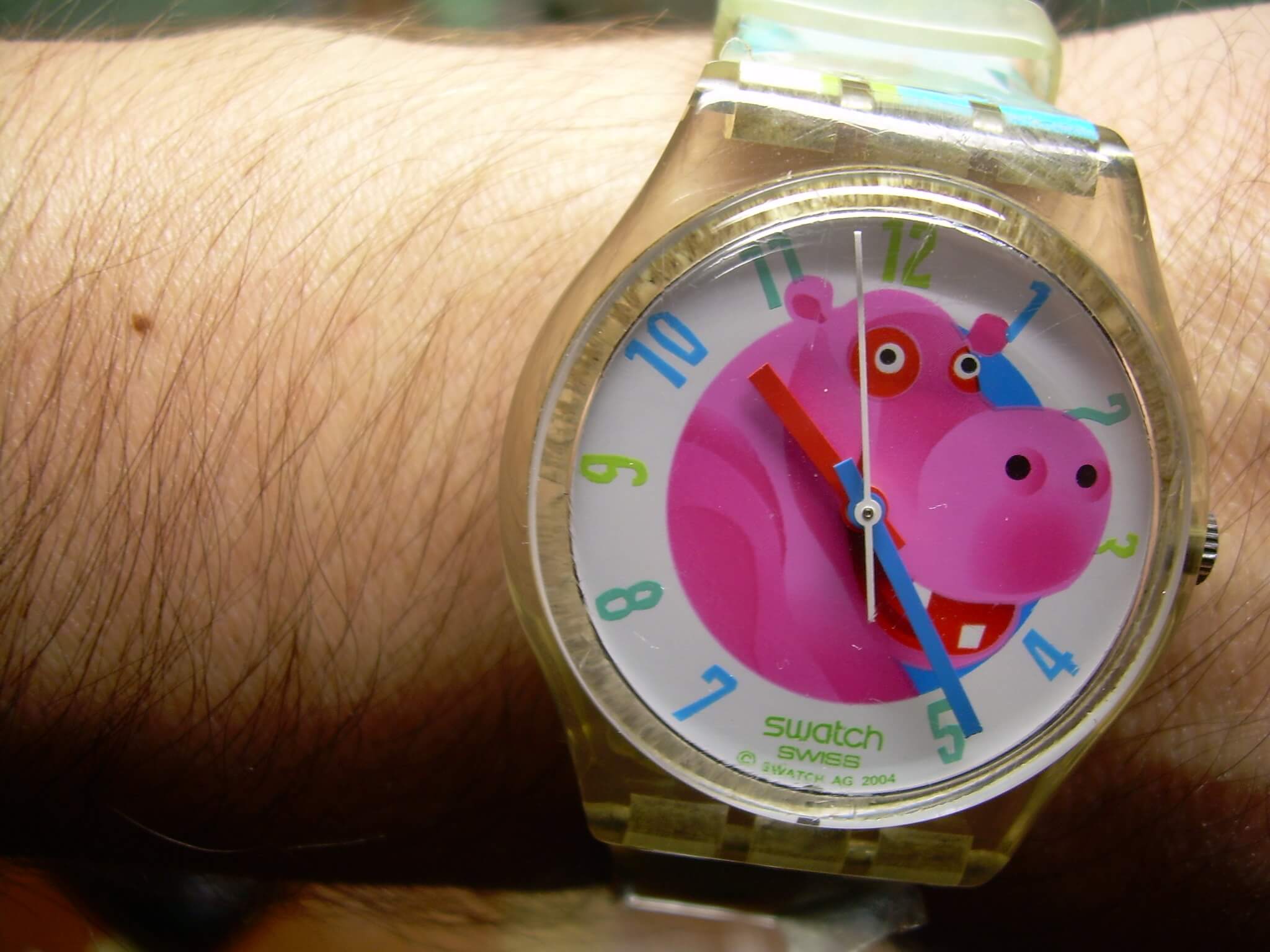
The Swatch of 1983 used a plastic case and a reduced number of parts, making the watch cheap and colorful. Early models became fashion objects as much as timepieces, worn stacked on the forearm.
Unworn originals in their packaging command the highest prices.
Celluloid Cameo Carvings
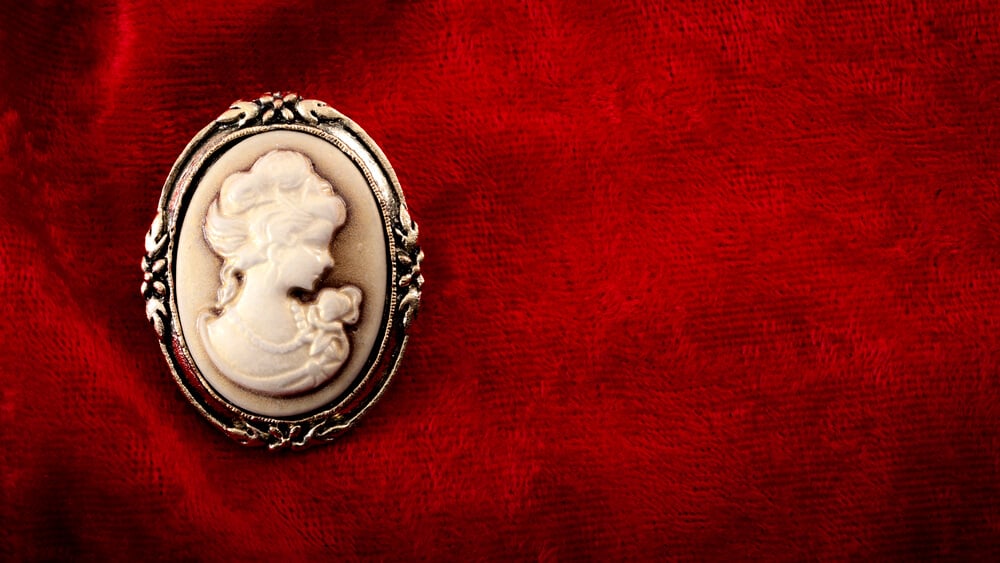
Makers cut and molded celluloid to resemble carved shell cameos, with a pale profile raised against a colored background. They were sold at a fraction of the price of real shell.
A hot needle held to the surface will give off a camphor smell on celluloid, which collectors sometimes use as a test.
Why Plastic Deserves a Second Look
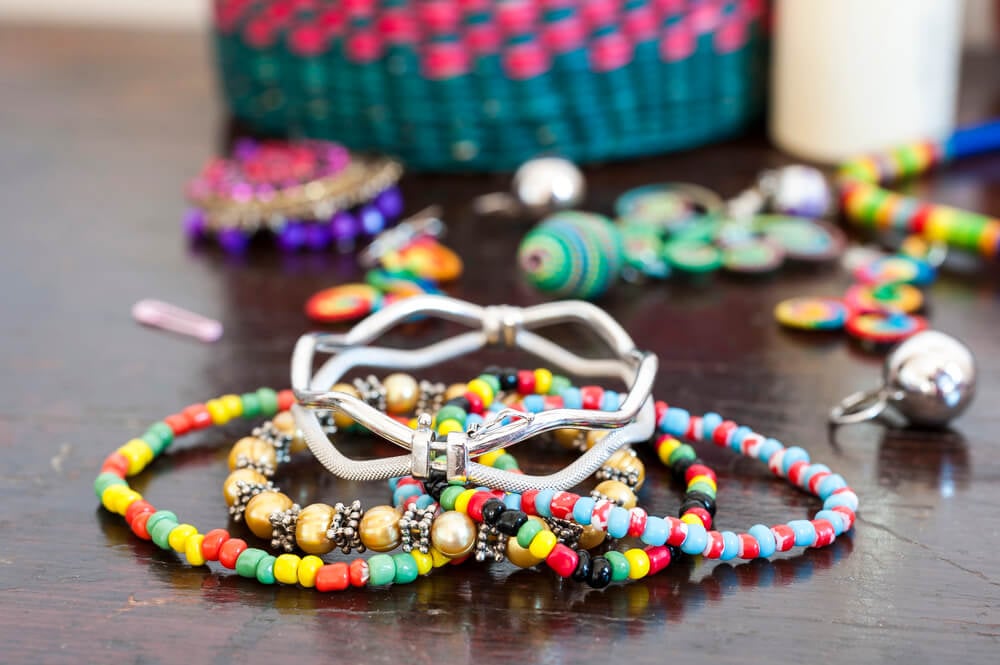
Every material above began as a substitute for something rarer. In time, many of them developed lasting appeal of their own, with their own colors, forms and quirks of aging.
Prices for vintage plastic jewelry depend heavily on condition, since cracks, discoloration and warping are common. An entire generation of designers made art from materials meant to imitate something else, and the results are worth wearing.
More from Go2Tutors!

- 27 Silver Dollars and Half Dollars Worth Keeping
- 28 Restaurant Menu Items Nobody Orders Anymore
- 17 Places Built in Seemingly Impossible Spots
- 27 Vintage Rings Worth More Than They Look
- 25 Restricted Sites Tourists Can’t Enter
Like Go2Tutors’s content? Follow us on MSN.