Fascinating Details About the Golden Age of Radio
Before television took over living rooms across America, families gathered around wooden radio boxes that brought the world into their homes. The golden age of radio, spanning roughly from the 1920s through the 1950s, created stars, launched careers, and kept entire nations entertained through some of history’s toughest times.
Radio wasn’t just background noise back then. It was the main event, the thing everyone talked about at work and school the next day.
Let’s dig into some details about this era that might surprise you.
Soap operas got their name from actual soap companies

Daytime radio dramas earned the nickname ‘soap operas’ because soap manufacturers sponsored most of them. Companies like Procter & Gamble and Colgate-Palmolive paid for these shows to reach housewives doing chores during the day.
The programs featured ongoing storylines filled with romance, betrayal, and family drama that kept listeners hooked episode after episode. These 15-minute shows ran five days a week, and missing even one episode meant falling behind on the gossip.
Orson Welles caused real panic with a fake news broadcast

The War of the Worlds broadcast on October 30, 1938, convinced thousands of Americans that Martians were actually invading New Jersey. Welles and his Mercury Theatre on the Air presented the H.G. Wells story as breaking news reports, complete with fake interviews and on-site coverage.
People tuned in late and missed the introduction explaining it was fiction. Phone lines jammed as panicked listeners called police and family members.
Radio actors performed live without safety nets
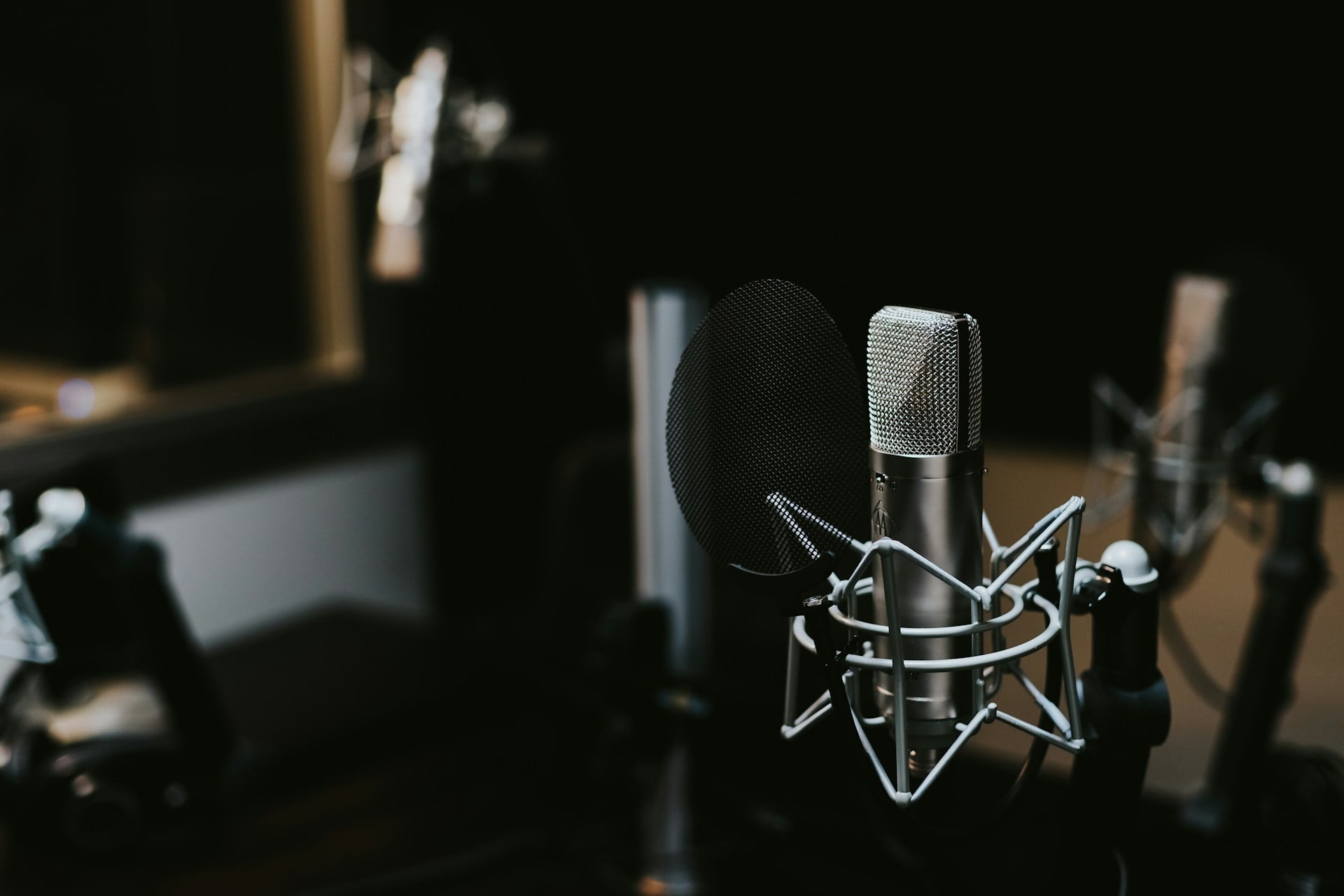
Shows went out live over the airwaves with no ability to edit mistakes or do retakes. Actors had to nail their lines, sound effects crews had to hit their cues perfectly, and musicians had to play flawlessly all while the nation listened.
One sneeze, cough, or flubbed line went straight into American homes. The pressure was intense, but performers got really good at recovering from errors on the spot.
Sound effects artists created entire worlds with everyday objects

The people who made sound effects were like magicians behind the scenes. They crinkled cellophane near microphones to simulate fire, banged coconut shells together for horse hooves, and shook sheets of metal for thunder.
A toilet plunger in a bucket of water created the perfect drowning sounds. Breaking celery stalks sounded just like breaking bones.
Their creativity turned a simple studio into a battlefield, a haunted house, or a busy city street.
President Franklin Roosevelt mastered radio like no politician before
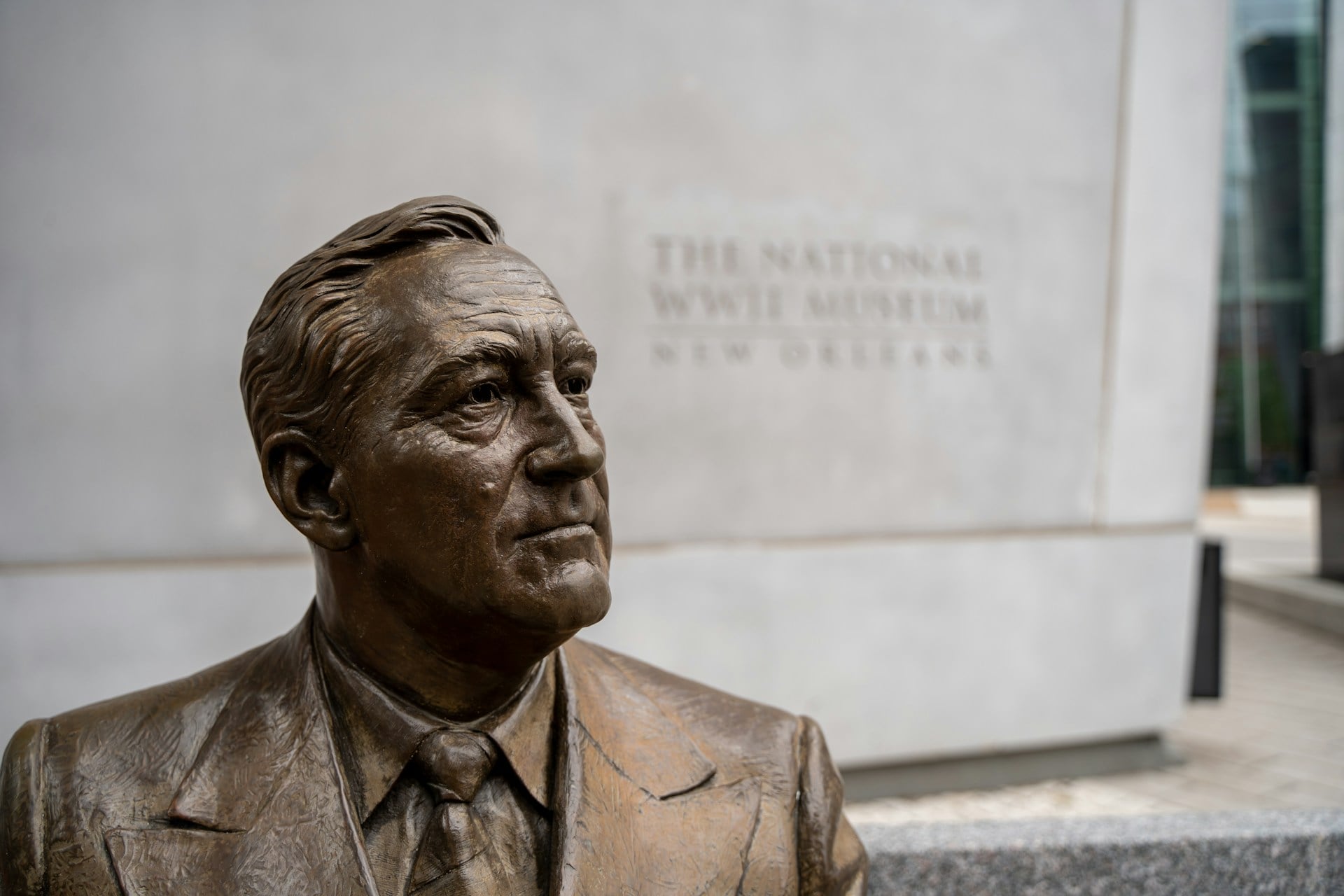
FDR’s fireside chats brought the president directly into American homes in a way that felt personal and comforting. He spoke in plain language, explaining complex policies without talking down to people.
These radio addresses started in 1933 during the Great Depression and continued through World War II. Roosevelt understood that radio required a different approach than giving speeches to live crowds, and his warm tone helped him win four presidential elections.
Comedians became the biggest stars in America

Radio made performers like Jack Benny, Bob Hope, and George Burns into household names bigger than movie stars. Their weekly shows attracted audiences of 30 to 40 million listeners at their peak.
Jack Benny’s program ran for over 20 years. Bob Hope’s jokes about current events made him feel like a friend keeping everyone up to date.
These comedians earned huge salaries and shaped American humor for generations.
Kids rushed home for adventure serials every afternoon

Programs like The Lone Ranger, The Shadow, and Superman aired in the late afternoon when kids got home from school. These 15 or 30-minute shows featured cliffhanger endings that left young listeners desperate to know what happened next.
Announcements urging kids to drink their Ovaltine or eat their Wheaties came built into the storylines. Parents might complain about the expense, but cereal and drink mix sales went through the roof thanks to these afternoon adventures.
Radio stations had to pay musicians to not play records

In the early days, many radio stations relied on live music because playing records was considered cheap and lazy. Musicians’ unions actually negotiated payments for their members that stations had to make even when playing recorded music instead of hiring live performers.
This seems backwards now, but it shows how new and uncertain the whole industry was. Eventually, disc jockeys playing records became standard, but it took years of legal battles to get there.
Amos ‘n’ Andy was problematic but wildly popular

This show featured white actors portraying Black characters using exaggerated dialects and stereotypes that are deeply offensive by today’s standards. Yet it became the most popular radio program of the early 1930s, with 40 million listeners tuning in nightly.
Movie theaters stopped films during the broadcast so audiences wouldn’t miss episodes. The program represents a shameful chapter in broadcasting history that nonetheless shaped the industry.
Entire orchestras played in radio studios

Major network shows employed full orchestras of 30 to 40 musicians who performed live every week. These weren’t recorded tracks or small ensembles but actual symphony-level groups.
The music filled dead air, set moods, and gave shows a rich production quality that recordings couldn’t match. Radio networks spent huge amounts on these orchestras because they understood that sound quality mattered.
Some musicians made steady, good livings working exclusively for radio programs.
Radio brought news instantly during World War II
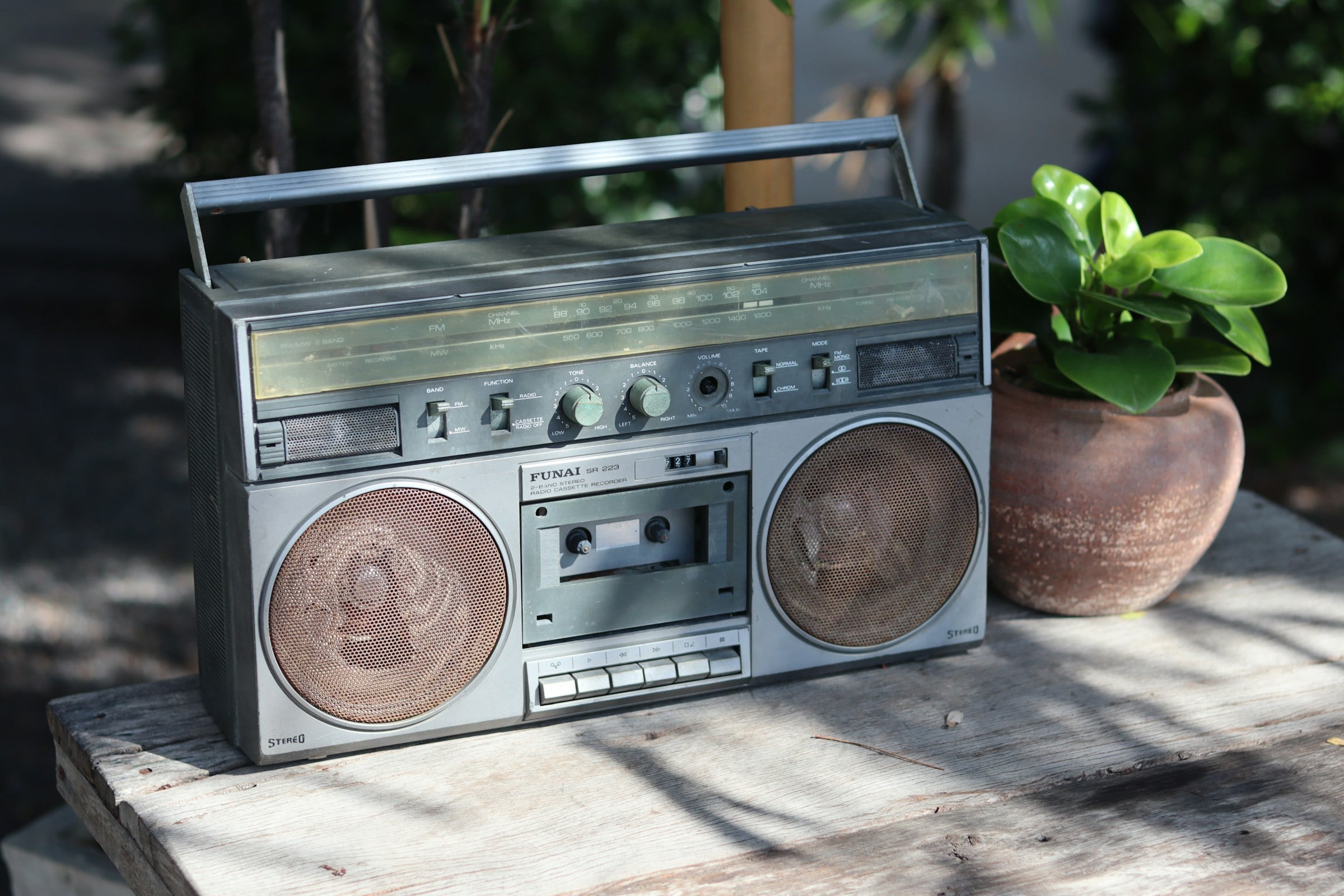
Families huddled around radios waiting for updates about the war that had their sons, husbands, and brothers fighting overseas. Edward R. Murrow’s broadcasts from London during the Blitz brought the reality of war into American living rooms.
His reports from rooftops as bombs fell captured the danger and courage of ordinary British people. Television eventually took over war coverage, but radio created the template for immediate journalism that modern news still follows.
Shows created sound signatures that branded them instantly

Each program developed unique musical themes and sound elements that listeners recognized immediately. The Lone Ranger used the William Tell Overture, which became so connected to the show that many people still think of masked cowboys when they hear it.
The Shadow’s creepy opening with the ominous voice asking ‘Who knows what evil lurks in the hearts of men’ sent chills through listeners. These audio signatures worked like logos.
Radio advertising invented modern marketing techniques

Sponsors didn’t just buy time slots for commercials. They controlled entire programs, naming them things like The Kraft Music Hall or The Maxwell House Show Boat.
Products got woven into storylines, mentioned by characters, and praised by hosts who audiences trusted. Companies learned which times of day reached which audiences.
The techniques for creating jingles, repeating brand names, and making products seem essential to happy living all got refined during radio’s golden age.
Ventriloquists somehow succeeded on radio

This seems absurd since nobody could see the dummy, but Edgar Bergen and Charlie McCarthy became huge stars despite the whole act being visual. Bergen’s comedy relied on the distinct personality he gave Charlie and the snappy dialogue between them.
Radio listeners didn’t need to see the dummy to enjoy the humor. The show ran for nearly 20 years.
It proved that strong writing and character development mattered more than the gimmick.
Radio shaped how Americans spoke and thought

Regional accents started flattening out as people heard standardized English from network announcers every day. Slang and catchphrases from popular shows spread nationwide within weeks.
Radio created shared cultural experiences where people from Maine to California heard the same jokes, music, and stories. This helped forge a more unified national identity, though it also erased some regional distinctiveness.
The golden age ended but never really died

Television stole radio’s audience starting in the late 1940s, and by the mid-1950s, most of the big shows had either moved to TV or disappeared. Radio had to reinvent itself, shifting to music formats, talk shows, and news rather than the scripted dramas and comedies that defined its golden years.
But television adopted radio’s formats, from soap operas to variety shows to sitcoms. Podcasts today function almost exactly like old radio programs, bringing voices and stories directly to audiences without requiring screens.
More from Go2Tutors!

- The Romanov Crown Jewels and Their Tragic Fate
- 17 Halloween Costumes Once Considered Taboo
- Famous Hoaxes That Fooled the World for Years
- 15 Child Stars with Tragic Adult Lives
- 16 Famous Jewelry Pieces in History
Like Go2Tutors’s content? Follow us on MSN.



