15 Wars With the Highest Human Toll in History
Out of all the terrible choices people make, war stands near the top. For ages uncounted, tribes, kingdoms, yet also modern states, fought – not always slowly, sometimes exploding without warning.
Land mattered. So did control, belief, raw materials beneath the soil. Behind each battle, a wake of loss so deep it defies counting.
A few wars dragged on, wearing out generations. Others flashed like sparks but scorched just as much.
Because of them, the shape of now exists differently. What sticks out about history’s deadliest wars isn’t just how many died, but how their sheer size continues to unsettle us long after they ended.
Though time passes, the weight of such loss refuses to fade easily into silence.
World War II
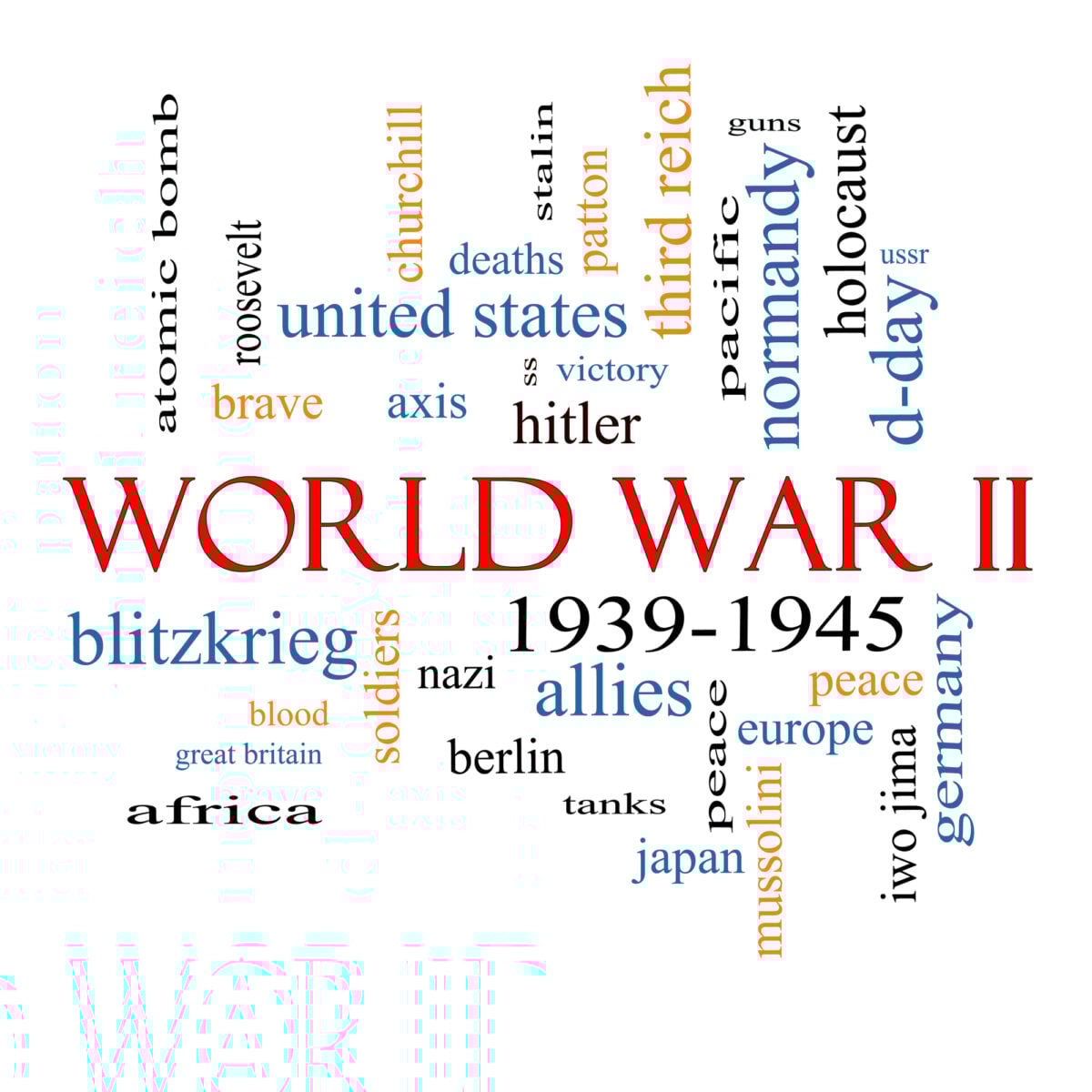
Between 1939 and 1945, a war erupted so vast it took roughly 70 to 85 million lives – more than any other known conflict. Almost every powerful nation joined in, reducing whole cities to rubble while civilians vanished by the millions.
Six million Jews were murdered during the Holocaust, yet that number only hints at the full toll. Combat zones bled out across continents, starvation spread like smoke, sickness followed close behind.
Nothing prior nor since has matched its scale of ruin.
World War I

Back then they called it the Great War, not knowing another would follow; death counts range from fifteen to twenty two million during those years from nineteen fourteen to eighteen. Down in wet ditches men waited, weeks blending into months, shells and choking fumes cutting lines apart as ground changed hands for inches gained.
Ordinary lives cracked under strain – food vanished, sickness moved fast through tired towns after war had drained them thin. Maps flipped upside down when it ended, thrones collapsed like old timber, four empires gone by armistice.
The Mongol Conquests

From the 1200s into the next century, Mongol forces surged through parts of Asia and Europe on violent sweeps leaving around forty million dead. Ruling leaders like Genghis Khan moved fast, crushing towns without warning.
Whole settlements vanished, while entire areas saw three out of four residents disappear. So few remained alive afterward that fields once farmed became open meadows nobody tended.
The Second Congo War

Dubbed ‘Africa’s World War,’ the violence began in 1998 and lasted five years. Nine countries stepped into the chaos, while roughly two dozen rebel factions added fuel.
Death tolls climbed near 5.4 million, but bullets didn’t kill most – hunger did, along with illness. Across vast areas, order cracked open, never quite healing even when guns fell silent.
To this day, it stands unmatched in scale among Africa’s post-colonial wars.
The Taiping Rebellion

Outside China, hardly anyone knows about this conflict, yet it should rank among the most significant. Lasting from 1850 to 1864, the Chinese civil war claimed roughly 20 to 30 million lives.
At its core stood Hong Xiuquan – a figure convinced he was Jesus Christ’s younger sibling – whose spiritual campaign spiraled into open revolt against the ruling Qing. As battles raged, hunger and sickness spread across the south, reshaping entire regions into zones of overwhelming loss.
The Three Kingdoms Conflict

One more time, China appears here – this instance tied to a 3rd-century clash leaving around 36 to 40 million dead. When the Han empire fell apart, rule was seized by three dominant generals locked in struggle across many years.
Numbers from those times plunged sharply; experts today still argue about how high the losses truly were. Few eras in China’s past match its scale of loss, few moments in early global history either.
The Russian Civil War
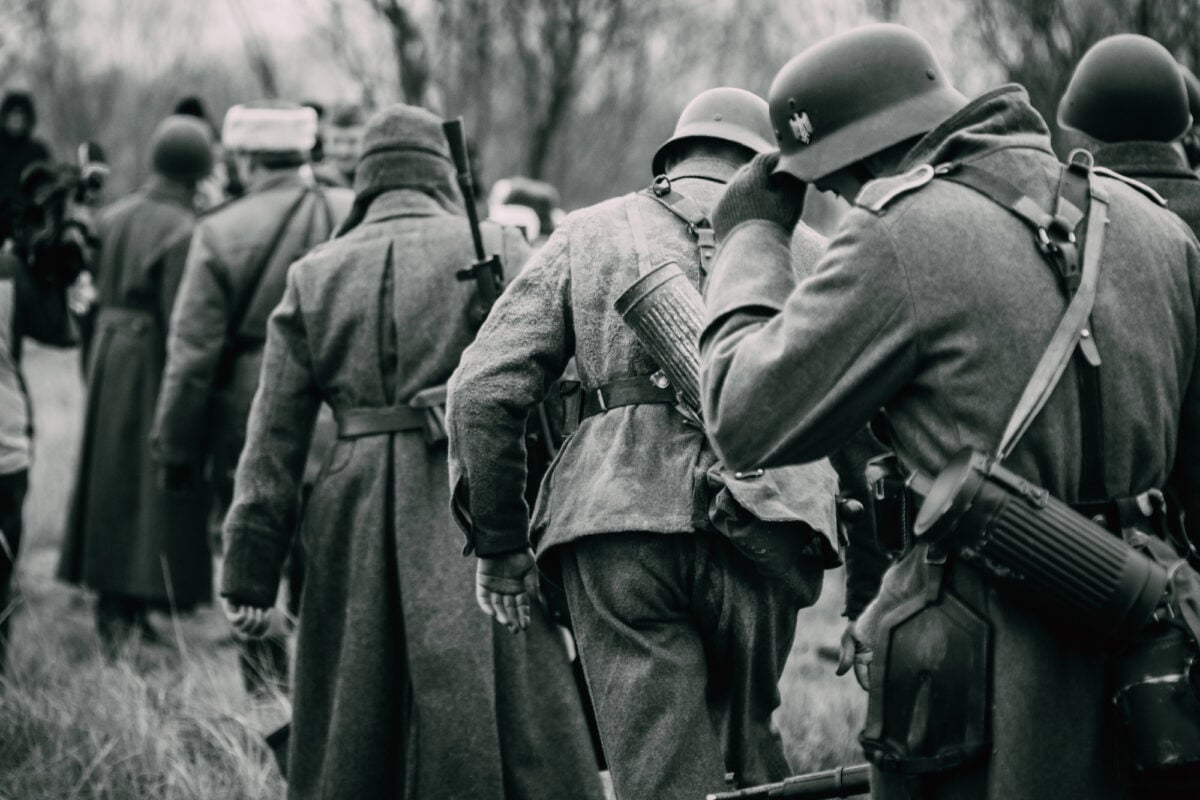
Once the Russian Revolution ended in 1917, chaos took hold fast – civil war tore through the land for five years, claiming between five and nine million lives. Instead of unity, armed struggle defined daily existence; Bolshevik forces known as the Red Army battled an array of enemies, including the loosely aligned White Army, across vast stretches of land.
Death didn’t come only from guns though – infection spread just as quick, hunger emptied villages, and farms turned silent. Out of so much collapse, a new political giant emerged: the Soviet Union shaped decades ahead, leaving behind contradictions as deep as its impact.
The Napoleonic Wars
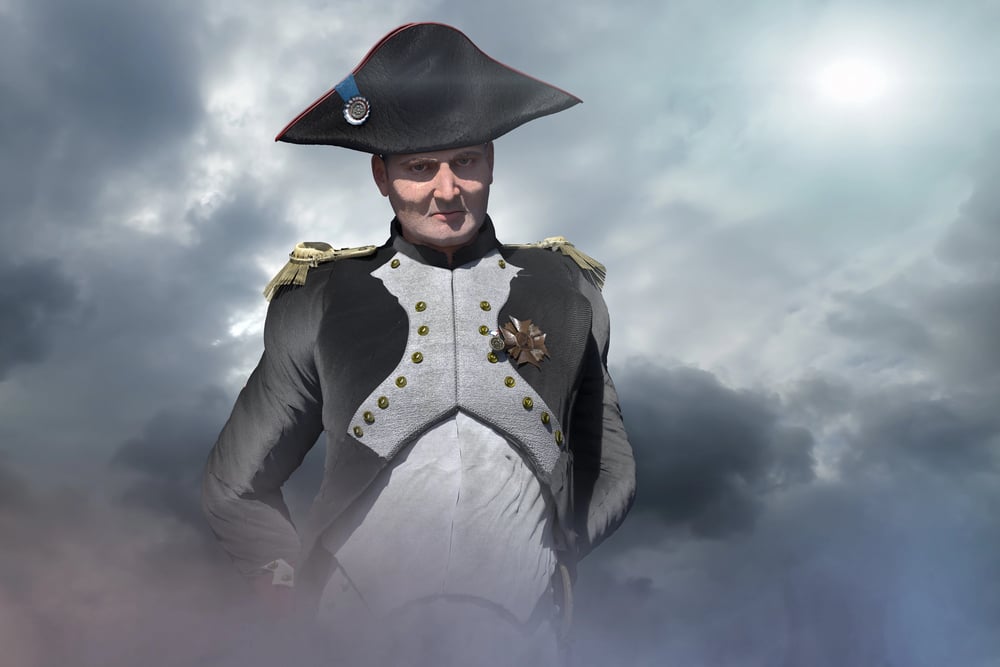
Europe almost bent to Napoleon Bonaparte’s will. From 1803 until 1815, war after war left 3.5 to 6 million dead – fighting took many, but hunger and sickness claimed just as much.
Battles raged across continents, reaching from Spain’s edges into Russia’s frozen heart. That doomed push into Russia in 1812? It swallowed entire armies whole.
When at last he fell, borders had shifted, nations changed hands, populations scattered – all because one man redrew the map with fire.
The Thirty Years’ War

Europe’s map was redrawn after this long, grueling conflict that ran from 1618 to 1648 and killed between 8 and 11 million people. It started as a religious war between Protestant and Catholic states in the Holy Roman Empire, but it grew into a broader political struggle involving most of Europe’s major powers.
Civilian populations in Central Europe were devastated, with some regions losing up to a third of their entire population. The Peace of Westphalia that ended the war also helped lay the groundwork for the modern concept of national sovereignty.
The An Lushan Rebellion

Another Chinese conflict most people have never heard of, this rebellion against the Tang dynasty lasted from 755 to 763 AD and may have killed up to 36 million people. Contemporary records suggest China’s population dropped by around two-thirds during this period, though some of that was likely due to migration rather than death.
Still, the death toll was staggering by any measure, and the rebellion permanently weakened the Tang dynasty. It stands as one of the most devastating civil conflicts in the ancient world.
The Vietnam War

From 1955 to 1975, this prolonged conflict claimed between 1.5 and 3.5 million lives, including Vietnamese civilians on both sides, American soldiers, and fighters from neighboring countries. The war drew in the United States, the Soviet Union, and China, turning a local conflict into a Cold War battleground.
Agent Orange, napalm, and carpet bombing caused long-term environmental and health damage that lasted well beyond the ceasefire. The human cost on the Vietnamese side is often underrepresented in Western accounts of the war.
The Second Sino-Japanese War

Running from 1937 to 1945, this war between China and Japan killed between 15 and 20 million people and became part of the broader World War II conflict in Asia. Japan’s military campaign was extraordinarily brutal, with the Nanjing Massacre alone killing an estimated 200,000 to 300,000 Chinese civilians in just a matter of weeks.
Widespread famine caused by the disruption of farming and supply chains added millions more to the death count. The war left a deep wound in the relationship between China and Japan that still surfaces in political tensions today.
The Soviet-Afghan War

From 1979 to 1989, the Soviet Union fought a grueling war in Afghanistan that killed around 2 million Afghans, mostly civilians. The conflict displaced another 5 million people who fled to neighboring countries as refugees.
The Soviets used scorched-earth tactics in rural areas, destroying villages and farmland to cut off support for the Mujahideen fighters. The war drained Soviet resources significantly and is widely seen as one of the key factors that accelerated the collapse of the Soviet Union.
The American Civil War

Between 1861 and 1865, the United States tore itself apart over slavery and states’ rights, killing an estimated 620,000 to 750,000 soldiers on both sides. It was the deadliest conflict ever fought on American soil, with more Americans dying in this war than in both World Wars combined.
Disease killed more soldiers than bullets did, with camp conditions so poor that illnesses spread rapidly through both armies. The war ended slavery but left behind deep social divisions that the country has been navigating ever since.
The Korean War
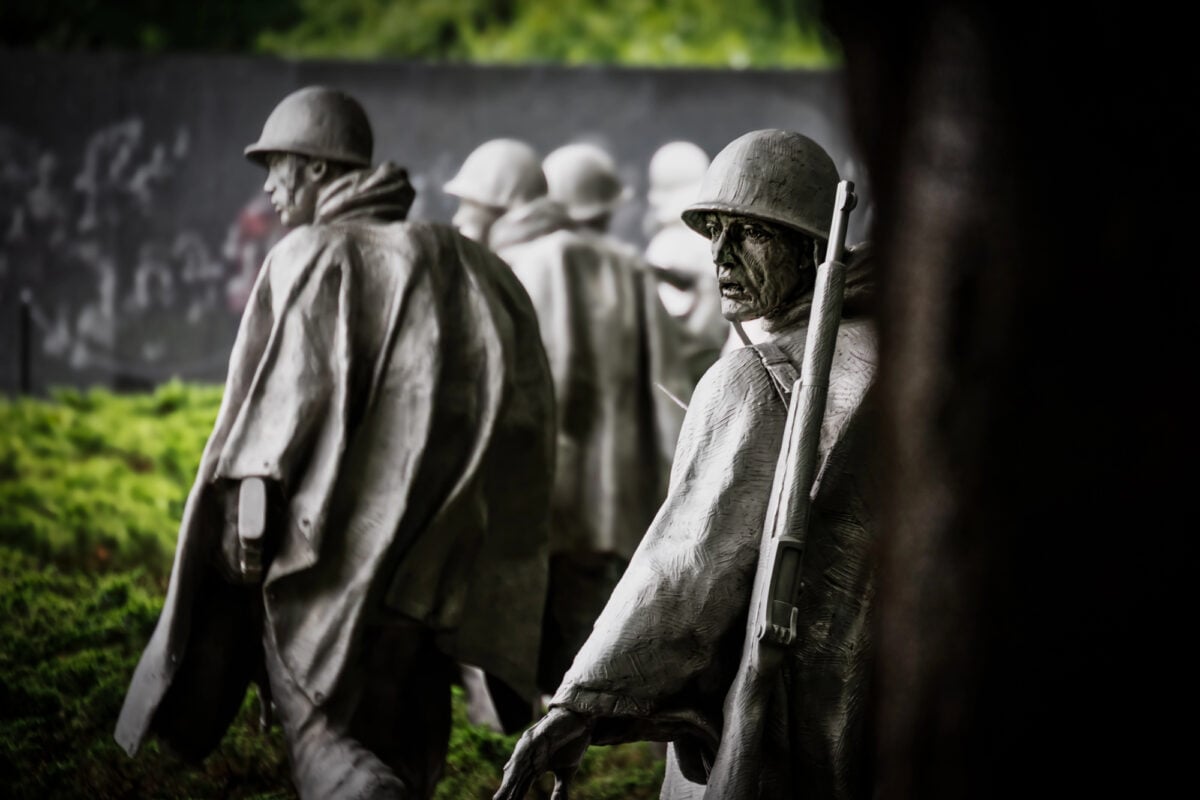
Often called ‘The Forgotten War,’ this conflict lasted from 1950 to 1953 and killed approximately 2.5 to 5 million people, the majority of them Korean civilians. The fighting involved the United States, China, and the Soviet Union alongside North and South Korea, making it another proxy battle of the Cold War.
Heavy aerial bombardment flattened cities across the Korean Peninsula, leaving millions homeless and starving. The war ended in an armistice rather than a peace treaty, meaning technically, the two Koreas are still at war today.
The Weight Of These Numbers

History has a way of turning human lives into statistics, but each number in this article represents a real person with a family, a home, and a story that ended too soon. These wars did not just kill people; they reshaped borders, destroyed cultures, and changed the direction of entire civilizations.
Many of the political tensions people see in the world today trace directly back to these conflicts. Understanding the true cost of these wars is not just a history lesson; it is a reminder of how high the stakes of human conflict can get.
More from Go2Tutors!

- The Romanov Crown Jewels and Their Tragic Fate
- 13 Historical Mysteries That Science Still Can’t Solve
- Famous Hoaxes That Fooled the World for Years
- 15 Child Stars with Tragic Adult Lives
- 16 Famous Jewelry Pieces in History
Like Go2Tutors’s content? Follow us on MSN.



