Foods Astronauts Cannot Eat
Living in space changes everything about daily life, and eating is no exception. The foods that work perfectly fine on Earth can become serious problems when gravity disappears.
Space agencies have spent decades figuring out what astronauts can and cannot eat up there, and some of the restrictions might surprise you.
Bread and Anything That Crumbles
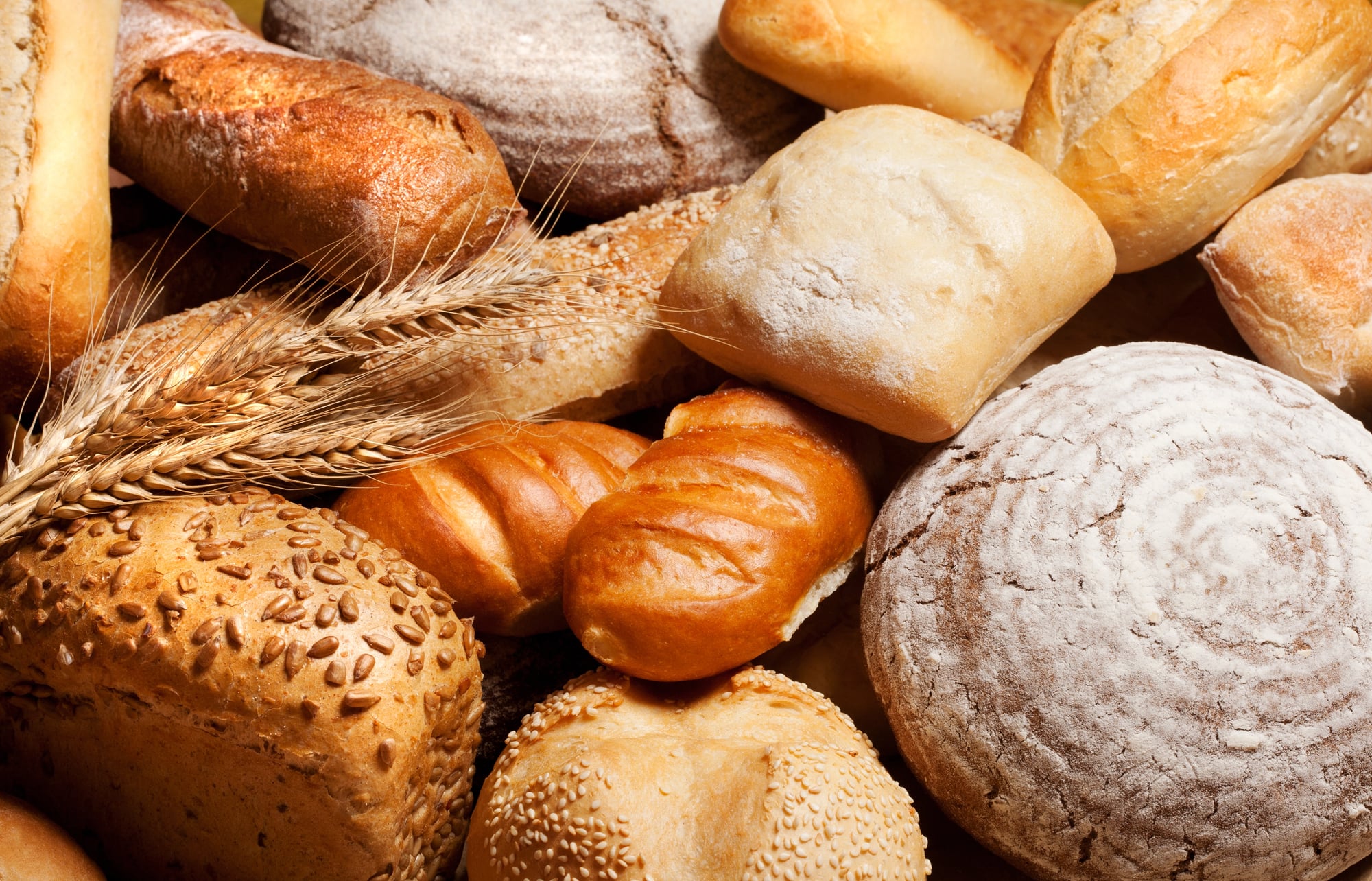
Bread doesn’t work in space. The crumbs float around the cabin and create genuine hazards.
They can drift into equipment, get inhaled by crew members, or clog air filters. NASA learned this lesson early in the space program.
Tortillas replaced bread on space missions because they don’t produce crumbs. Astronauts use them for sandwiches and wraps, and they stay fresh longer than bread anyway.
The switch happened after too many incidents with floating breadcrumbs.
Salt and Pepper in Their Normal Forms
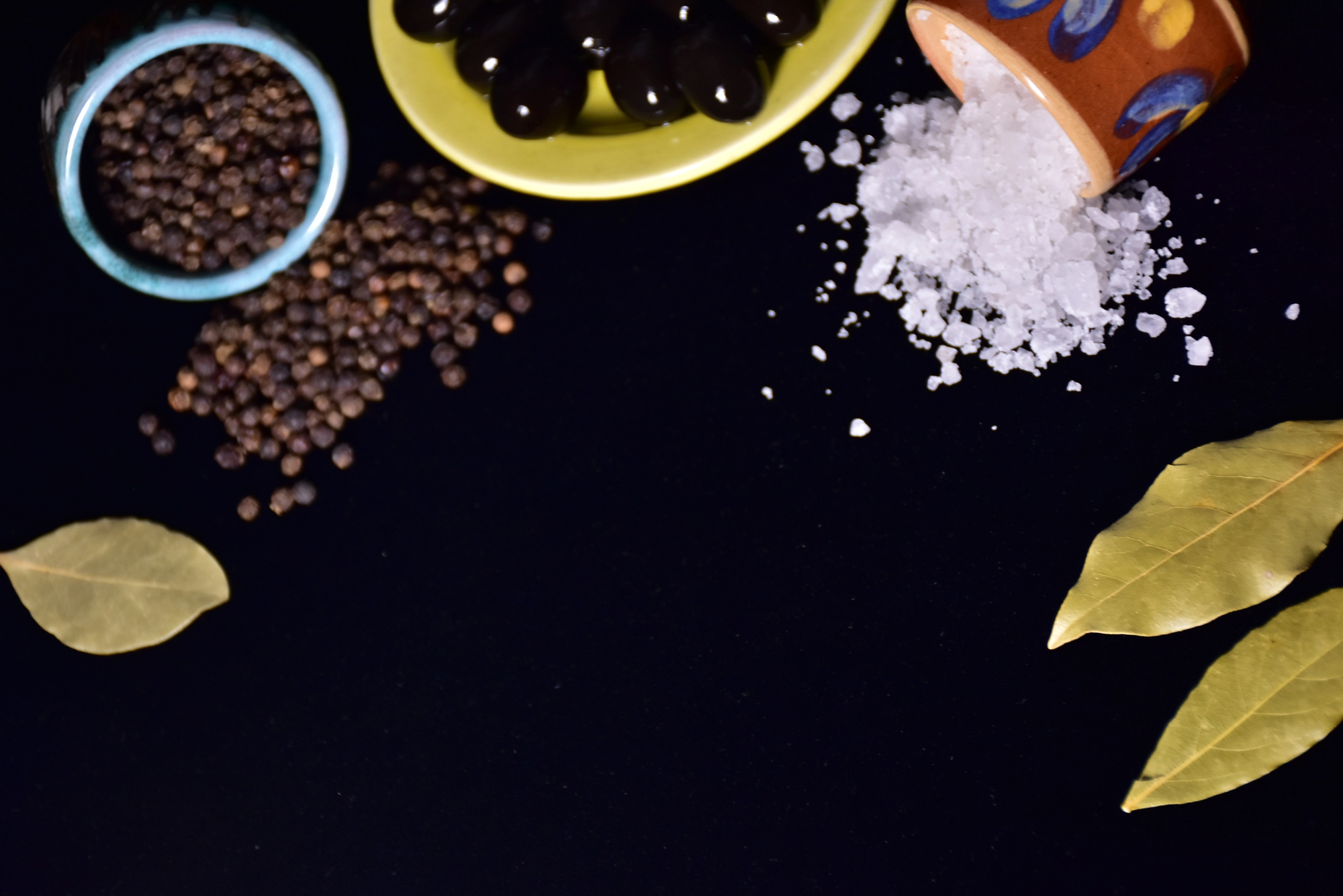
You cannot sprinkle salt and pepper in space. The granules would float away before reaching your food.
Astronauts use liquid versions instead—salt dissolved in water and pepper suspended in oil.
These liquid seasonings come in small squeeze bottles. The astronauts add drops directly to their meals.
It works, but many say the liquid versions don’t taste quite the same as the real thing.
Carbonated Beverages
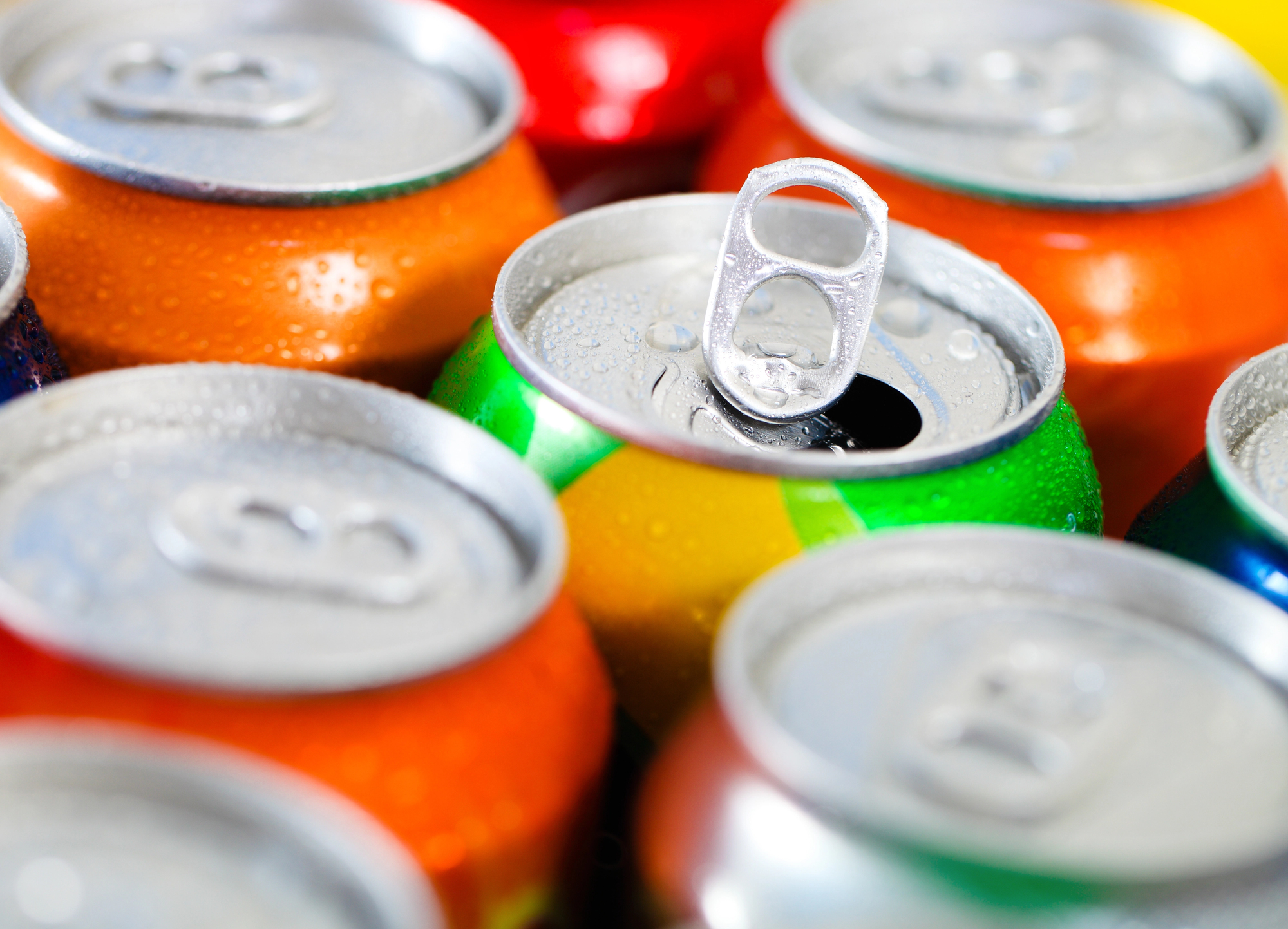
Sodas and carbonated drinks stay grounded. The bubbles behave differently without gravity, and the gases don’t separate from liquids the way they do on Earth.
When astronauts burp in space, liquid can come up with the gas—a condition they call “wet burps.”
The lack of carbonation also affects how the drinks taste. The bubbles contribute to flavor perception, and without that fizzy sensation, carbonated beverages just don’t deliver the same experience.
Alcohol

NASA prohibits alcohol on American spacecraft. The rule exists for safety and operational reasons.
Russian cosmonauts have been known to bring small amounts of cognac or vodka, but it remains officially banned on the International Space Station.
Beyond policy, alcohol affects the body differently in microgravity. Dehydration happens faster in space, and alcohol would make it worse.
The confined environment and critical nature of the work make drinking impractical anyway.
Fresh Fruits and Vegetables
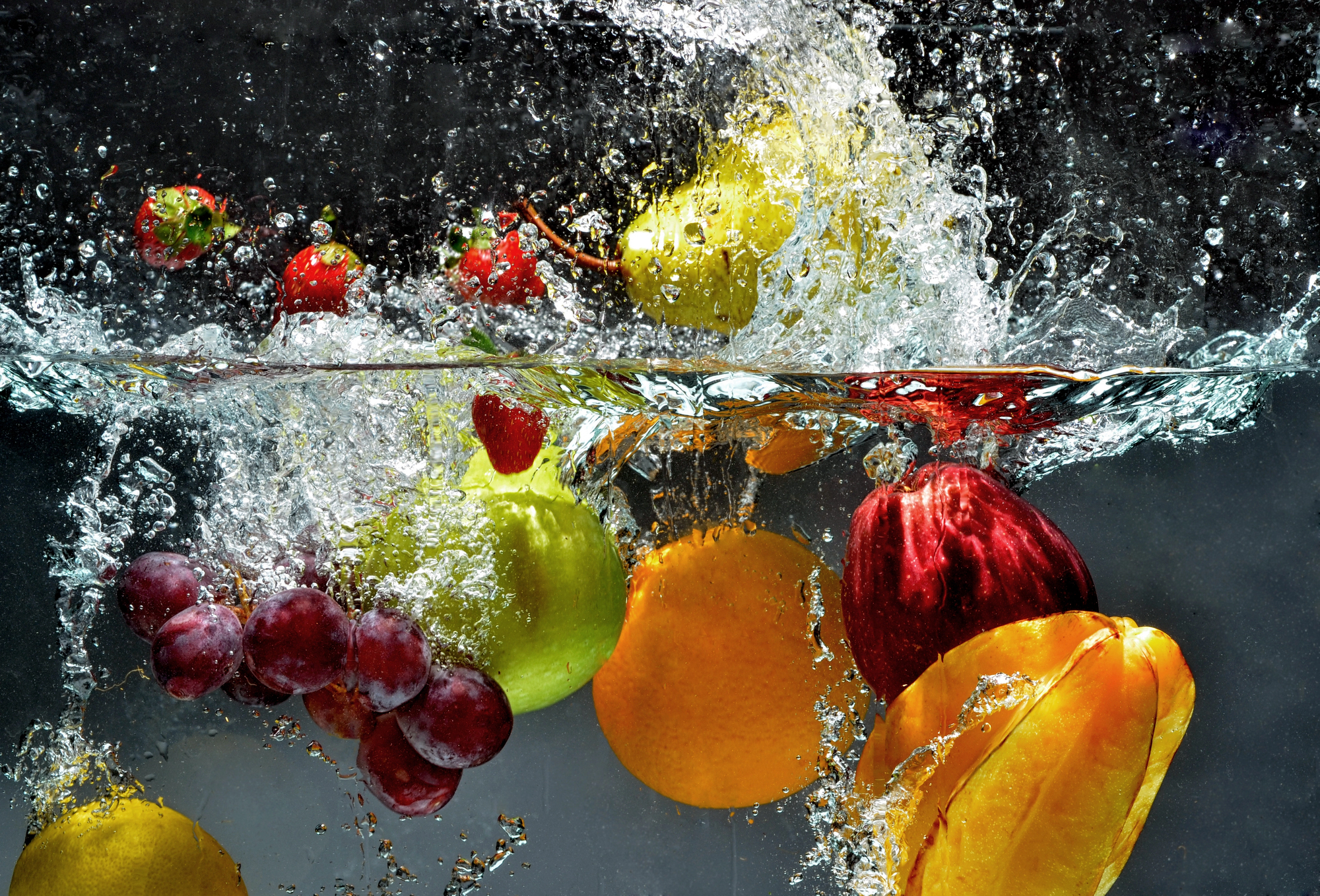
Most fresh produce doesn’t make the cut. Apples, oranges, and other fresh fruits spoil quickly without proper storage.
They also create waste and take up valuable cargo space that could go to more practical foods.
Some fresh foods do make it to the ISS on resupply missions—usually as special treats. Astronauts get excited when fresh apples or oranges arrive, but these items must be eaten within days before they go bad.
The lack of refrigeration limits options significantly.
Ice Cream
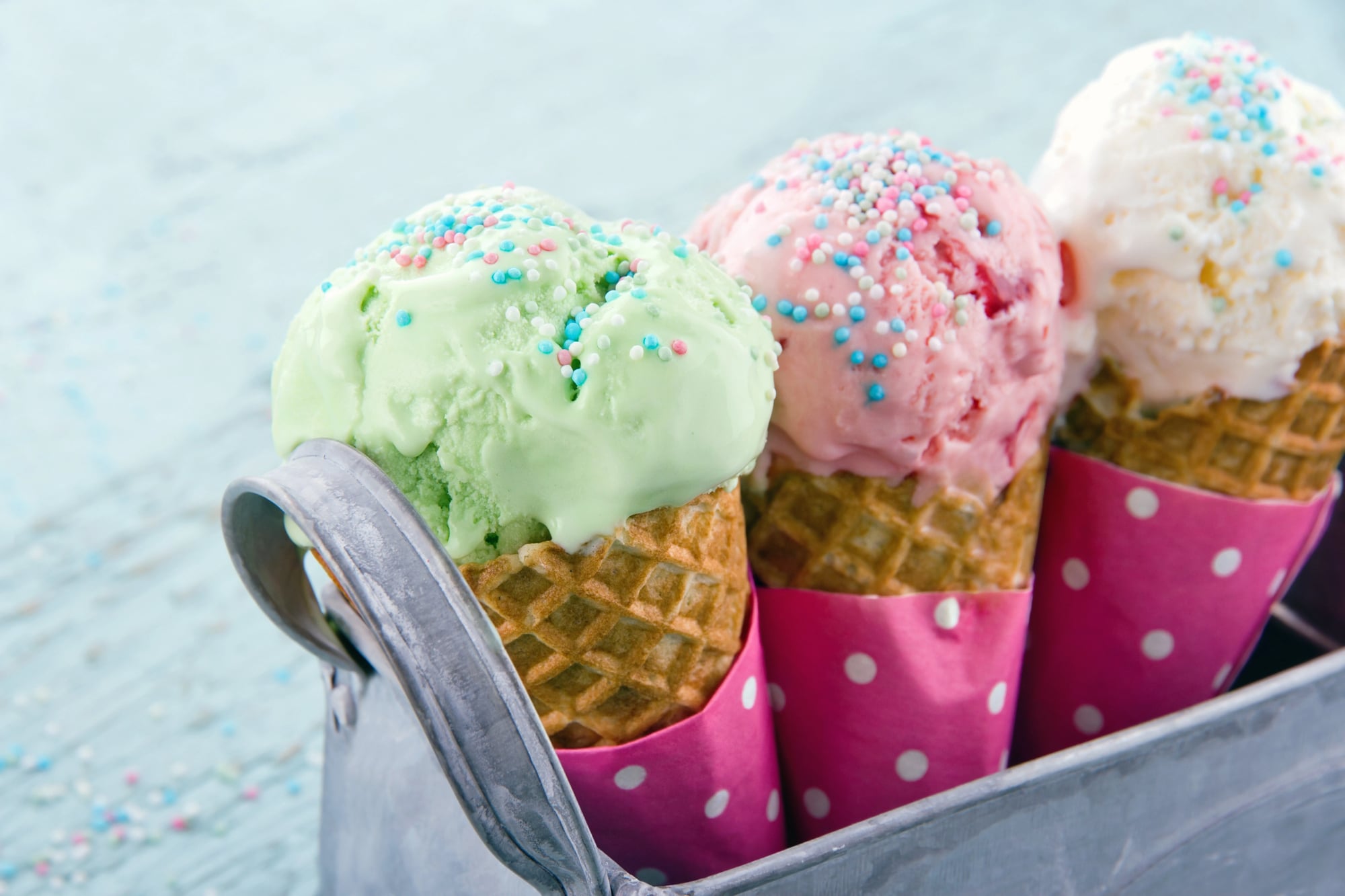
Real ice cream cannot exist in space. Freezers on spacecraft don’t work the same way they do on Earth, and the texture would be all wrong anyway.
The famous “astronaut ice cream” you see in museum gift shops was only used once or twice in the early days.
Freeze-dried ice cream exists as a novelty item, but astronauts rarely eat it in space. The chalky, crumbly texture makes it impractical, and it produces dust that floats around.
Most astronauts prefer other dessert options.
Foods With Bones or Shells
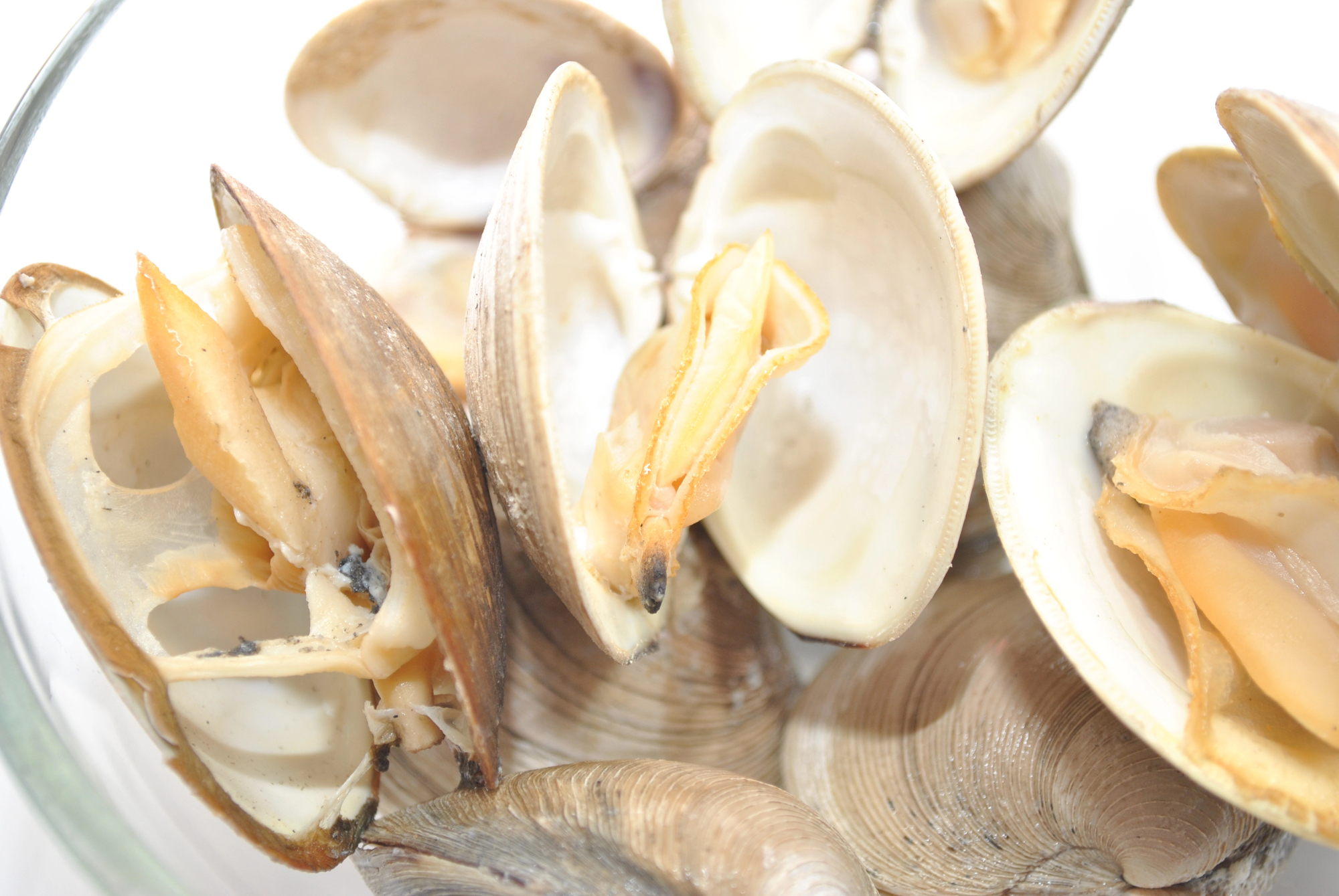
Fish with bones, chicken wings, ribs—anything that requires picking around bones doesn’t work well in space. The small bone fragments become floating hazards.
Astronauts need foods they can eat cleanly without creating debris.
Shrimp and other shellfish present similar problems. The shells and tails create waste that has nowhere to go.
Space agencies choose boneless, shell-free versions of these foods instead.
Traditional Pizza
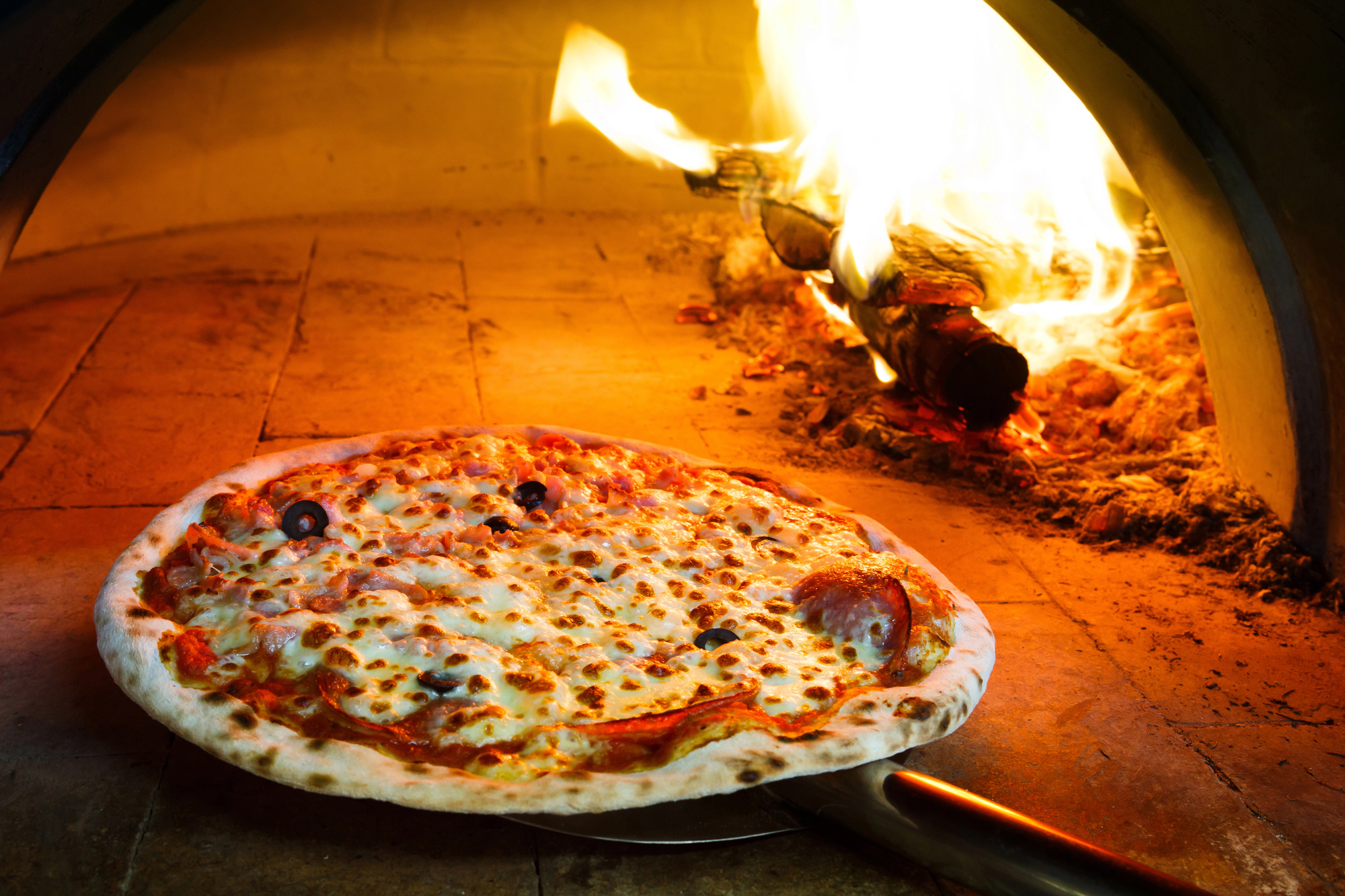
A regular pizza doesn’t work in microgravity. The cheese, sauce, and toppings would slide right off without gravity holding them in place.
The astronauts who crave pizza have had to get creative.
In recent years, the ISS has received flatbread pizza kits where astronauts assemble personal pizzas using ingredients that stick better. They bake them in a special oven designed for space.
It’s not delivery, and it’s not quite like home, but it satisfies the craving.
Fried Foods
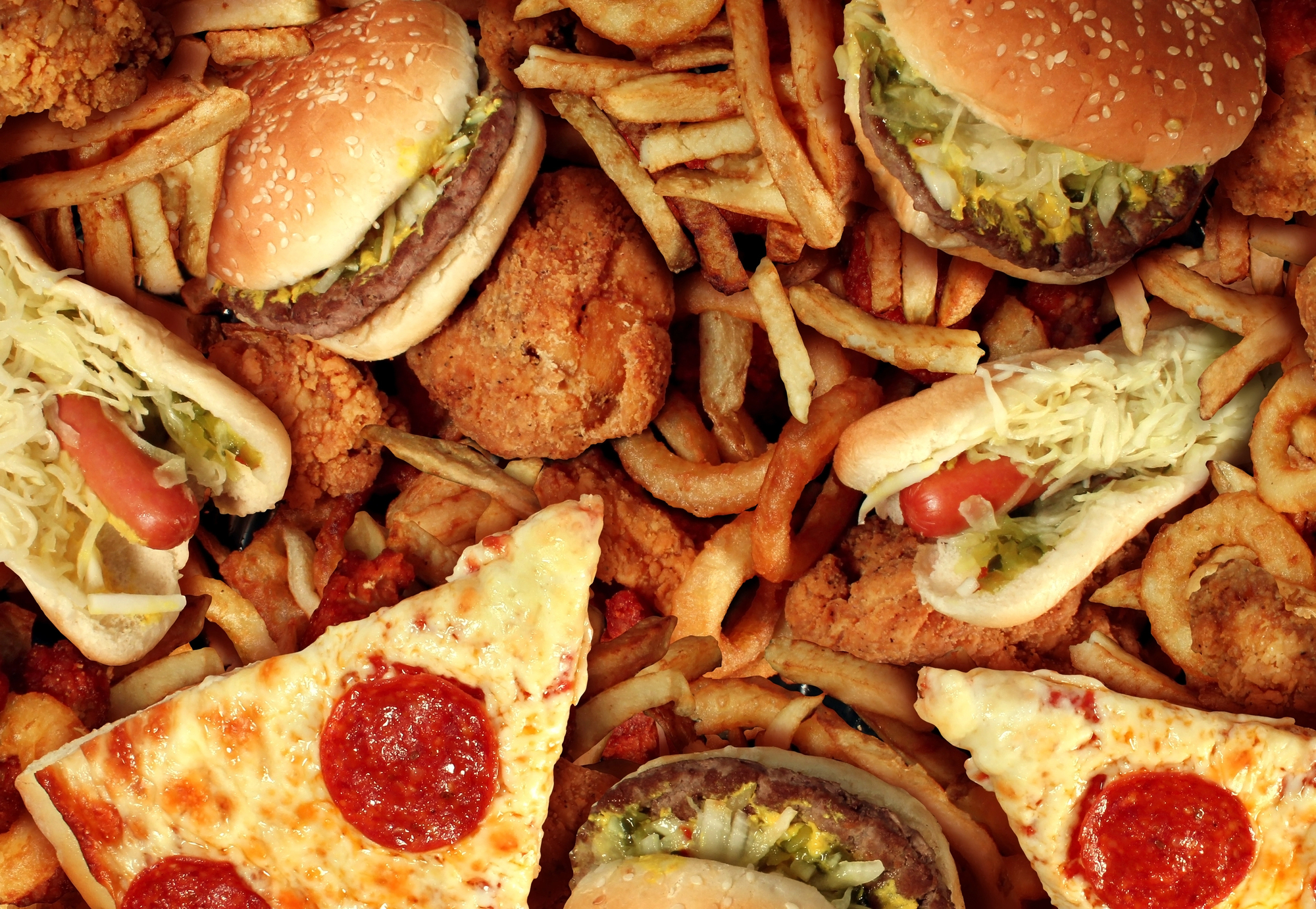
Deep-fried foods stay on Earth. The cooking process requires equipment that doesn’t exist in space, and the grease would create serious problems.
Oil droplets floating through the cabin could damage electronics or create fire hazards.
The texture of fried foods also doesn’t survive the preservation methods used for space food. Freeze-drying or thermal stabilization leaves fried items soggy or stale.
Astronauts have to settle for baked alternatives.
Chips and Crackers
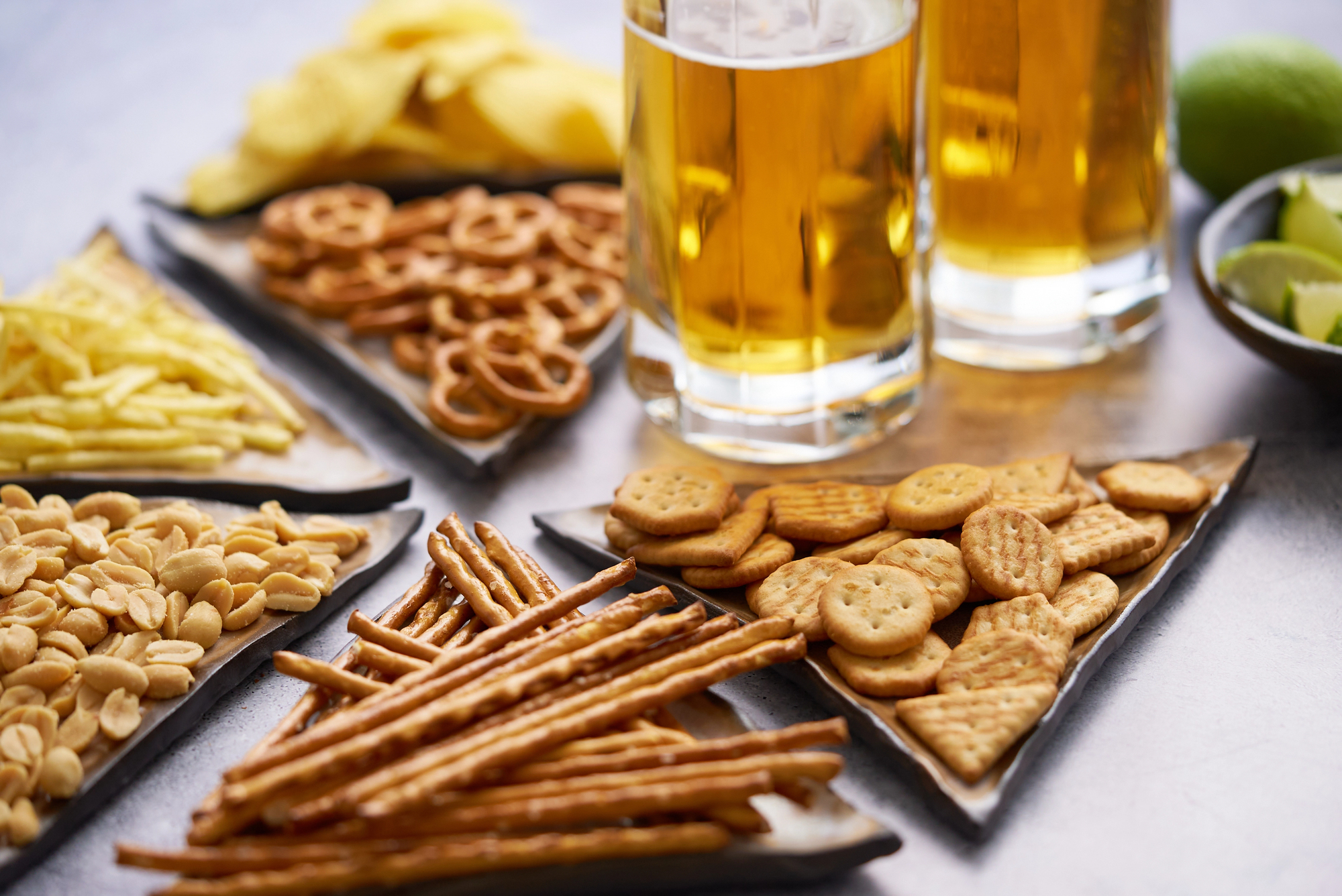
Potato chips and crackers fall into the same category as bread—too crumbly. A bag of chips opened in microgravity would create a storm of fragments floating everywhere.
The sharp edges of broken chips could scratch eyes or damage equipment.
Some specially designed crackers make it to space, but they’re engineered to be less brittle. Regular snack crackers from the grocery store would be a disaster.
Fresh Milk
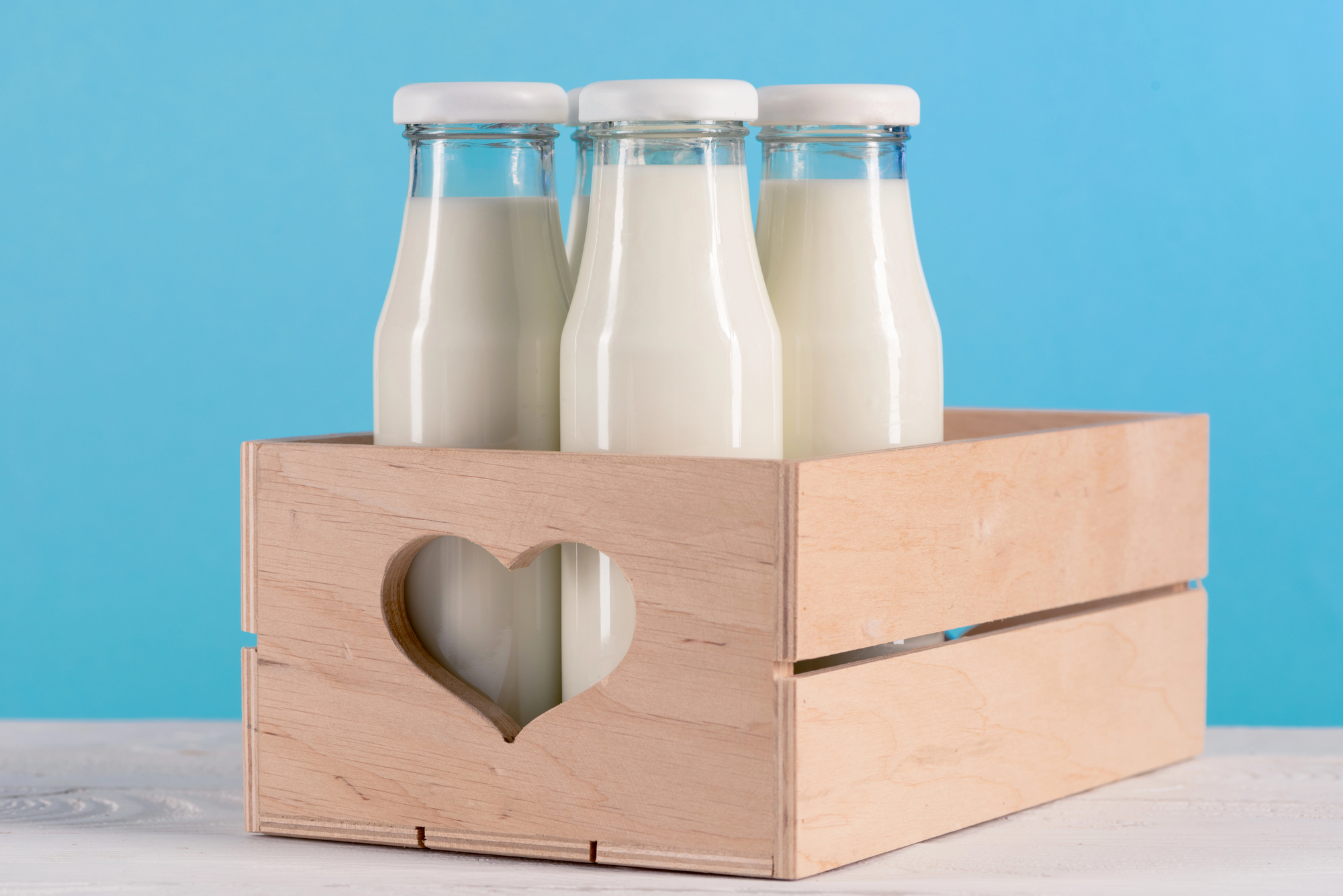
Fresh milk spoils too quickly for space travel. Without refrigeration that works like it does on Earth, dairy products go bad fast.
Astronauts drink powdered milk mixed with water instead.
The powdered version doesn’t taste identical to fresh milk, but it provides the same nutritional benefits and stays good for months. Some astronauts grow to prefer it, while others just tolerate it as part of space life.
Foods With Strong Odors
Extremely pungent foods get vetoed. The ventilation systems in spacecraft can’t eliminate strong smells the way open windows can on Earth.
Durian, certain cheeses, and heavily spiced fish dishes would make the confined space unbearable for everyone.
Astronauts from different countries sometimes disagree about what constitutes an offensive smell. What seems normal to one crew member might be overwhelming to another.
Space agencies try to find a middle ground that keeps everyone comfortable.
Honey in the Early Days
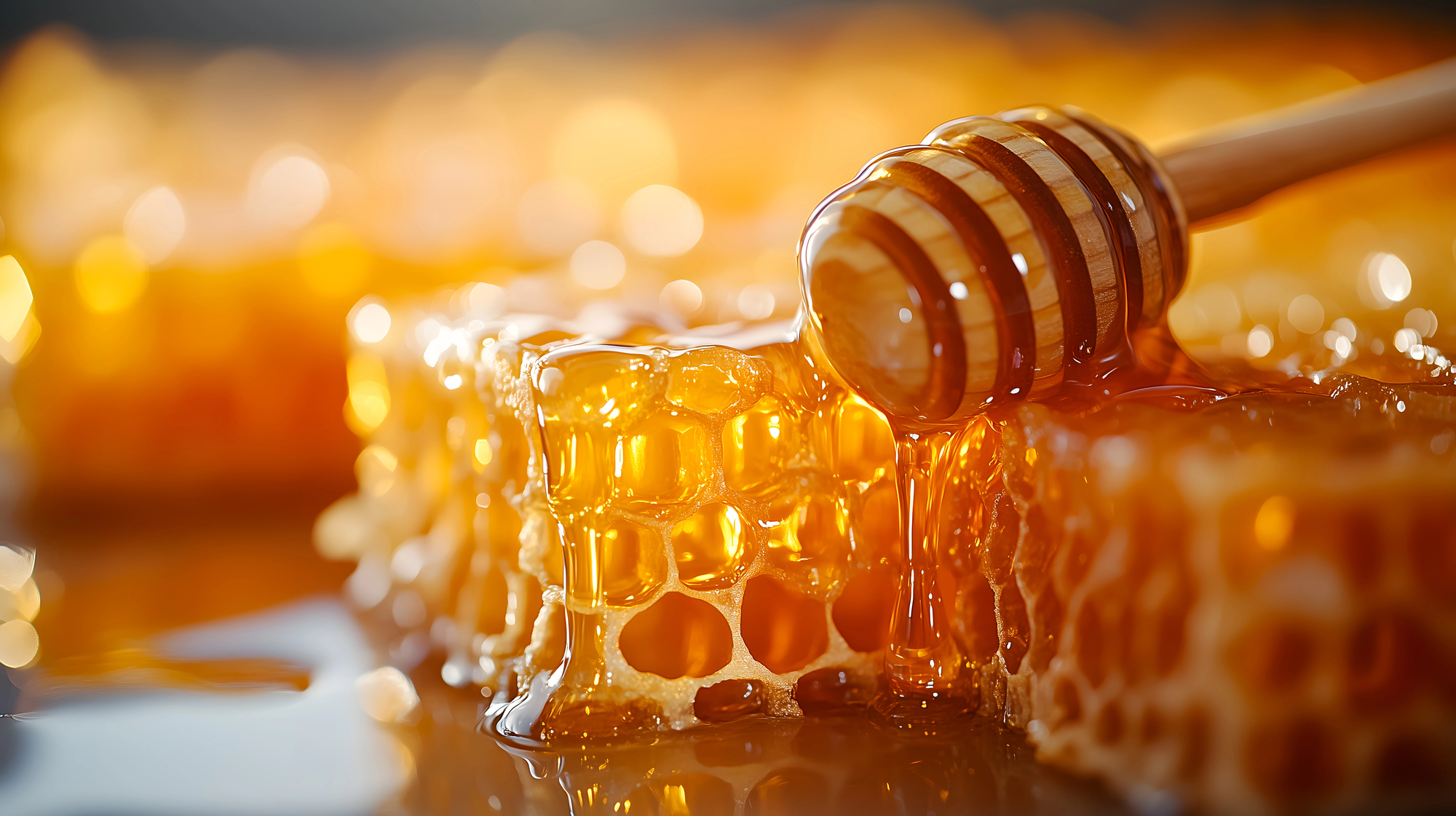
NASA once classified honey as dangerous for space flight. In the early days of space exploration, they worried about bacteria in honey that could grow in unpredictable ways in microgravity.
The concern was real—closed environments amplify contamination risks.
Modern testing has shown that honey is actually safe for space. Astronauts now enjoy it as a sweetener, and it’s easier to handle than sugar granules that would float away.
The Evolution of Space Dining

Fewer things are off-limits now than before. Back then, meals came in tubes or tiny blocks – flavor was nearly nonexistent.
Nowadays, what they eat up there feels familiar: shrimp cocktail shows up, mac and cheese is common, plus full holiday spreads with the usual sides appear too.
Out of nowhere, meals in space look nothing like they once did. Thanks to smarter containers, fresher ways to keep food good, slower spoilage, along with clever ovens that actually work up there, astronauts eat far more than before.
Dishes that sounded crazy decades back show up on trays today without a second thought. Still, limits stick around – not because someone says so, but because staying safe matters, logistics get tricky, plus swallowing feels odd when everything floats.
Out in space, the menu leaves out certain things – each missing item marks a moment someone figured something out. Not eating particular foods?
That’s part of how humans adapted to floating above the planet.
More from Go2Tutors!

- The Romanov Crown Jewels and Their Tragic Fate
- 13 Historical Mysteries That Science Still Can’t Solve
- Famous Hoaxes That Fooled the World for Years
- 15 Child Stars with Tragic Adult Lives
- 16 Famous Jewelry Pieces in History
Like Go2Tutors’s content? Follow us on MSN.