15 Ways Phones Went From Bulky To Sleek
Those brick-sized phones from the ’80s? Absolutely massive. You could probably do arm curls with one if you were feeling ambitious. What’s wild is how we’ve gone from those chunky blocks to sleek little slabs that basically vanish into your pocket. And no—it didn’t happen overnight. It took years of gradual change, one engineering fix at a time.
Each upgrade shaved off some weight, saved some space, or ditched some clunky part. Over time, phones stopped being tools you lugged around and started fitting right into your everyday life. Here are 15 ways that transformation happened.
Circuit board miniaturization

Early circuit boards in phones looked like someone shrunk down an entire neighborhood, with chips and components packed in everywhere. The big leap came when engineers figured out how to stack more power into smaller chips, allowing full systems to live on a board smaller than a sticky note.
These days, system-on-chip setups squeeze everything together into one processor. It is like trading a garage full of tools for a multitool with the same functionality but taking up far less space.
Battery technology improvements
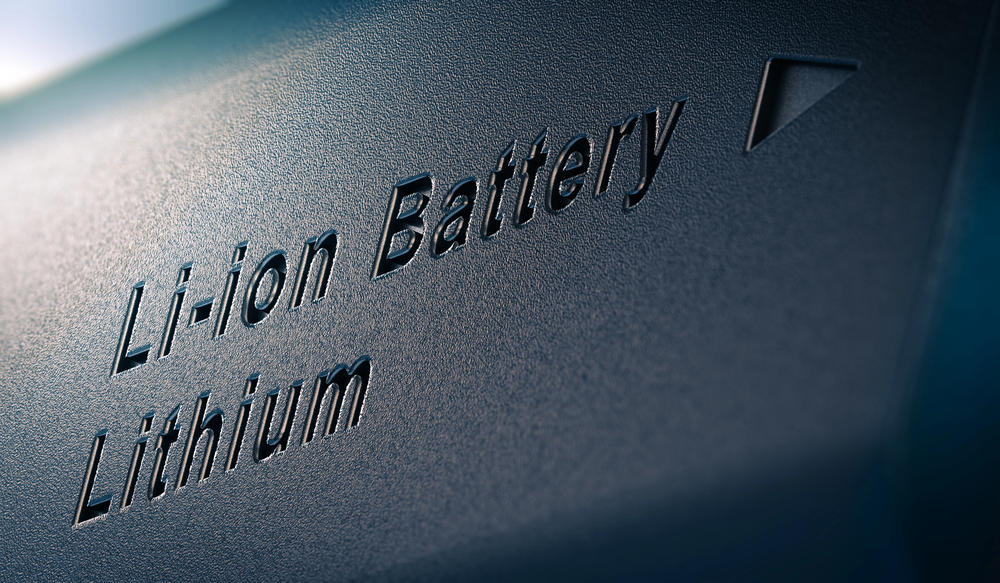
Batteries in older phones were huge, heavy nickel-cadmium units that did not even last very long. The shift to lithium-ion was a game-changer because they held more charge while weighing far less.
Now slim batteries can power phones for all-day use and recharge in under an hour. If one were shown to an engineer from decades ago, they might think it was science fiction.
Digital signal processing

Analog phones used bulky physical parts such as filters, coils, and crystals to juggle radio signals. When digital technology replaced them, most of that hardware was swapped out for small chips running software.
It was like moving from a clunky cash register to a sleek tablet. The job stayed the same, but the setup became far cleaner and more efficient.
Antenna integration
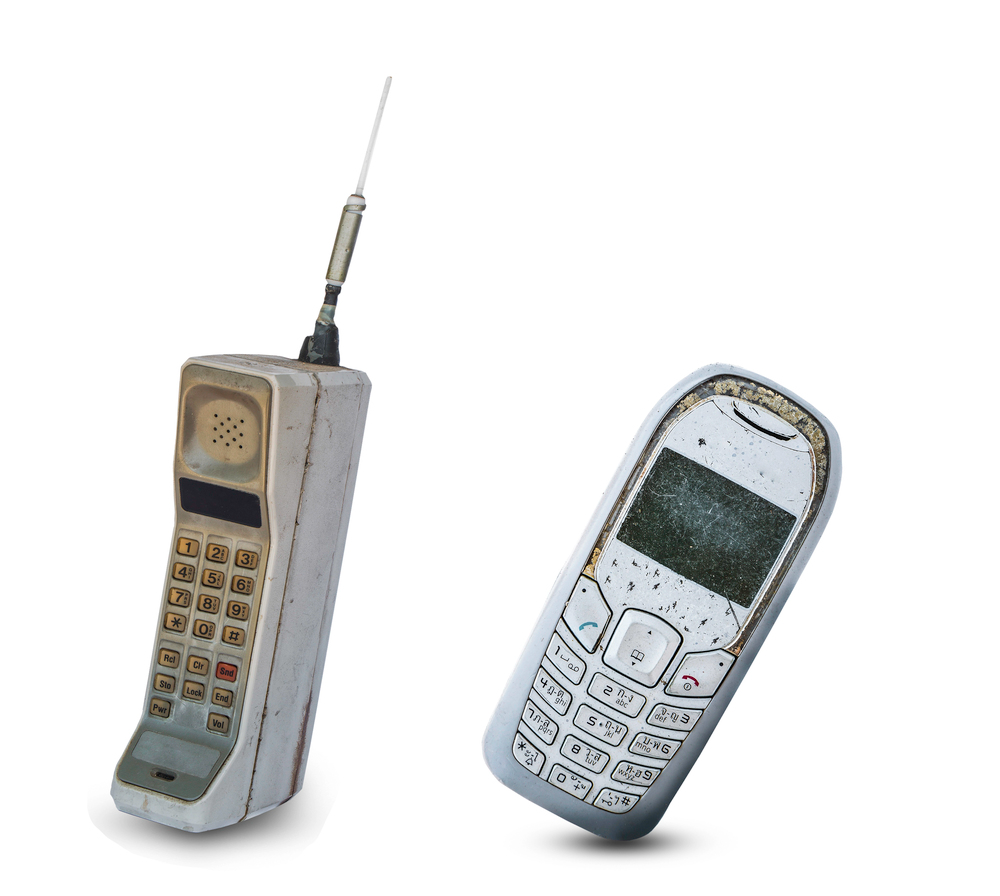
Pull-out antennas were easy to break and awkward to use. Engineers eventually learned how to build antennas into the phone’s frame, eliminating that weakness.
Modern phones now have multiple hidden antennas. They not only perform better but also allow designs that are smoother and less intrusive.
Plastic to metal construction

Older phones relied on thick plastic bodies that needed reinforcement to avoid cracking when dropped. Metal frames introduced strength and rigidity while letting designs stay slim.
The change was like replacing a plastic chair with one made of steel. Both worked, but the new version was stronger, sleeker, and more durable.
LCD and OLED displays

Early phone screens were thick, drained power, and looked unimpressive. They required backlights and multiple layers yet still struggled with brightness.
OLED changed everything by letting each pixel create its own light. This allowed super-thin screens that are clearer, sharper, and easier on battery life.
Elimination of physical keyboards

Phones with full physical keyboards were once popular, but they made devices bulky. Each key added springs, switches, and support structures that consumed valuable space.
Touchscreens swept away the need for all that mechanical complexity. A simple glass surface replaced layers of wiring, making phones much slimmer.
Processor efficiency gains
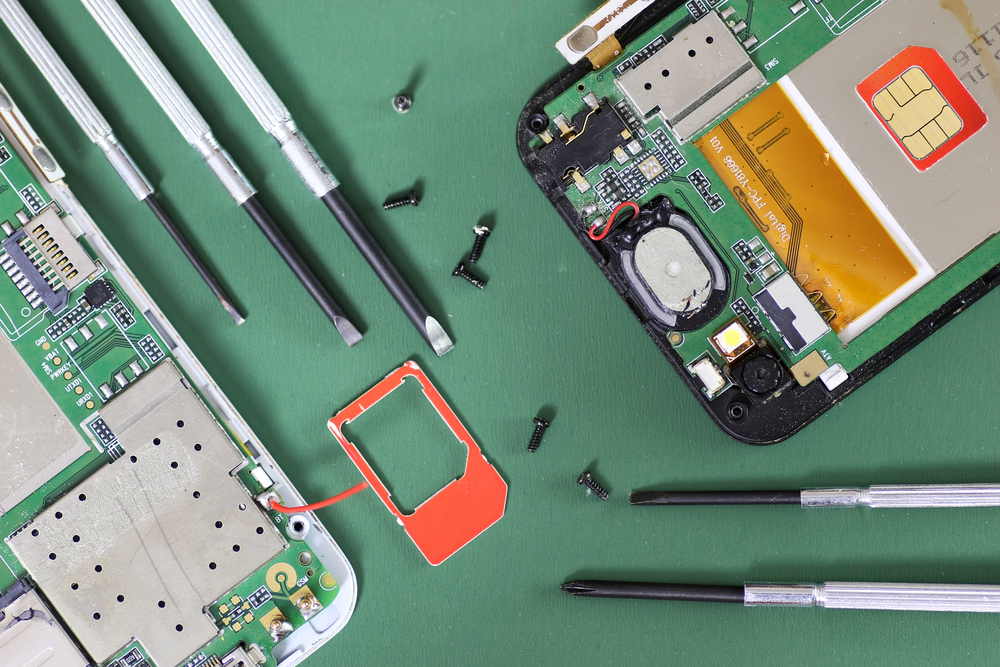
Early processors were large, ran hot, and needed cooling systems to keep them from overheating. Today’s chips handle far more tasks without requiring fans or bulky heat sinks.
It is like comparing a noisy gas engine with a sleek electric motor. Both perform the same function, but the modern version does it better, faster, and more efficiently.
Memory chip advances

Old phones could barely hold a few contacts on giant chips that filled much of the circuit board. Flash memory now packs gigabytes of storage into components so small they could get lost on a messy desk.
The difference is dramatic. It is like going from filing cabinets to a full digital archive that fits in your hand.
Speaker and microphone improvements

Speakers in early phones sounded rough, and microphones needed large amplifiers to pick up clear audio. Over time, engineers made sound systems smaller while drastically improving performance.
Modern phone speakers rival old stereo systems in quality. Microphones now capture crisp details despite their tiny size.
Manufacturing precision improvements

In the past, manufacturing lacked precision, so parts often needed extra space to account for poor fit. With computer-guided machines, every component now fits exactly as designed.
The change made phones tighter, more efficient, and easier to assemble. It is like snapping together Lego bricks instead of forcing pieces into place.
Flexible circuit boards
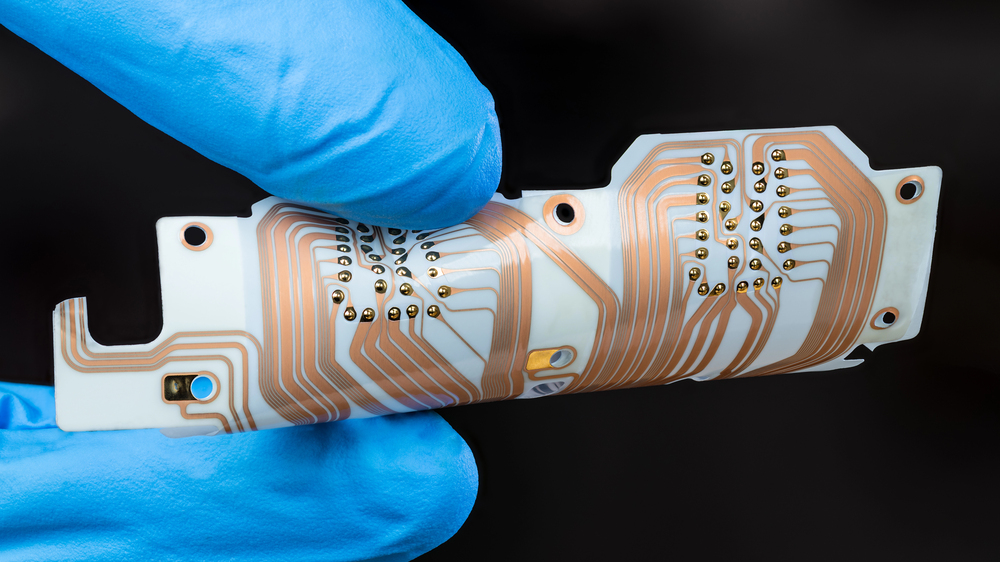
Rigid boards once forced awkward phone layouts with wasted space. Flexible circuits changed everything by allowing boards to bend, fold, and fit into tighter spaces.
This gave designers freedom to create slim, curved, and innovative phone shapes. The shift was like moving from cardboard to origami paper.
Component integration advances

Old phones used separate chips for every function, from Wi-Fi to audio. System-on-chip designs merged these into one powerful unit, reducing bulk and complexity.
It is like replacing a stack of stereo equipment with one all-in-one speaker. The result is smaller, neater, and just as capable.
Advanced materials engineering

Early phones had to be thick and heavy just to survive falls. With stronger materials such as aerospace aluminum, ceramic, and scratch-resistant glass, phones could be thinner and tougher.
It is like moving from medieval armor to a lightweight racing suit. Less weight, better strength, and far more advanced protection.
Miniaturized cameras

The first phone cameras were bulky add-ons that barely produced clear pictures. Over time, lenses and sensors shrank dramatically while improving in quality.
Now phone cameras can shoot high-definition video and perform complex adjustments in real time. Despite their power, they barely protrude from the device.
When engineering meets everyday magic

Phones did not become sleek and powerful overnight. Dozens of small innovations built on each other, from stronger materials to smarter chips and slimmer batteries.
What fits in a pocket today outperforms computers that once filled rooms. The devices we use daily are the result of decades of clever engineering that hides its complexity behind simple designs.
More from Go2Tutors!

- The Romanov Crown Jewels and Their Tragic Fate
- 13 Historical Mysteries That Science Still Can’t Solve
- Famous Hoaxes That Fooled the World for Years
- 15 Child Stars with Tragic Adult Lives
- 16 Famous Jewelry Pieces in History
Like Go2Tutors’s content? Follow us on MSN.