Pop culture moments that aged awkwardly
Pop culture has always acted like a time capsule, freezing moments that once felt iconic but now look questionable when revisited. What was once funny, edgy, or trendsetting often lands very differently through today’s eyes. From outdated jokes baked into TV scripts to celebrity stunts that make us wince, entertainment history is full of reminders that not everything ages gracefully.
As the years roll on, these moments highlight the blind spots of their era — and some are downright hard to rewatch. Here are some of the most awkward examples that haven’t stood the test of time.
Tom Cruise’s Oprah Couch Jump

— Photo by PopularImages
Tom Cruise’s infamous 2005 appearance on The Oprah Winfrey Show went viral for all the wrong reasons. His enthusiastic “love confession” to Katie Holmes — complete with literal couch jumping — looked over-the-top even then. What makes it more cringeworthy now is how uncomfortable Holmes seemed while being pulled onstage to a roaring audience. The whole thing plays less like romance and more like chaos in hindsight.
The Office’s ‘Diversity Day’ Episode

Even fan favorites stumble. In 2005, The Office aired its ‘Diversity Day’ episode, meant as satire but filled with racial jokes and slurs that land harshly today. Michael Scott’s oblivious behavior was supposed to be the punchline, yet mocking diversity training feels jarring now. For many, the episode isn’t funny anymore — it’s just tough to sit through.
Friends’ Fat Monica Storylines

— Photo by s_bukley
Flashbacks featuring Courteney Cox in a fat suit turned Monica’s past into an ongoing joke in Friends. The gag relied on fat-shaming, with her weight treated as inherently laughable. Today, these scenes feel more cruel than clever, exposing how normalized body-shaming humor was at the time.
Sixteen Candles’ Problematic Romance
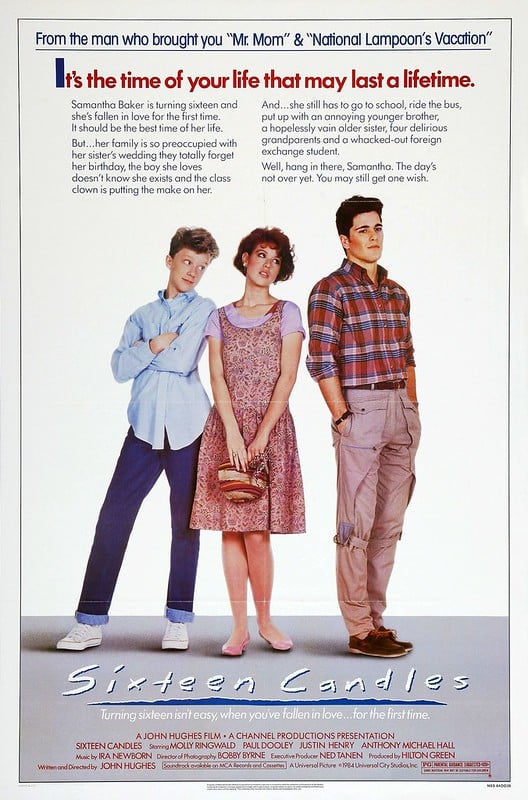
John Hughes’ Sixteen Candles (1984) has a disturbing subplot where Jake essentially passes his unconscious girlfriend to another boy as if she were an object. While the film crowned Jake as the romantic lead, modern audiences see the glaring consent issues. What was once brushed off as comedy now feels deeply unsettling.
King Kong’s Skull Island Natives

Peter Jackson’s 2005 King Kong remake leaned into racial caricatures that were already problematic in the 1933 original. The island’s native inhabitants were portrayed as grotesque, violent stereotypes. Instead of modernizing the depiction, the film doubled down, creating imagery that now feels openly offensive.
Aaliyah’s ‘Age Ain’t Nothing But a Number’
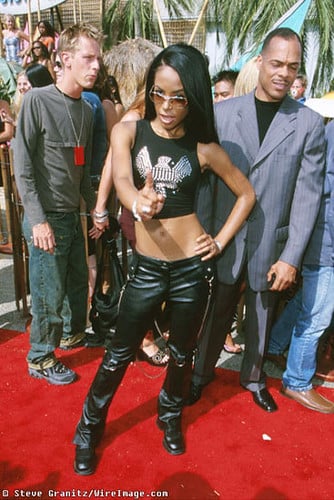
At first listen, Aaliyah’s 1994 debut seemed like a sweet R&B anthem. But knowing R. Kelly wrote and produced it while secretly in a relationship with the 15-year-old singer changes everything. The lyrics, once catchy, now feel chilling — a haunting reminder of exploitation hidden in plain sight.
Manic Pixie Dream Girl Trope

Films like Elizabethtown helped cement the “Manic Pixie Dream Girl” — quirky women written solely to inspire troubled men. Kirsten Dunst’s character Claire embodies this, spouting whimsical advice without real depth or autonomy. What once seemed charming now feels hollow and sexist, reducing women to background muses.
Celebrity Support During Depp vs. Heard

During Johnny Depp and Amber Heard’s courtroom battle, many celebrities loudly backed Depp online. But when sealed court files later revealed disturbing text messages and details, some stars quietly withdrew their support. In hindsight, the rush to defend a fan-favorite actor feels premature — and harmful.
Revenge of the Sith’s Dialogue

Star Wars: Revenge of the Sith (2005) suffers from clunky dialogue and stiff delivery that have since become meme material. Hayden Christensen’s infamous “I don’t like sand” line is less emotional than unintentionally funny. Instead of high drama, some scenes now read like awkward parodies.
MTV’s Jokes About Diddy’s Parties

— Photo by Image Press Agency
At the 2005 VMAs, MTV hyped up Diddy’s famous parties with playful skits and celebrity endorsements. With the weight of recent allegations against him, those lighthearted bits now feel eerie. What was once carefree marketing suddenly carries darker undertones.
Kanye West’s Hurricane Katrina Comments

Kanye’s off-script declaration during a Katrina telethon — “George Bush doesn’t care about Black people” — shocked viewers in 2005. While many agreed with his point about government neglect, the moment also marked the beginning of his unpredictable public outbursts. With hindsight, it reads less like bold activism and more like a preview of his controversial trajectory.
Early 2000s Gay Panic Humor
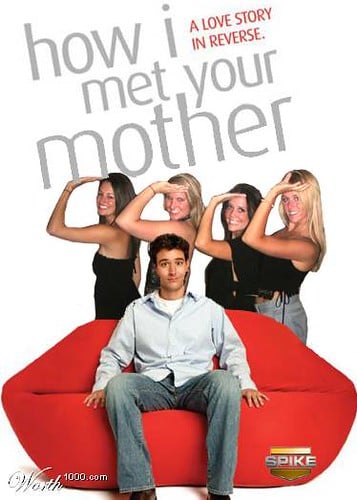
Sitcoms of the early 2000s often leaned on cheap “gay panic” jokes. How I Met Your Mother milked laughs from characters’ discomfort with LGBTQ+ people, while Friends made Chandler’s transgender parent a punchline. Today, those storylines feel mean-spirited and dated, a reminder of how far TV still had to go.
White Chicks’ Entire Premise

The Wayans brothers’ White Chicks (2004) centered on men in drag and whiteface, pulling humor from racial and gender stereotypes. At the time, audiences ate it up — the film grossed over $100 million. Watching now, the comedy feels less outrageous and more problematic in how it caricatures both race and gender.
American Beauty’s Kevin Spacey Problem

American Beauty (1999) was celebrated as groundbreaking, with Kevin Spacey’s performance earning an Oscar. But the story of a middle-aged man lusting after a teen now feels far darker given the allegations against Spacey. What was once hailed as art now carries an unsettling shadow of real-life misconduct.
The VSCO Girl Trend

The short-lived VSCO girl craze (scrunchies, HydroFlasks, eco-chic vibes) looked like a push toward sustainability in 2020. But in reality, it was more about aesthetic than action. The performative trend watered down real environmentalism into a fashion statement.
Reality TV’s Treatment of Mental Health
Reality shows in the 2000s thrived on contestants’ meltdowns. Producers often fueled chaos with alcohol and manipulation, prioritizing drama over well-being. Looking back, these tactics appear exploitative, especially in an era where mental health awareness has grown.
Brangelina Media Obsession

— Photo by Jean_Nelson
The frenzy around Brad Pitt and Angelina Jolie’s relationship — from affair rumors to paparazzi chasing their kids — was treated like harmless tabloid fun. Now it reads as invasive, with constant media intrusion bordering on harassment. The “Brangelina” era shows how normalized celebrity stalking once was.
Early Social Media Challenges

Pre-TikTok challenges like the cinnamon dare or risky prank stunts went viral without much thought for safety. While they racked up views, they also encouraged reckless behavior. In hindsight, it’s shocking that more people weren’t seriously injured in the name of “internet fun.”
That Vegan Teacher’s Approach

On TikTok, “That Vegan Teacher” became infamous for extreme tactics — shaming meat eaters and using shock value to spread her message. Instead of convincing people, her content often alienated viewers. It became less about veganism and more about her controversial persona.
How These Moments Shape Tomorrow

If nothing else, these awkward pop culture relics remind us that today’s “normal” might look very different tomorrow. Culture constantly evolves, and what feels acceptable now could be critiqued by the next generation. The point isn’t just to cringe at the past, but to use it as a lens: to create entertainment with more awareness, empathy, and foresight.
More from Go2Tutors!

- 16 Historical Figures Who Were Nothing Like You Think
- 12 Things Sold in the 80s That Are Now Illegal
- 15 VHS Tapes That Could Be Worth Thousands
- 17 Historical “What Ifs” That Would Have Changed Everything
- 18 TV Shows That Vanished Without a Finale
Like Go2Tutors’s content? Follow us on MSN.



