Legends Behind Treasured National Artifacts
America’s most cherished historical objects carry stories that blur the line between fact and fiction. These treasured pieces sit behind museum glass or rest in climate-controlled vaults, yet the tales surrounding them often matter more to the public than the artifacts themselves.
Some legends emerged from genuine confusion about historical events, while others were deliberately crafted to sell newspapers, boost tourism, or make a political point. The myths have become so embedded in American consciousness that correcting them feels almost unpatriotic.
Here is a list of legends that transformed ordinary objects into national icons, and how the truth behind each one reveals something fascinating about how Americans create and preserve their history.
The Liberty Bell’s July 4th Performance
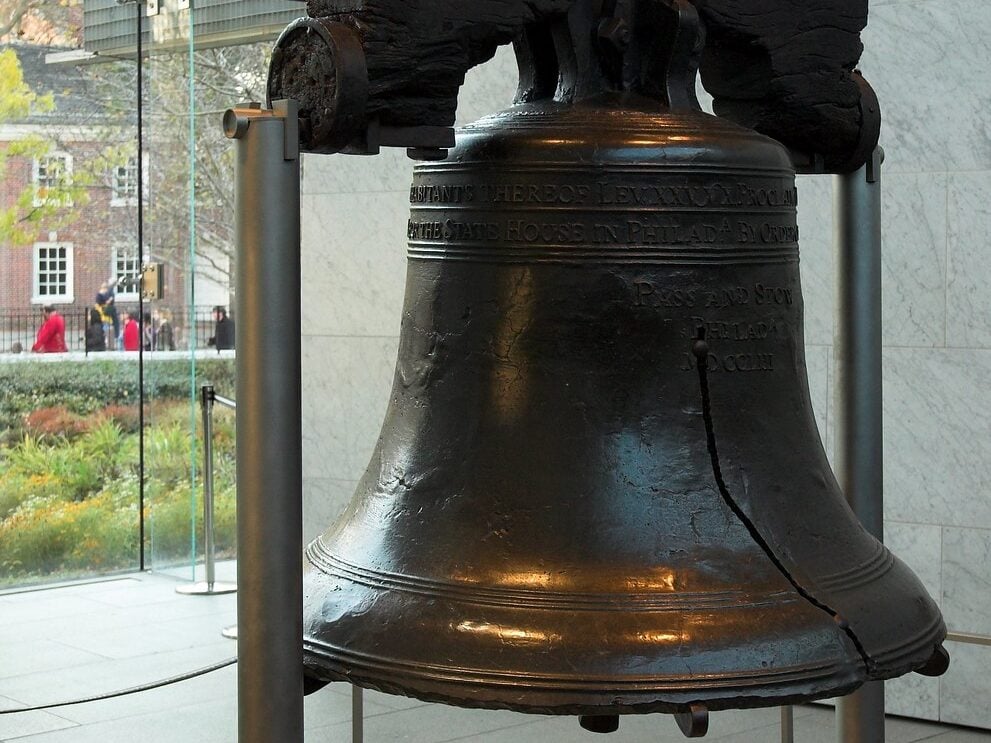
The image of the Liberty Bell clanging triumphantly on July 4, 1776, to announce American independence is pure fiction. This romantic notion appeared in an 1847 short story by George Lippard, who invented an elderly bellman waiting anxiously for word from Congress before his grandson shouted ‘Ring, Grandfather, Ring!’ The tale spread like wildfire through newspapers and schoolbooks, permanently linking the bell to that specific date.
Historical records show the bell probably never rang on July 4 at all, since the Declaration wasn’t publicly read until July 8, and even then, the State House steeple was under repair.
The Hope Diamond’s Deadly Curse
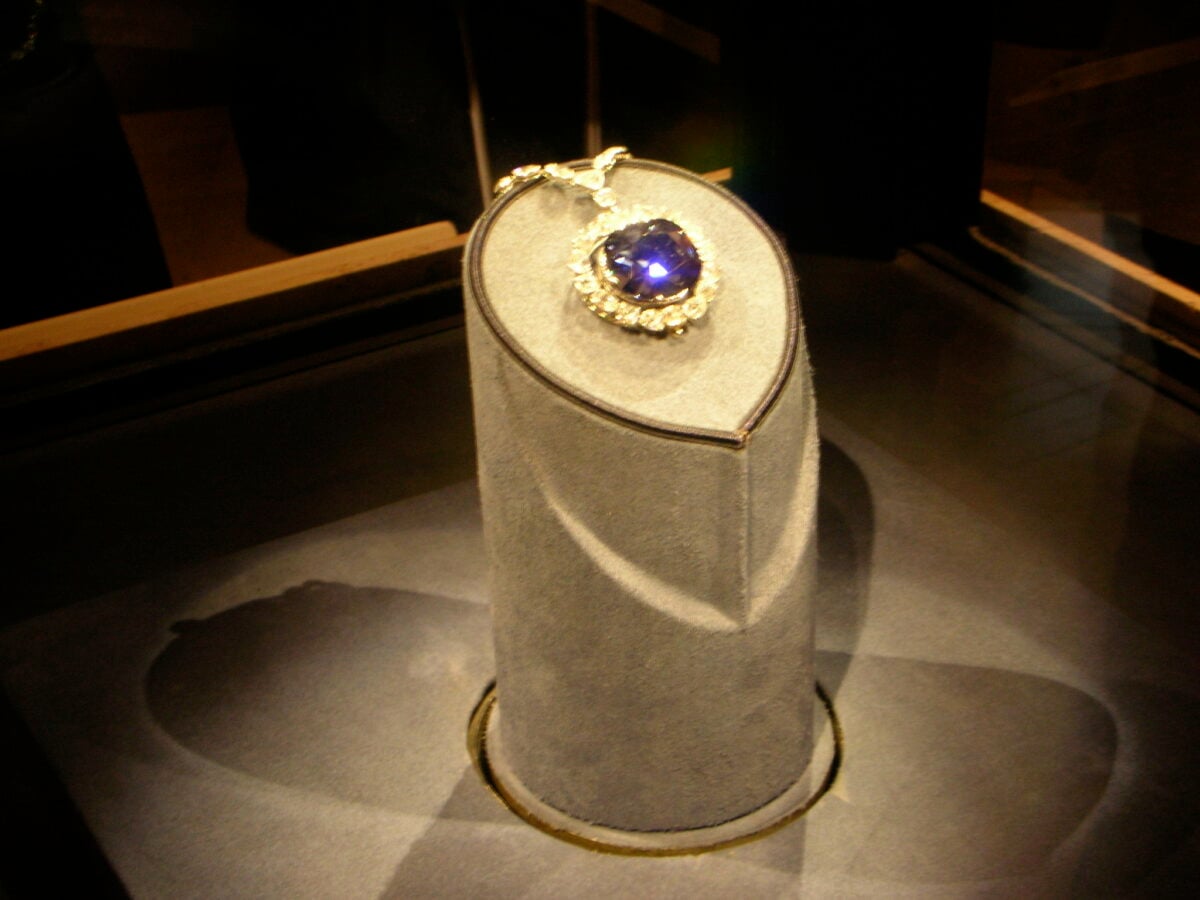
The Hope Diamond supposedly carries a curse that destroys anyone who owns it, but this entire story was fabricated to make the gem more marketable. French jeweler Pierre Cartier invented elaborate tales about the diamond being stolen from a Hindu temple and bringing misfortune to Marie Antoinette, Louis XVI, and various owners.
The curse narrative conveniently appeared in 1908 in the Washington Post, just when the diamond needed publicity to attract buyers. Since arriving at the Smithsonian in 1958, the ‘cursed’ diamond has brought nothing but good fortune, helping the museum build a world-class gem collection and attract millions of visitors.
George Washington’s Wooden Teeth
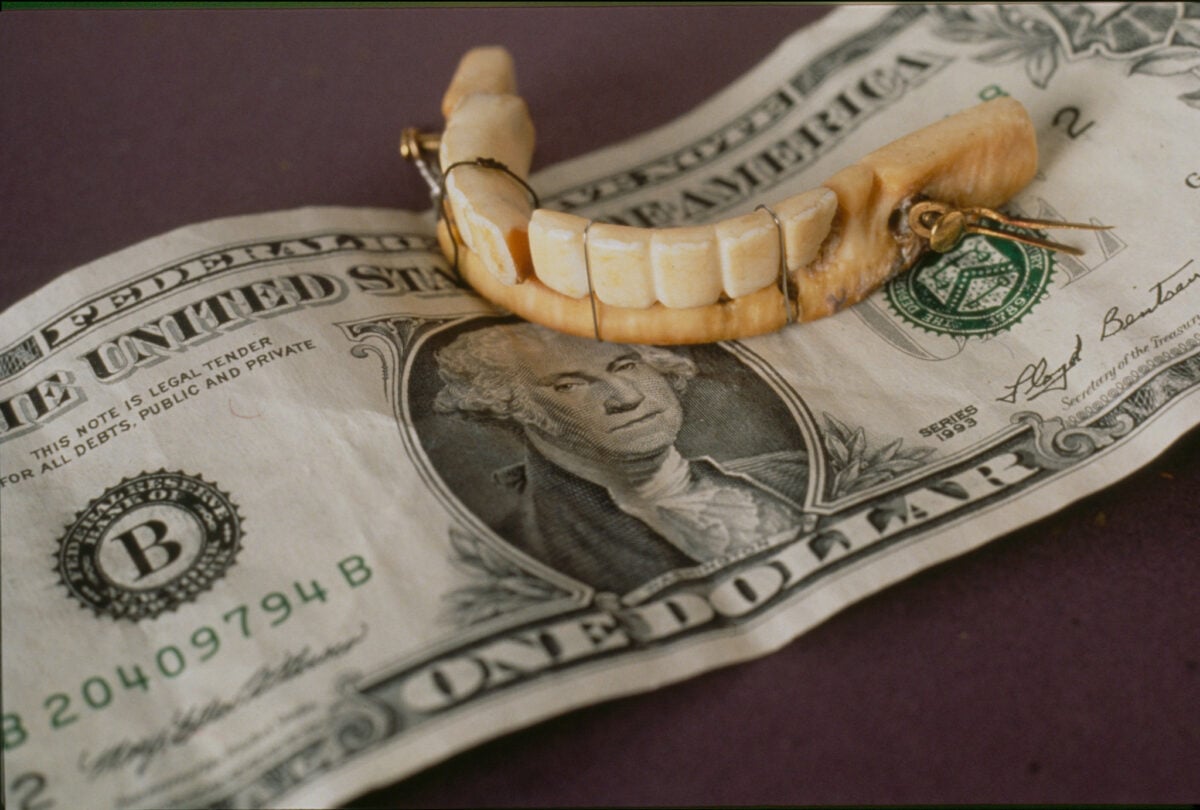
The widespread belief that George Washington wore wooden dentures is completely false, yet it persists even today. Washington’s actual dentures were made from hippopotamus ivory, human teeth, cow teeth, brass, lead, and gold springs, but never wood.
The myth likely originated because ivory stains and darkens over time, giving it a grained appearance that misled later observers. Washington suffered terribly from dental problems his entire adult life, wearing painful, ill-fitting dentures that distorted his face and made him reluctant to speak in public or smile.
The Star-Spangled Banner Flag Confusion
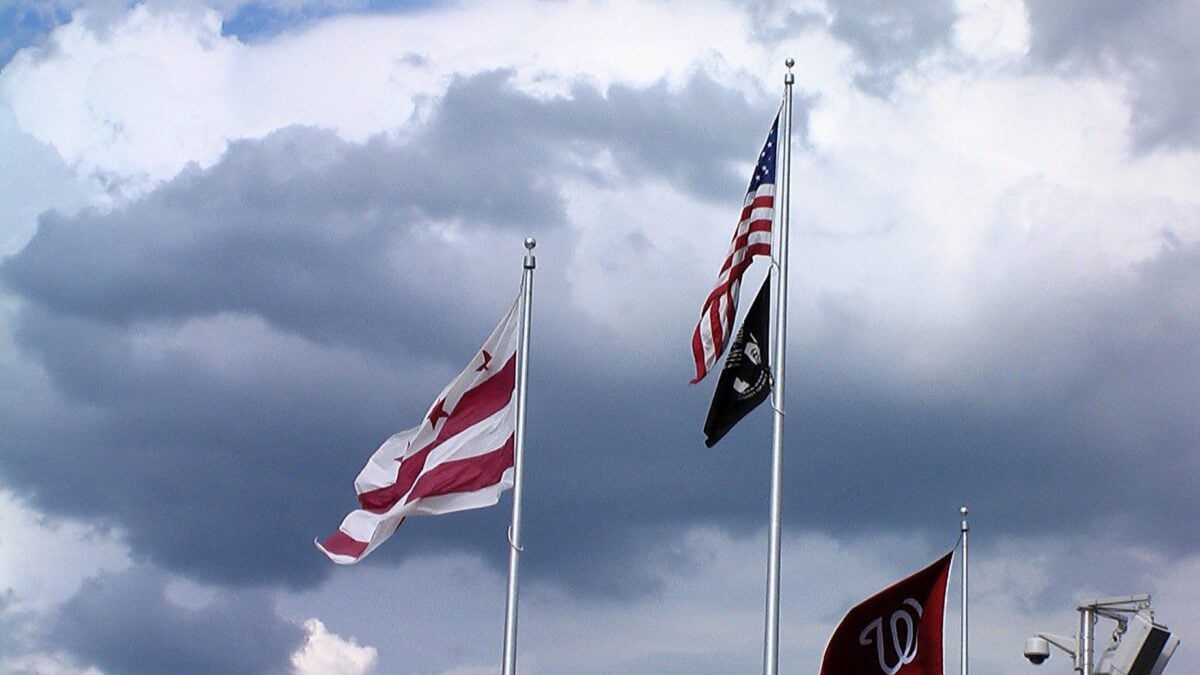
Most Americans believe the massive garrison flag inspired Francis Scott Key to write the national anthem during the Battle of Baltimore in 1814, but that’s not quite accurate. The fort actually flew a smaller storm flag during the 25-hour bombardment in foul weather.
The famous 30-by-42-foot garrison flag was raised the morning after the British retreated, which is when Key spotted it from his ship in the harbor. The confusion is understandable since both flags existed and both were made by Mary Pickersgill, but the storm flag did the actual wartime duty while its larger sibling got all the credit.
Plymouth Rock’s Dubious Origins
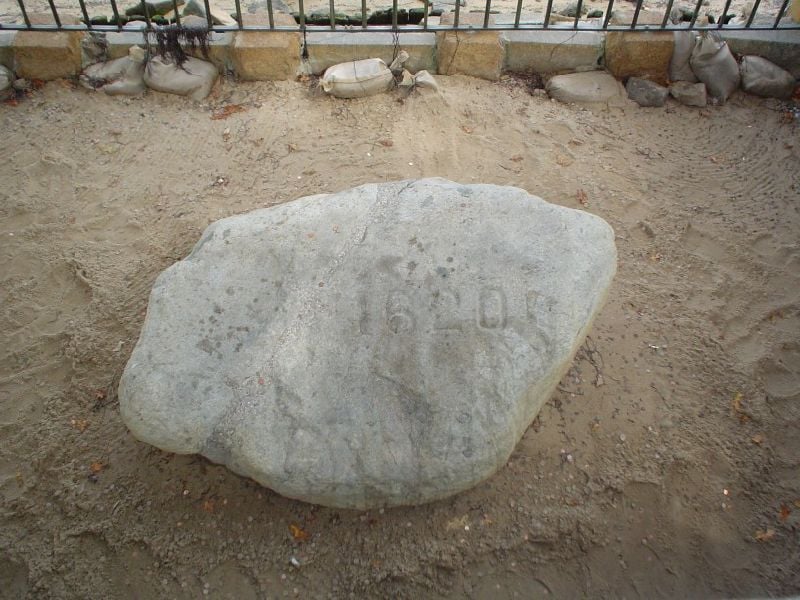
Plymouth Rock wasn’t identified as the Pilgrims’ landing spot until 1741, a full 121 years after the Mayflower arrived. The claim came from 94-year-old Thomas Faunce, who said his father told him about it.
The problem? The Pilgrims never mentioned landing on any rock in their extensive written records, and they actually first landed at Provincetown on Cape Cod, not Plymouth.
Despite zero historical evidence, Faunce’s tearful farewell to the rock before it was buried under a wharf captured public imagination, and Plymouth Rock became an American symbol anyway.
Betsy Ross’s Flag Creation Story
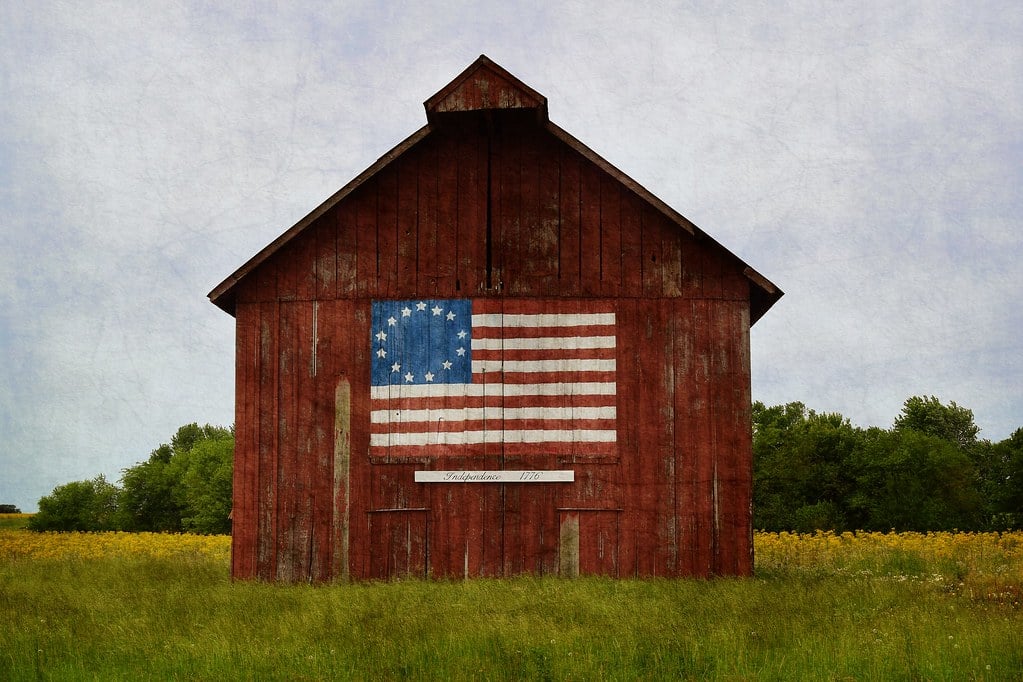
The beloved tale of Betsy Ross sewing the first American flag appeared nearly a century after the Revolution when her grandson William Canby told it in an 1870 speech. Canby claimed Washington, Robert Morris, and George Ross visited Betsy’s Philadelphia shop with a flag design, but no Congressional records, diaries, letters, or contemporary accounts mention this meeting.
Betsy Ross definitely made flags for Pennsylvania’s navy during the war, and those receipts survive. The legend gained traction during the 1876 Centennial celebrations when Americans craved heroic stories about Revolutionary women.
The Resolute Desk’s Arctic Adventure
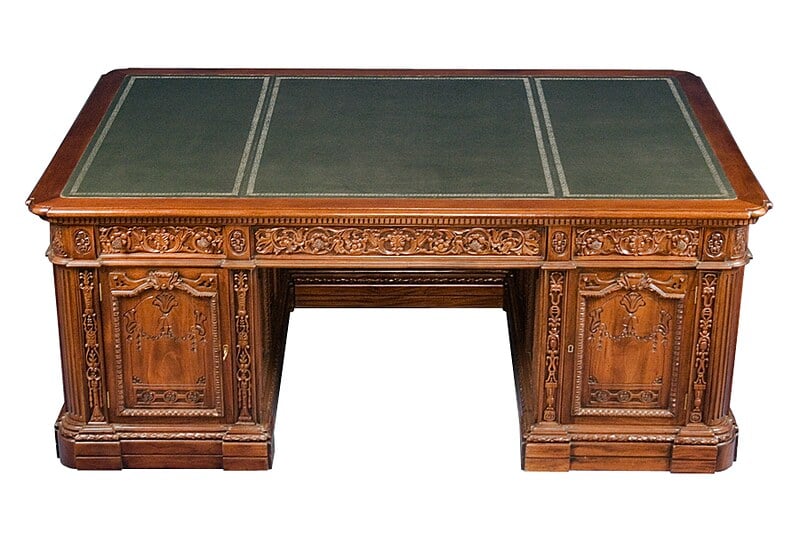
The Resolute Desk in the Oval Office is made from timbers of HMS Resolute, a British ship abandoned in Arctic ice in 1854 while searching for the lost Franklin expedition. American whalers found the ghost ship drifting 1,200 miles from where it was abandoned, sailed it to Connecticut, and Congress paid to refit and return it to Queen Victoria as a peace offering.
When the ship was finally broken up in 1879, Victoria had desks made from its oak timbers and gifted one to President Rutherford B. Hayes. This dramatic true story captured imaginations on both sides of the Atlantic, symbolizing friendship between two former enemies.
The Declaration’s Invisible Treasure Map
The 2004 film National Treasure convinced millions of Americans that an invisible map exists on the back of the Declaration of Independence, leading to hidden Freemason treasure. The National Archives regularly fields questions from disappointed visitors about this nonexistent map.
What actually appears on the back is far less exciting: a simple notation reading ‘Original Declaration of Independence dated 4th July 1776’ written upside-down at the bottom. This label made sense when the document was rolled up and transported around the country during its early years, but it won’t lead anyone to buried gold.
The Hope Diamond’s Temple Theft
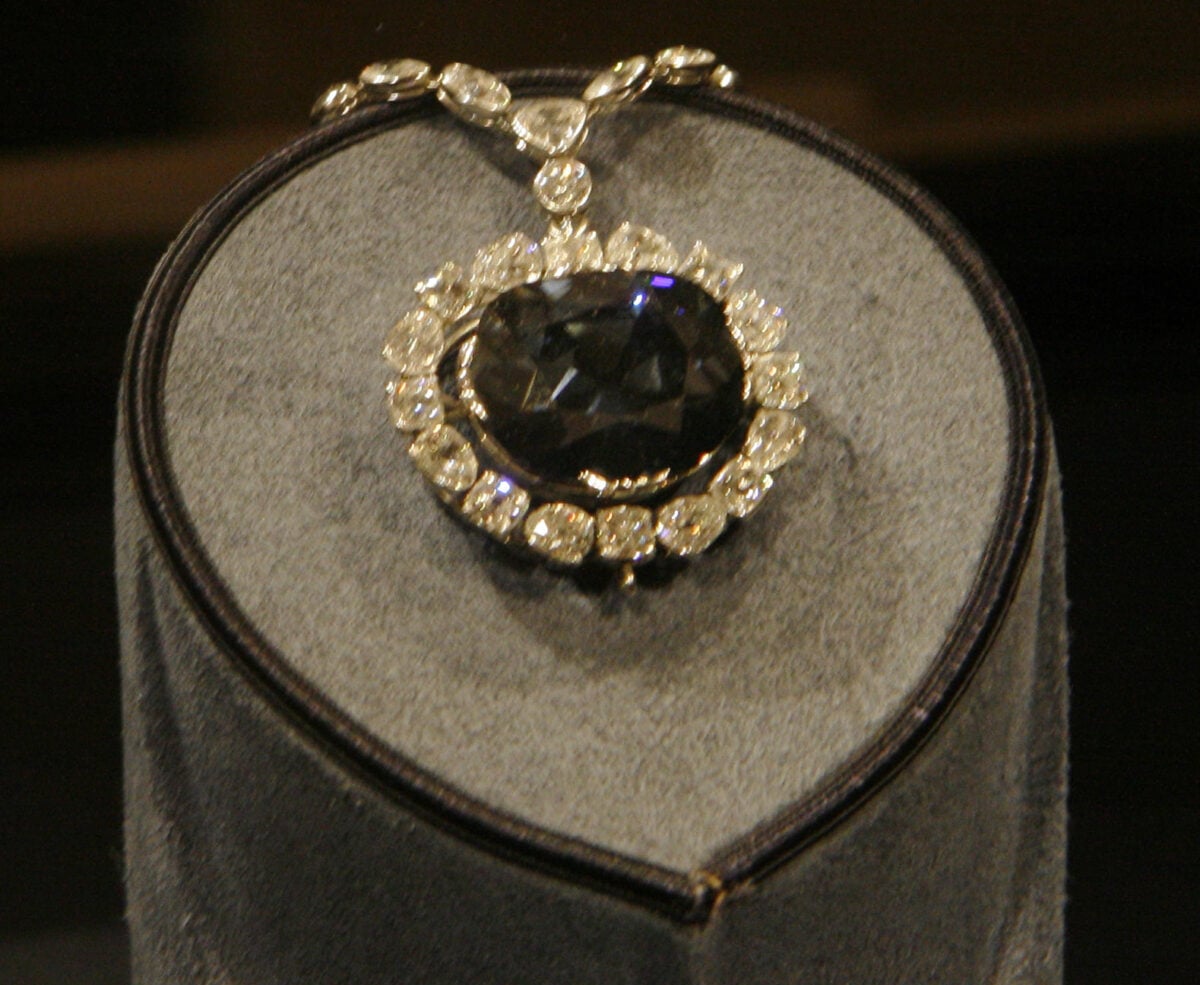
The legend that Jean-Baptiste Tavernier stole the Hope Diamond from the eye of a Hindu idol is pure Victorian fiction designed to add mystery to the gem. The story claimed temple priests cursed anyone who possessed the stone, and Tavernier himself was supposedly torn apart by wild dogs as punishment.
Historical records show Tavernier actually lived to age 84 and died peacefully of natural causes. He legally purchased the diamond in India’s Golconda region and sold it to King Louis XIV in 1668.
The temple theft story appeared centuries later during the era when Western authors loved creating exotic ‘curse’ narratives about objects from colonized lands.
The Star-Spangled Banner’s Missing Star
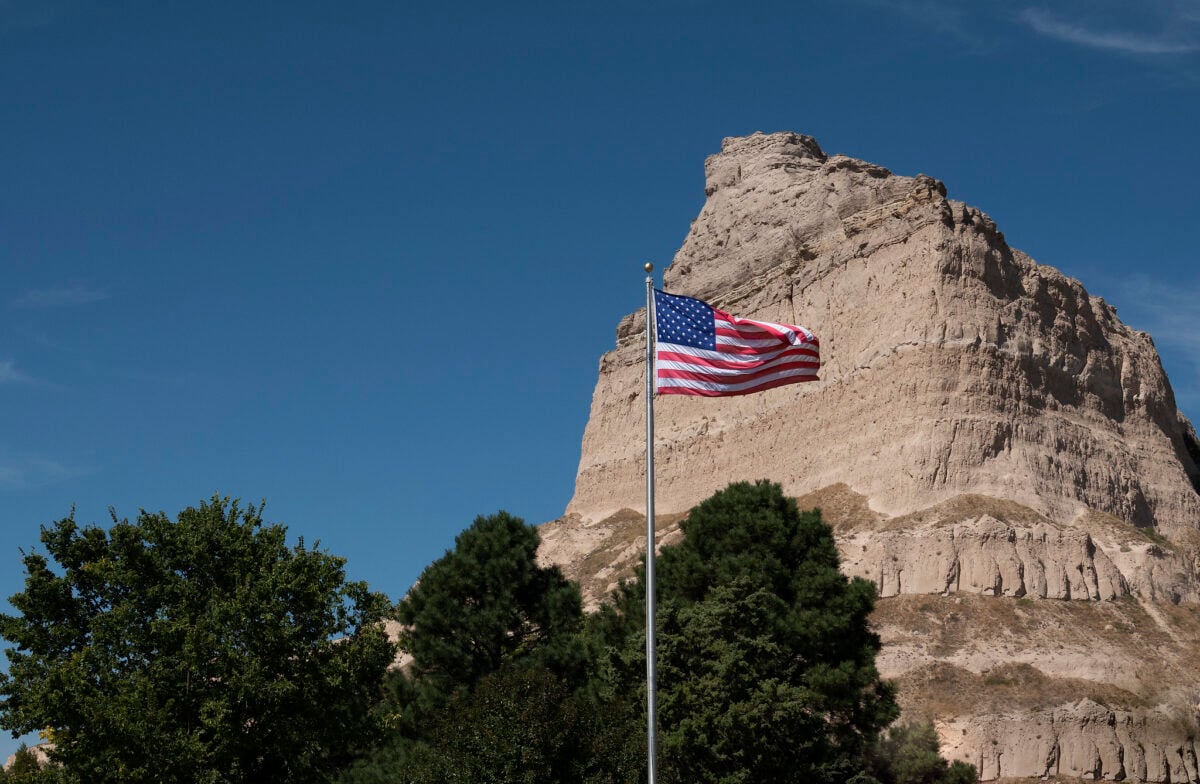
The Star-Spangled Banner originally had 15 stars, but one is now missing, spawning multiple romantic legends about its fate. One story claims the star was buried with a soldier from Fort McHenry.
Another suggests it was given to Abraham Lincoln. The mundane truth is probably that it was snipped off as a souvenir during the 19th century when cutting pieces from the flag was common practice.
The Armistead family, who owned the flag for nearly 90 years, gave away numerous fragments as patriotic keepsakes before anyone considered such actions inappropriate.
Plymouth Rock’s Dramatic Split
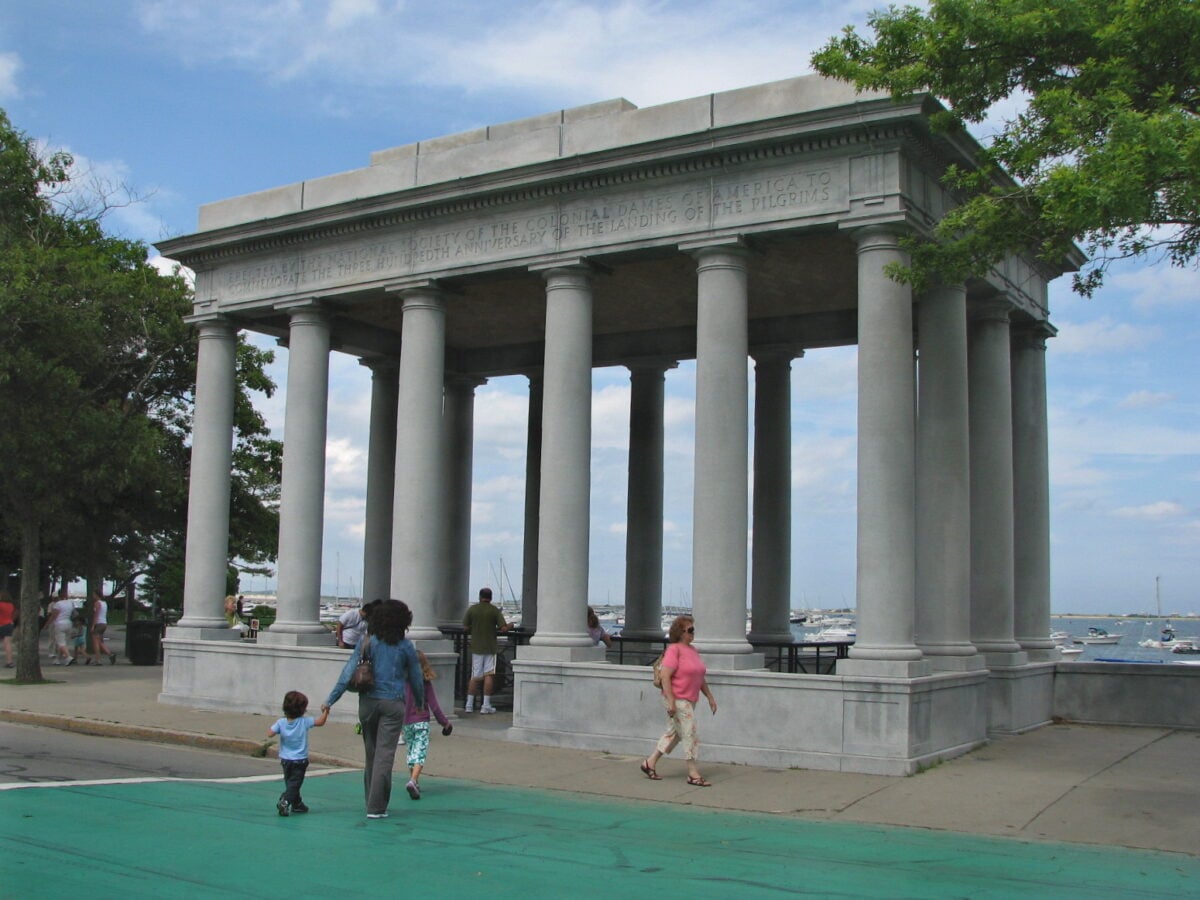
In 1774, townspeople attempted to move Plymouth Rock to the town square as a symbol of colonial resistance against Britain, but the boulder split in half like a broken promise. The top portion was successfully relocated while the bottom half remained at the waterfront, where it became part of a wharf and was walked on, chiseled, and diminished by souvenir hunters for decades.
The two pieces weren’t reunited until 1880, with liberal amounts of mortar to hold them together. Today’s Plymouth Rock is estimated to be only one-third to one-half its original size, having been broken, trimmed, fragmented, and scattered across America.
What’s Really on the Declaration’s Back
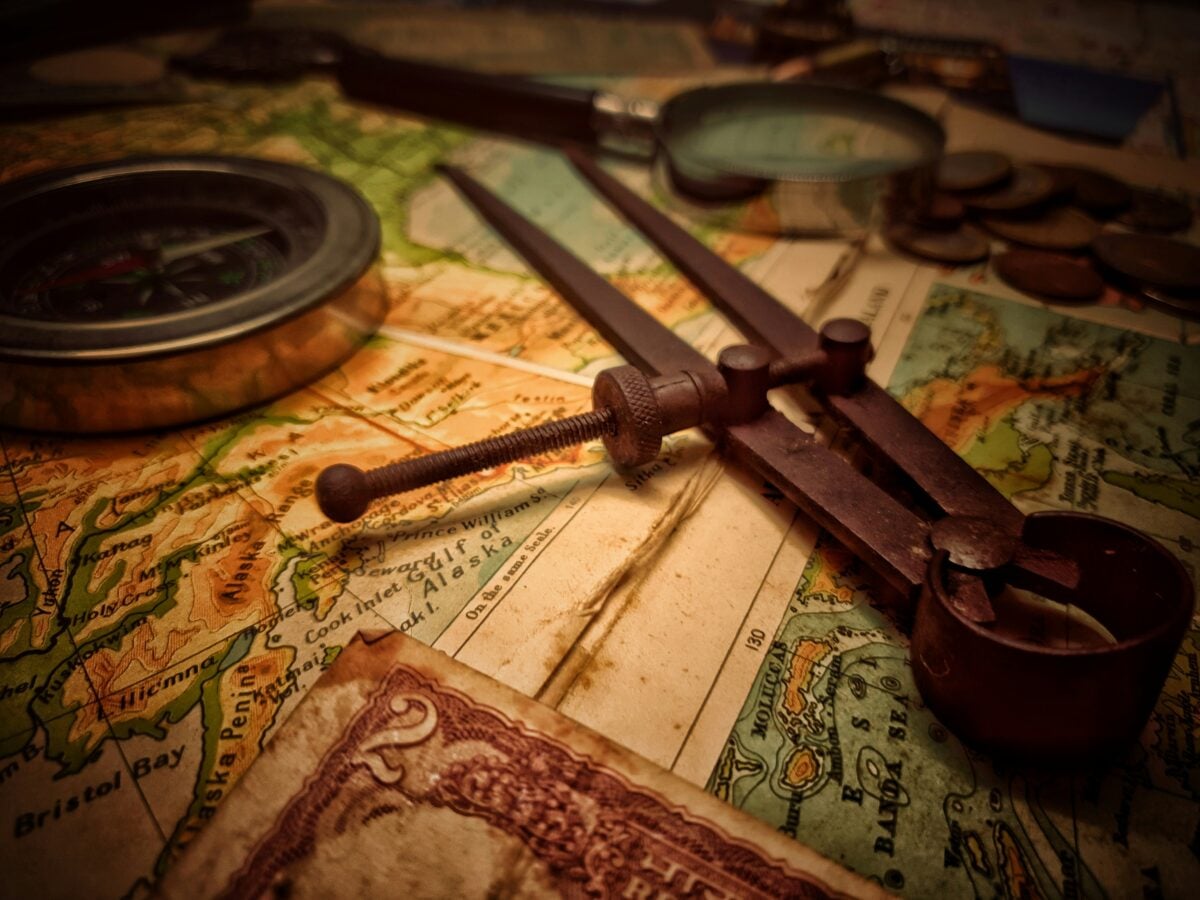
Contrary to National Treasure’s invisible ink and treasure maps, the back of the Declaration of Independence contains only a simple handwritten label. The notation ‘Original Declaration of Independence dated 4th July 1776’ appears upside-down near the bottom of the parchment.
This practical label was added because the Declaration spent much of its early life rolled up with other documents under the care of Charles Thomson, Secretary of the Continental Congress. The label helped identify which rolled parchment was which.
The National Archives also notes there’s an unidentified handprint on the front corner, but no secret messages or hidden codes have ever been discovered.
Washington’s Dentures and Enslaved People
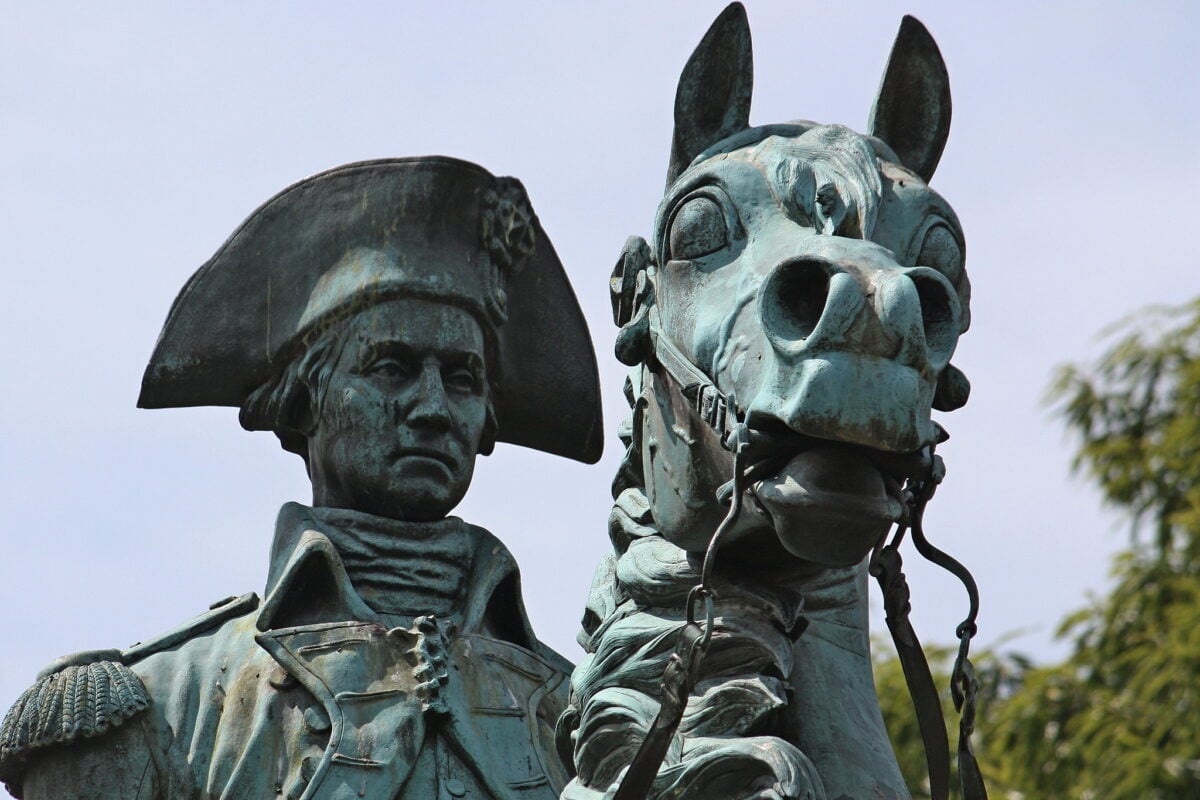
George Washington’s dental troubles included a disturbing historical fact that’s often overlooked: he purchased teeth from enslaved people. Mount Vernon records from 1784 show Washington paid nine enslaved individuals 122 shillings for their teeth, likely for use by a French dentist who visited the plantation.
Whether these teeth were specifically for Washington’s own dentures remains uncertain, but his willingness to pay for them suggests personal use. This grim practice was common in the 18th century when the poor sold teeth to the wealthy for transplantation or denture construction, adding a dark dimension to the wooden teeth myth.
Betsy Ross’s Five-Pointed Star Suggestion
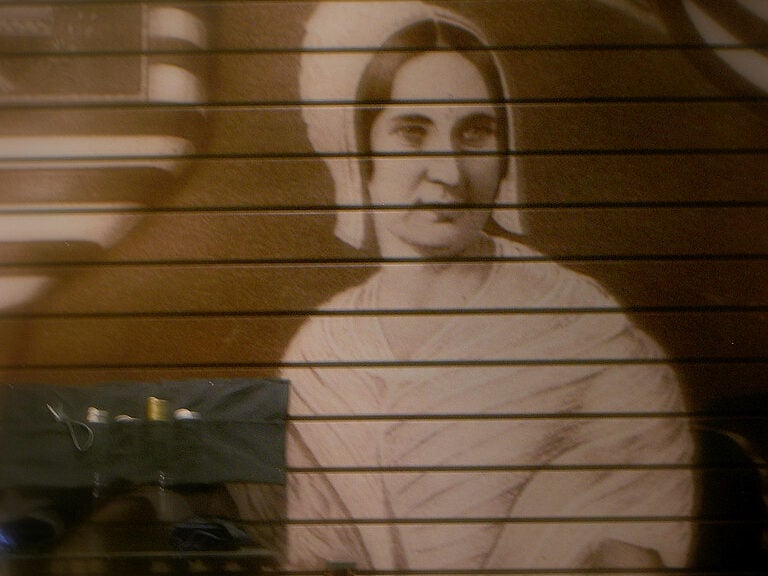
According to the Betsy Ross legend, she convinced George Washington to change the flag’s star design from six points to five by demonstrating how to cut a perfect five-pointed star with a single scissor snip. This detail appears in the sworn affidavits of Ross’s relatives who supported her grandson’s story.
While charming, it’s historically problematic since five-pointed stars were already common in colonial and early American flags before 1776. The story served to give Betsy Ross a specific contribution beyond mere sewing, making her an innovator rather than just a craftsperson following orders.
The Resolute Desk’s Secret Door
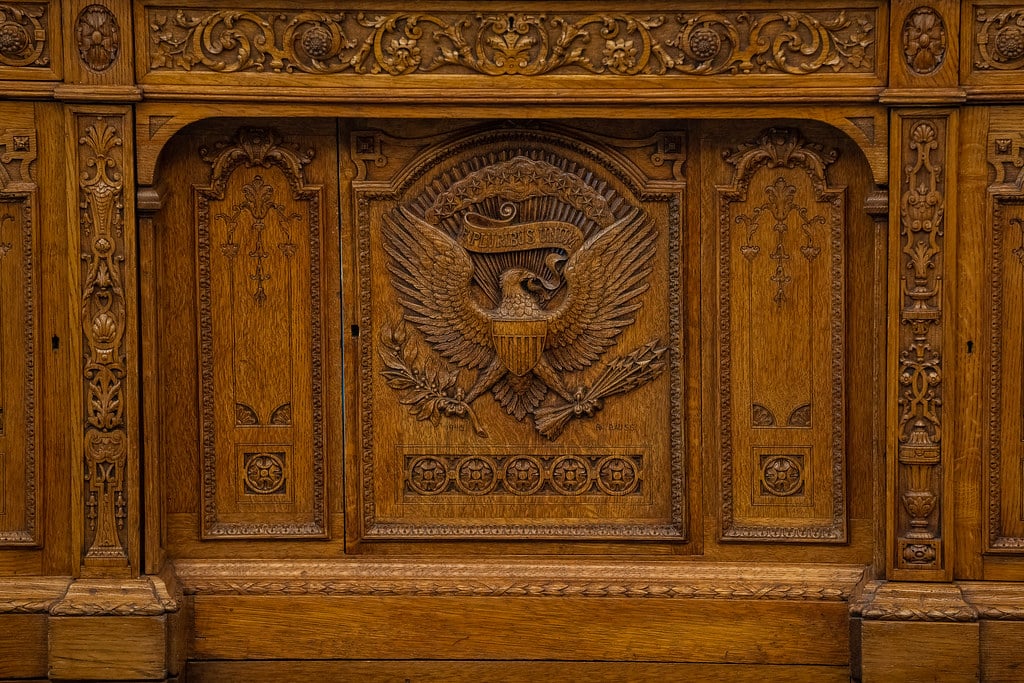
The iconic 1963 photograph of John F. Kennedy Jr. peering out from the Resolute Desk’s front panel has become one of the most famous White House images ever taken. That panel wasn’t original to the desk but was added in 1945 at President Franklin Roosevelt’s request to hide his leg braces from view and to install a safe.
The desk originally had an open kneehole that allowed easy access underneath. The panel, carved with the Presidential Seal, has sparked decades of conspiracy theories about secret compartments and hidden passages in the Oval Office, none of which actually exist beyond Hollywood imagination.
When Legends Become History
These myths reveal how Americans prefer their history served with a side of drama, even when the truth is perfectly interesting on its own. The Liberty Bell didn’t need to ring on July 4 to matter.
The Hope Diamond’s actual journey from India to the Smithsonian is fascinating without a fabricated curse. George Washington’s dental agony tells us more about 18th-century medicine and the cost of leadership than any wooden teeth story ever could.
Plymouth Rock’s questionable authenticity makes it a better symbol of American mythmaking than American origins. These legends persist not despite being false, but because they fulfill a deeper need to connect with the past through tangible objects and dramatic narratives that textbooks alone can’t provide.
More from Go2Tutors!

- The Romanov Crown Jewels and Their Tragic Fate
- 13 Historical Mysteries That Science Still Can’t Solve
- Famous Hoaxes That Fooled the World for Years
- 15 Child Stars with Tragic Adult Lives
- 16 Famous Jewelry Pieces in History
Like Go2Tutors’s content? Follow us on MSN.



