15 Weather Events That Changed TV Programming
Weather has always been unpredictable, but its impact on television programming has created some of the most memorable moments in broadcast history. Storms, blizzards, and natural disasters didn’t just affect people’s daily lives—they completely transformed how networks approached scheduling, emergency broadcasting, and viewer expectations.
These meteorological events forced television stations to abandon their regular programming and adapt on the fly, often creating new standards for how the media handles crisis situations. Here is a list of 15 weather events that changed how TV networks responded on-air.
Hurricane Camille – 1969

Hurricane Camille slammed into the Gulf Coast with devastating force, yet TV networks weren’t prepared for extended storm coverage. Regular programming was scrapped for hours of continuous weather updates—teaching broadcasters that viewers needed sustained coverage, not just brief interruptions.
The Blizzard of 1978
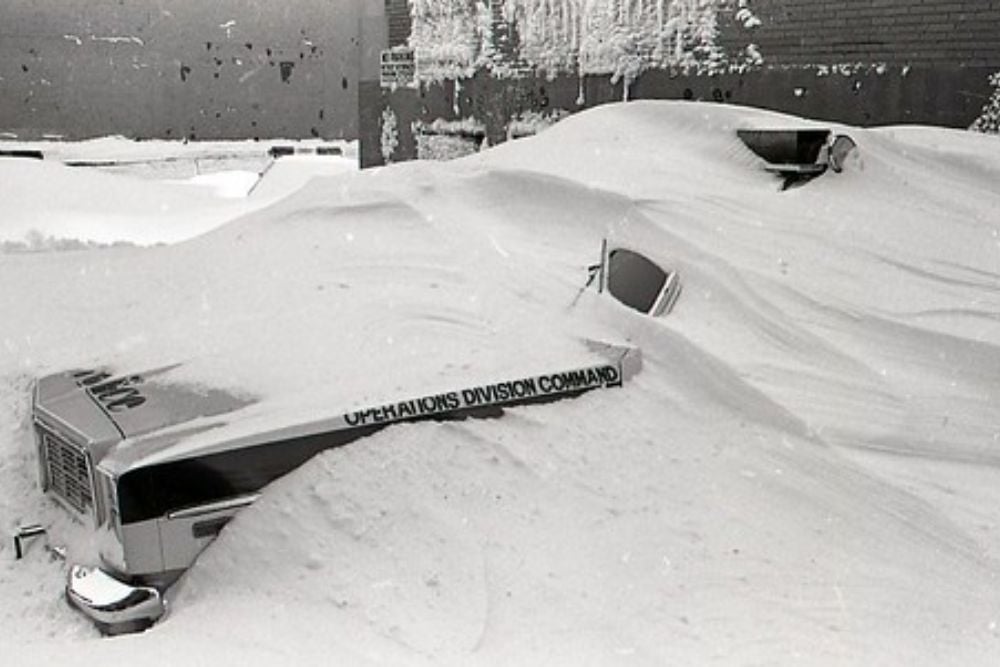
The Northeast Blizzard of ’78 buried entire cities under massive snowdrifts, trapping people in their homes for days. Television became the primary lifeline for information.
Networks abandoned regular schedules to provide constant updates. This storm showed broadcasters that weather could create captive audiences who desperately needed information.
Hurricane Andrew – 1992

Andrew’s destruction of South Florida created the first major test of modern satellite technology during a natural disaster. Local TV stations lost power and transmission capabilities, forcing networks to rely on mobile units and satellite feeds in new ways.
The hurricane demonstrated that weather events required technological backup systems, leading to significant investments in portable broadcasting equipment.
The Storm of the Century – 1993
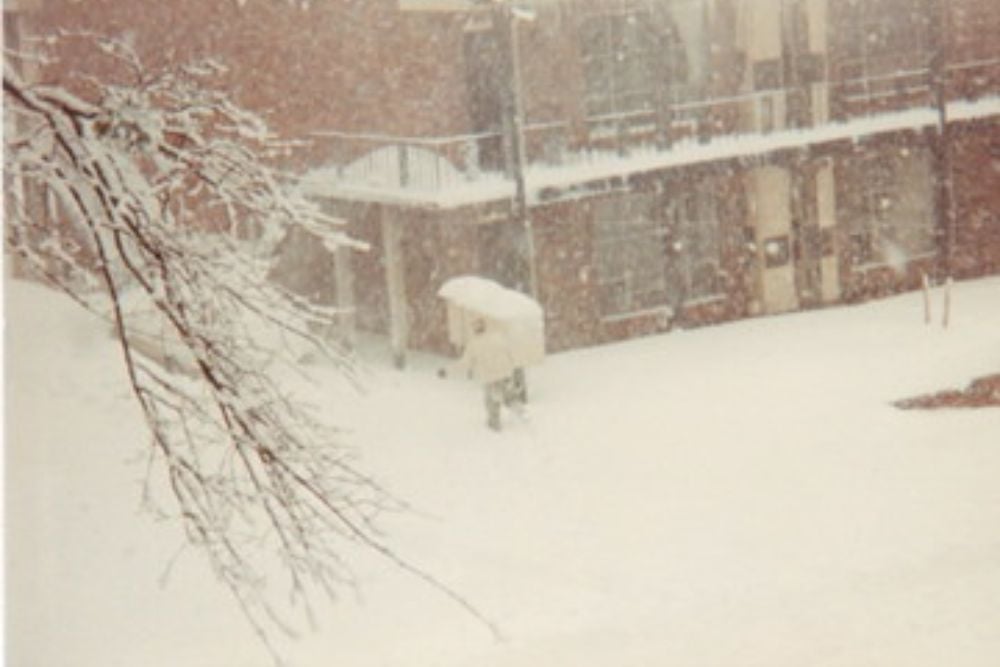
The March 1993 Superstorm stretched from the Gulf of Mexico to Canada, affecting over 100 million people simultaneously. The Weather Channel’s viewership skyrocketed during this event, proving that dedicated weather programming could compete with major networks during crisis situations.
This storm essentially validated weather-focused television as a legitimate programming niche.
Oklahoma City Tornado – May 3, 1999
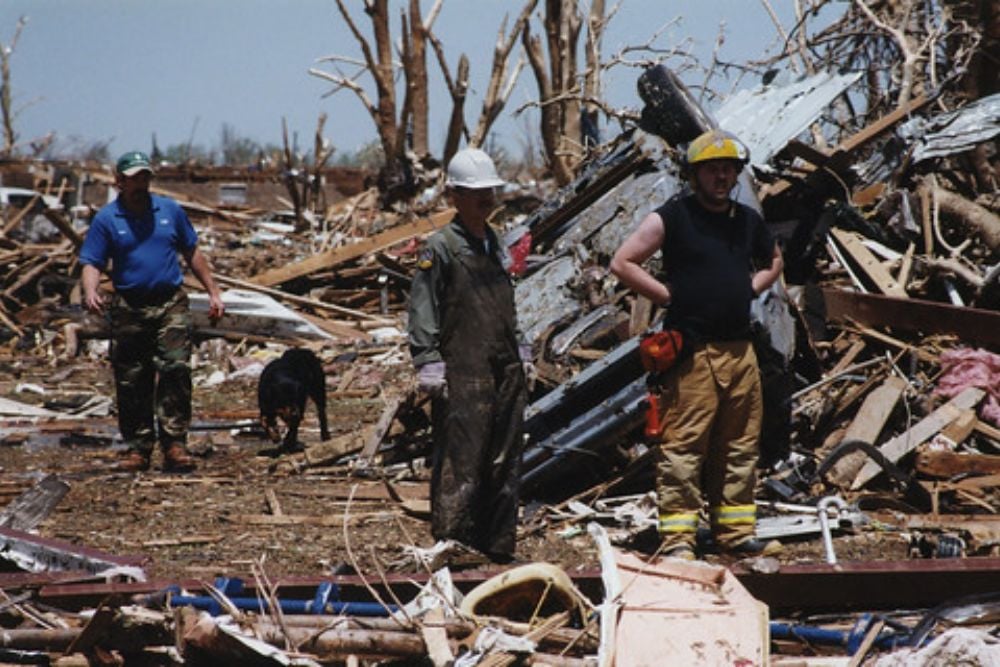
The Moore, Oklahoma tornado became the first major weather event covered extensively with Doppler radar technology on live television. Local meteorologists provided minute-by-minute tracking that kept viewers glued to their screens—regular programming became irrelevant during the life-or-death coverage.
This tornado outbreak led networks to invest heavily in weather radar systems and other meteorological equipment.
Hurricane Katrina – 2005

Katrina’s impact on New Orleans created unprecedented around-the-clock coverage that lasted for weeks, not just days. Networks established semi-permanent field operations, transforming disaster coverage from brief interruptions into extended programming commitments.
The hurricane showed that major weather events could sustain viewer interest far longer than anyone previously imagined.
Chicago Blizzard – February 2011

The Groundhog Day Blizzard of 2011 hit Chicago with over 20 inches of snow, creating a programming challenge for local stations. They discovered that continuous storm coverage actually increased ratings—viewers preferred weather updates over regular daytime programming.
This blizzard proved that weather events could be profitable programming, not just public service obligations.
Hurricane Sandy – 2012

Sandy’s impact on New York City forced major networks to broadcast from backup facilities and alter programming for days. The storm demonstrated how weather events could disrupt television production itself, not just local programming schedules.
The network headquarters lost power and access, requiring completely new operational procedures.
Polar Vortex – January 2014
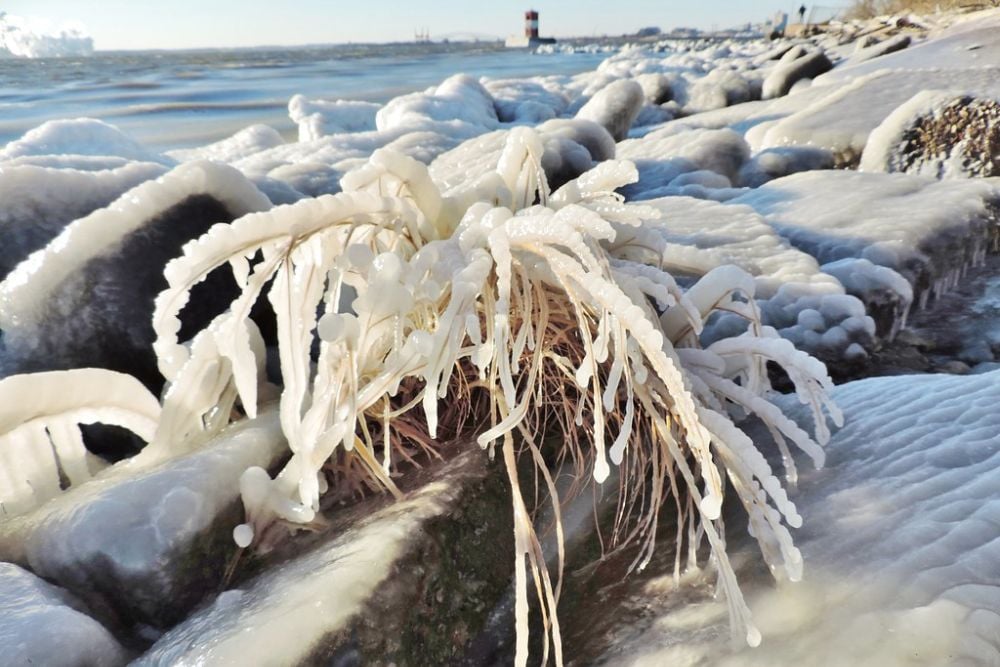
The extreme cold snap that gripped the Midwest created sustained programming changes as networks provided continuous coverage of dangerous wind chills. Regular programming took a backseat to life-saving weather information—yet ratings remained surprisingly strong.
This event showed that even non-storm weather could justify major programming changes when public safety was at stake.
Tornado Outbreak – April 2014
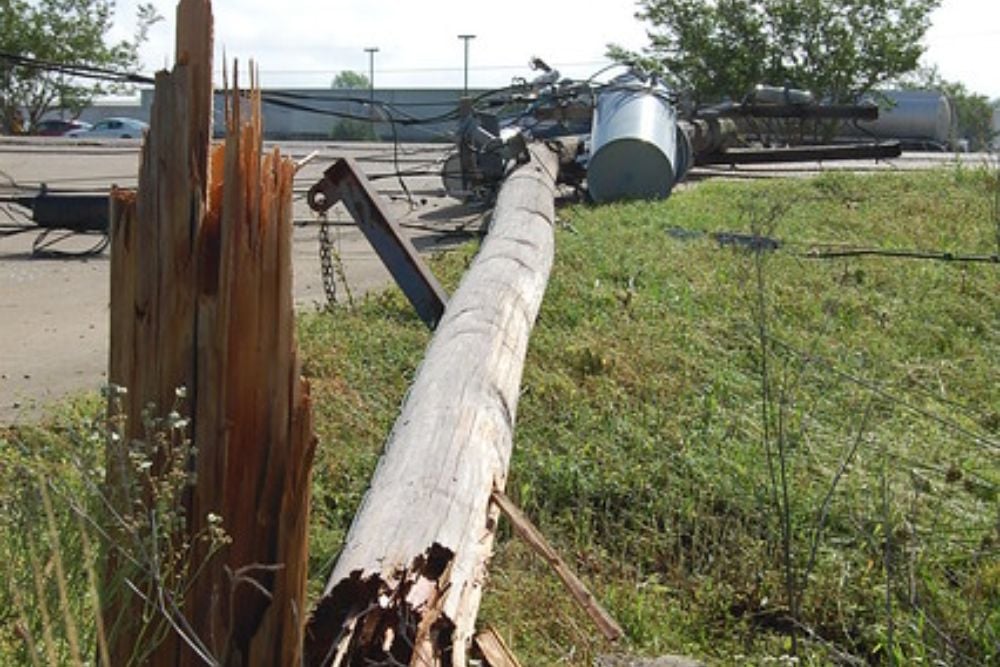
The widespread tornado activity across the South created the first major test of social media integration with weather broadcasting. Networks began incorporating Twitter feeds, Facebook updates, and smartphone videos into their coverage, fundamentally changing how weather events were reported.
This outbreak established social media as an essential component of weather programming.
Hurricane Harvey – 2017

Harvey’s stalling over Houston created days of flooding coverage that transformed how networks approach sustained weather events. Continuous coverage lasted for over a week, proving that extended weather programming could maintain audience engagement and advertiser support.
The hurricane demonstrated that weather coverage could be both profitable and socially responsible programming.
Hurricane Florence – 2018

Florence’s slow approach to the Carolinas allowed networks to prepare for extended coverage in ways never before possible. Advanced forecasting created a week of anticipatory programming that kept audiences engaged before the storm even arrived.
This hurricane showed that weather events could generate compelling television content throughout their entire lifecycle.
California Wildfires – 2018
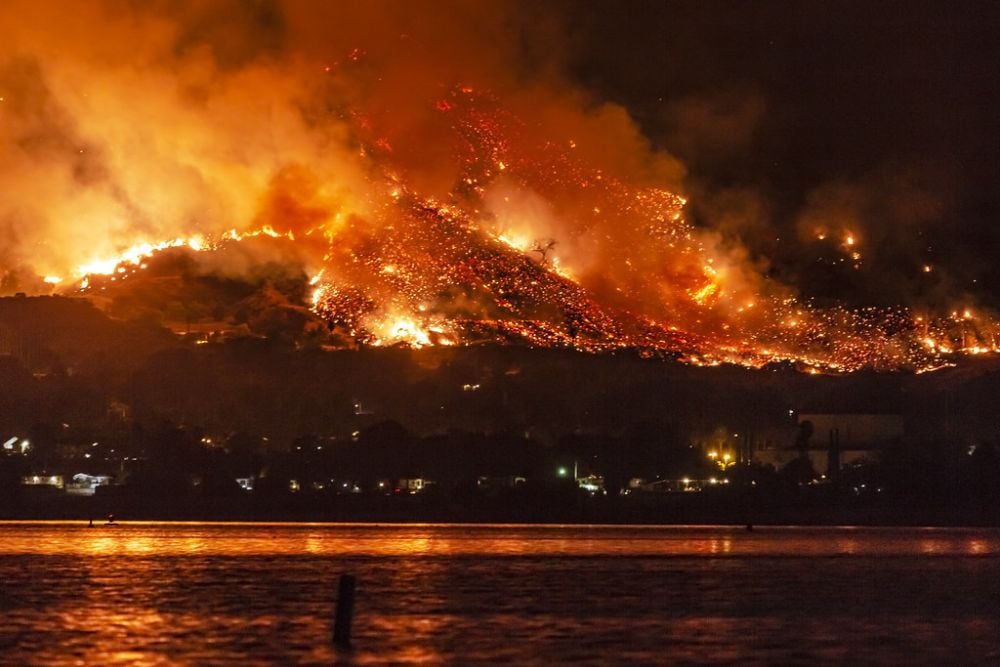
The Camp Fire and other California wildfires created programming challenges as networks balanced local coverage with national interest. Weather-related fire coverage became an ongoing programming commitment that lasted for months during fire season.
These events demonstrated that weather-influenced disasters could create seasonal programming changes, not just temporary interruptions.
Polar Vortex – February 2019
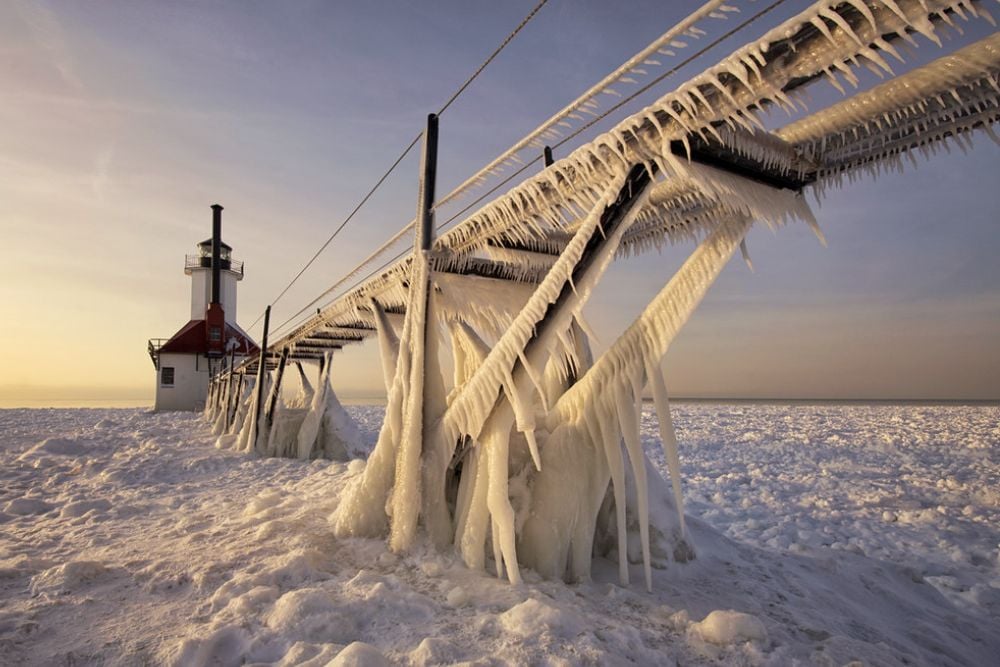
The extreme cold that affected the Midwest again created programming changes, but this time, networks were better prepared with specialized content. Regular programming adjustments had become more sophisticated, incorporating educational content about climate patterns and safety information.
This weather event showed how networks had learned to make weather coverage more informative and engaging.
Hurricane Ida – 2021

Ida’s path from Louisiana to the Northeast created the first major weather event covered extensively during the streaming era. Networks had to balance traditional broadcast coverage with digital streaming platforms—creating multiple coverage streams for different audiences.
This hurricane demonstrated how weather programming needed to adapt to changing viewing habits and platform preferences.
When Weather Became Programming

These weather events transformed television from a medium that occasionally mentioned storms into one that could dedicate entire weeks to meteorological coverage. What started as brief programming interruptions evolved into sophisticated, technology-driven content that viewers actively sought out during emergencies.
The relationship between weather and television programming has become so intertwined that major storms now generate their own promotional campaigns and specialized coverage teams, proving that Mother Nature has become one of television’s most reliable and compelling content creators.
More from Go2Tutors!

- The Romanov Crown Jewels and Their Tragic Fate
- 13 Historical Mysteries That Science Still Can’t Solve
- Famous Hoaxes That Fooled the World for Years
- 15 Child Stars with Tragic Adult Lives
- 16 Famous Jewelry Pieces in History
Like Go2Tutors’s content? Follow us on MSN.



