15 Weather Prediction Signs Rural Folk Knew
Before weather apps and satellite radar, rural folks had their own sophisticated system for reading what Mother Nature was planning. These weren’t just old wives’ tales — many of these traditional weather signs were based on genuine atmospheric changes that people learned to recognize over generations. Farmers, ranchers, and country dwellers developed an almost supernatural ability to predict weather patterns by watching everything from animal behavior to cloud formations.
Living close to the land meant your livelihood depended on knowing what weather was coming, so people got really good at reading natural signals. Here’s a list of 15 weather prediction signs that rural communities relied on long before meteorologists existed.
Red Sky at Night, Sailor’s Delight

When the evening sky turned deep red or orange, it usually meant clear weather was headed your way the next day. This happened because high pressure systems — which bring stable, pleasant weather — tend to move from west to east.
The red color came from sunlight filtering through dust and particles in dry air, which typically indicated good conditions were approaching.
Animals Acting Strange
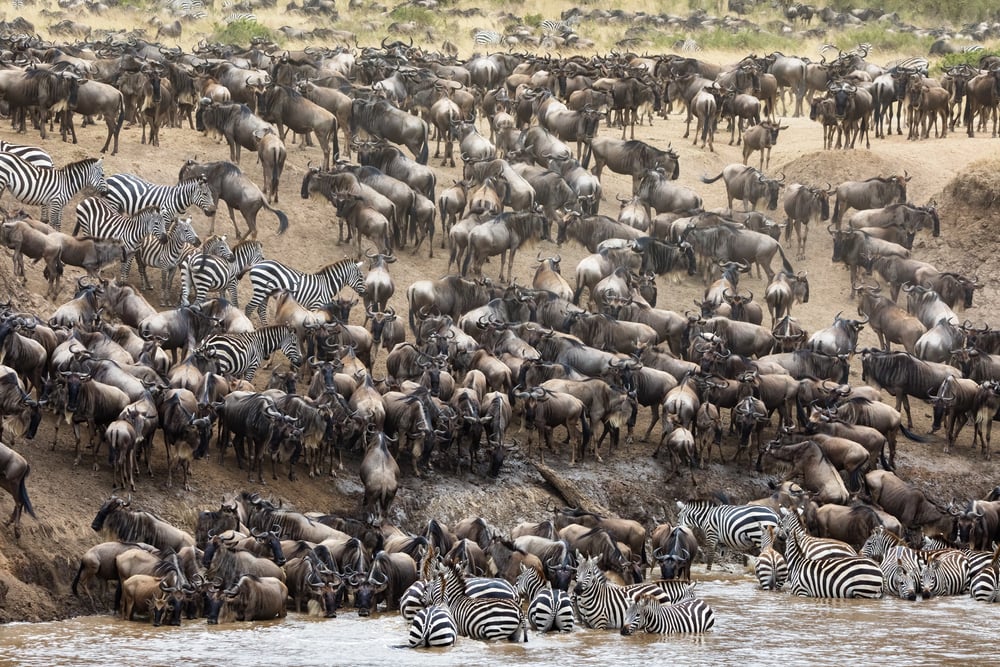
Livestock and wild animals could sense barometric pressure changes hours before storms hit, and they’d start behaving differently. Cows would lie down in the pasture, horses would get restless, and even barn cats would find unusual hiding spots.
Birds would fly lower than normal, and dogs might pace or whine for no apparent reason.
Joint Pain Flaring Up

Older folks with arthritis or old injuries could predict weather changes better than any barometer because their bodies reacted to dropping air pressure. Grandpa’s trick knee would start aching a day or two before a storm rolled in.
This wasn’t just coincidence — changes in atmospheric pressure really do affect joints and scar tissue.
Smoke Hanging Low

When smoke from chimneys or campfires didn’t rise straight up but instead hung close to the ground, it meant heavy weather was coming. Low air pressure systems that bring storms also trap smoke and odors near the earth’s surface.
This sign was especially reliable in the morning when the air should normally be clear and crisp.
Leaves Showing Their Undersides
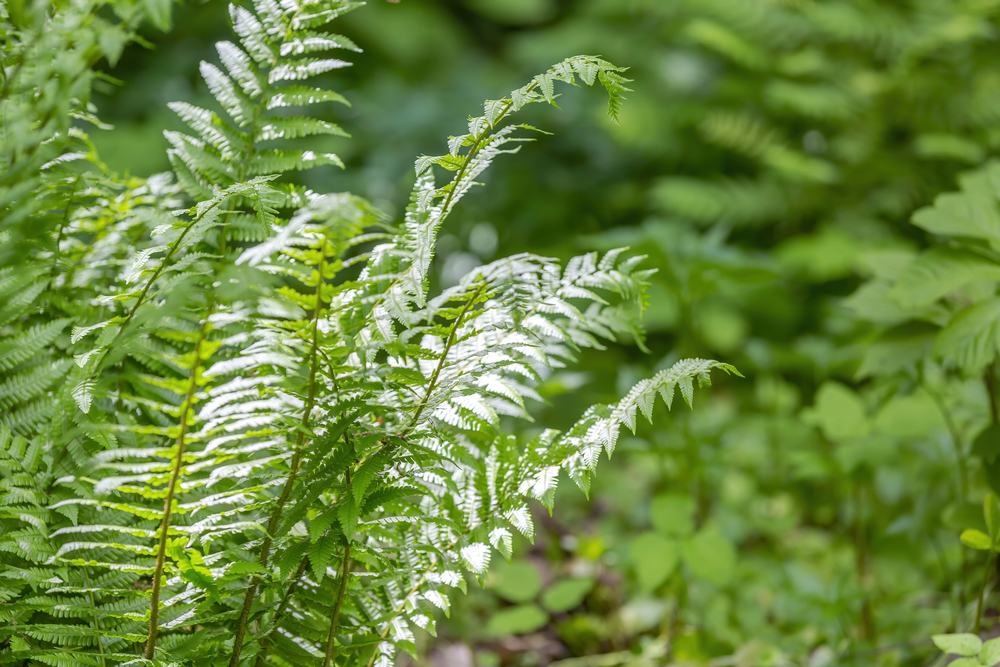
Trees would flip their leaves over right before storms, showing the lighter-colored undersides that normally faced down. This happened because the changing air pressure and wind patterns preceding storms would lift and twist the leaves.
Maples, oaks, and poplars were particularly good weather predictors using this method.
Spiders Coming Indoors
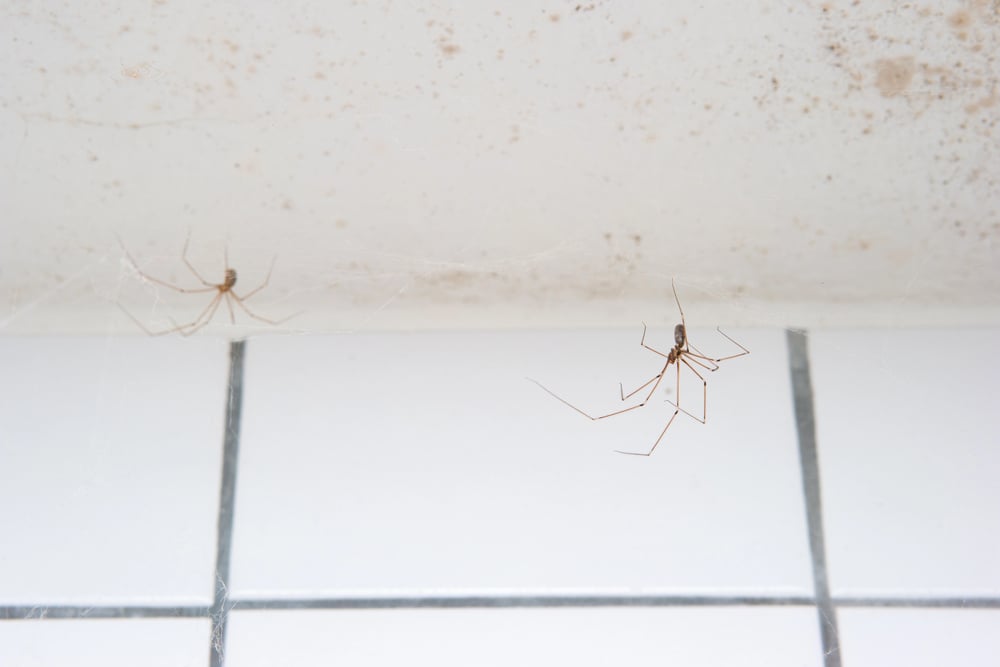
When normally outdoor spiders suddenly appeared inside houses and barns, it meant wet weather was approaching within a day or two. Spiders can sense humidity changes and barometric pressure drops that signal incoming precipitation.
They’d seek shelter before humans even knew a storm was brewing.
Morning Dew Disappearing Early
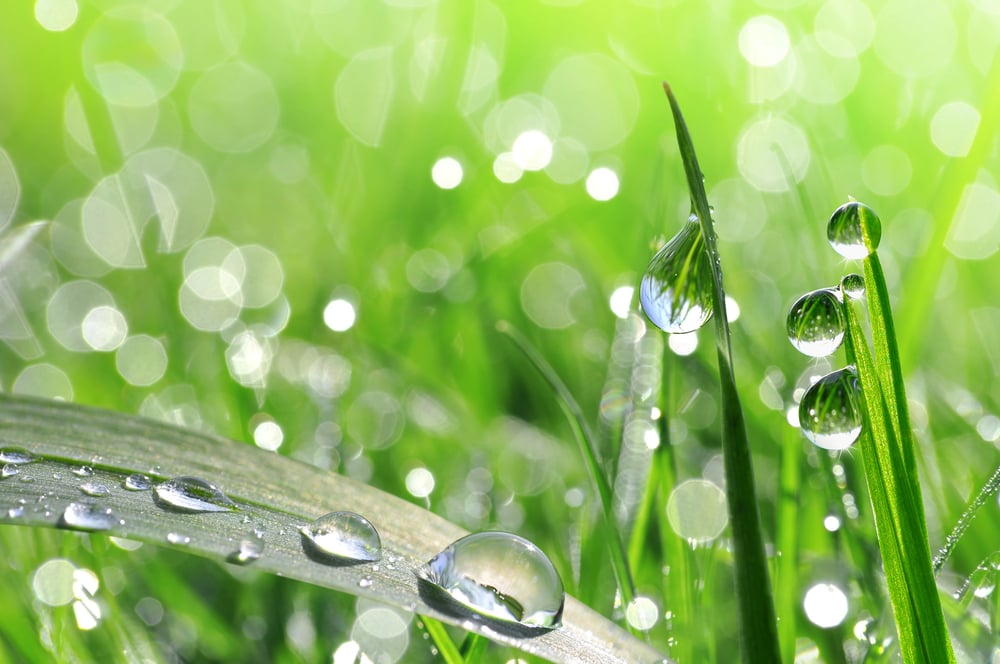
If heavy dew dried up quickly after sunrise, it usually meant a clear, sunny day was ahead. But when there was no dew at all in the morning, or when it lingered well into the day, stormy weather was likely coming.
Dew formation depends on clear skies and calm conditions overnight.
Distant Sounds Carrying Farther

Right before storms, sounds would travel much farther than usual — you could hear trains or church bells from towns that were normally too far away. This acoustic phenomenon happens because the dense, heavy air that precedes storms carries sound waves more efficiently.
Rural folks learned to listen for these unusually distant noises.
Cats Washing Behind Their Ears

When cats spent extra time grooming themselves, especially behind their ears, it was supposed to mean rain was coming soon. While this might sound like pure superstition, cats actually do groom more when they sense humidity changes in the air.
Their sensitive whiskers and fur can detect atmospheric pressure shifts.
Frogs Croaking Loudly
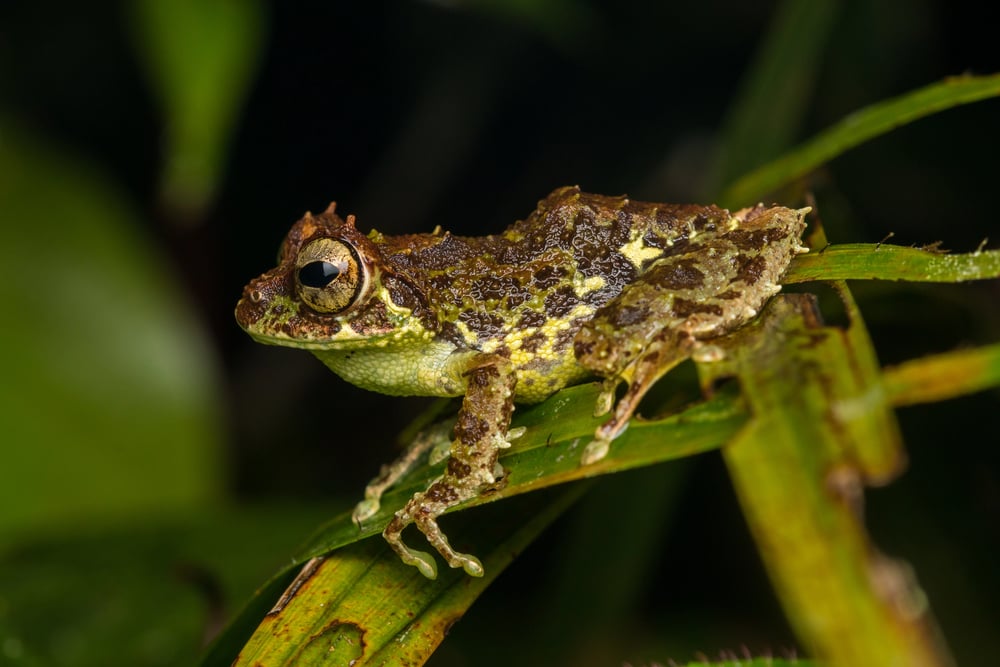
Increased frog activity and louder croaking typically meant wet weather was approaching, since frogs become more active when humidity rises. They’d start making noise well before the first raindrops fell because their skin can sense moisture changes in the air.
This was especially reliable during spring and summer months.
Pine Cones Opening and Closing
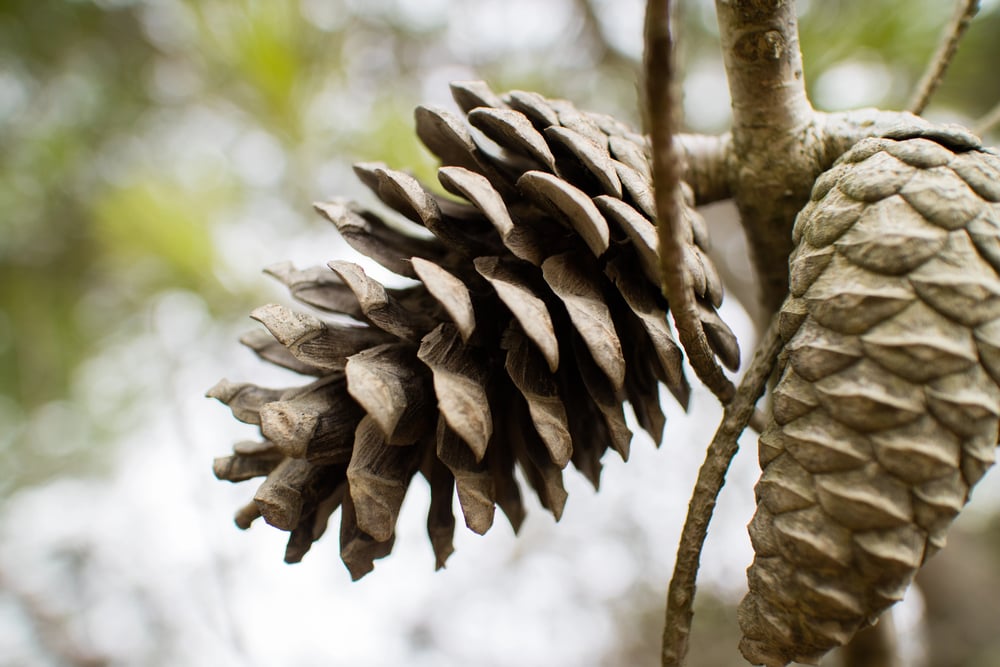
Pine cones would close up tight when humidity increased before storms and open back up during dry weather. This natural response helped protect the seeds inside from getting wet.
Country folks would check pine cones hanging on trees or lying on the ground as a simple humidity indicator.
Flies and Mosquitoes Getting Aggressive
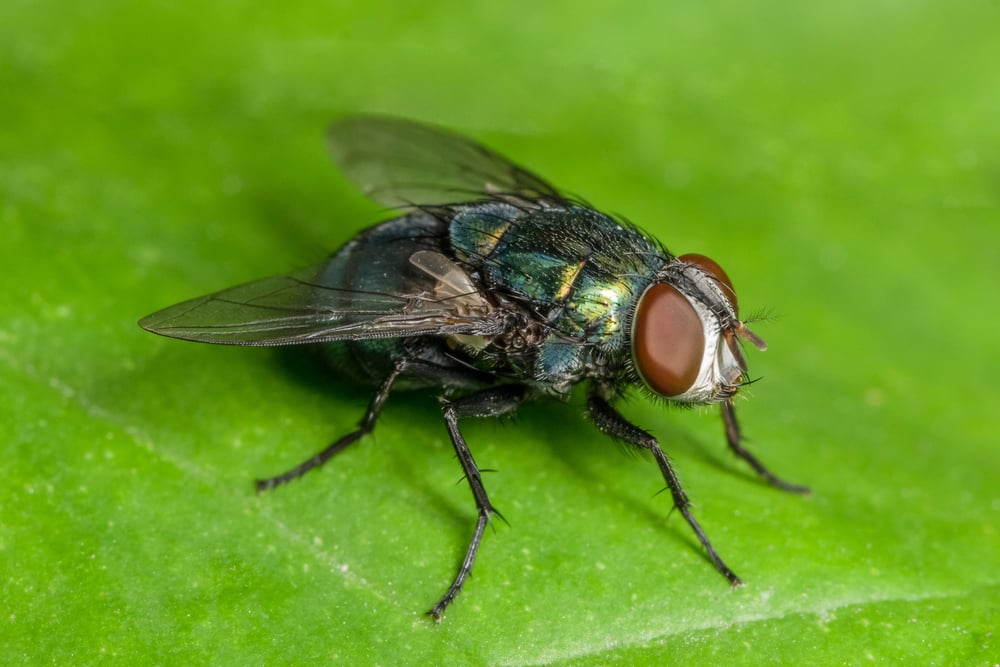
Biting insects would become noticeably more bothersome right before storms because low air pressure affects their flight patterns. They’d swarm around people and animals more aggressively than usual.
This behavior change would happen 12 to 24 hours before the actual weather arrived.
Chimney Smoke Swirling Down
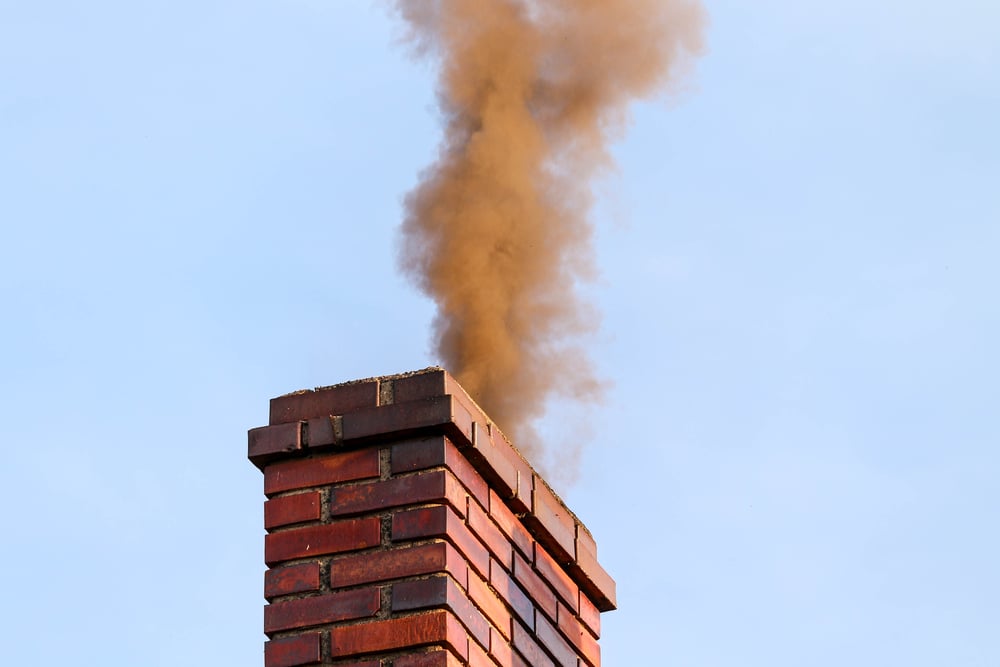
When smoke from fireplaces got pushed back down the chimney instead of rising straight up, it meant a low-pressure system was moving in. The changing air pressure would literally push the smoke back down into houses.
This was one of the most reliable short-term weather indicators.
Woolly Bear Caterpillars
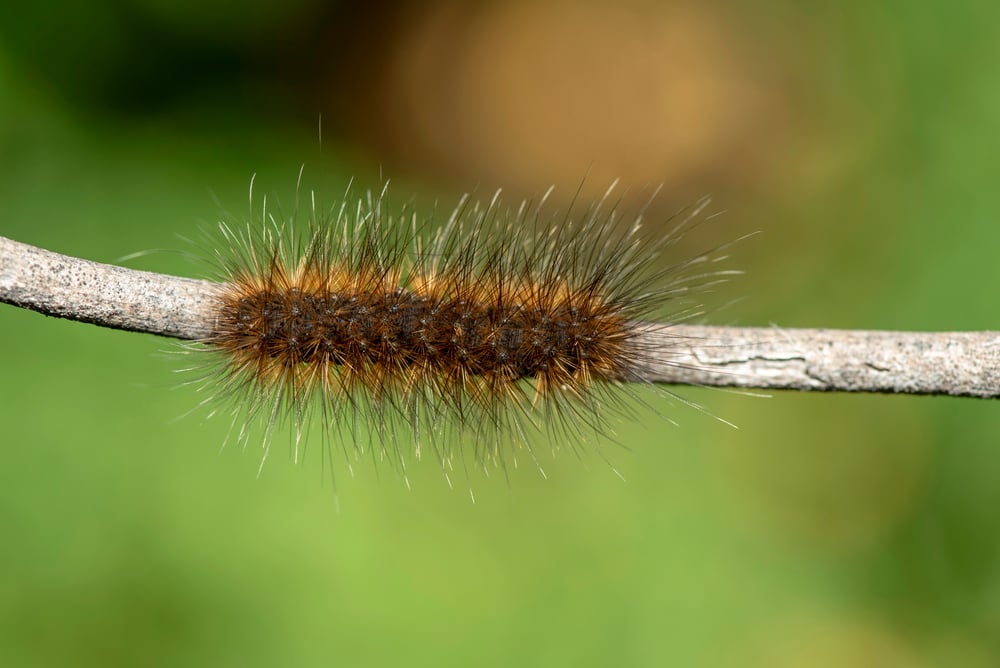
The width of the brown band around woolly bear caterpillars was supposed to predict how harsh the coming winter would be. A wider brown section meant a milder winter, while more black meant severe cold was ahead.
Though scientists debate this one, rural communities swore by their woolly bear forecasts.
Ants Building Higher Hills
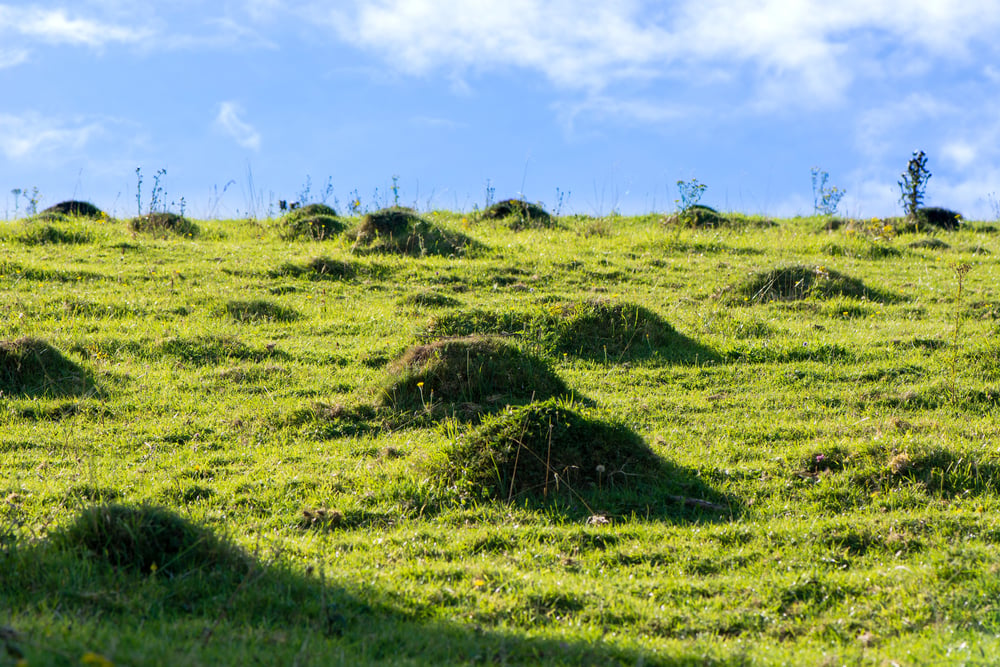
When ant colonies started building their hills higher than usual or moving to elevated ground, it meant extended wet weather was coming. Ants can sense barometric pressure changes and will relocate their colonies to avoid flooding.
This sign was particularly useful for predicting longer rainy periods rather than quick storms.
Nature’s Original Weather Service
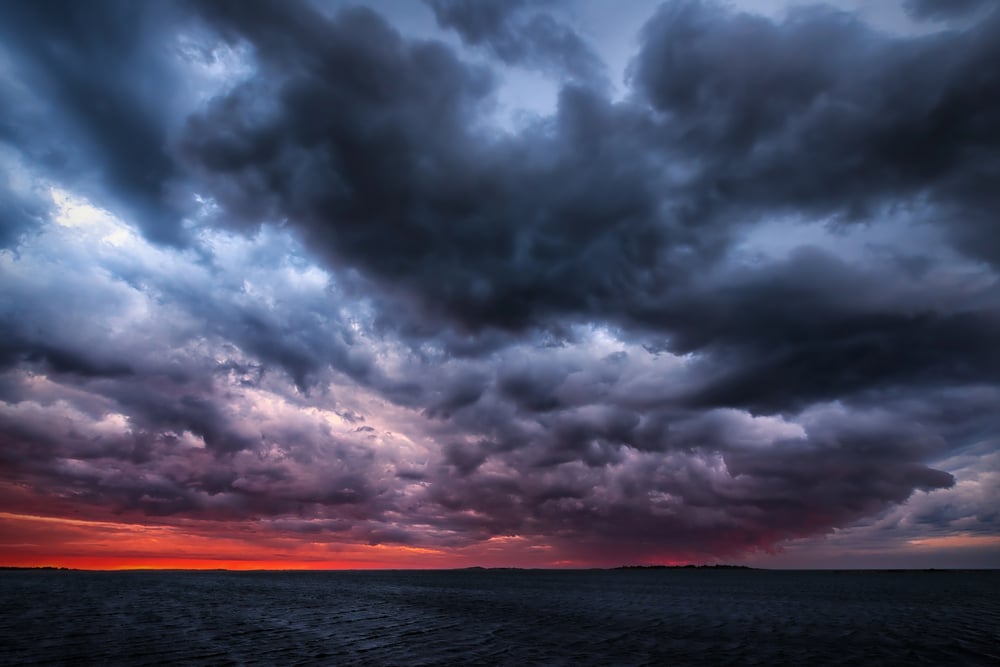
These traditional forecasting methods developed over centuries of careful observation and genuine necessity for rural communities. While modern meteorology is obviously more accurate, many of these natural signs still work because they’re based on real atmospheric changes that sensitive animals and plants can detect.
Country folks didn’t just guess about weather — they developed a sophisticated understanding of natural patterns that helped them survive and thrive. Today’s technology might be more precise, but there’s still something valuable about knowing how to read the natural world around us.
More from Go2Tutors!

- The Romanov Crown Jewels and Their Tragic Fate
- 13 Historical Mysteries That Science Still Can’t Solve
- Famous Hoaxes That Fooled the World for Years
- 15 Child Stars with Tragic Adult Lives
- 16 Famous Jewelry Pieces in History
Like Go2Tutors’s content? Follow us on MSN.