20 Failed Inventions That Became Unexpected Hits
Many of the world’s most successful products weren’t created according to plan—they emerged when inventors embraced unexpected outcomes or pivoted after initial failures. These happy accidents often outshined their intended purposes, creating billion-dollar industries and everyday essentials we can’t imagine living without.
Here is a list of 20 inventions that completely missed their original mark but found remarkable success in entirely different applications.
Play-Doh
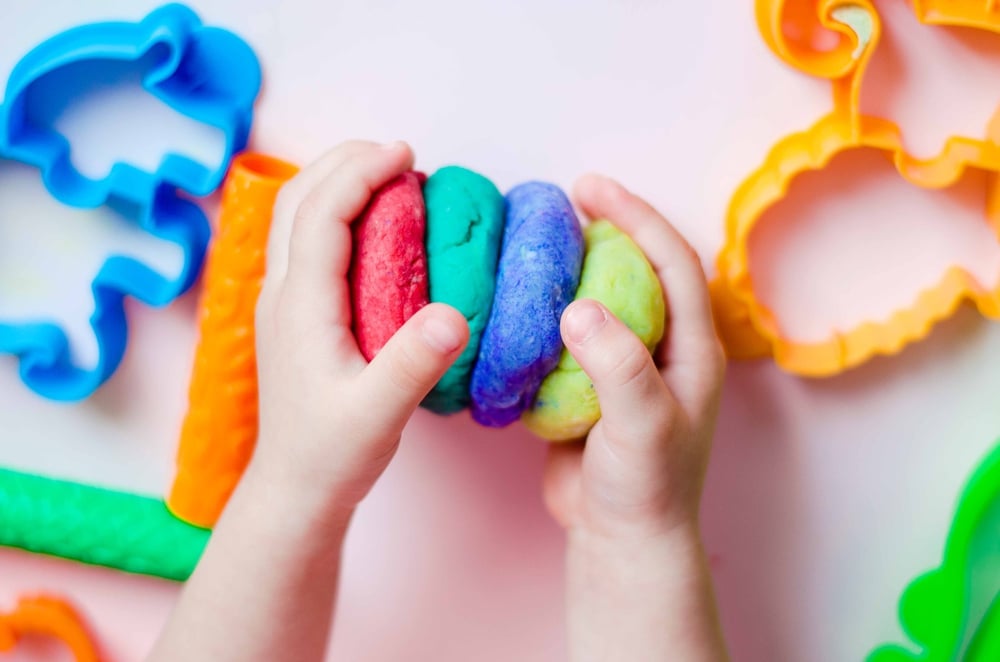
This colorful modeling compound began as a wallpaper cleaner in the 1930s when Kutol Products created it to remove coal residue from walls. As homes transitioned to cleaner heating systems and washable wallpaper, the product faced extinction until the company discovered schoolteachers were using it as an affordable modeling material.
The company removed cleaning chemicals, added colors and a distinctive scent, and relaunched it as the beloved children’s toy that has sold over two billion containers worldwide.
Post-it Notes

3M scientist Spencer Silver accidentally created a weak adhesive while attempting to develop an extra-strong one in 1968. The adhesive that wouldn’t stick properly languished without purpose until colleague Art Fry needed bookmarks that wouldn’t fall out of his hymnal during choir practice.
The repositionable notes launched commercially in 1980 and transformed into one of 3M’s most profitable products, proving that sometimes not sticking is actually the point.
Like Go2Tutors’s content? Follow us on MSN.
Viagra
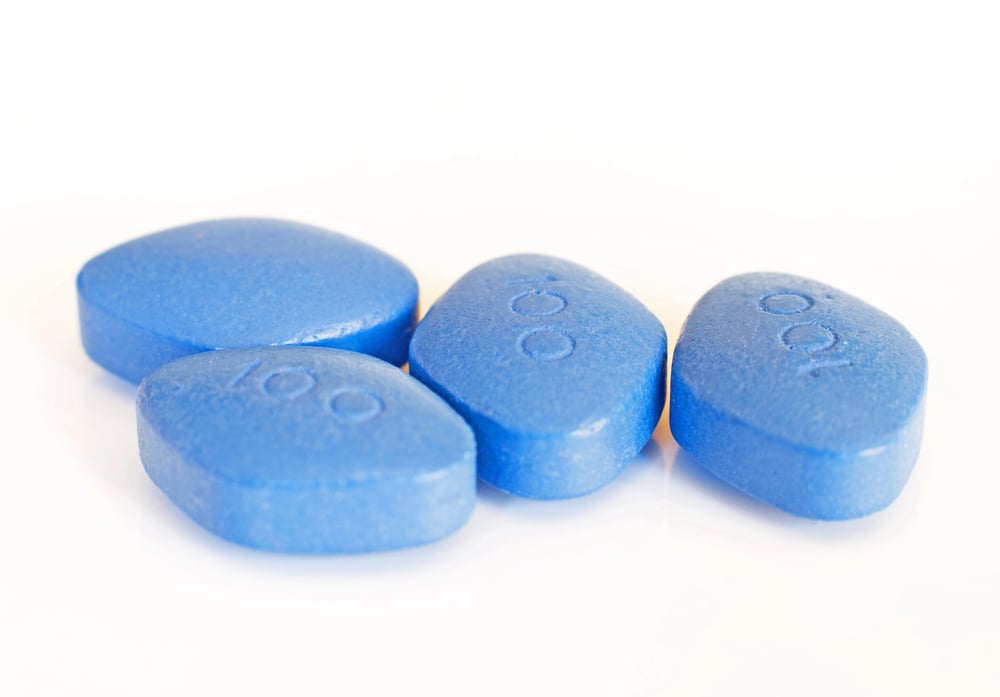
Pfizer researchers were developing a medication for angina and hypertension in the early 1990s when male test subjects reported an unexpected side effect—spontaneous erections. The drug failed in its original purpose but showed immense potential in treating erectile dysfunction.
Since receiving FDA approval in 1998, Viagra has generated billions in revenue and transformed men’s health treatment, all because researchers paid attention to a side effect that patients weren’t complaining about.
Bubble Wrap
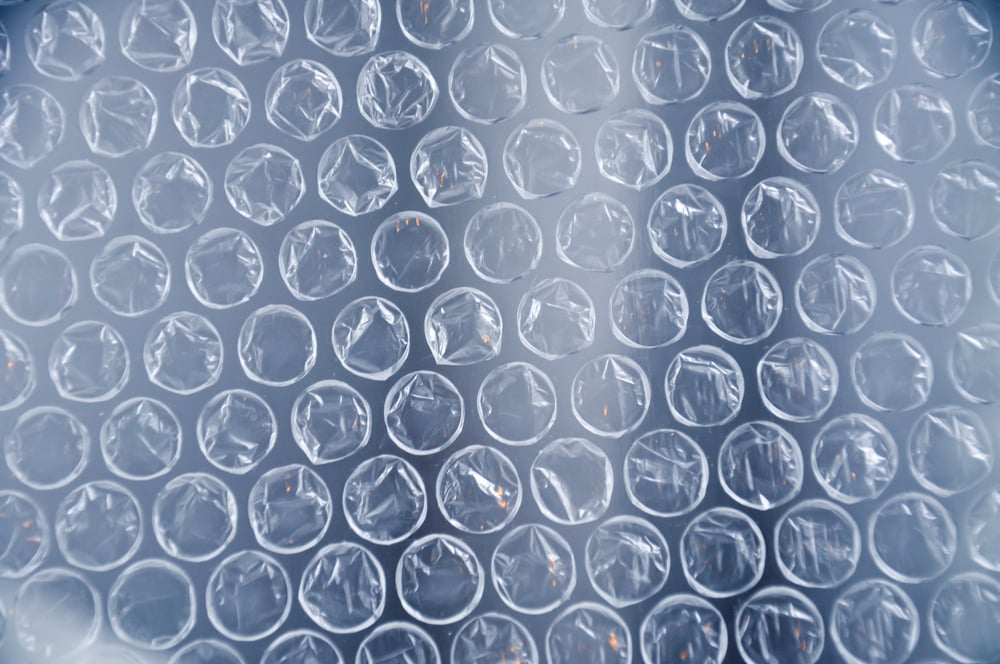
Engineers Alfred Fielding and Marc Chavannes sealed two shower curtains together in 1957 attempting to create textured wallpaper for the modern home. After failing as wallpaper and then as greenhouse insulation, someone finally recognized its potential as a superior packaging material.
The air-filled plastic that couldn’t decorate walls now protects millions of shipments annually, with Sealed Air Corporation generating billions in revenue from what was essentially a design failure.
Silly Putty
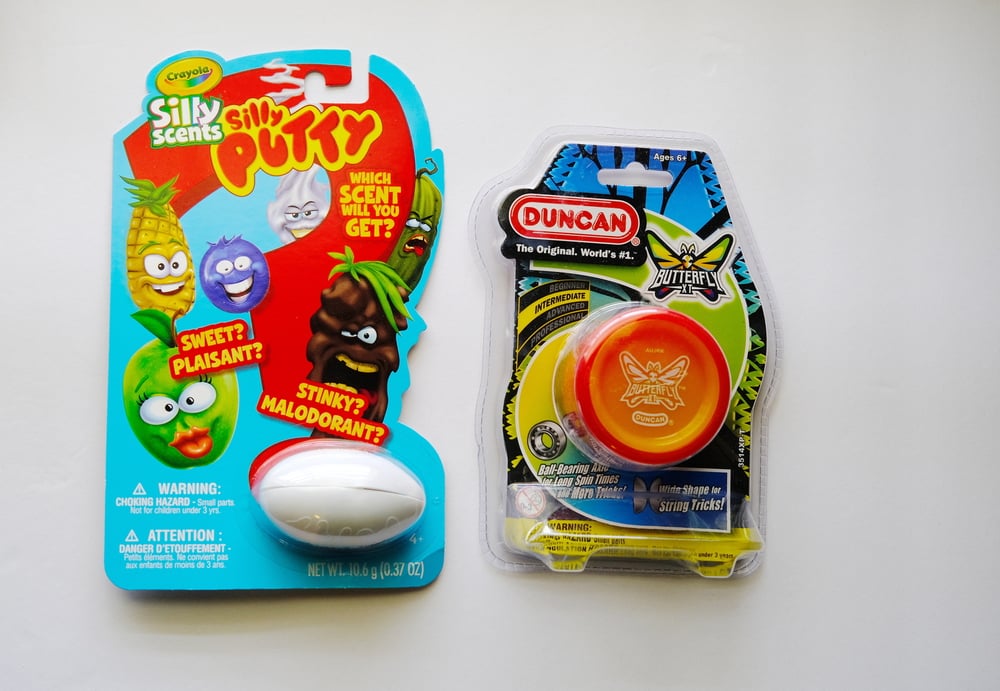
During World War II’s rubber shortages, engineer James Wright combined boric acid and silicone oil while trying to create a synthetic rubber substitute. The resulting strange, bouncy material couldn’t replace rubber for military vehicles and equipment, making it a laboratory failure.
Marketing genius Peter Hodgson later purchased the rights, packaged it in plastic eggs, and launched it as a toy that has sold over 300 million units since 1950, transforming a wartime experiment into a beloved plaything.
Like Go2Tutors’s content? Follow us on MSN.
Coca-Cola
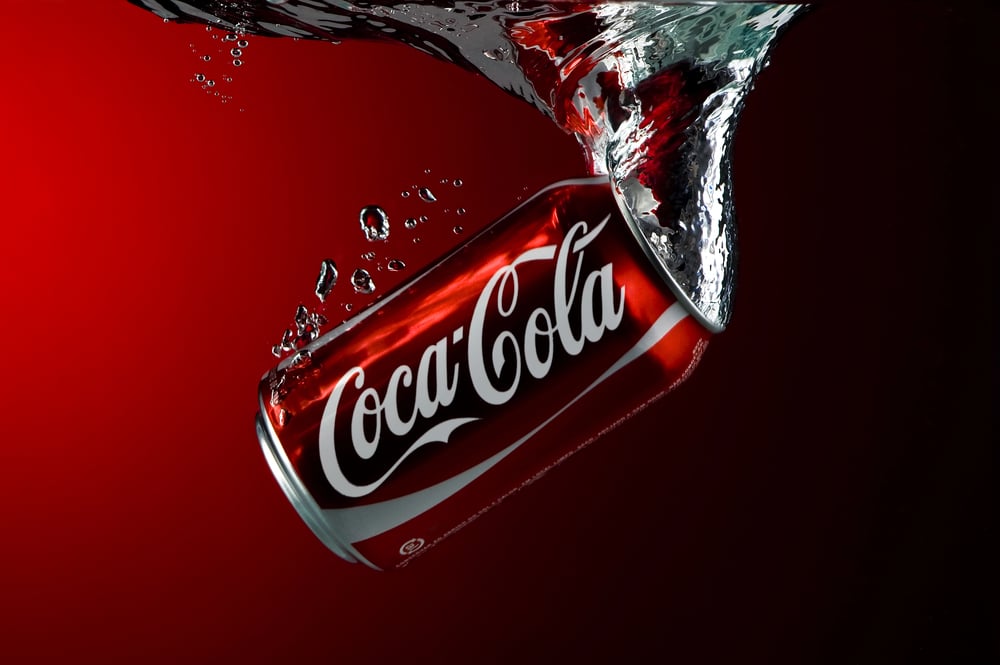
Pharmacist John Pemberton developed a syrup in 1886 intended to relieve headaches and combat morphine addiction. His medicinal concoction proved ineffective for health purposes but created a delightful flavor when mixed with carbonated water.
A failed medicine eventually evolved into the world’s most recognized beverage brand, with approximately 1.9 billion servings consumed daily across more than 200 countries and territories around the globe.
Microwave Oven
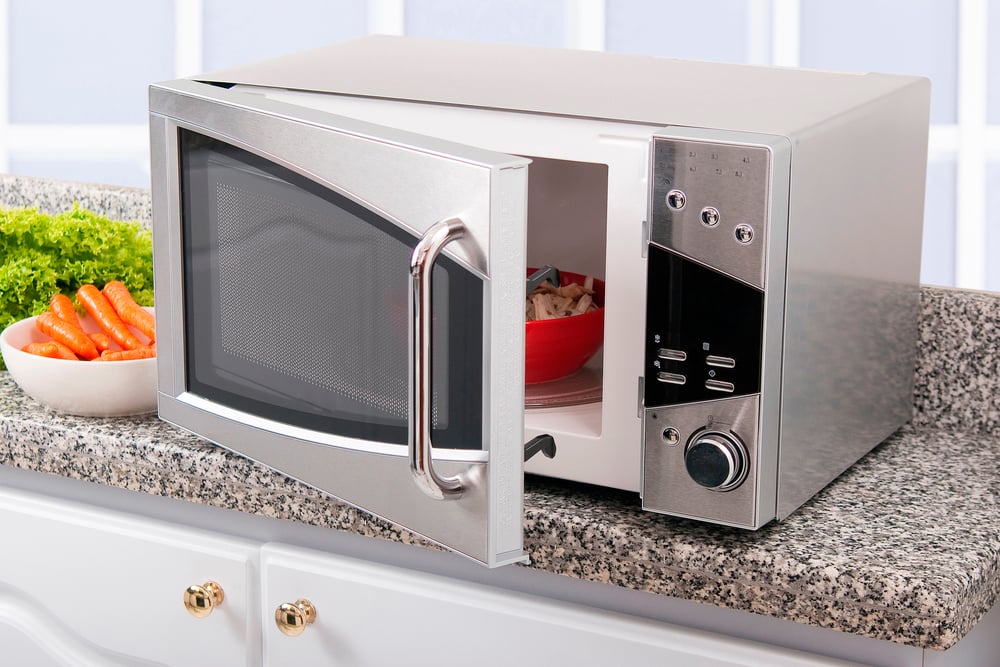
Raytheon engineer Percy Spencer was working with magnetrons for radar equipment in 1945 when he noticed the chocolate bar in his pocket had melted. Further experimentation revealed the radiation could cook food rapidly from the inside out.
The first commercial microwave stood nearly six feet tall and weighed 750 pounds, but today, smaller versions are found in over 90% of American kitchens, all because someone paid attention to melting chocolate.
Saccharin
Chemist Constantin Fahlberg discovered the first artificial sweetener in 1879 after failing to wash his hands properly following a day working with coal tar derivatives. At dinner, he noticed a sweet taste on his fingers and traced it back to a compound called benzoic sulfimide.
The laboratory contaminant went on to become crucial during sugar rationing in both World Wars and remains a popular sweetener for diabetics and dieters, proving that sometimes not washing your hands can lead to unexpected discoveries.
Like Go2Tutors’s content? Follow us on MSN.
Slinkies

Naval engineer Richard James was developing springs to stabilize sensitive instruments aboard ships when he knocked a sample off his desk in 1943. Instead of crashing to the floor, the spring “walked” down in a series of arcs, sparking an idea for a toy.
The military component that couldn’t stay put debuted as a toy at Gimbels department store in 1945, selling its entire inventory of 400 units in just 90 minutes and going on to sell hundreds of millions worldwide.
Pacemaker
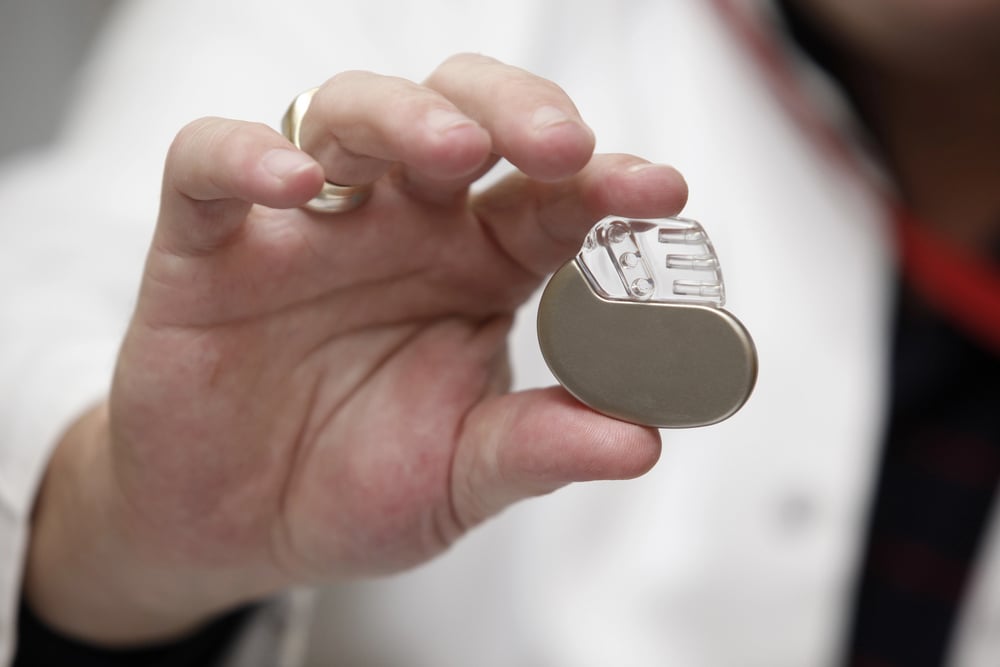
Wilson Greatbatch was building a device to record heart sounds in 1956 when he installed the wrong type of resistor. Instead of recording heartbeats, his device produced electrical pulses that mimicked them.
This fortuitous error led to the development of the implantable cardiac pacemaker, which has extended millions of lives and transformed cardiac care. The component mix-up that should have ruined his project instead created a medical breakthrough that continues saving lives today.
Super Glue
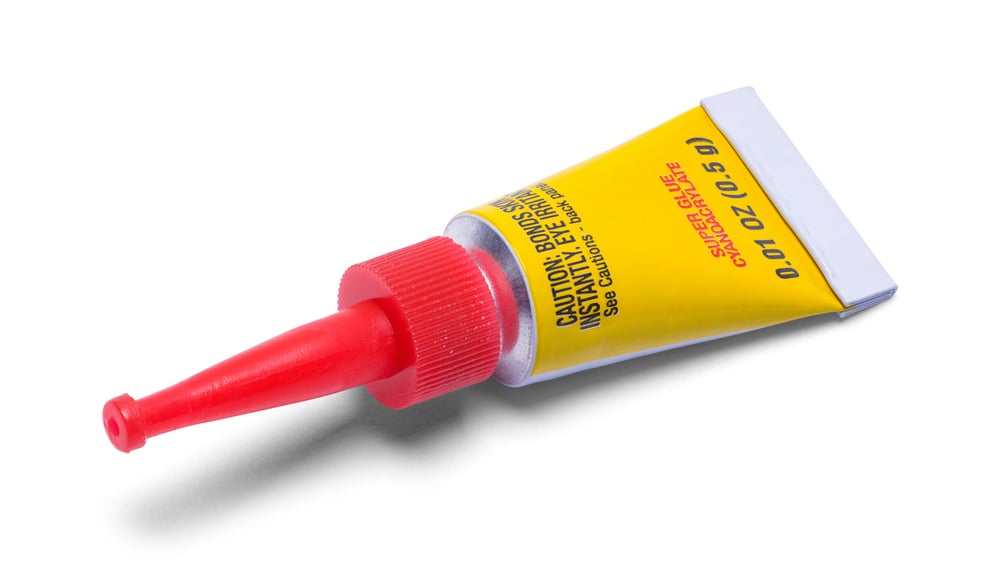
During World War II, scientist Harry Coover was attempting to create clear plastic gun sights when he discovered a formulation that stuck to everything it touched. The adhesive was initially rejected for being too sticky until Coover rediscovered it years later while working on heat-resistant airplane canopies.
The rejected substance was marketed as Super Glue starting in 1958 and has since bonded everything from broken household items to human tissue in medical applications.
Like Go2Tutors’s content? Follow us on MSN.
Potato Chips

Chef George Crum at Moon’s Lake House restaurant in Saratoga Springs created the first potato chips in 1853 as an act of culinary protest. After a customer repeatedly sent back his fried potatoes complaining they were too thick, Crum sliced them paper-thin, fried them to a crisp, and oversalted them, hoping to create something inedible.
The customer loved the crunchy result, and “Saratoga Chips” soon became the restaurant’s signature dish, eventually evolving into America’s favorite snack food.
Matches

British pharmacist John Walker was stirring a mixture with a wooden stick in 1826 when he later noticed a dried blob on the end. When he scraped it against his hearth floor to remove it, it unexpectedly burst into flame.
The first friction matches, which Walker called “Friction Lights,” were born from this cleaning attempt and revolutionized how humans accessed fire. His accidental invention replaced cumbersome flint-and-steel methods that had persisted for centuries.
WD-40
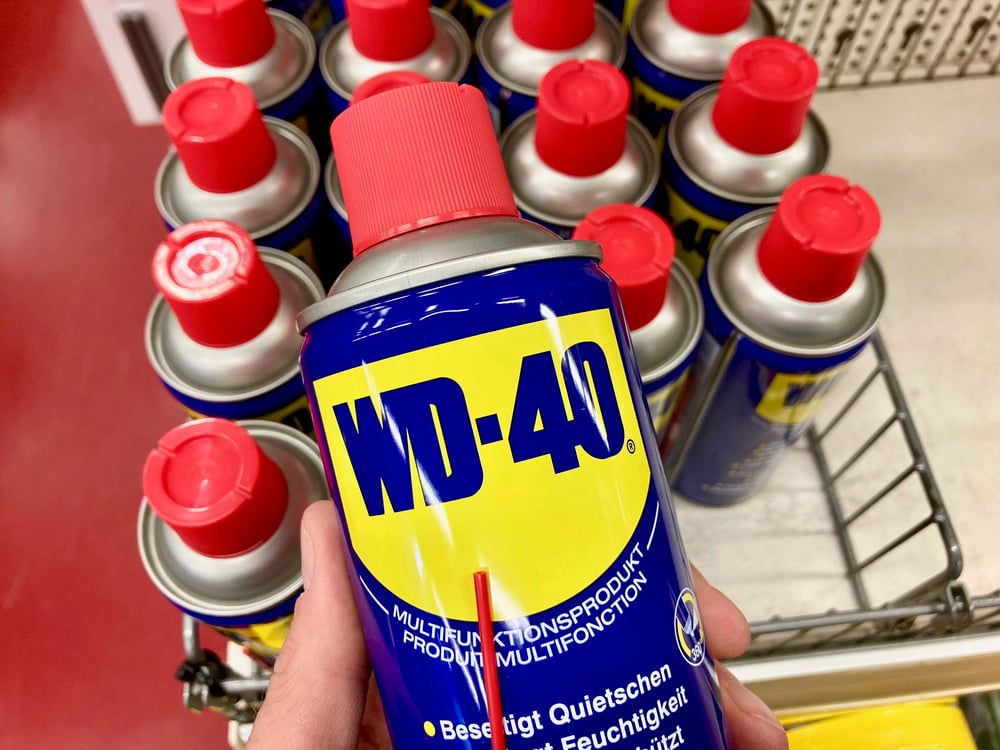
The Rocket Chemical Company created this now-ubiquitous spray in 1953 after 39 failed attempts at developing a formula to prevent corrosion on aerospace equipment. The name literally stands for “Water Displacement, 40th formula,” marking the team’s persistence through numerous failures.
While effective for its intended industrial purpose, employees began sneaking it home for household uses, prompting the company to package it for consumers in 1958, creating a product now found in approximately 80% of American homes.
Like Go2Tutors’s content? Follow us on MSN.
Penicillin

Alexander Fleming’s famous 1928 discovery occurred when he returned from vacation to find mold contaminating one of his bacterial cultures. Rather than discarding the ruined experiment, he observed that bacteria wouldn’t grow near the mold.
This laboratory contamination mistake led to penicillin, the world’s first antibiotic, which has saved countless millions of lives and earned Fleming a Nobel Prize along with Howard Florey and Ernst Chain, who developed it for medical use.
Listerine
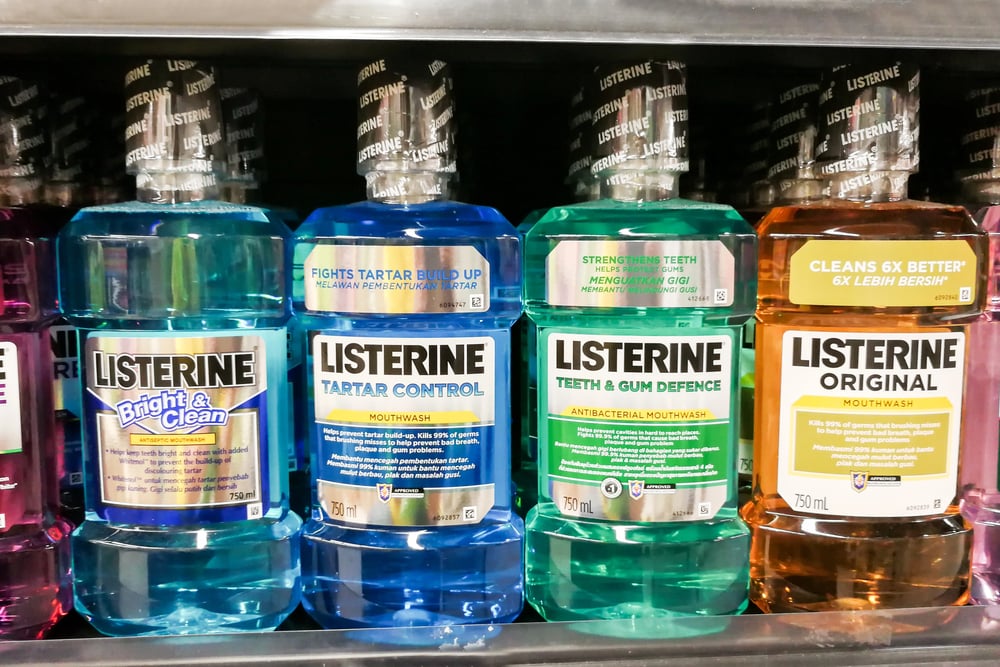
Formulated in 1879 by Joseph Lawrence as a surgical antiseptic, Listerine was subsequently marketed for dozens of purposes from floor cleaning to treating gonorrhea, with limited success. In 1914, the company repositioned it as a solution for halitosis (bad breath)—a condition most people weren’t concerned about until their advertising campaign.
Annual sales skyrocketed from $115,000 to $8 million in just seven years after this pivot, transforming a struggling product into a bathroom essential.
Wheaties
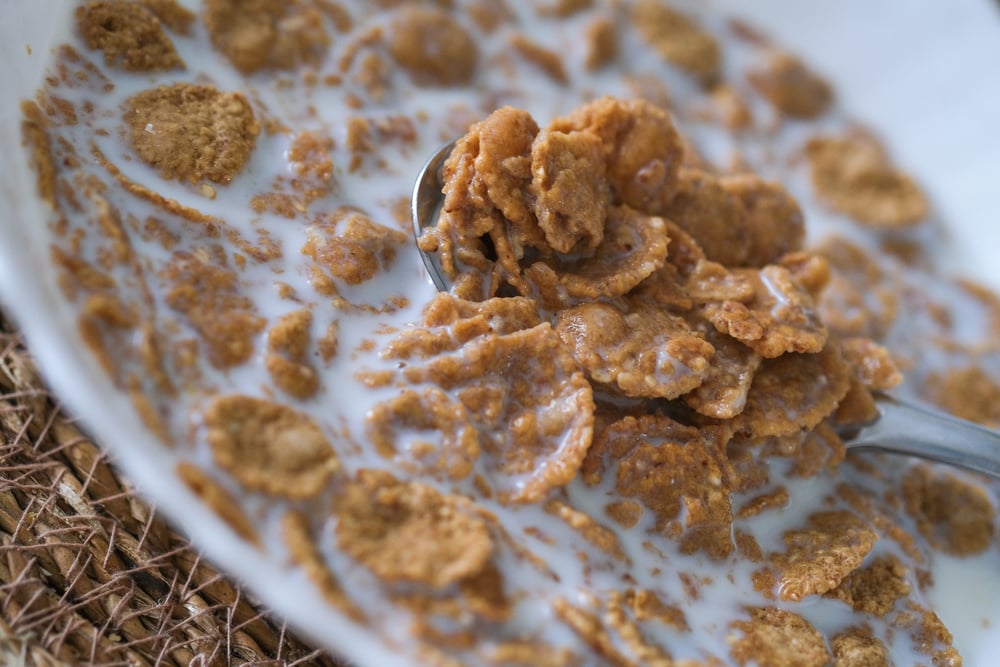
A dietitian at the Washburn Crosby Company (later General Mills) accidentally spilled wheat bran mixture onto a hot stove in 1922, creating crispy wheat flakes instead of a messy disaster. After some refinement, the company marketed the resulting cereal as “Washburn’s Gold Medal Whole Wheat Flakes,” later renamed Wheaties.
The breakfast that began as a kitchen spill became “The Breakfast of Champions,” featuring sports stars on its iconic orange boxes for generations of Americans.
Like Go2Tutors’s content? Follow us on MSN.
Brandy

Medieval wine merchants discovered brandy when trying to save shipping costs by removing water from wine before transport, intending to add it back before selling. They discovered their concentrated creation actually tasted better than the original wine, with enhanced flavors and higher alcohol content.
The transportation hack became more valuable than its original purpose, creating an entire category of premium spirits enjoyed around the world for centuries.
Teflon
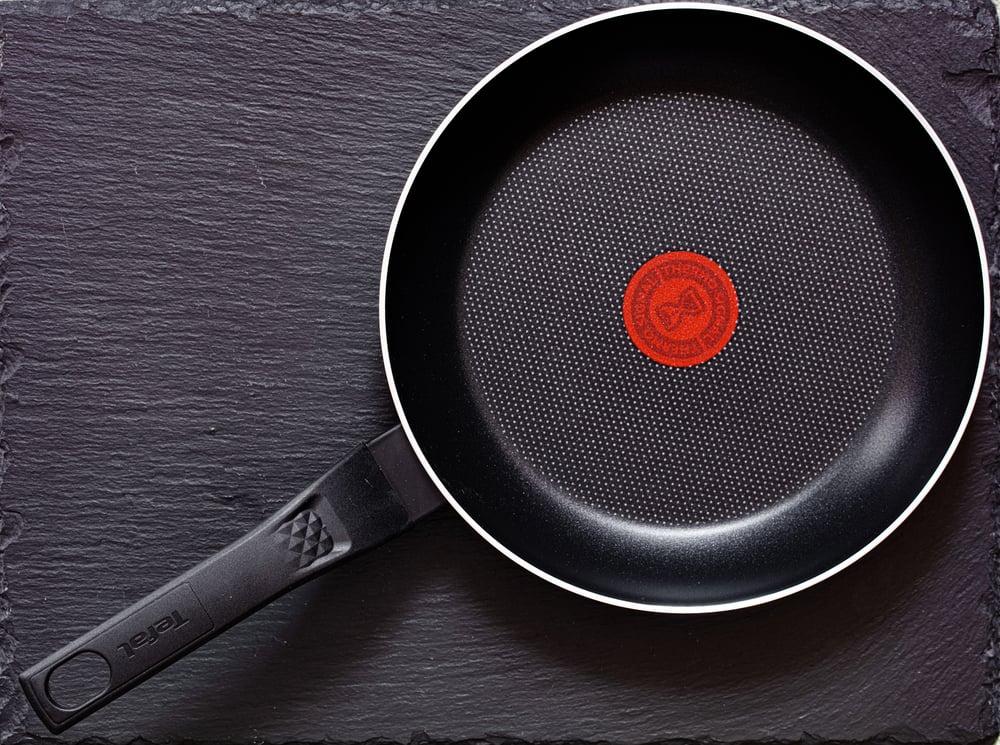
DuPont chemist Roy Plunkett was researching refrigerants in 1938 when he opened a gas cylinder that mysteriously contained a slippery white powder instead of gas. This unexpected solid turned out to be polytetrafluoroethylene (PTFE)—the most slippery substance known.
Initially used in military applications and industrial processes, it found its way onto cookware as Teflon in the 1950s, creating non-stick surfaces that have saved countless hours of soaking and scrubbing pans worldwide.
Vulcanized Rubber

Charles Goodyear had spent years trying to make natural rubber more durable when he accidentally dropped a mixture of rubber and sulfur onto a hot stove in 1839. Instead of melting, the rubber hardened and remained elastic—the first vulcanized rubber.
This kitchen accident led to the development of weatherproof tires, hoses, shoe soles, and countless other applications that made the industrial age possible. Despite his revolutionary discovery, Goodyear died in debt while the company later named for him prospered.
Like Go2Tutors’s content? Follow us on MSN.
The Power of Pivoting

These accidental innovations remind us that failure often contains the seeds of unexpected success. The common thread in these stories isn’t just luck—it’s the creators’ willingness to recognize value where others saw only disappointment.
While modern companies invest heavily in structured research and development, these examples demonstrate that breakthroughs don’t always follow a predictable path. The capacity to pivot when plans go awry might be the most valuable skill an innovator can possess, turning apparent failures into world-changing successes that improve countless lives.
More from Go2Tutors!

- 16 Restaurant Chains That Went Too Fast
- 12 Things Sold in the 80s That Are Now Illegal
- 15 Strange Things People Have Tried to Ban (And Failed)
- 16 Collectibles People Tossed Out Too Soon
- 17 Myths from Your Childhood That Were Actually Based on Real Things
Like Go2Tutors’s content? Follow us on MSN.