Unsung Geniuses Who Deserved to Be Remembered
History loves a hero. Everyone knows Einstein, Edison, and Curie.
But for every famous name that made it into textbooks, dozens of brilliant minds faded into obscurity. Some died too soon.
Others were overlooked because of their gender, race, or the simple bad luck of being ahead of their time. These people changed the world in ways we still benefit from today, yet most of us have never heard their names.
Rosalind Franklin: The Woman Behind the Double Helix

When Watson and Crick presented their model of DNA in 1953, they built it on someone else’s work. Rosalind Franklin’s lab had produced the clearest X-ray images of DNA structure anyone had seen.
Photo 51, taken by Raymond Gosling under Franklin’s supervision, showed the double helix pattern with stunning clarity. But she never got credit for it in her lifetime.
Watson and Crick used her data without permission. They published their findings, won the Nobel Prize, and Franklin’s name barely appeared in the footnotes.
She died of ovarian cancer at 37. By the time people started recognizing her contributions, she’d been gone for years.
Hedy Lamarr: From Hollywood to Frequency Hopping

Most people knew Hedy Lamarr as a glamorous actress in 1940s Hollywood. What they didn’t know was that she spent her evenings inventing technology that would later become the foundation for WiFi and Bluetooth.
During World War II, Lamarr and composer George Antheil developed a frequency-hopping system to prevent enemies from jamming radio-controlled torpedoes. The Navy shelved the patent at first, but eventually adopted frequency-hopping principles in the 1960s.
By then, her patent had expired. When tech companies later used the concept to create modern wireless communication, she never made a cent from it.
When she finally received recognition in her 80s, most people still only remembered her as a movie star.
Ignaz Semmelweis: Killed for Suggesting Doctors Wash Their Hands

Semmelweis noticed something strange in the 1840s. Women who gave birth in hospitals died from infections far more often than women who had babies at home.
He figured out why—doctors were going straight from autopsies to deliveries without washing their hands. When he told his colleagues to clean their hands with chlorinated lime solution, death rates dropped dramatically.
But instead of celebrating him, the medical establishment mocked him. They were insulted by the suggestion that gentlemen’s hands could be dirty.
Semmelweis died in an asylum from infected wounds after being beaten, though the exact circumstances remain debated. He spent his final days still trying to convince people that handwashing saved lives.
It took decades before germ theory proved him right.
Chien-Shiung Wu: The First Lady of Physics Nobody Remembers
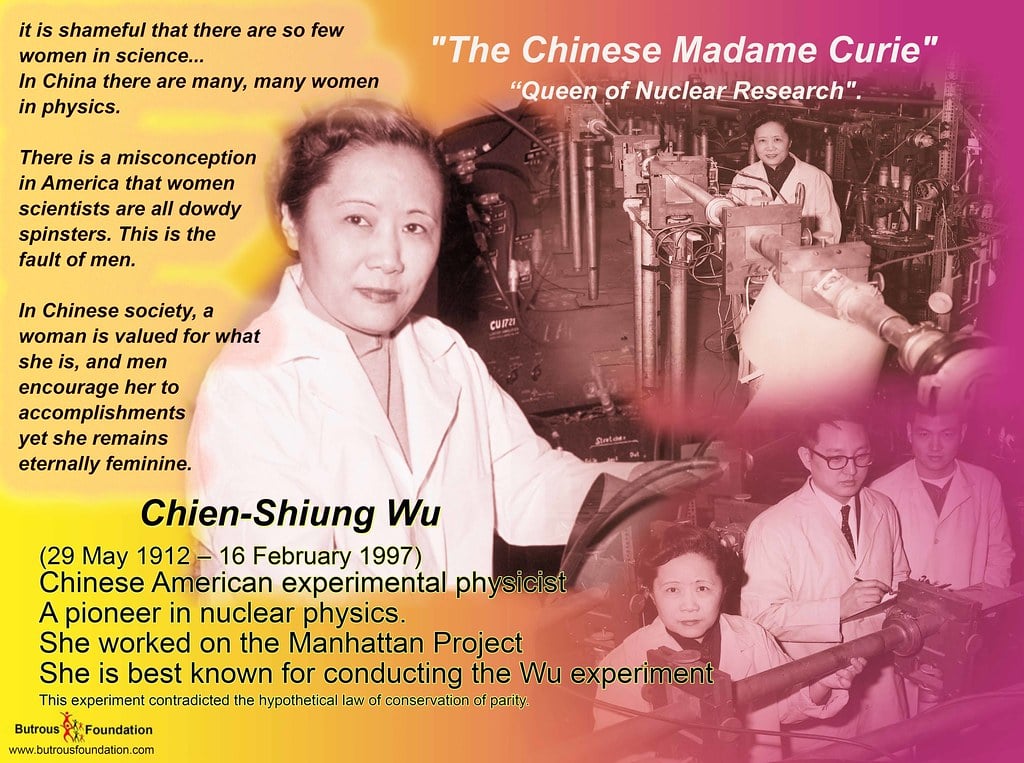
Wu designed and conducted the experiment that disproved a fundamental law of physics. Her work showed that the universe isn’t symmetrical—that identical particles don’t always behave the same way in mirror situations.
It was groundbreaking research that changed everything physicists thought they knew. The 1957 Nobel Prize in Physics went to two men, Tsung-Dao Lee and Chen-Ning Yang, who had made the theoretical prediction.
Wu, who did the actual work proving it, got nothing. She kept working, became the first woman to lead the American Physical Society, and continued making discoveries.
But ask anyone to name a famous physicist, and her name rarely comes up.
Nikola Tesla: The Genius Who Died Broke
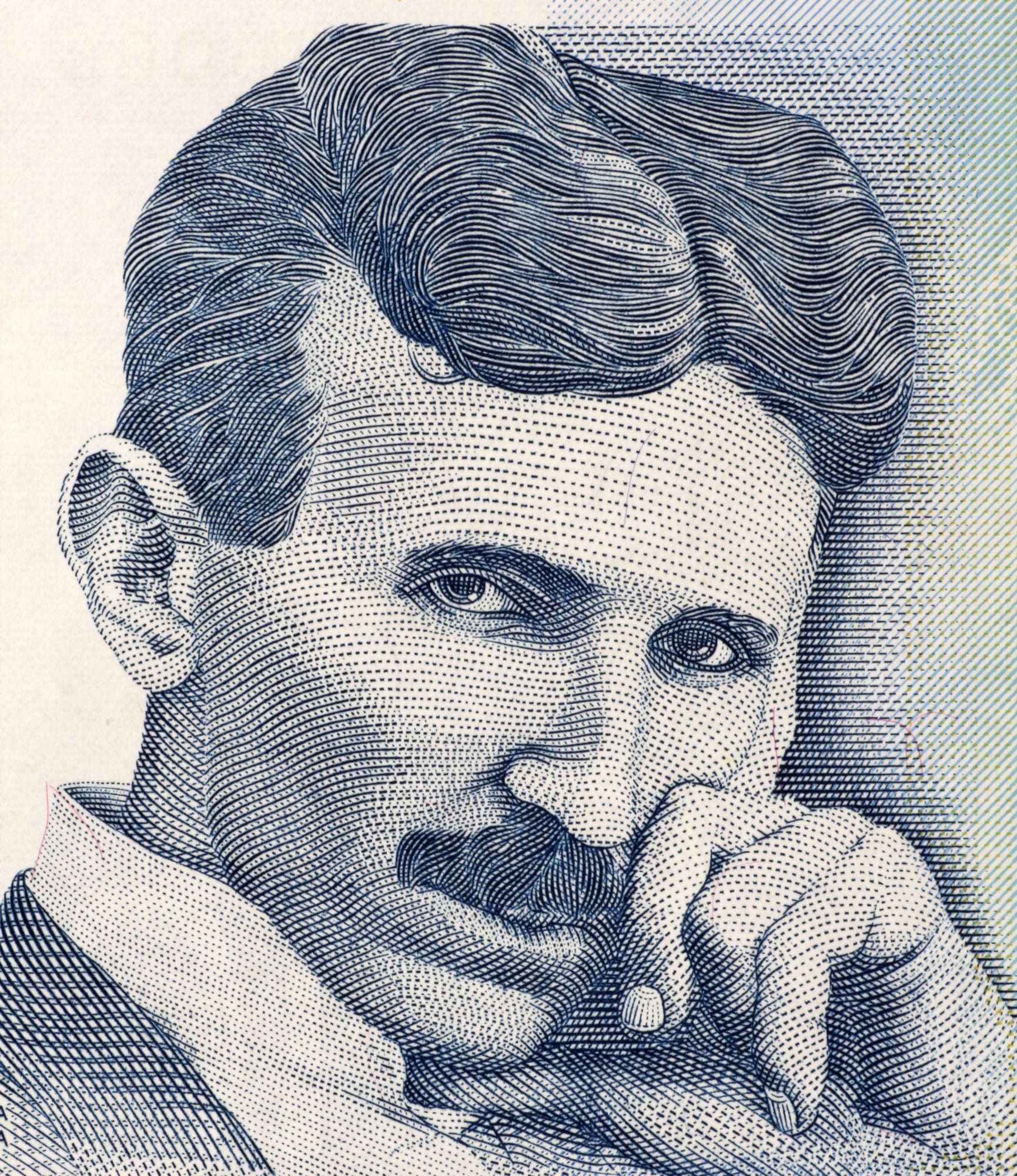
Tesla created the alternating current electrical system that powers most of the world. He invented the Tesla coil and held hundreds of patents.
He worked on wireless transmission systems and imagined a world where electricity could be transmitted without wires. But he was terrible at business and trusting the wrong people cost him everything.
Thomas Edison gets remembered as the great inventor, but he ran a ruthless marketing machine. Tesla just wanted to create.
His Wardenclyffe Tower project for wireless transmission never got completed. He died alone in a hotel room, feeding pigeons and barely able to pay his bills.
Meanwhile, his inventions were making other people rich.
Alice Augusta: A Leprosy Treatment at 23

Alice Augusta developed the first effective treatment for leprosy when she was barely out of college. She created a method to make chaulmoogra oil injectable, which gave thousands of people relief from a disease that had isolated them for centuries.
Then she died suddenly at 24, though the cause remains unknown. Her university president took credit for her work.
He published her method under his own name and called it the Dean Method. It took years before someone corrected the record and properly attributed it to her.
By then, most people had never heard of her.
Alan Turing: Saving Millions, Then Punished for Being Different
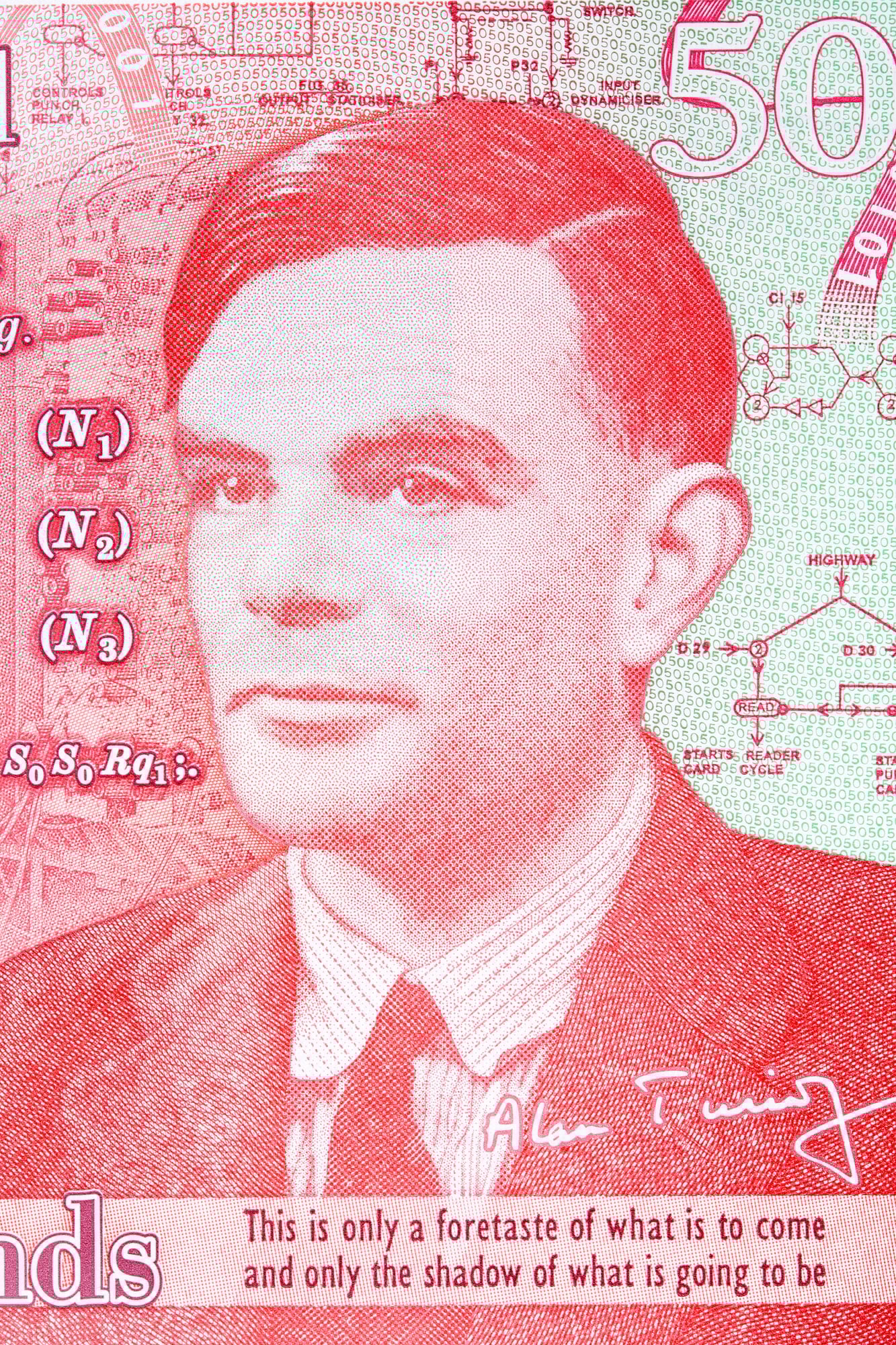
Turing broke the Nazi Enigma code. His work shortened World War II by years and saved countless lives.
After the war, he laid the groundwork for modern computing and artificial intelligence. But being gay was illegal in Britain at the time.
When authorities discovered his relationship with another man, they prosecuted him. He could choose between prison or chemical castration.
He chose the latter. Two years later, he died from cyanide poisoning at 41.
The official ruling was that he took his own life, though some historians dispute this and suggest the poisoning may have been accidental. Britain didn’t officially pardon him until 2013, nearly 60 years after his death.
Emmy Noether: The Mathematician Einstein Called a Genius

Noether created mathematical theorems that became essential to physics. Einstein himself said she was the most important woman in mathematics.
Her work on abstract algebra and theoretical physics still underpins how scientists understand the universe. But she couldn’t get a paid position at her university in Germany because she was a woman.
She taught under a male colleague’s name for years. When the Nazis came to power, she fled to America.
She died two years later from post-operative complications after surgery for an ovarian cyst. Most physics students learn her theorems without ever hearing her name.
Maurice Hilleman: The Man Who Saved Your Life

Hilleman developed more than 40 vaccines, including those for measles, mumps, rubella, hepatitis A and B, chickenpox, and meningitis. His vaccines have saved millions of lives.
You probably got several of them as a child. But ask people to name a famous scientist who created vaccines, and they’ll say Jonas Salk or Edward Jenner.
Hilleman worked at Merck for decades, quietly solving disease after disease. He never sought fame.
When he died in 2005, obituaries ran in scientific journals, but the wider world barely noticed.
Henrietta Lacks: Cells That Changed Medicine
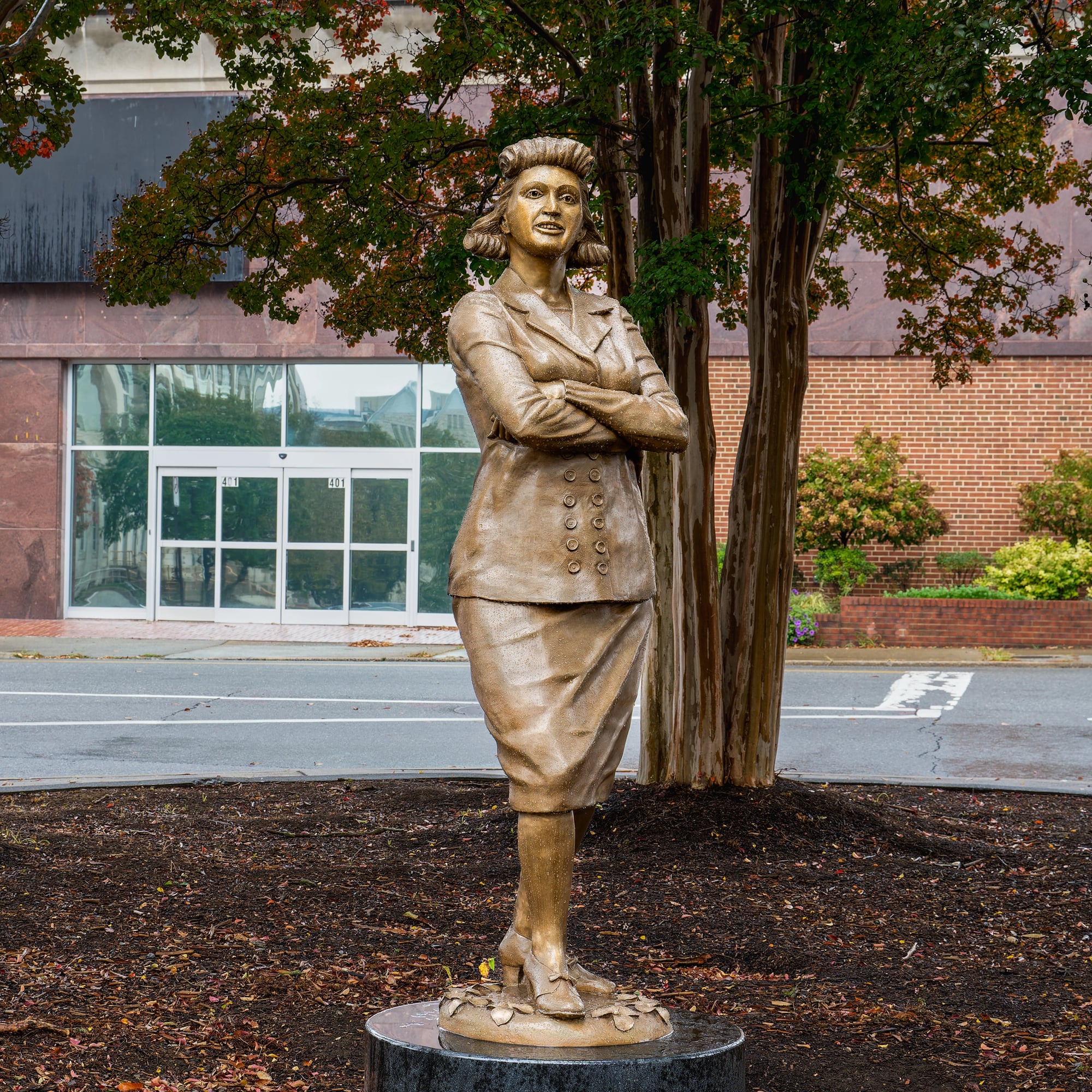
Lacks went to Johns Hopkins Hospital in 1951 for cervical cancer treatment. Doctors took a sample of her cells during treatment without asking permission—standard practice at the time.
Those cells, called HeLa cells, became the first immortal human cell line—they could reproduce indefinitely in labs. Scientists used her cells to develop the polio vaccine, study cancer, research viruses, test medications, and make countless medical advances.
Pharmaceutical companies made billions from products developed using her cells. Lacks died at 31, never knowing what happened to her tissue.
Her family didn’t find out until decades later, and they never received compensation.
Fritz Haber: The Man Who Fed Billions and Killed Millions
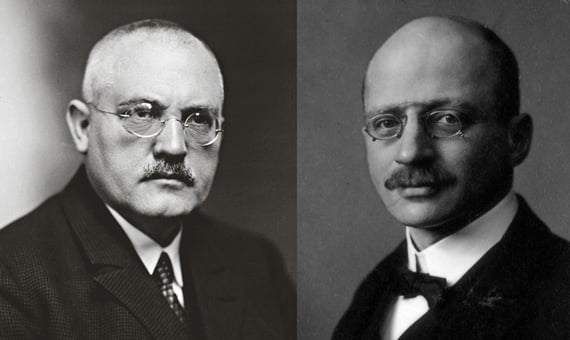
Haber figured out how to pull nitrogen from the air and turn it into fertilizer. His process made it possible to feed a growing global population.
Without it, billions of people wouldn’t have enough food. He won the Nobel Prize for chemistry.
But he also weaponized chlorine gas for Germany in World War I, creating modern chemical warfare. His wife, also a chemist, begged him to stop.
She died from what’s widely believed to be a self-inflicted gunshot with his service pistol, though some details remain uncertain. Haber kept working on chemical weapons.
Years later, he helped develop Zyklon A as an insecticide. The Nazis later developed Zyklon B, used in concentration camps—including ones where his own relatives died.
History doesn’t know what to do with him.
Katherine Johnson: Calculating the Path to the Moon
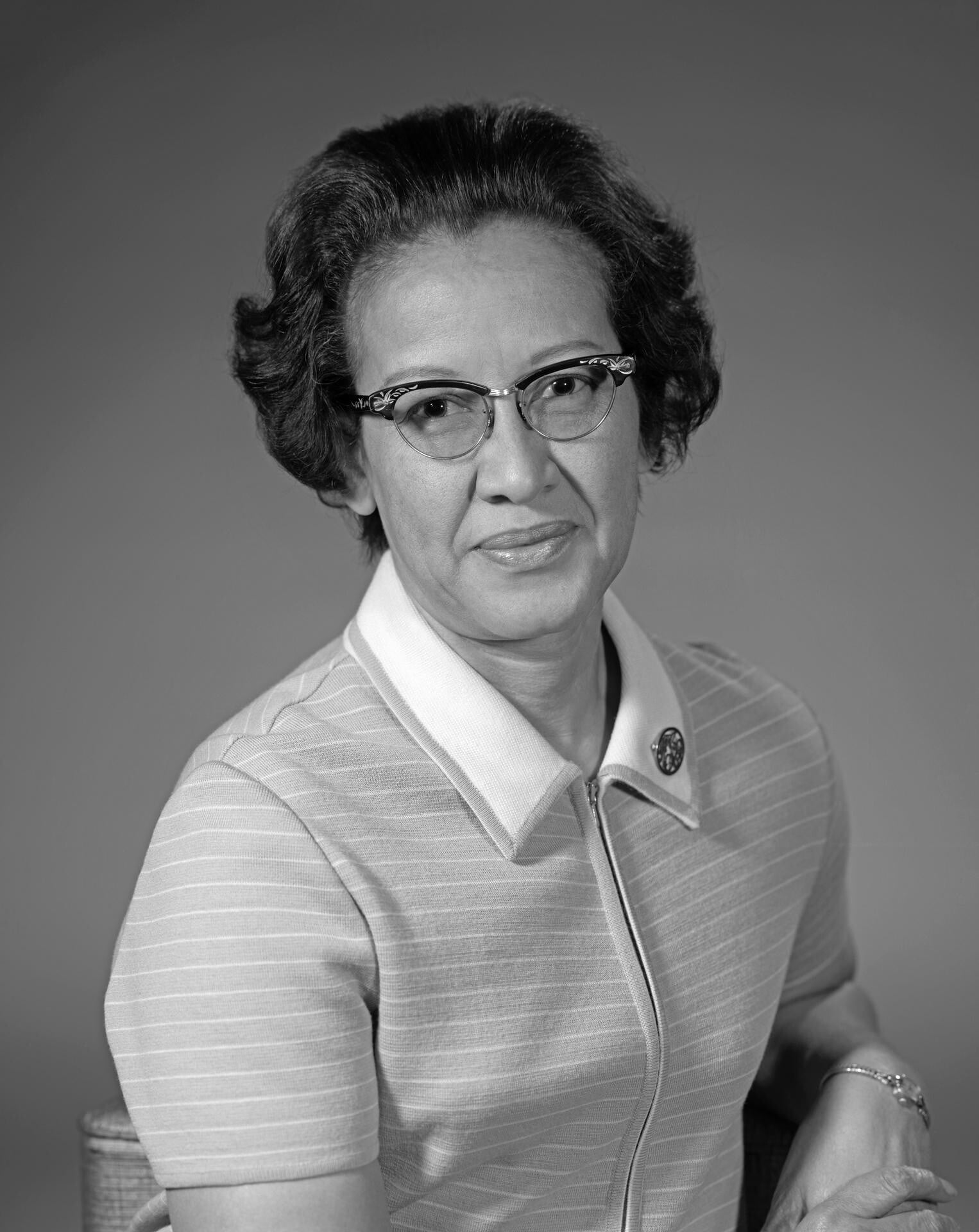
Johnson’s calculations were part of the team effort that sent astronauts to space and brought them back safely. When NASA switched to electronic computers for John Glenn’s orbital flight, the astronaut specifically asked for her to verify the numbers by hand because he trusted her calculations.
She worked on trajectories for the first Americans in space and contributed to the Apollo moon landing missions. But for decades, few people outside NASA knew her name.
She was a Black woman working in the segregated South during the space race. The 2016 film Hidden Figures finally brought her story to wider attention.
She was 97 by then.
Mary Anning: Finding Dinosaurs Before Anyone Knew What They Were

Anning and her brother Joseph discovered the first correctly identified ichthyosaur skeleton when she was 12—Joseph found the skull, and Mary uncovered the rest of the skeleton. Over her lifetime in the early 1800s, she found numerous important fossils along the English coast.
Scientists traveled from around the world to buy specimens from her. Her discoveries helped prove that extinction was real and that the Earth was far older than anyone thought.
But scientific societies wouldn’t let her join because she was a woman. Other scientists published papers based on her finds without crediting her.
She supported herself by selling fossils to tourists. When she died at 47, the Geological Society finally acknowledged her contributions—by writing an obituary, something they’d never done for someone who wasn’t a member.
James Harrison: The Man with the Golden Arm

Harrison has a rare antibody in his plasma that prevents Rhesus disease, a condition where a pregnant woman’s immune system attacks her baby. He started donating blood regularly in 1954.
Over his lifetime, he donated more than 1,100 times. His donations were instrumental in improving and mass-producing Anti-D injections that have saved millions of babies from brain damage and death.
Doctors estimate his contributions helped save over 2.4 million lives, including his own daughter’s baby. He never sought recognition for it.
He just kept showing up to donate, like someone going to work. Most people never heard of him until he made his final donation at 81, when Australian law required him to stop.
The Names That Slip Away

Every generation produces people who see things differently, who solve problems that seem impossible, who quietly improve life for everyone else. Most of them don’t get parades or prizes.
Some face opposition from the very people who should have supported them. Others simply do the work and move on, leaving their contributions behind like unsigned paintings.
You pass by their inventions every day. You benefit from their discoveries without knowing it.
Their ideas became so woven into ordinary life that people forgot someone had to think of them first. Maybe that’s the real mark of genius—not making history remember you, but making the world better anyway.
More from Go2Tutors!

- The Romanov Crown Jewels and Their Tragic Fate
- 13 Historical Mysteries That Science Still Can’t Solve
- Famous Hoaxes That Fooled the World for Years
- 15 Child Stars with Tragic Adult Lives
- 16 Famous Jewelry Pieces in History
Like Go2Tutors’s content? Follow us on MSN.