16 Ancient Love Potions That Were Poisonous
Love has always made people do crazy things, but throughout history, some folks took their romantic desperation to truly dangerous levels. Ancient civilizations believed that the right concoction could make anyone fall head over heels, leading to a thriving trade in love potions that were often more deadly than enchanting.
Here’s a list of 16 ancient love potions that could have killed you faster than Cupid’s arrow.
Spanish Fly

Despite its romantic reputation, Spanish fly was actually made from crushed blister beetles and contained a chemical called cantharidin. This substance caused severe burning in the urinary tract and digestive system — often leading to kidney failure. The Romans used it liberally in their love potions, yet they didn’t realize they were essentially poisoning their intended partners with each dose.
Mandrake Root

Medieval Europeans swore by mandrake root as the ultimate love charm. They believed its human-like shape held magical properties, though the root contains tropane alkaloids that cause hallucinations, seizures, and respiratory failure. People would slip it into wine or food, thinking they were brewing romance but actually serving up a potentially fatal neurological nightmare.
Deadly Nightshade
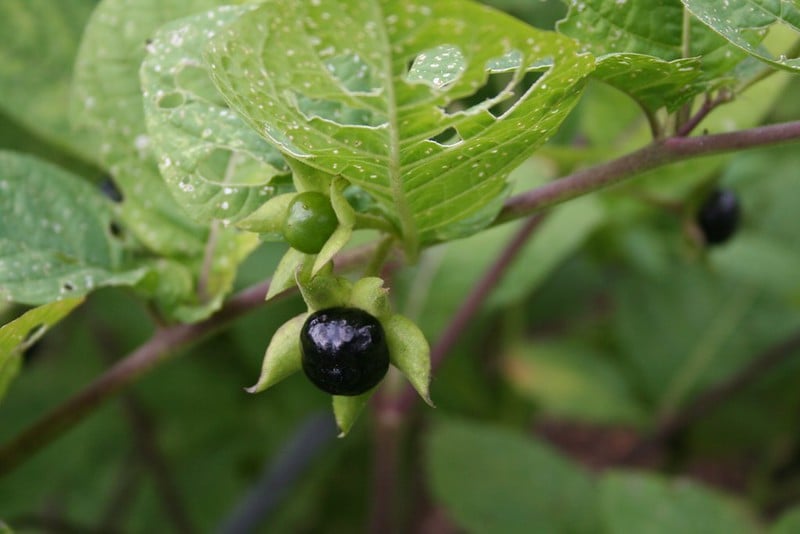
Also known as belladonna, this plant was a favorite ingredient in Renaissance love potions across Europe. The attractive dark berries contain atropine and scopolamine — which cause delirium, rapid heartbeat, and respiratory collapse. Italian women would even put drops of nightshade extract in their eyes to dilate their pupils, thinking it made them more attractive while slowly poisoning themselves.
Datura Seeds

Native American tribes and later European colonists used datura seeds in love magic, calling the plant ‘devil’s trumpet’ for good reason. The seeds contain powerful hallucinogens that can cause violent psychosis, coma, and death. Even small amounts would send people into terrifying delirium that could last for days — making it more of a nightmare potion than a love elixir.
Hemlock

Ancient Greeks included hemlock in some of their romantic concoctions, apparently not learning from Socrates’ famous encounter with this plant. Hemlock contains coniine, which causes progressive paralysis starting from the feet and moving upward until it reaches the respiratory system. The victim remains conscious throughout the entire process — making it one of the most terrifying ways to die from a love potion gone wrong.
Oleander

Mediterranean cultures used oleander flowers in love spells, attracted by their sweet fragrance and beautiful appearance. Every part of this plant contains cardiac glycosides that disrupt the heart’s electrical system — causing irregular heartbeats and cardiac arrest. Even honey made from oleander nectar could be lethal, meaning ancient lovers might’ve been poisoning themselves with a simple spoonful.
Foxglove

European folk healers added foxglove to love potions, believing its bell-shaped flowers would ‘ring in’ romance. The plant contains digitalis — the same compound used in modern heart medications but in dangerously concentrated amounts. Too much would cause the heart to beat irregularly or stop entirely, turning a romantic evening into a medical emergency.
Yew Berries

Celtic druids incorporated yew berries into their love magic, considering the tree sacred and eternal. While the red berry flesh is technically edible, the seeds contain taxine alkaloids that cause cardiac arrest within hours. Ancient lovers seeking eternal devotion might’ve gotten more permanence than they bargained for with this particular ingredient.
Castor Beans

Egyptian and Roman love potions sometimes included castor beans — prized for their supposed aphrodisiac properties. These innocent-looking beans contain ricin, one of the most potent natural toxins known to science. Just a few beans could cause severe organ failure, making this love potion ingredient more like a weapon than a romantic aid.
Wormwood

Medieval European love potions frequently featured wormwood — the same plant used to make absinthe centuries later. High concentrations of thujone in wormwood cause seizures, kidney failure, and brain damage. Ancient lovers might’ve experienced hallucinations they mistook for romantic visions, not realizing they were actually suffering from acute poisoning.
Henbane
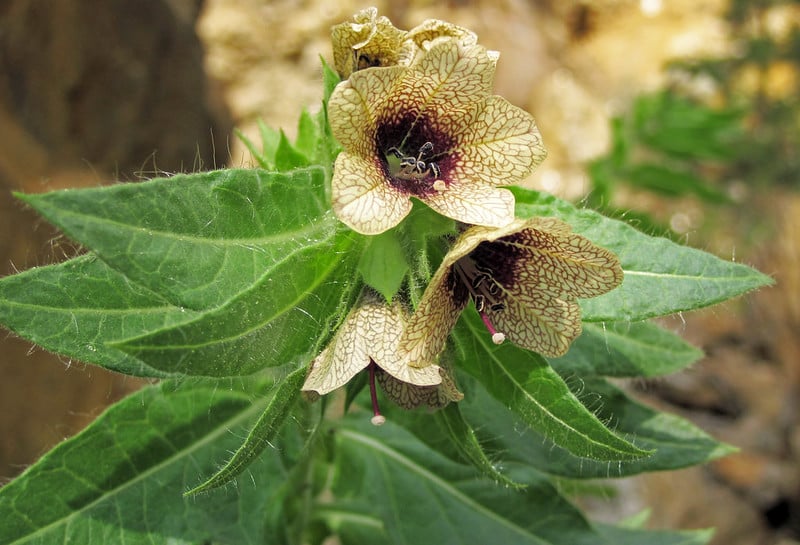
Anglo-Saxon and Germanic tribes used henbane in their love magic, calling it ‘devil’s eye’ for its distinctive appearance. The plant contains hyoscyamine and scopolamine, which cause delirium, respiratory depression, and coma. Medieval witches were said to use henbane in their flying ointments, though it was more likely to send users into a permanent sleep than on any magical journey.
Jimsonweed
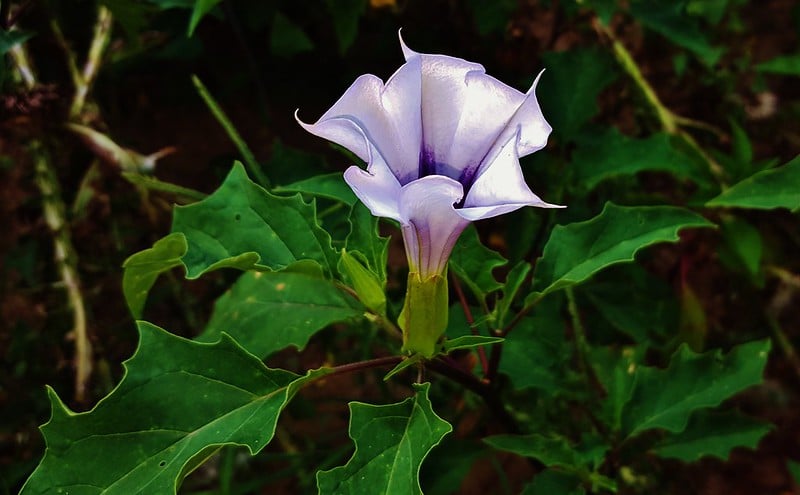
Native American and later Mexican love potions included jimsonweed, also known as thorn apple. This plant contains the same deadly alkaloids as datura, causing intense hallucinations and potentially fatal poisoning. The line between a spiritual experience and a medical emergency was razor-thin with this particular ingredient, making it incredibly dangerous for anyone seeking romantic enhancement.
Autumn Crocus

Ancient Greek and Roman love potions sometimes featured autumn crocus, mistaking it for the harmless saffron crocus. Autumn crocus contains colchicine, which causes massive organ failure resembling arsenic poisoning. The symptoms would appear hours after consumption, giving the poison plenty of time to work its deadly magic before anyone realized what was happening.
Pokeweed

Native American tribes and later Appalachian folk healers used pokeweed root in love magic, despite its notorious toxicity. The plant contains saponins and alkaloids that cause severe respiratory depression and cardiovascular collapse. Even small amounts could be fatal, making this love potion ingredient more like playing Russian roulette with romance rather than creating genuine attraction.
Larkspur

European love potions included larkspur flowers, attracted by their vibrant blue color and delicate appearance. The plant contains alkaloids that cause muscle paralysis and respiratory failure, similar to curare used on poison arrows. Ancient lovers seeking to be swept off their feet might’ve found themselves literally unable to stand instead, creating the opposite effect of what they desired.
Monkshood

Also called wolfsbane, monkshood was used in European love potions despite being one of the most poisonous plants in the Northern Hemisphere. The plant contains aconitine, which causes immediate cardiovascular collapse and neurological shutdown. Even touching the plant with bare hands could be dangerous, making it a particularly risky ingredient for any romantic concoction.
When Love Became a Battlefield

These ancient love potions reveal how desperately our ancestors sought romantic connection, even at the cost of their lives. Modern science has shown us that most of these ‘aphrodisiacs’ were actually powerful toxins that cause hallucinations, organ failure, and death rather than genuine attraction. The irony is striking—in their quest to find love, people were literally poisoning the very people they hoped to win over. Today’s understanding of chemistry and pharmacology has thankfully replaced these dangerous brews with safer expressions of affection, though the human desire for love remains just as powerful as ever.
More from Go2Tutors!

- The Romanov Crown Jewels and Their Tragic Fate
- 13 Historical Mysteries That Science Still Can’t Solve
- Famous Hoaxes That Fooled the World for Years
- 15 Child Stars with Tragic Adult Lives
- 16 Famous Jewelry Pieces in History
Like Go2Tutors’s content? Follow us on MSN.