16 Discontinued Drinks That People Still Crave
There’s something magical about the drinks of our past that modern beverages just can’t replicate. Maybe it was the neon colors that looked like they belonged in a science lab, or the wild flavor combinations that somehow worked perfectly together. These discontinued drinks didn’t just quench our thirst—they became part of our identity, our childhood memories, and our shared cultural experiences.
From energy drinks that packed more caffeine than should be legal to clear sodas that defied logic, the beverage graveyard is filled with drinks that people are still begging companies to bring back. Here’s a list of 16 discontinued drinks that continue to haunt the dreams of devoted fans everywhere.
Surge
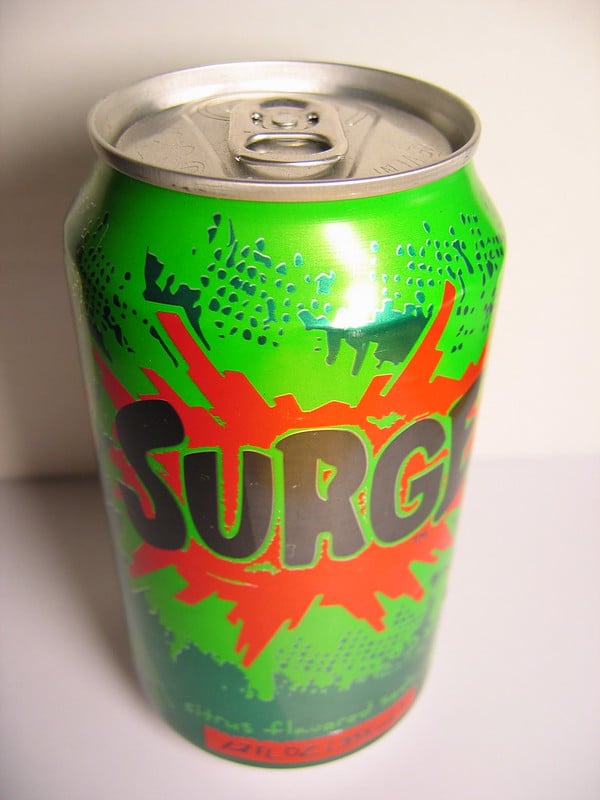
Coca-Cola’s answer to Mountain Dew was basically liquid adrenaline in a can. This citrus-based beverage was the cool soda of the ’90s, marketed as being extreme and packing a serious caffeine kick. With 51 milligrams of caffeine compared to Coke’s measly 40, Surge was essentially rocket fuel for teenagers. The drink perfectly captured the extreme sports culture of the decade, and its discontinuation in 2003 left a crack in many people’s hearts.
Hi-C Ecto Cooler

Originally created as a tie-in with The Real Ghostbusters cartoon in 1987, this orange-tangerine flavored green drink was expected to last only as long as the series but became so popular it survived until 2001. The fact that it was marketed as orange-flavored yet glowed like radioactive waste didn’t bother anyone—if anything, it made kids want it more. Even when Hi-C tried to rebrand it as ‘Shoutin’ Orange Tangergreen’ and later ‘Crazy Citrus Cooler,’ store receipts would still show it as ‘Ecto Cooler’.
Josta

Pepsi’s high-energy citrus soda from 1995 to 1999 was largely considered the first energy drink released by a major soda company in the United States. It featured both guarana and caffeine, making it ahead of its time in the energy drink game. The beverage focused on fruit flavor rather than pure sweetness, which was revolutionary for its era. Josta disappeared just as the energy drink market was about to explode, leaving fans wondering what could have been.
Zima
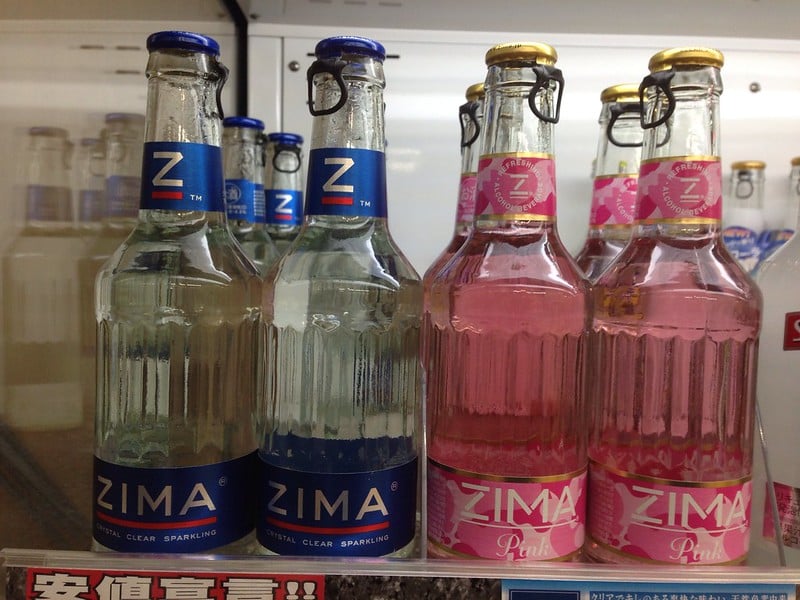
Created by Coors in 1993, this clear, citrus-flavored malt beverage contained less than 5% alcohol and was part of the ‘clear craze’ that marketed transparency as purity. Think Crystal Pepsi but with a buzz. While many found it disgustingly unpalatable, it skyrocketed to success initially before sales waned until its discontinuation in 2008. Zima was the drink equivalent of that friend everyone either loved or couldn’t stand—there was no middle ground.
Tab

Coca-Cola’s original diet soda launched in 1963 and pioneered the calorie-free beverage market, maintaining a dedicated cult following for an impressive 57 years. By the 1970s, Tab was the most popular diet drink in the U.S., with devotees describing its flavor as clean with hints of lemon and bubble gum. When Diet Coke arrived in 1982, Tab began its long decline, but loyal fans kept it alive until Coca-Cola finally discontinued it in 2020.
Vault

This Coca-Cola energy drink ran from 2005 to 2011 and was essentially a sweetened energy drink that many considered the spiritual successor to Surge. Vault marketed itself as a hybrid that combined mainstream soda sweetness with serious caffeine content. It was often compared to Mello Yello and Surge, filling that gap for people who wanted their sugar rush with an energy boost. The discontinuation left energy drink fans scrambling for alternatives that never quite measured up.
Coca-Cola Blak

This experimental coffee-flavored cola had an unusual taste with a creamy coffee consistency that actually frothed when poured. Launched in 2006, it was Coca-Cola’s attempt to create a sophisticated adult beverage that combined coffee culture with cola tradition. The drink fizzled out due to off-brand packaging and niche marketing strategy. Looking back, Coca-Cola Blak was simply ahead of its time—today’s cold brew coffee craze might have embraced it.
Crystal Pepsi

— Photo by homank76
Pepsi’s clear cola experiment from 1992 was part of the early ’90s obsession with transparent products. The idea was simple: take away the caramel coloring but keep the cola flavor. Despite the clear appearance, it was supposed to taste like regular Pepsi, but the concept floundered in a huge way. Crystal Pepsi became the poster child for marketing gimmicks that look good on paper but confuse consumers in practice.
Pepsi Blue

This neon-blue, berry-flavored soda launched in the early 2000s was Pepsi’s attempt to outshine Coca-Cola Vanilla with something completely different. Despite celebrity endorsements and integration into pop culture, its candy-like taste didn’t resonate with consumers, and the Big Blue experiment ended by 2004. The bright blue color was both its selling point and its downfall—people weren’t ready for soda that looked like antifreeze.
Slice

This fruit juice soda line had about a 20-year run and was unique for its time because each can contained 10% real fruit juice. The brand offered multiple fruit flavors and had an army of devoted fans before it was eventually phased out around 2005. Slice experienced a brief resurgence in 2018 as sparkling water rather than soda, but it wasn’t the same nostalgic flavor people remembered. Sometimes innovation means sacrificing what made the original special.
Orbitz
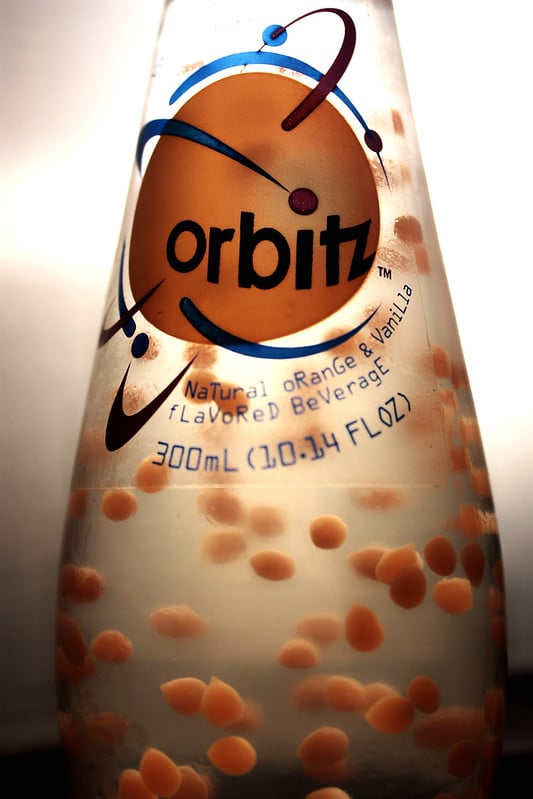
Launched in 1997, this beverage stood out with its translucent liquid and floating gelatinous bits, resembling a drinkable lava lamp. The drink was marketed as ‘texturally enhanced,’ but the unsettling texture divided consumers, leading to its discontinuation by 1998. Most people weren’t ready for drinks that looked like lava lamps, and Orbitz became a cautionary tale about pushing boundaries too far. The concept was either brilliant or completely insane—probably both.
OK Soda
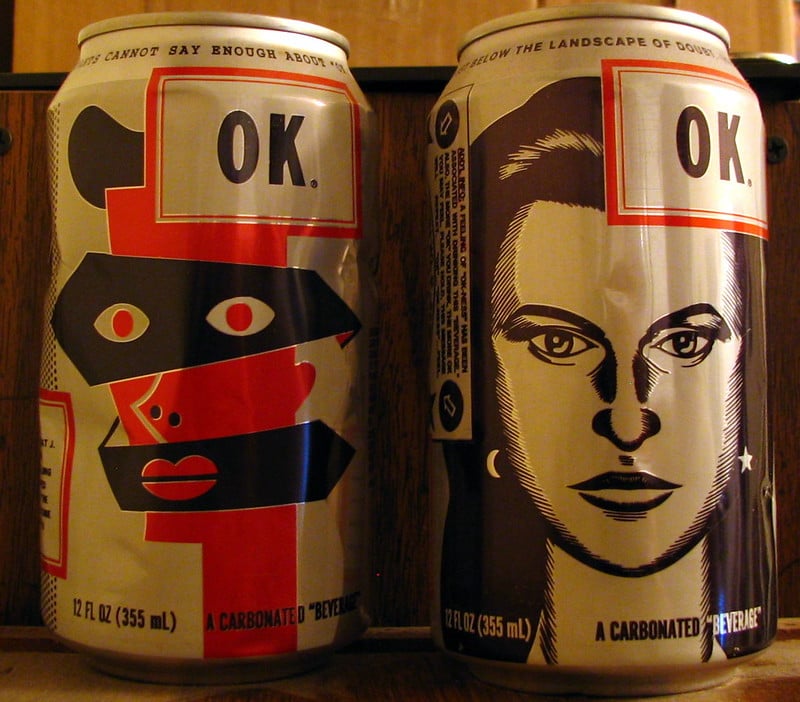
Launched in 1993, this was Coca-Cola’s bizarre attempt to tap into grunge-era counterculture with cryptic messages and a consumer feedback hotline. The marketing featured some of the strangest advertisements ever seen, targeting Gen X with an intentionally anti-establishment vibe. It might have been the most depressing product ever created, disappearing from shelves after just two years. OK Soda was either too weird for mainstream America or not weird enough for the alternative crowd it was targeting.
Hubba Bubba Soda

This pink bubblegum-flavored beverage was released in 1988 but discontinued in less than five years. The taste came from a bubblegum-flavored snow cone syrup rather than the actual Hubba Bubba recipe, created by a fan who secured the rights from Wrigley. Even with a diet version alongside the original, the concept of bubblegum-flavored soda proved too weird for most consumers. Sometimes the things that sound amazing in theory don’t translate well to reality.
Fruitopia

This psychedelic fruit drink line from Coca-Cola was part of the trippy beverage culture of the ’90s. With flavors that had names like ‘Strawberry Passion Awareness’ and ‘Citrus Consciousness,’ Fruitopia was less about quenching thirst and more about expanding your mind through fruit juice. The brand tried to capture the new age spirituality movement in liquid form, complete with kaleidoscope packaging and philosophical marketing. Fruitopia was eventually phased out as the world moved on from its groovy ideals.
New Coke
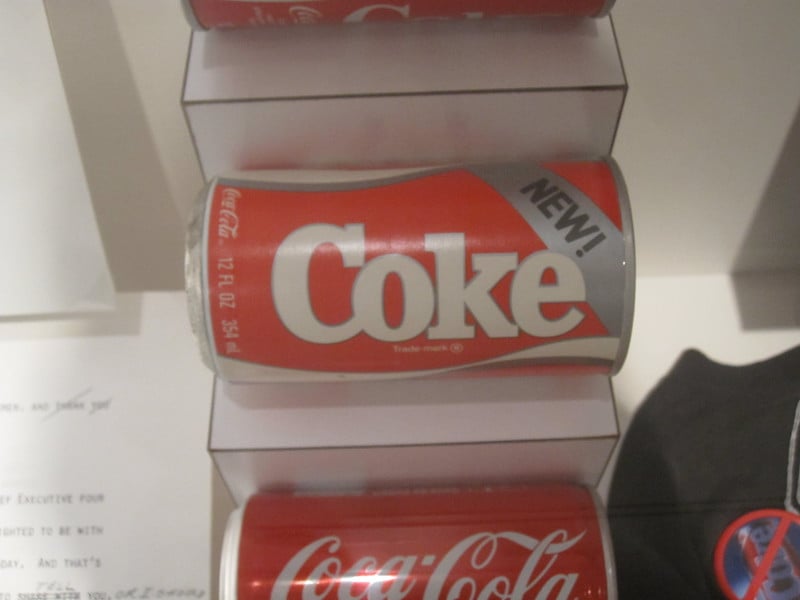
One of Coca-Cola’s biggest mistakes was releasing this reformulated version of Coke in 1985 to compete with Pepsi after the Pepsi Challenge campaigns. The public reaction was so overwhelmingly negative that Coca-Cola brought back the original formula in just two months. New Coke became a business school case study in how not to mess with a beloved product. Ironically, the failure helped people realize how much they loved original Coke, making it one of the most successful failures in marketing history.
Sprite Remix

Launched in 2003, this tropical twist on classic Sprite brought flavors like Berryclear and Aruba Jam to the lemon-lime soda. The drink was a hit with the 2000s remix culture that was dominating music and fashion. Sprite Remix offered three different tropical fruit flavors that transformed the familiar citrus base into something completely new. The line was eventually discontinued as Sprite returned to its classic formula, but fans of the tropical variations still long for those summer-in-a-can flavors that perfectly captured the early 2000s vibe.
Looking Back at Liquid Nostalgia
The discontinuation of these drinks represents more than just corporate decisions about profit margins and market share. These beverages became part of our cultural DNA, reminding us of special times in our lives and creating lasting impressions beyond simple thirst-quenching. Each one tells a story about the era it came from—whether it was the extreme sports culture that birthed Surge, the clear product obsession that gave us Crystal Pepsi, or the energy drink revolution that Josta helped pioneer. While some have been fortunate enough to see limited returns thanks to loyal fanbases and rigorous petitioning, most remain relegated to resell sites and specialty retailers. The passionate online communities and ongoing campaigns to revive these drinks prove that sometimes what we lose is more valuable than what we gain.
More from Go2Tutors!

- 16 Historical Figures Who Were Nothing Like You Think
- 12 Things Sold in the 80s That Are Now Illegal
- 15 VHS Tapes That Could Be Worth Thousands
- 17 Historical “What Ifs” That Would Have Changed Everything
- 18 TV Shows That Vanished Without a Finale
Like Go2Tutors’s content? Follow us on MSN.