16 Artifacts Found in the Wrong Places
Archaeological discoveries don’t always happen where you’d expect them to. Sometimes the most fascinating finds turn up thousands of miles from where they should be, challenging everything we thought we knew about ancient trade routes, migration patterns, and cultural connections.
These misplaced treasures tell stories that textbooks often miss. When artifacts show up in unexpected locations, they force archaeologists to rewrite history books and reconsider how our ancestors lived, traveled, and traded.
Here is a list of 16 remarkable artifacts that were discovered far from their expected homes.
Roman Coins in Japan

In 2013, archaeologists working at Katsuren Castle in Okinawa stumbled upon something completely unexpected: Roman and Ottoman coins dating back centuries. The Roman coins were particularly puzzling since they predated any known contact between Japan and the Roman Empire by hundreds of years.
These bronze pieces somehow made their way across continents and oceans, likely through complex trade networks that connected the Mediterranean to East Asia. The discovery suggests that ancient trade routes were far more extensive and interconnected than previously imagined.
Chinese Artifacts in Kenya

Along Kenya’s coast, archaeologists have unearthed Chinese porcelain, coins, and other artifacts dating back to the 15th century. These finds appeared long before European explorers like Vasco da Gama reached the region, proving that Chinese traders were navigating the Indian Ocean centuries earlier than Western history books typically acknowledge.
The artifacts match items from China’s Ming Dynasty, indicating direct trade relationships between East Africa and China that flourished without European involvement.
Like Go2Tutors’s content? Follow us on MSN.
Nordic Coins in North America
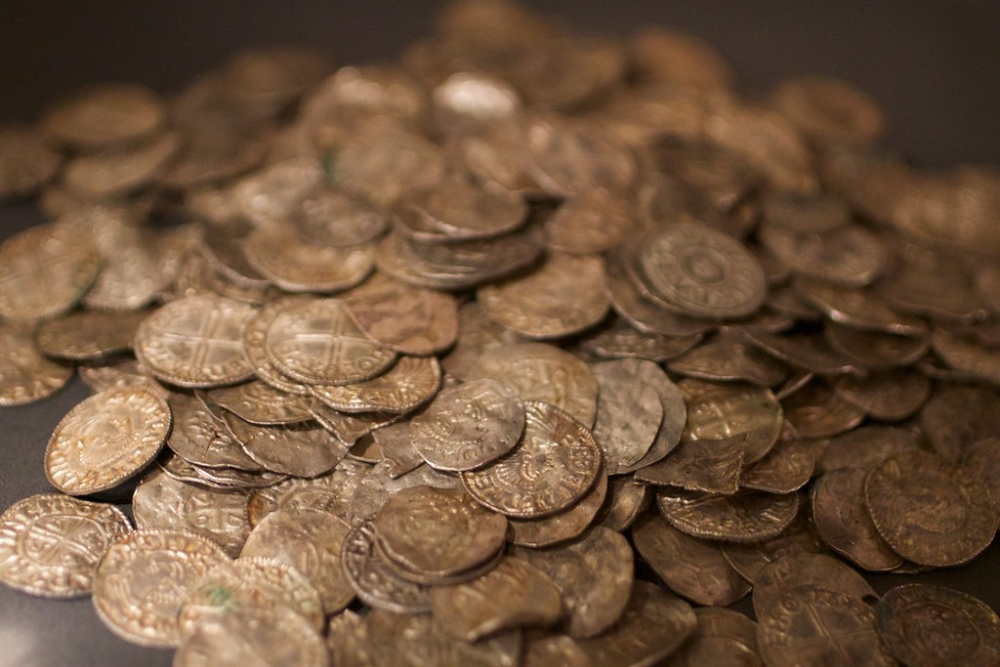
Long before Columbus set sail, Norse explorers were apparently dropping coins in what would become Canada. A 12th-century Norwegian coin was discovered at an archaeological site in Maine, far from any known Viking settlement.
The coin’s presence suggests either that Norse expeditions reached much further south than previously thought, or that extensive trade networks existed between different Native American groups who passed items across vast distances.
Cocaine in Egyptian Mummies

German toxicologist Svetlana Balabanova shocked the archaeological world in the 1990s when she found traces of cocaine and nicotine in ancient Egyptian mummies. Since these substances come from plants native only to the Americas, their presence in 3,000-year-old Egyptian remains seemed impossible.
The discovery sparked heated debates about pre-Columbian contact between the Old and New Worlds, though some scientists argue the results could be explained by contamination or the existence of similar alkaloids in Old World plants.
Roman Glassware in Japan

Roman glass fragments have turned up at multiple Japanese archaeological sites, some dating to periods when direct Roman-Japanese contact was historically impossible. These delicate pieces somehow survived journeys across the Silk Road and maritime trade routes, ending up in Japanese burial sites and settlements.
The glass represents some of the finest Roman craftsmanship, suggesting it was highly valued and carefully transported across thousands of miles.
Like Go2Tutors’s content? Follow us on MSN.
Pre-Columbian Chickens in Chile

Chicken bones found in Chile predate European arrival by at least a century, creating a puzzle about how these birds reached South America. Since chickens originated in Southeast Asia, their presence in pre-Columbian America suggests either transpacific contact or that chickens were domesticated independently in the Americas.
Recent DNA analysis of the bones has only deepened the mystery, as the genetic signatures don’t match what researchers expected.
Ancient DNA in Unexpected Populations

Genetic studies have revealed Polynesian DNA in Native American populations along South America’s Pacific coast, dating back centuries before any recorded contact. This genetic evidence suggests that Polynesian navigators reached the Americas and interbred with local populations long before European colonization.
The discovery rewrites the story of human migration and contact between Pacific cultures.
Roman Artifacts in India

Roman coins, pottery, and other artifacts regularly turn up at archaeological sites across southern India, evidence of thriving trade relationships that existed 2,000 years ago. These finds demonstrate that Roman merchants were active participants in Indian Ocean commerce, exchanging Mediterranean goods for Indian spices, textiles, and precious stones.
Some sites have yielded so many Roman artifacts that they suggest permanent Roman trading posts existed in ancient India.
Like Go2Tutors’s content? Follow us on MSN.
Chinese Silk in Egypt

Silk fragments found in Egyptian tombs predate the famous Silk Road by several centuries, indicating that Chinese silk was reaching the Mediterranean world much earlier than historians previously believed. These delicate fibers somehow survived desert conditions and thousands of years, preserving evidence of ancient trade connections.
The silk’s presence in royal Egyptian burials shows it was considered extremely valuable and exotic.
Viking Artifacts in Arctic Canada
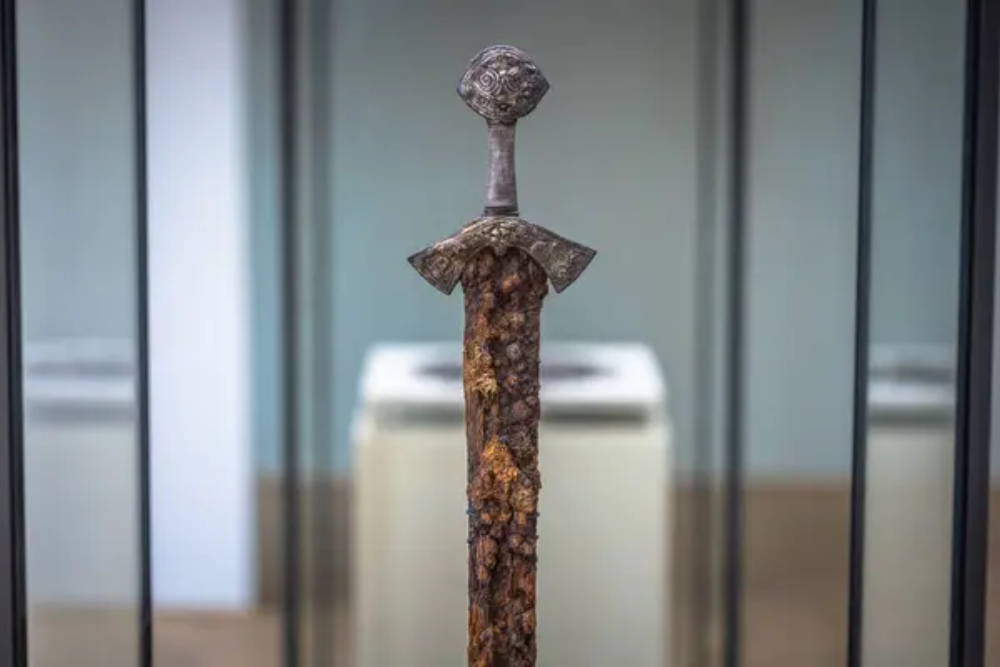
Norse artifacts have been discovered across the Canadian Arctic, far from established Viking settlements in Greenland and Newfoundland. These finds include metal tools, woven cloth, and other distinctly European items that somehow reached Inuit communities in the High Arctic.
The artifacts suggest either that Vikings explored much further into Arctic waters than previously known, or that trade networks extended across the polar regions.
Stone Tools in Australia

Advanced stone tools found in northern Australia show technological similarities to tools from Southeast Asia, but they appeared on the continent thousands of years before any known migration wave. These sophisticated implements suggest either that early human migration to Australia was more complex than currently understood, or that technological innovation occurred independently in multiple locations.
The tools challenge standard models of how early humans spread across the Pacific.
Like Go2Tutors’s content? Follow us on MSN.
European Diseases in Pre-Columbian America

Archaeological evidence of European diseases in Native American remains predates Columbus by decades, suggesting earlier contact between the continents. Skeletons showing signs of smallpox and other Old World diseases have been found in contexts that predate 1492, indicating that disease transmission occurred before the official ‘Age of Exploration.’
This evidence implies sporadic contact between Europe and America happened much earlier than recorded history suggests.
Mediterranean Pottery in Britain

Roman and Greek pottery has been found at British archaeological sites that predate the Roman invasion by centuries. These ceramic pieces reached Britain through trade networks that connected the Mediterranean to northern Europe, showing that British tribes were participants in continental commerce long before Roman legions arrived.
The pottery often shows up in high-status burials, indicating it was considered prestigious and exotic.
Asian Spices in Medieval Europe

Archaeological analysis of medieval European sites has revealed Asian spices in contexts that predate established spice trade routes by hundreds of years. These exotic seasonings somehow reached European kitchens and monasteries through overland routes that historians are still trying to map.
The spices’ presence suggests that medieval trade networks were more extensive and sophisticated than previously imagined.
Like Go2Tutors’s content? Follow us on MSN.
Polynesian Plants in South America

Botanical evidence shows that several Polynesian plant species were growing in South America before European contact, indicating transpacific agricultural exchange. Sweet potatoes, which originated in South America, somehow reached Polynesia and became a staple crop there centuries before Europeans arrived in either region.
This agricultural evidence supports theories of pre-Columbian contact between Pacific cultures.
African Artifacts in the Caribbean

Pre-Columbian archaeological sites in the Caribbean have yielded artifacts with clear African origins, including distinctive pottery styles and metal working techniques. These finds suggest that African peoples reached the Caribbean before Columbus, either through intentional voyages or by accident.
The artifacts challenge traditional narratives about who reached the Americas first and when cultural exchange began between continents.
Bridging Ancient Worlds

These misplaced artifacts remind us that our ancestors were far more connected than we often assume. Ancient peoples weren’t isolated in their corners of the world—they were curious, adventurous, and remarkably good at moving valuable items across vast distances.
Trade routes stretched across oceans and continents, carrying not just goods but ideas, technologies, and even people themselves. Each unexpected discovery forces us to expand our understanding of how sophisticated and interconnected the ancient world really was, proving that globalization isn’t nearly as modern as we thought.
Like Go2Tutors’s content? Follow us on MSN.
More from Go2Tutors!

- 16 Historical Figures Who Were Nothing Like You Think
- 12 Things Sold in the 80s That Are Now Illegal
- 15 VHS Tapes That Could Be Worth Thousands
- 17 Historical “What Ifs” That Would Have Changed Everything
- 18 TV Shows That Vanished Without a Finale
Like Go2Tutors’s content? Follow us on MSN.