15 Movies That Flopped But Became Classics
The box office doesn’t always get it right. Some films arrive at the wrong time, get misunderstood by critics, or just fail to connect with audiences during their theatrical run.
But years later, these same movies find their audience through home video, streaming, or simple word of mouth. They become the films people quote, reference, and revisit more than the blockbusters that dominated that same year.
What makes a flop turn into a classic varies. Sometimes the themes were ahead of their time.
Sometimes the marketing failed to capture what made the film special. And sometimes, people just needed distance to appreciate what was actually on screen.
The Shawshank Redemption

This prison drama earned seven Oscar nominations but barely made back its budget during its 1994 theatrical run. Audiences chose Forrest Gump and Pulp Fiction instead.
But cable television changed everything. TNT and other networks played it constantly, and slowly, people discovered it.
Now it sits at the top of IMDb’s all-time rankings, and nearly everyone has seen it at least once. The film works because it doesn’t rush.
Frank Darabont lets the story breathe across decades, and you feel the weight of time passing. Morgan Freeman’s narration guides you through without forcing emotion, and the friendship at its core feels earned rather than manufactured.
Blade Runner

Ridley Scott’s 1982 film about a detective hunting replicants in a dystopian Los Angeles confused audiences and critics alike. The theatrical cut had problems—a clunky voiceover, an out-of-place ending—but even in that compromised form, something haunted people about it.
The film lost money initially, barely scraping past its production budget. Years later, Scott released multiple director’s cuts, each one refining his vision.
The world he created influenced countless films, games, and books. The rain-soaked streets, the neon signs, the philosophical questions about what makes us human—all of it became foundational to the cyberpunk genre.
The Thing
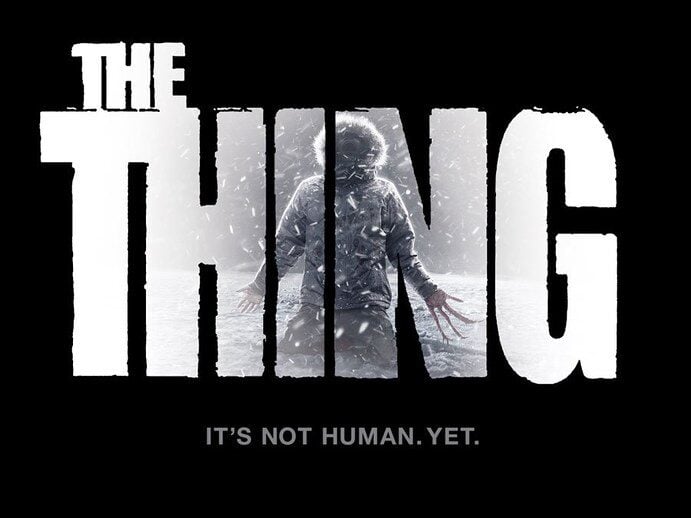
John Carpenter’s 1982 horror film arrived two weeks after E.T., which probably didn’t help. Audiences wanted friendly aliens that summer, not a shape-shifting creature that could imitate anyone.
Critics called it too gross, too nihilistic. It earned less than $20 million against a $15 million budget.
But horror fans kept watching it. They appreciated the practical effects, which still hold up today.
They noticed how Carpenter builds paranoia between the characters, how the Antarctic setting traps everyone together, how you never quite know who’s been infected. It became a Halloween staple, then a genre masterpiece.
Office Space

Mike Judge’s 1999 comedy about corporate drudgery barely made $12 million theatrically. Fox didn’t know how to market it, and the studio basically let it disappear.
Then Comedy Central started airing it. College students quoted it.
Office workers recognized their own frustrations in every scene. The film captures something specific about late-’90s office culture—the cubicles, the meaningless TPS reports, the passive-aggressive managers.
But it also speaks to anyone who’s ever felt trapped in a job that slowly drains your soul. The humor works because it doesn’t exaggerate.
This is exactly how offices function.
Fight Club

David Fincher’s 1999 adaptation of Chuck Palahniuk’s novel earned mixed reviews and disappointed at the box office, making just $37 million domestically. Fox executives didn’t understand what they had, and audiences stayed away from what looked like a movie about guys punching each other.
DVD changed everything. People watched it multiple times, catching details they missed, debating what it all meant.
The twist works on rewatch. The critique of consumer culture resonated more as people had time to think about it.
Now it’s one of the most quoted films of its era, referenced constantly in other media.
The Big Lebowski

The Coen Brothers followed their Oscar-winning Fargo with this stoner comedy that made less than $50 million worldwide. Critics were lukewarm.
Audiences expected something different. The film came and went without much impact in 1998.
Then people started hosting Lebowski Fests. The film spawned a religion—Dudeism—with ordained ministers.
Every line became quotable. The shaggy plot structure, which confused people initially, became part of its charm.
Jeff Bridges’ Dude became an icon of laid-back wisdom in a stressed-out world.
It’s a Wonderful Life
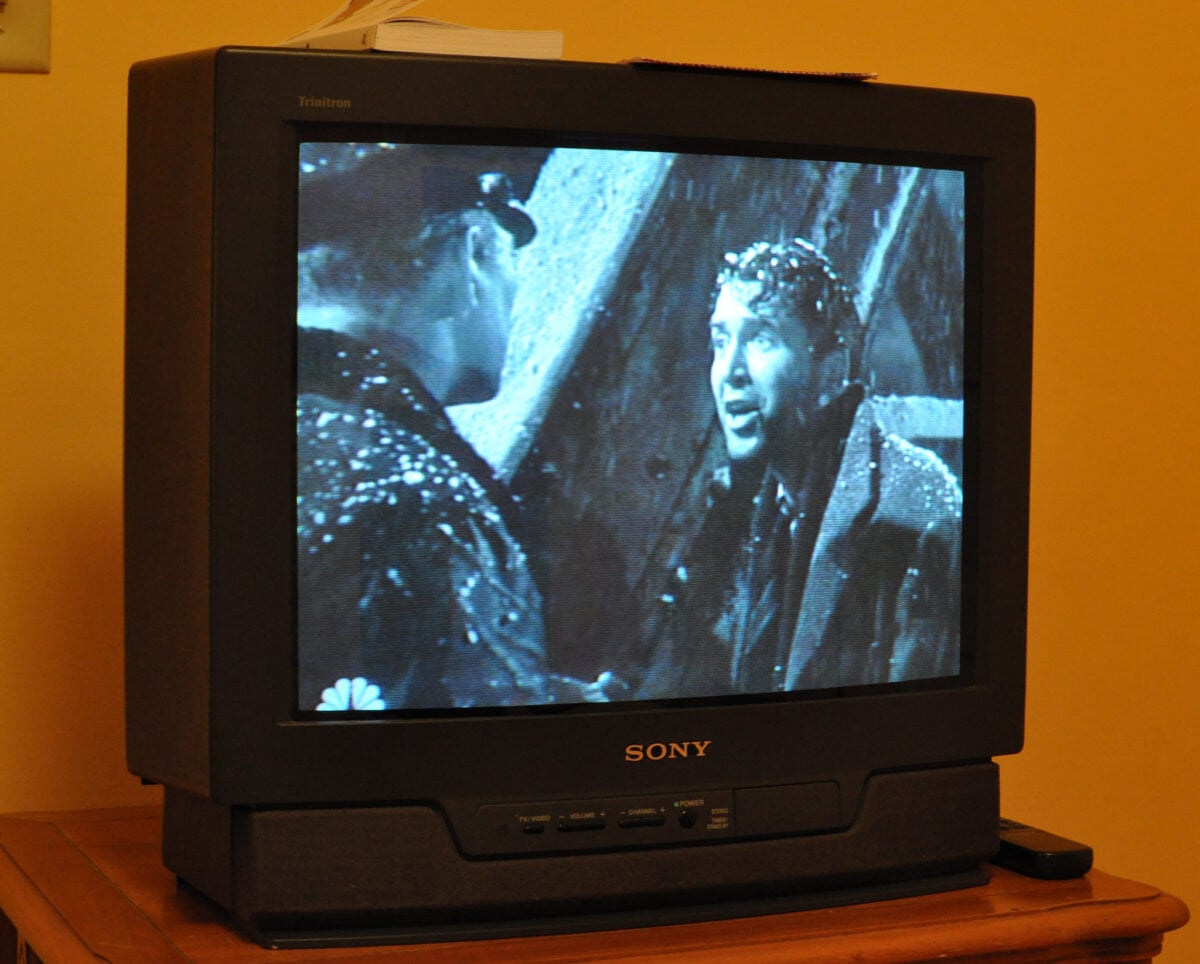
Frank Capra’s 1946 Christmas film lost money and disappointed its studio. Critics dismissed it as overly sentimental.
The film faded from memory and might have stayed forgotten except for one thing: the copyright lapsed in 1974. Suddenly every TV station could air it for free during the holidays.
Constant television exposure turned it into tradition. Families watched it every December.
The story of George Bailey seeing what the world would look like without him struck deeper chords with each generation. What seemed too sweet in 1946 felt necessary by the 1980s.
Scott Pilgrim vs. the World
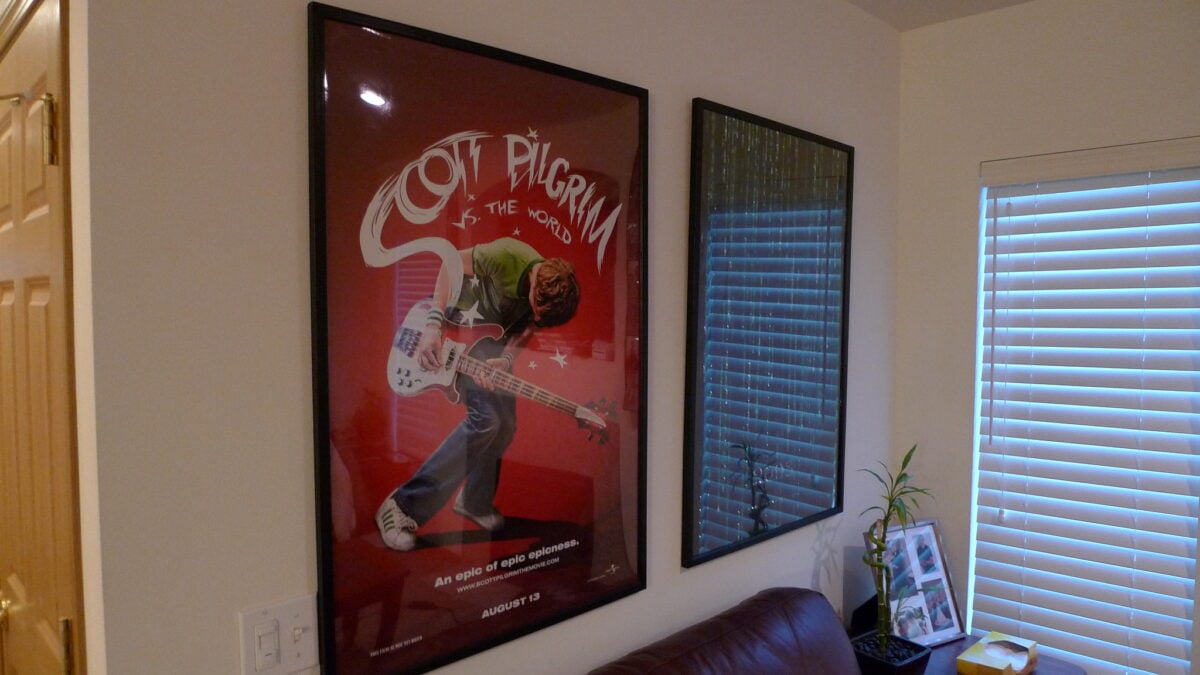
Edgar Wright’s 2010 adaptation of the graphic novels cost $85 million and earned just $48 million worldwide. The marketing confused people who didn’t know the comics.
The video game aesthetic felt too niche. Universal had a major flop on their hands.
But the home video release found its audience. People appreciated Wright’s visual creativity, the way he translates comic panels and gaming logic to film.
The soundtrack became beloved. The cast—Mary Elizabeth Winstead, Aubrey Plaza, Brie Larson, Anna Kendrick—all became bigger stars, bringing new fans back to discover the film.
The Iron Giant
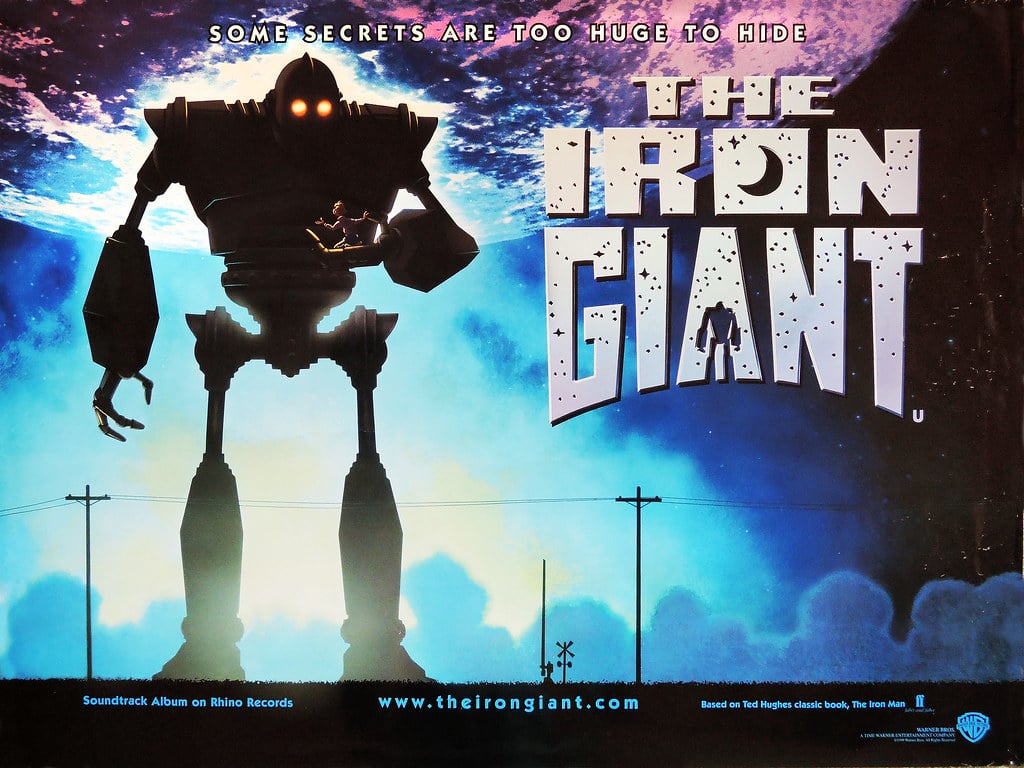
Brad Bird’s 1999 animated film about a boy and his robot barely earned $31 million against its $70 million budget. Warner Bros. gave it almost no marketing support.
Most people never knew it existed during its theatrical run. The studio wrote it off as a failure.
Cartoon Network started airing it, and suddenly kids who missed it in theaters discovered something special. The film balances humor and heart without talking down to its audience.
The Cold War paranoia backdrop gives it weight. That final sacrifice still makes people cry.
Bird went on to direct The Incredibles and Ratatouille, but this remains his most personal film.
Heathers
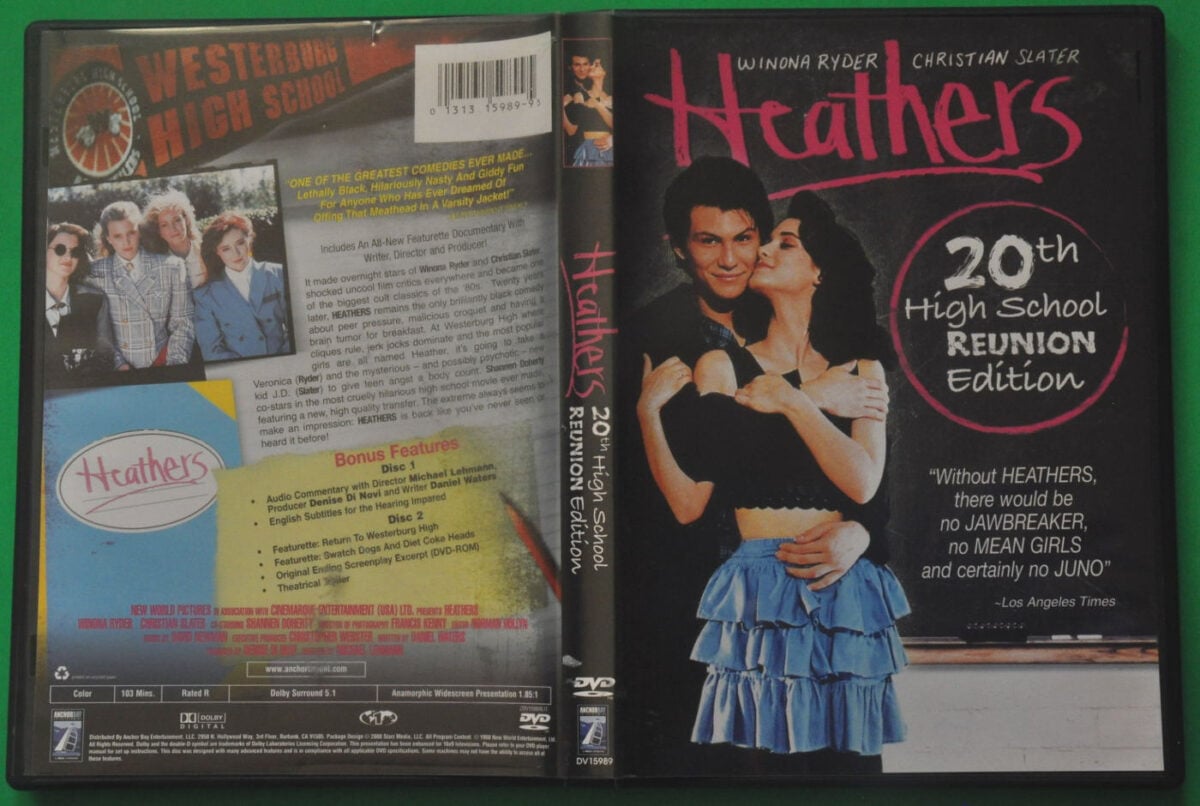
This dark 1988 comedy about teen self-harm and murder earned just $1.1 million theatrically. The subject matter was too dark for the mainstream late-’80s audience, and New World Pictures didn’t know how to position it.
The film disappeared quickly. But it found life on video rentals.
People passed around tapes, sharing this twisted take on high school hierarchies. The dialogue became endlessly quotable. Winona Ryder’s performance launched her into stardom.
Christian Slater channeled Nicholson perfectly. The film influenced everything from Jawbreaker to Mean Girls, even if those later films softened the edges considerably.
The Wizard of Oz
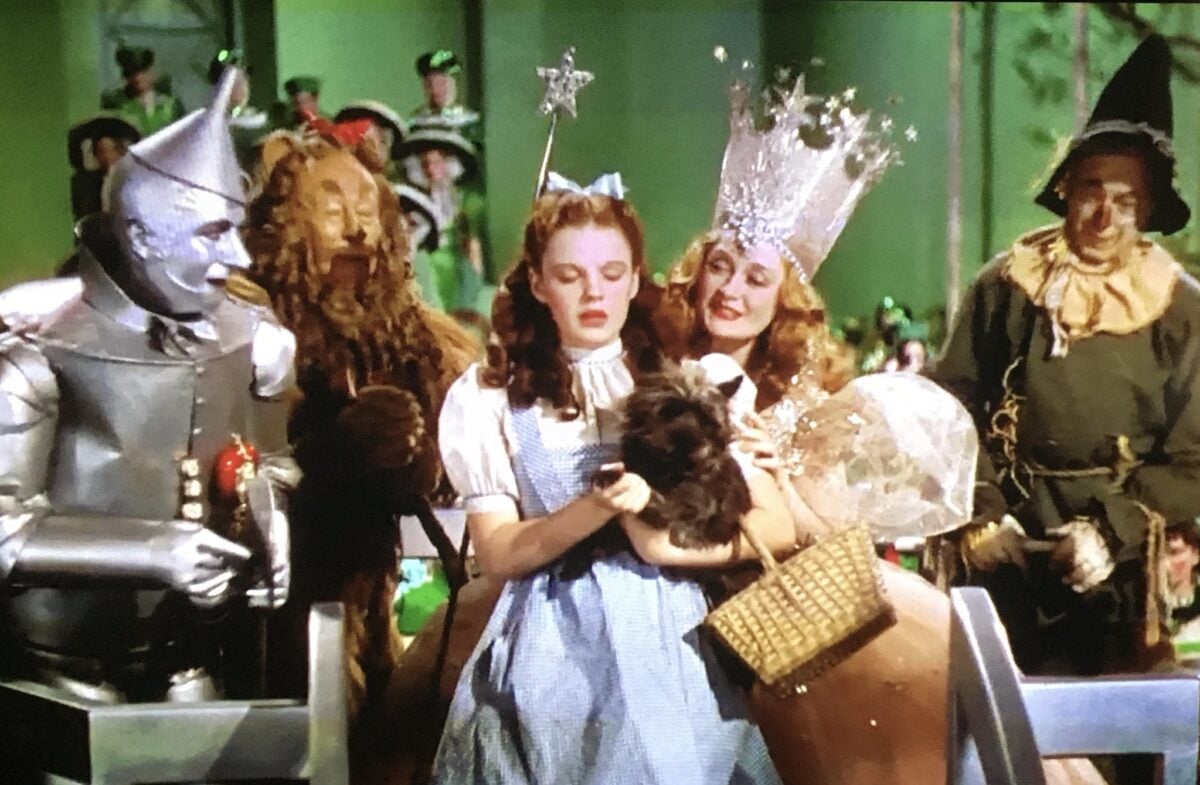
Hard to believe now, but this 1939 classic lost money during its initial release. MGM spent so much on production that the film couldn’t recoup its costs despite decent ticket sales.
The studio considered it a commercial disappointment. It took decades of television broadcasts for the film to become the cultural touchstone everyone knows today.
Television transformed it into an annual event. Families gathered to watch Dorothy’s journey to Oz.
The songs became standards. The ruby slippers became iconic.
What started as an expensive gamble turned into one of the most beloved films ever made, but only through patient years of rediscovery.
Donnie Darko
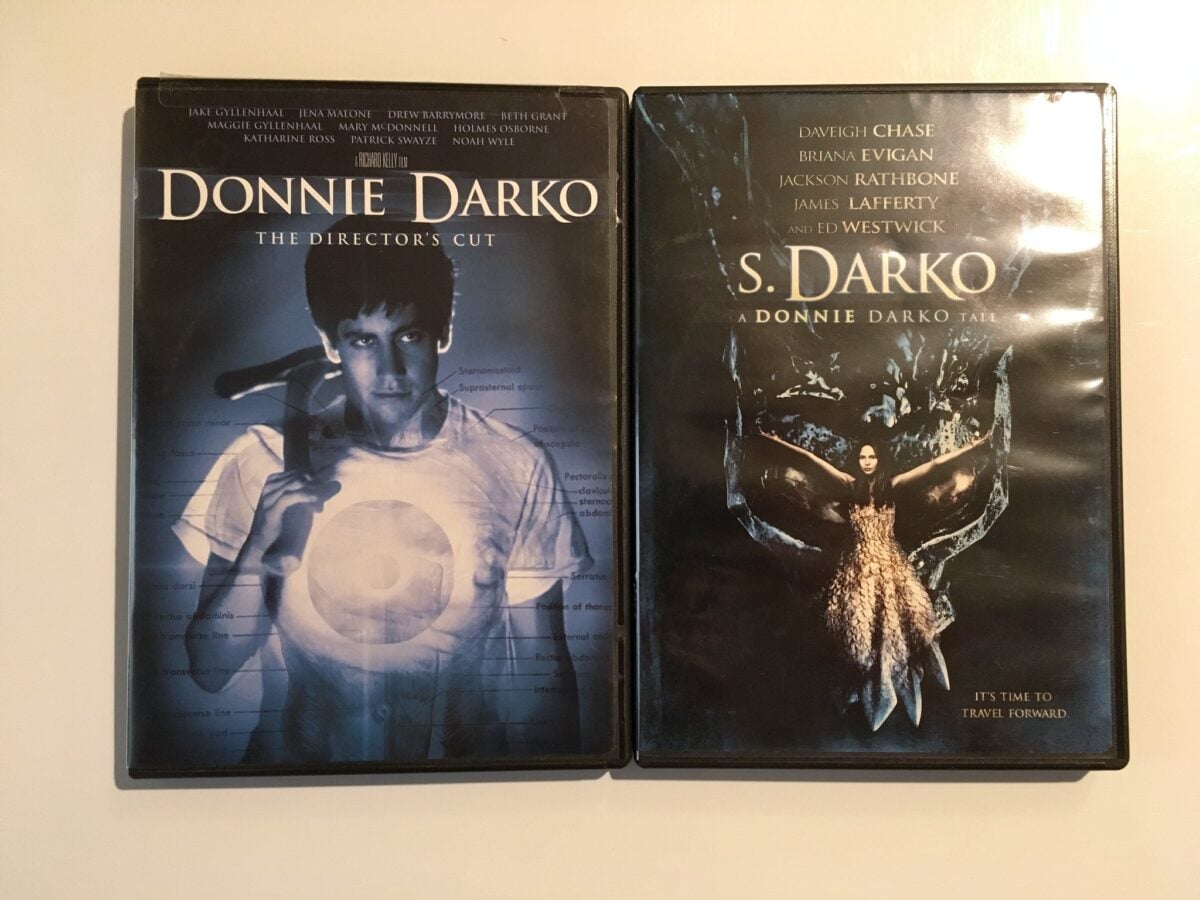
Richard Kelly’s 2001 mind-bender about time travel and teenage angst earned just $7.5 million worldwide. It opened in October 2001, just weeks after September 11th, and nobody wanted to see a movie about a plane engine falling from the sky.
The studio pulled it quickly. Then the DVD happened. College students obsessed over the timeline, the philosophy, the ambiguous ending.
The director’s cut added clarity that some wanted and others rejected. The soundtrack—with its use of “Mad World”—became instantly recognizable.
The film became a midnight movie staple, the kind of thing you watched with friends and debated for hours afterward.
The Shining
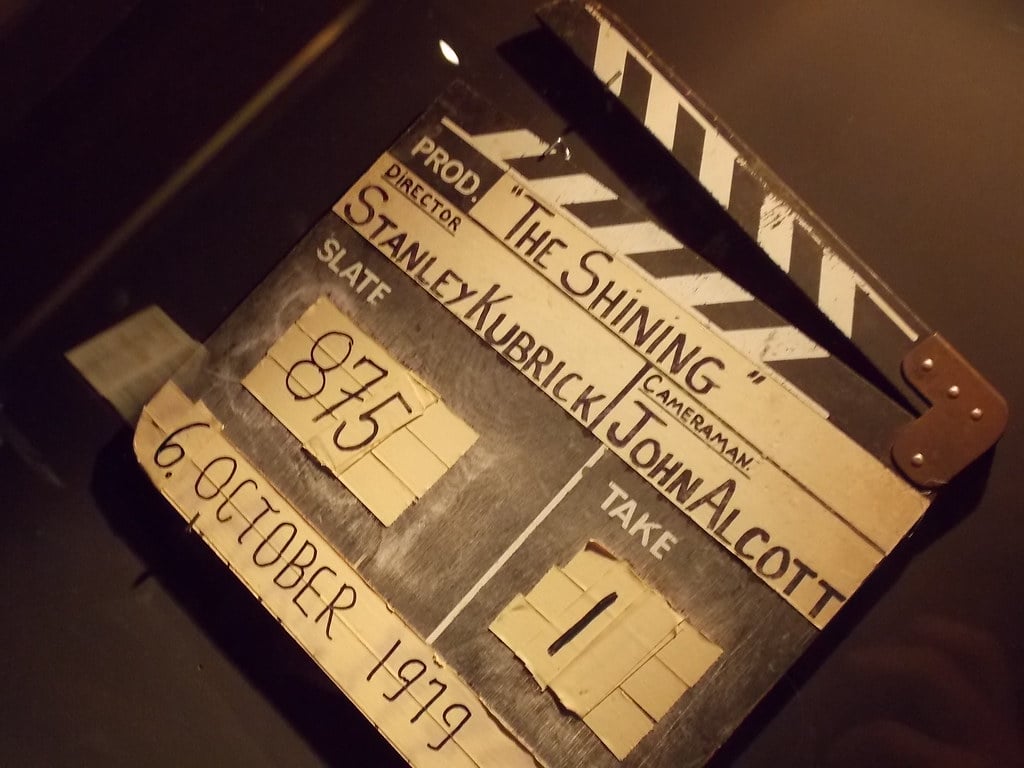
Stanley Kubrick’s 1980 horror film disappointed Warner Bros. with its box office returns and earned mixed reviews. Stephen King hated how Kubrick changed his book.
Audiences found it slow and confusing compared to other horror films. It seemed like a rare Kubrick misfire.
Years passed, and people kept returning to it. They noticed the symmetry in Kubrick’s compositions, the steadicam work that glides through the Overlook Hotel, the ambiguity about what’s real and what’s haunted.
Room 237 became infamous. “Here’s Johnny!” entered the pop culture lexicon. Now it’s considered one of the greatest horror films ever made, studied endlessly for its technique and themes.
Willy Wonka & the Chocolate Factory

This 1971 musical adaptation earned modest returns against its budget and received mixed reviews. Paramount didn’t promote it heavily, and it faded quickly.
Gene Wilder’s performance as the eccentric chocolatier didn’t initially connect with audiences the way it would later. But kids discovered it on television throughout the 1970s and 80s.
The Oompa Loompa songs became earworms. The pure imagination sequence inspired countless imaginations.
The darker edges—kids getting eliminated one by one—gave it a strange tension that Disney films lacked. Multiple generations grew up with it, and each new group of kids finds something magical in Wonka’s factory.
The Room
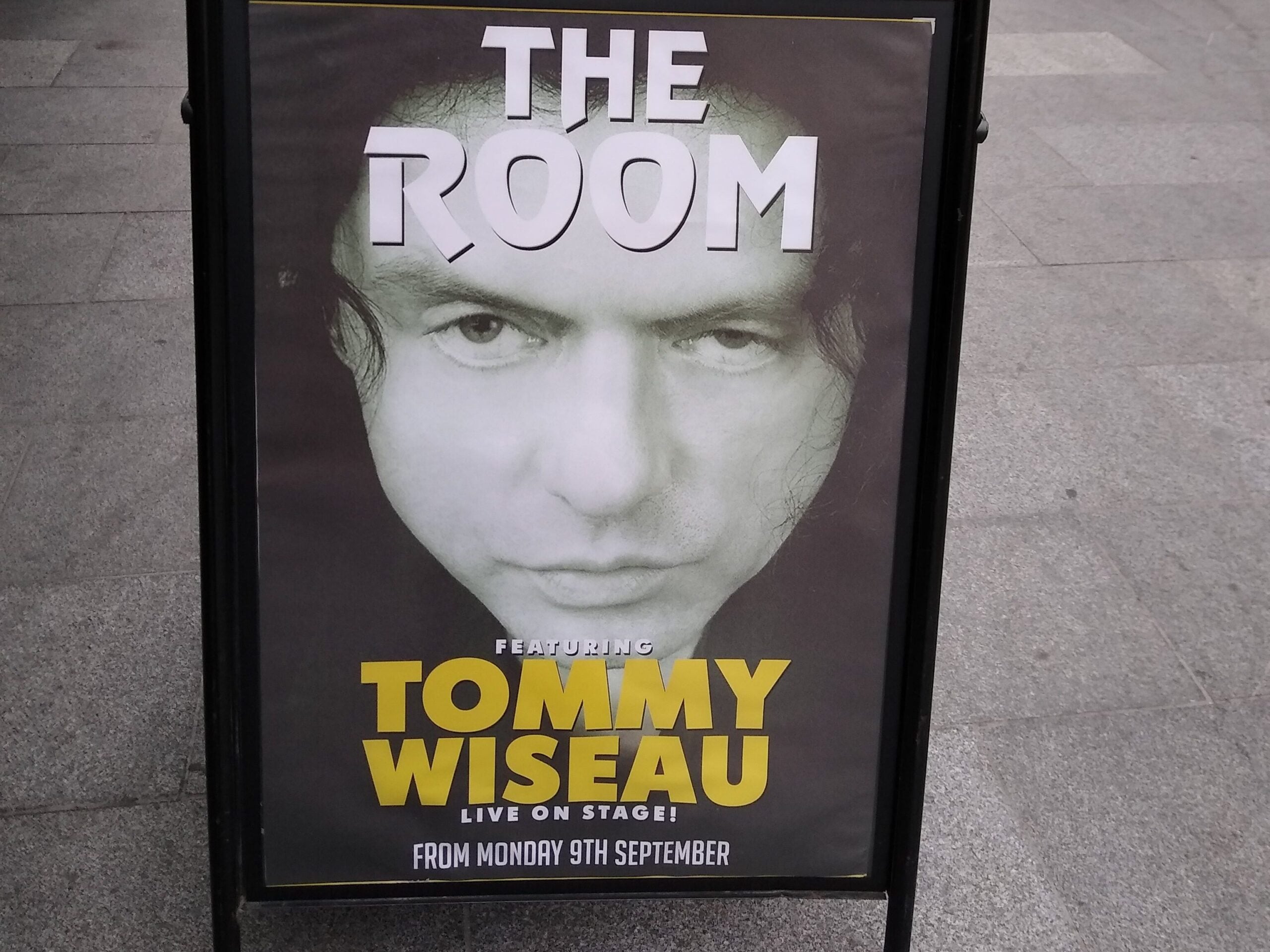
That movie by Tommy Wiseau from 2003 bombed so hard it turned into a myth. Six million dollars vanished, yet nearly zero came back during its theater run.
Reviewers labeled it among cinema’s absolute lowest points. Plot? Nonsense rules every scene.
Performances? Words cannot capture how odd they feel. As for technique, each effort collapses on arrival.
Midnight showings popped up, folks tossing spoons while shouting out the weirdest lines. What was terrible turned into fun somehow.
A movie emerged later, crafted by James Franco, digging into how this oddity came to be. Wiseau found fame not through skill, but because his work confused everyone so deeply it looped back around to being compelling.
Not your usual masterpiece, yet still iconic in its own way – flopped hard commercially, then exploded culturally.
When Failure Turns Into Something Different

Something connects these movies besides underperforming at theaters. A few viewers showed up later, drawn by a feeling they couldn’t name.
Others overlooked what those fans noticed right away. Over time, being ignored faded in importance.
Staying seen came down to one person passing it on, then another finding meaning where none seemed to exist. Weekend numbers tell part of a story. Decades on, though, real weight shows differently.
Repeat viewings trace their path. Cultural echoes mark their reach. Influence slips quietly into new work.
Time often finds the right shelf for certain movies.
More from Go2Tutors!

- The Romanov Crown Jewels and Their Tragic Fate
- 13 Historical Mysteries That Science Still Can’t Solve
- Famous Hoaxes That Fooled the World for Years
- 15 Child Stars with Tragic Adult Lives
- 16 Famous Jewelry Pieces in History
Like Go2Tutors’s content? Follow us on MSN.