16 Banknotes So Weird They Were Pulled Within Months
Money isn’t just for transactions. When designed well, currency becomes a nation’s portable art gallery and history museum rolled into one. But sometimes central banks miss the mark spectacularly, creating designs so bizarre, offensive, or downright hilarious that they’re yanked from circulation before the ink has properly dried.
Here is a list of 16 banknotes that were so strange or problematic that they didn’t last more than a few months in circulation.
The Fruit-Scented Five

The Canadian five-dollar note released in 1995 was embedded with scratch-and-sniff maple syrup microcapsules. The novelty wore off fast when people realized the scent transferred to everything in their wallets.
The notes were recalled after just 74 days when shop owners complained about sticky cash registers and the unexpected aroma that lingered for hours after transactions.
The Invisible Queen

In 2002, Hungary printed commemorative notes with a special ink that disappeared when exposed to heat. The designers didn’t consider that wallets get warm in pockets.
Thousands of Hungarians found themselves holding blank papers instead of money. The central bank scrambled to withdraw the notes within six weeks after reports of merchants refusing to accept the “ghost money.”
Like Go2Tutors’s content? Follow us on MSN.
The Accidentally Explicit Watermark

Thailand’s 50 baht note from 1996 contained a watermark that, when held at certain angles, resembled an inappropriate image. The government denied any intentional design flaw but still managed to recall 90% of the notes within two months.
Collectors now pay hundreds for these rare specimens, making this printing error surprisingly profitable for some.
The Misprinted Archipelago

Indonesia’s 2010 commemorative 100,000 rupiah note featured a map that accidentally gave several disputed islands to neighboring countries. The diplomatic incident forced an emergency recall just three months after release.
Officials claimed it was a “simplification error,” but neighboring nations weren’t convinced.
The Politically Outdated Currency

East Germany printed millions of new banknotes in early 1990, just months before reunification made them obsolete. The notes featured industrial scenes that no longer represented the country’s shifting identity.
They were withdrawn after only 87 days in circulation as the currency union made them worthless relics of a vanishing state.
Like Go2Tutors’s content? Follow us on MSN.
The Upside-Down Landmarks

Australia’s 1988 commemorative 10-dollar note somehow made it through quality control with the Sydney Opera House printed upside down. The error wasn’t noticed until after distribution, leading to an embarrassing recall campaign.
The mint director famously quipped it was “a perfect representation of how things work down under.”
The Notes That Melted

Kuwait introduced polymer banknotes in 2007 without properly testing them in the country’s extreme heat. When summer temperatures hit 120°F, the notes began fusing together in wallets.
The central bank had to withdraw the entire series less than four months after introduction, returning to traditional cotton-paper notes.
The Dictator’s Vanity Project
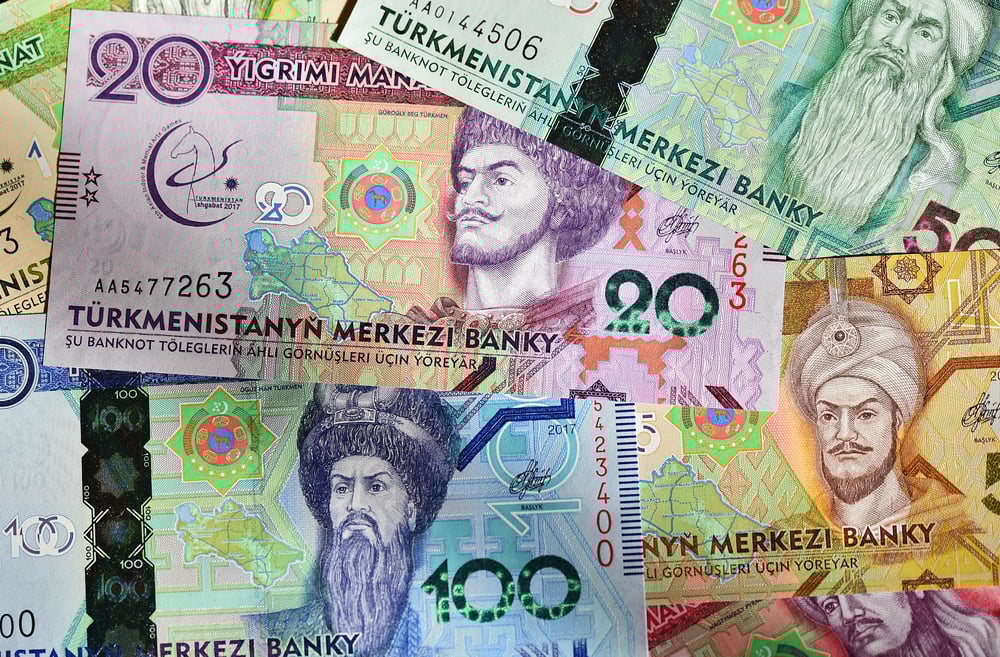
Turkmenistan’s 2005 currency featured the then-president’s face on every denomination, with images getting progressively older as the note value increased. After international mockery and reports that citizens were uncomfortable handling the money, the notes were quietly replaced just five months later with buildings and national monuments instead.
Like Go2Tutors’s content? Follow us on MSN.
The Currency With Copyright Infringement

Fiji’s 2013 banknote series accidentally used a stock photo of a beach that the photographer hadn’t authorized for commercial use. When he spotted his sunset image on the currency and demanded payment, the government was forced to redesign and reissue the notes within just 68 days of the original release.
The Grammatically Incorrect Motto
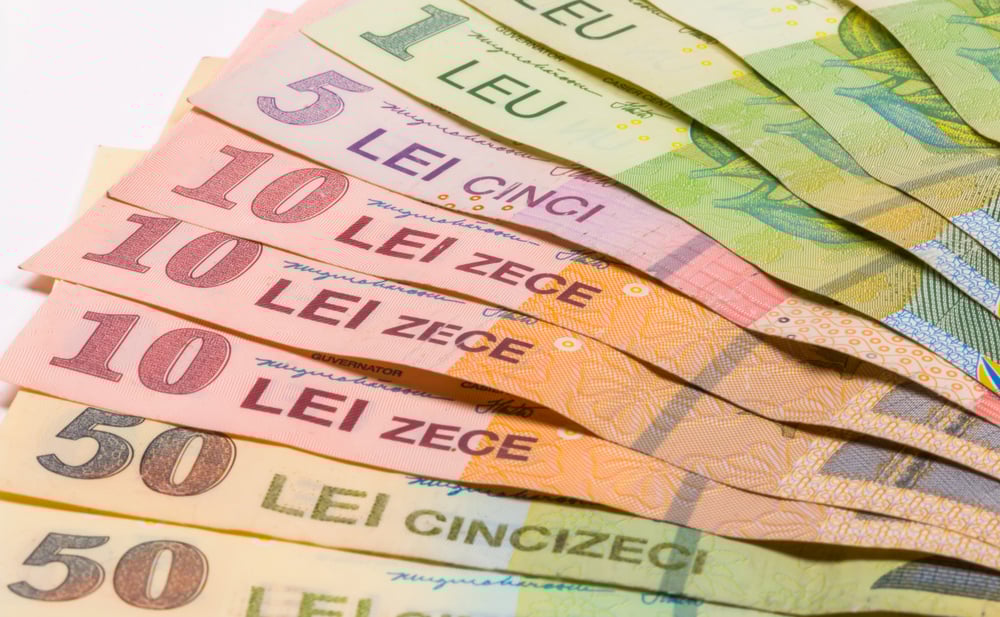
Romania’s 2018 commemorative banknote celebrating a national poet contained a grammar error in one of his most famous quotes. Literary scholars were quick to point out the mistake, creating such public embarrassment that the central bank recalled the entire print run after just 52 days in circulation.
The Banknote That Couldn’t Be Counterfeited

Switzerland’s 2016 release was so complex with moving holographic elements that legitimate scanning machines couldn’t recognize them as real currency. The advanced anti-counterfeit measures backfired when businesses couldn’t verify the notes.
They were redesigned and replaced within three months, with slightly simpler security features.
Like Go2Tutors’s content? Follow us on MSN.
The Nationally Offensive Imagery

South Africa’s 2012 banknote mistakenly depicted a landmark from a neighboring country, causing diplomatic tension and national embarrassment. The error was discovered by a geography teacher who recognized that the mountain range wasn’t actually within South African borders.
The currency was withdrawn after 94 days.
The Unintentional Political Statement

Estonia’s 2011 banknote featured an industrial complex that had been demolished years earlier, which critics interpreted as political commentary on the country’s economic policies. Government officials claimed it was a design oversight, but public pressure led to the notes being phased out within just 110 days.
The Notes That Cracked
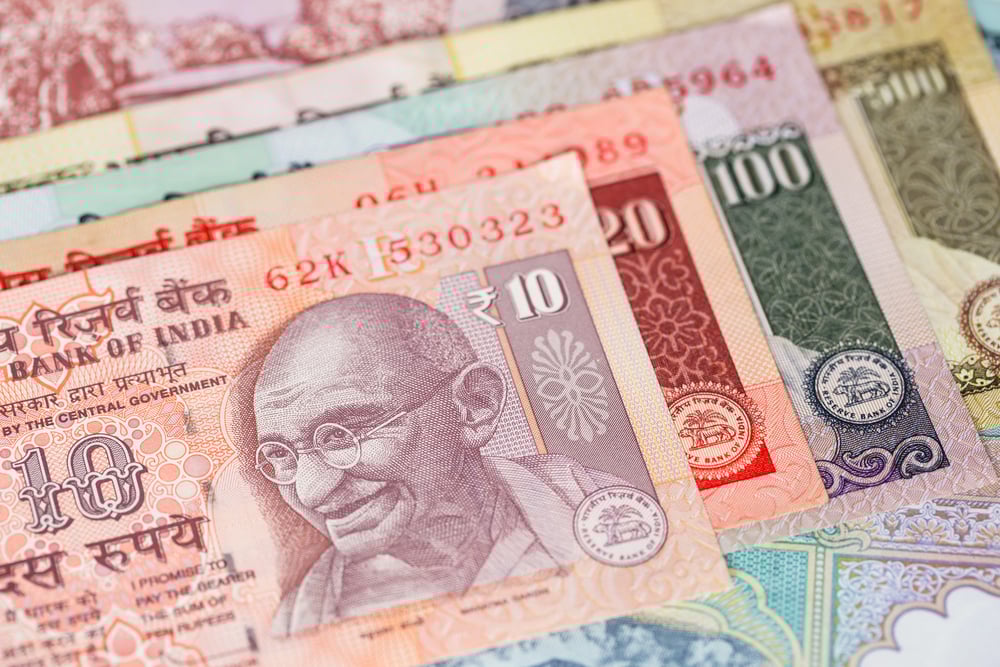
India’s experimental polymer notes introduced in regional test markets in 2009 couldn’t withstand the country’s varied climate conditions. The notes began developing cracks and tears along the fold lines during the monsoon season.
The trial was terminated after just four months when merchants began refusing to accept the deteriorating currency.
Like Go2Tutors’s content? Follow us on MSN.
The Miscounted Anniversary
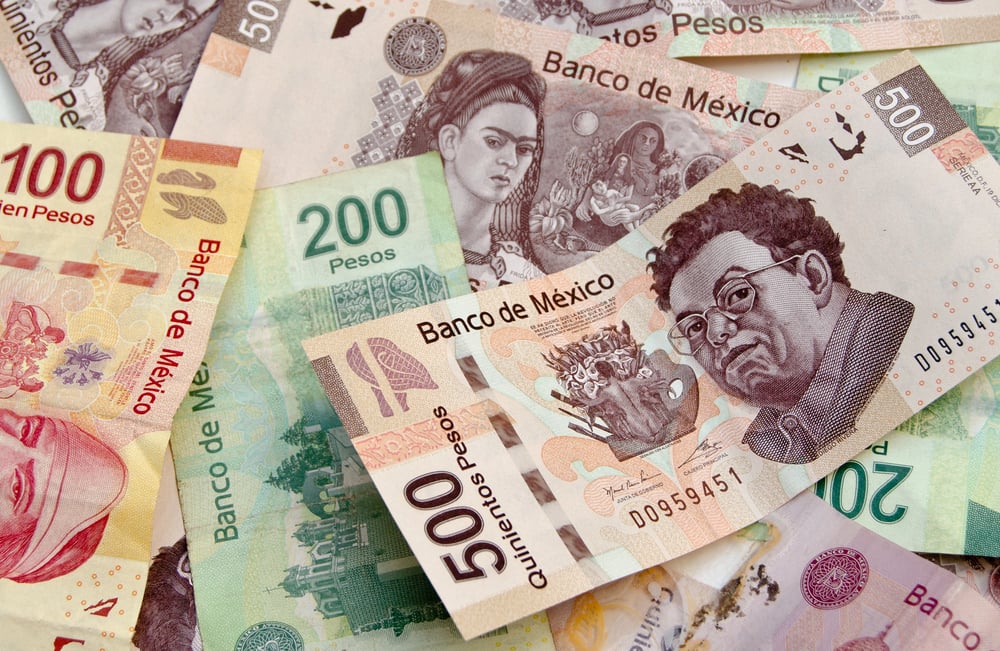
Mexico’s commemorative note celebrating 200 years of independence in 2010 incorrectly listed the year as 2011 in tiny text hidden within the design. When the error went viral on social media, the central bank attempted to call it a “forward-looking design” before eventually recalling the notes just 77 days after their festive introduction.
The Banknote That Bled

Zimbabwe’s 2008 emergency inflation notes used experimental inks to allow for rapid printing during hyperinflation. The red ink used for serial numbers began running when exposed to moisture, staining hands and clothing.
Some joked it was the only thing of value left in the currency. The series was replaced after only 42 days with a more stable design.
Money’s Strange Journey

Throughout history, currency has reflected not just economic values but cultural ones too. These short-lived notes remind us that even institutions as serious as central banks can make bizarre mistakes.
While most banknotes quietly move through countless hands during their lifetimes, these odd specimens enjoyed brief, notorious fame before being consigned to collectors’ albums and museum displays as cautionary tales of design gone wrong.
Like Go2Tutors’s content? Follow us on MSN.
More from Go2Tutors!

- 18 Unexpectedly Valuable Collectibles You Might Have Lying Around
- 15 Things Every Teenager in the ’70s Did That Teens Today Wouldn’t Understand
- 15 Strange Things People Have Tried to Ban (And Failed)
- 15 Inventions That Were Immediately Banned After Being Created
- 20 Actors Who Were Almost Cast in Iconic Roles
Like Go2Tutors’s content? Follow us on MSN.