Why Flea Markets Reflect Regional American Identity
Treasure hunts are popular among Americans. Sorting through mountains of stuff in search of that one ideal item that no one else saw seems to capture the essence of our identity as a country.
For more than 150 years, flea markets have appeared in parking lots, fairgrounds, and fields all over the United States. However, these markets are more than just locations to find vintage items or purchase inexpensive goods.
They serve as mirrors reflecting the local communities, showcasing local history, peculiarities, and the unique flavors of various American regions. Ranch memorabilia and cowboy boots can be found at a Texas flea market.
When you visit one in Amish country, the stalls are dominated by handcrafted quilts. Movie props and costume jewelry glisten in a California market close to Hollywood.
These distinctions are not coincidental; rather, they are preserved in vintage treasures and secondhand goods as snapshots of regional American identity. Here are 13 ways that flea markets can provide insight into our origins and identities.
Canton’s Court Day Origins

The First Monday Trade Days in Canton, Texas started in the 1850s when circuit judges held court on the first Monday of each month. People gathered to watch proceedings and sometimes hangings, then stuck around to trade goods and livestock.
The state required stray horses to be brought to Canton and auctioned to the highest bidder, creating a natural marketplace. What began as a legal requirement evolved into a trading tradition that’s now one of the oldest continually operating flea markets in America.
The connection between law, livestock, and commerce created something uniquely Texan that still draws crowds today.
Texas Ranch Culture Lives On

Canton’s First Monday Trade Days stretches across 450 acres and reflects its cattle country heritage in every corner. Vendors sell vintage cowboy boots, railroad memorabilia, ranch implements, and primitives that recall the region’s frontier past.
You’ll find leather goods, spurs, branding irons, and other artifacts from Texas’s ranching tradition. The market sits in East Texas where cotton and cattle built fortunes, and those roots show in what people choose to sell and buy.
It’s not just stuff—it’s Texas identity packaged in objects you can hold.
Like Go2Tutors’s content? Follow us on MSN.
Hollywood Glamour at the Rose Bowl
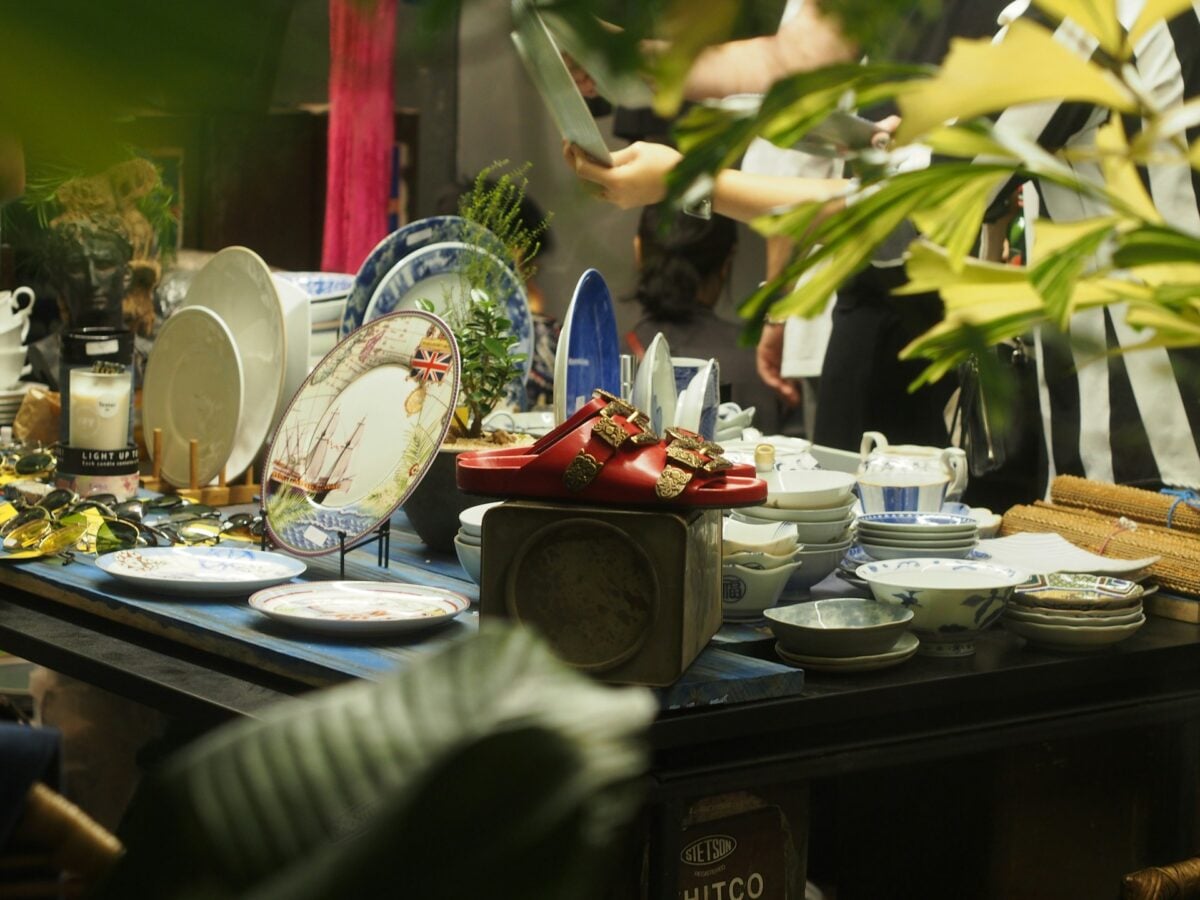
The Rose Bowl Flea Market in Pasadena, California operates one Sunday per month and attracts around 20,000 buyers each time it opens. The proximity to the entertainment industry casts its sparkle over everything for sale.
Movie memorabilia, glamorous costume jewelry, vintage clothing that could work on film sets, and mid-century modern furniture fill the stalls. Designers and prop masters shop alongside regular folks, creating a market where style matters as much as substance.
The merchandise reflects Southern California’s obsession with image and its role as the dream factory of America.
New England’s Antique Obsession

Brimfield, Massachusetts hosts the largest outdoor antique show in America three times yearly since Gordon Reid founded it in 1959, transforming a tiny town into a shopping spectacle. The market stretches along nearly a mile-long stretch of Route 20, with 21 separate fields operated by different promoters.
New England’s long history means old things are everywhere, and Brimfield became the natural gathering place for dealers and collectors obsessed with American colonial furniture, early tools, textiles, and historical artifacts. The region’s reverence for the past and preservation of old buildings created a culture where antiques matter, and Brimfield reflects that perfectly.
Amish Craftsmanship in Shipshewana

The Shipshewana Auction and Flea Market in Indiana operates in the heart of Amish country, home to tens of thousands of Amish residents in the surrounding LaGrange County. The market features 700 vendors on 40 acres selling handmade furniture, quilts, pie safes, kitchen implements, and other goods reflecting Amish craftsmanship and values.
Founded in 1922 as a livestock auction, the flea market was added in 1947 and grew alongside the Amish community. The merchandise shows the region’s agricultural roots and the Amish commitment to quality handwork.
You won’t find much mass-produced junk here—the culture demands better.
Like Go2Tutors’s content? Follow us on MSN.
Regional Food as Identity

Flea markets become showcases for regional cuisine, turning food into another form of local identity. Canton vendors sell Texas barbecue, deep-fried everything, and local fruits grown in East Texas soil.
Shipshewana markets feature Amish baked goods, homemade cheese, and produce from nearby farms. Deep South markets in Louisiana and Georgia sell mayhaw jelly, boiled peanuts, and local preserves.
Northern markets offer apple cider and maple products. The food isn’t just sustenance—it’s a way of saying where you’re from and what matters to your community.
Regional flavors become part of the shopping experience.
Different Names for the Same Idea
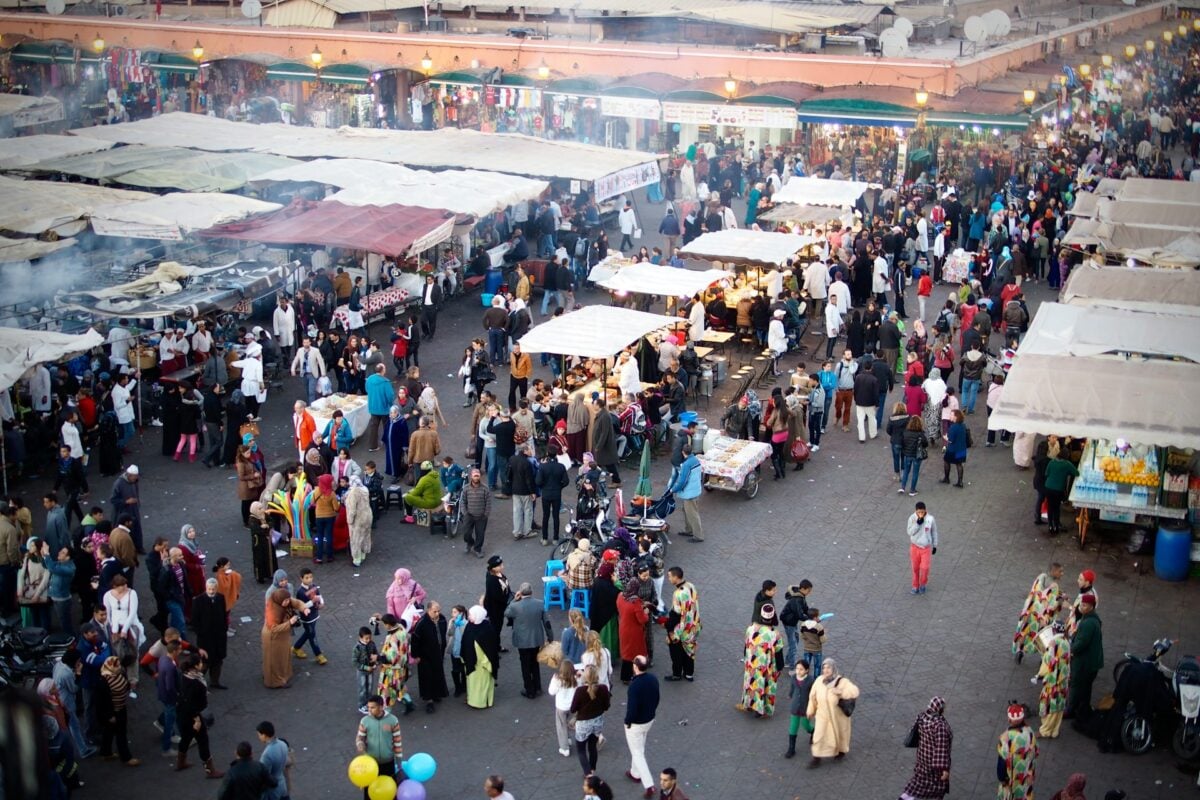
Americans can’t agree on what to call these markets, and the regional variations tell their own story. In the South, they’re often called trade days, recalling the bartering culture that started them.
The West prefers swap meets, emphasizing the exchange aspect. Some places use the French-derived flea market, while others stick with antique shows or vintage markets depending on what they’re selling.
In the Philippines-influenced areas, they’re tianggê, and in Cuban communities of South Florida, they’re el pulguero. The names reflect who settled each region and what they valued.
Northern Seasonal Closures
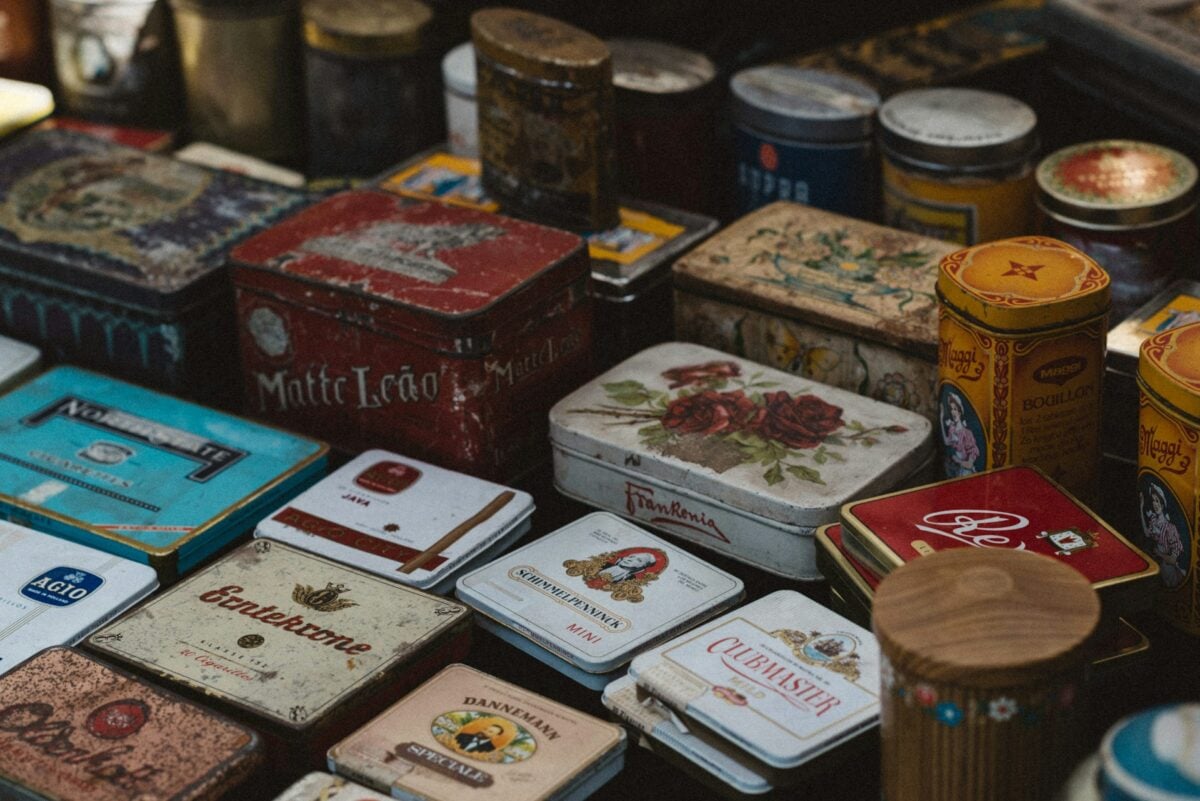
Climate shapes when markets operate, creating regional patterns that reflect local weather realities. Northern markets like Brimfield often shut down during brutal winter months when snow would bury the fields and freeze out shoppers.
Southern markets sometimes close during the hottest summer months when Texas heat becomes dangerous. Canton operates year-round because East Texas weather stays manageable, while Shipshewana runs primarily May through September.
These patterns show how geography and climate determine not just what people sell, but when they can gather to do it.
Like Go2Tutors’s content? Follow us on MSN.
The Midwest’s Agricultural Surplus
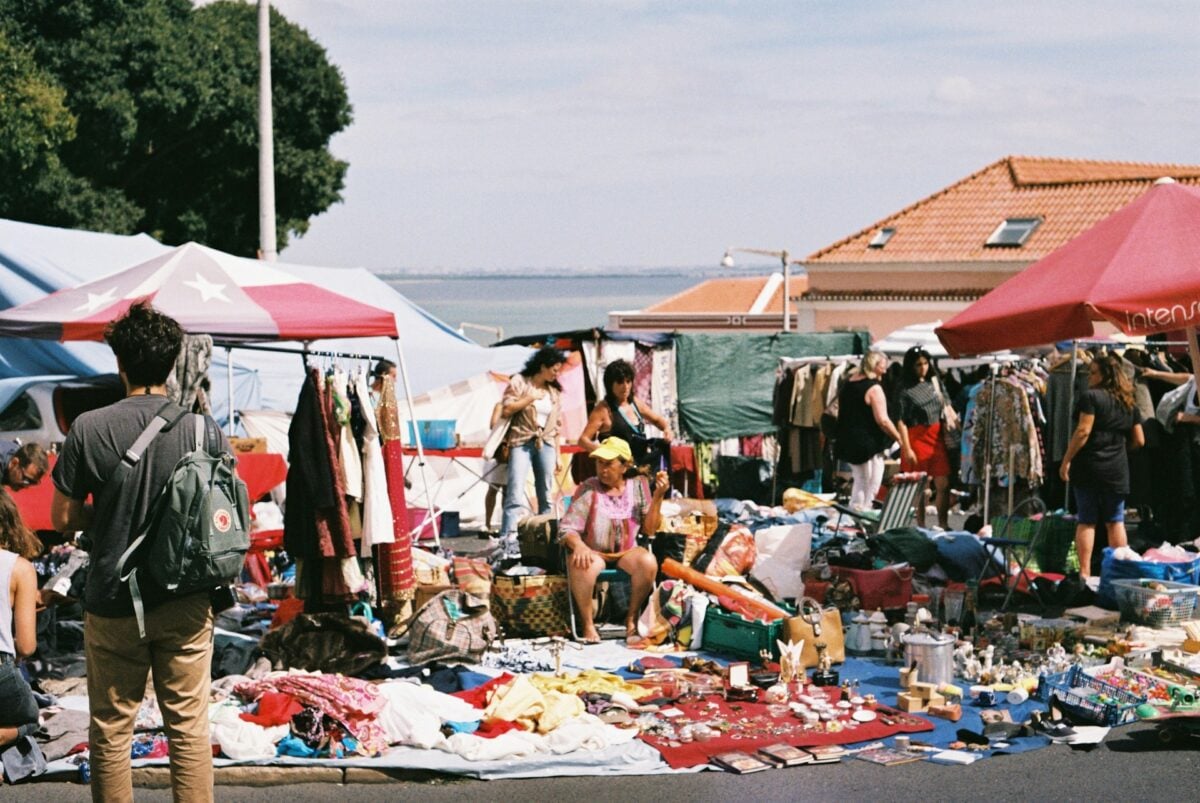
Midwestern flea markets overflow with farm implements, tools, and household goods that reflect the region’s agricultural identity. Shipshewana auctions still sell livestock alongside antiques, maintaining the connection between farming and commerce.
You’ll find butter churns, cream separators, hay hooks, and other implements that urban markets never see. The abundance of practical goods reflects Midwest values—things should be useful, well-made, and worth repairing rather than replacing.
The markets become repositories for a farming culture that’s slowly disappearing but refuses to be forgotten completely.
California’s Mid-Century Modern Focus
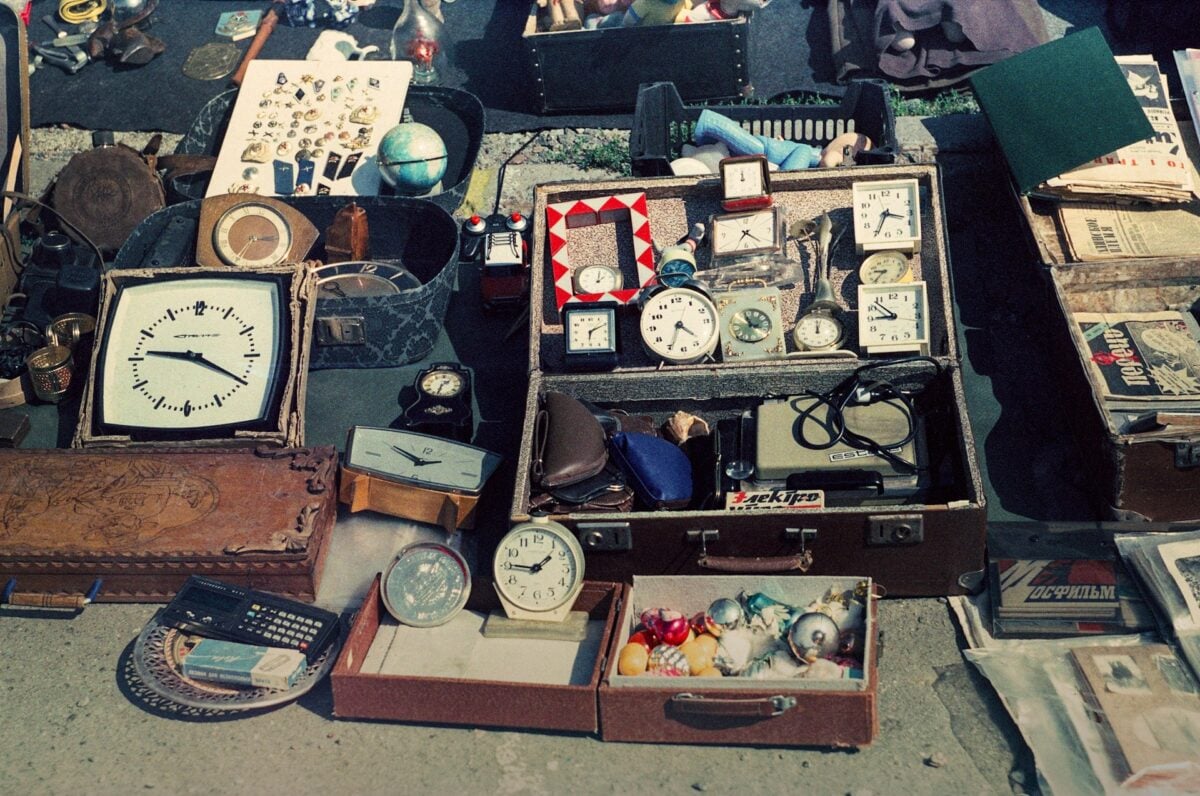
West Coast markets, especially around Los Angeles, lean heavily into mid-century modern furniture and design. The Rose Bowl attracts dealers specializing in Eames chairs, atomic-age decor, and sleek California modernism from the 1950s and 1960s.
This reflects Southern California’s embrace of modern architecture and its role in defining American design during that era. The region built millions of ranch houses filled with this style, and now those goods cycle through the flea markets.
Regional architectural history determines what ends up for sale generations later.
Southern Markets and Civil War Artifacts

Southern flea markets regularly feature Civil War memorabilia, Confederate items, and artifacts from that era in ways that Northern markets don’t. This reflects the South’s complicated relationship with its past and the fact that many battles happened there, leaving physical remnants buried in attics and fields.
Vendors sell military buttons, belt buckles, photographs, and documents that tell stories about the region’s most defining historical moment. Whether this is heritage or history depends on who you ask, but either way, it’s distinctly Southern.
Like Go2Tutors’s content? Follow us on MSN.
Northeastern Formality

Markets in the Northeast, particularly established shows like Brimfield, often operate with more structure and formality than their Southern or Western counterparts. Multiple promoters run separate fields with different opening times, some charge admission, and certain sections cater specifically to high-end dealers and serious collectors.
This reflects New England’s historical emphasis on order, quality, and specialized knowledge. The region’s long history with antiques created a culture where expertise matters and casual browsing exists alongside serious collecting.
The formal structure mirrors New England’s general cultural tendencies.
Western Swap Meet Culture

The West developed its own flea market culture around automobile and motorcycle parts through swap meets. These gatherings let people trade car parts, tools, and automotive memorabilia, reflecting the region’s car-dependent culture and the hot rod traditions of Southern California.
While general merchandise eventually expanded to include everything else, the automotive focus remains strong at many Western markets. This makes sense in a region where distances are vast, public transportation is scarce, and cars represent freedom.
The merchandise reflects what matters to Western identity.
Church Parking Lots as Revenue

In small-town America, especially in New England, churches rent their parking lots during major flea markets to generate significant income. The First Congregational Church of Brimfield makes about one-third of its annual budget from parking fees during the three yearly market events, earning tens of thousands of dollars annually.
This reveals how rural churches struggle financially and how markets become economic engines for entire communities. The relationship between commerce and church shows distinctly American practicism—sacred and secular overlap when bills need paying.
Like Go2Tutors’s content? Follow us on MSN.
Local Vendors Reflect Demographics
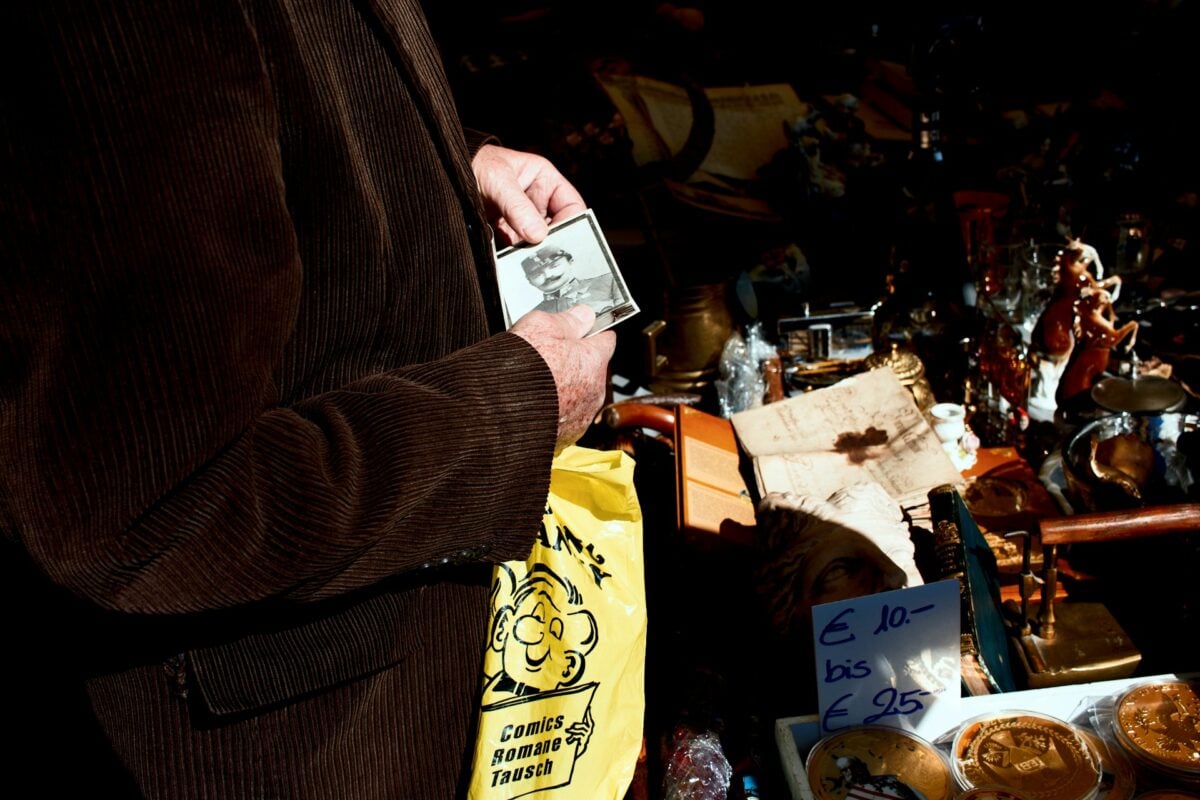
Who sells at flea markets tells you who lives in the region. Markets in areas with large immigrant populations feature vendors selling goods from their home countries—Latin American items in South Florida and Texas, Asian goods in California markets, European antiques in areas with strong European heritage.
The vendor demographics mirror the local community, creating markets that feel like multicultural festivals. This shows how immigration patterns shape regional American identity, with flea markets becoming places where different cultures meet and exchange goods.
Tourist Economy Transformation

Some flea markets started as local affairs but transformed into tourist destinations that now define their regions. Canton draws visitors from across Texas, Louisiana, and Oklahoma, bringing millions of dollars to a town of 4,000 residents.
Brimfield attracts buyers from around the world, filling hotels for miles around. Shipshewana welcomes over a million visitors annually to a town of 850 people.
The markets become bigger than the communities that host them, but they still reflect local character even as they grow. Tourism doesn’t erase regional identity—it amplifies it and exports it to others.
Where America’s Stuff Goes to Live Again

Flea markets serve as the country’s recycling hubs, repurposing items and exposing what each area deemed valuable enough to preserve. Church pew benches and cast iron cookware are abundant in southern markets.
Old tools and colonial furniture are sold in New England markets. Native American crafts and ranch equipment are sold in Western markets.
What people decide to keep and eventually sell reveals what they value. Regional identity isn’t just about new things or current culture—it’s also about what previous generations left behind and what we’re willing to carry forward into the future.
More from Go2Tutors!

- 16 Historical Figures Who Were Nothing Like You Think
- 12 Things Sold in the 80s That Are Now Illegal
- 15 VHS Tapes That Could Be Worth Thousands
- 17 Historical “What Ifs” That Would Have Changed Everything
- 18 TV Shows That Vanished Without a Finale
Like Go2Tutors’s content? Follow us on MSN.