Unknown Details About Famous Explorers
When you think about famous explorers, the same old stories probably come to mind. Columbus sailed the ocean blue in 1492, Magellan circled the globe, and Marco Polo traveled to China.
But behind these well-worn tales lie some pretty wild details that rarely make it into the history books.These adventurers weren’t just brave sailors and navigators.
They were complicated people with quirks, secrets, and stories that sound almost too strange to be true. Here is a list of 17 lesser-known facts about history’s most celebrated explorers.
Marco Polo wrote his famous book in prison

Marco Polo dictated his legendary travel narrative while imprisoned in Genoa after being captured during a naval battle between Venice and Genoa in 1298. He met a romance writer named Rustichello of Pisa in jail, who essentially ghostwrote the entire book based on Polo’s stories.
Without that chance encounter behind bars, the world might never have heard about his adventures across Asia.
Christopher Columbus carried Marco Polo’s book on his voyages
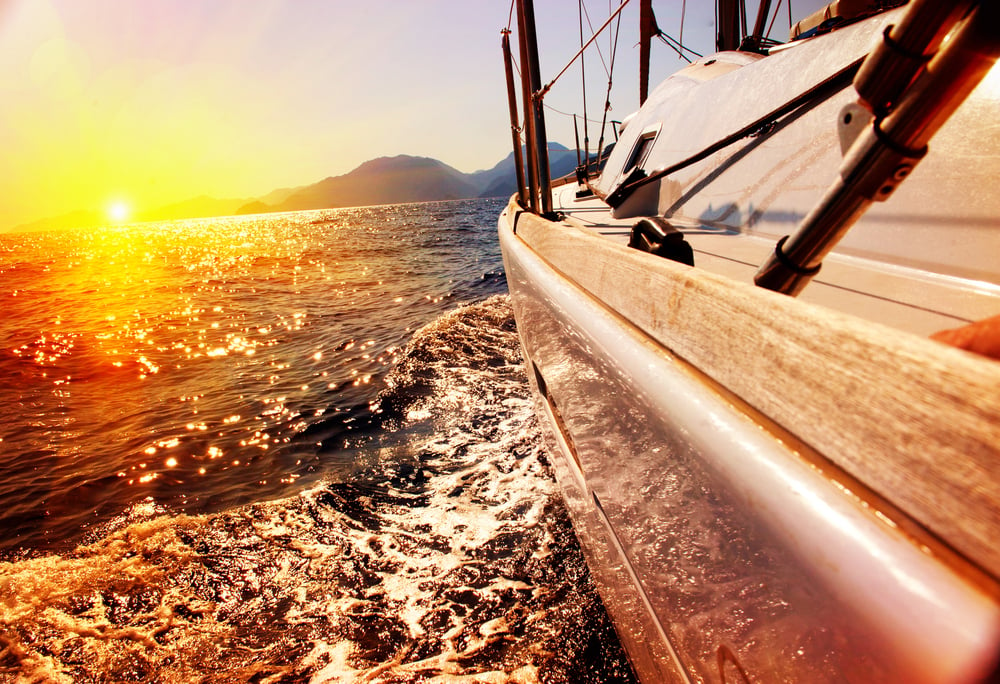
Columbus was so inspired by Marco Polo’s descriptions of the Far East that he brought a well-thumbed copy of The Travels of Marco Polo with him across the Atlantic, complete with handwritten notes in the margins. The book fueled his obsession with reaching Asia by sailing west
. In a way, one explorer’s prison memoir became another’s navigation guide.
Magellan’s slave may have been the first to truly circumnavigate the globe
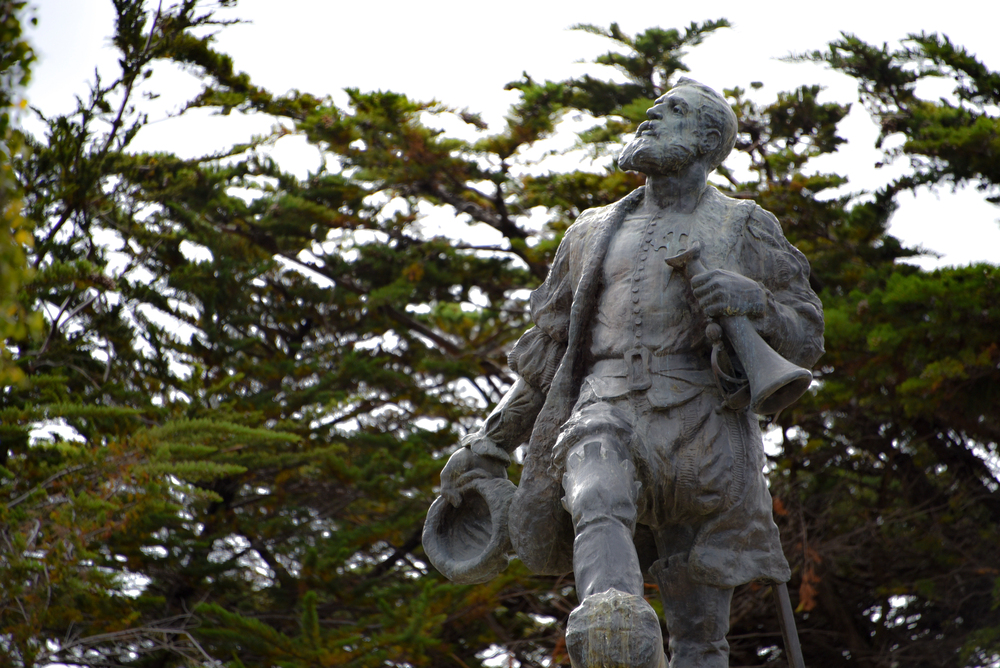
While Ferdinand Magellan gets credit for the first circumnavigation, his slave Enrique actually deserves recognition as potentially the first person to complete a full circle around the world, having traveled from Asia to Europe with Magellan, then westward back to Asia on the famous voyage. Magellan himself died in the Philippines before completing the journey.
Only 18 men survived Magellan’s expedition
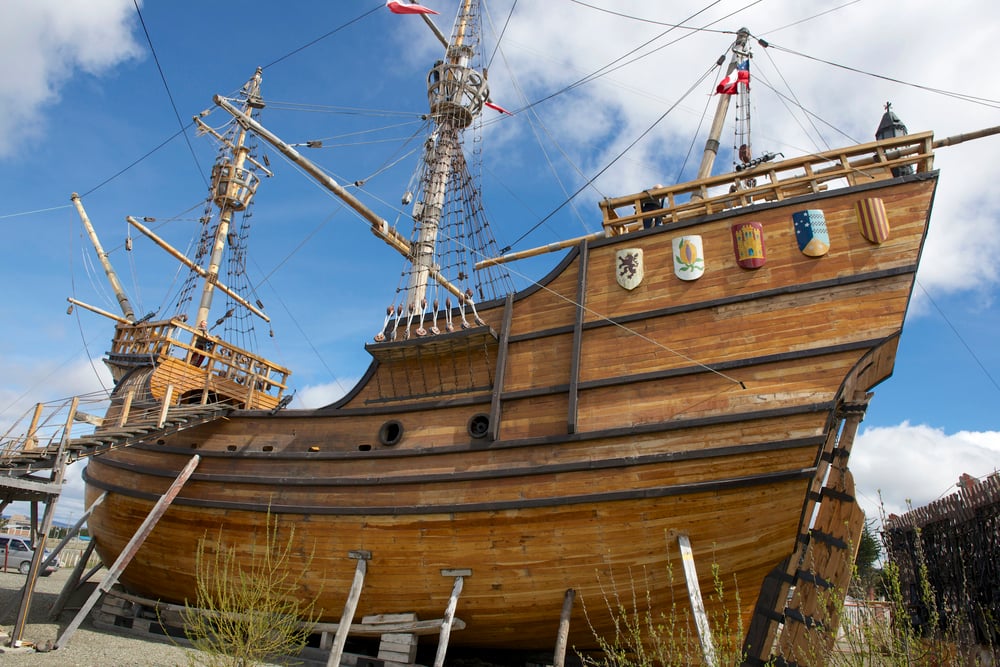
When Magellan’s fleet departed Spain in 1519, it carried about 270 sailors across five ships. Only 18 men made it back to Spain three years later, and Magellan wasn’t among them.
The expedition faced mutinies, starvation, disease, and hostile encounters that decimated the crew.
Columbus died believing he had reached Asia
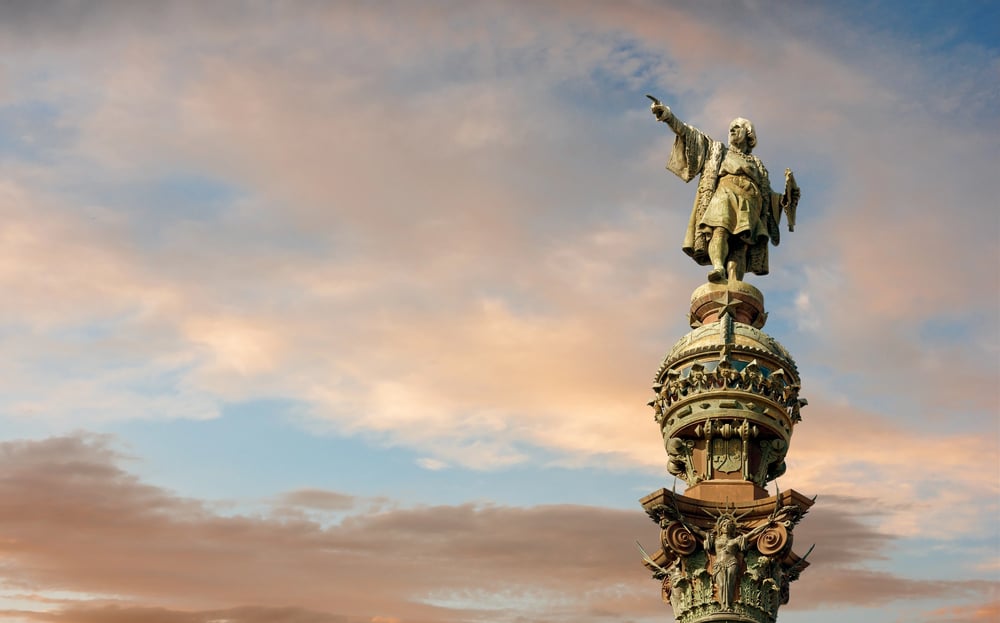
Despite mounting evidence to the contrary, Columbus refused to acknowledge that the lands he claimed for Spain were not part of Asia. He died still convinced his discovery was nothing more than a shortcut to Asia.
This stubborn belief is partly why America was named after Amerigo Vespucci instead of Columbus.
Columbus thought Earth was pear-shaped
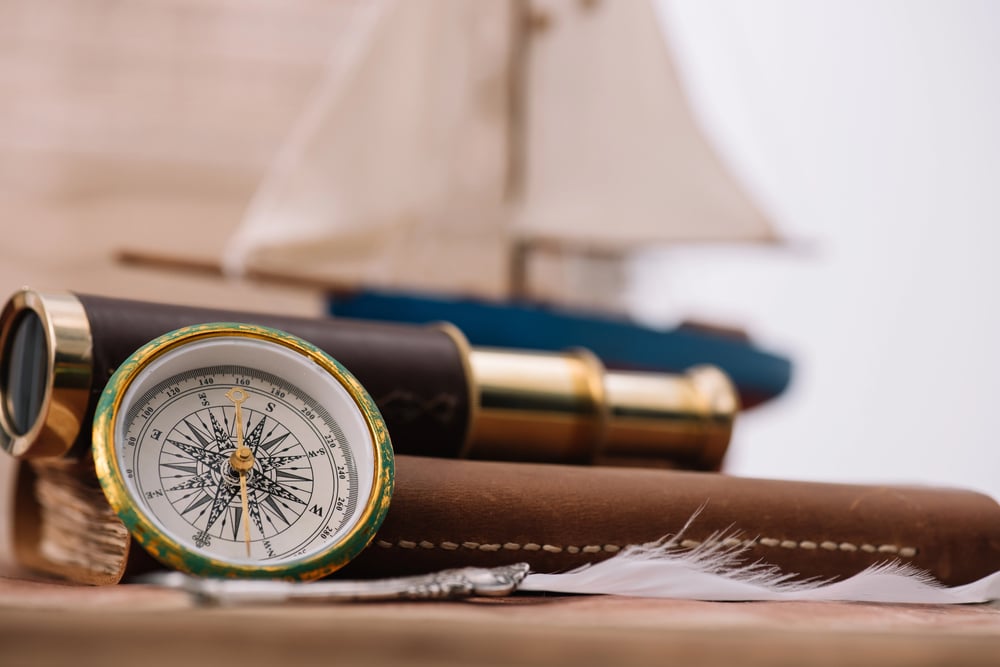
Based on his readings of the angle of the North Star, Columbus suggested in 1498 that Earth was pear-shaped rather than perfectly round. While this sounds bizarre, the theory was later shared by scientists like Isaac Newton and Christiaan Huygens.
Modern measurements actually show Earth does have a slight bulge at the equator.
Roald Amundsen secretly changed his expedition from north to south
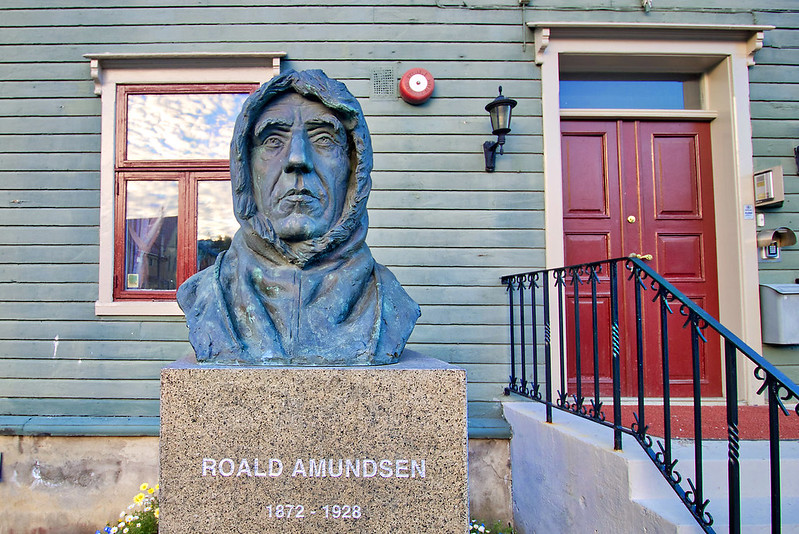
Amundsen had planned to reach the North Pole, but when he heard that Robert Peary claimed to have already reached it in 1909, he secretly switched his plans to target the South Pole instead. He only informed his crew of the change after they left Madeira, and sent a telegram to his rival Robert Falcon Scott revealing the surprise competition.
This last-minute pivot sparked one of exploration’s most dramatic races.
Amundsen’s mother wanted him to be a doctor

Roald Amundsen started studying medicine in 1890 to please his mother, but after both his parents died, he abandoned his medical studies to devote himself entirely to polar exploration. He kept his promise to pursue medicine only until his mother’s death when he was 21, then promptly quit university for a life at sea.
Had she lived longer, the world might have lost one of its greatest polar explorers.
Marco Polo never called himself an explorer

Marco Polo preferred the term ‘wayfarer’ rather than explorer. He saw himself as a merchant and traveler rather than someone actively seeking out unknown territories.
Yet his accounts inspired countless actual explorers to set out on their own adventures.
Vikings reached North America 500 years before Columbus
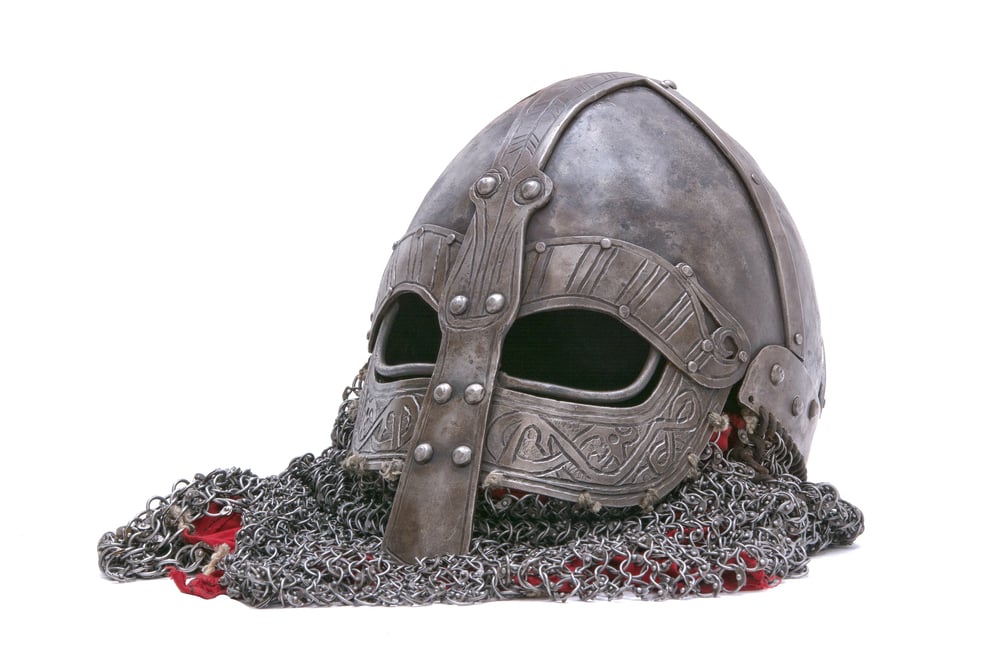
Historians agree that Viking Leif Erikson beat Columbus to the Americas by about five centuries, and Erikson actually touched mainland America while Columbus never did. Despite this, Columbus Day remains a celebrated holiday in the United States. The Viking settlements in Newfoundland prove Europeans had crossed the Atlantic long before 1492.
Amundsen ate his sled dogs during the South Pole expedition
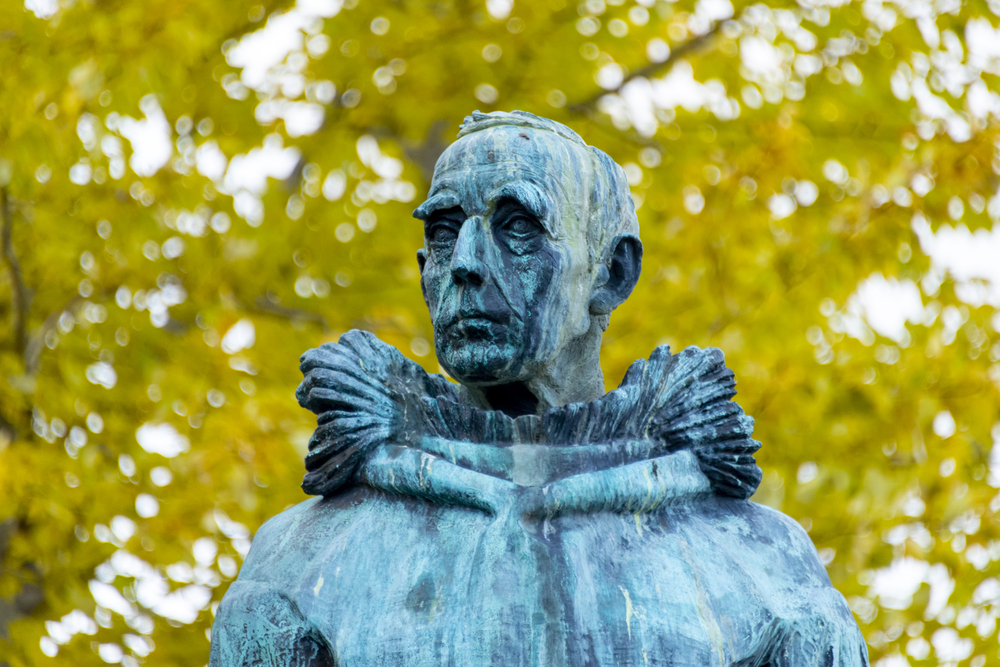
On the 1911 expedition to the South Pole, Norwegian explorer Roald Amundsen and his men ate 41 of the weakest dogs during the journey, and this was actually part of their planned food supply from the start. While this sounds harsh today, it was a calculated survival strategy that helped ensure the team’s success where others failed.
Ferdinand Magellan originally named his strait after All Saints’ Day

Magellan originally called the famous waterway ‘Todos los Santos’ because he crossed it on All Saints’ Day. The Spanish King Charles V later renamed it the Strait of Magellan to honor the explorer’s achievement as the first European to navigate those treacherous waters. The original religious name didn’t stick, but Magellan’s legacy did.
Columbus was arrested and sent back to Spain in chains

A Spanish officer sent to assist Columbus found total chaos in the colonies, and when Columbus refused to follow orders, he was brought back across the Atlantic in shackles. The great explorer who had claimed vast territories for Spain ended up being treated like a common criminal by his own sponsors.
Amundsen died trying to rescue a former rival
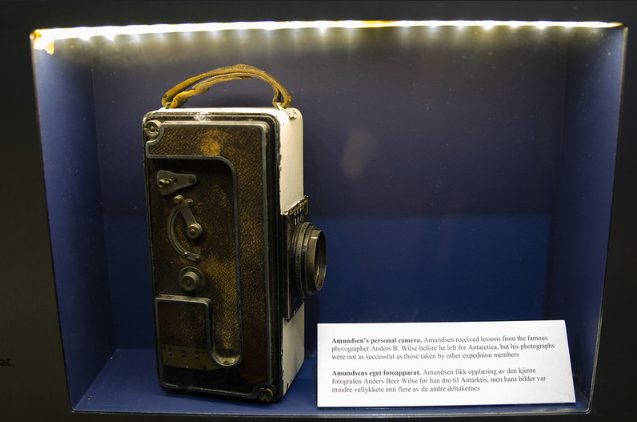
In 1928, Amundsen lost his life flying to rescue Italian aeronautical engineer Umberto Nobile from a dirigible crash near Spitsbergen, Norway. The airplane carrying Amundsen also crashed, and his remains were never found.
Nobile had accompanied Amundsen in a successful dirigible flight over the North Pole in 1926. The hero who conquered both poles disappeared forever in the frozen Arctic while trying to save someone else.
Columbus’s ships were named after ladies of the night
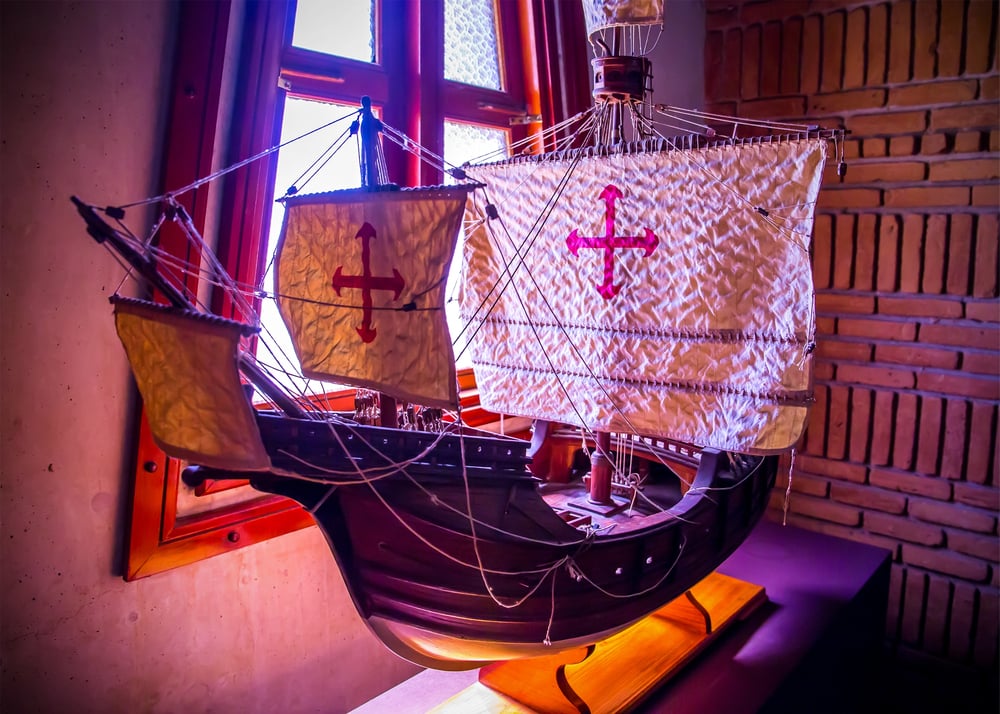
While it was common practice to name ships after saints in those days, Columbus and his sailors took a different approach, naming their vessels after famous ladies of the night instead. This cheeky bit of maritime humor reveals a more irreverent side to the supposedly pious expedition that set out to spread Christianity.
Magellan’s flagship never completed the circumnavigation
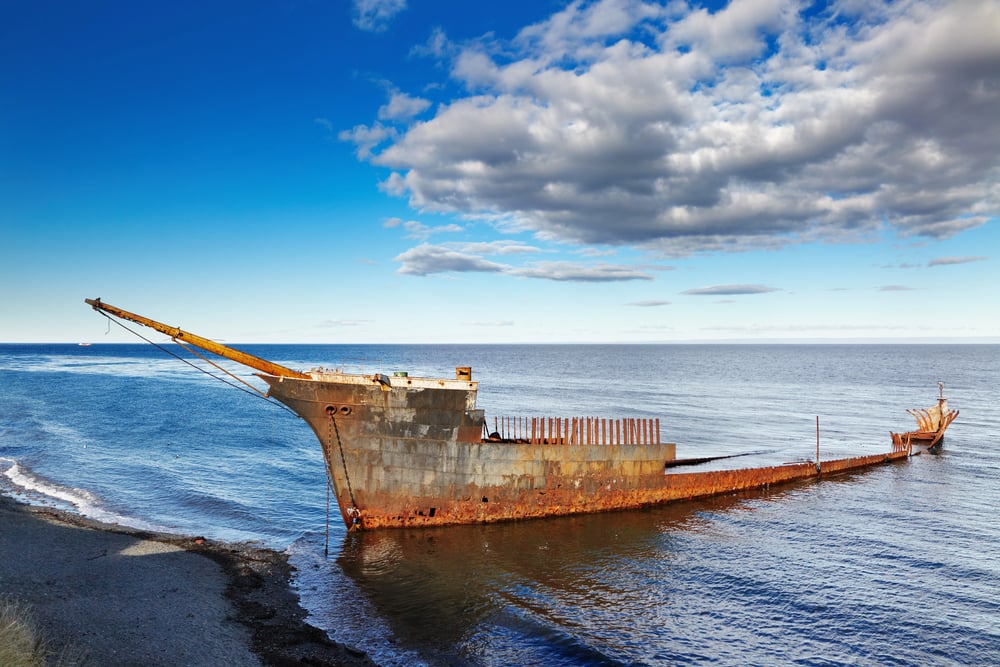
Magellan’s finest flagship, the Trinidad, never made it around the world despite being his lead vessel. It was the Victoria that completed the circumnavigation under Juan Sebastián de Elcano’s command after Magellan’s death, while the Trinidad was captured by the Portuguese and lost in a storm.
History remembers the journey but forgets which ship actually finished it.
Marco Polo may have never left Europe
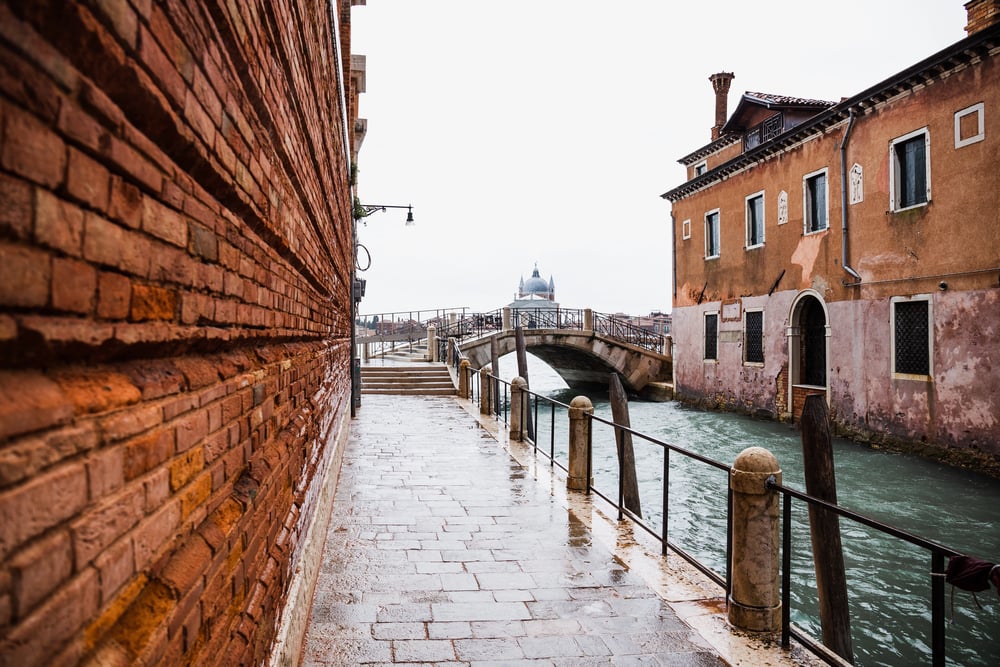
Some modern historians have raised doubts about whether Marco Polo actually traveled to China at all. By the time he was an old man, his fellow Venetians had largely branded him as a teller of tall tales, and even on his deathbed he reportedly remarked, ‘I did not tell half of what I saw.’
While most experts still believe the bulk of his book is factual, the debate continues about whether he witnessed these wonders firsthand or simply retold stories from other travelers.
From merchant ships to history books
These explorers changed the course of human history, but they did it in messy, complicated, and sometimes shocking ways. They lied, they improvised, they got lucky, and sometimes they failed spectacularly.
The polished versions we learn in school miss the raw humanity behind these journeys. Understanding these hidden details doesn’t diminish their achievements—it makes them more remarkable, showing that even flawed people can accomplish extraordinary things.
More from Go2Tutors!

- The Romanov Crown Jewels and Their Tragic Fate
- 13 Historical Mysteries That Science Still Can’t Solve
- Famous Hoaxes That Fooled the World for Years
- 15 Child Stars with Tragic Adult Lives
- 16 Famous Jewelry Pieces in History
Like Go2Tutors’s content? Follow us on MSN.