16 Chore Charts That Taught Real Responsibility
Chore charts have evolved far beyond simple gold star stickers and basic task lists. Modern families are discovering that well-designed responsibility systems can teach kids everything from financial literacy to time management, while actually making household management easier for parents.
The key lies in creating charts that feel meaningful rather than punitive, turning daily tasks into opportunities for growth and independence. The most effective chore systems share common elements—they’re age-appropriate, consistent, and tied to real consequences and rewards that matter to kids.
Here is a list of 16 chore charts that have proven successful in teaching genuine responsibility while bringing families closer together.
The Family Bank System

This approach treats the household like a small business where kids earn ‘wages’ for completing their responsibilities. Children receive a set amount for basic chores like making beds and clearing dishes, with bonus opportunities for extra tasks like organizing closets or helping with yard work.
The twist is that kids also pay ‘rent’ for privileges like screen time, allowance advances, or special outings. Parents who use this system report that children quickly learn to budget their earnings and think carefully about their spending choices.
The natural consequences teach financial literacy in a way that feels authentic rather than forced. Kids start to understand that money represents work and that choices have real costs, preparing them for adult financial decisions.
The Life Skills Ladder
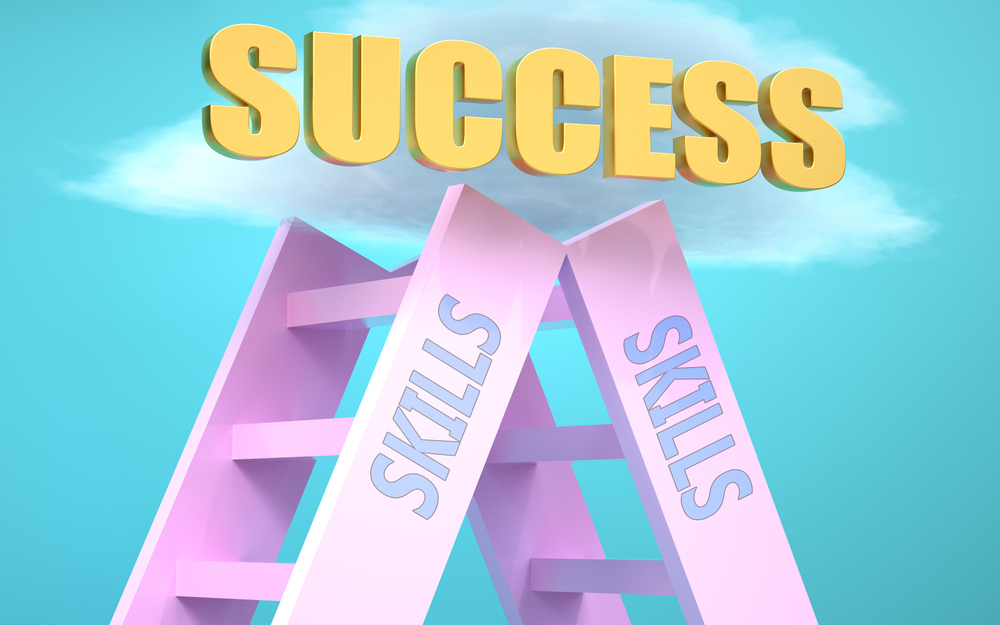
Rather than focusing on specific tasks, this chart emphasizes developing complete life skills over time. Younger children might start with ‘self-care captain’ responsibilities like brushing teeth and getting dressed independently.
As they master these basics, they graduate to ‘household helper’ tasks like sorting laundry and wiping counters, eventually reaching ‘family contributor’ status with responsibilities like meal planning and budgeting for household supplies. The progression feels natural and celebrates growth rather than compliance.
Children can see their increasing capabilities and take pride in their advancing responsibilities. This system works particularly well for families with multiple children, as older siblings become mentors rather than competitors.
Like Go2Tutors’s content? Follow us on MSN.
The Rotation Wheel

This visual system uses a large spinning wheel divided into sections representing different household areas like the kitchen, bathrooms, living spaces, and outdoor areas. Each week, family members rotate to new sections, ensuring everyone learns all aspects of home maintenance.
The wheel includes both daily maintenance tasks and deeper cleaning projects appropriate for each age group. Children appreciate the fairness of rotation, and the variety keeps tasks from becoming monotonous.
Parents find that kids develop a fuller understanding of what it takes to maintain a home. The system also prevents the common problem of one child being stuck with the same unpopular chore week after week.
The Points and Privileges Program

Instead of monetary rewards, this system uses points that can be redeemed for privileges like choosing the family movie, picking the weekend activity, or earning extra time with friends. Daily responsibilities earn base points, while going above and beyond or helping family members in need provides bonus opportunities.
The privilege ‘store’ changes regularly to maintain interest and reflect seasonal activities. Kids learn that their actions directly impact their opportunities and that helping others brings additional rewards.
The system naturally encourages children to look for ways to contribute beyond their basic requirements. Parents appreciate that rewards are experiences and privileges rather than material items that create clutter or expense.
The Team Captain Model

Each child becomes the ‘captain’ of a specific area of the house, taking full ownership of maintaining that space to family standards. Kitchen captains handle meal cleanup and pantry organization, while laundry captains manage sorting, washing, and folding for the entire family.
Captains train other family members in their area and are responsible for maintaining supplies and equipment. This approach develops leadership skills and teaches children to take pride in their expertise.
Kids learn to train others, delegate appropriately, and maintain high standards consistently. The system works especially well in larger families where children can truly specialize and become household experts in their chosen areas.
Like Go2Tutors’s content? Follow us on MSN.
The Seasonal Responsibility Cycle

Rather than maintaining the same chores year-round, this system adapts responsibilities to match natural seasonal rhythms. Spring brings garden preparation and deep cleaning tasks, summer focuses on outdoor maintenance and vacation preparation, fall emphasizes organization and back-to-school routines, while winter centers on indoor projects and holiday preparations.
Children learn to anticipate and prepare for changing household needs throughout the year. The variety prevents boredom and helps kids understand how family life adapts to different seasons and circumstances.
Parents find that this approach feels more natural and sustainable than rigid year-round systems.
The Problem-Solver Chart

Instead of assigning specific tasks, this system presents children with household problems to solve creatively. The kitchen might need organization, the garage requires decluttering, or the family schedule needs streamlining.
Kids choose their challenges and propose solutions, implementing their ideas with parental guidance and support. This approach develops critical thinking and project management skills while addressing real family needs.
Children learn to identify problems, brainstorm solutions, and follow through with implementation. The system particularly appeals to kids who resist traditional chore assignments but thrive when given autonomy and creative control.
The Buddy System Approach

Siblings or family members are paired together for shared responsibilities, with partnerships rotating monthly. Buddies support each other in completing tasks, share accountability for results, and celebrate successes together.
Older children naturally mentor younger ones, while peers motivate each other through friendly competition and mutual support. The social element makes responsibilities more enjoyable and teaches teamwork and communication skills.
Children learn to coordinate schedules, divide tasks fairly, and support each other through challenges. Parents often find that sibling relationships improve as children work together toward common goals rather than competing for attention or rewards.
Like Go2Tutors’s content? Follow us on MSN.
The Choice-Based Framework

This system offers children several responsibility options within each category, allowing them to choose tasks that match their preferences and strengths. Kids might select between vacuuming or dusting, cooking or cleaning up after meals, or organizing indoor or outdoor spaces.
The framework ensures all necessary work gets done while respecting individual preferences and abilities. Children feel more invested in responsibilities they’ve chosen rather than had imposed on them.
The approach reduces resistance and arguments while still maintaining household functioning. Parents discover their children’s natural inclinations and can guide them toward developing skills in areas of genuine interest.
The Weekly Challenge System

Each week introduces a new family challenge that requires everyone to contribute in different ways. Challenges might focus on reducing household waste, improving family organization, saving money on groceries, or preparing for upcoming events.
Success requires coordination, planning, and follow-through from all family members working toward a shared goal. The system keeps responsibilities fresh and exciting while teaching children that families succeed through cooperation.
Kids learn project management, goal-setting, and the satisfaction of achieving meaningful objectives together. The shared nature of challenges builds family unity and communication skills.
The Apprenticeship Model

Children shadow parents during household tasks, gradually taking on more responsibility as their skills develop. Kitchen apprentices start by washing vegetables and progress to planning entire meals, while maintenance apprentices begin with simple repairs and advance to managing household systems.
The progression is based on demonstrated competence rather than arbitrary age requirements. This mentoring approach builds genuine skills while strengthening parent-child relationships.
Children learn not just what to do but why and how to do it well. Parents enjoy sharing their knowledge and watching their children develop real capabilities that will serve them throughout life.
Like Go2Tutors’s content? Follow us on MSN.
The Contribution Calendar

Rather than focusing on individual tasks, this system tracks how each family member contributes to household well-being throughout the month. Contributions might include emotional support during difficult times, creative solutions to family problems, or extra effort during busy periods.
The calendar recognizes that valuable contributions take many forms beyond traditional chores.
Children learn that being a family member means looking for ways to help and support each other.
The system values emotional intelligence and initiative alongside task completion. Families often find that this approach improves overall household harmony and teaches children to think beyond their own immediate needs.
The Independence Training Program

This structured approach focuses on building specific life skills that children will need as adults. Modules cover areas like personal hygiene, basic cooking, laundry care, money management, and social etiquette.
Children master each module at their own pace, with clear standards for competency and opportunities to demonstrate their abilities. The program gives children confidence in their growing capabilities while ensuring they develop essential life skills.
Parents can track their children’s progress toward independence and identify areas that need additional attention. The approach particularly benefits families preparing older children for college or independent living.
The Service Learning Model

Families extend their responsibility system beyond their own household by incorporating community service and helping neighbors or extended family members. Children might help elderly neighbors with yard work, organize supply drives for local charities, or assist relatives with technology challenges.
These activities are integrated into the family’s regular responsibility expectations. This approach teaches children that responsibility extends beyond personal benefit to community well-being.
Kids develop empathy, social awareness, and leadership skills while making meaningful contributions to others. Families often find that service activities bring them closer together and help children develop broader perspectives on their role in the world.
Like Go2Tutors’s content? Follow us on MSN.
The Flex-Time Responsibility System

Recognizing that family schedules vary greatly, this system allows children to complete their responsibilities within flexible timeframes rather than rigid daily schedules. Kids might choose to do several days’ worth of tasks at once, trade responsibilities with siblings, or adjust their schedule based on school and activity demands.
The approach teaches time management and planning skills while accommodating real family life. Children learn to balance multiple responsibilities and manage their own schedules effectively.
Parents appreciate the reduced daily negotiations while maintaining household functioning and teaching important life skills.
The Legacy Project Framework
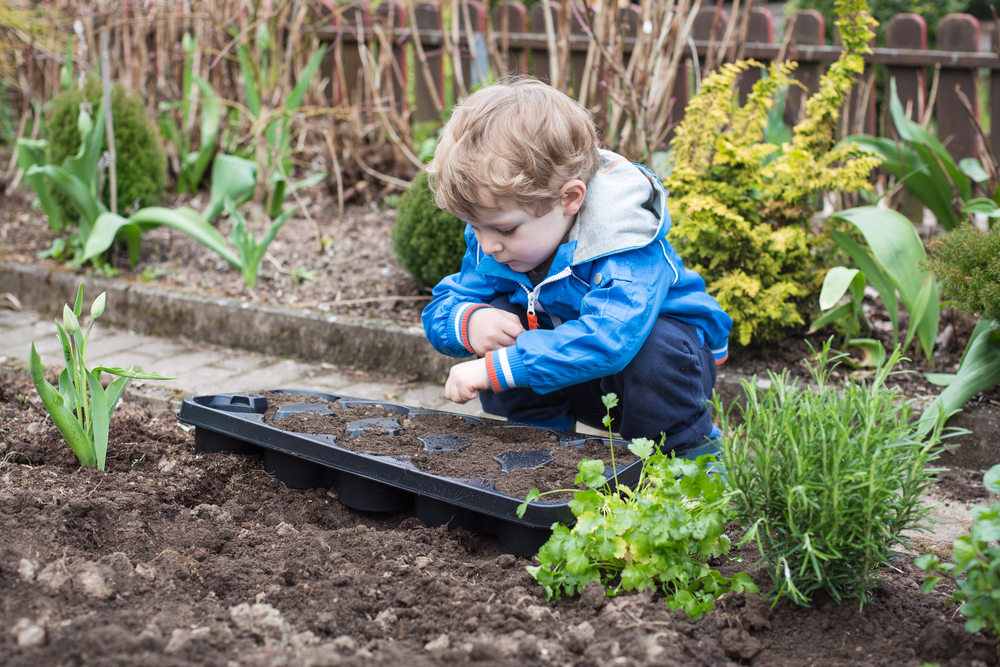
Long-term family projects become the foundation for teaching responsibility, with each generation contributing to ongoing initiatives like family gardens, photo archives, genealogy research, or community involvement traditions. Children understand that their contributions build on previous family members’ work and will benefit future generations.
This system connects responsibility to family identity and values, giving children a sense of purpose beyond immediate task completion. Kids learn to think long-term and understand how individual actions contribute to larger goals.
The approach particularly resonates with families who value tradition and want to pass meaningful practices to the next generation.
Building Tomorrow’s Capable Adults
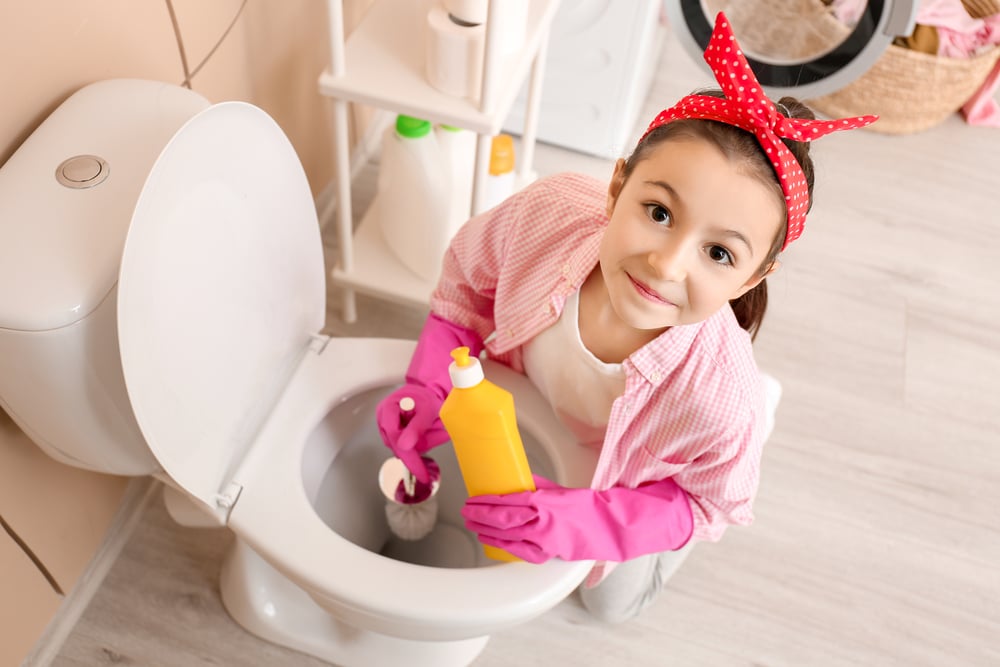
The most successful responsibility systems share a common thread—they treat children as capable individuals who can make meaningful contributions to family life. These approaches move beyond simple task completion to develop critical thinking, problem-solving, and emotional intelligence skills that children will use throughout their lives.
When responsibility feels meaningful rather than arbitrary, children embrace it as part of their identity rather than resisting it as an unwelcome burden. Modern families are discovering that well-designed chore systems create opportunities for connection, learning, and growth that benefit everyone involved.
The key lies in matching the approach to your family’s values, schedules, and personalities while maintaining consistency and clear expectations. These systems prove that teaching responsibility doesn’t have to be a constant battle—it can actually strengthen family bonds while preparing children for successful, independent futures.
Like Go2Tutors’s content? Follow us on MSN.
More from Go2Tutors!

- 16 Restaurant Chains That Went Too Fast
- 12 Things Sold in the 80s That Are Now Illegal
- 15 Strange Things People Have Tried to Ban (And Failed)
- 16 Collectibles People Tossed Out Too Soon
- 17 Myths from Your Childhood That Were Actually Based on Real Things
Like Go2Tutors’s content? Follow us on MSN.



