16 Ocean Dead Zones That Threaten Marine Life
Beneath the ocean’s surface, silent underwater graveyards spread across the globe. These aren’t ancient shipwrecks or coral bleaching events—they’re dead zones, vast stretches of water so starved of oxygen that marine life simply can’t survive. What was once vibrant underwater habitat becomes a biological desert where fish flee and bottom-dwelling creatures suffocate.
The number of these oceanic death traps has exploded from just 42 documented cases in 1950 to over 500 today, covering an area larger than the United Kingdom. Here is a list of 16 ocean dead zones that pose the greatest threats to marine ecosystems worldwide.
Arabian Sea Dead Zone

The world’s largest dead zone lurks in the Arabian Sea—covering nearly the entire 63,700-square-mile Gulf of Oman. This massive oxygen-starved region remains lifeless year-round, making it a permanent underwater wasteland. Recent studies using underwater robots revealed the zone’s grown dramatically larger than scientists expected, with areas that once held minimal oxygen now completely devoid of it.
Gulf of Mexico Dead Zone
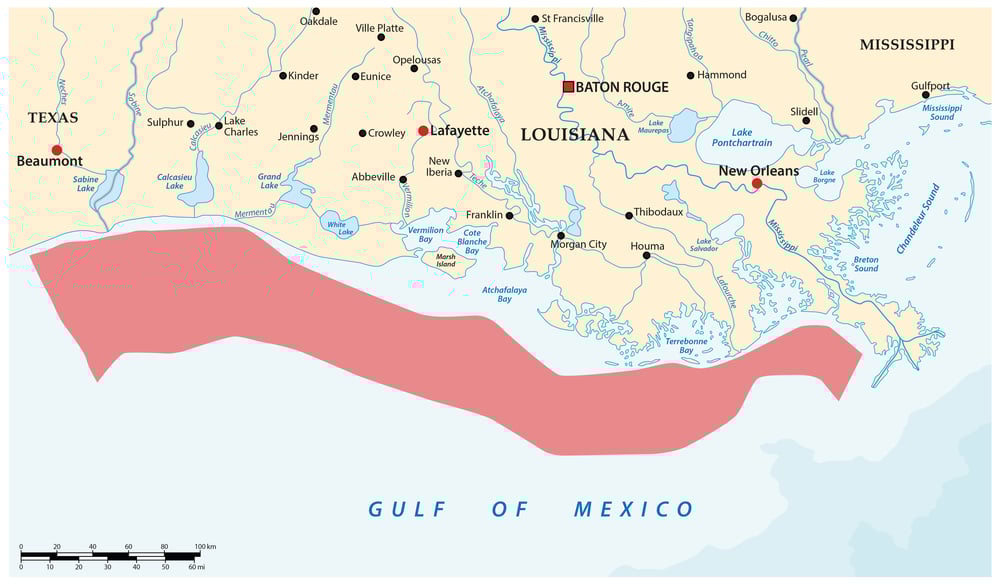
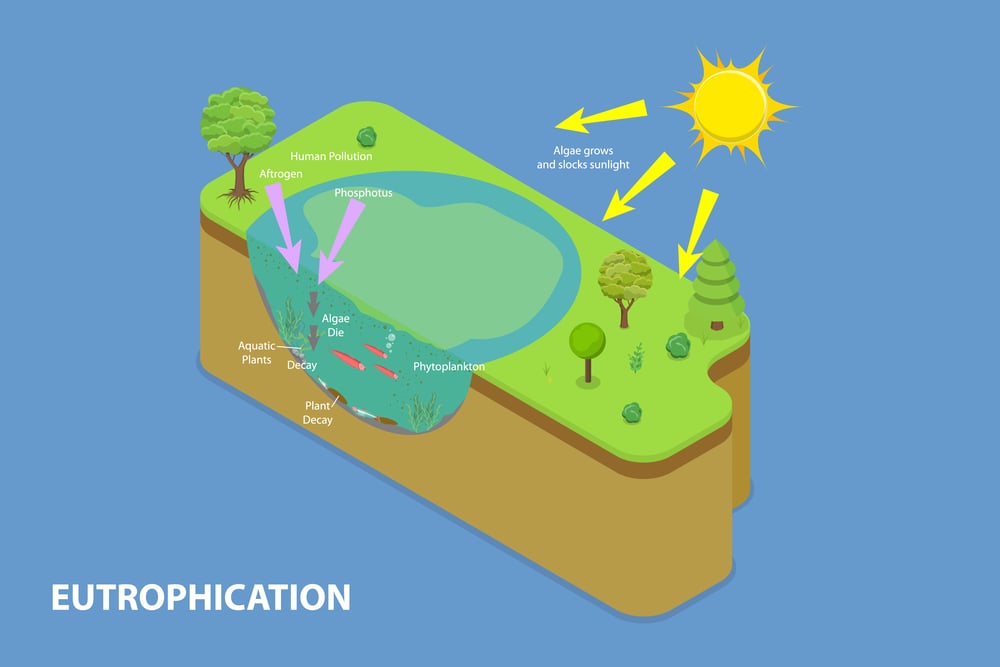
America’s most notorious dead zone sprawls across the northern Gulf of Mexico, averaging around 6,000 square miles. That’s roughly the size of Connecticut. Fed by nutrient-rich runoff from the Mississippi River—this seasonal killer emerges every summer when agricultural fertilizers from America’s heartland create massive algal blooms. The 2024 dead zone measured 6,705 square miles, marking it as the 12th largest ever recorded in nearly four decades of monitoring.
Baltic Sea Dead Zone

The Baltic Sea harbors one of the world’s most persistent dead zones. It spans over 27,000 square miles in its deeper waters. This semi-enclosed sea acts like a giant trap—with limited water exchange preventing fresh, oxygenated water from flushing out the stagnant depths. The situation worsened dramatically when overfishing removed cod, the natural predators that kept algae-eating fish populations in check.
Lake Erie Central Basin

Lake Erie’s central basin transforms into a freshwater dead zone each summer. It affects up to 40% of the lake’s area during peak conditions. The zone typically stretches from Sandusky, Ohio to Erie, Pennsylvania—creating an underwater desert in what should be prime fish habitat. Agricultural runoff loaded with phosphorus from surrounding farmland feeds explosive algal blooms that strip oxygen from the lake’s depths.
Chesapeake Bay Dead Zone

The Chesapeake Bay hosts America’s first identified dead zone, discovered in the 1970s during the height of the environmental movement. This crucial estuary experiences seasonal hypoxia that can cover over 1,200 square miles during severe years. The dead zone devastates the bay’s famous blue crab and oyster populations—forcing these economically important species to abandon their traditional feeding grounds.
Black Sea Dead Zone

The Black Sea once held the dubious honor of hosting the world’s largest dead zone before an unexpected recovery in the 1990s. When the Soviet Union collapsed—expensive fertilizers became unaffordable across Eastern Europe, dramatically reducing nutrient pollution flowing into the sea. This accidental experiment proved that dead zones can recover when nutrient inputs are slashed, offering hope for other affected regions.
East China Sea Dead Zone
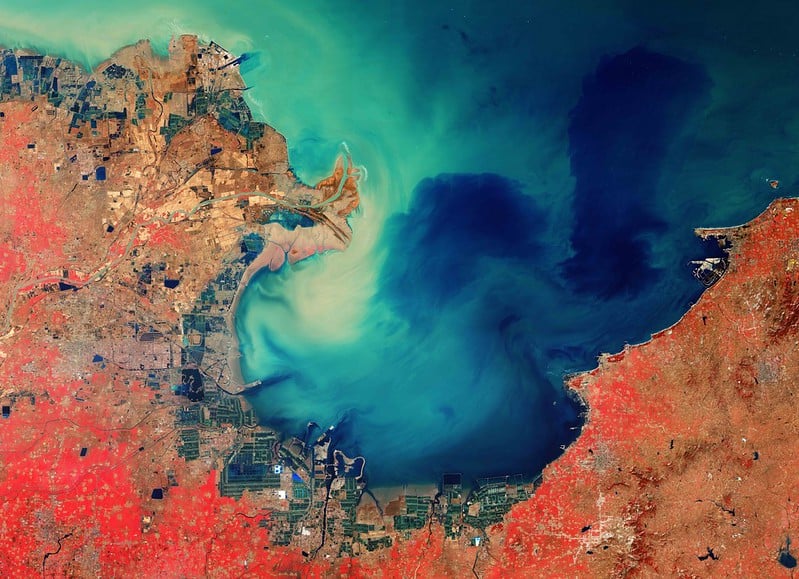
China’s rapid industrial and agricultural development has created a sprawling dead zone in the East China Sea. It’s one of the world’s most important fishing regions. Massive amounts of fertilizer runoff from the Yangtze River watershed fuel this expanding underwater wasteland—threatening fish populations that millions of people depend on for protein and livelihoods across the region.
Kattegat Dead Zone

The narrow Kattegat strait between Denmark and Sweden suffers from severe seasonal hypoxia that decimates marine life each summer. This critical waterway connects the Baltic Sea to the North Sea—yet agricultural runoff from surrounding countries creates toxic conditions. The dead zones transformed once-productive fishing grounds into underwater deserts where trawl nets come up empty.
Pacific Northwest Coastal Dead Zones

Oregon’s coast experiences recurring dead zones that stretch for miles along the continental shelf. They create havoc for the region’s fishing industry. These zones appear when deep, nutrient-rich waters upwell to the surface—triggering massive algal blooms that consume available oxygen. Climate change has intensified these events, making them more frequent and severe than historical patterns.
Elizabeth River Dead Zone

— Photo by jiawangkun
Virginia’s Elizabeth River suffers from chronic hypoxia that turns this important waterway into a biological wasteland during warm months. Urban runoff from the Norfolk metropolitan area loads the river with excess nutrients from fertilizers, sewage, and stormwater—while the dead zone devastates fish populations and degrades habitat that should support the Chesapeake Bay’s broader ecosystem.
Eastern Tropical Pacific Oxygen Minimum Zone
A vast natural dead zone stretches across the eastern tropical Pacific Ocean, representing one of the ocean’s largest permanently hypoxic regions. This zone emerged eight million years ago and continues expanding due to changing ocean circulation patterns. Unlike coastal dead zones caused by pollution, this massive area formed naturally yet threatens to grow larger as climate change alters ocean currents.
Northern Indian Ocean Dead Zone
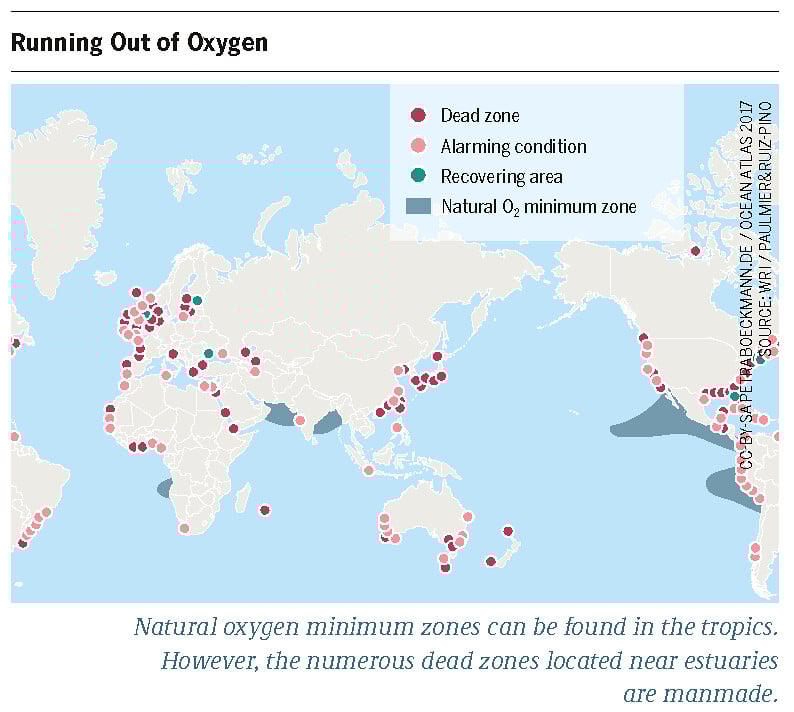
The northern Indian Ocean contains extensive oxygen minimum zones that create permanent dead zones in deeper waters. These naturally occurring hypoxic regions have existed for millennia though they’re expanding as warming temperatures reduce the ocean’s ability to hold dissolved oxygen. The zones affect crucial fishing grounds that support hundreds of millions of people across South Asia.
San Francisco Bay Dead Zone

California’s San Francisco Bay experiences seasonal dead zones that threaten the estuary’s recovering ecosystem. Nutrient pollution from urban areas and agricultural runoff in the Central Valley creates conditions ripe for oxygen depletion. The bay’s complex circulation patterns can trap nutrient-rich water, leading to algal blooms that suffocate bottom-dwelling creatures like clams and crabs.
Hudson River Dead Zone

New York’s Hudson River has battled recurring dead zones that devastate fish populations and degrade water quality in this historic waterway. Urban pollution and agricultural runoff from the river’s vast watershed create nutrient overloads that trigger harmful algal blooms. Cleanup efforts have reduced the severity of hypoxic events, though the river remains vulnerable during hot summer months.
Adriatic Sea Dead Zone

The northern Adriatic Sea experiences seasonal dead zones that have plagued this important Mediterranean fishing region since the 1970s. Nutrient pollution from Italy’s Po River, which drains heavily agricultural areas, fuels massive algal blooms along the coast. These events have caused devastating fish kills and forced the closure of beaches during peak tourist season.
Great Lakes Dead Zones
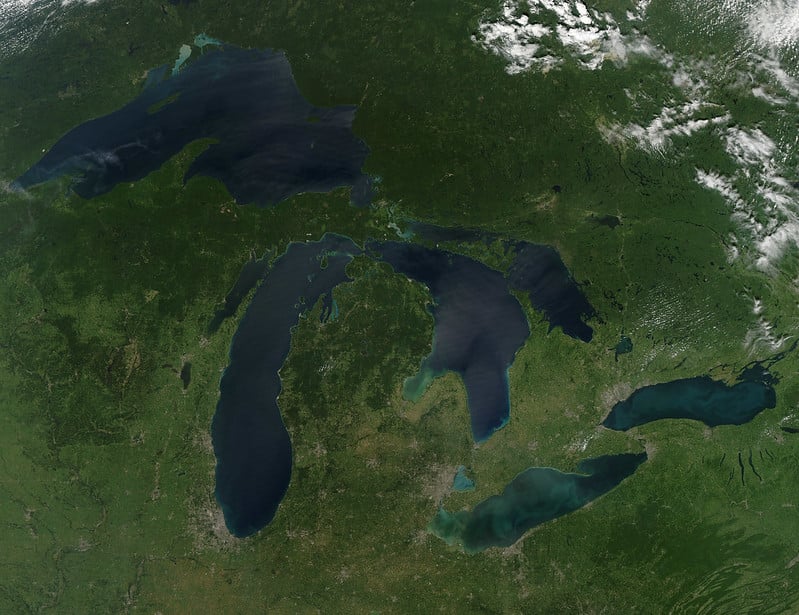
Beyond Lake Erie, several other Great Lakes develop seasonal dead zones that threaten freshwater ecosystems across the region. Lake Michigan’s Green Bay and parts of Lake Huron experience hypoxic conditions during warm months when agricultural runoff triggers algal blooms. These dead zones disrupt fish spawning, reduce biodiversity, and degrade habitat that supports both commercial and recreational fishing.
The Oxygen Crisis Deepens
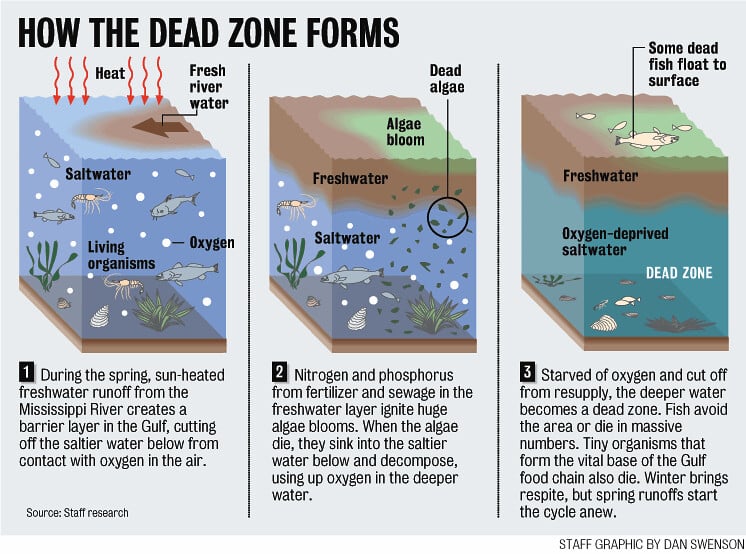
These underwater wastelands represent more than just local environmental problems. They’re symptoms of a global oxygen crisis that’s accelerating with climate change. As oceans warm, they naturally hold less dissolved oxygen, while increased rainfall patterns wash more nutrients into coastal waters. The deadly combination means dead zones will likely continue expanding unless we dramatically reduce nutrient pollution and address the root causes driving these aquatic disasters. The race is on to save our oceans before these zones of death become the new normal.
More from Go2Tutors!

- 16 Historical Figures Who Were Nothing Like You Think
- 12 Things Sold in the 80s That Are Now Illegal
- 15 VHS Tapes That Could Be Worth Thousands
- 17 Historical “What Ifs” That Would Have Changed Everything
- 18 TV Shows That Vanished Without a Finale
Like Go2Tutors’s content? Follow us on MSN.