16 Cities Designed for the Future That Fell Into Decay
Urban planners and visionaries throughout history have attempted to create perfect cities—utopian environments designed to solve the problems of their time and anticipate future needs. Yet despite ambitious beginnings and innovative designs, many of these forward-thinking metropolises ultimately declined, abandoned, or degraded far from their original aspirations.
Here is a list of 16 cities that were originally designed with the future in mind, only to experience various forms of decay and decline as time moved forward.
Ordos Kangbashi
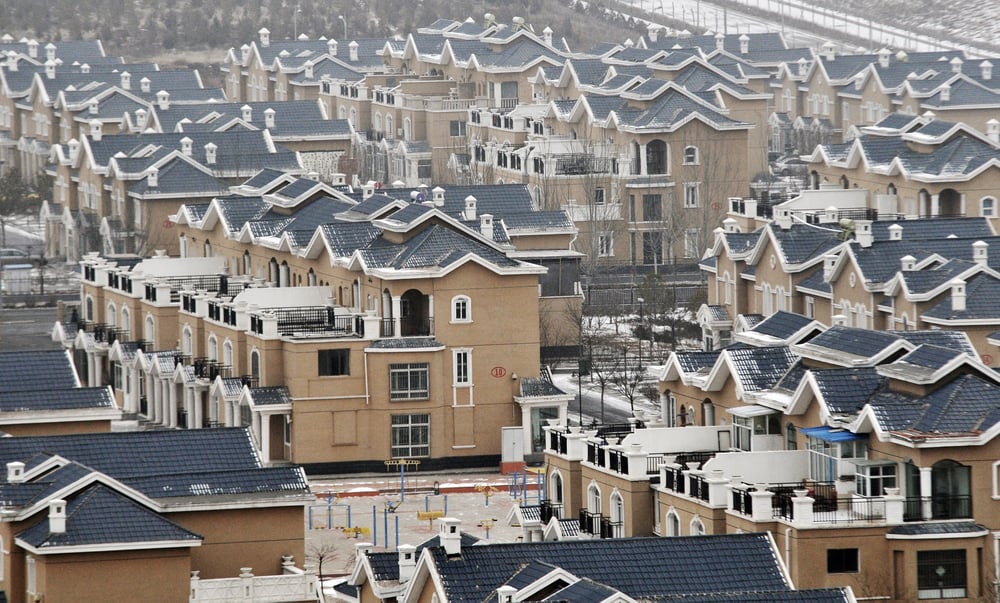
Once heralded as China’s most ambitious new city project, Ordos Kangbashi in Inner Mongolia was built for over a million residents with striking modern architecture and wide boulevards. Completed in 2010, it became the world’s largest ghost town when economic bubbles burst and potential residents couldn’t afford the inflated housing prices.
Today, although more people have moved in, vast sections remain eerily empty with deteriorating buildings designed by world-famous architects standing as monuments to misplaced optimism.
Pripyat
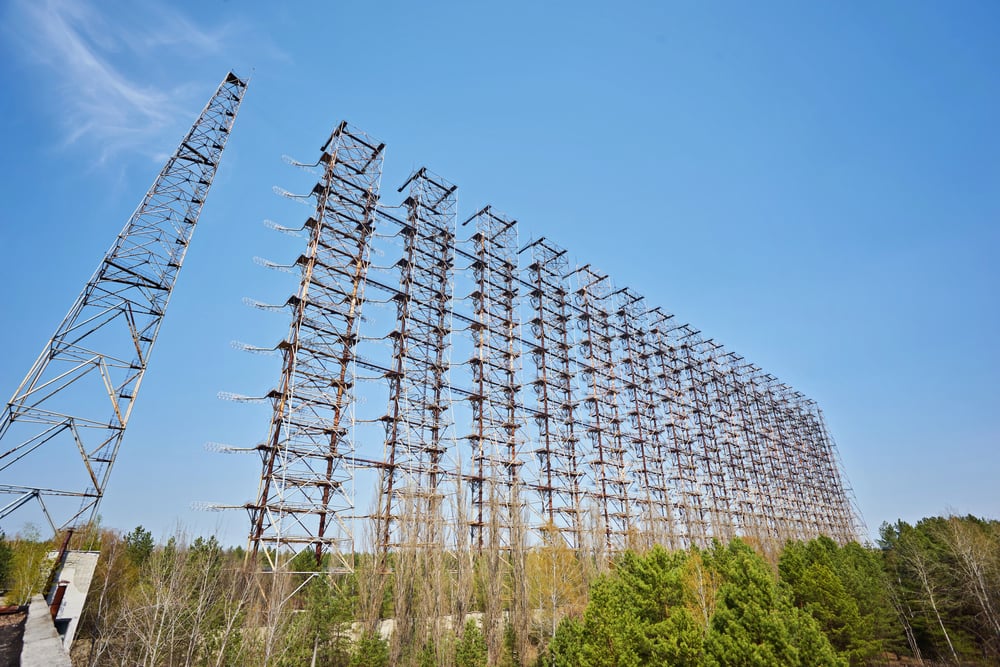
Built in 1970 as a model Soviet city to house workers from the Chernobyl Nuclear Power Plant, Pripyat was considered an urban paradise with its wide avenues, cultural amenities, and modern apartments. The 1986 nuclear disaster transformed this forward-thinking city into the world’s most famous radioactive ghost town in just three days.
Nature now reclaims its streets and buildings as trees grow through floors and wildlife roams freely through what was once a carefully planned community of 50,000 people.
Like Go2Tutors’s content? Follow us on MSN.
California City
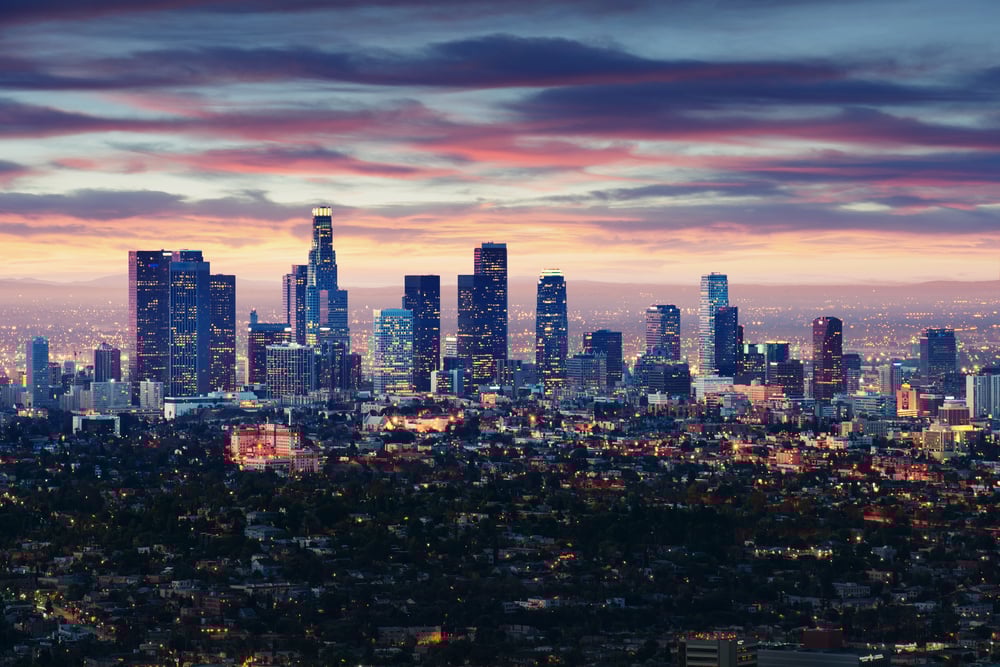
Conceived in 1958 as America’s next great metropolis, California City was designed to rival Los Angeles with a massive master-planned community in the Mojave Desert. Developer Nat Mendelsohn laid out an elaborate network of streets and infrastructure for a city of hundreds of thousands.
The grand vision never materialized—today, the vast majority of the city exists only as a grid of empty streets carved into the desert, visible from space as a testament to unfulfilled dreams of suburban expansion.
Hashima Island
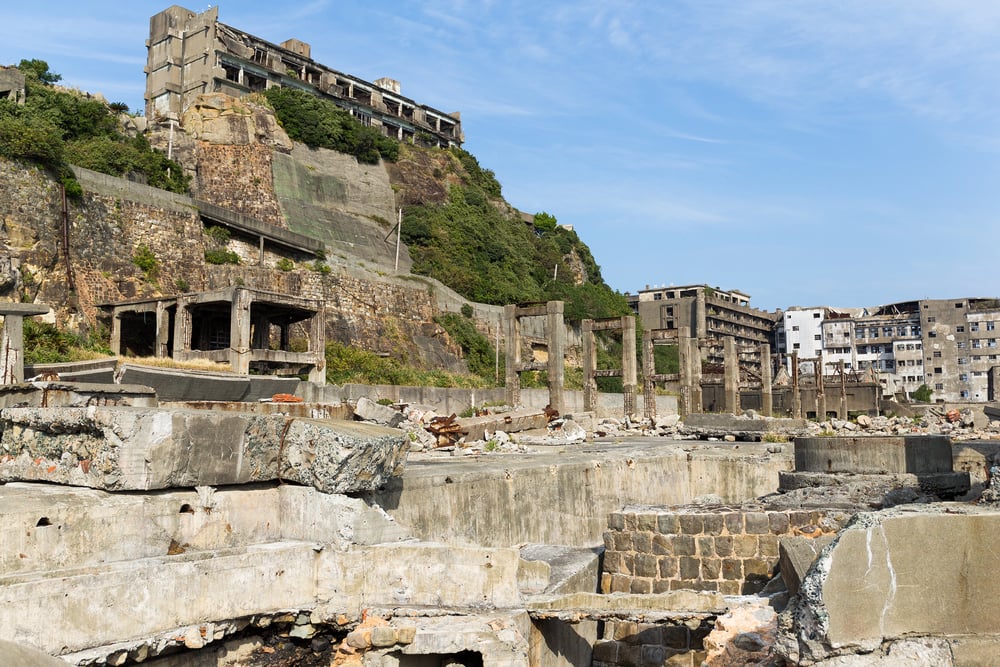
This Japanese coal mining facility, also known as Battleship Island, was once the most densely populated place on Earth and featured the world’s first concrete high-rise apartment buildings. When petroleum replaced coal as Japan’s primary energy source in the 1960s, the island’s economy collapsed.
Abandoned in 1974, its futuristic concrete structures now stand as crumbling ruins in the sea, with nature and saltwater gradually dismantling what was once considered revolutionary urban living.
Varosha
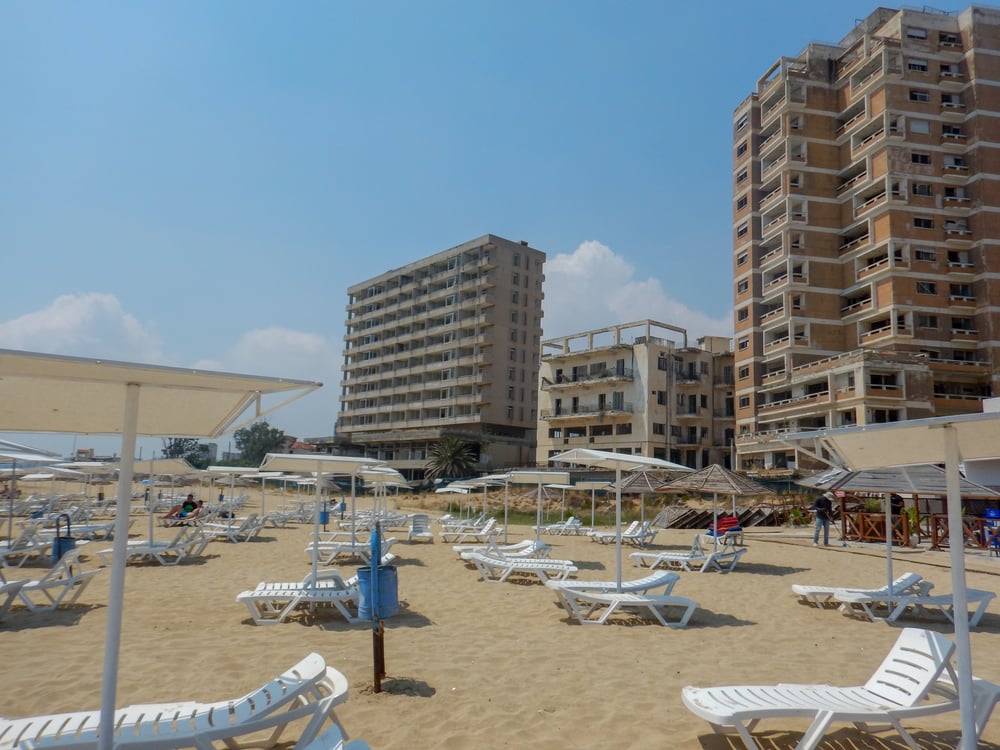
Once the modern jewel of Cyprus and a playground for celebrities like Elizabeth Taylor and Brigitte Bardot, Varosha featured cutting-edge hotels and luxury accommodations ahead of their time. The 1974 Turkish invasion turned this futuristic Mediterranean resort into an off-limits ghost town overnight.
High-rise hotels and apartments have stood empty for nearly 50 years, gradually deteriorating while caught in political limbo as furniture from the 1970s gathers dust in abandoned rooms.
Like Go2Tutors’s content? Follow us on MSN.
Naypyidaw
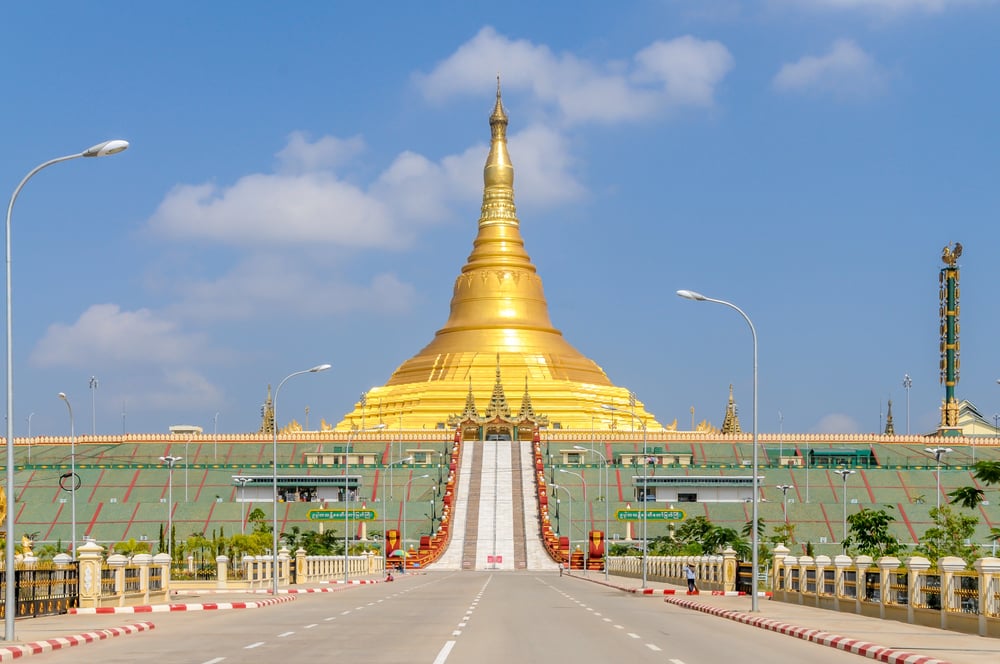
Built from scratch in the early 2000s as Myanmar’s new capital, Naypyidaw features 20-lane highways, sprawling government complexes, and luxury hotels—all designed to showcase the nation’s aspirations. Despite billions invested in its construction, the city remains bizarrely empty, with massive infrastructure sitting largely unused.
Government workers reluctantly relocated from Yangon occupy small sections while most neighborhoods and commercial areas remain ghost districts in this oversized capital.
Fordlandia
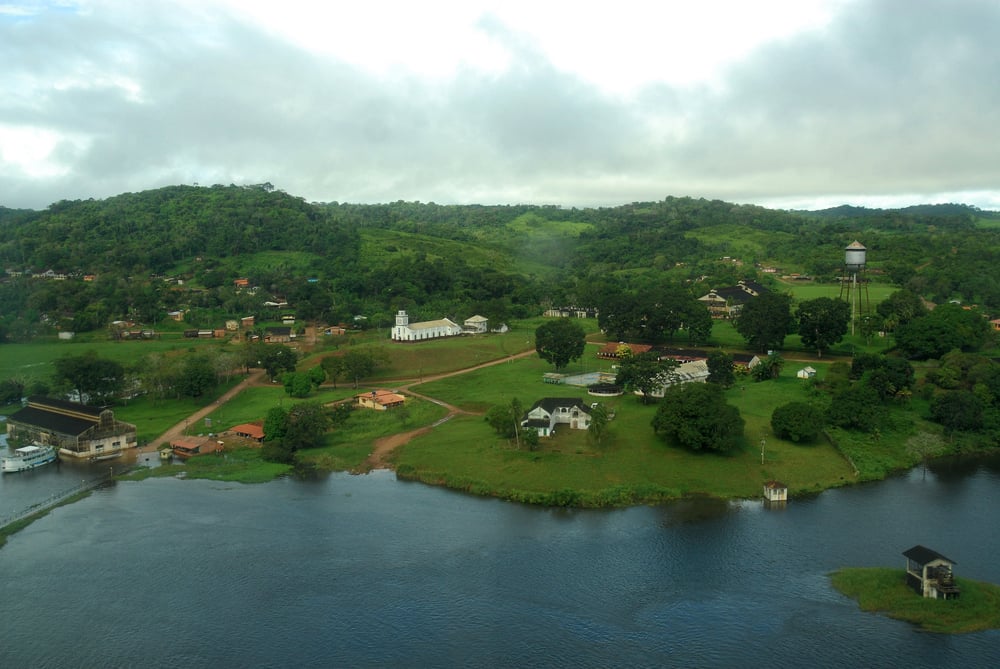
Henry Ford’s attempt to create an American industrial utopia in the Amazon rainforest during the 1920s included modern housing, schools, hospitals, and recreation facilities for rubber plantation workers. Ford’s vision of exporting American suburban values to the jungle spectacularly failed when workers rejected the enforced lifestyle and the rubber trees succumbed to disease.
The abandoned town now sits reclaimed by jungle, with rusting machinery and collapsing American-style buildings slowly disappearing under tropical vegetation.
Thames Town
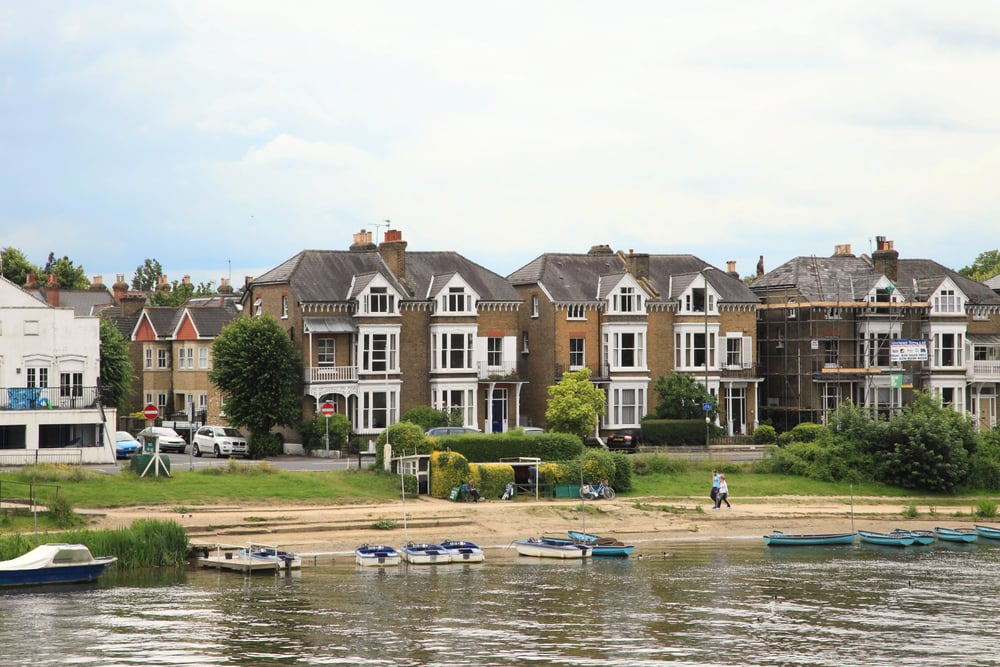
Built outside Shanghai as part of China’s ‘One City, Nine Towns’ initiative, Thames Town is a perfect replica of an English market town complete with cobblestone streets, Victorian terraces, and red telephone booths. Designed to house 10,000 residents in European-style living, prohibitive costs meant few people actually moved in.
Today it functions primarily as a wedding photography backdrop and tourist curiosity while its buildings gradually deteriorate, creating a strange simulacrum of English decay in the Chinese countryside.
Like Go2Tutors’s content? Follow us on MSN.
Akranes
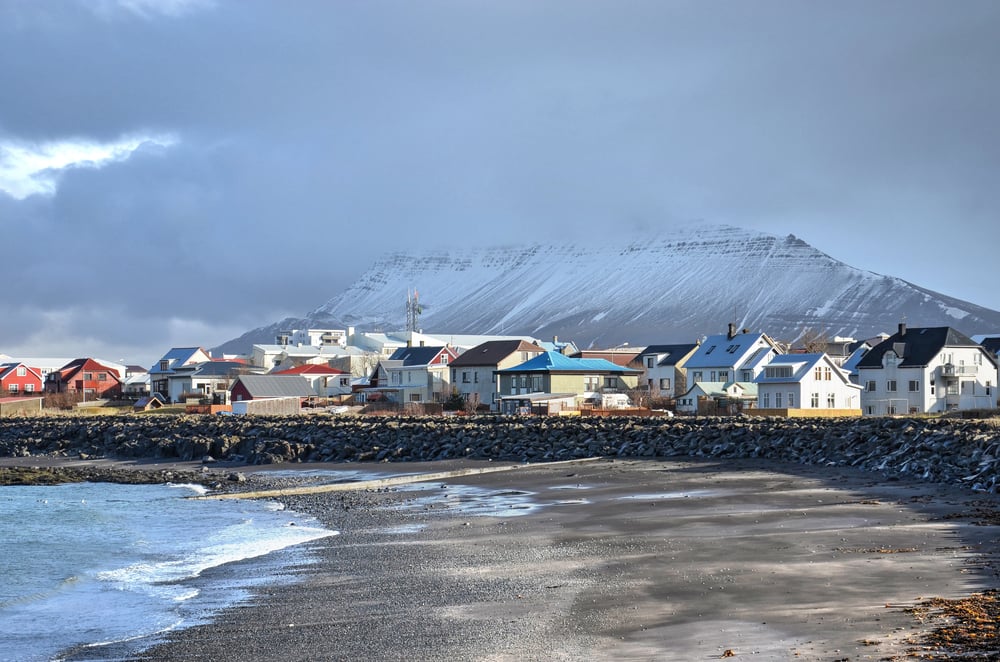
Iceland’s once-thriving fishing town was modernized in the mid-20th century with forward-thinking infrastructure and industry. When fishing quotas and industry changes hit in the 1980s and 1990s, the town’s economy collapsed despite its modern facilities.
The abandoned cement factory and fisheries infrastructure now rust along the coastline as the population has dwindled, leaving behind well-designed buildings and harbor facilities that no longer serve their intended purpose.
Eko Atlantic
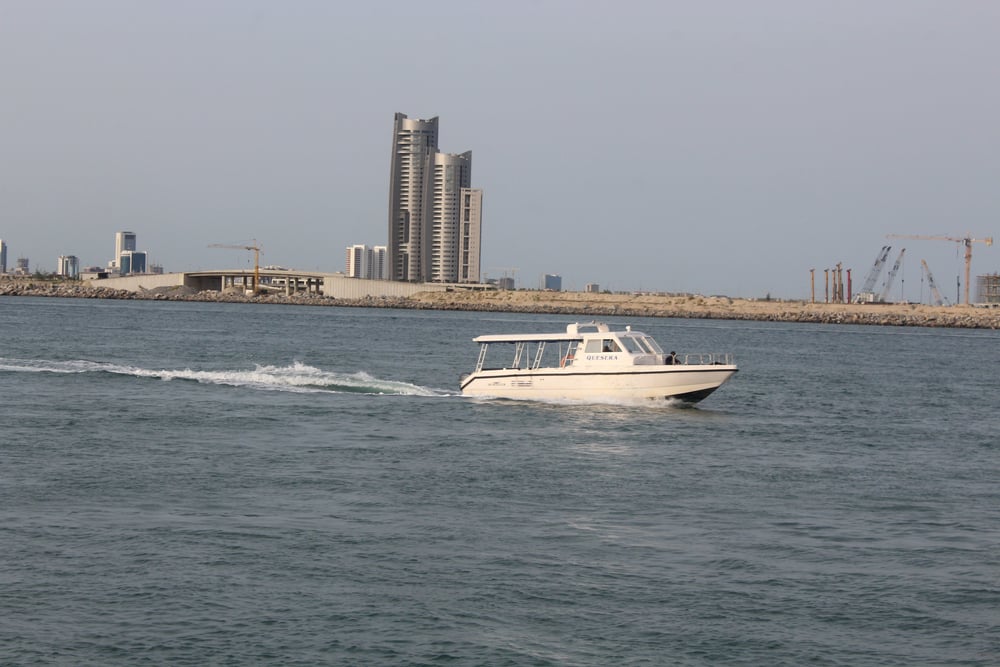
Built on land reclaimed from the Atlantic Ocean adjacent to Lagos, Nigeria, this ambitious project aimed to create Africa’s answer to Dubai—a smart city with cutting-edge infrastructure and sustainability features. Construction delays, funding issues, and sea level concerns have left much of the development unfinished or empty.
What was meant to house 250,000 residents stands partially complete, with empty luxury towers and unfinished streets while erosion threatens surrounding coastlines.
North Wilkesboro
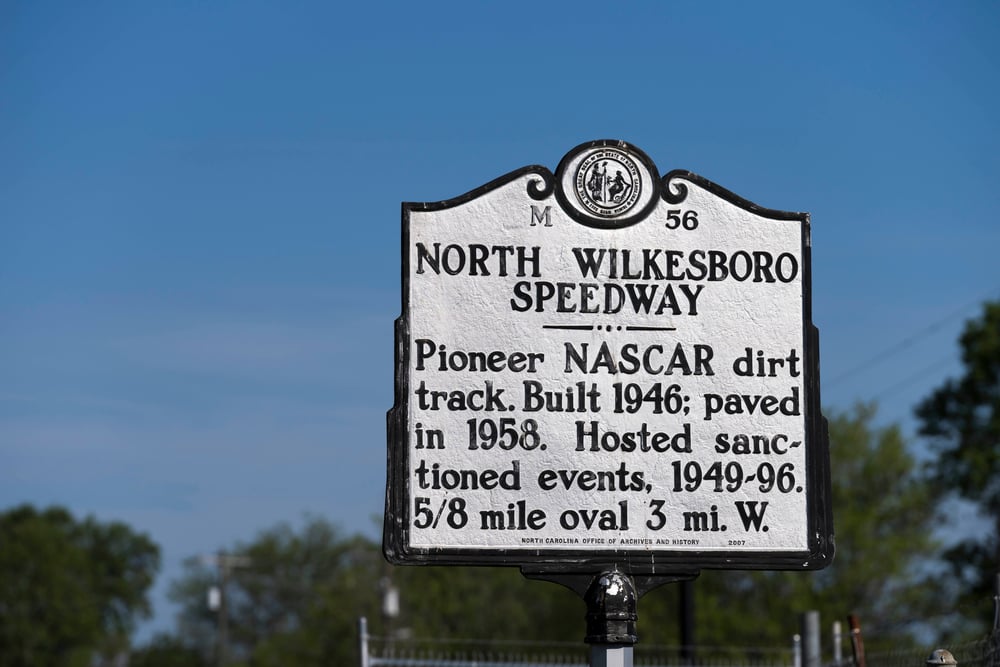
Once a shining example of American industrial modernism, this North Carolina town boasted innovative factories and one of NASCAR’s first speedways. As manufacturing moved overseas in the 1980s and 1990s, the town experienced rapid decline despite its once-modern infrastructure.
The iconic speedway sat abandoned for years while historic downtown buildings emptied, creating a modern ghost town until recent revitalization efforts began to address the decades of deterioration.
Like Go2Tutors’s content? Follow us on MSN.
Linfen
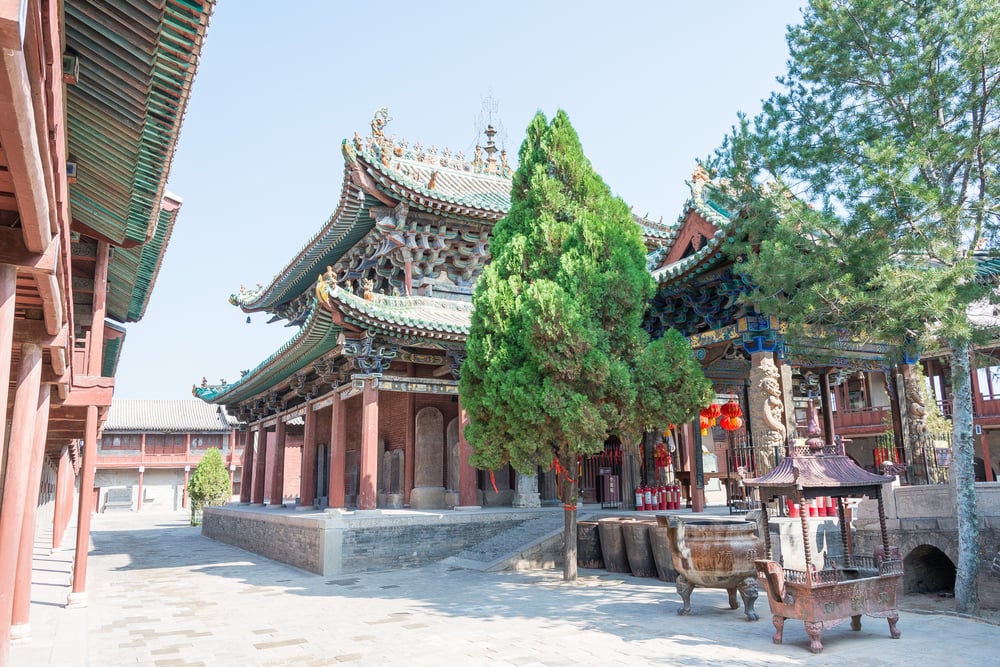
Transformed rapidly during China’s industrial boom into a city of the future with new high-rises and infrastructure, Linfen became infamous as ‘the world’s most polluted city.’ Its forward-looking industrial capacity created an environmental disaster zone where cancer rates soared and visibility dropped to feet.
Modern buildings quickly deteriorated under the assault of acid rain and particulate matter, creating a cautionary tale of progress without environmental safeguards.
Trujillo New Town
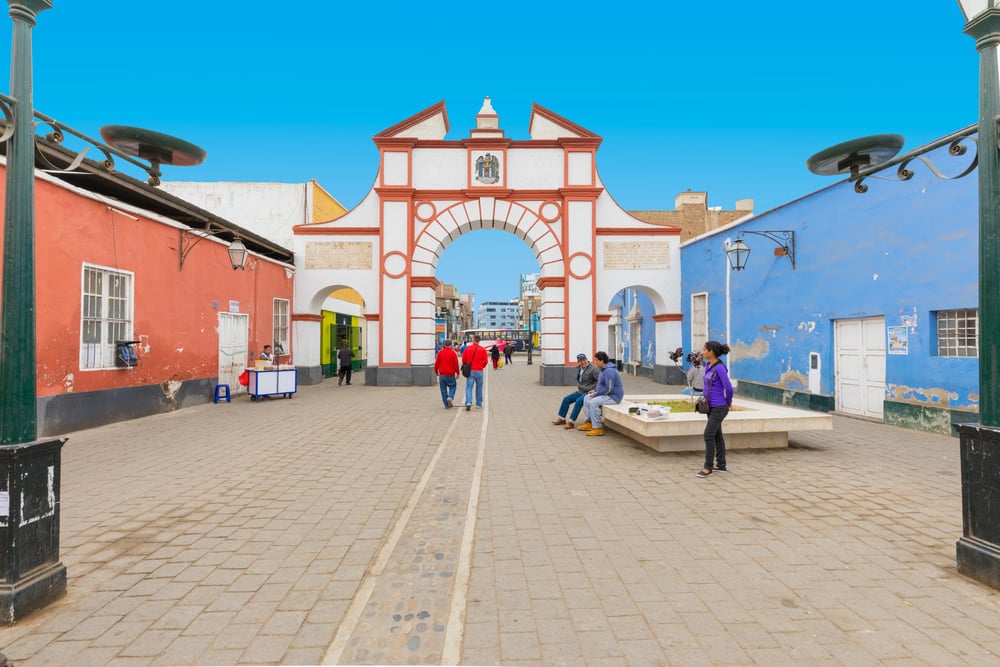
Built in Spain during the 1960s under Franco’s modernization plan, this planned community featured contemporary architecture and agricultural innovations designed to transform rural life. The ambitious project was abandoned half-completed when funding ran out, leaving behind a partially finished modern town.
Concrete structures stand unfinished decades later, gradually crumbling in the Spanish countryside as nature reclaims what was meant to be a showcase of modern rural development.
Nova Cidade de Kilamba

Constructed by Chinese developers outside Luanda, Angola, this massive pre-planned city of colorful high-rises and modern infrastructure was built to house 500,000 people. Initially standing nearly empty due to apartments costing far more than most Angolans could afford, the city appeared more like a life-sized architectural model than a living community.
While occupancy has improved in recent years, many buildings show signs of deterioration before they were even occupied.
Like Go2Tutors’s content? Follow us on MSN.
Norilsk
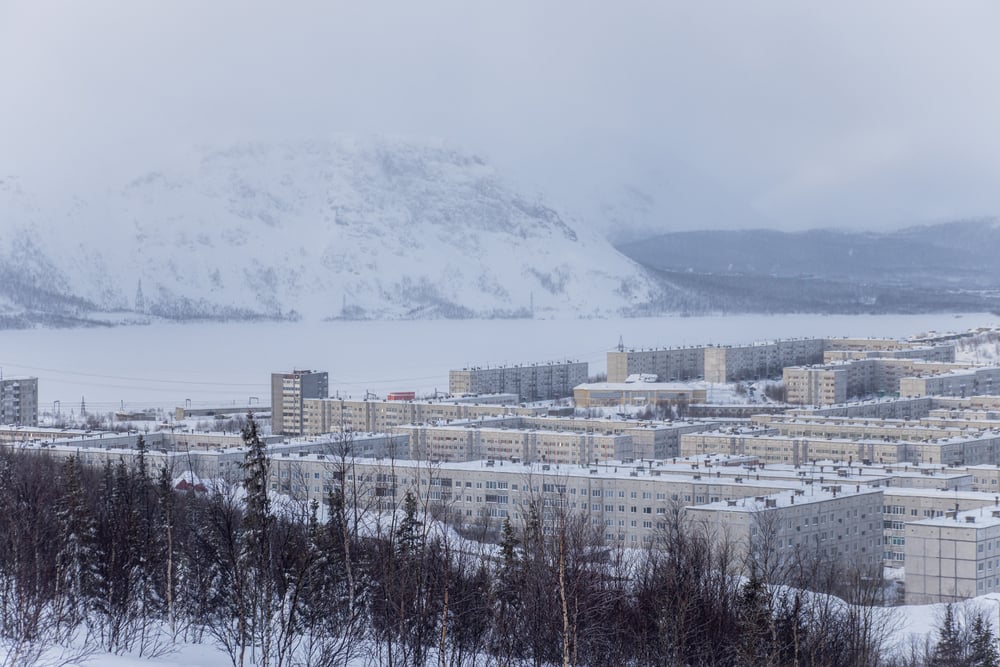
Designed as a showcase Soviet industrial city above the Arctic Circle, Norilsk featured innovative cold-weather architecture and urban planning to create livable conditions in an extreme environment. Now Russia’s most polluted city, its once-innovative buildings are stained black from copper smelting while life expectancy is significantly reduced.
Soviet-era apartments deteriorate rapidly in the harsh climate while acid rain has created a dead zone stretching for miles around the city.
Adamstown
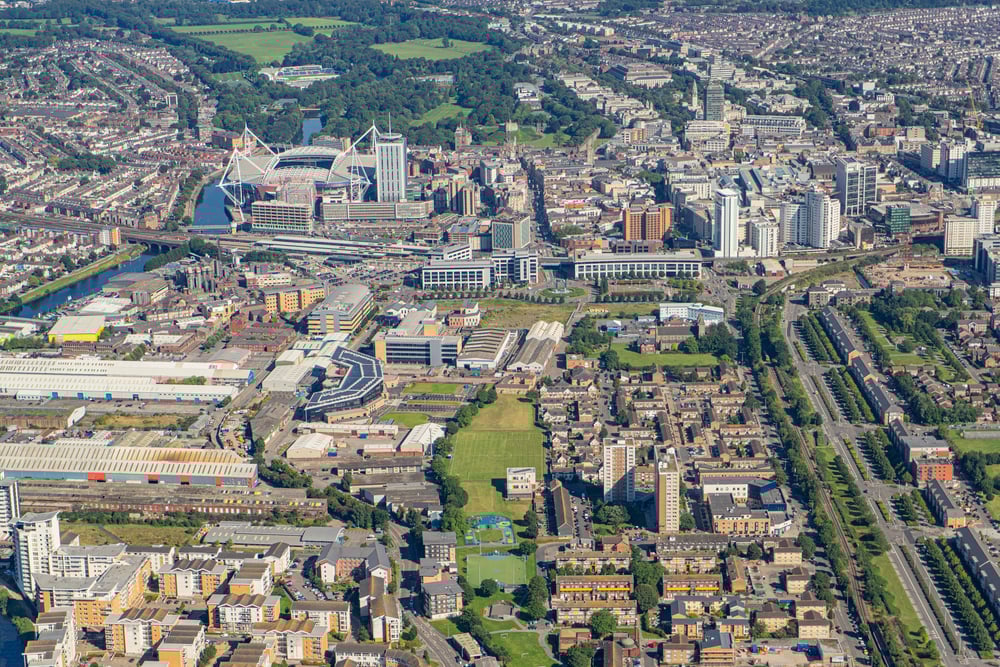
Developed near Dublin during Ireland’s economic boom as a self-contained township with ultramodern amenities and sustainable design features, Adamstown represented European urban planning at its most progressive. When the 2008 financial crisis hit, construction halted abruptly mid-development.
Years later, residents live in a partially completed vision—surrounded by half-finished infrastructure, vacant lots, and the shells of buildings that were meant to complete their futuristic community.
Lessons From Urban Ambition
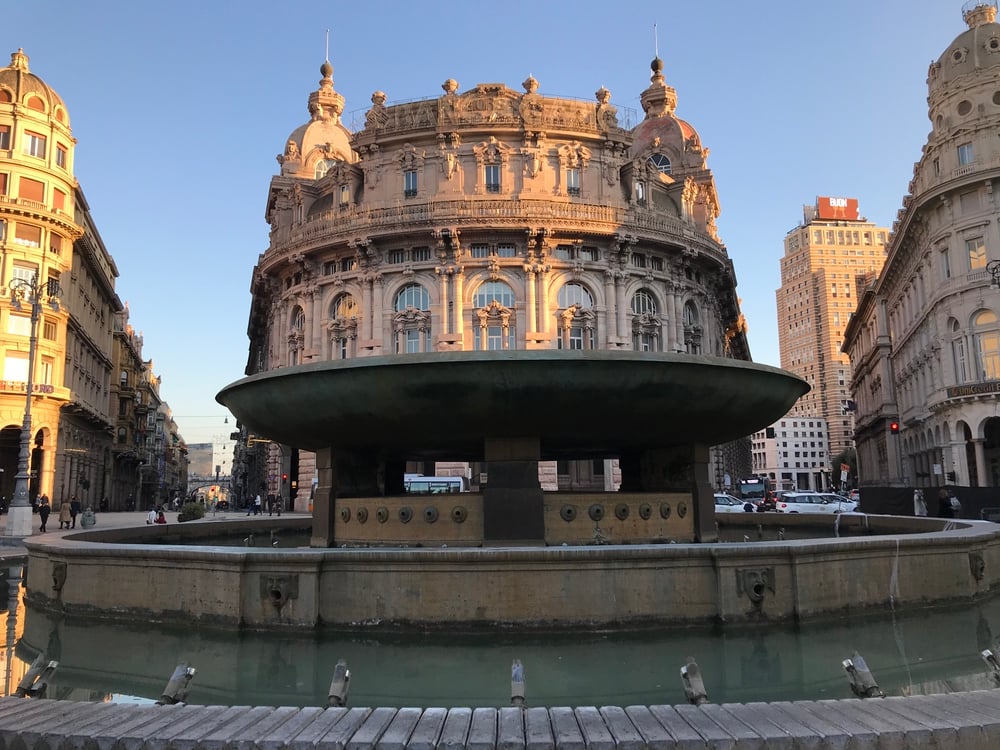
These fallen future cities remind us that urban planning requires more than innovative architecture and grand visions—it demands adaptability, economic sustainability, and genuine community engagement. Each abandoned boulevard and empty tower tells a story of how quickly our predictions about tomorrow can become outdated monuments to yesterday’s thinking.
Perhaps the truly futuristic city isn’t one built all at once according to a master plan, but rather one that can evolve, adjust, and reinvent itself as the actual future unfolds in ways that planners never imagined.
More from Go2Tutors!

- 18 Unexpectedly Valuable Collectibles You Might Have Lying Around
- 15 Things Every Teenager in the ’70s Did That Teens Today Wouldn’t Understand
- 15 Strange Things People Have Tried to Ban (And Failed)
- 15 Inventions That Were Immediately Banned After Being Created
- 20 Actors Who Were Almost Cast in Iconic Roles
Like Go2Tutors’s content? Follow us on MSN.



