Successful Business Ventures That Started as Jokes
Some of the most successful companies in the world began as punchlines. A ridiculous idea someone said out loud, a bet made at a party, a product created entirely to mock a trend — and then, somehow, it worked.
The market turned out to have a sense of humour, or no sense at all, or both. What these stories share is the uncomfortable lesson that a joke and a viable business idea are sometimes exactly the same thing, just waiting for someone to take them seriously enough to find out.
Cards Against Humanity
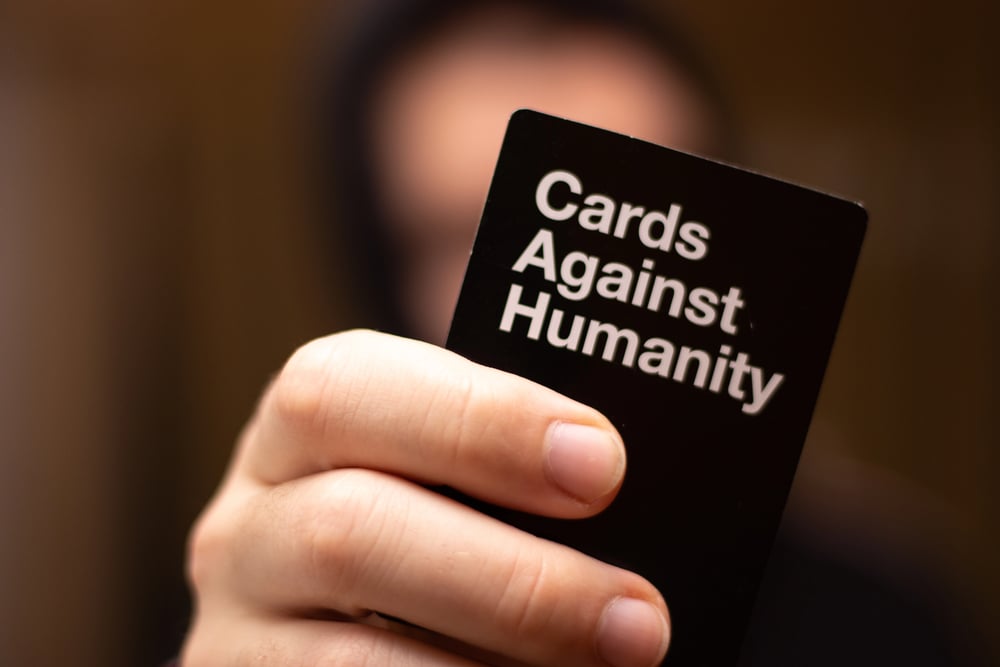
Cards Against Humanity was created by eight high school friends in Chicago who wanted a card game to play over the holidays. They designed it explicitly as a crude, offensive, deliberately tasteless party game — the anti-game, a joke at the expense of wholesome family entertainment.
They put it on Kickstarter in 2011 as an afterthought and raised nearly $16,000. The game went on to become one of the best-selling card games in the United States.
The creators have leaned into the absurdity at every opportunity, using their profits to fund a range of increasingly strange projects: buying a plot of land on the US-Mexico border to prevent wall construction, selling boxes of literal dirt, and running a Black Friday promotion where they charged customers $5 for nothing at all. Tens of thousands of people paid for it.
The joke never really ended — it just became a business.
Pet Rock

In 1975, advertising executive Gary Dahl was sitting in a bar listening to his friends complain about their pets — the feeding, the cleaning, the constant demands. He suggested the solution was obvious: get a pet rock.
The room laughed. Dahl went home and turned the joke into a product.
He sourced smooth stones from a Mexican beach, packaged them in custom cardboard boxes with breathing gaps and a bed of straw, and wrote a 32-page training manual explaining how to care for your rock, including instructions for commands like “sit” and “stay.” The rocks cost him a penny each.
He sold them for $3.95. Within six months, he had sold over a million of them.
Dahl became a millionaire by Christmas. Pet Rock is now a permanent exhibit in the history of successful nonsense.
Dogecoin
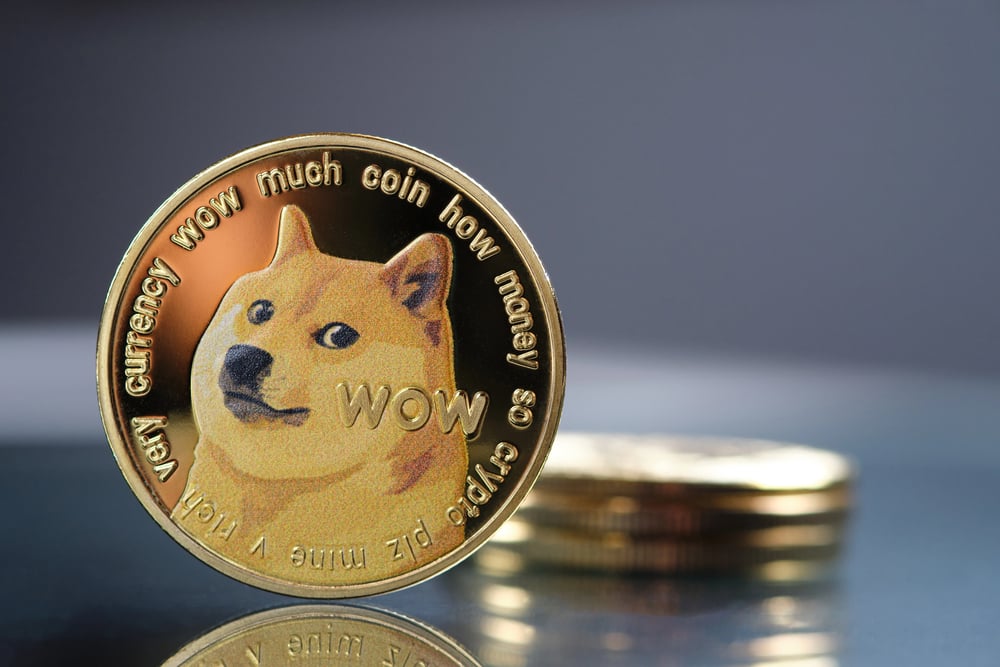
Dogecoin was created in December 2013 as a direct parody of Bitcoin and the broader cryptocurrency craze. Software engineers Billy Markus and Jackson Palmer wanted to mock the serious, quasi-religious fervour surrounding digital currency by creating one based on a meme — the Shiba Inu dog from the “Doge” internet sensation.
The coin was never meant to have real value. The founders said so repeatedly.
By 2021, Dogecoin had a market capitalization exceeding $80 billion. Elon Musk tweeted about it repeatedly, driving the price to levels that made early holders genuinely wealthy.
The people who understood it was a joke got rich. The people who didn’t understand it was a joke also, temporarily, got rich.
Whether this reflects something true about cryptocurrency in general is left as an exercise for the reader.
Crocs
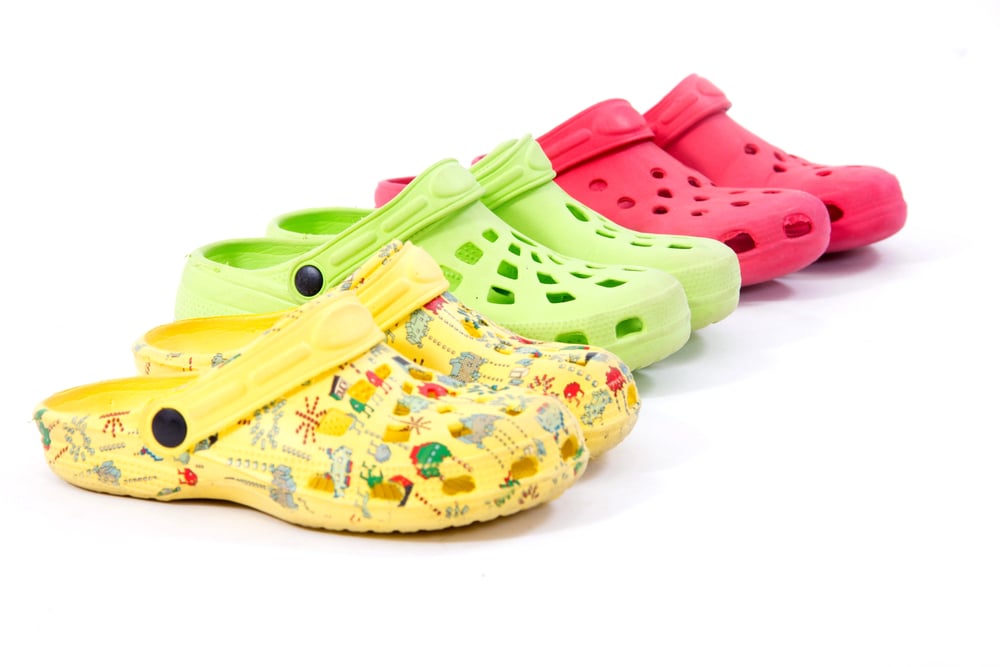
The foam clog now worn by hundreds of millions of people was designed originally as a boating shoe. The material — a proprietary closed-cell resin called Croslite — was waterproof, light, and odour-resistant.
The aesthetic was something people openly mocked. For years, Crocs occupied a peculiar cultural position: a shoe that nobody would be caught wearing, that everyone’s parent owned, and that kept growing.
Fashion declared them dead approximately fifteen times. They are currently one of the most commercially successful footwear brands in the world, worn by chefs, healthcare workers, children, and collaborating with luxury fashion houses who release limited editions that sell out within hours.
The joke became a cultural institution by simply refusing to stop being worn.
Dollar Shave Club

The founding video for Dollar Shave Club, released in 2012, was essentially a comedy sketch. Founder Michael Dubin walked through a warehouse making deadpan jokes about razor blade pricing while a man in a bear costume wandered past in the background. The video cost about $4,500 to make.
It got 12,000 orders in the first 48 hours after posting, crashing the company’s servers. The underlying product — a subscription razor blade service — was genuine, but the marketing positioned it as a joke at the expense of the major razor brands that had been charging absurd prices for years.
Unilever acquired Dollar Shave Club in 2016 for $1 billion. The bear costume was probably not included in the acquisition.
BuzzFeed Quizzes
BuzzFeed launched as a content lab focused on viral media. For years it was treated as a joke by serious media organisations — lists, quizzes, meaningless shareable content designed to generate clicks rather than inform.
The quiz “Which Disney Princess Are You?” was not a serious piece of journalism. But BuzzFeed grew its audience to over 200 million monthly unique visitors by understanding something the serious media organisations missed: people share things they find entertaining, and entertainment is not less valuable than information when you are trying to build an audience.
The joke about content farms eventually forced traditional publishers to reckon with their own engagement metrics. BuzzFeed’s quizzes were laughed at until they became the template everyone else quietly copied.
Snapchat

When Snapchat launched in 2011, the premise was widely ridiculed. A messaging app where photos disappeared after a few seconds?
What possible legitimate use could that have? The laughter didn’t slow the growth. By 2013 the app was processing over 350 million snaps per day.
Facebook offered $3 billion for it. The founders said no. The app grew into a platform with hundreds of millions of daily active users, stories that were copied by every other major social platform, and an augmented reality tools business that generates significant revenue from advertising.
The feature that seemed like a joke — disappearing messages — turned out to capture something real about how people wanted to communicate, particularly among younger users who didn’t want every moment documented permanently.
The Slanket and Snuggie
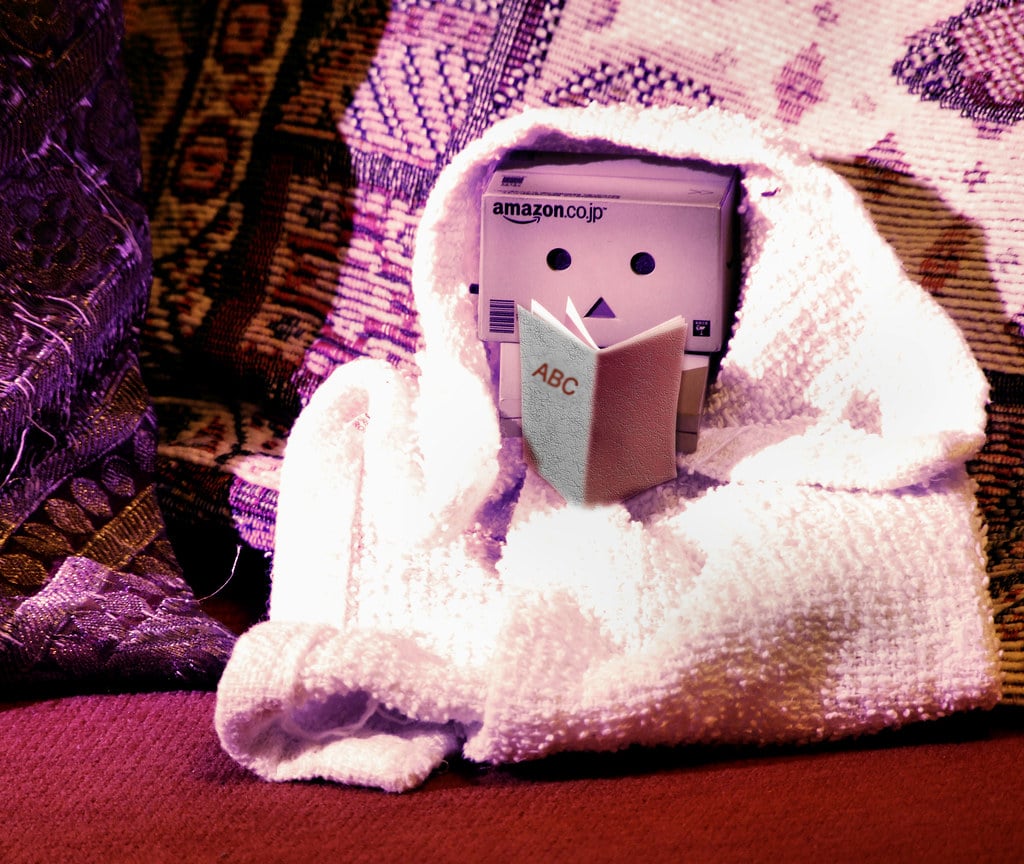
The original Slanket was created in 1997 by a college student named Gary Clegg who was cold in his dorm room and wanted to keep his arms free while using a blanket. He sewed sleeves onto a fleece blanket.
His mother helped him sell it online. A few years later, a competing product called the Snuggie launched with an infomercial so aggressively bad it became a cultural phenomenon.
People bought Snuggies ironically and then kept them because they were, in fact, warm. The product became a genuine bestseller, selling millions of units before the joke had time to fully run its course. The Slanket, the original, has sold consistently ever since. A blanket with sleeves was worth laughing at and also worth owning, which turned out to be entirely compatible positions.
Spanx

Sara Blakely came up with the idea for Spanx while getting dressed for a party and deciding to cut the feet off a pair of tights to get a smoother look under white trousers. She spent two years developing the product while keeping her day job selling fax machines.
When she pitched it to hosiery mills, she was turned down repeatedly — the concept of footless shaping tights struck buyers as unnecessary. A Neiman Marcus buyer agreed to try them after Blakely demonstrated the before-and-after effect in a changing room.
Oprah Winfrey named Spanx one of her Favourite Things in 2000. Within a year, the company had sold over $4 million worth of product. Blakely became one of the youngest female self-made billionaires in history.
The idea that started with a pair of scissors in a bathroom made her fortune.
Nasty Gal

Sophia Amoruso started selling vintage clothing on eBay in 2006 as a side project. She had no formal business training, no investment capital, and described the venture in her own words as something she did to pay for food.
She named the store Nasty Gal Vintage after a Betty Davis album, partly for the attitude and partly because she thought the name was funny. She photographed the clothes herself, wrote irreverent product descriptions, and built a following through personality as much as product.
By 2012, Nasty Gal had revenues of over $100 million. Amoruso became the subject of a Netflix series.
The eBay side project had become one of the fastest-growing retail companies in the United States. The joke-name stayed, because it was also the brand.
Minecraft
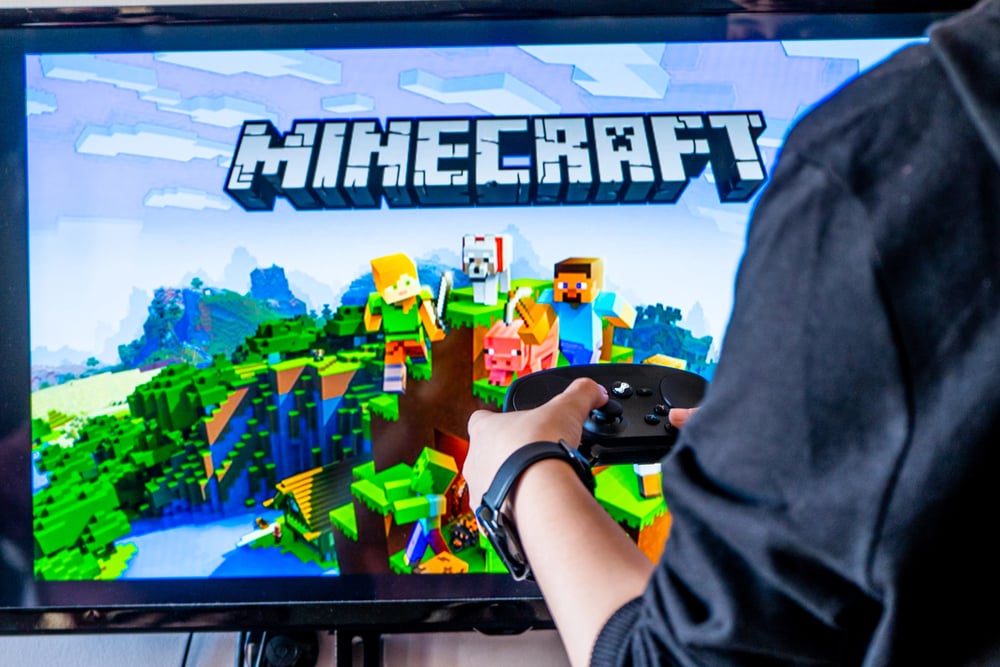
Minecraft was created by Swedish developer Markus Persson — known as Notch — as a personal project. The graphics were deliberately primitive, the gameplay loop was open-ended to the point of having no clear objective, and the whole thing looked like something a student had thrown together over a weekend.
The gaming press was uncertain what to make of it. Players, particularly children, were not uncertain at all. Minecraft became the best-selling video game of all time, with over 238 million copies sold across all platforms.
Microsoft acquired it in 2014 for $2.5 billion. The game that looked like a placeholder graphic for a real game turned out to be the real game, just one that nobody in a boardroom had imagined before it existed.
The Friday Night Lights of Fast Fashion

SHEIN began as a modest Chinese online retailer in 2008, selling wedding dresses. The business was not a joke exactly, but it was not taken seriously by Western fashion industry observers for years.
The scale at which it operated — adding thousands of new items per day, pricing aggressively, targeting young consumers through social media — seemed unsustainable and disposable. By the early 2020s, SHEIN had become the world’s most downloaded shopping app and was valued at over $60 billion in private funding rounds.
The companies that had dismissed it were watching their market share erode. Whether the business model is sustainable — environmentally, ethically, or commercially — remains genuinely contested. But the part where nobody took it seriously turned out to be wrong.
Liquid Death
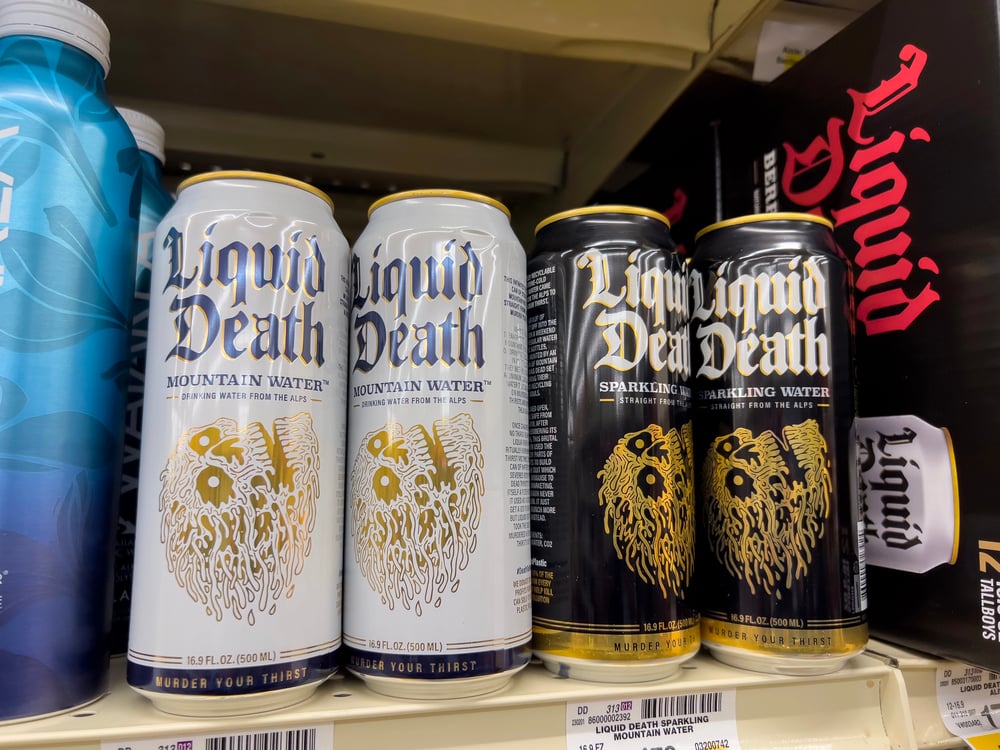
Water comes out of faucets without charge, costs little in plastic bottles, sits within reach at every corner. A company deciding to sell it in cans sounded absurd on paper. Back in 2019, one brand leaned into chaos – dark fonts, heavy metal vibes, a slogan that snarled: “murder your thirst.”
Logic said it would flop. Instead, a Facebook clip dropped before any drink existed, pulled in $1.6 million just to begin. A sudden rise put the brand on shelves everywhere, then came ties to creatives drawn to its rebellious look instead of boardroom polish.
Seven hundred million dollars defined its worth by 2023. People once laughed, saying only a fool would find charm in bottled tap water. That laugh faded when reality matched the sarcasm.
What Jokes Know That Pitches Don’t

There is often more truth within jokes than people would think. The “dumb rock” widely known for its popularity was a mockery of how seriously people still take their pets.
Dollar Shave Club managed to portray itself as a genuine brand simply by making fun of the ridiculously high prices of razors. Polite board games were given a thorough beating by Cards Against Humanity’s straight, talking type of humor.
Things that at first appeared to be simply foolish actually allowed some concepts to get a bit of air, as they did not require approval, they remained genuine. Too smooth polished proposals usually lose the authentic emotion that is the very reason a person’s initial care was sparked.
A punchline life or death is based on truth, if it does not resonate, a silent follow-up is likely. These businesses indeed found a way to make people feel something, and then they continued even when the laughter began to fade.
More from Go2Tutors!

- The Romanov Crown Jewels and Their Tragic Fate
- 13 Historical Mysteries That Science Still Can’t Solve
- Famous Hoaxes That Fooled the World for Years
- 15 Child Stars with Tragic Adult Lives
- 16 Famous Jewelry Pieces in History
Like Go2Tutors’s content? Follow us on MSN.



