Everyday Items You Can’t Recycle
You probably think you’re doing the right thing by tossing that greasy pizza box in the blue bin. Most people do.
The recycling system seems straightforward enough—clean plastic, paper, cardboard all go in one spot. But the truth is messier than that.
Many things that look perfectly recyclable end up contaminating entire batches at processing facilities, which means your best intentions sometimes create more waste. Understanding what actually belongs in recycling saves time, reduces contamination, and helps the system work better for everyone.
Here’s what needs to stay out of your bin.
Pizza Boxes With Grease Stains
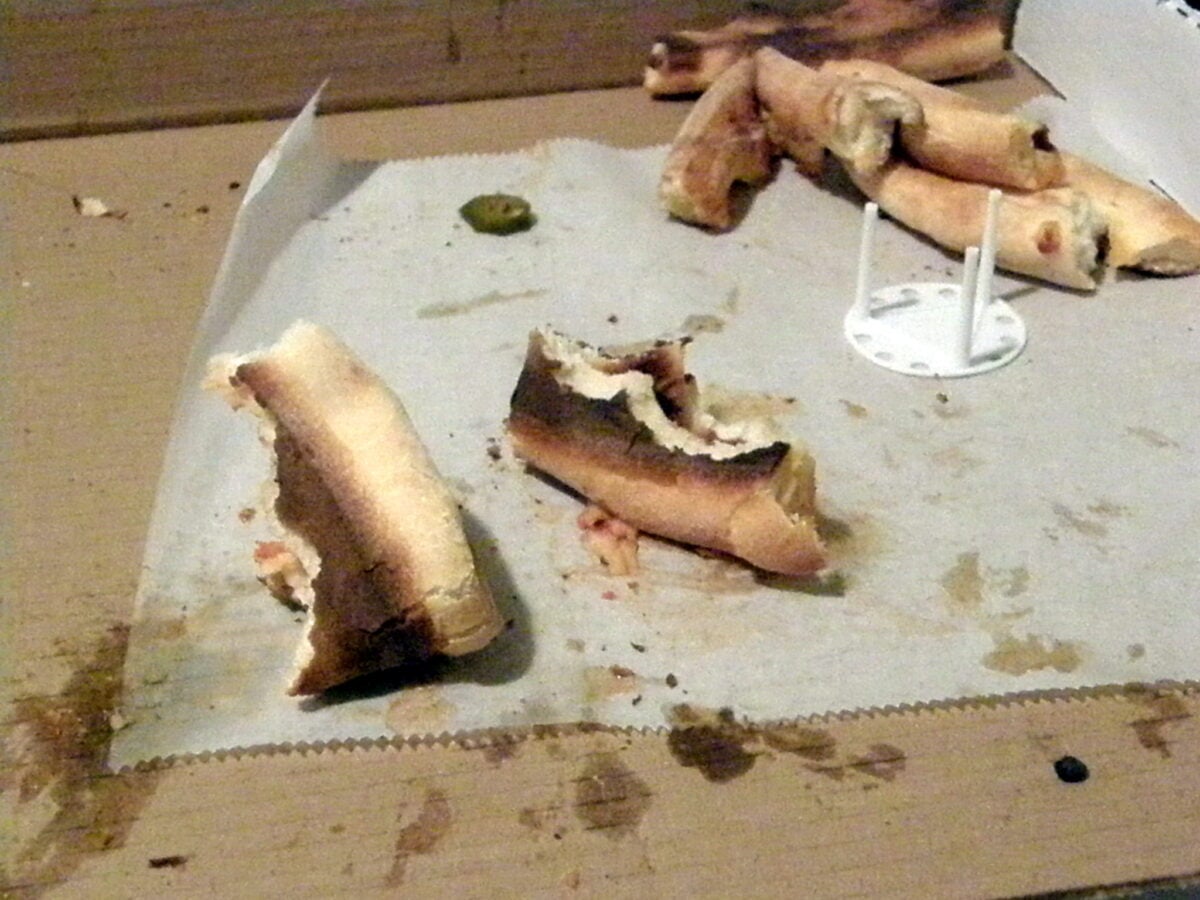
That oily residue from your pepperoni pizza ruins paper recycling. The grease soaks into the cardboard fibers and can’t be separated during the pulping process.
Even small grease spots contaminate the batch. The clean parts of the box can be recycled if you tear them off.
The bottom usually takes the worst hit, so rip off the top and sides if they’re still clean. The greasy portion goes in your regular trash or compost bin if your city accepts food-soiled paper.
Disposable Coffee Cups

Your morning latte cup looks like paper, but it has a thin plastic lining inside that makes it waterproof. Standard recycling facilities can’t separate these two materials.
Some specialized plants handle them, but most cities don’t have access to that technology. The plastic lid might be recyclable depending on your local program.
Check the number on the bottom. The paper sleeve is usually fine for recycling since it’s just cardboard.
But the cup itself needs to go in the trash unless you find a specific coffee cup recycling program in your area.
Plastic Grocery Bags

These jam up sorting machines at recycling centers. The thin plastic wraps around mechanical parts and shuts down entire lines.
Workers spend hours clearing these tangles. Many grocery stores accept plastic bags for recycling at their entrances.
They send these to facilities equipped to handle film plastics. Keep a stash in your car and drop them off during your next shopping trip.
Better yet, switch to reusable bags and skip the problem entirely.
Styrofoam Takeout Containers

Expanded polystyrene foam—commonly called styrofoam—is technically recyclable but almost never accepted by curbside programs. The material is mostly air, which makes transportation costs higher than the value of the recycled product.
Some specialty drop-off locations accept clean foam, but you’ll need to search for them specifically. The foam needs to be completely clean and dry.
Most people find it easier to just avoid styrofoam when possible and choose restaurants that use different packaging.
Shredded Paper
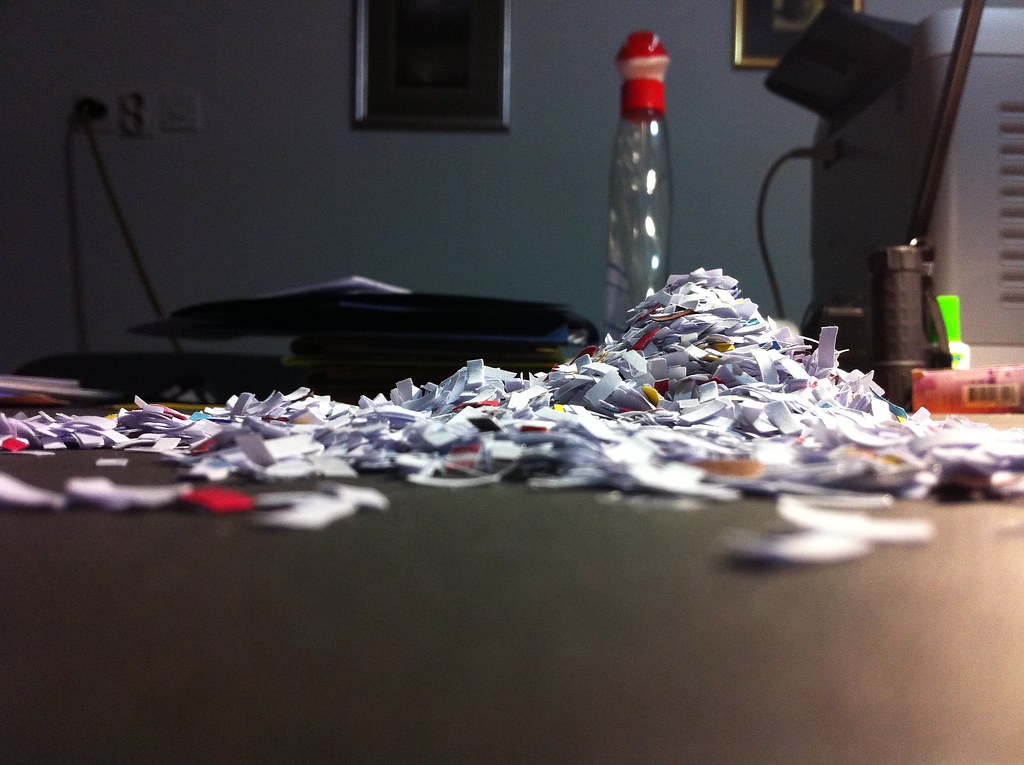
Those tiny strips fall through sorting screens and contaminate other materials. They’re too small for machines to handle properly.
The fibers are also shorter after shredding, which reduces their quality for making new paper products. You can compost shredded paper if it’s uncoated office paper.
It breaks down quickly and adds carbon to your compost pile. Or use it as packing material when shipping items.
If you must throw it out, stuff it in a paper bag first so it doesn’t scatter everywhere.
Receipt Paper

Most receipts use thermal paper coated with BPA or similar chemicals. This coating prevents recycling because it contaminates paper batches.
The chemicals also leach into compost, so don’t add receipts to your compost bin either. Store receipts digitally when possible.
Many retailers offer email receipts. If you need a physical copy, keep it separate from recyclables.
Some newer receipts use BPA-free thermal paper, but you can’t tell by looking, so treat all receipts as non-recyclable to be safe.
Paper Towels and Napkins

Used paper towels and napkins are contaminated with food and germs. The fibers are also too short and weak after use to make quality recycled paper.
These belong in compost or trash, never recycling. Clean, unused paper products are technically recyclable but not worth the effort since they’re designed for single use.
Skip the guilt and just throw them away after use, or better yet, switch to cloth alternatives that you can wash and reuse hundreds of times.
Frozen Food Boxes

These boxes have a plastic or wax coating that keeps moisture from destroying the cardboard in your freezer. That same coating makes them unrecyclable.
The paper and plastic are fused together and can’t be separated at processing plants. Feel the box—if it’s waxy or slick, it’s coated and needs to go in the trash.
Some frozen food packaging uses uncoated cardboard, which is recyclable. Always check before tossing it in the bin.
When in doubt, throw it out.
Plastic Straws
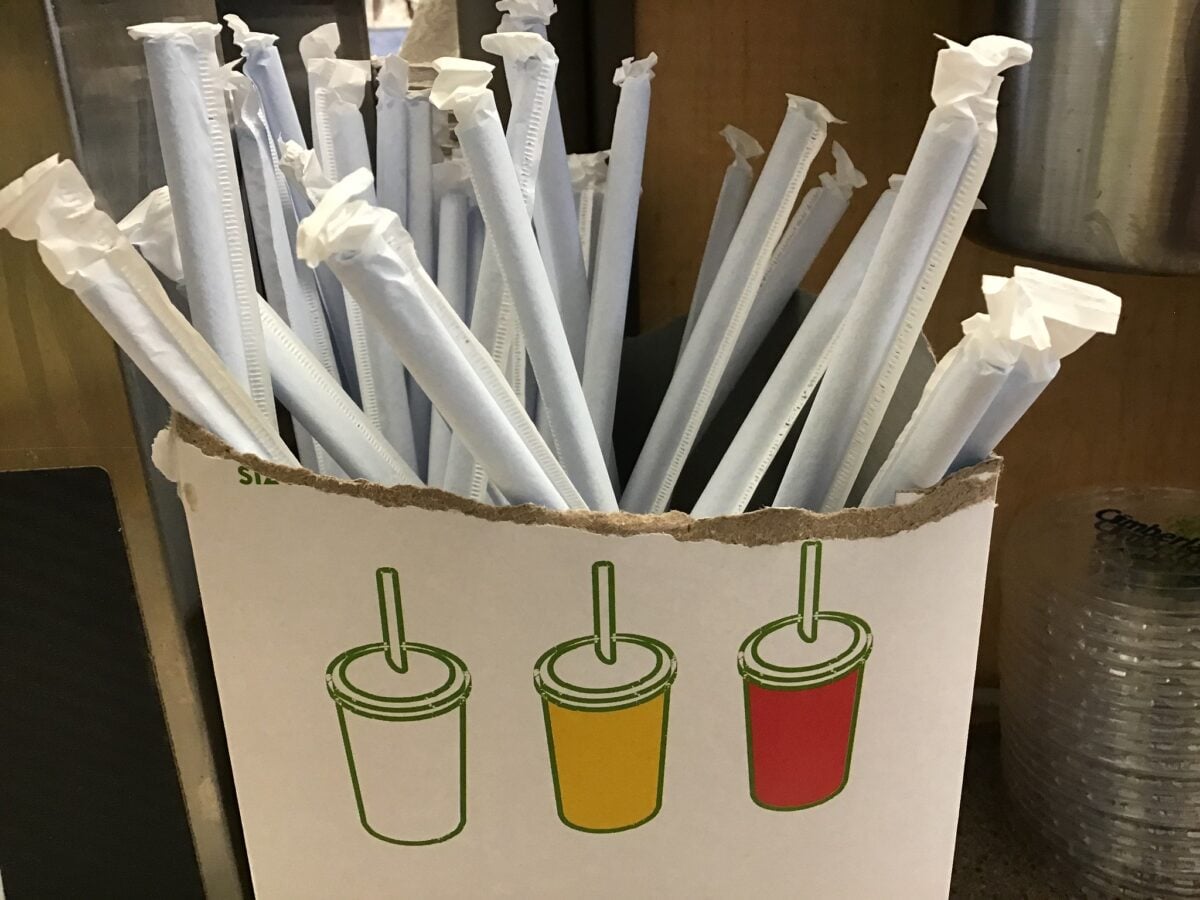
These small items slip through sorting machinery and end up mixed with the wrong materials. Their size makes them worthless for recycling anyway—there’s not enough plastic to bother processing.
Carry a reusable metal or bamboo straw if you really need one. Most drinks don’t require straws at all. Skip them when ordering drinks to go.
The ocean and local waterways will thank you since plastic straws are one of the top pollutants found in marine environments.
Chip Bags and Candy Wrappers

That shiny metallic-looking material is a mix of plastic and aluminum fused together. Recycling facilities can’t separate these layers.
The material is designed to keep food fresh, not to be recyclable. Some companies run special recycling programs for these wrappers.
TerraCycle accepts many types of flexible packaging through mail-in programs, though you’ll need to collect a certain amount before shipping. Otherwise, these go straight in the trash.
Dental Floss Containers

These small plastic containers usually contain multiple types of plastic and a metal cutting blade. The mix of materials and tiny size makes them impossible to recycle.
The actual floss is definitely trash—it’s too contaminated and small to process. Some companies make compostable floss and refillable containers, but those are still niche products.
Standard floss containers are single-use items headed for the landfill. Accept this reality and move on.
Gift Wrap and Ribbons

Shiny, metallic, or textured wrapping paper contains plastic coatings or foil that ruins paper recycling. Plain paper wraps might be recyclable if they pass the scrunch test—crumple it up, and if it stays crumpled, it’s probably just paper.
Ribbons, bows, and tissue paper all go in the trash. Consider using reusable fabric wraps, newspapers, or brown kraft paper instead.
You can also skip wrapping entirely and use gift bags that people can reuse. Your recycling bin doesn’t need more confusion.
Aerosol Cans That Aren’t Empty
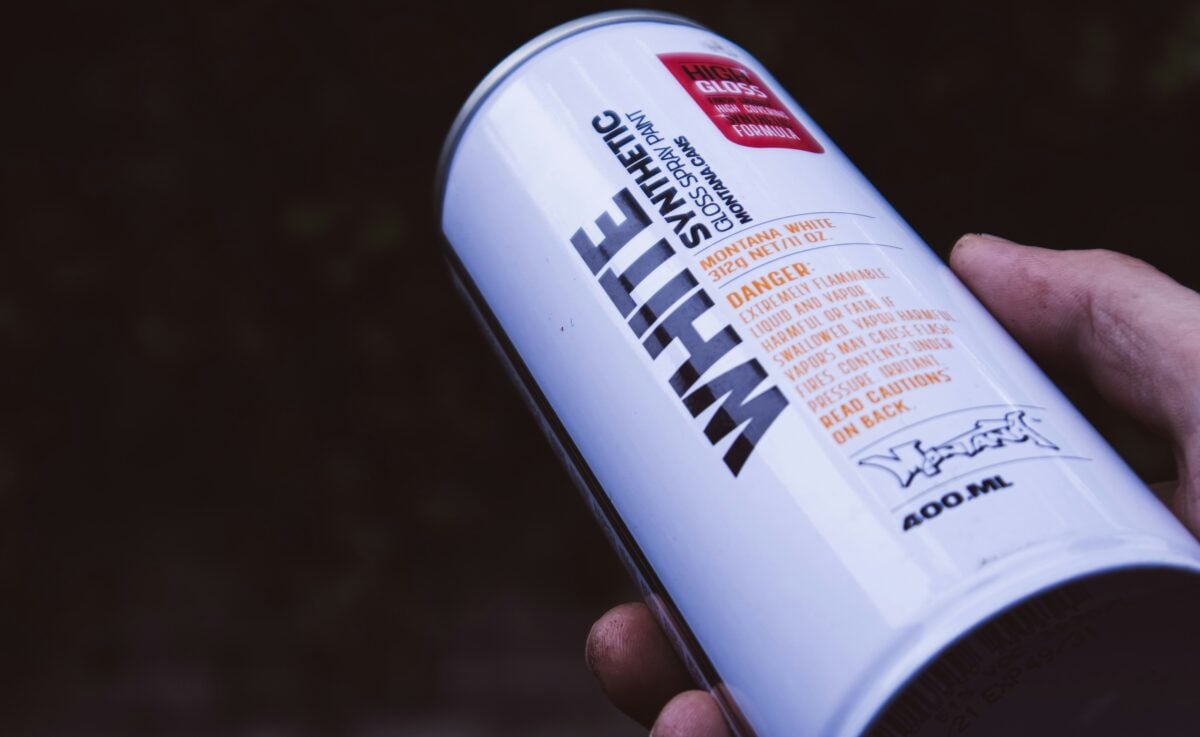
When squashed, pressurized aerosol containers pose risks at sorting sites. Though labeled empty, they might still hold propellant fumes.
Crushing them may lead to sudden bursts. Some retain force even after seeming spent.
Finish every bit inside before tossing it out, while also confirming whether your local program takes spray containers. Certain setups require these set apart from usual bins.
Opening a puncture in one? That is never safe – sparks danger and harmful smoke follows.
Broken Glass

Broken shards pose serious risks during recycling sorting. Since they’re sharp, these pieces might mix into other materials.
They even tear right through storage sacks. Whole containers cause no trouble at drop-off points.
Yet tiny bits demand careful separation steps. Tossing broken glass?
Wrap it in an old newspaper first. Or slide it into a shut cardboard box instead.
That keeps sanitation crews safe when they handle the bag. Mark the package where anyone can see – sharp stuff inside.
Towns sometimes offer spots just for shattered glass recycling. Before you go, phone the facility to check if they take it today.
Takeout Containers With Food Residue

Spoiled leftovers on packaging create major headaches for recycling centers. One greasy yogurt cup might spoil a whole load of clean materials waiting to be processed.
Tiny bits stuck inside jars slow everything down at the plant. Messy containers jam machines meant to sort cleaner waste.
Wash out jars and boxes before tossing them in the bin. Food stuck tight means it might do more harm than good down the line.
Some delivery clamshells mix plastic with foil – no amount of scrubbing fixes that. Ordering lunch?
Maybe check what kind of wrap they use, or slip a bowl into your bag ahead of time.
The Weight Of Small Choices
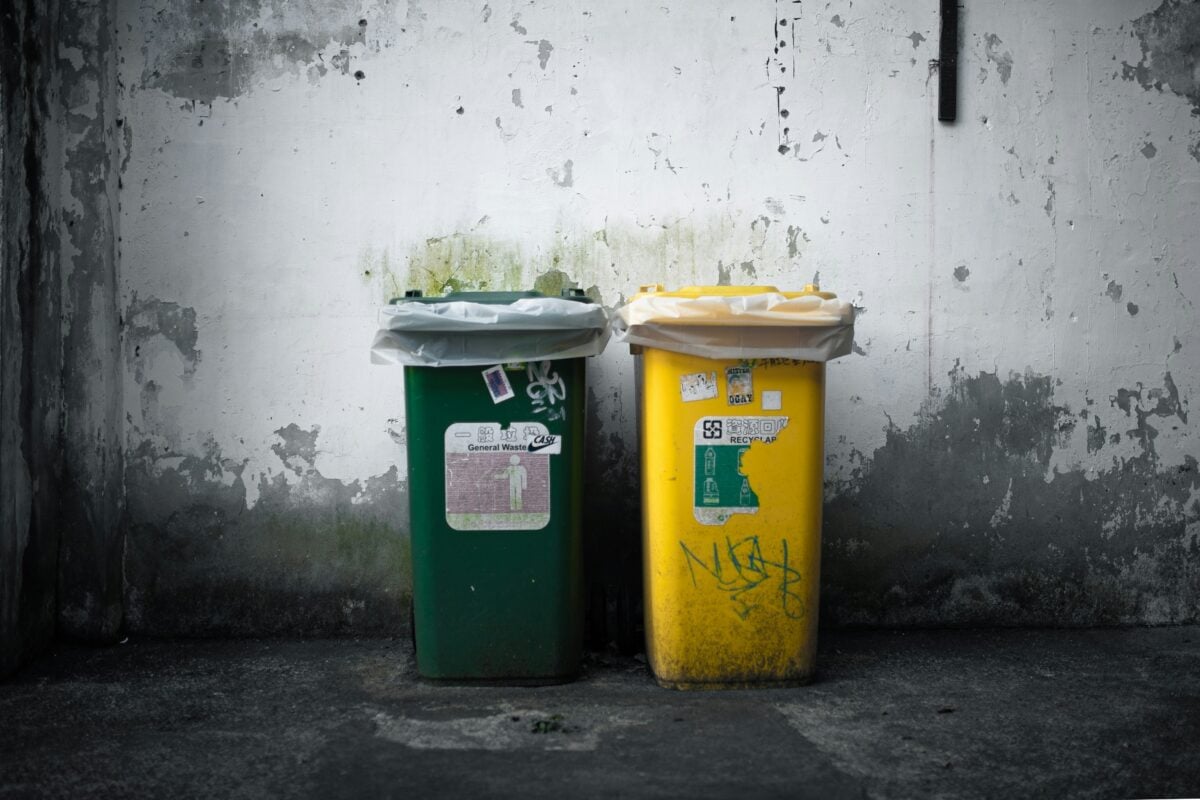
Most folks toss things into recycling bins hoping it helps. Yet truth sneaks in quietly – knowing what not to include changes everything.
Entire loads vanish into dumps because a few mistakes spread fast, like spills no one can clean up. What stays out counts heavier than what goes in, especially where sorting lines choke on junk they never asked for.
Sure recycling matters, yet cutting down purchases hits harder. Using old things again beats tossing them for new ones.
Still, if bins get used, make sure it counts. Workers handling waste rely on clean loads.
Skipping shortcuts helps everyone downstream.
More from Go2Tutors!

- The Romanov Crown Jewels and Their Tragic Fate
- 13 Historical Mysteries That Science Still Can’t Solve
- Famous Hoaxes That Fooled the World for Years
- 15 Child Stars with Tragic Adult Lives
- 16 Famous Jewelry Pieces in History
Like Go2Tutors’s content? Follow us on MSN.



