16 Classic Magic Acts With Deadly Risks
Magic has always walked the line between wonder and danger, but some classic acts crossed into genuinely lethal territory. Throughout history, performers have pushed the boundaries of what’s possible, often paying the ultimate price for their ambition. From bullets fired at close range to underwater escapes gone wrong, these legendary tricks have claimed lives and left audiences traumatized.
The pursuit of the impossible has driven magicians to attempt feats that would make most people run for the exits. Here is a list of 16 classic magic acts that turned deadly, proving that sometimes the most spectacular illusions come with the highest stakes.
The Bullet Catch

The bullet catch stands as magic’s most notorious killer, claiming at least 15 performers over the centuries. This trick involves a magician appearing to catch a fired bullet in their teeth or hands, often using a marked bullet to prove authenticity.
The margin for error is essentially zero—any mistake in preparation, equipment, or timing results in death. Chung Ling Soo, one of the world’s most famous magicians, died performing this trick in 1918 at London’s Wood Green Empire.
His gun wasn’t properly cleaned after a previous performance, causing the trick to malfunction fatally. Even Harry Houdini refused to attempt the bullet catch after receiving warnings about its deadly nature.
The Milk Can Escape

Harry Houdini’s signature milk can escape inspired countless imitators, many of whom underestimated its life-threatening challenges. The performer is handcuffed and locked inside a milk can filled with water, racing against time to escape before drowning.
The trick requires precise timing, perfect lock-picking skills, and exceptional breath control under extreme pressure. Royden Joseph Gilbert Raison de la Genesta, known simply as Genesta, died attempting this escape in 1930.
His assistants couldn’t break him out in time when the trick went wrong, and he drowned in front of a horrified audience. The illusion that made Houdini famous became a death trap for those who couldn’t master its intricacies.
Like Go2Tutors’s content? Follow us on MSN.
Sawing a Person in Half
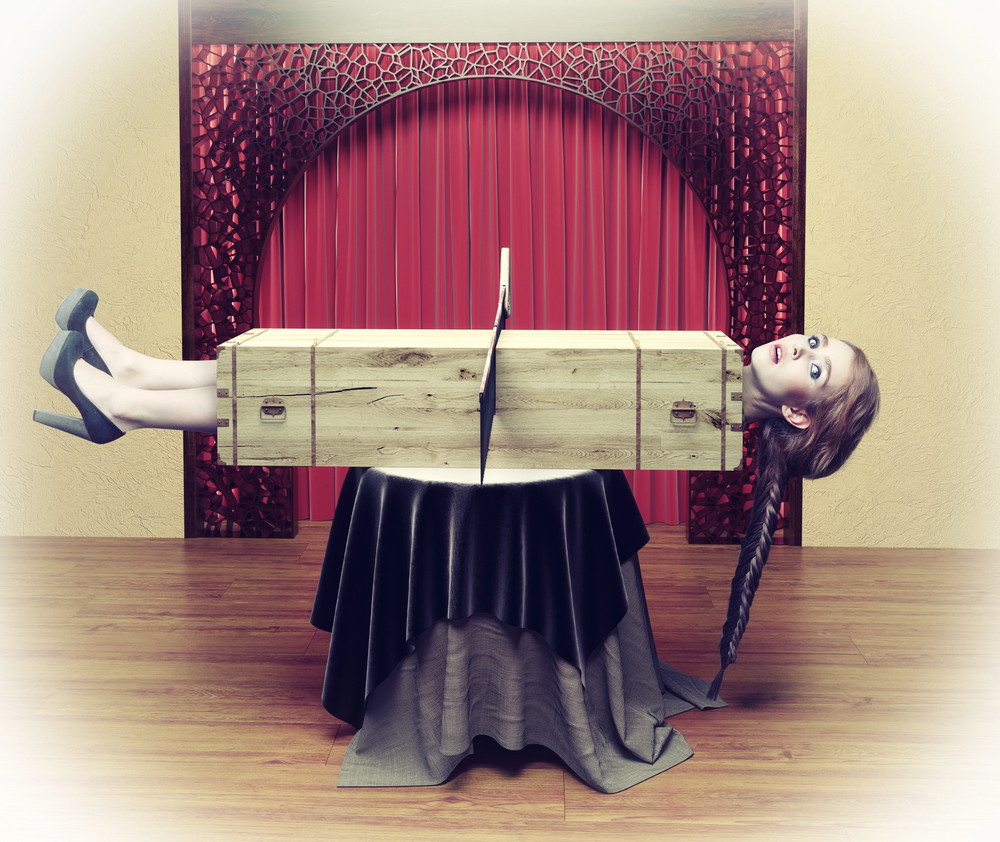
The classic sawing illusion seems harmless when done correctly, but mechanical failures have turned this crowd-pleaser into a nightmare. The trick relies on specially designed boxes with hidden compartments and precise positioning to create the illusion while keeping the assistant safe.
When equipment malfunctions or assistants move at the wrong moment, real dismemberment can occur. Several performers have suffered serious injuries when the saw mechanism failed to stop at the predetermined point.
While deaths are rare, the psychological trauma for both performers and audiences when things go wrong has led many magicians to abandon this act entirely.
The Water Torture Cell

Houdini’s Chinese Water Torture Cell involved being suspended upside-down in a locked glass container filled with water. The escape required incredible physical strength, breath control, and lock-picking expertise while fighting panic and disorientation.
The visual impact was tremendous, but so was the potential for drowning. Multiple performers attempting variations of this escape have lost consciousness underwater and required emergency rescue.
The combination of being inverted, submerged, and restrained creates a perfect storm of physiological stress that has proven fatal when safety measures fail.
The Razor Blade Swallowing Act
Swallowing razor blades and bringing them back up safely requires years of training and perfect technique. Performers must learn to position the blades correctly in their throat and stomach while avoiding cutting their internal organs.
Even experienced practitioners risk internal hemorrhage, punctured organs, or choking on the blades. The act becomes exponentially more dangerous when performers attempt to up the ante by swallowing more blades or adding thread to ‘string’ them together.
Several magicians have died from internal injuries caused by improperly executed blade swallowing, making this one of magic’s most genuinely perilous acts.
Like Go2Tutors’s content? Follow us on MSN.
The Cremation Illusion

Fire-based magic tricks have always carried obvious risks, but the cremation illusion takes danger to another level. The performer appears to be consumed by flames while locked in a cabinet or confined space, requiring split-second timing to escape before actual burning occurs.
The margin between illusion and reality is measured in seconds. When safety equipment fails or escape mechanisms jam, performers have suffered severe burns or died from smoke inhalation.
The combination of real fire, confined spaces, and complex escape mechanisms creates multiple points of failure that can turn deadly instantly.
The Buried Alive Escape

Being buried alive, even as a magic trick, triggers primal fears for good reason—soil shifts, oxygen runs out, and claustrophobia can cause panic that prevents successful escape. Performers must account for soil weight, air supply, and the physical strength needed to dig upward while potentially disoriented underground.
Several magicians have suffocated when their air supplies were cut off or when they became trapped by shifting earth. The trick requires extensive preparation and backup safety measures, but underground conditions can change rapidly and unpredictably.
The Suspended Straightjacket Escape

Hanging upside-down while escaping from a straightjacket adds gravitational stress to an already challenging feat. Blood rushes to the head, disorientation sets in, and the performer must work against gravity while potentially losing consciousness.
The height factor means any mistake results in a fatal fall. Performers have died both from falling during failed escapes and from hanging too long while attempting to free themselves.
The combination of restraint, inversion, and elevation creates multiple ways for the trick to turn lethal.
Like Go2Tutors’s content? Follow us on MSN.
The Iron Maiden Escape

Escaping from a replica iron maiden requires navigating around genuine spikes while confined in a coffin-sized space. While the spikes are typically arranged to avoid vital organs, any miscalculation in positioning or movement can result in puncture wounds or worse.
The psychological pressure of being surrounded by sharp metal points can cause panic that leads to fatal mistakes. The trick’s effectiveness relies on the audience believing the spikes are real and deadly, which means they often are.
Several performers have been seriously injured or killed when they moved incorrectly while confined with the spikes.
The Cannon Act
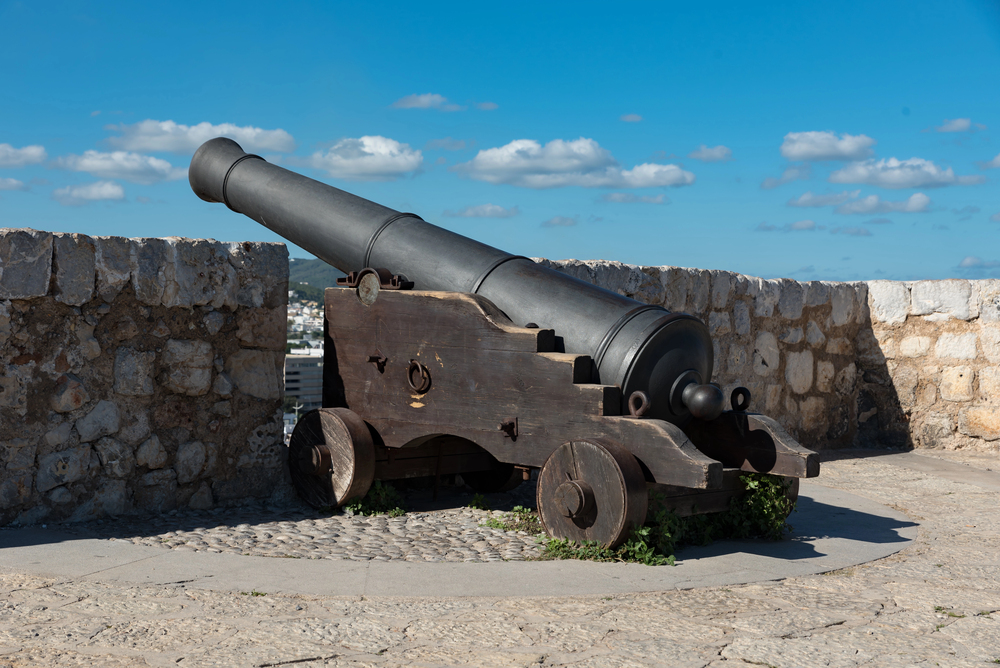
Being shot from a cannon isn’t just about the dramatic launch—it’s about surviving the landing. Human cannonballs must account for wind conditions, trajectory calculations, and net positioning while experiencing forces that can cause internal injuries or death.
The margin for error in physics calculations is essentially zero. Multiple performers have died from miscalculated trajectories that sent them beyond safety nets or into solid objects.
Others have suffered fatal internal injuries from the launch forces themselves, making this one of the most obviously dangerous acts in entertainment.
The Electric Chair Illusion
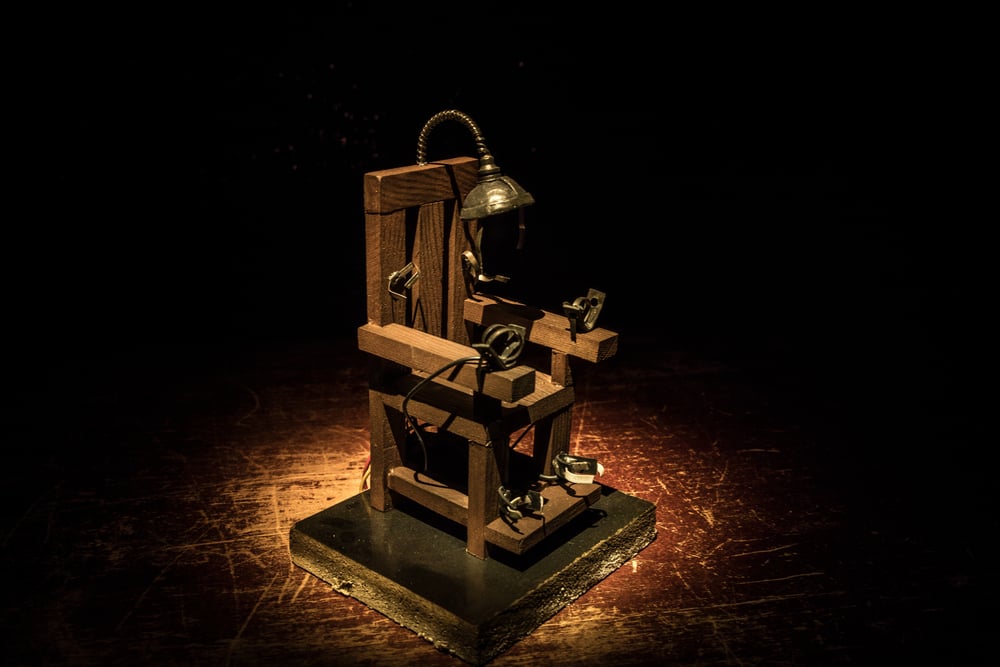
Performing magic tricks involving electricity, even fake electric chairs, carries the constant risk of actual electrocution. Equipment malfunctions, wet conditions, or damaged insulation can turn a stage prop into a genuine execution device.
The visual impact requires convincing electrical effects that walk the line between illusion and reality. Several magicians have been electrocuted when their electrical equipment failed or when they came into contact with genuine electrical sources during performances.
The combination of showmanship and high voltage creates an inherently unstable situation.
Like Go2Tutors’s content? Follow us on MSN.
The Spike Box Escape
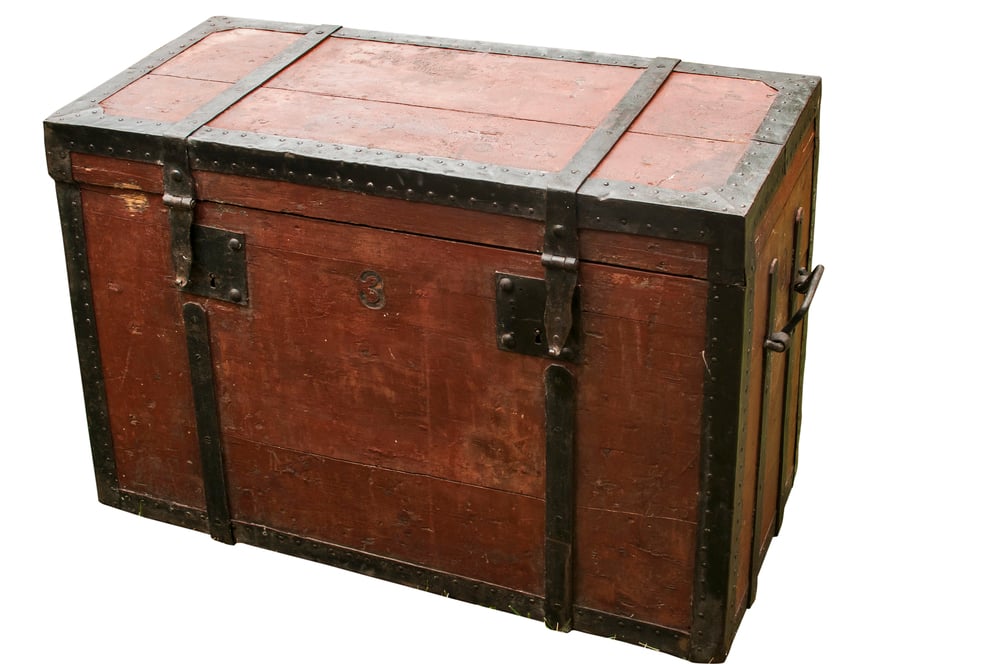
Escaping from a box filled with spikes requires precise body positioning and perfect timing to avoid impalement. Unlike the iron maiden, spike boxes often use real, sharp spikes arranged in patterns that require exact positioning to navigate safely.
Any shift in the box or mistake in positioning can result in puncture wounds or death. The trick’s danger comes from the genuine nature of the spikes—they must be real to convince audiences, which means real danger exists.
Performers have died from impalement when they miscalculated their positioning or when equipment shifted during the escape.
The Hanging Escape
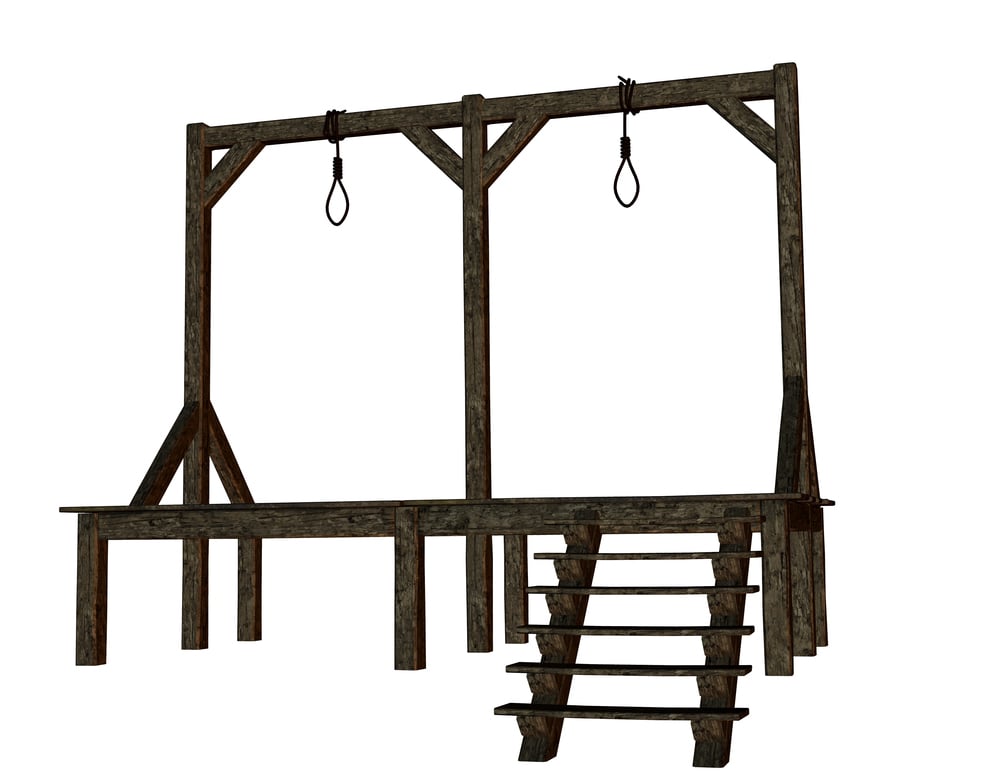
Escaping from a noose while suspended requires incredible upper body strength and precise timing to avoid strangulation. The performer must free themselves before losing consciousness while fighting against the natural constriction of the rope.
Even experienced escape artists can misjudge their tolerance or encounter equipment failures. Multiple performers have died from accidental hanging when their escape mechanisms failed or when they lost consciousness before freeing themselves.
The act requires split-second timing and perfect physical condition to avoid fatal consequences.
The Chainsaw Illusion
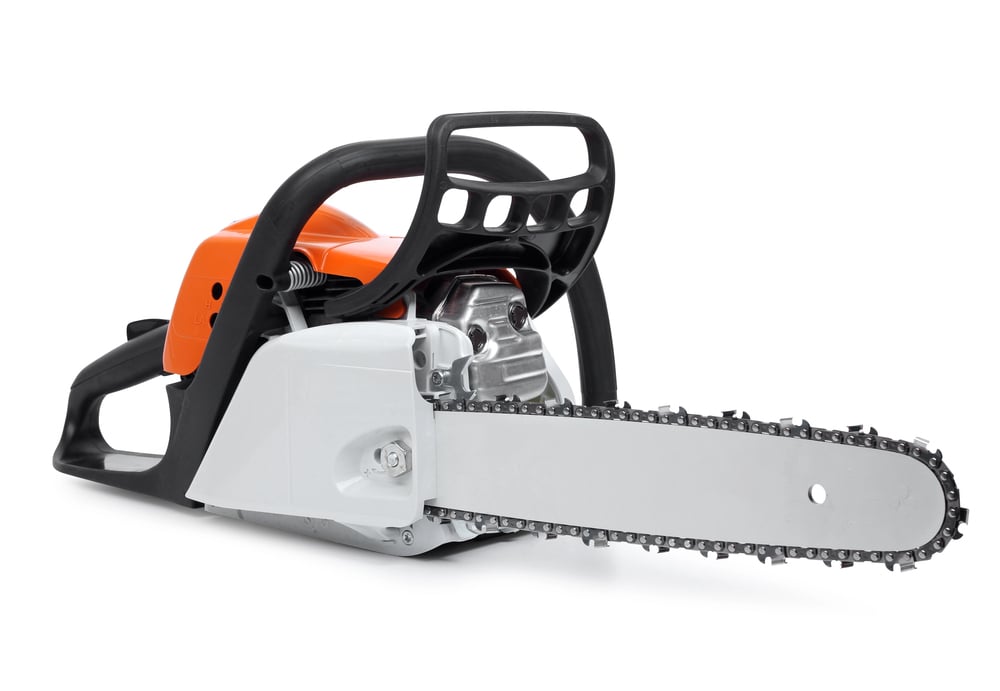
Using real chainsaws in magic acts, even with safety modifications, presents obvious dangers. The mechanical nature of chainsaws means they can malfunction unpredictably, and the noise and vibration can mask problems until it’s too late.
Safety systems must work perfectly every time, with no room for mechanical failure. Performers have suffered serious injuries and death when chainsaw safety mechanisms failed or when they miscalculated their positioning relative to the moving blade.
The visceral nature of the weapon makes any mistake potentially fatal.
Like Go2Tutors’s content? Follow us on MSN.
The Underwater Handcuff Escape

Combining the challenges of underwater escape with the complexity of handcuff manipulation creates a double threat of drowning and entrapment. Performers must hold their breath while working with fine motor skills that deteriorate rapidly underwater.
Panic can set in quickly when progress stalls, leading to fatal mistakes. Cold water, strong currents, and equipment failures have all contributed to deaths during underwater handcuff escapes.
The combination of breath-holding, complex manipulation, and environmental factors makes this escape particularly unpredictable and dangerous.
The Glass Box Escape

Being sealed in a glass container presents unique challenges—the audience can see everything, which means no hidden air supplies or escape routes are possible. Performers must work within genuine confines while managing limited air supplies and increasing carbon dioxide levels.
The transparency that makes the trick impressive also makes it genuinely dangerous. Several magicians have lost consciousness from oxygen deprivation while attempting glass box escapes, requiring emergency intervention to prevent death.
The visual requirements of the trick eliminate most safety options, making it one of magic’s most genuinely perilous acts.
When Wonder Meets Reality

These classic magic acts remind us that the most compelling illusions often flirt with genuine danger, and sometimes that flirtation becomes fatal. The performers who died attempting these tricks weren’t victims of chance—they were pushing against the fundamental limits of human capability and mechanical reliability.
Their deaths weren’t just tragic accidents but inevitable consequences of pursuing impossible feats with real stakes. Today’s magicians still perform many of these acts, but with better safety equipment, more rigorous testing, and deeper understanding of the risks involved.
The legacy of those who died in pursuit of wonder serves as both inspiration and warning that some magic comes at the ultimate price.
More from Go2Tutors!

- 16 Historical Figures Who Were Nothing Like You Think
- 12 Things Sold in the 80s That Are Now Illegal
- 15 VHS Tapes That Could Be Worth Thousands
- 17 Historical “What Ifs” That Would Have Changed Everything
- 18 TV Shows That Vanished Without a Finale
Like Go2Tutors’s content? Follow us on MSN.



