Historical Figures With Surprising Side Careers
History books typically highlight a person’s greatest accomplishment, whether it be a masterpiece, a political revolution, or a scientific discovery. Even the most well-known figures had day jobs, undiscovered talents, and unexpected second acts when they weren’t in the spotlight.
Some became creative outlets after fame, while others paid their bills before it. In any case, they serve as a reminder that no one is ever simply one thing.
13 historical figures with unexpected side careers are listed here.
Albert Einstein – Patent Clerk
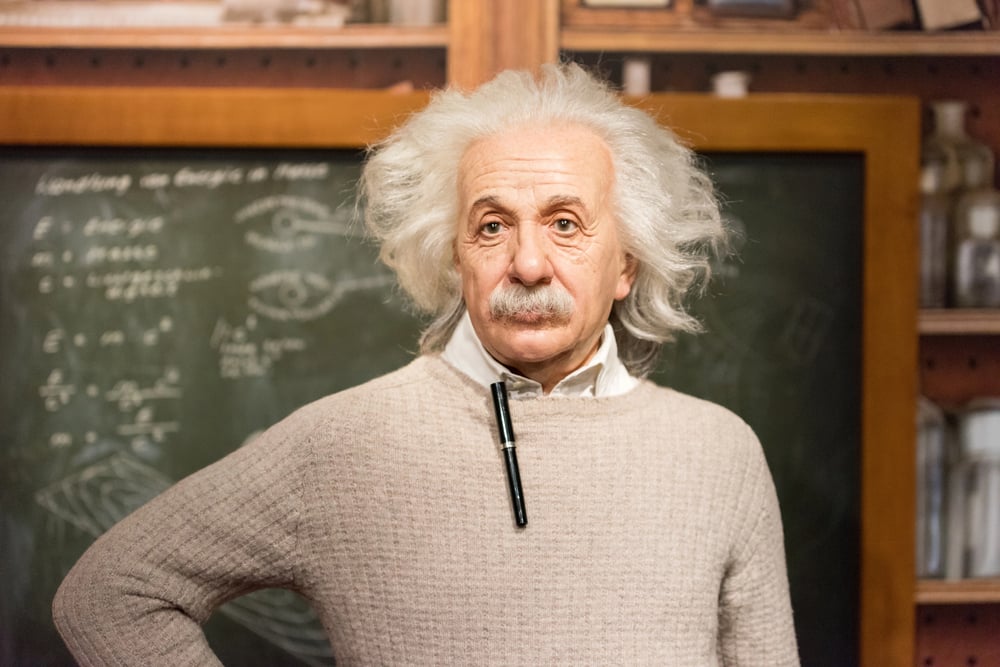
Before becoming the face of modern physics, Albert Einstein spent years working at the Swiss Patent Office in Bern. His job was to review inventions for originality and practicality — a position that paid modestly but offered plenty of quiet thinking time.
It was during this period that he developed the theories of relativity that would change how we understand time and space. Later in life, Einstein said the work helped him sharpen his analytical thinking.
Hedy Lamarr – Inventor

Known as one of Hollywood’s most glamorous stars of the 1930s and 1940s, Hedy Lamarr also happened to be a brilliant inventor. Off-screen, she co-created a radio-frequency–hopping system designed to protect Allied torpedoes from interception during World War II.
Her work wasn’t recognized at the time, but decades later, the same concept became a foundation for modern Wi-Fi and Bluetooth technology. For someone often praised for her looks, Lamarr’s true legacy might be the wireless world we now live in.
Winston Churchill – Painter

After leading Britain through its darkest hours, Winston Churchill found solace in paint and canvas. He began painting in his forties, encouraged by friends who noticed how it eased his depression.
Over the next four decades, Churchill produced more than 500 works, mostly landscapes from his travels. Exhibitions of his art have been held in London and New York, revealing a softer, reflective side of a man remembered for war speeches and politics.
Isaac Newton – Master of the Royal Mint
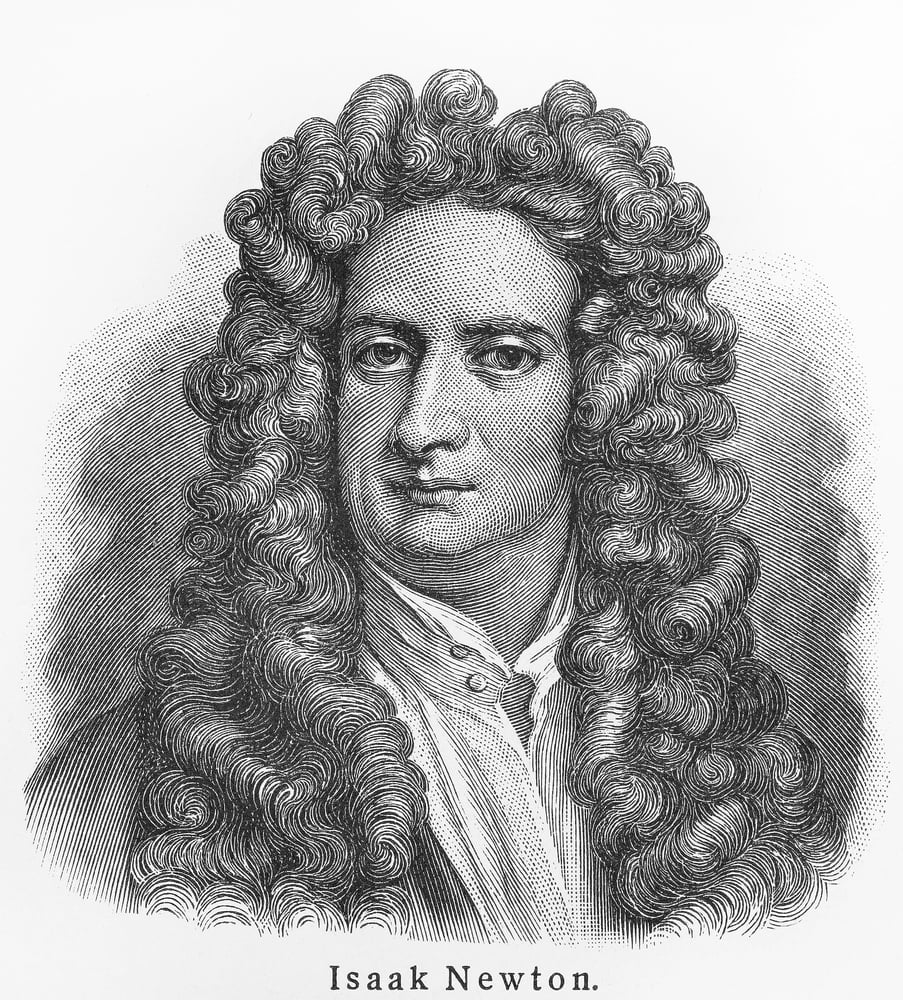
Most people associate Isaac Newton with falling apples and gravity, but few realize he once ran Britain’s Royal Mint. Appointed in 1696, Newton oversaw the nation’s coinage reform, introduced new anti-counterfeiting measures, and even went undercover to catch forgers.
His meticulous nature suited the job perfectly; he turned the mint into a model of efficiency. Historians say he brought the same precision to finance that he brought to physics.
Leonardo da Vinci – Military Engineer

Leonardo da Vinci is best known for The Last Supper and Mona Lisa, yet he spent much of his career designing weapons and fortifications for Renaissance rulers. His notebooks include sketches of tanks, crossbows, and even early submarines.
Few of his ideas were built in his lifetime, but his mechanical curiosity shaped the way we think about engineering design. Da Vinci’s mix of artistry and science shows that creativity doesn’t fit neatly into one box — sometimes it builds the box itself.
Franz Kafka – Insurance Clerk

By day, Franz Kafka worked for the Workers’ Accident Insurance Institute in Prague, investigating workplace injuries and drafting safety regulations. By night, he wrote haunting stories that would define existential literature.
The balance between order and absurdity in his fiction seems less mysterious when you realize he spent hours buried in bureaucratic paperwork. Kafka once said his job gave him “a regular salary and irregular despair.”
Marie Curie – Educator and Humanitarian
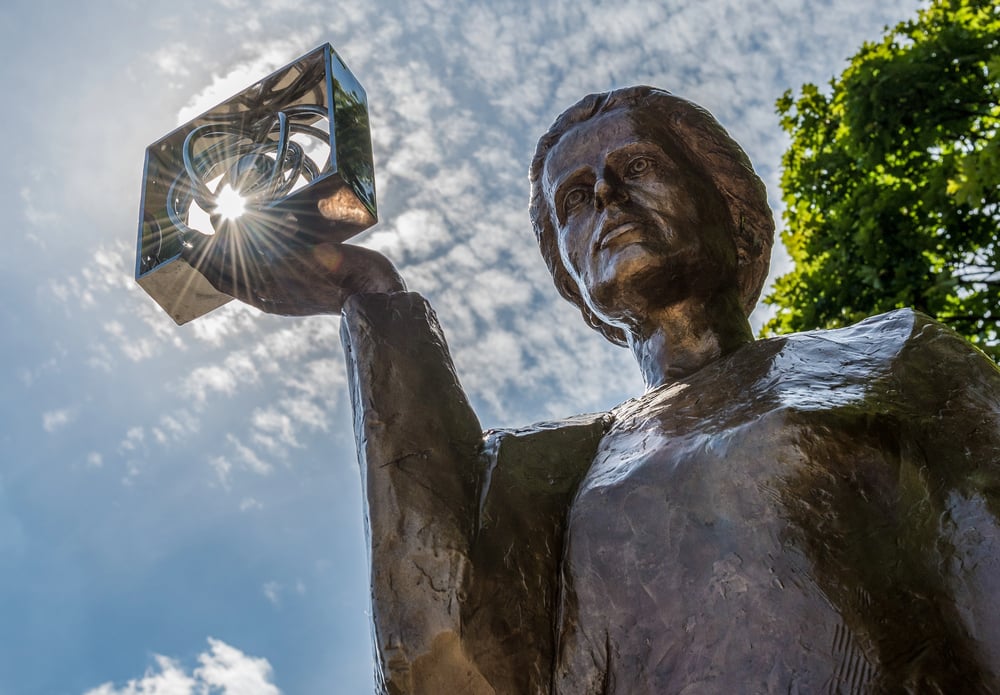
Marie Curie’s name is synonymous with groundbreaking science, but her wartime efforts were just as extraordinary. During World War I, she equipped mobile X-ray units and personally drove them to battlefields so doctors could locate shrapnel in wounded soldiers.
Curie also trained nurses to operate the machines, blending education, medicine, and compassion in one mission. Long before “STEM outreach” became a term, she was living it — using her genius not only for discovery but also for humanity.
Benjamin Franklin – Musician and Inventor

Benjamin Franklin did a bit of everything — politician, printer, philosopher — and music was woven through it all. He played the violin, harp, and guitar, and even invented a new instrument called the glass armonica, which produced ethereal sounds by spinning glass bowls.
Composers like Mozart and Beethoven wrote pieces for it, proving Franklin’s invention had global reach. His curiosity about sound echoed his experiments with electricity: he was always chasing harmony, whether in music or in science.
Beatrix Potter – Mycologist

Long before Peter Rabbit hopped onto bookshelves, Beatrix Potter was captivated by mushrooms. She produced hundreds of detailed illustrations of fungi and theorized about their spores, work later recognized by British scientists.
Although the scientific community initially dismissed her because she was a woman, her drawings became valuable research references. When she eventually turned to children’s stories, her scientific precision carried over into her artwork.
George Washington Carver – Artist

George Washington Carver is often remembered for revolutionizing agriculture through his work with peanuts, but art was his first love. As a young man, he painted landscapes and botanical studies that earned him entry to college before he switched to science.
Even during his research career, Carver continued to paint and play the piano. His artistic eye influenced his approach to crops and soil — he treated farming as both chemistry and creativity.
Agatha Christie – Apothecary Assistant

Before she became the best-selling novelist of all time, Agatha Christie spent World War I working in a hospital dispensary. She learned the properties of medicines and poisons, knowledge that later gave her detective stories their chilling accuracy.
The same precision that made her a careful pharmacist also made her a master of plot. Many of her fictional murders hinge on the correct dosage or the clever misuse of a chemical compound.
Harrison Ford – Carpenter

Before Star Wars and Indiana Jones made him a household name, Harrison Ford was a working carpenter in Los Angeles. He built cabinets, tables, and even studio offices to support his young family while taking small acting gigs.
One of those jobs brought him into contact with George Lucas, who later cast him as Han Solo. Ford has said carpentry taught him patience and problem-solving — skills that served him well on film sets.
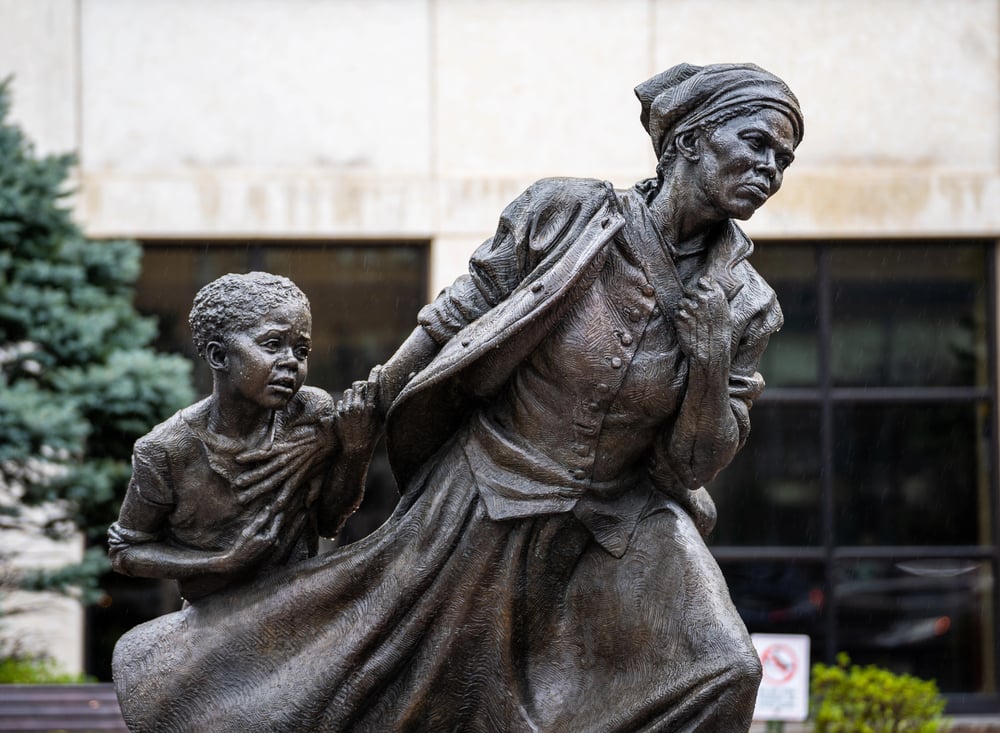
Harriet Tubman – Union Spy
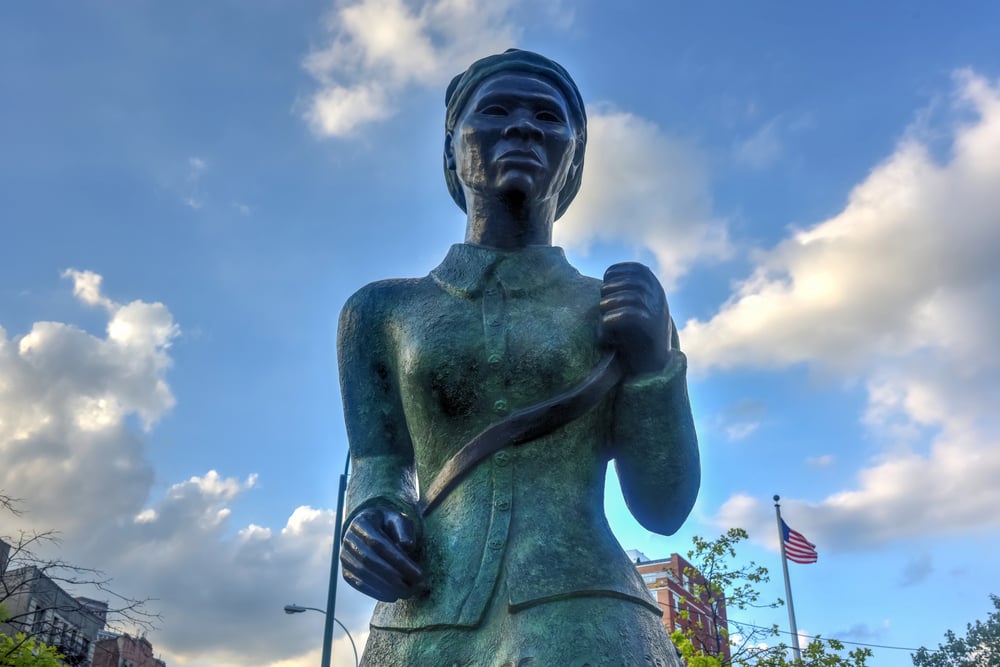
After escaping slavery and leading dozens to freedom on the Underground Railroad, Harriet Tubman didn’t stop there. During the American Civil War, she worked for the Union Army as a nurse, scout, and spy.
She gathered intelligence behind Confederate lines and even led an armed raid that freed more than 700 enslaved people. Tubman rarely spoke of her wartime service later, but historians call her one of the first women to command U.S. military operations.
The Many Lives Behind the Legends
We are reminded by these side jobs that brilliance rarely follows a straight path. People who have left a lasting impression on us often have a wide range of skills.
Their lesser-known endeavors, such as Tubman’s espionage, Lamarr’s blueprints, and Einstein’s patent applications, demonstrate that curiosity never goes away when success strikes. It is energizing to recall that some of the most brilliant minds in history were magnificent multitaskers in a world that is fixated on specialization.
They demonstrated that passion need not be limited to a single job title, whether they were creating furniture, teaching, painting, or inventing. A “side career” can occasionally turn out to be the most inspirational aspect of a legacy.
More from Go2Tutors!

- The Romanov Crown Jewels and Their Tragic Fate
- 13 Historical Mysteries That Science Still Can’t Solve
- Famous Hoaxes That Fooled the World for Years
- 15 Child Stars with Tragic Adult Lives
- 16 Famous Jewelry Pieces in History
Like Go2Tutors’s content? Follow us on MSN.



