17 Child Stars Who Ended Up Broke As Adults
Hollywood’s glittering facade often masks a troubling reality for its youngest performers. Millions of fans cheered these talented kids on screen, yet behind the scenes, their fortunes were quietly disappearing. The entertainment industry has witnessed countless child stars accumulate massive wealth during their formative years, only to reach adulthood and discover they’re practically penniless.
Whether it’s parents who viewed their child’s earnings as family money or managers who quietly drained accounts, these stories reveal a pattern that’s both shocking and sadly predictable. Here’s a detailed look at 17 child stars whose journeys from riches to rags serve as stark reminders that early fame rarely guarantees lifelong financial security.
Gary Coleman

‘Diff’rent Strokes’ made Gary Coleman a household name—and should’ve made him rich for life. The pint-sized actor earned roughly $18 million during his peak years, though he’d end up seeing almost none of it in adulthood.
Coleman’s parents and business manager allegedly squandered his fortune so thoroughly that bankruptcy became inevitable by 1999. After lengthy court battles, he recovered just $1.3 million from his original earnings.
Medical bills and living expenses quickly consumed even that modest sum, leaving him working security jobs to survive.
Aaron Carter

The pop sensation of the late ’90s discovered a nightmare scenario on his 18th birthday—his parents had allegedly spent most of his millions without permission. Carter’s financial troubles went beyond family mismanagement, though.
He also owed approximately $4 million in back taxes to the IRS, creating a debt burden that would plague him for years. The stress from these financial disasters contributed to personal struggles that he never fully overcame.
Like Go2Tutors’s content? Follow us on MSN.
Macaulay Culkin

‘Home Alone’ generated an estimated $50 million for its young star—money that became the center of a vicious custody battle between his divorced parents. Both sides fought desperately for control of Culkin’s fortune, essentially treating their son as a valuable asset rather than a child.
The situation became so toxic that teenage Culkin had to take legal action against his own parents to protect what remained of his earnings. The psychological and financial damage from these battles affected his relationship with money and family for years.
Jackie Coogan

Hollywood’s first major child star exploitation case still shocks people today. Coogan earned $4 million from silent films and his work with Charlie Chaplin—a fortune his mother and stepfather spent without his knowledge.
When he sued them in 1938, his mother’s response was chilling: she told the court no promises had been made to save the money for him. This case sparked outrage and led directly to California’s Coogan Law, which now protects portions of child actors’ earnings in trust accounts.
Dustin Diamond
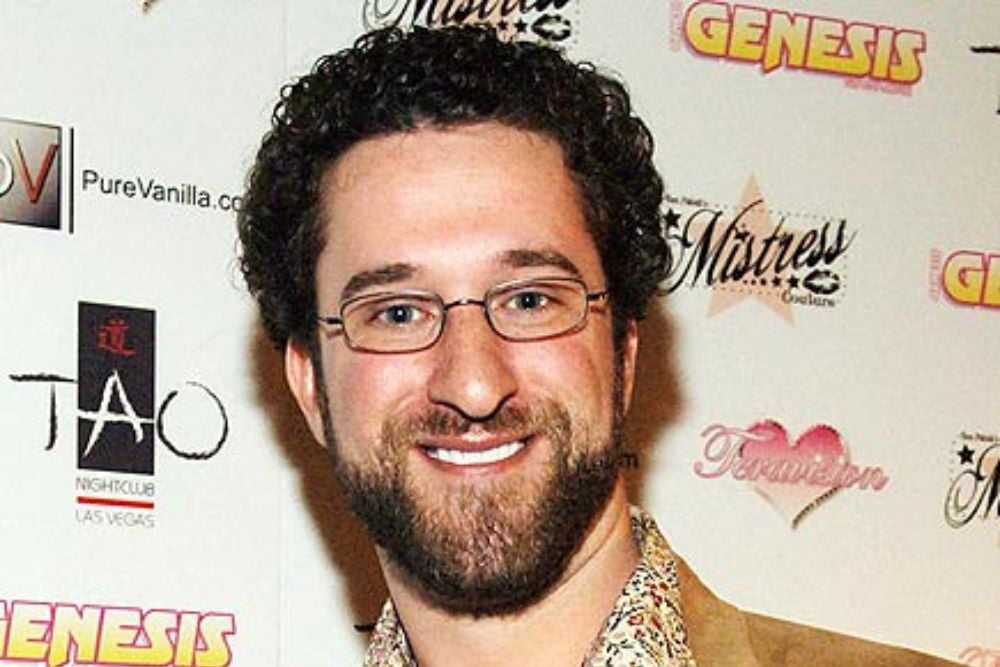
‘Saved by the Bell’ should’ve set Diamond up for life, yet he discovered the Coogan Law only protected 25% of his earnings from the hit series. His parents controlled the remaining 75%—money that gradually vanished over time.
While Diamond received some funds upon reaching adulthood, it wasn’t nearly enough for long-term security. He spent years struggling financially, forced to accept reality TV gigs and odd jobs just to pay bills.
Like Go2Tutors’s content? Follow us on MSN.
Leif Garrett

Teen heartthrob status in the 1970s translated into millions for Garrett—money that disappeared as quickly as it arrived. His mother managed his finances during his peak earning period, but instead of investing wisely, much went toward maintaining an expensive lifestyle.
Substance abuse issues complicated matters further, and by adulthood most of his wealth had evaporated. Garrett spent decades battling both addiction and financial instability.
Corey Haim

Films like ‘The Lost Boys’ and ‘License to Drive’ made Haim wealthy in the 1980s—wealth that poor management and personal demons would eventually destroy. Those responsible for protecting his financial interests failed miserably, while substance abuse consumed whatever money remained within his reach.
His final years were marked by severe financial hardship, often lacking funds for basic healthcare or stable housing. When Haim died in 2010, he possessed virtually no assets despite once being worth millions.
Tatum O’Neal

The youngest Oscar winner in Academy history earned substantial sums from ‘Paper Moon’ and other films—earnings that would largely slip away due to family dysfunction and personal struggles. O’Neal’s turbulent relationship with her father Ryan, combined with her own battles with addiction, created ongoing financial instability.
Legal fees and rehabilitation costs consumed much of her childhood wealth. Despite her early success and historic Oscar win, financial security remained elusive throughout her adult life.
Like Go2Tutors’s content? Follow us on MSN.
Dana Plato

‘Diff’rent Strokes’ brought fame and fortune to Plato—fortune that others would mismanage into oblivion. Like her co-star Gary Coleman, those entrusted with her earnings failed to protect her financial interests, leaving her with little to show for years of television success.
Personal problems and substance abuse only worsened her financial situation. Before her tragic death in 1999, desperation drove her to extreme measures for income, including appearances in adult entertainment.
Willie Aames
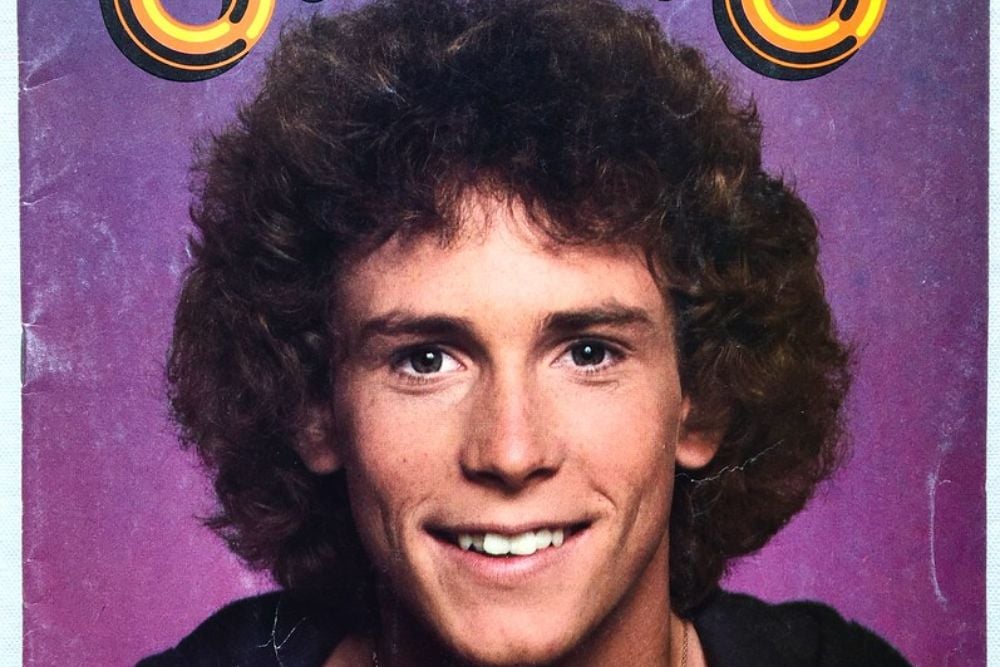
Television success on ‘Eight Is Enough’ and ‘Charles in Charge’ generated substantial wealth for Aames—wealth that poor decisions and bad investments would eliminate entirely. He trusted the wrong people with his financial future, and by the time he recognized the problem, most of his money had disappeared.
Bankruptcy followed, forcing him to rebuild from scratch in his adult years. The experience taught hard lessons about the importance of personal financial oversight.
Anissa Jones

‘Family Affair’ made young Anissa Jones wealthy, but she couldn’t touch her earnings until turning 18. When that birthday finally arrived, she discovered most of her money had been spent or mismanaged during her minority years.
Jones received only a small fraction of what she’d originally earned, a devastating blow that contributed to her personal struggles. Tragically, she died just months after gaining access to her depleted trust fund, at only 18 years old.
Like Go2Tutors’s content? Follow us on MSN.
Mason Reese

The red-haired commercial star of the 1970s generated significant income for his family through his television appearances and endorsements. Reese later disclosed that his parents spent most of his earnings maintaining their lifestyle rather than securing his future financial stability.
When he reached adulthood, very little of his childhood income remained available to him. He was forced to start over financially, working various jobs to achieve basic economic independence.
Carl Switzer

‘The Little Rascals’ brought fame to Carl Switzer but surprisingly little money, especially considering the series’ enormous popularity. Child actors in the show received modest compensation compared to the profits generated, and Switzer’s parents controlled even those limited earnings.
Financial struggles persisted into his adult years, forcing him to take odd jobs for basic survival. These economic difficulties continued until his untimely death in 1959.
Judy Garland

Though she began as a teenager rather than a small child, Garland’s career started young enough to fall into similar patterns of financial exploitation. ‘The Wizard of Oz’ and subsequent MGM films generated millions, but the studio system and her mother’s poor decisions left her with minimal control over her earnings.
Much of her income went toward maintaining an expensive lifestyle and covering medical costs resulting from studio-imposed health issues. Despite massive talent and box office appeal, financial stability eluded her throughout most of her adult life.
Like Go2Tutors’s content? Follow us on MSN.
Mickey Rooney

Hollywood’s old studio system claimed another victim in Mickey Rooney, who earned millions as a young performer but saw most of it disappear through mismanagement. His mother and the studio controlled his finances during his peak earning years, spending much of the money before he could establish proper protection.
Multiple bankruptcy filings marked his later life, and financial struggles persisted well into his senior years despite being one of the biggest stars of his generation.
Todd Bridges

The third ‘Diff’rent Strokes’ cast member to face financial devastation, Bridges discovered that much of his earnings from the popular sitcom had been mismanaged by those supposedly protecting his interests. Like his co-stars Coleman and Plato, he found himself with far less money than expected from years on one of television’s most successful shows.
Rebuilding his financial life proved challenging, especially while dealing with personal struggles and legal issues that further complicated his situation.
Emmanuel Lewis
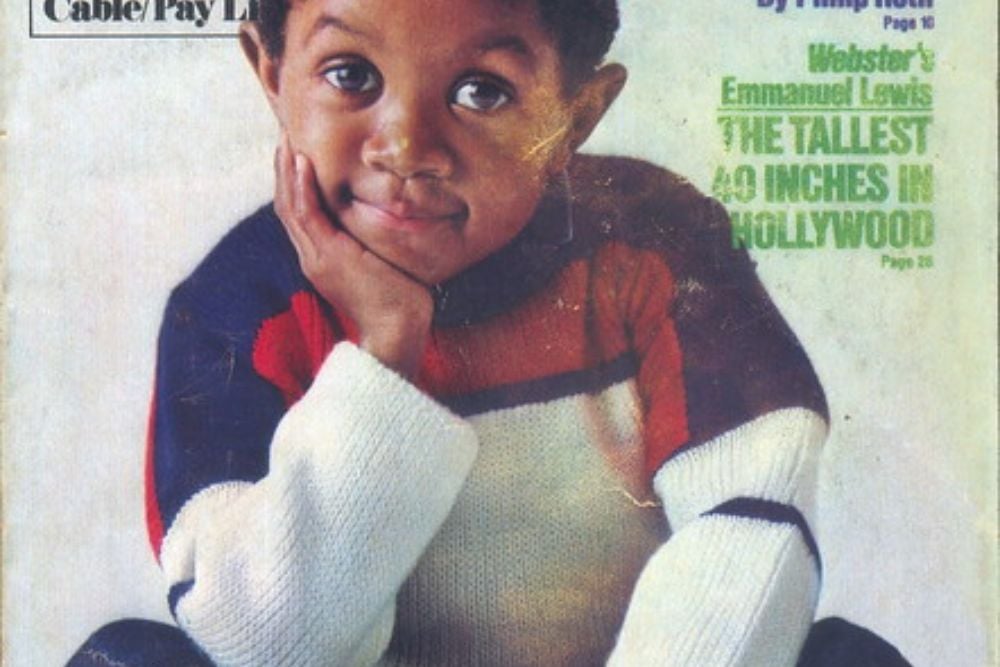
‘Webster’ generated substantial income for its diminutive star during the show’s successful 1980s run, but poor financial oversight caused much of it to vanish. Lewis later revealed that he’d trusted the wrong people with his money and lacked proper supervision of his earnings during his childhood career.
When the series ended and he reached adulthood, his financial situation proved far worse than he’d anticipated, forcing a complete reassessment of his economic circumstances and future planning.
Like Go2Tutors’s content? Follow us on MSN.
A Pattern of Broken Promises

These cautionary tales reveal a troubling trend that’s persisted throughout Hollywood’s history. While modern laws like the Coogan Act offer better protection for today’s young performers, many stars from earlier eras had no such legal safeguards.
Their experiences serve as powerful reminders about the importance of proper financial management and the critical need for stronger protections for minors in entertainment. The industry has slowly learned from these tragedies, though challenges remain for child stars navigating the complex intersection of fame, fortune, and family during their most vulnerable years.
More from Go2Tutors!

- 16 Historical Figures Who Were Nothing Like You Think
- 12 Things Sold in the 80s That Are Now Illegal
- 15 VHS Tapes That Could Be Worth Thousands
- 17 Historical “What Ifs” That Would Have Changed Everything
- 18 TV Shows That Vanished Without a Finale
Like Go2Tutors’s content? Follow us on MSN.