16 Color Combinations That Trick Your Brain Daily
Your brain processes millions of bits of visual information every second, yet it’s surprisingly easy to fool. Colors don’t exist independently—they’re constantly influenced by the hues around them, creating illusions that can make you see things that aren’t really there.
From making objects appear to vibrate to completely changing how we perceive size and distance, certain color combinations exploit the quirks in how our visual system works. These optical tricks aren’t just party games or art experiments—they’re happening all around you every day.
Here is a list of 16 color combinations that regularly fool your brain without you even realizing it.
Red and Green Vibration
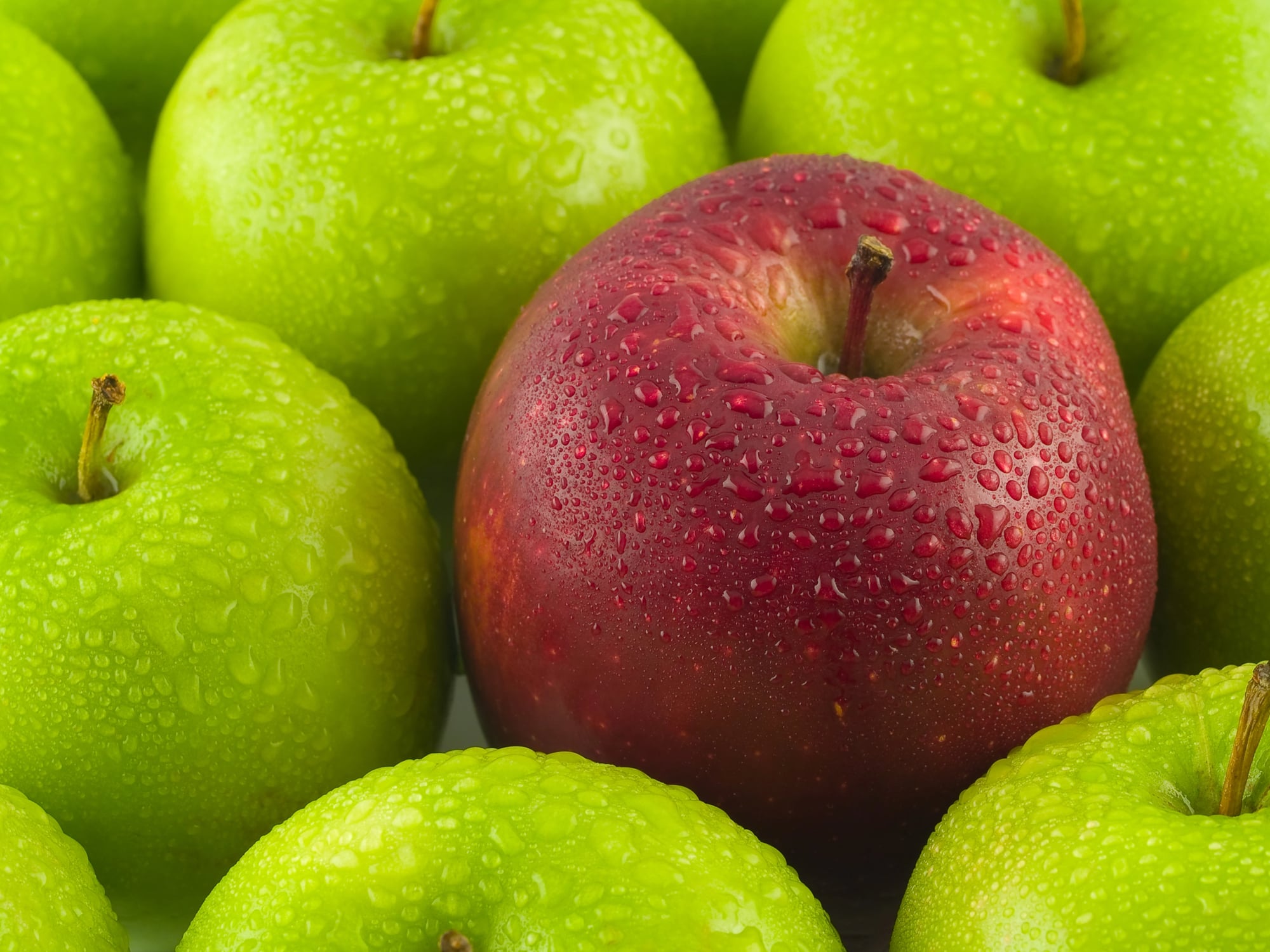
When bright red and green sit next to each other, they create an unsettling vibrating effect that makes your eyes feel like they’re working overtime. This happens because red and green light waves have similar intensity but opposite positions on the color spectrum—causing your brain to struggle with processing the border between them.
You’ll see this combination everywhere from Christmas decorations to traffic lights, though it always creates that subtle eye strain.
Blue and Orange Depth Illusion
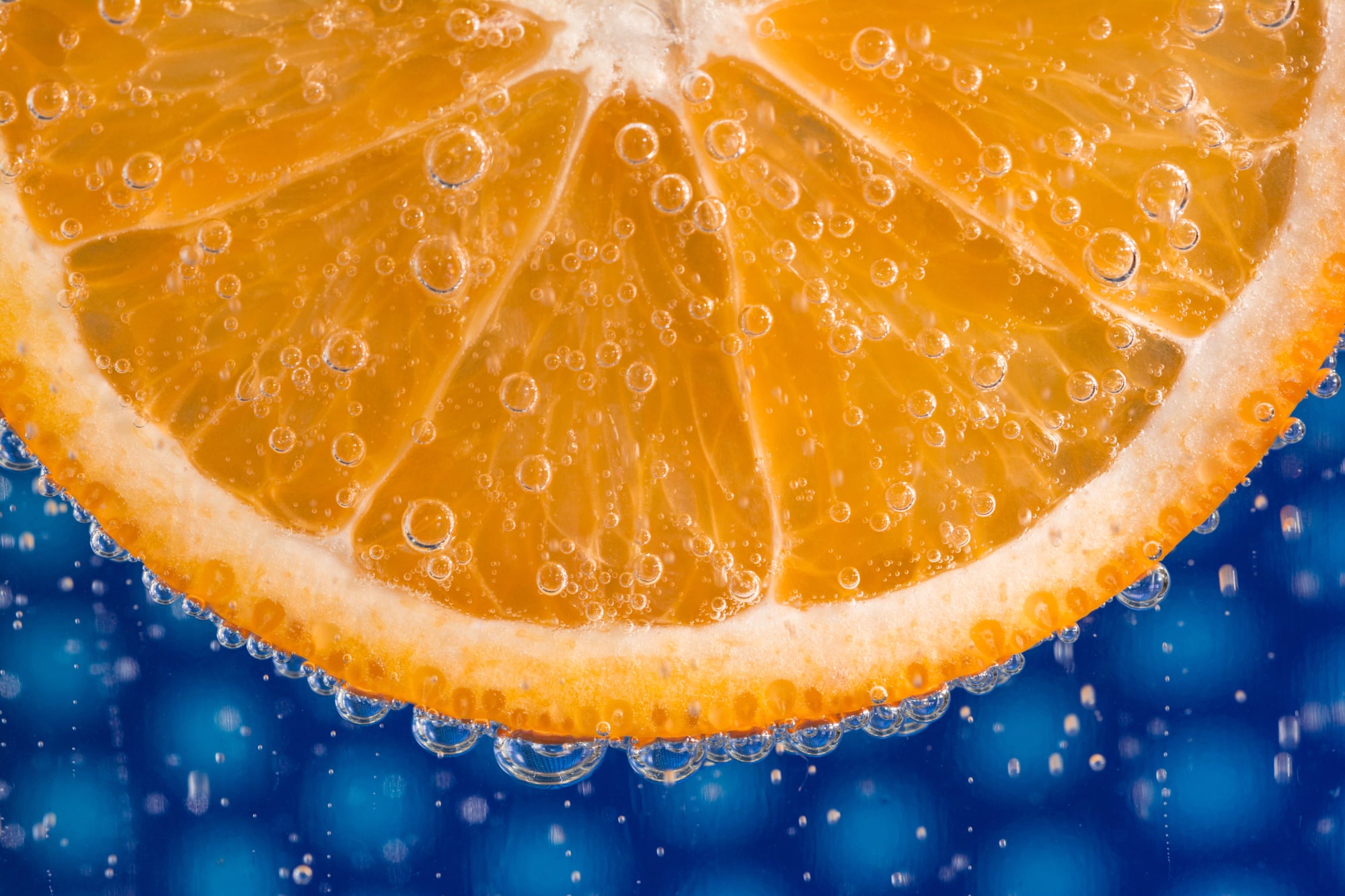
Blue appears to recede while orange jumps forward, creating an instant sense of depth even on flat surfaces. This warm-cool contrast tricks your brain into thinking the orange elements are closer than they actually are.
Advertisers absolutely love this combination since it makes logos and text pop off billboards—plus websites with almost three-dimensional intensity.
Yellow and Purple Size Distortion

Purple backgrounds make yellow objects appear significantly larger than they actually are, whereas yellow backgrounds can make purple items seem to shrink.
This size illusion occurs because yellow reflects more light than purple—creating a visual ‘bleeding’ effect that expands bright objects against dark backgrounds. Interior designers use this trick to make small rooms feel more spacious or to emphasize specific architectural features.
Black and White Afterimage
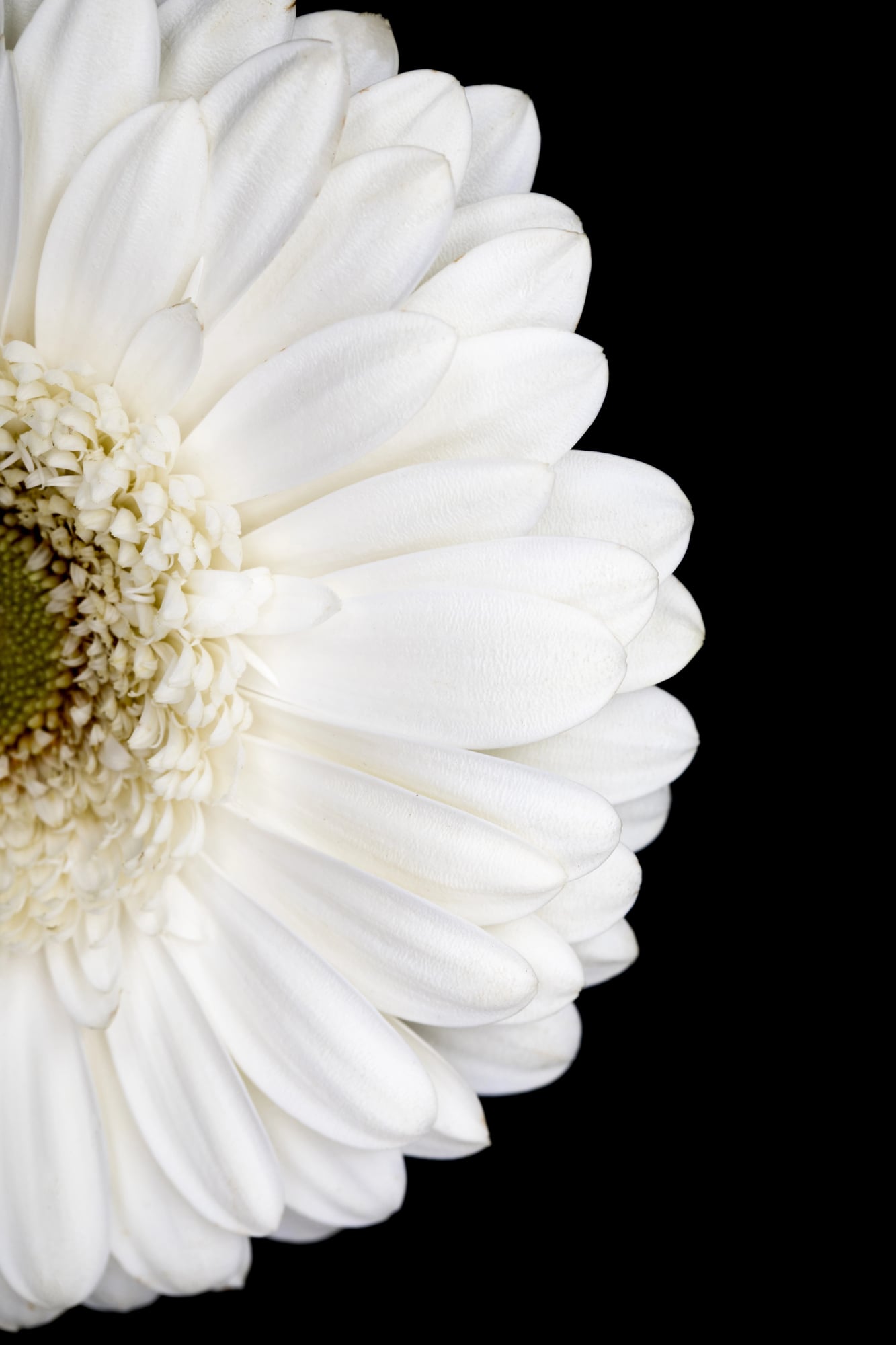
Staring at high-contrast black and white patterns for even a few seconds creates vivid afterimages when you look away. Your retinal cells become temporarily ‘fatigued’ from processing the extreme contrast—causing you to see the inverse colors floating in your vision.
This effect is so reliable that it’s used in vision therapy, though eye examinations also rely on it to test how well your visual system responds to stimuli.
Complementary Color Simultaneous Contrast
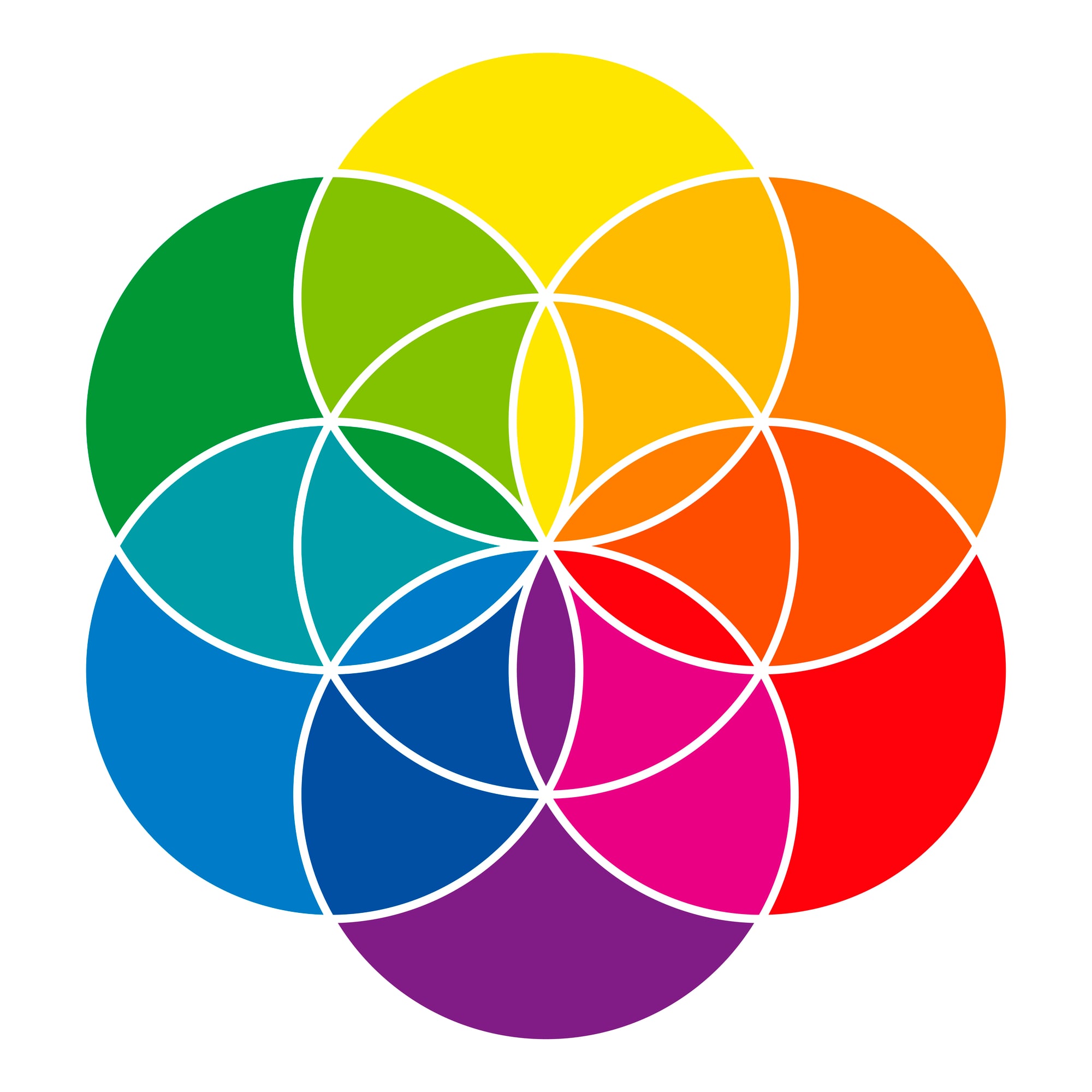
Any color appears more vibrant when placed next to its complementary opposite on the color wheel. A gray square looks greenish on a red background yet reddish on a green background—even though it’s exactly the same shade of gray.
This simultaneous contrast effect means the colors around something are just as important as the actual color itself.
Neon Color Spreading

When thin colored lines are drawn on a white background—then covered with a transparent colored filter—the white areas appear to glow with the filter’s color.
This ‘neon spreading’ effect makes white regions look like they’re actually tinted, though they remain completely white underneath. You experience this daily when looking through tinted windows or colored sunglasses.
Chromatic Aberration Edges
High-contrast edges between certain colors create rainbow-like fringes that aren’t actually there. This happens because your eye’s lens focuses different wavelengths of light at slightly different points—similar to how a prism splits white light.
The effect is most noticeable with blue and red combinations, making digital screens plus printed materials appear to have colored halos around text and images.
Motion-Induced Color Shifts

Rapidly moving colored objects appear to change hue due to the way your visual system processes motion—plus color information.
Red cars can look orange when speeding past, while blue objects may appear greenish when moving quickly across your field of vision. This effect explains why emergency vehicles use specific color combinations that remain visible and recognizable even at high speeds.
Temporal Color Contrast
Colors appear different when viewed in sequence rather than simultaneously—creating temporal illusions that change based on what you saw moments before.
A neutral gray surface looks warm after viewing cool colors, though cool after viewing warm colors, even though the gray never changes. This sequential contrast effect influences everything from how food looks appetizing to how clothing appears attractive in different lighting situations.
Bezold Effect

Adding a third color to any two-color combination can dramatically change how both original colors appear.
A small amount of yellow mixed into red and blue patterns makes the red look orange while the blue looks green, fundamentally altering the entire color relationship. Textile designers along with digital artists exploit this effect to create color schemes that shift and change depending on accent colors.
Purkinje Shift

As the lighting dims, your perception of relative color brightness shifts dramatically. Reds appear darker while blues appear brighter than they do in daylight.
This effect explains why red flowers seem to disappear at dusk though blue ones remain visible much longer. Your eyes actually have two different visual systems for bright conditions versus dim conditions, each with different color sensitivities.
Chromostereopsis
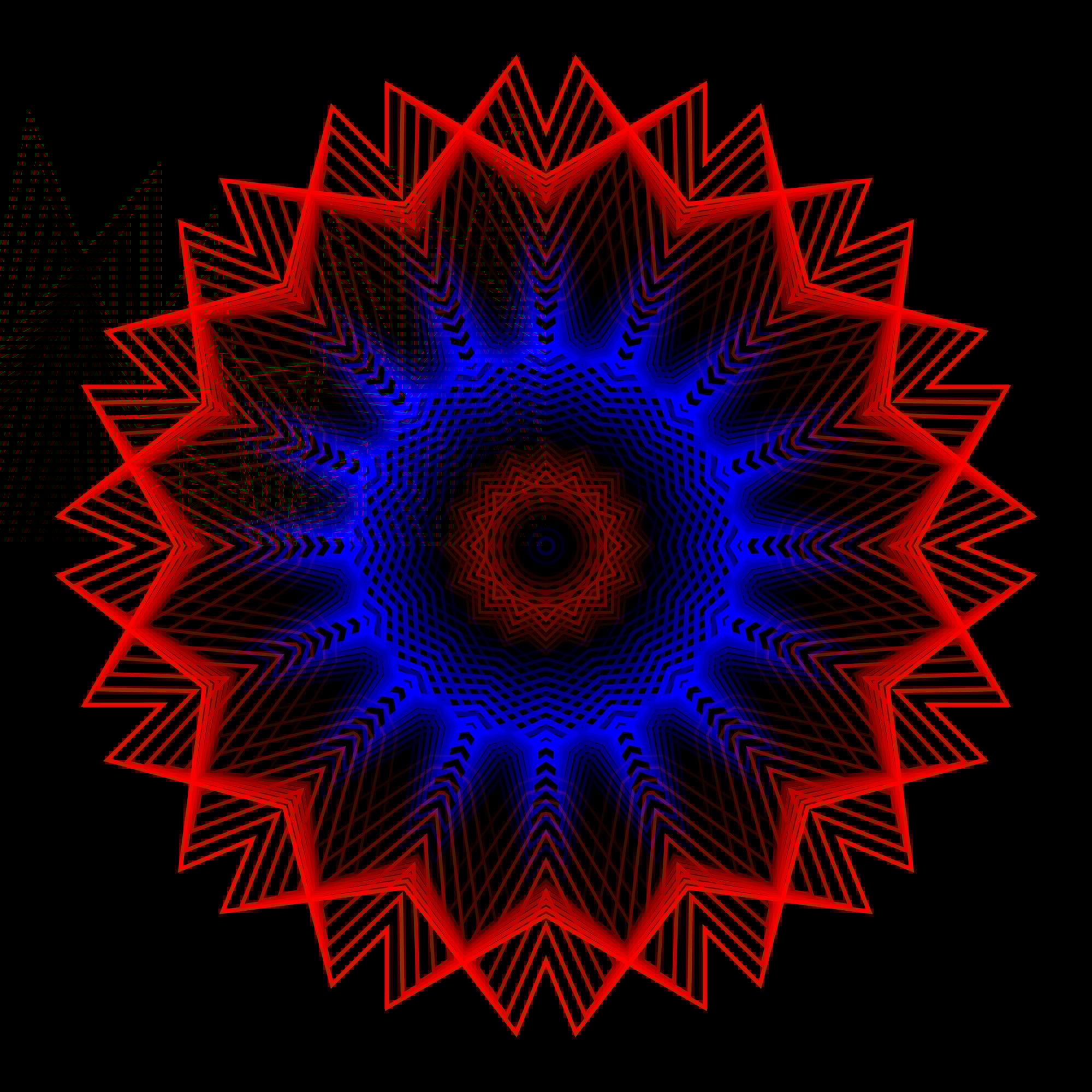
Red objects appear closer than blue objects at the same distance, creating a stereoscopic depth effect with flat images.
This happens because red light focuses slightly behind your retina whereas blue light focuses in front of it, tricking your brain into perceiving depth differences. 3D movies along with virtual reality systems sometimes use this principle to enhance depth perception without requiring special glasses.
Color Assimilation
Small colored dots or lines take on the appearance of surrounding colors, making them look like entirely different hues. White dots on a red background can appear pinkish, though the same white dots on a blue background look bluish.
This assimilation effect is opposite to contrast effects while depending on the size plus spacing of the colored elements.
Mach Bands Enhancement

Your visual system enhances edges between different brightness levels, creating phantom light bands plus dark bands that don’t actually exist in the original image.
These Mach bands appear at color boundaries while making gradual transitions look like they have distinct steps or stripes. You see this effect constantly in photographs, digital displays, and even natural lighting gradients like sunsets.
Watercolor Illusion
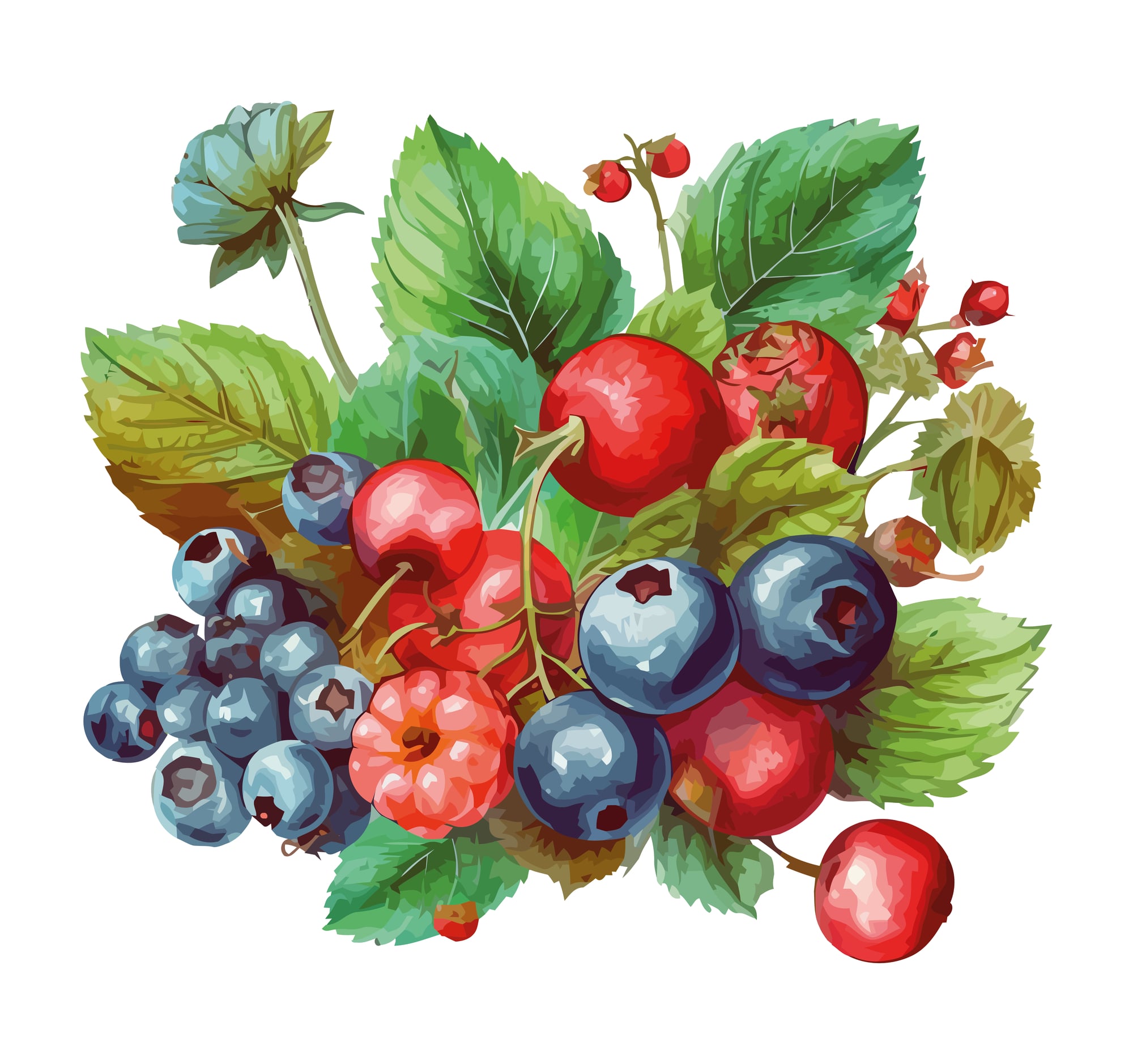
A thin colored outline around shapes can make the entire enclosed area appear tinted with that same color, even when the interior is completely white or neutral.
This watercolor effect is so strong that people will swear they see actual color filling in areas that contain no color at all. Web designers along with artists use this illusion to create the impression of colored backgrounds without actually adding any fill colors.
Chromatic Induction

Strong background colors can induce their complementary colors to appear in neutral foreground objects. A gray circle on a bright green background develops a subtle reddish tint, whereas the same gray circle on a red background looks slightly greenish.
This induction effect means that no color ever exists in isolation since everything is influenced by its chromatic neighbors.
The Daily Color Conspiracy
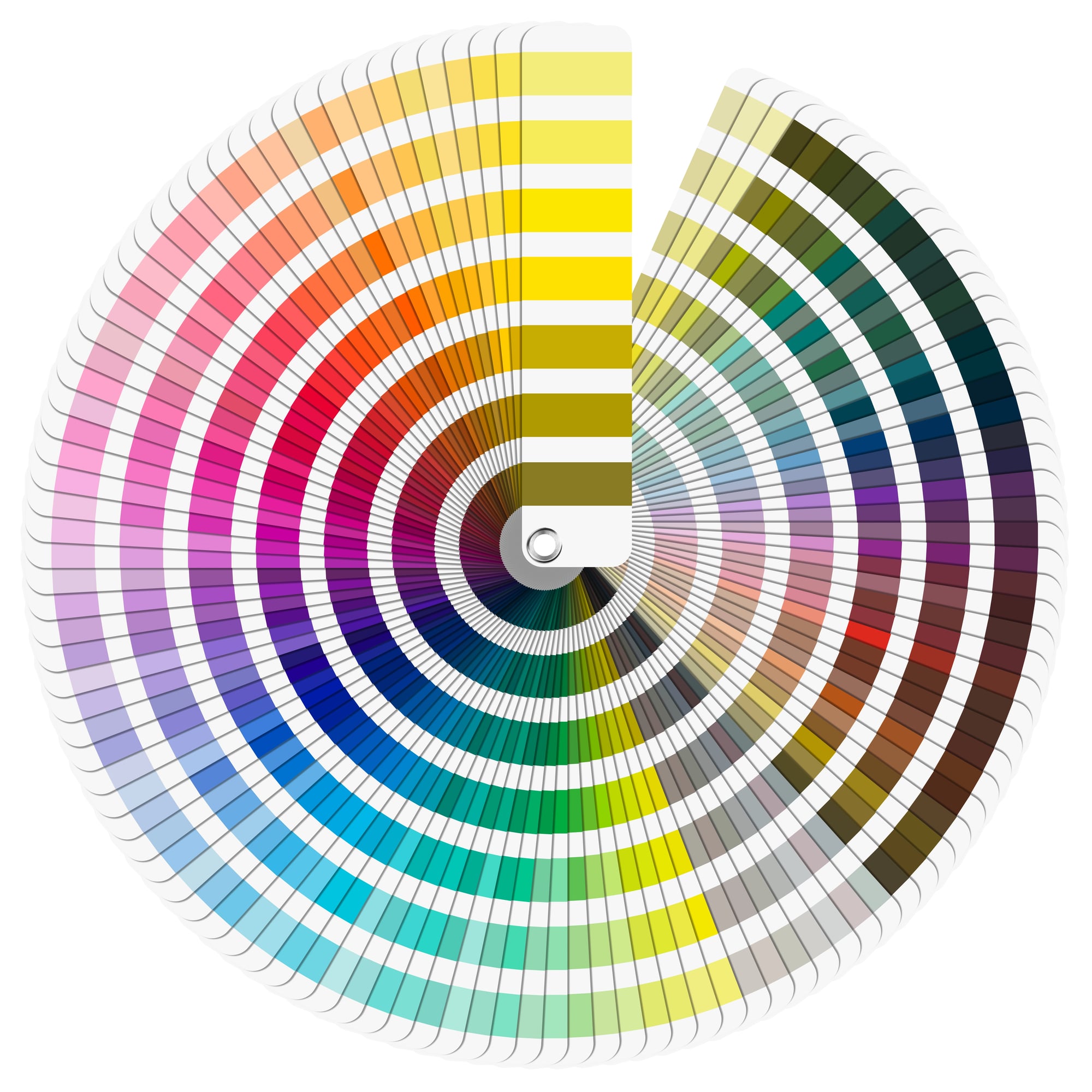
These visual tricks reveal how much of what we ‘see’ is actually constructed by our brains rather than simply recorded by our eyes. Every advertisement, website, room design, plus natural scene uses these color relationships to guide our attention while influencing our perceptions.
Understanding these illusions doesn’t make them disappear—though it just helps you appreciate the remarkable complexity of something as seemingly simple as seeing color.
More from Go2Tutors!

- The Romanov Crown Jewels and Their Tragic Fate
- 13 Historical Mysteries That Science Still Can’t Solve
- Famous Hoaxes That Fooled the World for Years
- 15 Child Stars with Tragic Adult Lives
- 16 Famous Jewelry Pieces in History
Like Go2Tutors’s content? Follow us on MSN.



