16 Incredible Facts About The World’s Most Secretive Islands
There’s something magnetic about places you can’t go. The moment someone tells you an island is off-limits, restricted, or simply too dangerous to visit, it becomes infinitely more fascinating than any tropical paradise welcoming tourists with open arms.
These secretive islands scattered across our oceans hold stories that read like fiction — government experiments, deadly wildlife, buried treasure, and mysteries that governments prefer to keep quiet. Some of these places remain hidden for good reason.
Others guard secrets that seem almost absurd in their secrecy. What they all share is an air of the forbidden that makes them irresistible to curious minds.
North Sentinel Island
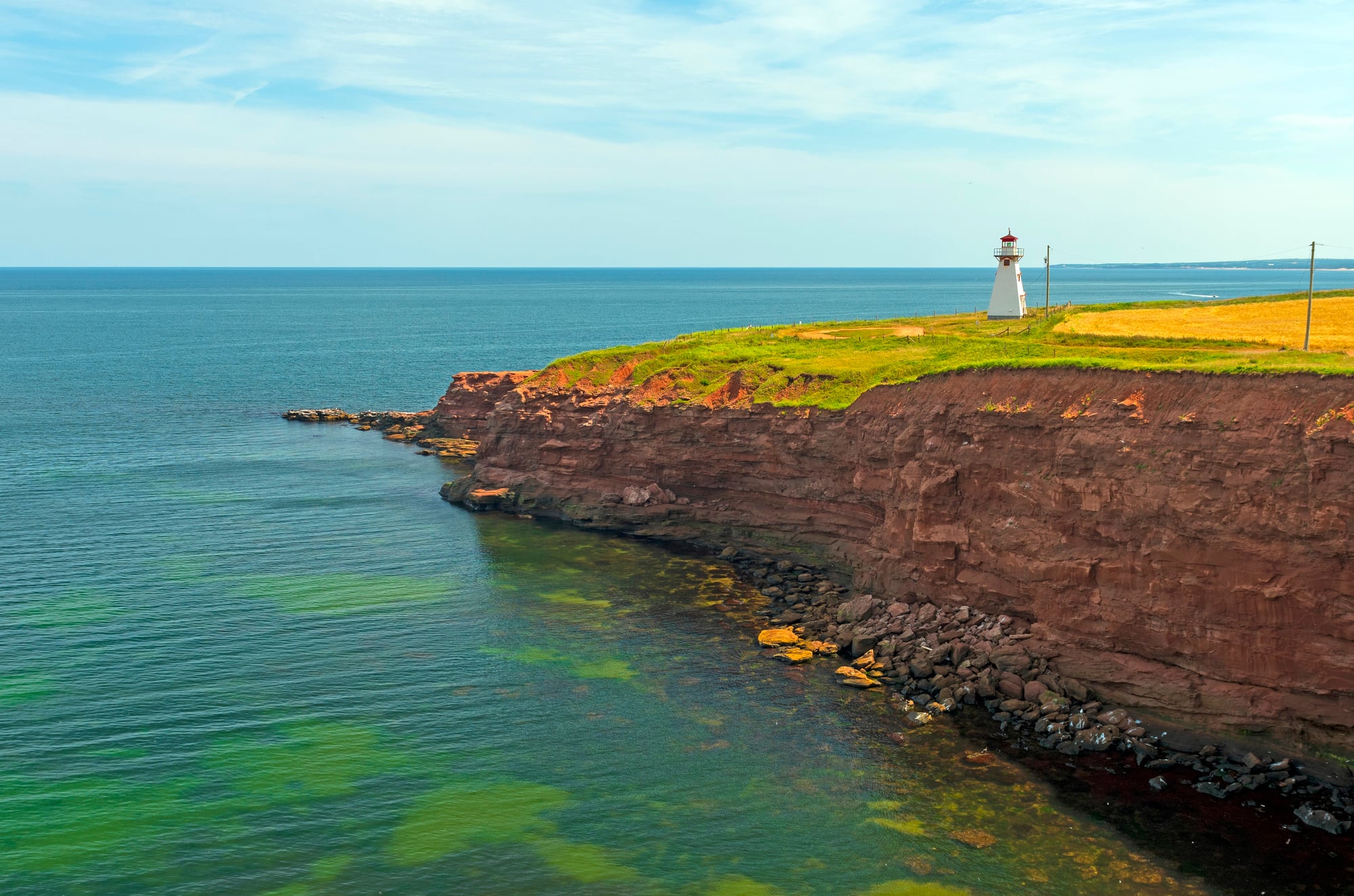
The Sentinelese people have been rejecting visitors for centuries. They shoot arrows at helicopters.
They’ve killed outsiders who attempted to land. The Indian government has declared a three-mile exclusion zone around their island, and anyone who ventures closer does so at their own peril.
Poveglia Island
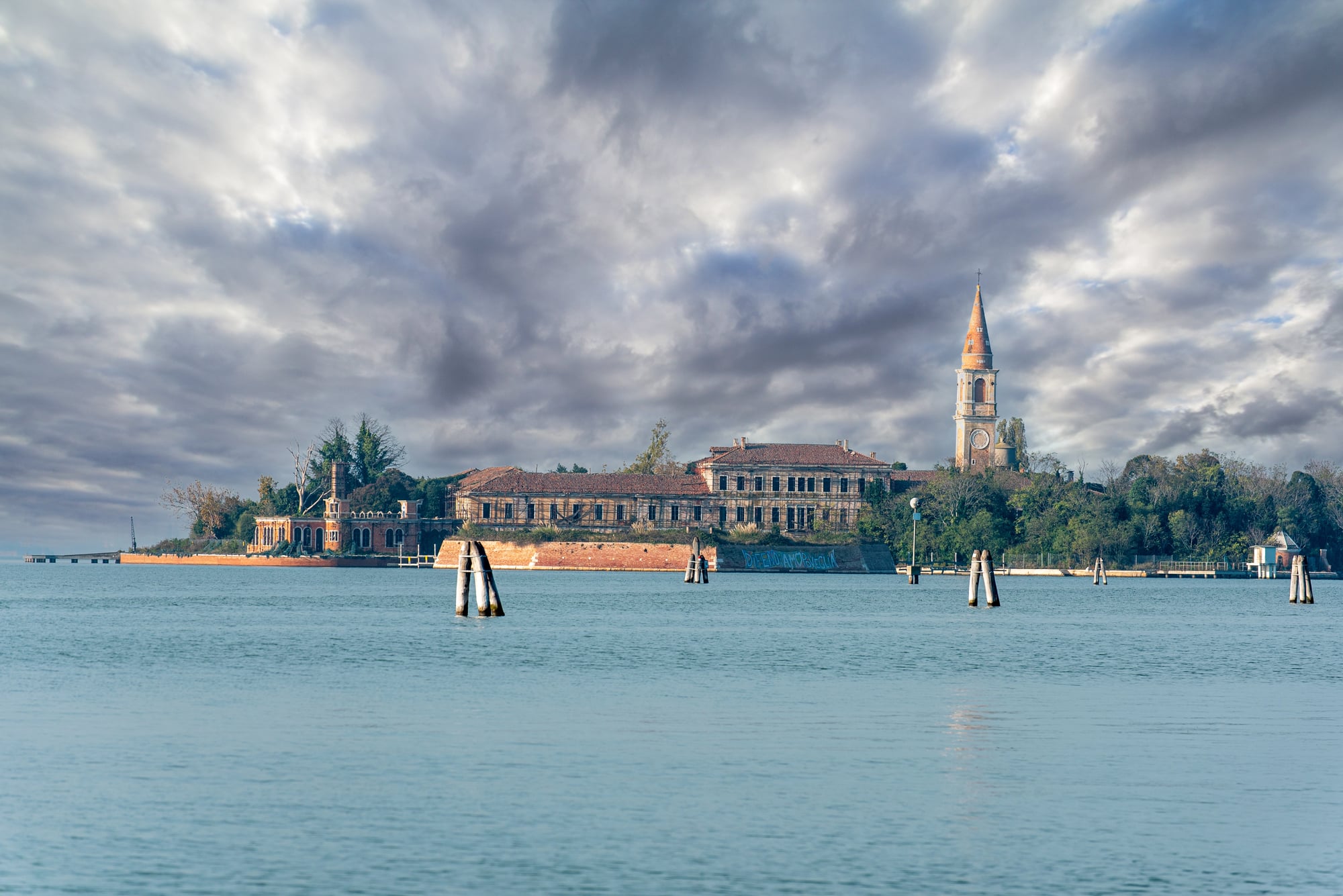
This small patch of land between Venice and Lido holds the cremated remains of over 100,000 people (and that’s a conservative estimate from historians who have studied the death records, though many bodies were never officially documented). During plague outbreaks, Venetians used Poveglia as a dumping ground for the infected and dying — later, it became a mental hospital where a psychiatrist died at Poveglia in 1968, though details surrounding this event remain disputed and heavily sensationalized in popular accounts.
The soil contains so much human ash that farmers won’t work the land, and visitors report an overwhelming sense of dread that settles over them before they even step off the boat.
Surtsey Island
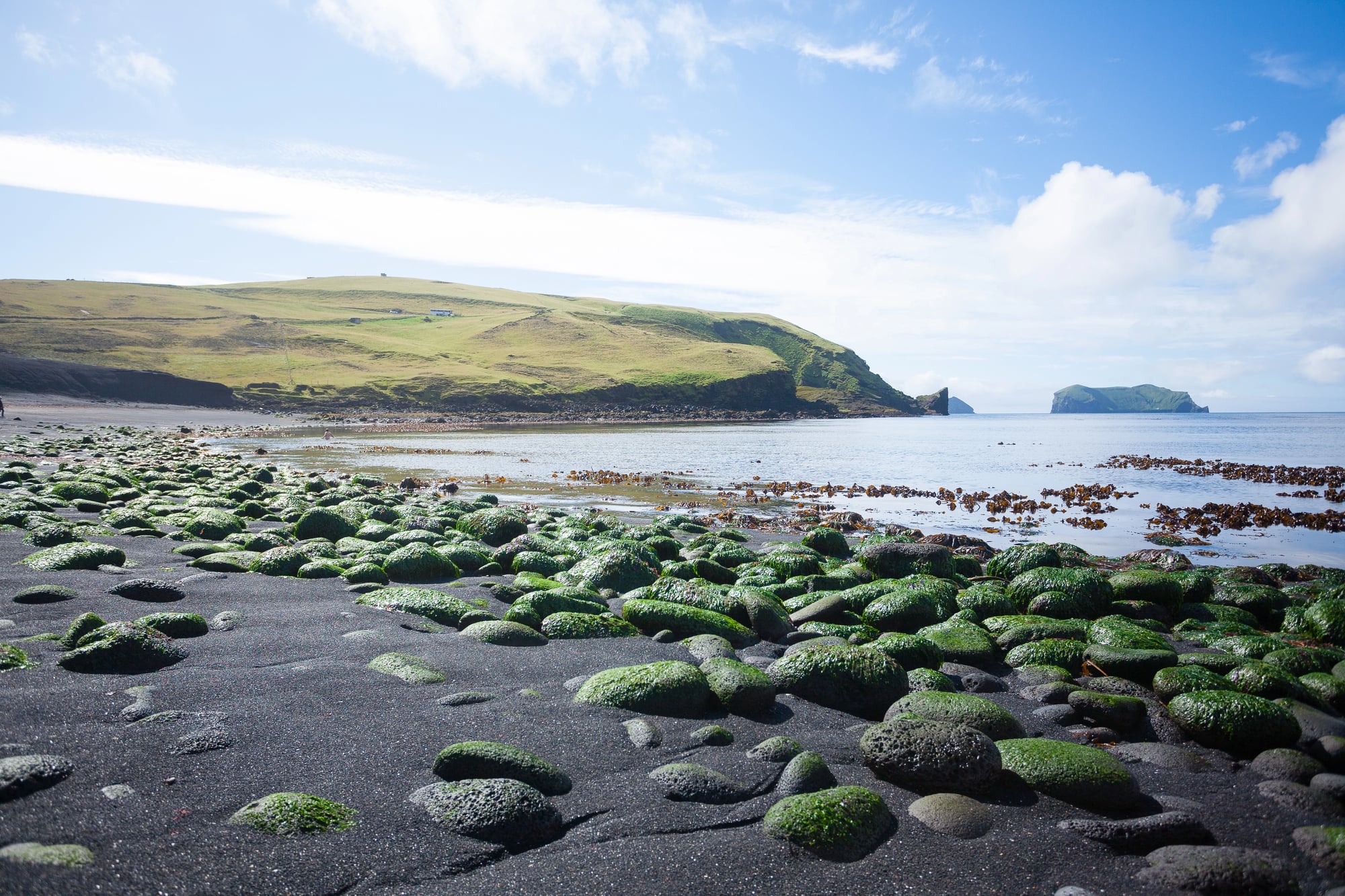
Scientists turned this place into their private laboratory the moment it bubbled up from the North Atlantic in 1963. Only researchers with special permits can set foot here.
They’re documenting how life colonizes virgin land — which seeds arrive first, how birds establish nesting sites, how soil forms from volcanic rock. The data they’re collecting will take decades to become meaningful.
Every plant, every insect, every microorganism gets catalogued. Visitors would contaminate their controlled environment within hours.
Snake Island
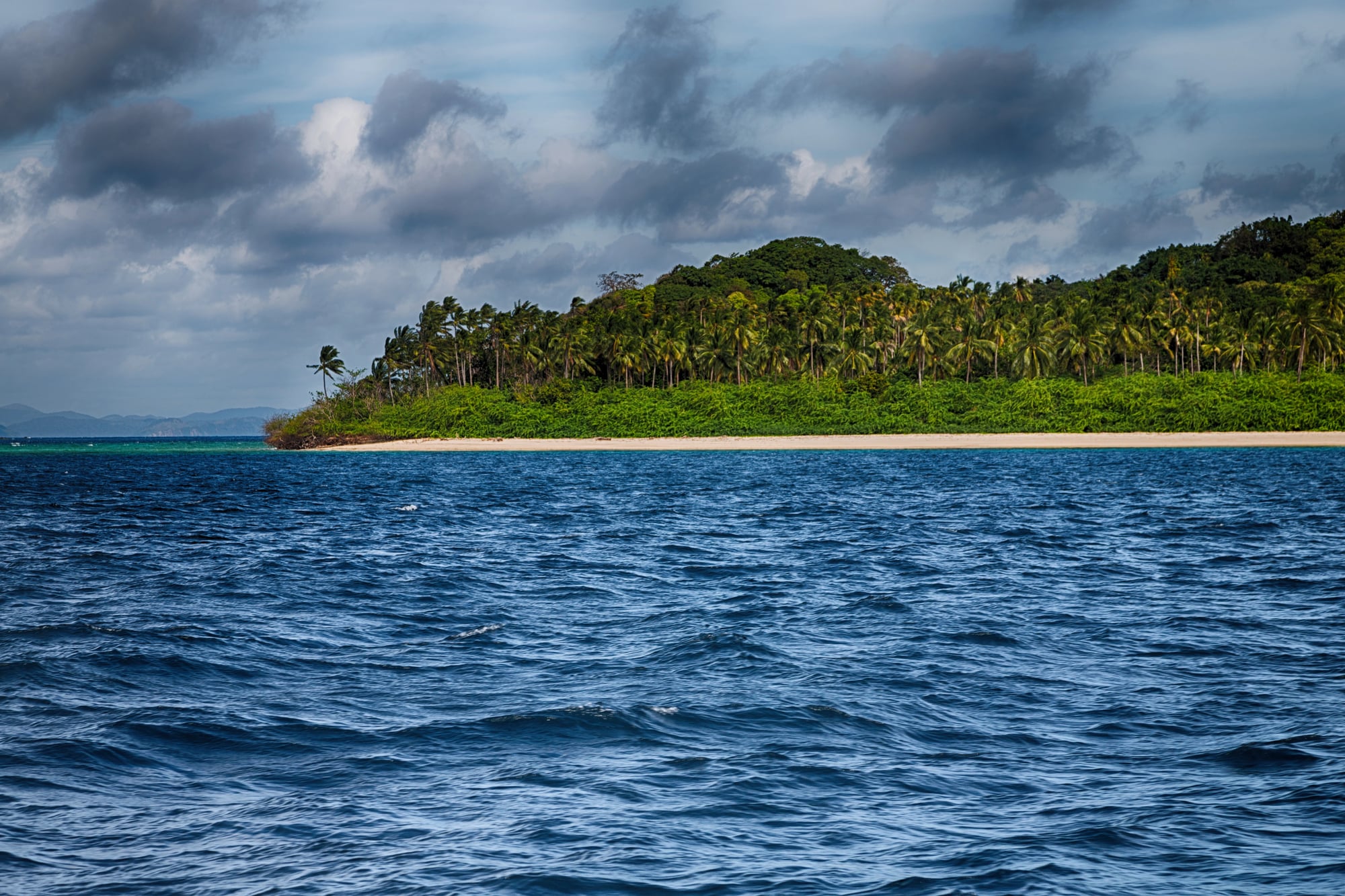
Ilha da Queimada Grande sits off Brazil’s coast like a verdant death trap. The golden lancehead vipers that rule this island exist nowhere else on Earth — and their venom can kill a human in under an hour through severe hemorrhage and organ failure, with bites causing localized tissue damage.
These snakes evolved in isolation to be roughly five times more venomous than their mainland cousins because their primary prey, migrating birds, require quick immobilization before they can escape to the trees. The Brazilian government prohibits civilian access entirely.
Even researchers require military escort and comprehensive medical support. Local fishermen tell stories (probably exaggerated, though who can say for certain) of discovering boats drifted ashore with crews dead from snakebites, the vessels having been abandoned after someone made the fatal mistake of seeking shelter on what appeared to be an uninhabited tropical island.
Riems Island
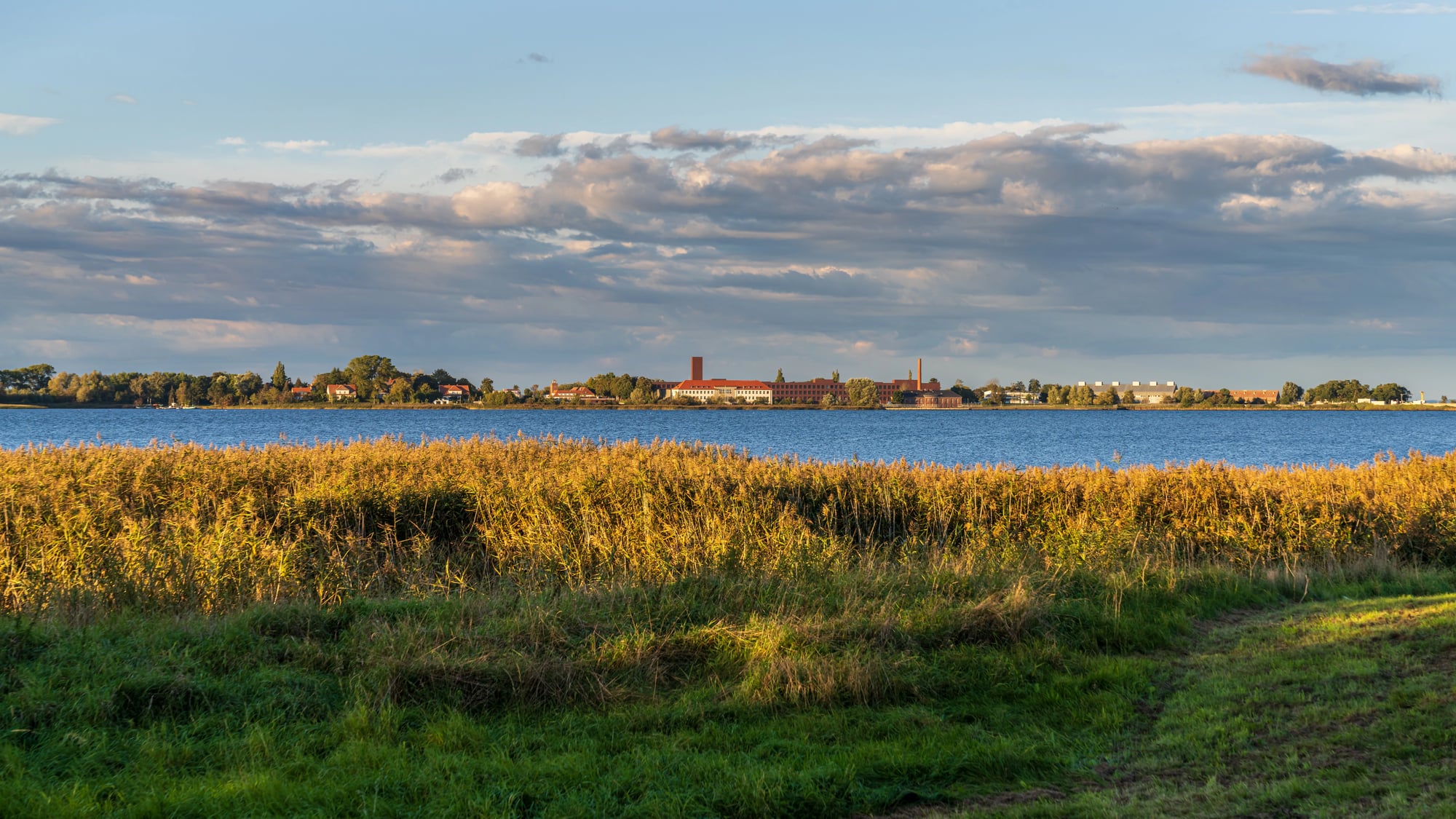
Germany runs its most dangerous biological research here. Foot-and-mouth disease. African swine fever.
Pathogens that could devastate European agriculture if they ever escaped the laboratory. The Friedrich Loeffler Institute chose this location precisely because water creates a natural quarantine barrier.
Even the ferries that supply the island follow strict decontamination protocols. Researchers live in isolation for weeks at a time.
One containment breach could trigger agricultural catastrophe across the continent.
Gruinard Island
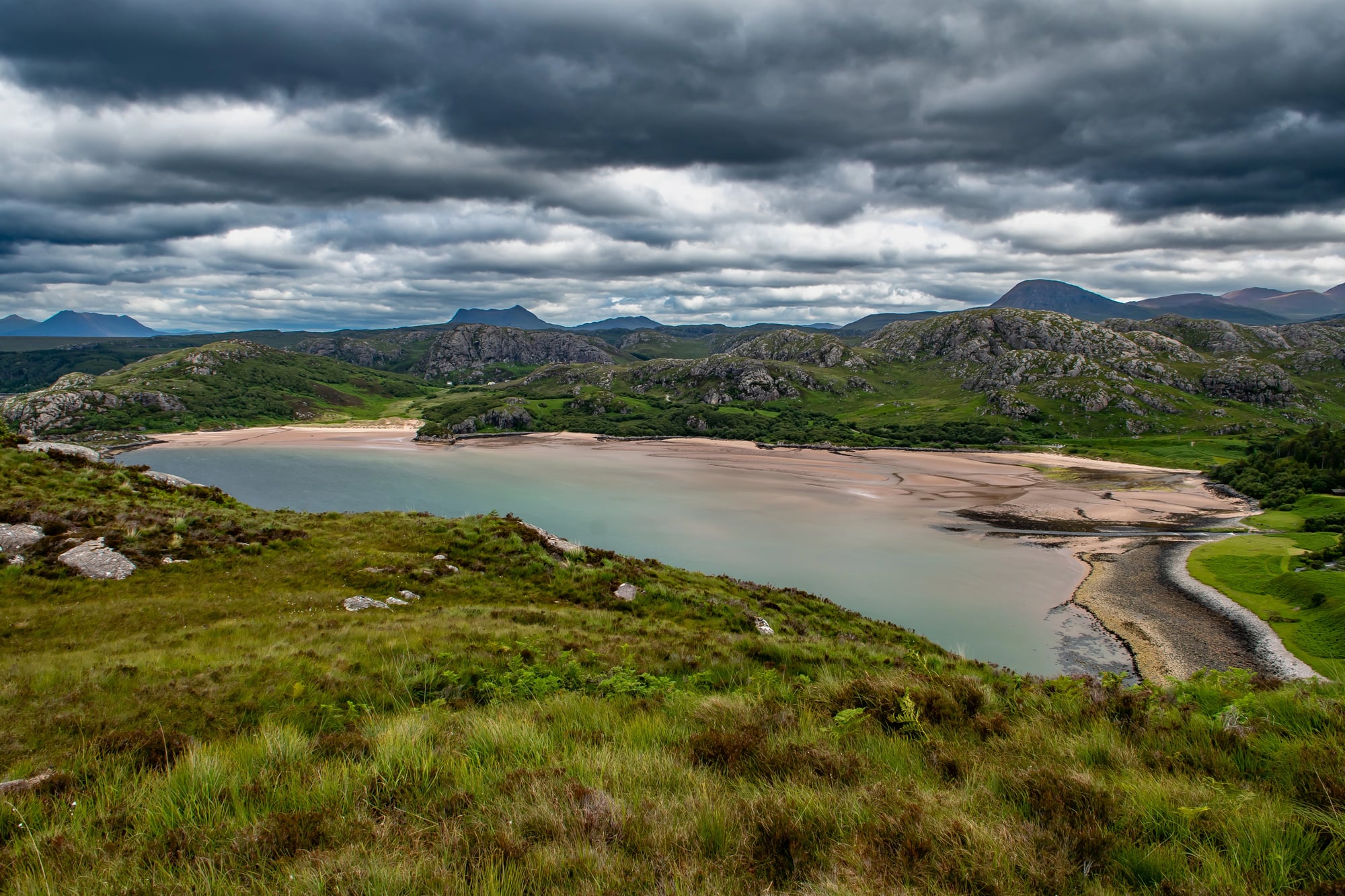
The British military poisoned this Scottish island with anthrax spores during World War II weapons testing — and then discovered, much to their apparent surprise, that deadly bacteria don’t simply disappear when the experiment ends.
For nearly fifty years, Gruinard remained a biological no-man’s land where sheep dropped dead and the soil itself could kill anyone foolish enough to disturb it.
The cleanup operation in the 1980s involved removing topsoil, treating the ground with formaldehyde, and introducing specially bred sheep as unwitting test subjects to determine whether the island was truly safe. Even now, decades after being declared habitable, Gruinard carries the psychological weight of its toxic history — few people show interest in visiting a place where their government once perfected methods of biological warfare.
Diego Garcia
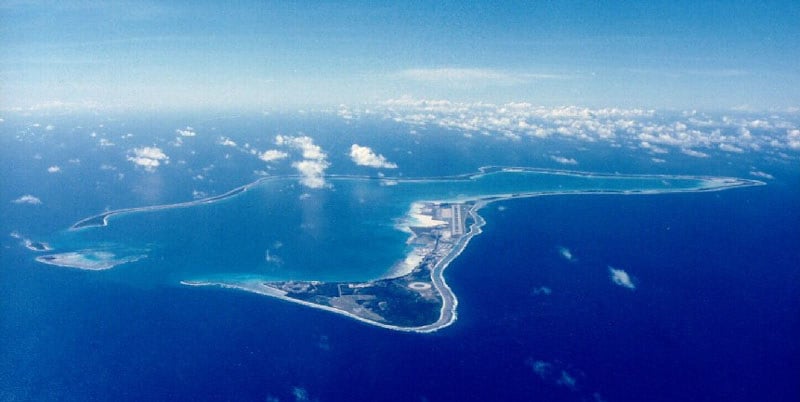
The U.S. military cleared an entire population off this island to build one of their most strategic bases in the Indian Ocean. The Chagossians had lived there for generations before being forced onto cargo ships and dumped in Mauritius with minimal compensation.
Now Diego Garcia hosts bombers, intelligence operations, and other activities the Pentagon prefers not to discuss. The base doesn’t appear on most tourist maps.
Commercial flights don’t service the island. Even British citizens need special permission to visit what is technically British territory.
The military maintains Diego Garcia as their private fortress in the middle of the ocean.
Palmyra Atoll
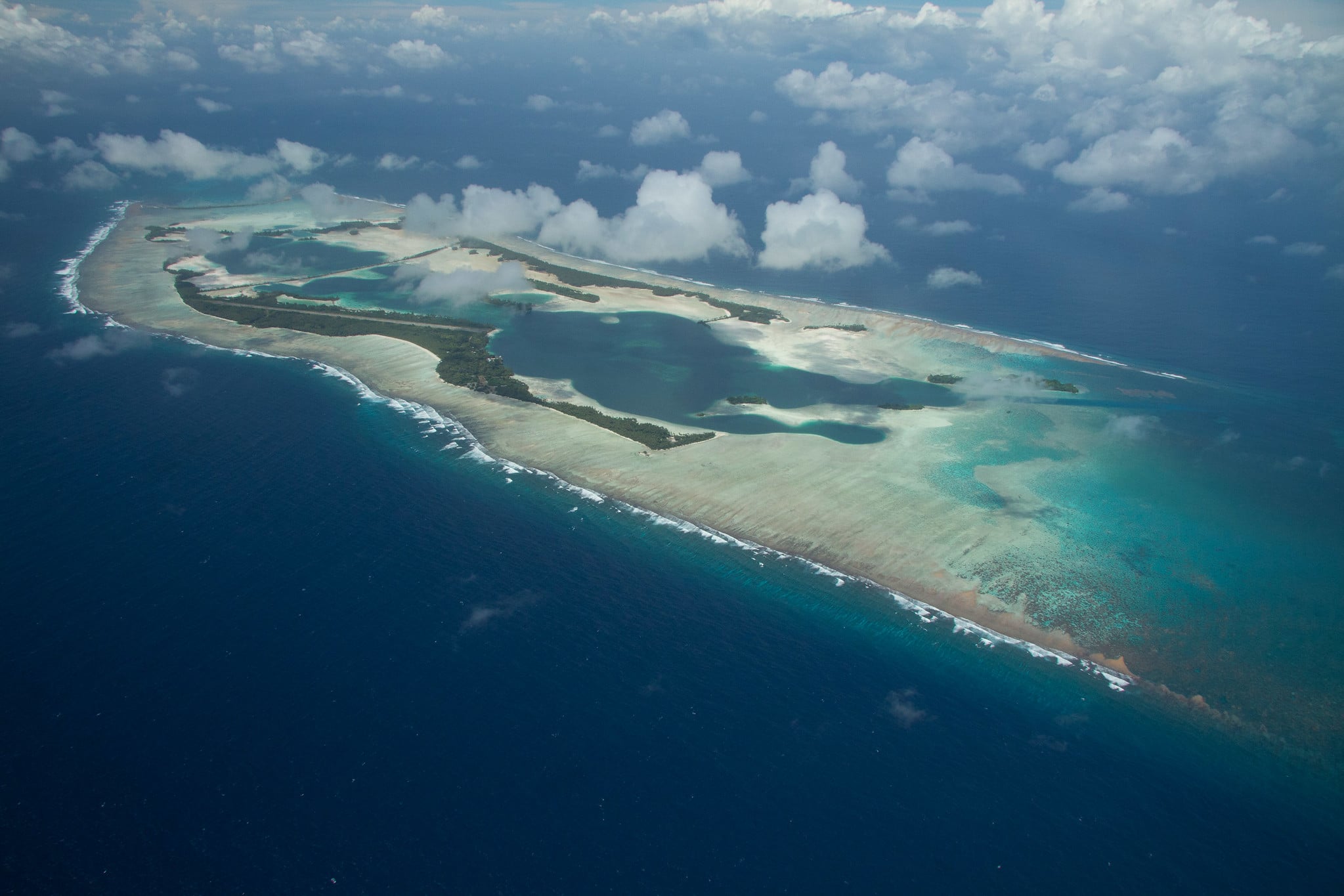
This Pacific island feels wrong in ways that defy rational explanation. Visitors describe an oppressive atmosphere that seems to emanate from the jungle itself — a sensation of being watched by something hostile and unseen that grows stronger as daylight fades.
The island’s history includes mysterious disappearances, a double murder in the 1970s that became the subject of true crime books, and reports of unusual phenomena that researchers struggle to categorize. Scientists have documented Palmyra’s remarkable biodiversity and its importance as a research station, but they also acknowledge something indefinable about the place that affects people psychologically.
Some researchers request early departure from assignments there. The atoll remains restricted to scientific personnel, partly for conservation reasons and partly because the remote location makes emergency evacuation nearly impossible if something goes wrong.
Plum Island
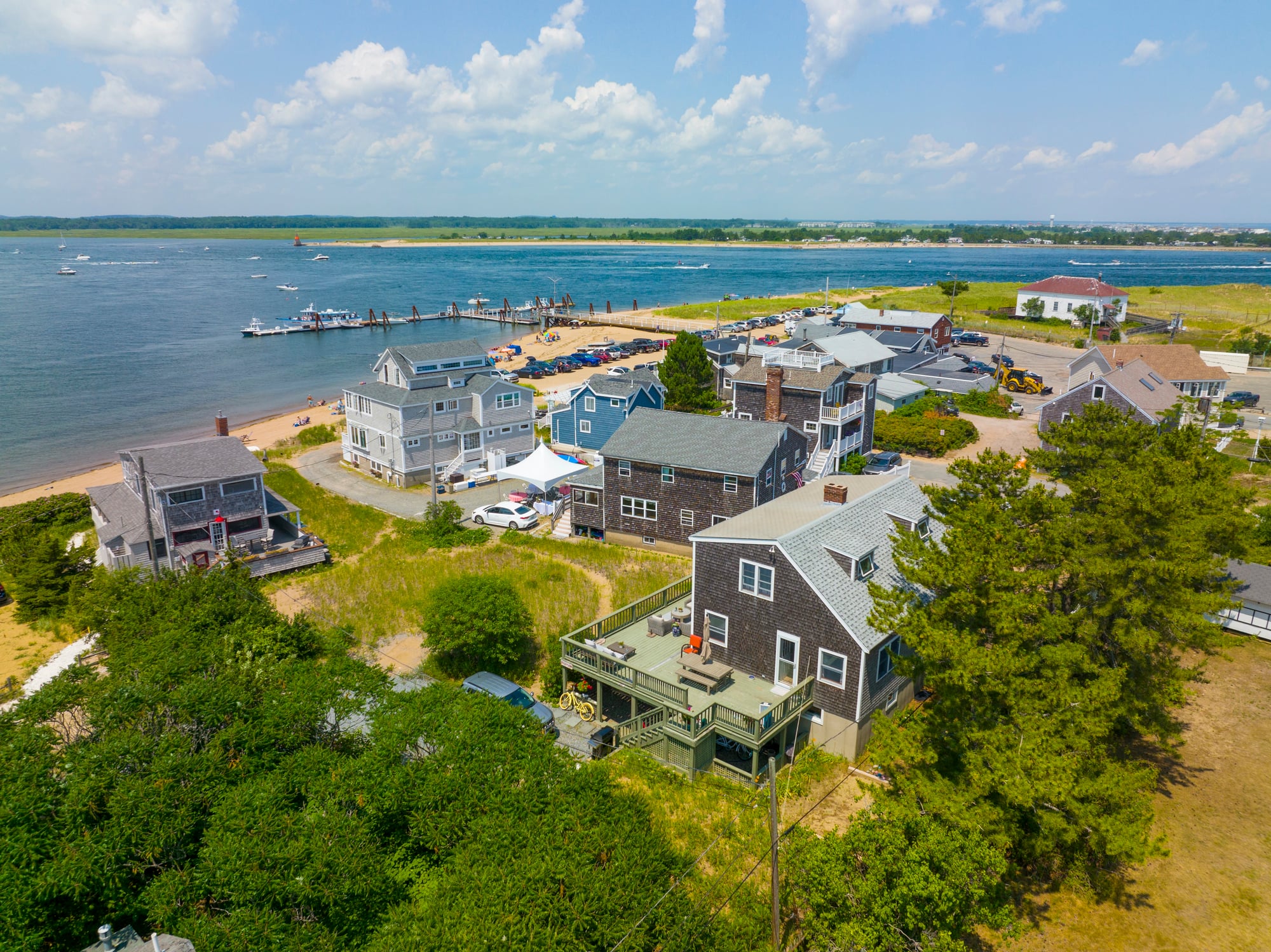
The U.S. government studies animal diseases here that could theoretically be weaponized. Foot-and-mouth disease. Rinderpest. African swine fever.
They claim it’s purely defensive research — understanding these pathogens to prevent bioterrorism attacks on American agriculture. The facility has experienced security breaches.
Equipment failures. Reports of infected animals that somehow survived experiments they should have died from.
Conspiracy theories flourish around Plum Island because the government’s explanations often raise more questions than they answer.
Heard Island
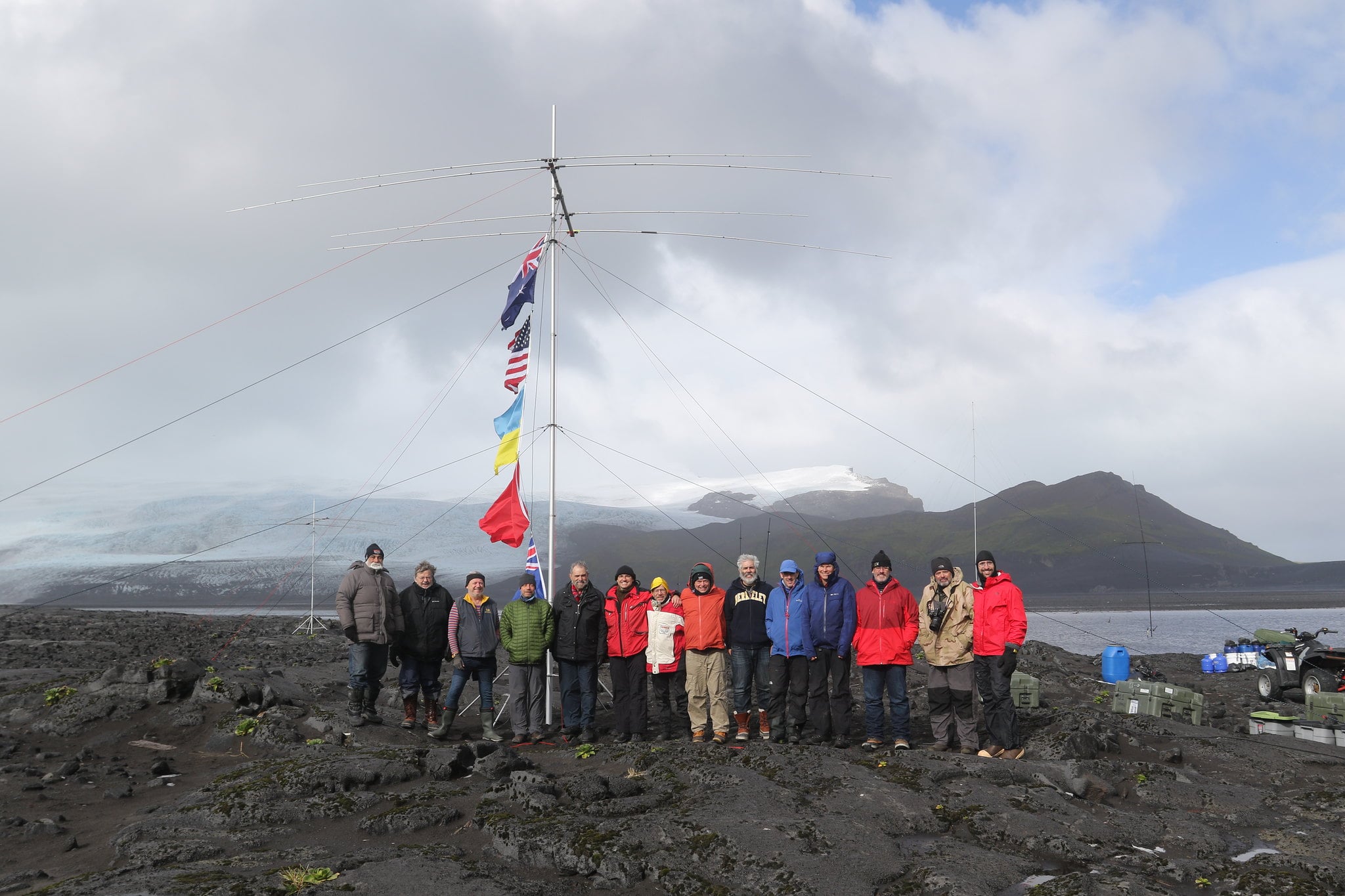
This remote Australian territory in the Southern Ocean represents one of the last truly pristine wilderness areas on Earth — and it stays that way because getting there requires surviving some of the most dangerous seas on the planet. Heard Island sits in the path of Antarctic storms that generate waves tall enough to sink research vessels, while its dormant volcano, Big Ben (Mawson Peak), last erupted in 1950 and now shapes the island’s rugged landscape
The island supports massive colonies of seals and penguins that have never learned to fear humans because human contact remains so rare. Scientists who manage to reach Heard Island often spend months in complete isolation, studying ecosystems that haven’t been significantly disturbed by human activity.
The Australian government maintains strict access controls not just for conservation reasons, but because search and rescue operations in these waters are essentially impossible during the months-long Antarctic winter.
Farallon Islands
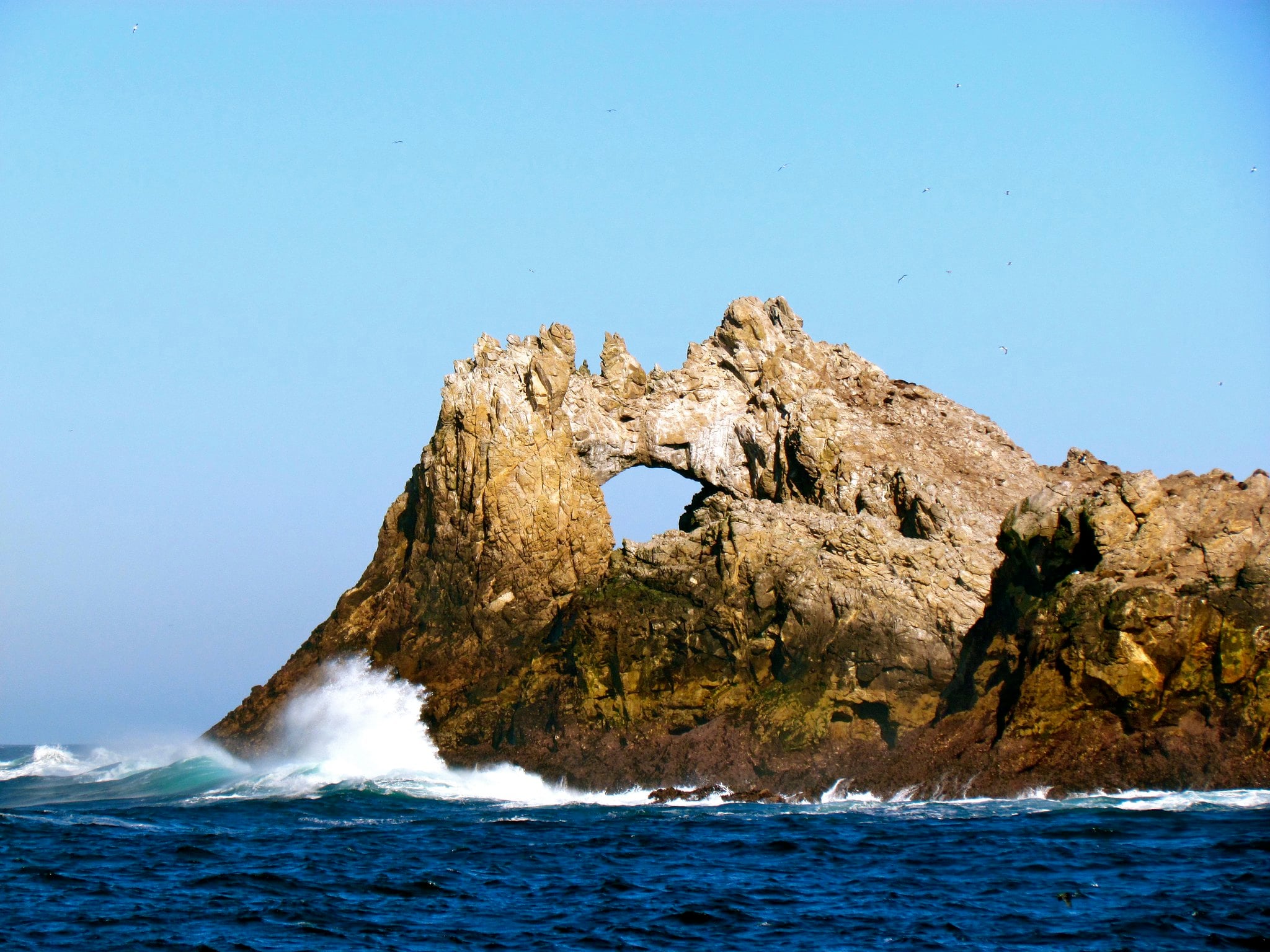
These jagged rocks off San Francisco’s coast serve as a massive seabird sanctuary and white shark research station. The waters around the Farallones contain the highest concentration of great whites anywhere in the world.
Scientists study their behavior, migration patterns, and hunting strategies. Public access has been banned for decades.
The sharks are only part of the reason. The islands also host incredibly sensitive seabird colonies that could be decimated by human disturbance during breeding season.
Sable Island
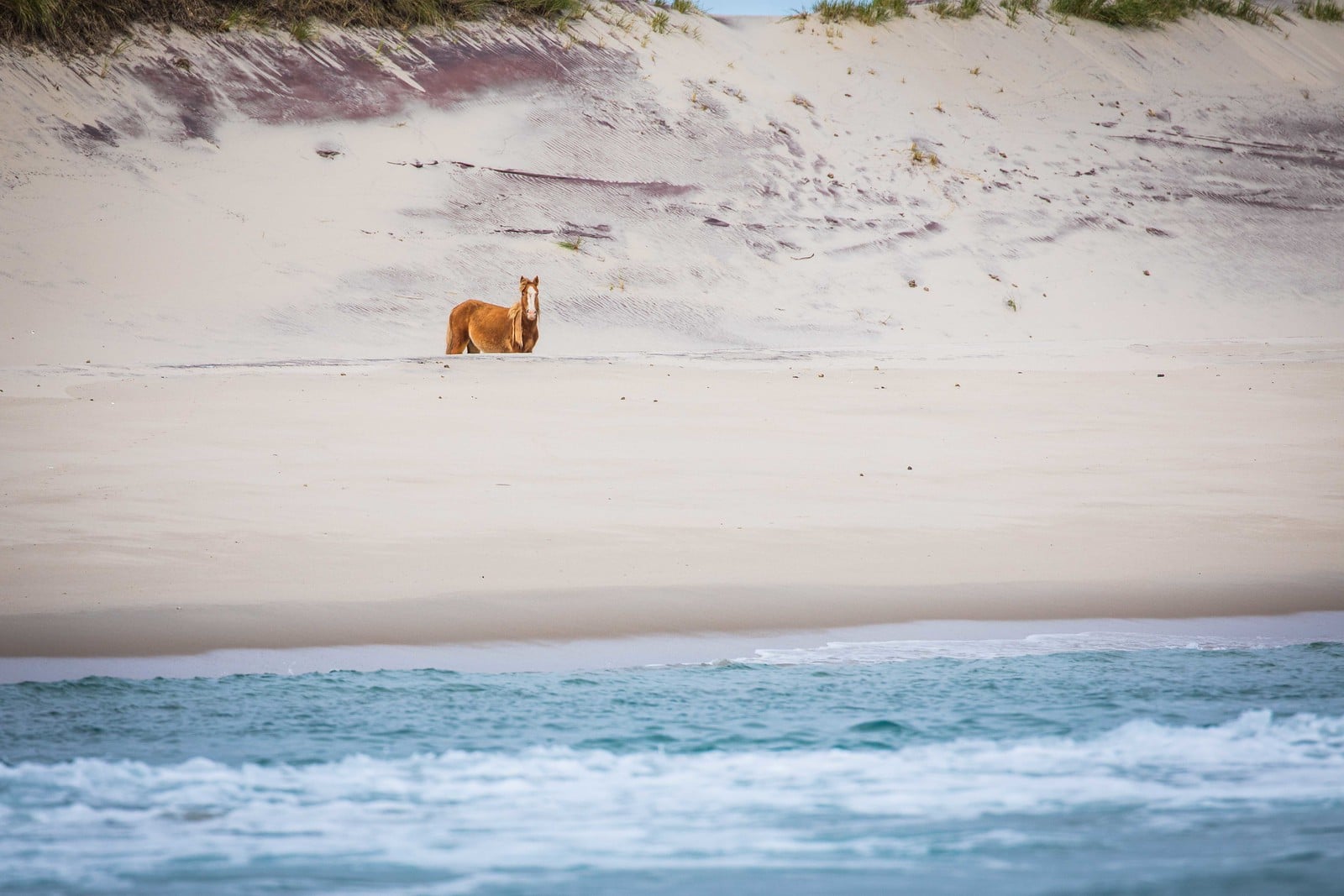
This crescent-shaped sandbar shifts location constantly as Atlantic storms reshape its beaches and dunes — which explains why over 350 shipwrecks litter the waters around what sailors grimly nicknamed “the graveyard of the Atlantic.” The island exists in a state of perpetual transformation, growing longer on one end while shrinking on the other, its exact coordinates changing with every major storm that sweeps across the North Atlantic.
Sable Island’s wild horses have adapted to this harsh environment over centuries, developing the ability to survive on beach grass and find freshwater in hidden ponds that appear and disappear as the island morphs. Access remains restricted to researchers and government personnel because the combination of dangerous waters, unpredictable weather, and fragile ecosystems makes casual visits both deadly and environmentally destructive.
The horses, seals, and seabirds that call Sable home exist in delicate balance — one that human interference could easily destroy.
Room 39 Island
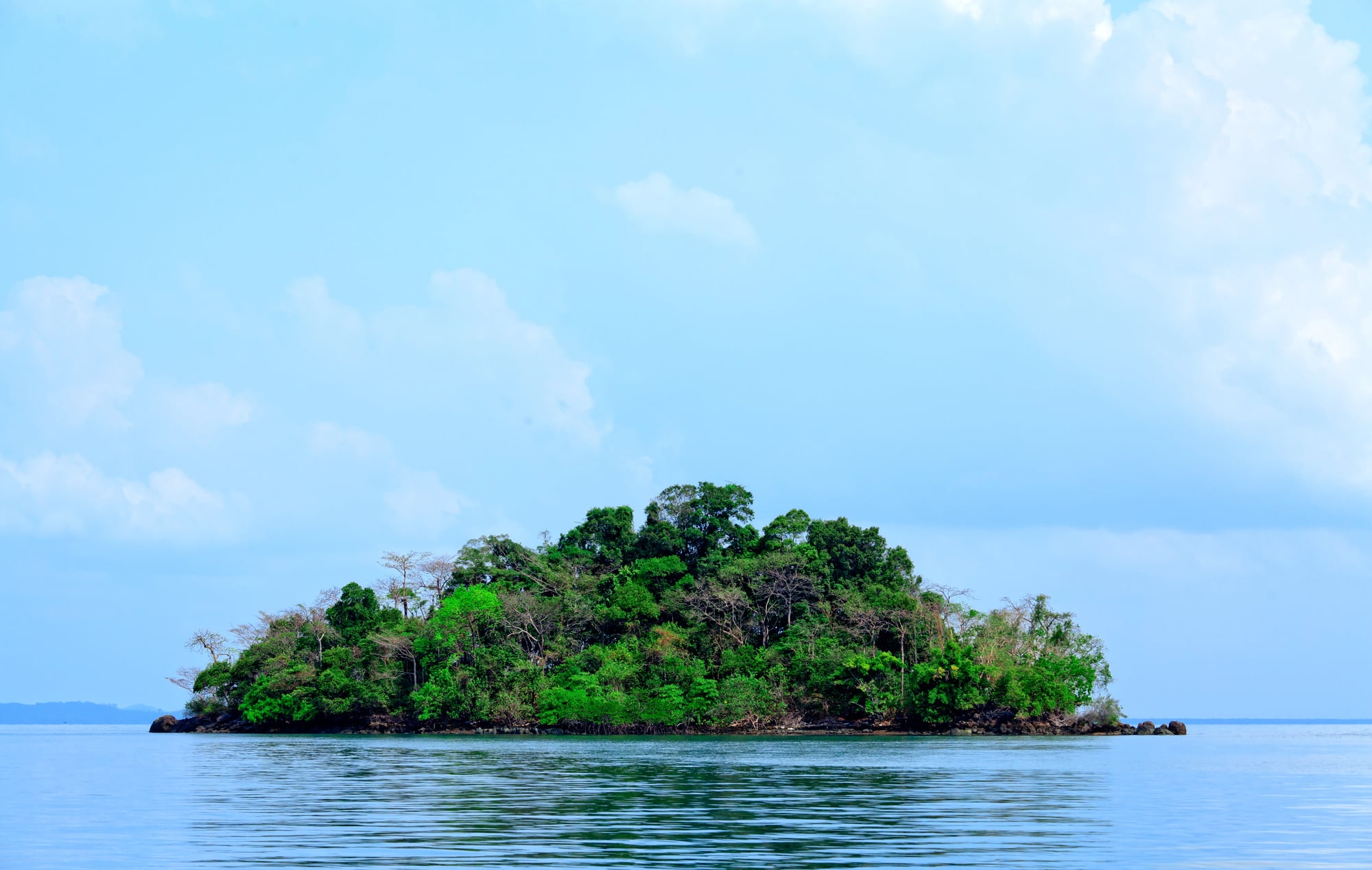
North Korea operates secret facilities on islands that don’t appear on international maps. Room 39 refers to the government department that generates foreign currency through illegal activities — counterfeiting, drug manufacturing, arms dealing.
Some of these operations supposedly run from island facilities. Details remain scarce because North Korea executes people for revealing state secrets.
Defectors occasionally mention island prisons where political prisoners work in conditions that amount to slow-motion death sentences.
Perejil Island
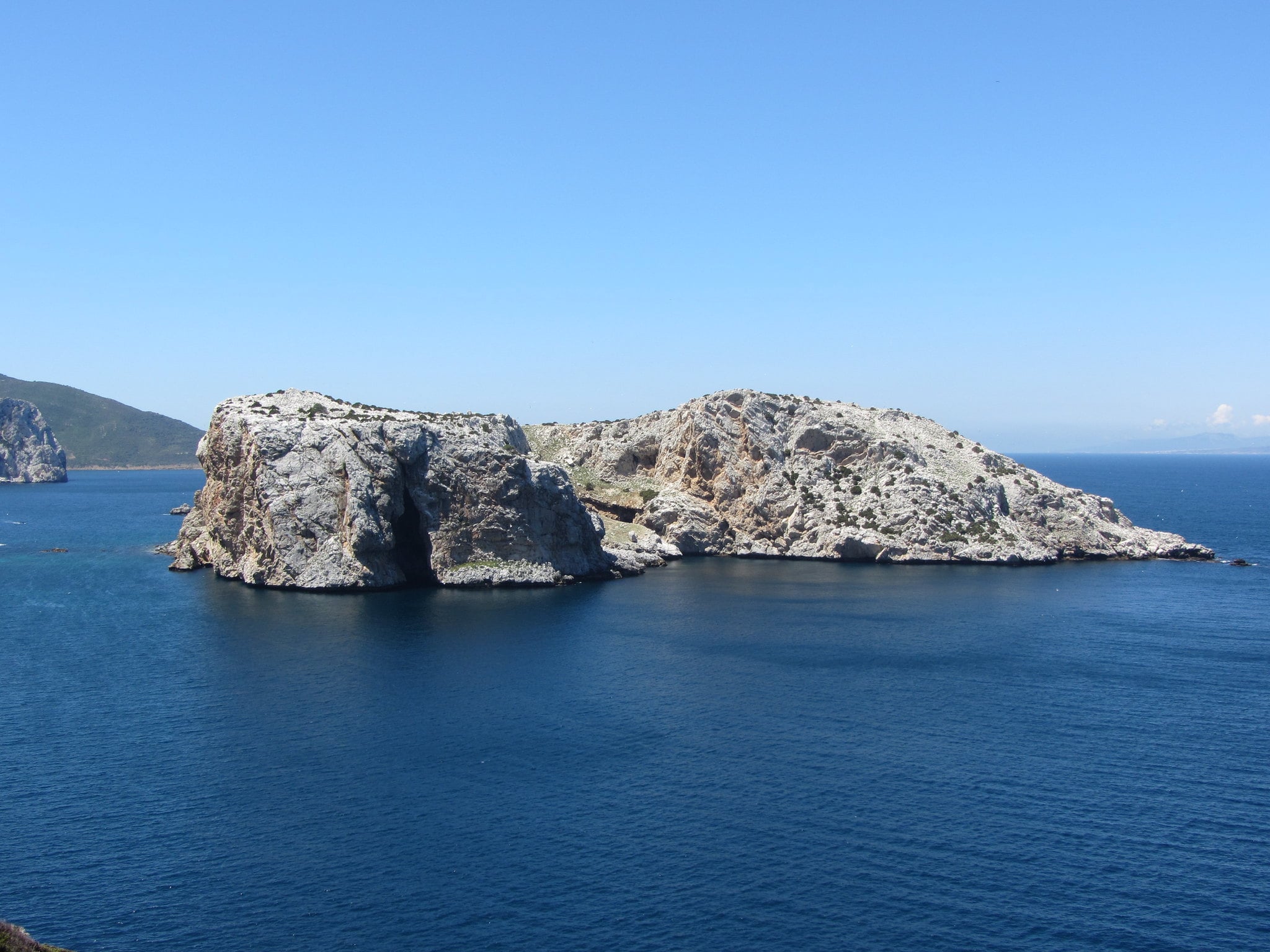
Morocco and Spain nearly went to war over this uninhabited rock in 2002. Spanish forces occupied Perejil after Moroccan soldiers landed there first.
Both countries claim sovereignty over six acres of barren land with no strategic value beyond symbolic nationalism. The crisis ended when both sides agreed to withdraw their forces and pretend the island doesn’t exist.
Neither country maintains a presence there now, but both would probably fight again if the other tried to establish permanent occupation.
Socotra Island
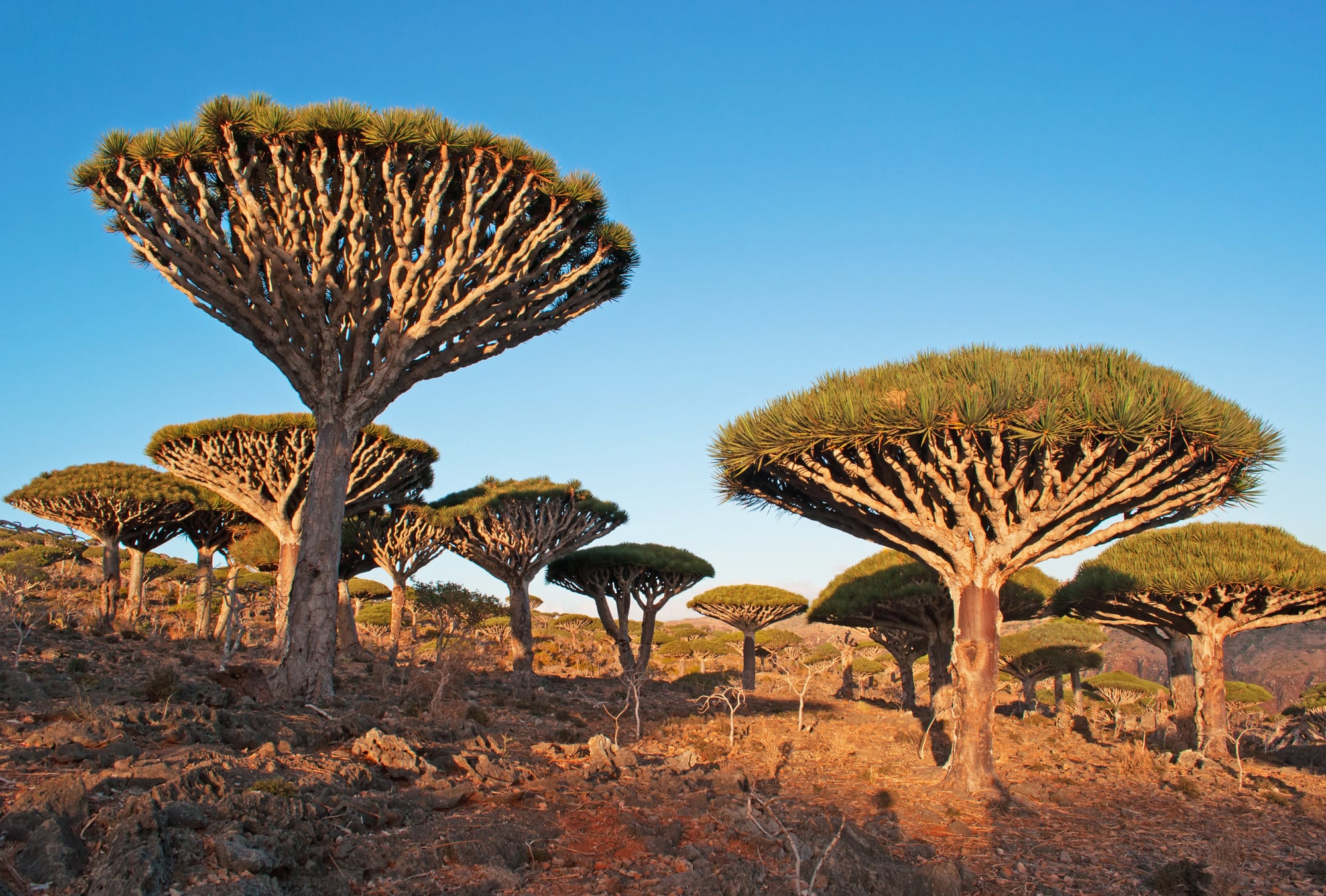
This isolated landmass in the Arabian Sea evolved in complete separation from mainland ecosystems for millions of years — and the results look like something from an alien planet. Dragon’s blood trees spread their umbrella-shaped canopies across landscapes that seem designed by fantasy artists rather than natural selection, while bottle trees store water in bulbous trunks that can survive years of drought.
Over one-third of Socotra’s plant species exist nowhere else on Earth. The island’s isolation has been so complete that even its languages developed independently from Arabic dialects spoken just a few hundred miles away on the mainland.
Yemen’s ongoing civil war has made Socotra essentially inaccessible to outsiders, leaving this evolutionary treasure trove protected by conflict rather than conservation efforts — though local communities continue traditional practices that have preserved the island’s unique ecosystems for centuries.
Hashima Island
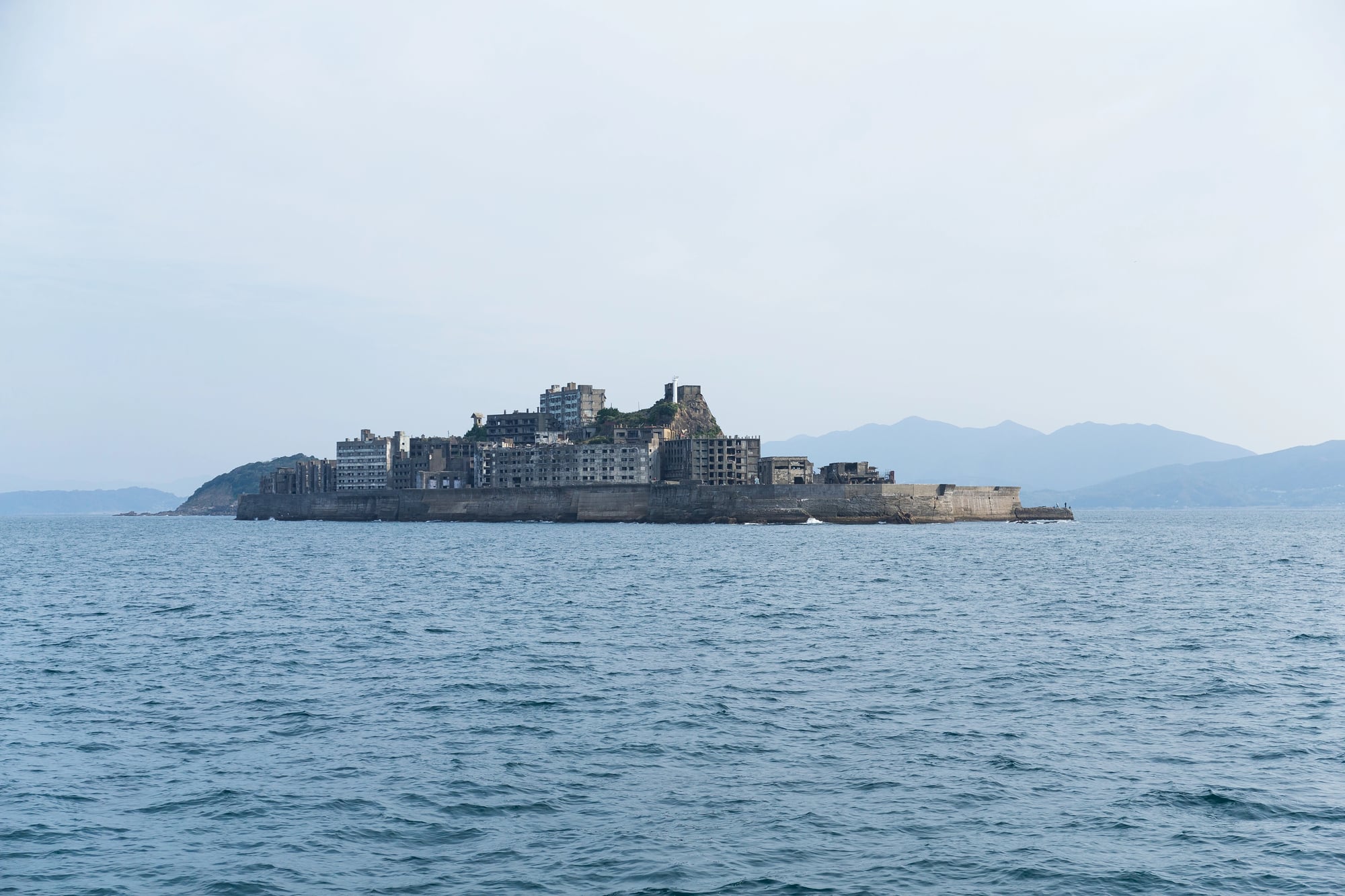
Mitsubishi abandoned this concrete fortress when the coal mines stopped being profitable in 1974. Thirty-five years of typhoons and salt spray have turned Hashima into a crumbling monument to industrial ambition.
Apartment buildings slowly collapse into the sea. Schools and hospitals decay in tropical humidity.
The Japanese government allows limited tourism now, but visitors can only walk designated paths on the outer edges of the island. Most of Hashima remains too dangerous for human access as concrete structures continue their inexorable surrender to the Pacific Ocean.
Islands That Choose Their Secrets
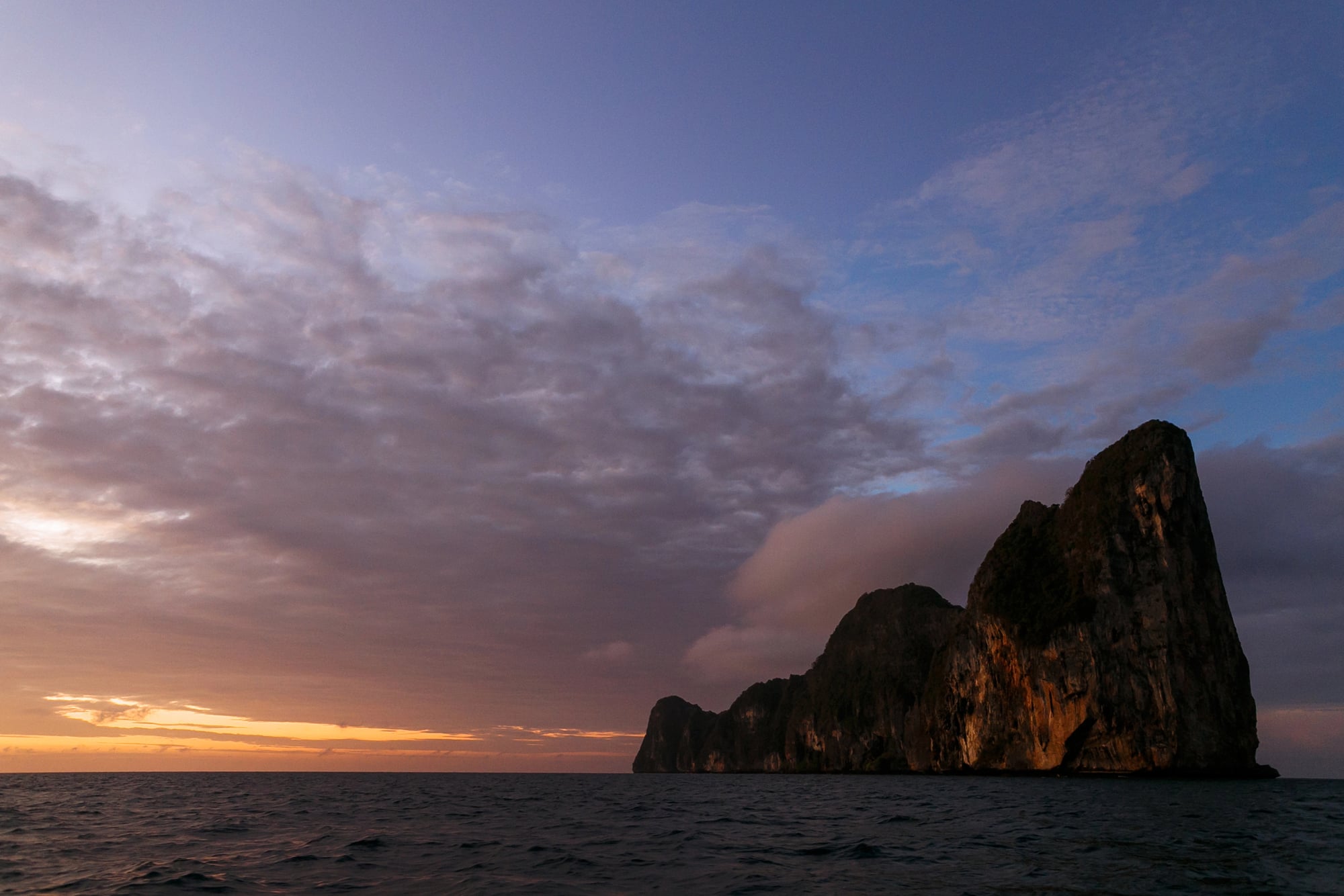
These scattered pieces of land remind us that the world still contains places beyond casual reach. Some hide behind government restrictions, others behind natural barriers that humble human ambition.
A few remain secret simply because they’re too small, too remote, or too dangerous for anyone to bother claiming them. But perhaps the most intriguing aspect of these secretive islands isn’t what they’re hiding — it’s how they mirror our own desire to keep certain parts of ourselves unexplored.
Every restriction creates mystery. Every barrier suggests something worth protecting or concealing.
In a world where satellite imagery can peek into almost any corner of the planet, these islands maintain their secrets through sheer stubborn resistance to easy answers.
More from Go2Tutors!

- The Romanov Crown Jewels and Their Tragic Fate
- 13 Historical Mysteries That Science Still Can’t Solve
- Famous Hoaxes That Fooled the World for Years
- 15 Child Stars with Tragic Adult Lives
- 16 Famous Jewelry Pieces in History
Like Go2Tutors’s content? Follow us on MSN.