16 Cool Buildings With Hidden Functions
Architecture has always been about more than just creating beautiful spaces. Throughout history, builders and designers have cleverly disguised secret purposes within seemingly ordinary structures, creating fascinating dual-purpose buildings that served both public and private functions.
Here’s a list of 16 remarkable buildings around the world that hide surprising secrets behind their conventional facades.
The Winchester Mystery House
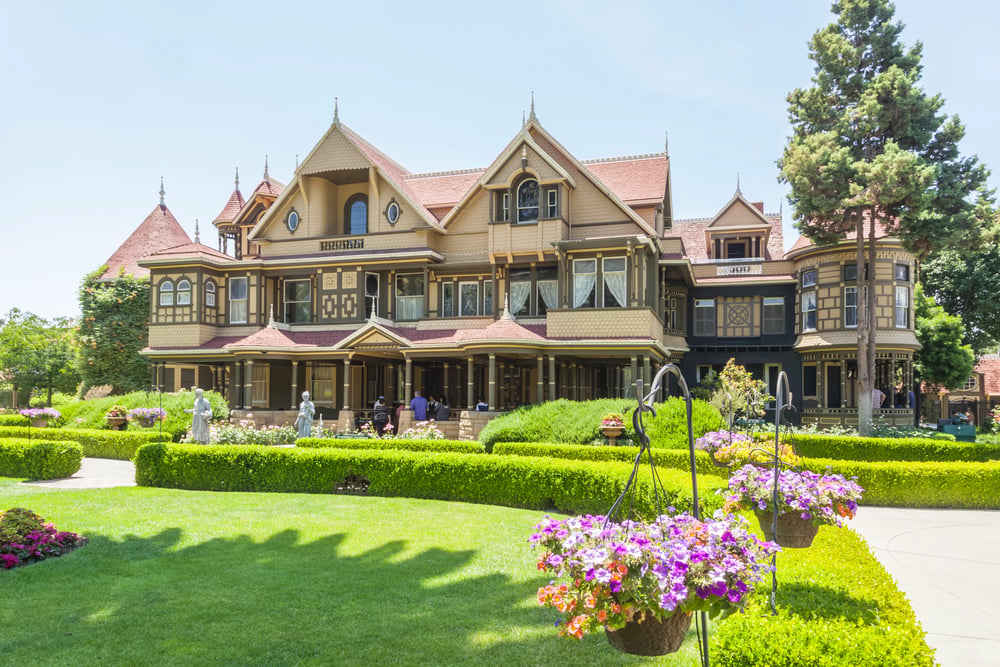
Sarah Winchester’s sprawling mansion in San Jose, California appears to be an eccentric Victorian home, but it was actually designed as a supernatural fortress. The widow of firearms heir William Winchester believed she was haunted by victims of Winchester rifles and continuously built onto the house for 38 years to confuse vengeful spirits.
The 160-room mansion contains staircases that lead to ceilings, doors that open onto walls, and windows that look into other rooms instead of outside.
33 Thomas Street
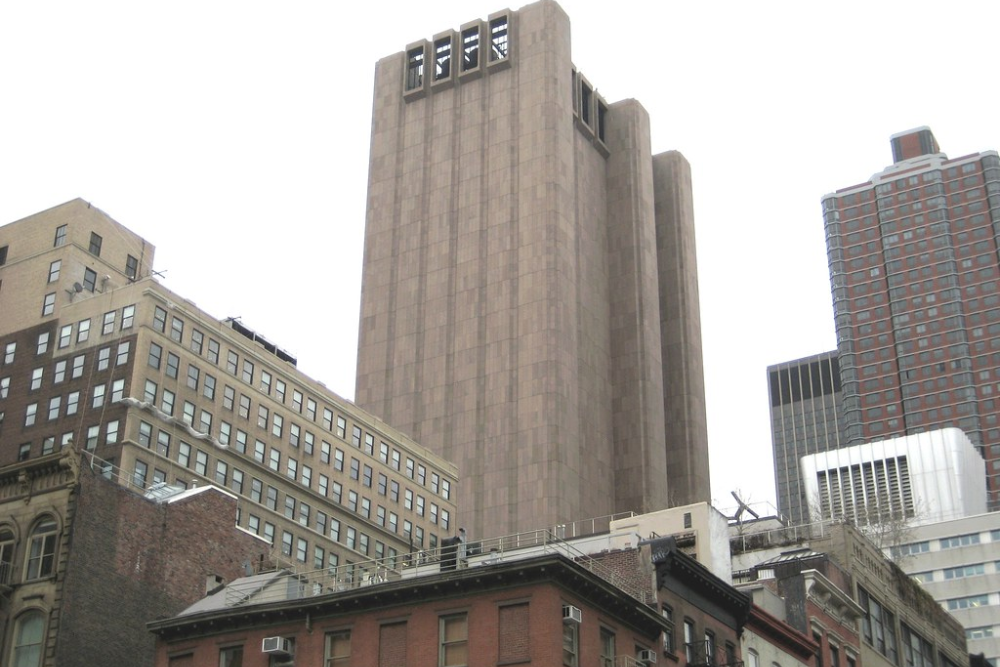
This windowless skyscraper in Manhattan looks like a telecommunications building, which it technically is. However, documents leaked by Edward Snowden revealed that this AT&T facility, known as the Long Lines Building, serves as a major NSA surveillance hub codenamed TITANPOINTE.
The brutalist concrete tower processes vast amounts of international communications and internet traffic for intelligence agencies.
The Greenbrier Resort
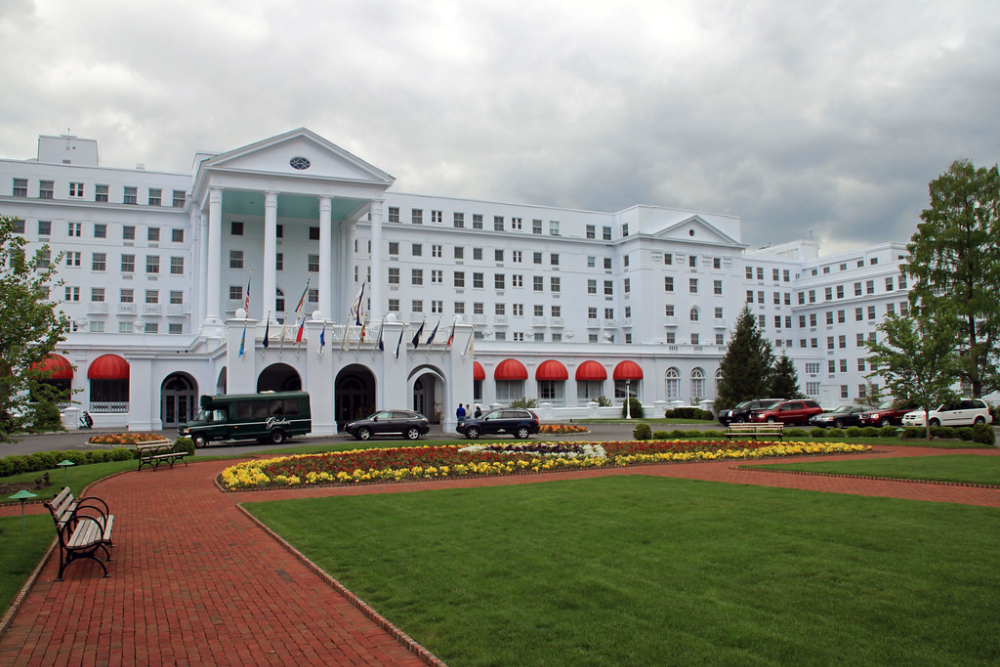
West Virginia’s luxurious Greenbrier Resort has hosted presidents and celebrities since 1778, but beneath its elegant exterior lies a massive government bunker. During the Cold War, the U.S. government secretly built and maintained a 112,000-square-foot underground facility designed to house Congress in case of nuclear attack.
The bunker remained classified for 30 years until a Washington Post article exposed its existence in 1992.
10 Downing Street
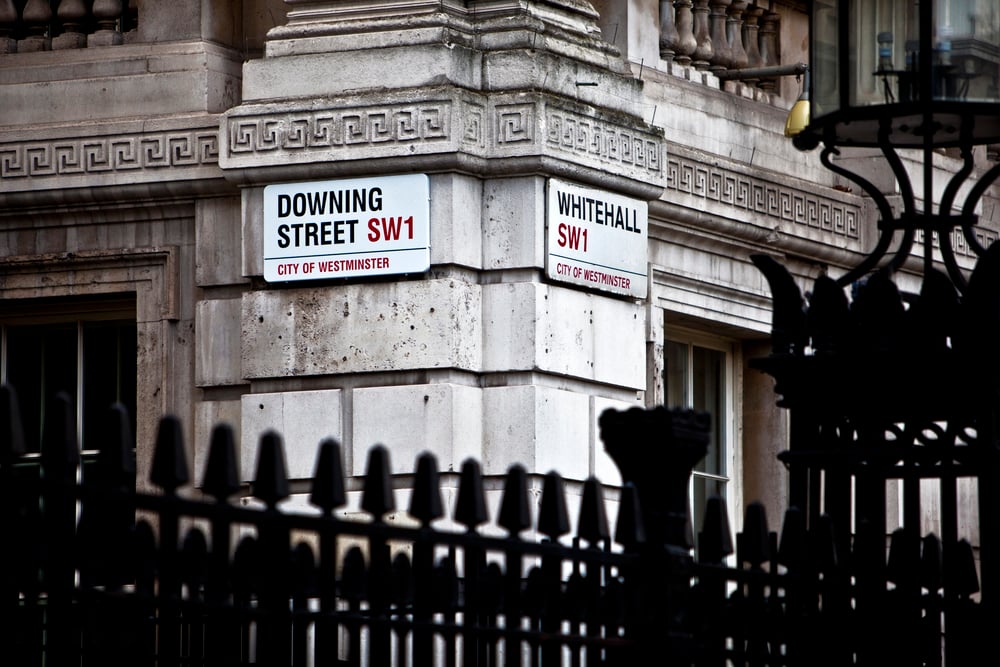
The famous black door of the British Prime Minister’s residence opens to what appears to be a modest townhouse, but appearances deceive completely. Behind the Georgian facade lies a sprawling complex of over 100 rooms connected to neighboring buildings, including meeting rooms, offices, and a crisis management center.
The building also connects to a network of underground tunnels that lead to various government facilities across London.
The Flatiron Building
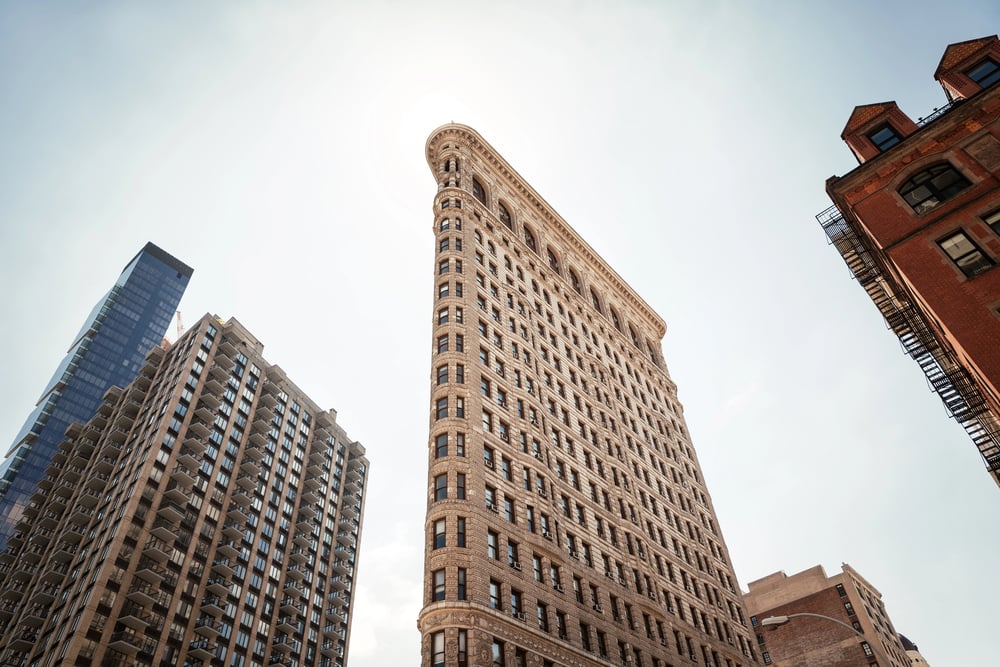
New York’s iconic triangular Flatiron Building seems like a straightforward early skyscraper, but its unique wedge shape served a specific urban planning purpose. The building was designed to maximize rental space on an oddly-shaped triangular lot while creating a distinctive landmark that would attract tenants and boost property values in the surrounding area.
Its unusual design also helps channel wind currents in ways that affect the entire neighborhood’s microclimate.
Mount Rushmore

While Mount Rushmore appears to be purely a patriotic monument, Gutzon Borglum originally envisioned it as the entrance to a massive archive called the Hall of Records. The sculptor planned to carve a chamber behind Lincoln’s head that would house important American documents and artifacts for future generations.
Though the full vision was never completed, a small repository was eventually built in 1998 containing copies of foundational American texts.
The Pentagon

The Pentagon’s distinctive five-sided design wasn’t chosen for architectural flair but rather for the specific contours of its original intended site. When the building was moved to its current location in Arlington, Virginia, planners kept the unusual shape because it created the most efficient office layout possible.
The design allows any point in the building to be reached within a seven-minute walk, making it incredibly functional for housing the world’s largest office workforce.
Grand Central Terminal
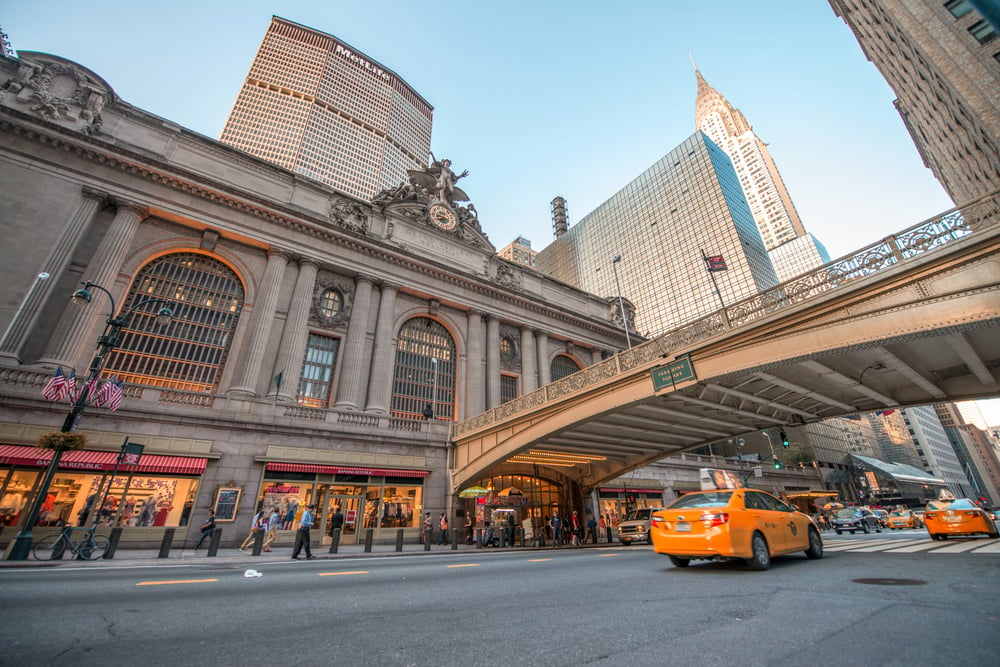
New York’s Grand Central Terminal serves millions of commuters daily, but hidden beneath track 61 lies a secret platform built exclusively for President Franklin D. Roosevelt. The private rail line allowed FDR to travel discretely to the Waldorf Astoria hotel via an elevator that connected directly to the hotel’s sub-basement.
The platform also features an armored train car that served as a mobile command center during World War II.
The Space Needle
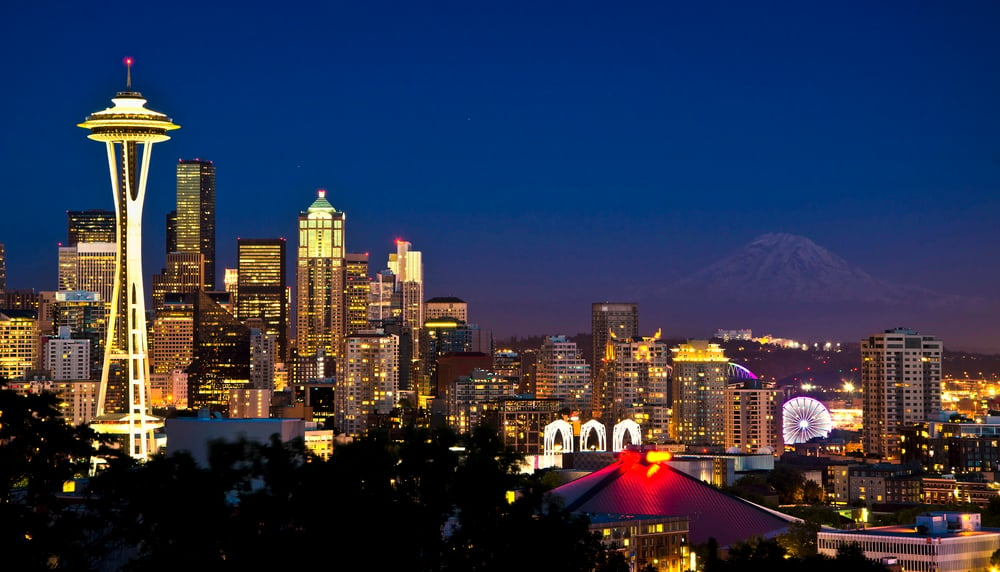
Seattle’s Space Needle was built for the 1962 World’s Fair as a symbol of futuristic optimism, but its design incorporated serious Cold War-era survival features. The structure can withstand earthquakes up to 9.1 magnitude and winds up to 200 miles per hour, specifications that were influenced by fears of nuclear attack.
The building’s foundation includes a massive concrete counterweight system that doubles as a potential fallout shelter.
City Hall Station
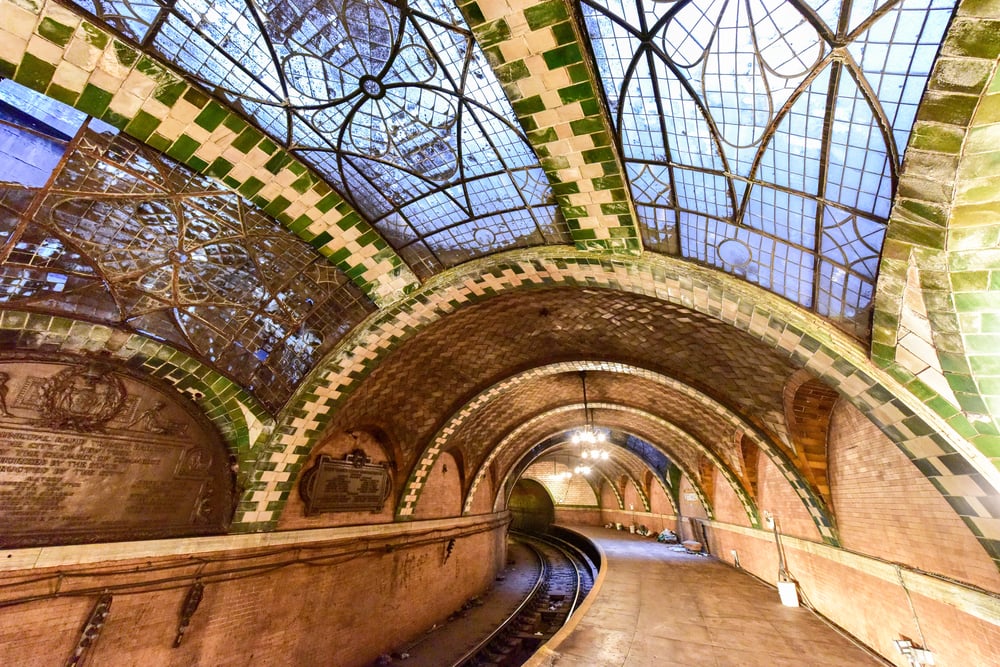
New York’s abandoned City Hall subway station, closed since 1945, was built with elegant architectural details that seem excessive for public transportation. The station was actually designed as a showpiece to demonstrate the subway system’s potential for grandeur and convince wealthy New Yorkers that underground travel could be refined and respectable.
Its ornate tilework and chandeliers were meant to attract upper-class ridership to the then-new subway system.
The Shard
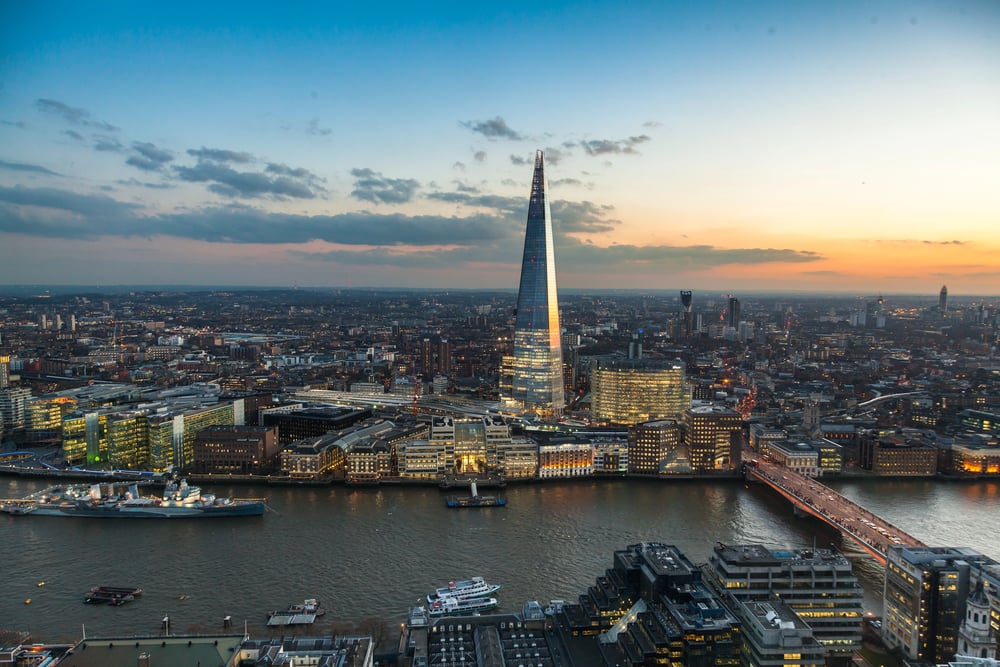
London’s Shard appears to be a standard mixed-use skyscraper, but floors 53-65 are completely empty and serve as a massive mechanical buffer zone. These floors house the building’s complex climate control and structural systems while also providing acoustic separation between the building’s residential and commercial sections.
The empty space also allows for future technological upgrades without disrupting occupied floors.
Millennium Bridge
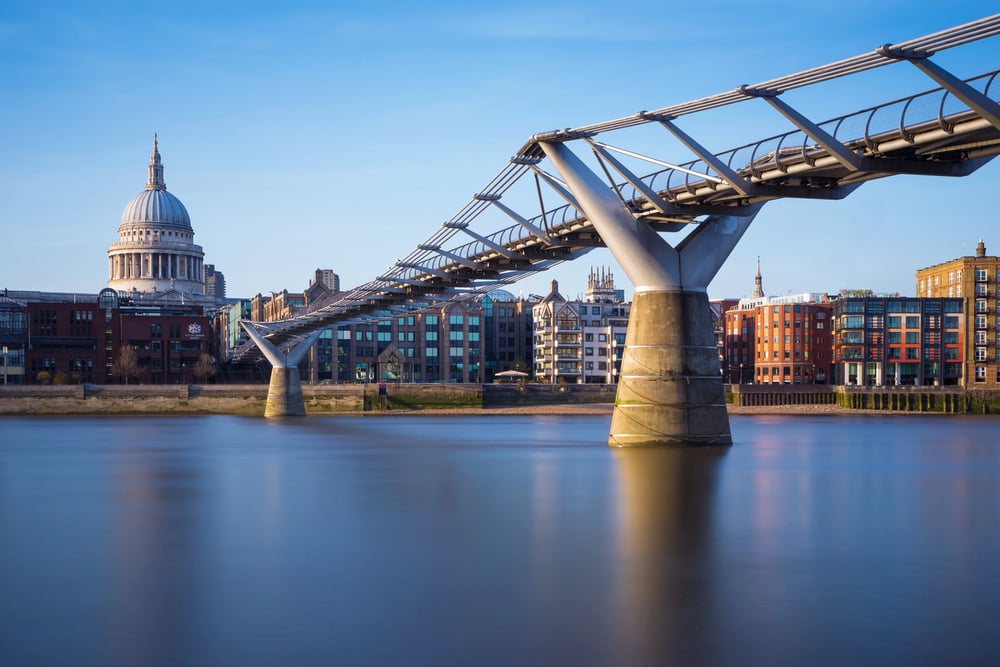
London’s Millennium Bridge was designed as a pedestrian crossing, but its sleek cable-stayed design incorporates advanced vibration dampening technology developed for military applications. The bridge’s engineering systems can detect and counteract various types of structural stress, making it essentially a testing ground for anti-terrorism building technologies.
The dampening system was upgraded after the bridge’s infamous ‘wobble’ incident during its opening.
The Vessel
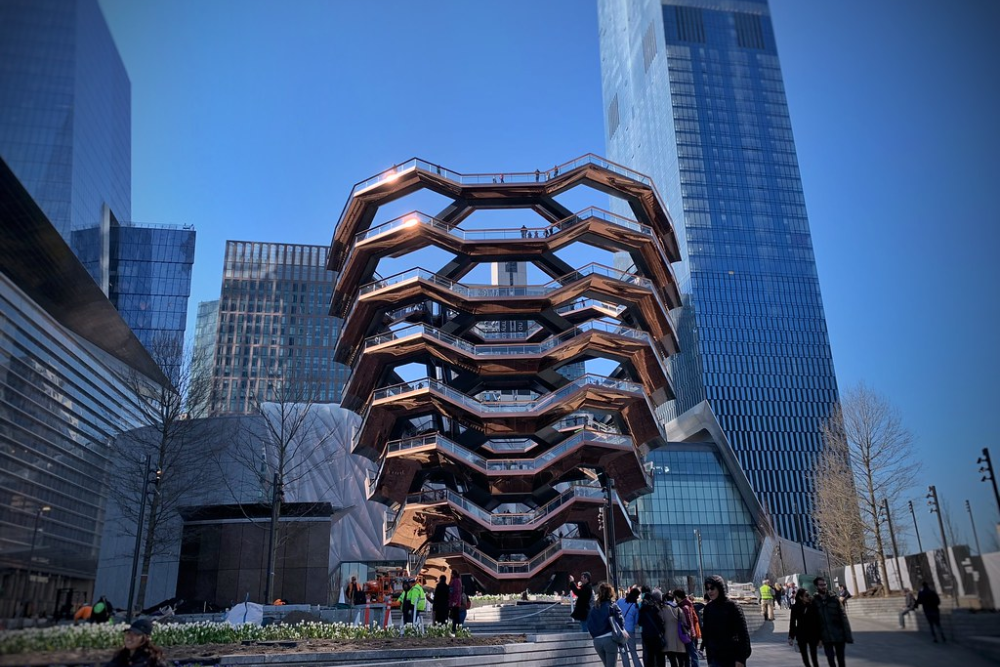
Hudson Yards’ honeycomb-shaped Vessel in New York appears to be pure public art, but its complex staircase structure serves as a sophisticated crowd control experiment. The building’s design channels foot traffic in specific patterns while collecting data on pedestrian movement and behavior.
This information helps urban planners understand how people navigate complex architectural spaces in dense urban environments.
Sagrada Familia
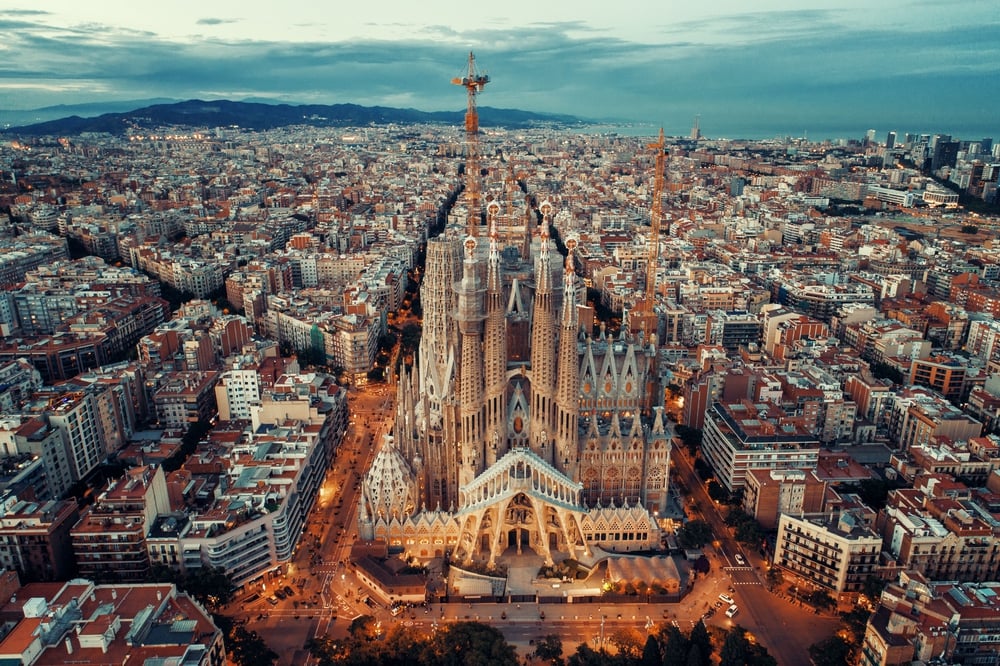
Barcelona’s famous Sagrada Familia basilica seems like a purely religious building, but Antoni Gaudí designed it as a massive acoustic instrument. The church’s complex internal geometry and materials were specifically chosen to create perfect sound distribution throughout the space without electronic amplification.
Every architectural element, from the column angles to the ceiling curves, was calculated to enhance the acoustic properties of religious ceremonies and musical performances.
The Louvre Pyramid
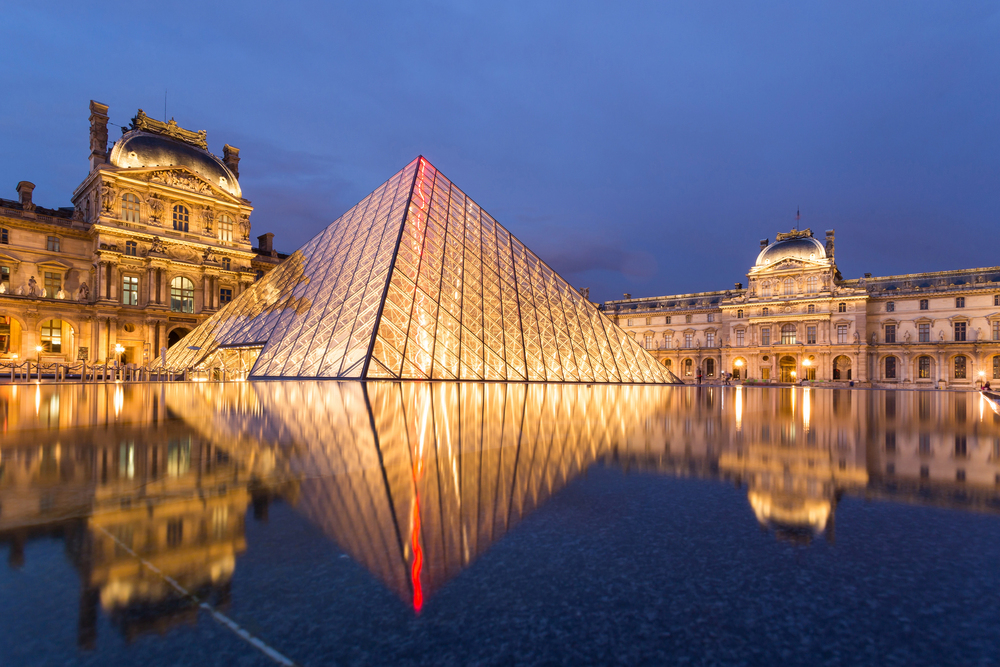
The glass pyramid at the Louvre Museum serves as much more than just a modern entrance to the historic building. Its transparent design and precise positioning create a sophisticated natural lighting system that illuminates the underground lobby without requiring extensive artificial lighting during daylight hours.
The pyramid also houses advanced climate control systems that help preserve the museum’s priceless artworks by maintaining consistent temperature and humidity levels.
Marina Bay Sands
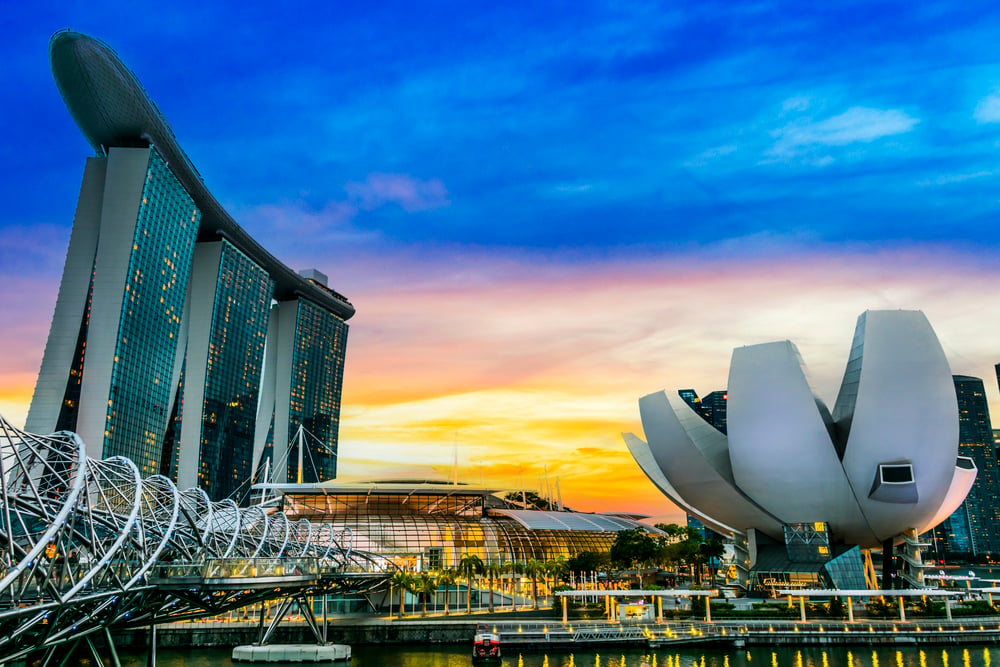
Singapore’s Marina Bay Sands hotel appears to be a luxury resort topped with an infinity pool, but the building’s unique design serves as a massive rainwater collection and recycling system. The curved rooftop and connected towers create a sophisticated water management network that processes and reuses thousands of gallons of tropical rainwater daily.
The building’s engineering systems also help regulate Singapore’s urban heat island effect through strategic air circulation.
Architectural Deception Through the Ages
These buildings demonstrate that the most interesting structures often hide their true purposes behind conventional appearances. From government bunkers masquerading as luxury hotels to subway stations designed as social experiments, architects have long understood that function and form don’t always need to match.
Today’s smart buildings continue this tradition, embedding advanced technologies and hidden systems within familiar architectural frameworks. The next time you walk past an ordinary-looking building, consider what secrets might be hiding just behind its facade.
More from Go2Tutors!

- The Romanov Crown Jewels and Their Tragic Fate
- 13 Historical Mysteries That Science Still Can’t Solve
- Famous Hoaxes That Fooled the World for Years
- 15 Child Stars with Tragic Adult Lives
- 16 Famous Jewelry Pieces in History
Like Go2Tutors’s content? Follow us on MSN.